


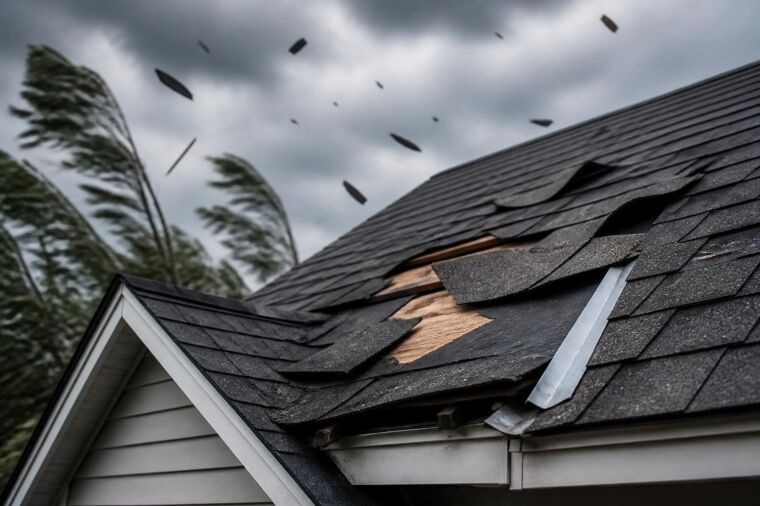
Wind is one of nature's most powerful forces, and your roof serves as the first line of defense against its destructive potential. Understanding how wind damage affects roofing systems helps property owners identify problems early, prevent costly repairs, and maintain structural integrity. Whether you're dealing with the aftermath of a severe storm or looking to protect your investment proactively, knowing the signs and solutions for wind damage to roof structures is essential for every homeowner and commercial property owner in the Joliet area and surrounding communities.
Understanding How Wind Affects Your Roof
Wind doesn't simply blow across your roof surface. Instead, it creates complex pressure patterns that can compromise even well-installed roofing systems. When wind encounters a building, it flows up and over the structure, creating areas of high and low pressure that pull and push on roofing materials.
The edges, corners, and ridge lines of your roof experience the most intense wind forces. These vulnerable areas face wind speeds that can be significantly higher than ground-level measurements. A 70-mph wind at ground level might translate to 90-100 mph forces at your roof's peak or corners.
Critical Wind Speed Thresholds
Different roofing materials begin to fail at specific wind speeds. Understanding these thresholds helps you assess your risk level during severe weather events.
- Asphalt shingles: Typically rated for 60-110 mph depending on quality and installation
- Metal roofing: Can withstand winds up to 140 mph when properly installed
- Modified bitumen: Commercial systems rated for 90-120 mph
- Flat roof membranes: Generally handle 90-110 mph with proper attachment
Your roof's actual wind resistance depends heavily on installation quality, material condition, and age. A twenty-year-old roof with deteriorating adhesive strips will fail at much lower speeds than manufacturer ratings suggest.

Common Types of Wind Damage to Roof Systems
Wind damage manifests in several distinct ways, each requiring different repair approaches. Recognizing these patterns helps you communicate effectively with contractors and insurance adjusters.
Missing or Lifted Shingles
The most visible sign of wind damage appears when shingles lift, crease, or blow off completely. This typically starts at roof edges where wind forces concentrate. Once a few shingles loosen, adjacent ones become vulnerable as wind can penetrate beneath the roofing layer.
Progression of shingle damage:
- Adhesive seal breaks along tab edges
- Wind catches underneath, creating creases
- Shingles tear at nail points or lift entirely
- Underlying felt paper becomes exposed
- Water penetration begins at vulnerable spots
Flashing Compromises
Metal flashing around chimneys, vents, valleys, and roof-to-wall transitions represents another weak point during high winds. Wind-driven rain can exploit even small gaps in flashing systems, leading to interior water damage that seems unrelated to the storm's intensity.
Professional inspection reveals whether flashing has pulled away from surfaces, developed gaps in sealant, or sustained physical deformation. These issues often go unnoticed until water stains appear on ceilings or walls.
Granule Loss Patterns
Asphalt shingles rely on ceramic granules to protect the underlying asphalt from UV degradation. Wind damage to roof shingles often strips these granules in specific patterns. Check your gutters after storms for excessive granule accumulation, which indicates accelerated wear.
| Damage Type | Visibility | Urgency Level | Typical Repair |
|---|---|---|---|
| Missing shingles | High | Immediate | Individual replacement |
| Lifted tabs | Medium | High | Re-adhesion or replacement |
| Granule loss | Low | Medium | Monitor or replace |
| Flashing gaps | Low | High | Re-seal or replace |
| Underlayment exposure | Medium | Immediate | Complete section repair |
Identifying Hidden Wind Damage
Not all wind damage to roof systems announces itself with missing shingles or obvious leaks. Some of the most costly damage develops slowly over months or years following a wind event.
Structural Movement Signs
High winds can shift roof decking, loosen fasteners, and stress structural connections without creating immediate leaks. Walk through your attic after severe wind events, looking for these indicators:
- Daylight visible through roof boards
- New cracks in decking or rafters
- Nail pops pushing through shingles
- Separation at ridge or hip joints
- Sagging areas in roof planes
Seal Failures on Flat Roofs
Commercial properties with modified bitumen or single-ply membrane systems face unique challenges. Wind can break seam seals, lift membrane edges, and compromise parapet wall flashings without creating obvious damage from ground level. Commercial roofing systems require professional inspection after wind events exceeding 50 mph.
The adhesive bonds in these systems deteriorate gradually. A wind event might not cause immediate failure but can weaken bonds enough that normal thermal expansion completes the damage weeks later.
Preventing Wind Damage Through Proper Maintenance
Regular maintenance dramatically reduces your roof's vulnerability to wind damage. Most wind-related failures occur at points where previous minor damage or normal wear created initial weak spots.
Annual Inspection Priorities
Schedule professional inspections every spring to address these high-risk areas before summer storm season:
- Shingle adhesion testing: Gently lift tab corners to verify seal strips remain bonded
- Flashing integrity: Check all penetrations and transitions for gaps or rust
- Fastener security: Verify exposed fasteners remain tight and sealed
- Edge metal condition: Ensure drip edges and rakes remain properly attached
- Ventilation components: Confirm ridge vents, turbines, and caps are secure
Between professional visits, homeowners should conduct visual inspections after any wind event exceeding 40 mph. Use binoculars from ground level to check for obvious damage before deciding whether professional assessment is necessary.
Upgrading Vulnerable Components
Older homes often have roofing systems installed to outdated wind resistance standards. Strategic upgrades provide significant protection improvements without complete replacement.
Cost-effective wind resistance improvements:
- Install starter strip shingles along rakes and eaves
- Upgrade to six-nail pattern for perimeter shingles
- Apply roof deck adhesive in high-wind zones
- Replace standard ridge cap with high-wind versions
- Add hurricane clips at roof-to-wall connections
These targeted improvements work especially well when combined with normal replacement of aging components. If you need roof repair for other reasons, incorporating wind-resistance upgrades adds minimal cost while providing substantial long-term value.
Insurance Considerations for Wind Damage
Understanding your insurance policy's wind damage provisions prevents costly surprises when filing claims. Most policies cover wind damage to roof systems, but important limitations and requirements affect your coverage.
Documentation Requirements
Insurance companies require specific evidence to approve wind damage claims. Begin documentation immediately after discovering damage, before making any temporary repairs beyond emergency tarping.
Essential documentation includes:
- Dated photographs of all damaged areas from multiple angles
- Close-up images showing specific shingle or material failures
- Ground-level debris photos showing roofing materials
- Interior damage pictures if leaks occurred
- Weather service reports confirming wind speeds
Many homeowners make the mistake of cleaning up immediately, discarding evidence that proves the damage's extent. Keep damaged shingles, flashing pieces, and other debris until your adjuster completes their inspection.
Working with Adjusters
Insurance adjusters evaluate wind damage to roof systems using specific criteria that differ from contractor assessments. Understanding their perspective helps you communicate effectively and ensure fair settlements.
Adjusters distinguish between wind damage, normal wear, and installation defects. They'll examine shingle seal strips, nail patterns, and material age to determine whether damage resulted from a covered wind event or pre-existing conditions. Professional inspection reports from qualified contractors strengthen your position during these evaluations.
For comprehensive guidance on the claims process, review resources about filing a storm damage insurance claim that cover documentation requirements and negotiation strategies.
Repair vs. Replacement Decision Factors
Not every instance of wind damage to roof systems requires complete replacement. Several factors influence whether repair or replacement provides the most cost-effective and practical solution.
Damage Extent Assessment
Calculate the percentage of your roof surface affected by wind damage. Insurance companies and contractors use specific thresholds for repair versus replacement recommendations.
| Affected Area | Typical Recommendation | Cost Consideration |
|---|---|---|
| Under 10% | Individual repairs | Most economical |
| 10-30% | Section replacement | Moderate cost |
| 30-50% | Consider full replacement | Long-term value |
| Over 50% | Full replacement | Insurance may require |
Beyond simple percentage calculations, consider whether damage concentrates in specific areas or disperses across multiple roof planes. Concentrated damage often repairs more easily than widespread issues.
Age and Condition Factors
A fifteen-year-old roof with wind damage presents different considerations than a five-year-old system. Even if repair seems technically feasible, replacement might provide better value when factoring in remaining service life.
Replacement makes sense when:
- Current roof has five or fewer years of expected life remaining
- Multiple previous repairs created patchwork appearance
- Underlying materials show deterioration beyond wind damage
- Building sale is planned within two to three years
- Energy efficiency upgrades would provide significant savings
Quality contractors provide honest assessments of whether repairs will provide lasting solutions or merely postpone inevitable replacement. Great Roofing's experience with both residential shingle and commercial systems ensures you receive recommendations based on long-term value rather than short-term profit.
Emergency Response to Wind Damage
Immediate action after discovering wind damage to roof systems prevents secondary damage that often exceeds the original storm-related costs. Water infiltration during the hours and days following wind events causes structural deterioration, mold growth, and interior damage that complicate repairs significantly.
Temporary Protection Measures
When wind damage creates openings in your roof system, temporary waterproofing becomes essential until permanent repairs occur. However, improper temporary measures can create additional damage or safety hazards.
Safe emergency protection steps:
- Assess damage from ground level first – never climb on damaged roofs
- Contact professional emergency services for large openings or structural concerns
- For minor leaks, place buckets and tarps inside to catch water
- If accessible safely, cover small damaged areas with weighted tarps
- Document all temporary measures with photographs for insurance purposes
Professional contractors maintain emergency response capabilities specifically for post-storm situations. Attempting DIY repairs on steep or damaged roofs creates serious injury risks that far outweigh any cost savings. The professionals offering storm damage repair services have proper equipment, training, and insurance for safe emergency work.
Contractor Selection During Emergencies
Storm events attract unscrupulous contractors who pressure homeowners into hasty decisions. These "storm chasers" often disappear before completing work or use substandard materials and methods.
Verify contractor credentials even during emergency situations. Licensed contractors carry proper insurance, maintain established business locations, and stand behind their work long after the emergency passes. Request references from recent projects and verify licensing with state and local authorities before signing contracts.
Material Selection for Wind Resistance
When replacing wind-damaged roofing, material selection significantly impacts future wind performance. Modern roofing products offer substantially improved wind ratings compared to materials installed even ten years ago.
Residential Shingle Options
Asphalt shingles dominate residential roofing in the Joliet area, but not all shingles provide equal wind protection. Understanding rating systems helps you balance cost against performance.
Shingle wind rating classes:
- Class D: Basic (60 mph) – Not recommended for exposed locations
- Class G: Enhanced (90 mph) – Minimum for standard installations
- Class H: High wind (120 mph) – Recommended for exposed sites
- Class F: Severe wind (150 mph) – Premium protection for high-risk areas
Installation method affects these ratings significantly. The same shingle installed with four nails versus six nails, or without proper starter strips, performs dramatically differently during wind events. Ensure your contractor follows manufacturer specifications exactly to maintain warranty coverage and achieve rated performance. For detailed comparisons, explore options for the best asphalt roof shingles based on wind resistance and local climate factors.
Metal Roofing Advantages
Metal roofing systems provide superior wind resistance compared to traditional asphalt shingles. Interlocking panels and continuous attachment create unified roof surfaces that distribute wind forces more effectively than individual shingle installations.
Standing seam metal roofs regularly withstand winds exceeding 140 mph without damage when properly installed. The higher initial cost compared to asphalt often balances against extended lifespan, lower maintenance requirements, and superior weather resistance. Property owners in high-wind areas should seriously consider metal options during replacement projects.
Regional Wind Patterns and Risk Assessment
Understanding local wind patterns helps property owners assess their specific risk levels and make informed decisions about protection measures. The Joliet area experiences diverse wind events ranging from severe thunderstorm straight-line winds to occasional tornado activity.
Seasonal Wind Considerations
Different seasons bring distinct wind patterns that affect roofing systems in various ways. Spring and early summer severe thunderstorms generate the most frequent damaging winds in the region, with speeds commonly reaching 60-80 mph during intense storms.
Late fall and winter winds, while sometimes sustained at high speeds, typically cause less roof damage because they lack the gusty, rapidly changing directions characteristic of thunderstorm activity. However, winter winds combined with ice accumulation create unique stress patterns that can damage already weakened systems.
Microclimate Factors
Your specific property location influences wind exposure significantly. Homes on hilltops, near large open areas, or with limited windbreak vegetation face higher wind forces than protected properties in established neighborhoods with mature trees.
Building height and surrounding structures create wind tunnels or protection zones that affect how storms impact your roof. Multi-story buildings experience stronger winds than single-story structures, while properties surrounded by similar-height buildings often receive protection from neighboring structures.
Professional contractors account for these site-specific factors when recommending materials and installation methods. What works perfectly for a ranch home in a wooded subdivision might prove inadequate for a two-story house on an exposed corner lot.
Long-Term Roof Health After Wind Events
Even successfully repaired wind damage to roof systems requires ongoing attention to ensure lasting protection. The stress from wind events can create latent damage that manifests months or years later without proper monitoring.
Post-Repair Monitoring Schedule
After completing wind damage repairs, implement a monitoring schedule that catches developing problems before they require extensive intervention:
- 30 days post-repair: Visual inspection to verify repair integrity
- First major rain: Interior check for any leak development
- 6 months: Professional inspection of repaired areas
- Annual: Complete roof assessment including previously damaged sections
- After any 40+ mph wind: Visual inspection of repair zones
This proactive approach catches seal failures, fastener loosening, or material degradation while repairs remain simple and inexpensive. Many wind damage repairs fail not because of poor workmanship but because follow-up maintenance gets neglected.
Warranty Compliance Requirements
Both manufacturer material warranties and contractor workmanship guarantees include specific maintenance requirements. Failure to perform required inspections and maintenance voids most warranties, leaving you financially responsible for premature failures.
Document all inspections and maintenance with dated photographs and written records. If warranty claims become necessary, this documentation proves compliance with warranty terms. Professional contractors provide maintenance programs that ensure warranty compliance while catching problems early.
Protecting your property from wind damage to roof systems requires understanding how wind affects different materials, recognizing damage signs early, and responding appropriately when problems occur. Regular maintenance, quality materials, and professional installation provide the foundation for long-term weather resistance and structural protection. If you've experienced wind damage or want to assess your roof's vulnerability before the next storm season, Great Roofing offers comprehensive inspection, repair, and replacement services throughout the Joliet area. Our family-owned team brings decades of experience helping homeowners and businesses protect their most valuable investments with expert roofing solutions tailored to local weather challenges.