

When temperatures drop and snow begins to accumulate, your roof faces some of the most challenging conditions of the year. Winter roofing demands specialized knowledge and proactive maintenance to protect both residential and commercial properties from ice dams, heavy snow loads, and moisture infiltration. For property owners in Joliet and surrounding areas, understanding how cold-weather conditions impact roofing systems is essential for preventing costly damage and ensuring long-term durability. This comprehensive guide explores the critical aspects of maintaining and repairing roofs during winter months, from structural considerations to preventative strategies that keep your property safe.
Understanding Winter Roofing Challenges
Cold-weather months present unique obstacles that distinguish winter roofing from work performed during other seasons. Temperature fluctuations create expansion and contraction cycles in roofing materials, while freeze-thaw patterns compromise vulnerable areas like flashing and penetrations.
Ice Dam Formation and Prevention
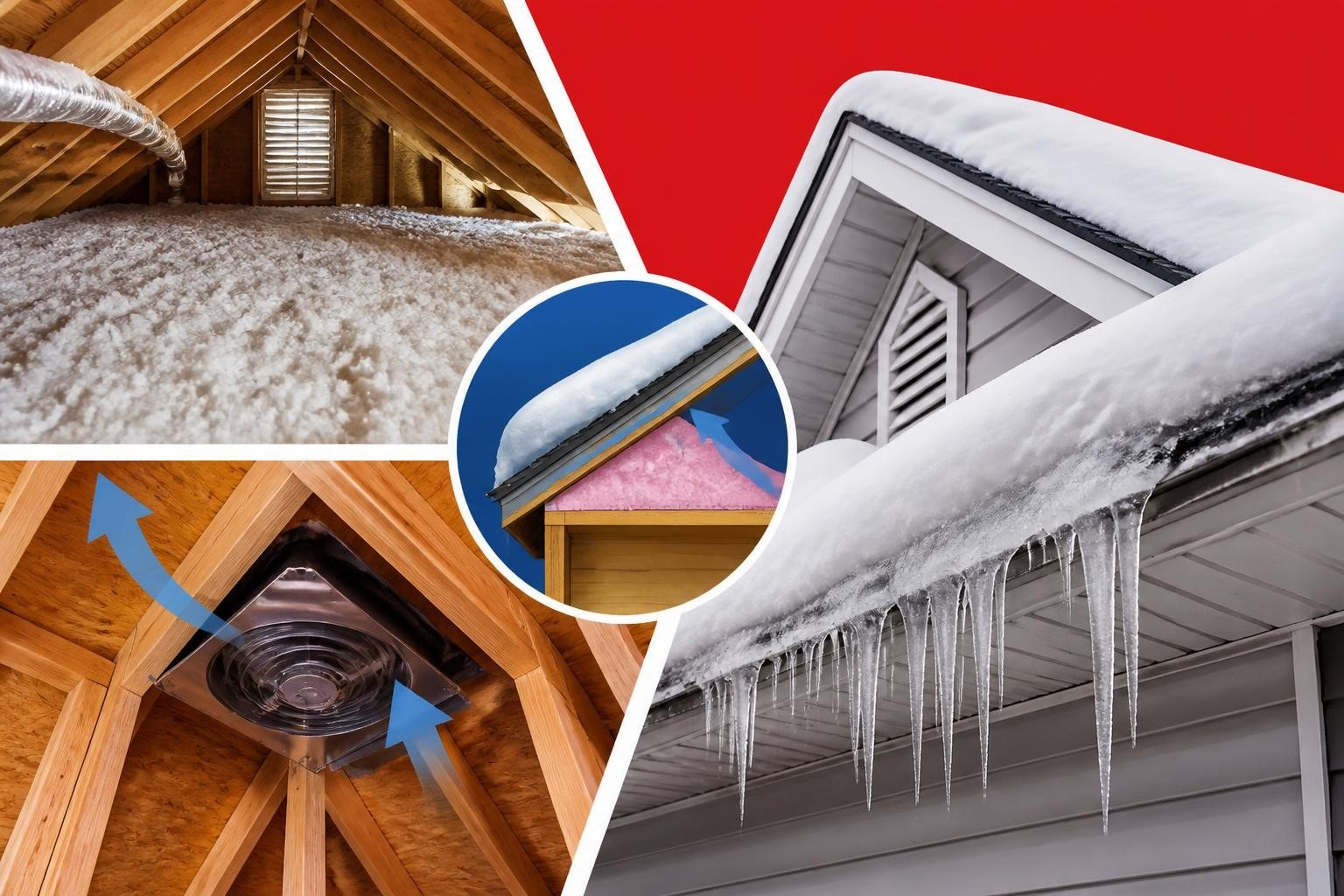
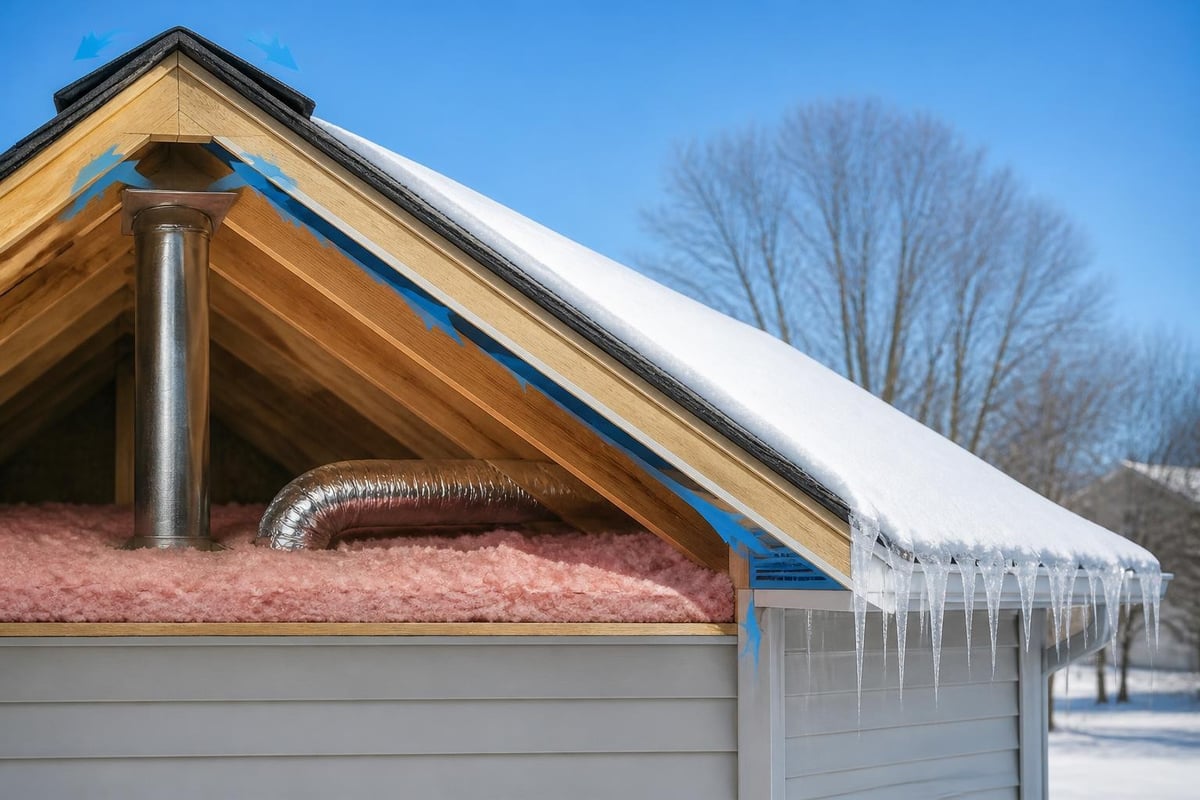
Ice dams represent one of the most destructive winter roofing problems facing Joliet homeowners. These ridges of ice form along roof edges when heat escaping from the attic melts snow on the upper roof surface. The melted water flows downward and refreezes at the colder eaves, creating a barrier that traps subsequent meltwater behind it.
The National Weather Service provides detailed guidance on recognizing and preventing ice dams, emphasizing that proper attic insulation and ventilation are the primary defenses. When water backs up behind ice dams, it can seep under shingles and penetrate the roof deck, causing:
- Interior water damage to ceilings and walls
- Deterioration of insulation materials
- Structural wood rot in roof decking and framing
- Mold and mildew growth in attic spaces
- Damage to gutters and downspouts from ice weight
Prevention strategies focus on controlling heat loss and maintaining consistent roof surface temperatures. This requires a balanced approach to insulation, air sealing, and ventilation that keeps attic temperatures close to outdoor temperatures.
Snow Load Management
Commercial flat roofs and low-slope residential systems face particular challenges with snow accumulation. Unlike pitched roofs where snow naturally slides off, flat and low-slope surfaces can accumulate significant weight that stresses structural components.
Building America research on managing snow loads highlights that wet, compacted snow can weigh 10-20 pounds per cubic foot, while light, fluffy snow weighs only 3-7 pounds per cubic foot. For commercial property owners considering commercial flat roof repair, understanding these load calculations is crucial.
| Snow Type | Weight per Cubic Foot | Risk Level |
|---|---|---|
| Fresh, light snow | 3-7 lbs | Low |
| Settled snow | 10-15 lbs | Moderate |
| Wet, compacted snow | 15-20 lbs | High |
| Ice | 57 lbs | Critical |
Modern building codes reference ASCE 7-22 standards for snow load calculations, with recent updates affecting flat roof design requirements. These structural considerations influence both new construction and evaluation of existing commercial buildings.
Winter Roofing Installation Considerations
Performing roof installations during winter months requires specialized techniques and awareness of material limitations. Temperature-sensitive products like asphalt shingles and modified bitumen systems behave differently in cold conditions compared to warm-weather installations.
Material Performance in Cold Weather
Asphalt shingles become brittle when temperatures drop below 40°F, making them susceptible to cracking during handling and installation. The self-sealing adhesive strips on shingles also require heat activation, which doesn't occur naturally in winter conditions.
Modified bitumen systems used on commercial flat roofs present their own challenges. Torch-applied and heat-welded systems can still be installed in winter, but cold substrates require additional attention to ensure proper adhesion. Hand-sealing shingle tabs and using specialized cold-weather adhesives becomes necessary for winter roofing projects.
Professional contractors adjust their techniques by:
- Storing materials in heated spaces before installation
- Using cold-weather-rated adhesives and sealants
- Hand-sealing all shingle tabs rather than relying on thermal activation
- Limiting work to days above manufacturer-specified minimum temperatures
- Protecting newly installed materials from precipitation during cure times
Emergency Winter Roof Repairs
Winter storms don't wait for convenient timing, and urgent repairs often can't be postponed until spring. Emergency winter roofing situations require immediate response to prevent escalating damage.
Temporary waterproofing solutions include heavy-duty tarps secured with proper fastening systems, emergency patching compounds rated for cold-weather application, and strategic ice and snow removal from damaged areas. When storm damage affects your roof, professional assessment determines whether temporary repairs can suffice until comprehensive work becomes feasible.
For property owners navigating insurance claims for roof repair, documenting winter storm damage thoroughly and implementing emergency measures to prevent further loss are critical steps in the claims process.
Attic Ventilation and Insulation Systems
The foundation of effective winter roofing protection lies beneath the visible roof surface. Proper attic conditions prevent many common cold-weather problems before they manifest as visible damage.
Balanced Ventilation Requirements
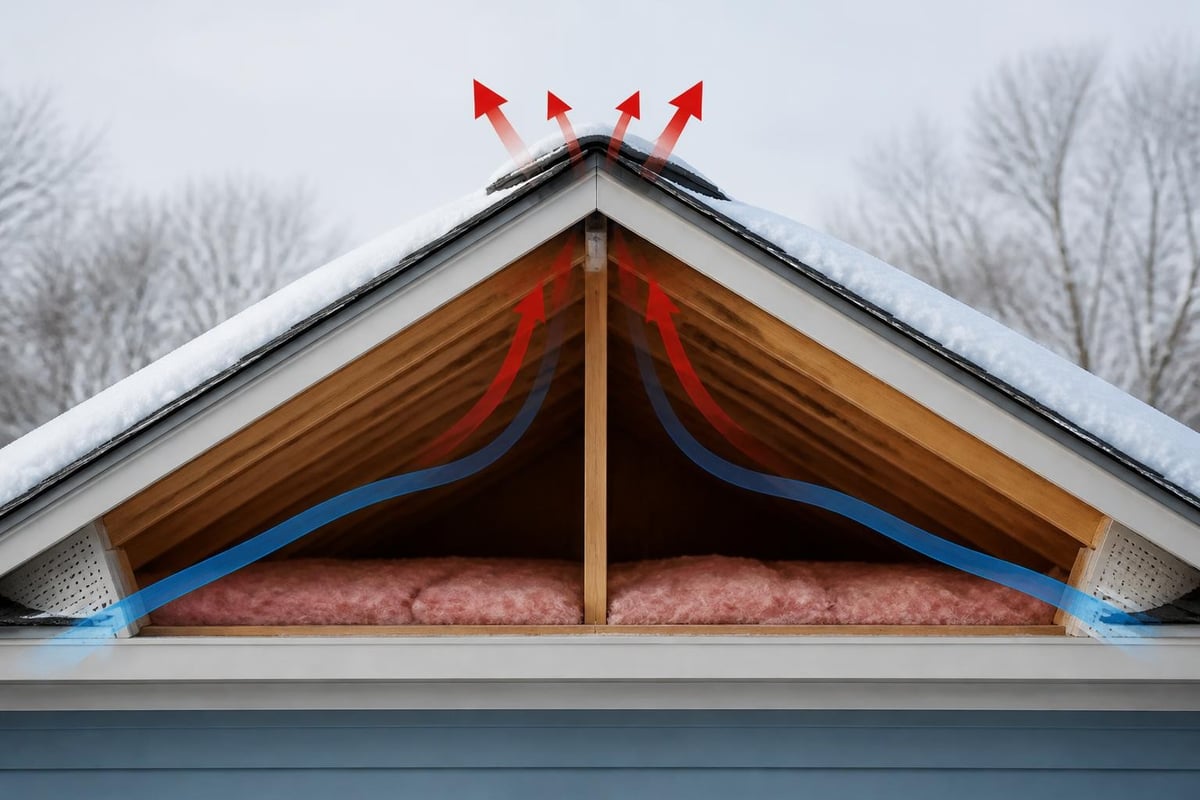
Energy Star guidance on attic ventilation emphasizes that balanced intake and exhaust ventilation maintains proper airflow. This balance prevents moisture accumulation while keeping attic temperatures consistent with outdoor conditions.
Effective ventilation systems include:
- Soffit vents providing continuous intake airflow
- Ridge vents or roof-mounted exhaust vents at peak areas
- Gable vents for cross-ventilation in appropriate configurations
- Proper ventilation baffles maintaining air channels in insulated rafter bays
- Sealed attic bypasses preventing conditioned air leakage
The ventilation requirements vary based on attic square footage, with general guidelines recommending one square foot of net free ventilation area for every 150 square feet of attic space. For property owners reviewing their guide to attic ventilation, professional assessment ensures compliance with local building codes and climate-specific best practices.
Insulation Best Practices
Building America’s comprehensive guidance on ice dam prevention details the critical role of proper insulation depth and placement. Insufficient insulation allows heat to escape into attic spaces, creating the temperature differentials that trigger ice dam formation.
Modern building science recommends R-49 to R-60 insulation values for Joliet's climate zone. However, insulation value means little without proper air sealing. Even small gaps around penetrations, light fixtures, and attic hatches can undermine insulation effectiveness.
| Insulation Type | R-Value per Inch | Recommended Depth |
|---|---|---|
| Fiberglass batts | R-3.2 | 15-19 inches |
| Blown cellulose | R-3.7 | 13-16 inches |
| Spray foam (closed-cell) | R-6.5 | 8-9 inches |
Moisture Management and Roof Assembly Details
Winter roofing success depends heavily on controlling moisture in all its forms-melting snow, condensation, and ice penetration. Professional roof assemblies incorporate multiple defense layers against water intrusion.
Ice and Water Barrier Installation
Modern building codes require ice and water barrier protection along eaves and valleys in cold-climate regions. These self-adhering membranes create watertight seals that prevent water penetration even when ice dams force water backward under shingles.
Best practice installation extends ice and water barriers at least 24 inches beyond the interior wall line, ensuring protection covers the area most vulnerable to ice dam backup. Valleys, dormers, skylights, and roof-to-wall transitions also receive ice and water barrier treatment regardless of their position on the roof.
DOE resources on moisture barriers and flashing provide technical details on creating water-managed roof assemblies that shed moisture effectively. These assembly strategies prove particularly valuable for winter roofing systems exposed to repeated freeze-thaw cycles.
Flashing and Penetration Details
Roof penetrations represent vulnerable points where winter conditions can exploit poor installation. Chimneys, vent pipes, skylights, and HVAC equipment all require properly installed and maintained flashing systems.
Step flashing along sidewalls and dormers must be woven with shingles and sealed to prevent water entry. Counter-flashing on chimneys creates overlapping protection that sheds water while allowing for building movement. Winter roofing inspections should verify that:
- All flashing maintains secure attachment to both roof deck and vertical surfaces
- Sealants remain flexible and intact without cracking
- Counter-flashing overlaps step flashing by at least two inches
- Vent pipe boots show no signs of cracking or separation
- Skylight curbs include properly integrated ice and water barrier treatment
The HUD guidance on building moisture and durability emphasizes that flashing failures account for a disproportionate percentage of roof leaks, making these details critical for winter roofing performance.
Commercial Winter Roofing Considerations
Commercial properties face distinct winter roofing challenges compared to residential structures. Larger roof areas, different drainage patterns, and varied roof access requirements demand specialized approaches.
Modified Bitumen System Performance
Modified bitumen roofing, common on commercial flat roofs in Joliet, performs reliably in winter conditions when properly installed and maintained. These systems consist of reinforced membranes with enhanced flexibility and tear resistance.
Two-ply systems provide redundant waterproofing layers, while cap sheets with granulated surfaces reflect summer heat and resist damage from foot traffic during winter maintenance. Regular inspection of seams and penetrations prevents small issues from becoming major leaks when snow accumulation hides underlying problems.
Drainage System Winterization
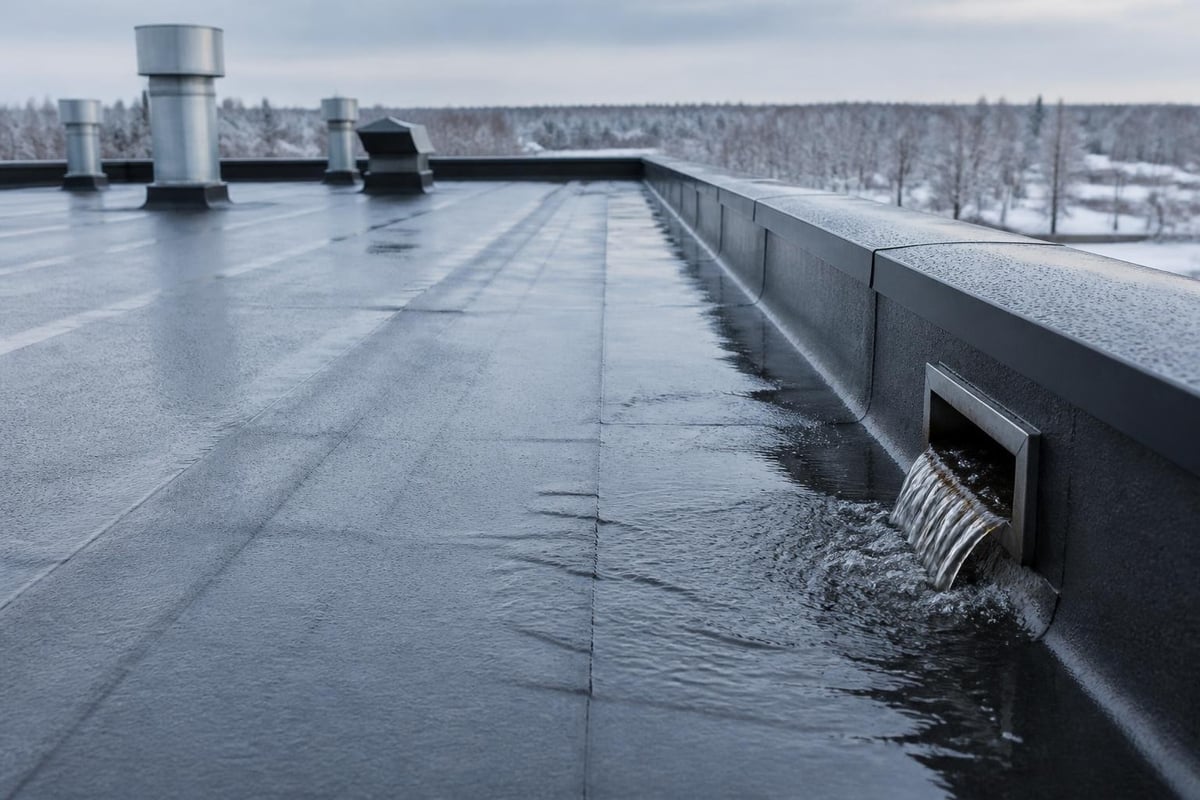
Flat and low-slope commercial roofs rely on functional drainage systems to prevent ponding water that can freeze and expand. Scuppers, drains, and downspouts must remain clear of ice blockages throughout winter months.
Heated drain systems and roof edge cables can prevent ice formation in critical drainage areas, though proper roof slope and insulation often provide more cost-effective long-term solutions. Commercial property managers should schedule pre-winter roof inspections to verify that all drainage components function correctly before snow season begins.
Preventative Maintenance Strategies
Proactive winter roofing maintenance prevents emergency situations and extends roof system lifespan. Scheduled inspections and targeted repairs address small problems before weather extremes transform them into major failures.
Pre-Winter Roof Inspection Checklist
Professional roof inspections before winter identify vulnerable areas requiring attention. Contractors examine:
- Shingle condition: missing granules, curling, cracking, or loose shingles
- Flashing integrity: around chimneys, vents, walls, and valleys
- Gutter systems: proper attachment, slope, and freedom from debris
- Attic spaces: insulation depth, ventilation adequacy, and moisture stains
- Structural elements: sagging areas indicating potential load concerns
For homeowners considering when to replace their roof, pre-winter inspections often reveal whether existing systems can safely handle another cold season or require replacement before weather deteriorates.
Gutter and Downspout Maintenance
Clean, properly functioning gutters prevent ice dam formation by channeling meltwater away from roof edges. Debris-clogged gutters trap water that freezes, creating ice buildups that contribute to dam formation and add weight stress to gutter attachment points.
Fall gutter cleaning should occur after trees drop their leaves but before first snowfall. Downspout extensions that direct water at least six feet from foundation walls prevent basement flooding from snowmelt.
Code Compliance and Structural Requirements
Building codes continue evolving to address winter roofing performance based on accumulated field experience and engineering research. Understanding current requirements ensures both safety and legal compliance.
Updated Snow Load Standards
The 2024 International Building Code coordination with ASCE 7-22 introduced refined snow load calculations for different roof configurations. Ground snow loads for Joliet typically range from 20-25 pounds per square foot, but roof snow loads account for factors like:
- Roof slope and geometry
- Surface material and thermal characteristics
- Proximity to taller buildings causing drift accumulation
- Parapet heights and roof obstructions
Existing structures built to older codes may lack adequate capacity for current snow load requirements, particularly if additions or modifications altered original roof geometry. Professional structural evaluation determines whether reinforcement becomes necessary before winter weather arrives.
Permit Requirements for Winter Work
Emergency repairs typically proceed without permits due to immediate necessity, but comprehensive winter roofing projects require proper permitting. Local building departments verify that work meets current code requirements for:
- Ice and water barrier coverage areas
- Ventilation calculations and implementation
- Insulation values appropriate for climate zone
- Structural adequacy for snow loads
- Fire-rated assembly compliance for commercial buildings
Working with licensed contractors familiar with local permitting processes ensures smooth project progression and compliance with all applicable regulations.
Winter Roofing Safety Protocols
Cold-weather roof work involves heightened safety risks compared to other seasons. Ice formation, reduced daylight hours, and material handling challenges in freezing conditions demand enhanced precautions.
Worker Safety Considerations
Professional roofing contractors implement winter-specific safety protocols including:
- Fall protection systems rated for cold-weather use with proper anchor points
- Ice management on work surfaces before crew access
- Daylight hour scheduling to maximize natural light and warmth
- Cold-weather gear that doesn't compromise safety equipment effectiveness
- Material staging in accessible locations that minimize slipping hazards
Property owners should verify that contractors carry appropriate insurance coverage and maintain OSHA compliance for winter work conditions, protecting both workers and property owners from liability.
Homeowner Safety Guidelines
While some DIY roof repairs may be appropriate during mild weather, winter conditions significantly increase risks for inexperienced individuals. Ice-covered roofs, brittle materials, and reduced manual dexterity in cold temperatures make winter roofing work best left to professionals.
Homeowners can safely perform ground-level tasks like:
- Gutter cleaning from stable ladders in dry conditions
- Visual roof inspections using binoculars from ground level
- Interior attic inspections for moisture or ventilation issues
- Clearing snow from lower roof sections using roof rakes
- Monitoring for ice dam formation along eaves
Professional assessment remains essential for any repairs requiring roof access or structural evaluation during winter months.
Long-Term Winter Roofing Performance
Strategic planning and quality installation determine how roofing systems perform through multiple winter seasons. Decisions made during initial construction or replacement projects influence decades of cold-weather performance.
Material Selection for Cold Climates
Roofing products vary significantly in their suitability for winter conditions. Impact-resistant shingles rated for Class 4 hail resistance also tend to perform better in freeze-thaw cycles. Architectural shingles with higher weight and thickness ratings withstand winter stress better than economy three-tab products.
For property owners exploring homeowner roof replacement options, discussing climate-specific material recommendations with contractors ensures selections appropriate for Joliet's winter conditions. Premium products with enhanced warranties often prove economical over the roof's lifespan when factoring reduced maintenance and longer service life.
Warranty Considerations
Manufacturer warranties distinguish between material defects and installation failures, with winter-related problems sometimes falling into gray areas. Proper installation documentation and using certified contractors protects warranty coverage.
Workmanship warranties from reputable contractors complement material warranties, providing recourse if installation issues contribute to winter roofing failures. Understanding warranty terms before problems arise helps property owners navigate coverage questions when winter damage occurs.
Winter roofing requires comprehensive attention to insulation, ventilation, drainage, and material performance to protect properties through cold-weather challenges. From preventing ice dams to managing snow loads and ensuring proper moisture control, successful winter roofing combines quality materials, expert installation, and proactive maintenance. Whether you need emergency repairs, preventative inspections, or complete roof replacement before winter arrives, Great Roofing brings family-owned dedication and technical expertise to protect Joliet-area homes and businesses through every season. Contact our team today for a comprehensive roof evaluation and customized solutions for your property's winter roofing needs.