


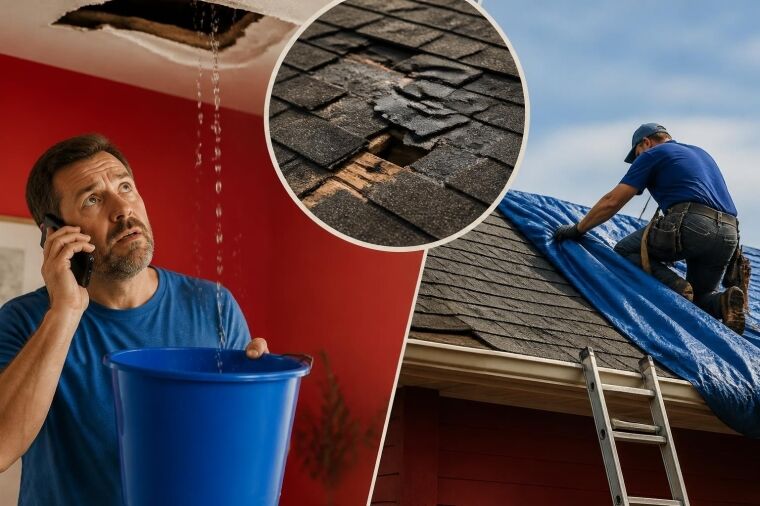
Roofing emergencies rarely happen at convenient times. Whether it's a severe storm that tears through your neighborhood in the middle of the night or a sudden leak discovered during a holiday weekend, knowing when you need asap roofing services can mean the difference between minor repairs and catastrophic damage. Understanding what constitutes a true roofing emergency, how to respond appropriately, and which contractors can deliver quality work under time-sensitive conditions empowers property owners to protect their investments and ensure the safety of occupants. This comprehensive guide explores the critical aspects of emergency roofing situations, from initial damage assessment through contractor selection and the repair process itself.
Identifying True Roofing Emergencies
Not every roofing problem requires immediate attention, but certain situations demand asap roofing intervention to prevent escalating damage or safety hazards. Distinguishing between urgent and non-urgent issues helps you allocate resources appropriately and communicate effectively with contractors.
Immediate Threats to Property and Safety
Active water intrusion tops the list of scenarios requiring emergency response. When water actively pours or streams into your building, every minute counts. Water damage spreads rapidly through ceilings, walls, insulation, and structural components, creating conditions for mold growth within 24 to 48 hours. Similarly, structural compromise including visible sagging, collapse, or significant displacement of roofing materials represents an immediate safety threat that necessitates professional evaluation and temporary stabilization.
Fire damage to roofing systems, even if the fire itself has been extinguished, often leaves the roof vulnerable to weather penetration and further deterioration. The compromised structural integrity and exposed openings require asap roofing attention to secure the building. Additionally, situations where large debris or fallen trees have penetrated the roof membrane or deck create openings that expose the interior to elements and potential intruders.

Storm-Related Damage Assessment
Following severe weather events, property owners face the challenge of determining whether their situation requires asap roofing services or can wait for routine scheduling. Wind damage that has removed significant portions of shingles, exposing underlayment or decking to weather, qualifies as urgent. The NRCA’s guidance on roof repairs after storms emphasizes the importance of prompt action to prevent secondary damage.
Hail damage assessment requires more nuanced evaluation. While hail may compromise the integrity of shingles, immediate emergency service is typically only necessary if the impact has created holes or tears in the roofing membrane. Understanding updated hail impact ratings for asphalt shingles helps property owners and contractors assess the severity and urgency of repairs.
| Storm Damage Type | Emergency Level | Typical Response Time |
|---|---|---|
| Missing shingles (>25% of roof area) | High | Same day to 24 hours |
| Punctures or tears in membrane | Critical | Immediate (within hours) |
| Granule loss from hail | Low to Medium | 1-4 weeks |
| Displaced flashing | Medium | 24-72 hours |
| Tree impact with penetration | Critical | Immediate |
The ASAP Roofing Response Process
When emergencies strike, understanding how professional contractors approach urgent situations helps property owners set realistic expectations and prepare for the intervention process.
Immediate Temporary Protection Measures
Professional asap roofing contractors prioritize temporary stabilization before permanent repairs. This approach prevents additional damage while allowing time for proper assessment, material procurement, and comprehensive repairs under favorable conditions. Tarping represents the most common temporary measure, using heavy-duty polyethylene sheeting secured with boards and fasteners to create a weathertight barrier over damaged areas.
For commercial properties with flat or low-slope systems, temporary protection may involve different strategies. Emergency patching with compatible materials, strategic drainage management, and weighted protection systems all play roles in stabilizing the situation. Those dealing with commercial roofing issues should understand the specific considerations outlined in resources for commercial flat roof repair.
Documentation for Insurance Claims
Emergency roofing situations often involve insurance claims, making proper documentation essential from the initial damage discovery. Before contractors begin even temporary repairs, property owners should photograph and video record all visible damage from multiple angles. Capturing timestamps, weather conditions, and the extent of interior damage strengthens claims significantly.
The Consumer Financial Protection Bureau’s disaster guidance provides valuable information on protecting your finances and property after roof damage. Understanding your policy coverage, deductibles, and claim procedures before emergencies occur streamlines the recovery process. Many homeowners benefit from reviewing details about navigating roof repair insurance to understand their coverage options.
Selecting Qualified Emergency Roofing Contractors
The urgency of roofing emergencies creates vulnerability that unscrupulous contractors exploit. Choosing qualified professionals who deliver quality work despite time pressures requires careful vetting even in crisis situations.
Essential Credentials and Qualifications
Licensing and insurance verification should never be skipped, regardless of urgency. Legitimate contractors carry current general liability insurance and workers' compensation coverage, protecting property owners from liability if accidents occur during emergency repairs. Request certificates of insurance directly from the contractor's insurance carrier, not just copies that could be outdated or falsified.
Local contractors familiar with regional building codes, weather patterns, and permit requirements often provide superior service compared to storm chasers who follow disaster events. Established businesses with physical addresses, longstanding community presence, and verifiable references demonstrate commitment to quality and accountability. When evaluating top roofing companies, consider their emergency response capabilities and local reputation.
Red Flags and Warning Signs
Several behaviors signal contractors to avoid, even when you need asap roofing services urgently:
- Pressure for immediate payment or requests for full payment upfront
- Cash-only transactions without proper invoicing or contracts
- Door-to-door solicitation immediately following storms, especially from out-of-state companies
- Offers to waive insurance deductibles or handle claims without your involvement
- Reluctance to provide references or documentation of credentials
- Unmarked vehicles and lack of professional branding or identification
Reputable contractors understand the need for urgency while respecting proper procedures, contracts, and payment schedules that protect both parties.
Cost Considerations for Emergency Roofing Services
Understanding pricing structures for asap roofing work helps property owners budget appropriately and identify fair versus exploitative pricing during vulnerable situations.
Emergency Service Premiums
Most contractors charge premium rates for after-hours, weekend, or holiday emergency responses. These premiums typically range from 50% to 100% above standard rates, reflecting the disruption to normal schedules, overtime labor costs, and immediate material procurement challenges. However, these premiums should apply only to the emergency response and temporary stabilization, not necessarily to permanent repairs completed during regular business hours.
Transparent pricing from ethical contractors includes itemized estimates separating emergency response costs from permanent repair expenses. This transparency allows property owners to make informed decisions about timing and scope of work. Those seeking affordable roofing solutions should understand that quality emergency services require fair compensation while avoiding price gouging.
Insurance Coverage and Out-of-Pocket Expenses
Most homeowners and commercial property insurance policies cover emergency repairs necessary to prevent further damage following covered events. However, understanding the distinction between covered emergency mitigation and deductible-subject permanent repairs proves crucial for financial planning.
| Expense Category | Typically Covered | Property Owner Responsibility |
|---|---|---|
| Emergency tarping/stabilization | Yes (subject to policy limits) | May need reimbursement claim |
| Permanent repairs from covered peril | Yes (minus deductible) | Deductible amount |
| Pre-existing damage or wear | No | Full cost |
| Upgrades beyond code requirements | Partial or No | Upgrade cost difference |
| Temporary relocation (if needed) | Often Yes | Check policy limits |
Detailed documentation of all emergency expenses facilitates reimbursement and claim processing. Maintaining separate invoices for emergency stabilization versus permanent repairs clarifies what falls under different policy provisions.
Commercial vs. Residential Emergency Roofing
The nature of asap roofing services differs significantly between commercial and residential applications, affecting response strategies, material choices, and contractor qualifications.
Unique Commercial Considerations
Commercial properties often house critical operations where roofing failures directly impact business continuity, revenue, and liability exposure. Manufacturing facilities, retail operations, healthcare facilities, and office buildings each present unique challenges requiring specialized expertise. The IBHS Commercial Roofs Best Practices guide provides research-driven recommendations for protecting commercial roof systems.
Modified bitumen systems, common in commercial applications, require contractors experienced with torch-applied, cold-applied, or self-adhering membrane repairs. Emergency patches on these systems demand proper surface preparation, compatible materials, and techniques that ensure watertight seals without compromising the existing roof warranty. Businesses needing urgent attention should seek contractors specializing in commercial roofing repair with documented experience in their specific roof type.
Business interruption considerations often justify premium emergency response costs. A retail store losing sales during roof repairs or a medical facility risking patient safety due to water intrusion faces costs far exceeding emergency roofing expenses, making rapid professional response a sound investment.
Residential Emergency Priorities
Residential asap roofing situations center on protecting the home structure, personal belongings, and ensuring occupant safety and comfort. The emotional stress of roofing emergencies affecting one's home often exceeds the financial concerns, making clear communication and responsive service particularly important.
Shingle roof emergencies typically involve simpler repairs than commercial membrane systems, but they're no less urgent for homeowners. Missing shingles, damaged valleys, or compromised flashing can quickly lead to interior water damage affecting ceilings, walls, insulation, and personal property. Understanding proper ventilation, particularly attic ventilation systems, helps prevent secondary moisture problems following emergency repairs.
Homeowners should also be aware of regulations affecting residential repairs. For properties built before 1978, the EPA’s Lead RRP Rule imposes specific requirements on contractors to control lead hazards during renovation work, including emergency roof repairs. Compliance protects both contractors and homeowners from health risks and legal liability.
Preventing Future Roofing Emergencies
While some emergencies result from unpredictable events, proactive maintenance and strategic investments significantly reduce the likelihood and severity of future asap roofing situations.
Regular Inspection and Maintenance Programs
Biannual professional inspections identify minor issues before they escalate into emergencies. Spring inspections assess winter damage and prepare roofs for summer storm season, while fall inspections ensure systems can withstand winter weather. Professional inspectors identify loose or damaged shingles, compromised flashing, clogged drainage systems, and early signs of deterioration that homeowners typically miss.
Maintenance programs offered by established contractors provide scheduled service, priority emergency response, and documentation that supports warranty claims and property value. These programs typically include:
- Debris removal from roof surfaces and gutters
- Minor fastener replacement and sealing
- Flashing inspection and adjustment
- Drainage system testing and clearing
- Detailed photo documentation of roof condition
- Prioritized emergency response for program members
Strategic Upgrades and Improvements
Property owners in storm-prone regions should consider impact-resistant materials and reinforced installation techniques during roof replacement. Architectural asphalt shingles with Class 4 impact ratings provide superior hail resistance, potentially qualifying for insurance discounts that offset higher initial costs.
For those in areas experiencing intense summer heat, reflective roofing materials reduce cooling costs while minimizing thermal stress that accelerates roof aging. The Department of Energy’s cool roofs resources explain the energy efficiency benefits and material options available for both commercial and residential applications.
Working with Insurance Adjusters During Emergencies
The intersection of emergency roofing needs and insurance claim processes creates complexity that requires careful navigation to ensure fair settlements and quality repairs.
Understanding the Claims Process Timeline
Insurance companies typically respond to emergency claims within 24 to 48 hours, but adjuster site visits may take longer during widespread disaster events affecting entire regions. Property owners should initiate claims immediately upon discovering damage, providing detailed documentation and requesting expedited processing when emergency conditions exist.
Temporary repair costs generally receive quicker approval than permanent repair estimates, as insurers recognize the need to prevent additional damage. However, exceeding reasonable temporary protection costs without prior approval may result in claim disputes. Communicate with both your contractor and adjuster about proposed emergency measures before implementation when possible.
Those navigating this process benefit from understanding the complete storm damage insurance claim process, including documentation requirements, adjuster expectations, and negotiation strategies for fair settlements.
Contractor and Adjuster Coordination
Professional contractors experienced with insurance work facilitate smoother claims by providing detailed estimates using industry-standard pricing software, documenting pre-existing versus new damage, and communicating directly with adjusters when authorized. This coordination accelerates approvals and reduces disputes that delay permanent repairs.
However, property owners should never completely delegate claim management to contractors. Maintain direct communication with your insurance company, review all estimates and invoices personally, and ensure you understand coverage decisions and payment arrangements. Your contractor advocates for complete and quality repairs, but the insurance relationship remains your responsibility.
Regional Considerations for Emergency Roofing
Geographic location significantly influences the types of emergencies property owners face and the appropriate response strategies for asap roofing situations.
Climate-Specific Challenges
Midwest storm patterns characteristic of the Joliet region bring severe thunderstorms with high winds, large hail, and occasionally tornadoes during spring and summer months. These events create concentrated demand for emergency roofing services, often overwhelming local contractor capacity. Property owners who establish relationships with reliable contractors before emergencies occur receive prioritized response when disaster strikes.
Winter ice dam formation presents another regional challenge requiring specialized knowledge. Emergency removal techniques that prevent further damage without compromising roof integrity differ from standard repair approaches. Local contractors understand these regional patterns and maintain appropriate materials, equipment, and expertise for climate-specific emergencies.
Local Building Code Compliance
Emergency repairs must still comply with applicable building codes and permit requirements, though enforcement agencies typically accommodate expedited processing for safety-related work. Local contractors familiar with municipal requirements in their service area navigate these regulations efficiently, avoiding delays and compliance issues that complicate recovery.
Building code compliance protects property value and ensures repairs meet minimum safety and performance standards. While asap roofing situations create urgency, shortcuts that violate codes may void insurance coverage, create liability exposure, and require expensive corrective work later.
Recognizing true roofing emergencies, selecting qualified contractors, and understanding the repair and insurance processes positions property owners to respond effectively when urgent situations arise. Whether you're facing storm damage, sudden leaks, or structural concerns, Great Roofing brings decades of family-owned expertise to both emergency response and planned roofing projects throughout the Joliet area. Our commitment to quality workmanship, transparent communication, and responsive service ensures your property receives the protection it deserves when you need it most.