

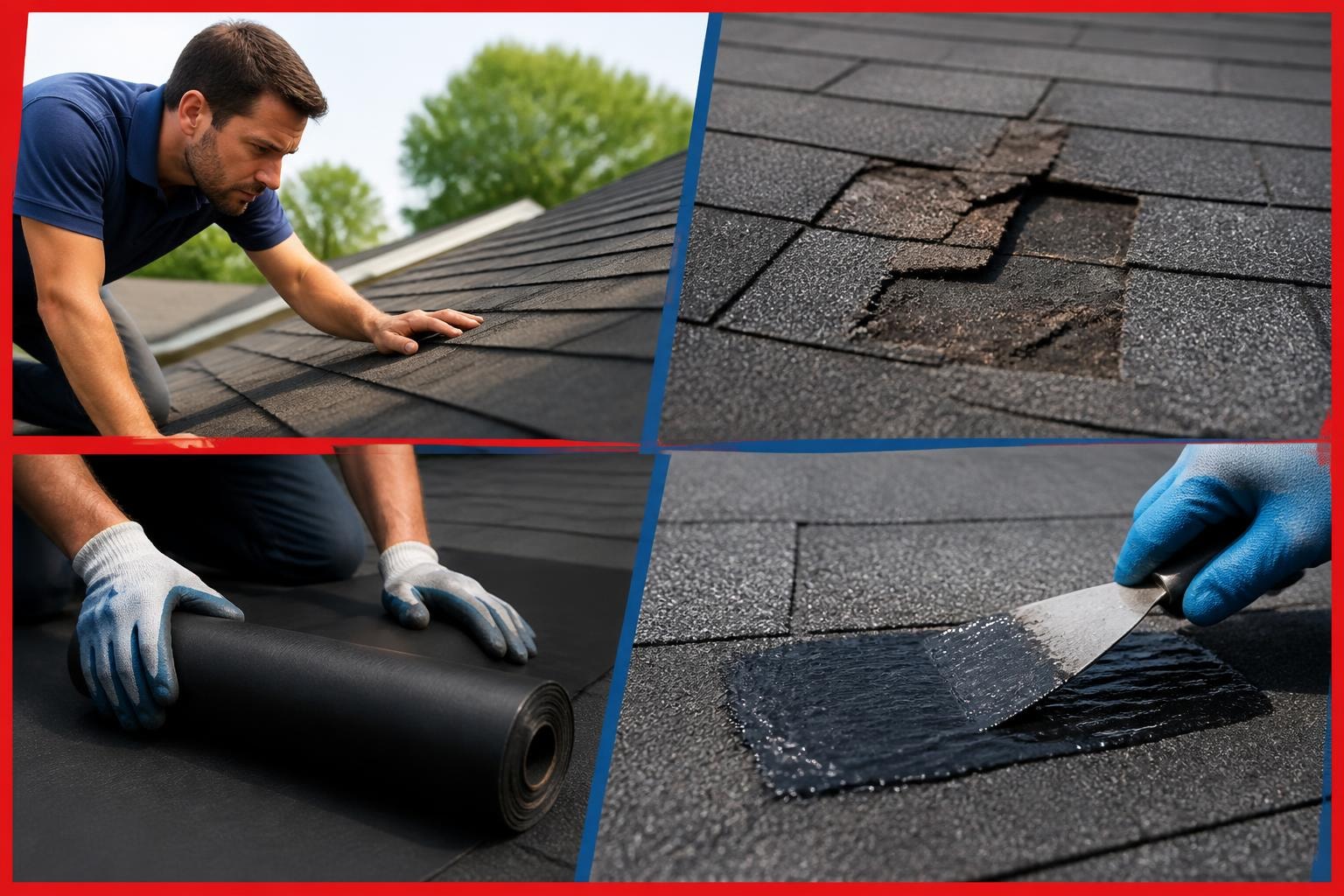
Asphalt shingles remain the most popular roofing material across residential properties in the United States, accounting for approximately 80% of all installations. Their durability, affordability, and aesthetic versatility make them an ideal choice for homeowners throughout Joliet and surrounding communities. However, even the highest-quality asphalt roofs require periodic maintenance and repair to maintain their protective capabilities. Understanding when and how to address damage ensures your roof continues to safeguard your home investment for decades to come.
Understanding Asphalt Roof Damage
Asphalt shingles face constant exposure to environmental stresses that gradually compromise their integrity. Wind, hail, temperature fluctuations, and UV radiation all contribute to deterioration over time. Recognizing the signs of damage early prevents minor issues from escalating into costly structural problems.
Common Types of Shingle Damage
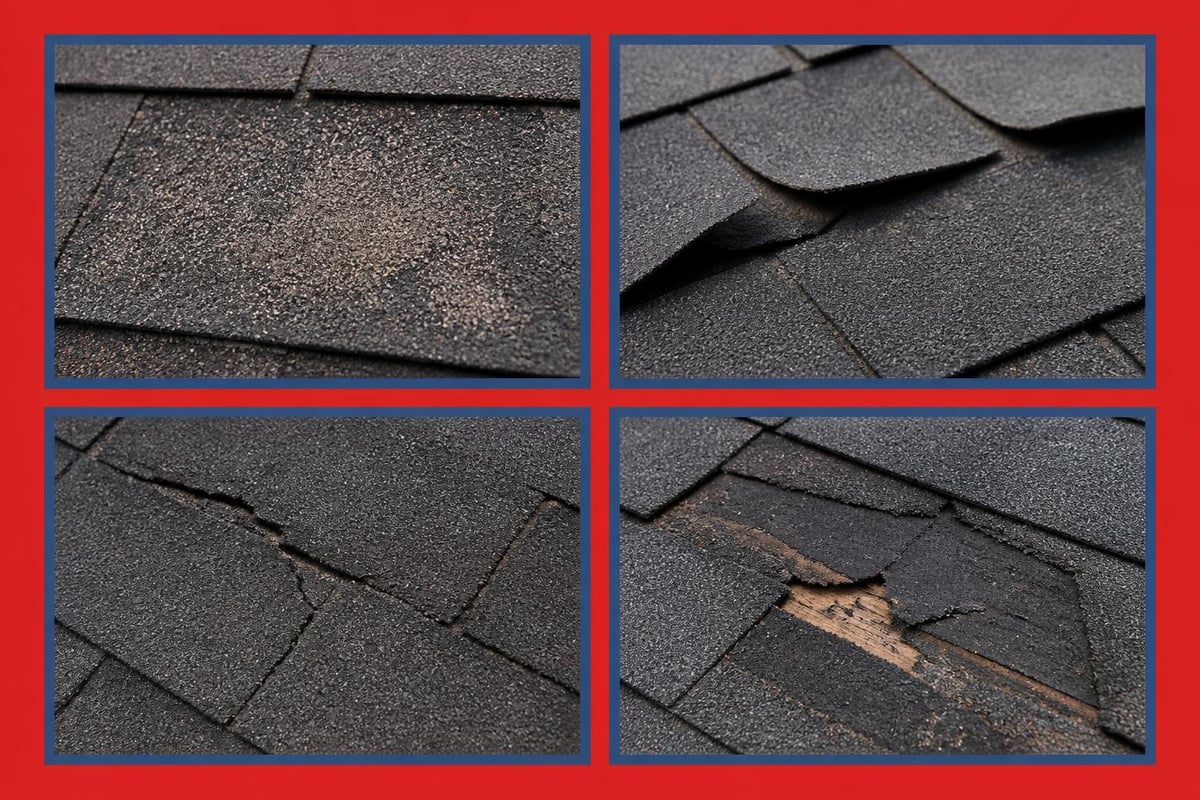
Granule loss represents one of the most frequent issues affecting asphalt shingles. These ceramic-coated granules protect the asphalt layer from UV radiation and provide fire resistance. When granules wash away, the underlying asphalt becomes vulnerable to rapid degradation.
Curling and cupping occur when shingle edges lift upward or the centers sink downward. This deformation creates pathways for water infiltration and increases vulnerability to wind damage. Multiple factors contribute to this problem:
- Poor attic ventilation causing excessive heat buildup
- Aging of the asphalt material itself
- Improper installation techniques
- Manufacturing defects in certain shingle batches
Cracking and splitting develop from thermal expansion and contraction cycles. As temperatures fluctuate between seasons, shingles expand and contract repeatedly. Over years, this stress creates fractures that allow water penetration directly to the roof deck.
Environmental Factors Affecting Roof Longevity
Storm systems moving through the Midwest deliver powerful winds and hail that test roofing systems regularly. Storm damage often manifests as bruised or punctured shingles, with impact marks indicating compromised structural integrity.
Ice dams present another significant challenge during winter months. When heat escaping through inadequate insulation melts snow on the roof, water refreezes at the eaves. This ice buildup forces water underneath shingles, causing leaks and potential wood rot.
Inspection Techniques for Identifying Repair Needs
Professional inspection provides the foundation for effective asphalt roof repair. Thorough assessment reveals not only visible damage but also underlying issues that may escape untrained observation.
Exterior Assessment Methods
Begin ground-level inspection using binoculars to examine shingle condition across the entire roof surface. Look for color variations indicating granule loss, visible cracks, or missing shingles. Pay particular attention to valleys, where water concentration increases vulnerability.
Ridge caps deserve special scrutiny as they experience the most severe wind exposure. These specialized shingles along roof peaks often fail before field shingles, creating entry points for water infiltration.
Flashing inspection around chimneys, vents, and skylights reveals critical vulnerability points. Properly installed flashing diverts water away from these penetrations, but deteriorated sealant or damaged metal allows leaks to develop.
| Inspection Area | Warning Signs | Priority Level |
|---|---|---|
| Field shingles | Granule loss, curling, cracks | Medium |
| Ridge caps | Missing pieces, lifted edges | High |
| Valleys | Water staining, shingle displacement | High |
| Flashing | Rust, gaps, loose sealant | Critical |
| Gutters | Granule accumulation | Medium |
Interior Warning Signals
Attic inspection often reveals problems before they become visible on interior ceilings. Water stains on roof decking, rafters, or insulation indicate active leaks requiring immediate attention. Daylight visible through the roof deck clearly demonstrates gaps needing repair.
Proper attic ventilation prevents moisture accumulation that accelerates shingle deterioration from the underside. Check for adequate soffit and ridge venting during interior assessment.
Professional Repair Methods and Techniques
The National Roofing Contractors Association provides comprehensive repair guidelines for asphalt shingle systems, offering step-by-step procedures that ensure lasting repairs. Professional contractors follow these industry standards to maintain roof integrity.
Individual Shingle Replacement
Replacing damaged individual shingles represents the most common asphalt roof repair procedure. This targeted approach addresses localized damage while preserving the surrounding roof system.
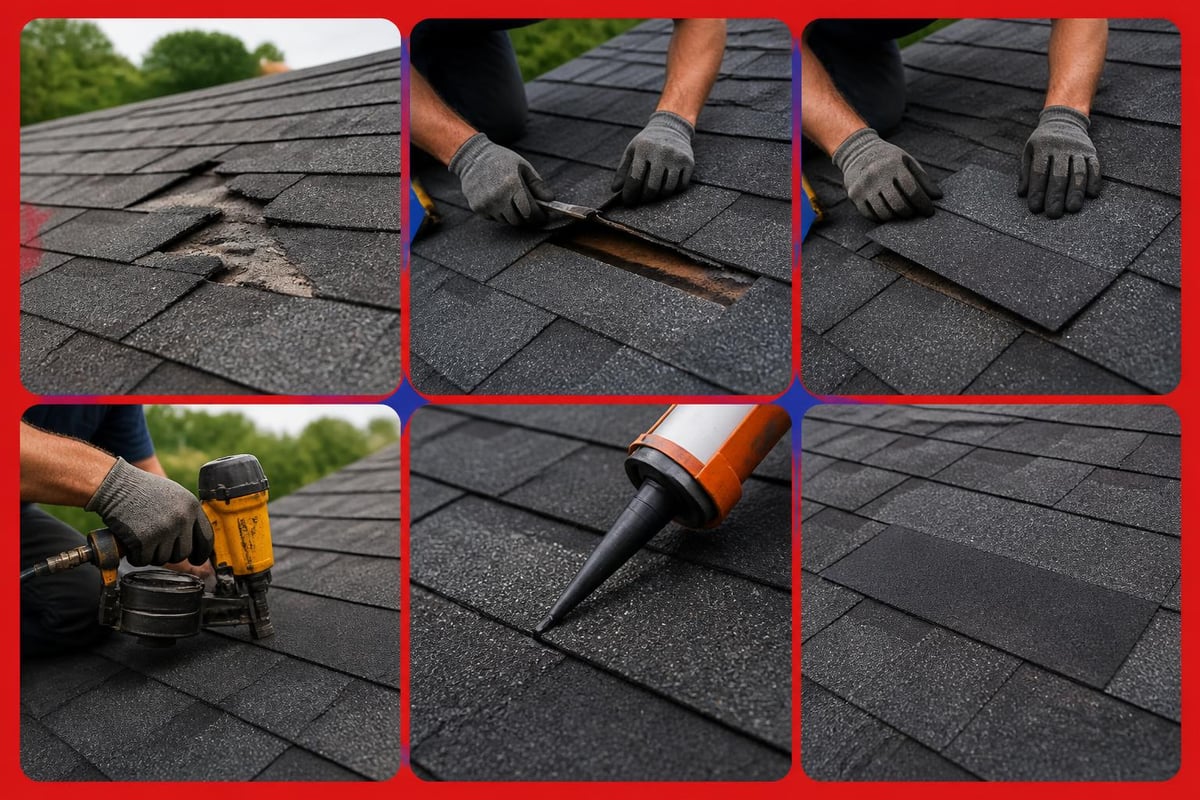
The replacement process involves several critical steps:
- Carefully lift surrounding shingles to access damaged pieces
- Remove nails securing the damaged shingle using a flat pry bar
- Slide out the old shingle without damaging adjacent materials
- Prepare the new shingle by matching color and style exactly
- Slide the replacement shingle into position under upper course
- Secure with roofing nails placed in proper locations
- Seal edges and nail heads with roofing cement
- Press down surrounding shingles to complete the repair
Temperature considerations affect repair success significantly. Shingles become brittle in cold weather and overly soft in extreme heat. Spring and fall provide ideal conditions for asphalt roof repair work.
Flashing Repair and Replacement
Deteriorated flashing accounts for a substantial percentage of roof leaks. Metal flashing around chimneys, plumbing vents, and roof valleys requires periodic maintenance or replacement to prevent water intrusion.
Counter-flashing repairs involve removing old sealant, inspecting for rust or damage, and applying new roofing cement with proper overlap. Step flashing along sidewalls must be carefully integrated with shingle courses to maintain water-shedding capability.
Valley Restoration Methods
Roof valleys channel significant water volume, making them particularly vulnerable to wear. Closed valley systems rely on woven or cut shingles, while open valleys use metal channels. Each requires specific repair approaches.
Damaged valley flashing necessitates careful removal of adjacent shingles to access the metal or underlayment. Professional installation of new valley material with proper overlap prevents future leaks in these critical areas.
Determining Repair Versus Replacement
Not all roof damage justifies complete replacement. Understanding when repairs suffice versus when full replacement becomes necessary protects homeowners from unnecessary expense while ensuring adequate protection.
Cost-Benefit Analysis Factors
Age of the existing roof strongly influences repair decisions. Asphalt shingles typically last 20-30 years depending on quality and environmental conditions. When a roof approaches 75% of its expected lifespan, investing in repairs may prove financially unwise.
Extent of damage determines repair feasibility. Isolated damage affecting less than 30% of the roof surface generally justifies repair. Widespread deterioration across multiple sections suggests systemic failure requiring replacement.
Future plans for the property should factor into decisions. Homeowners planning to sell within five years may benefit from strategic repairs rather than full replacement, while long-term residents gain more value from new installation.
| Consideration | Repair Appropriate | Replacement Needed |
|---|---|---|
| Roof age | Under 15 years | Over 20 years |
| Damage extent | Isolated areas | Widespread issues |
| Leak frequency | Single occurrence | Multiple locations |
| Energy costs | Stable utility bills | Increasing heating/cooling |
| Curb appeal | Minor cosmetic issues | Significant appearance problems |
Insurance Coverage Considerations
Many homeowners overlook insurance benefits when addressing roof damage. Understanding roof damage and insurance claims helps maximize coverage while avoiding out-of-pocket expenses.
Hail damage, wind damage, and storm-related issues frequently qualify for insurance coverage. Proper documentation through professional inspection and photography strengthens claim success. Working with experienced contractors familiar with insurance processes streamlines approval and repair.
DIY Versus Professional Repair Decisions
Homeowners face choices between attempting repairs themselves or engaging professional contractors. While some sources discuss DIY considerations, safety concerns and quality outcomes favor professional service in most situations.
Safety Considerations
Fall hazards represent the primary danger in roof work. According to safety statistics, falls from roofs account for numerous serious injuries annually. Professional roofers utilize proper safety equipment including harnesses, anchors, and specialized footwear.
Steep roof pitches exceeding 6:12 slope create particularly hazardous conditions. Even experienced individuals face significant risk on these surfaces, especially when carrying materials or tools.
Electrical hazards around power lines and weatherhead connections require professional awareness. Maintaining safe distances from energized conductors prevents potentially fatal accidents.
Quality and Warranty Implications
Improper repair techniques void manufacturer warranties on roofing materials. Most asphalt shingle warranties require professional installation and repairs by certified contractors. DIY work eliminates this protection, leaving homeowners responsible for premature failure costs.
Professional contractors provide workmanship warranties backing their labor quality. These guarantees offer recourse if repairs fail due to installation errors, providing peace of mind unavailable through DIY approaches.
Preventive Maintenance Strategies
Proactive maintenance extends roof lifespan and reduces emergency asphalt roof repair needs. Regular attention to minor issues prevents major problems from developing.
Seasonal Inspection Schedule
Spring inspections should occur after winter weather concludes. Check for ice dam damage, missing shingles from wind events, and debris accumulation in valleys. Remove any branches or leaves that accumulated during dormant months.
Fall preparation involves clearing gutters, trimming overhanging branches, and verifying proper drainage before winter precipitation arrives. This seasonal maintenance prevents ice dam formation and ensures water channels function properly.
Professional Maintenance Programs
Established roofing contractors like those specializing in asphalt shingle roofing offer maintenance programs providing regular inspections and minor repairs. These programs identify developing problems early, when simple interventions prevent costly damage.
Annual professional inspection costs far less than emergency repairs from undetected damage. Trained technicians spot subtle warning signs invisible to untrained observers, protecting your investment through early intervention.
Material Selection for Repairs
Matching existing shingles ensures proper performance and appearance. Incorrect material choices create visual inconsistencies and potential performance issues.
Color and Style Matching
Asphalt shingles fade over time through UV exposure and weathering. New shingles appear noticeably darker than aged materials, creating patchwork appearance. Professional contractors maintain relationships with manufacturers, accessing discontinued colors or specialized matching services.
Architectural versus three-tab shingles require exact matching for successful repairs. These different shingle types have distinct thickness, texture, and installation requirements. Mixing types compromises both appearance and performance.
Manufacturer Specifications
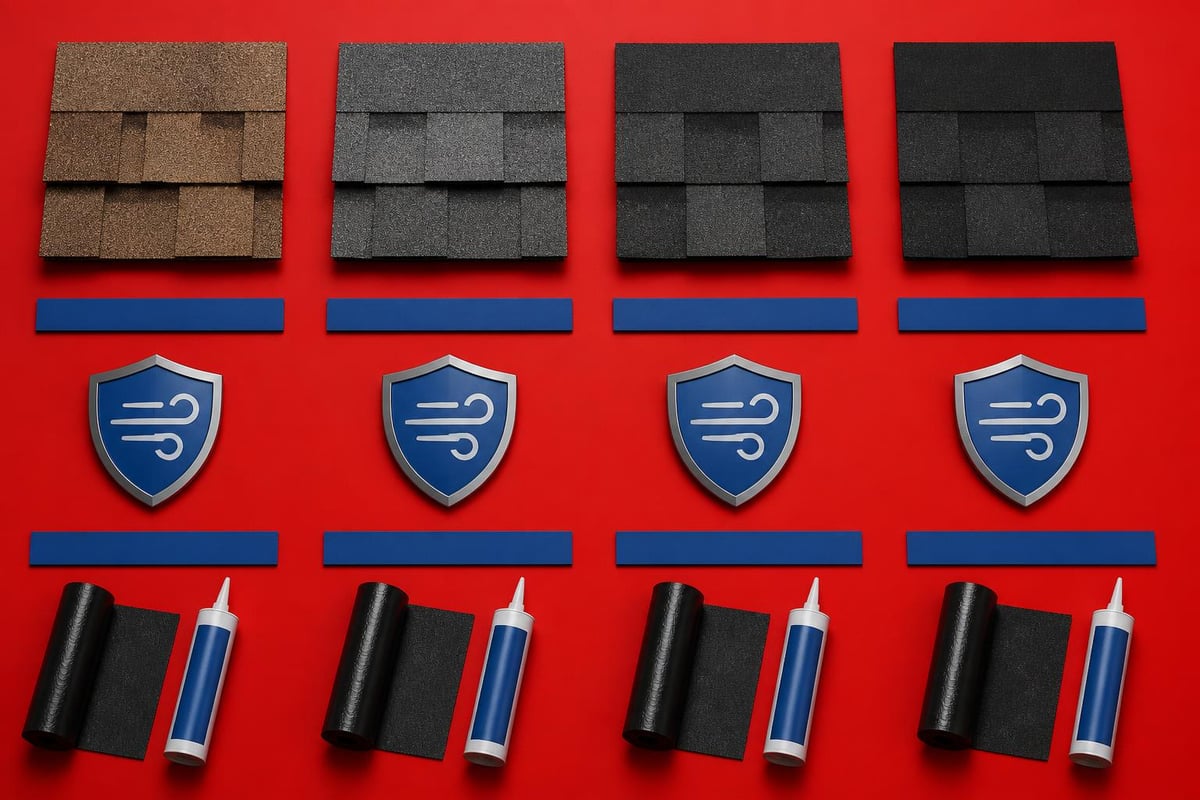
Following manufacturer guidelines for compatible repair materials ensures warranty compliance and proper adhesion. Each shingle line specifies approved underlayments, sealants, and fasteners. Deviating from these specifications risks premature failure.
Working with Professional Contractors
Selecting qualified contractors ensures repairs meet industry standards and provide lasting protection. Not all roofing companies offer equivalent expertise or customer service.
Credentials and Certifications
Manufacturer certifications indicate contractors completed specialized training in specific product lines. These programs cover proper installation techniques, warranty requirements, and repair procedures unique to each manufacturer's systems.
Insurance and licensing protect homeowners from liability and ensure contractors meet local regulatory requirements. Verify both general liability and workers' compensation coverage before authorizing work.
Project Communication and Documentation
Professional contractors provide detailed written estimates specifying materials, labor, timeline, and costs. This documentation prevents misunderstandings and establishes clear expectations.
Progress updates throughout repair work demonstrate professionalism and build confidence. Contractors should explain findings, recommended solutions, and answer questions thoroughly. Photography documenting damage and completed repairs provides valuable records for insurance purposes and future reference.
The National Roofing Contractors Association emphasizes proper documentation in their repair manual, recognizing its importance for quality assurance and customer satisfaction.
Regional Considerations for Joliet-Area Homes
Local climate patterns and building codes influence asphalt roof repair approaches throughout the Joliet region. Understanding these factors ensures repairs withstand specific environmental challenges.
Weather Pattern Impacts
Midwest temperature extremes create unique stress on roofing materials. Summer temperatures exceeding 90 degrees followed by winter lows below zero generate significant expansion and contraction cycles. This thermal movement accelerates shingle aging compared to more temperate climates.
Severe thunderstorm frequency in Illinois subjects roofs to intense wind and hail exposure. Communities throughout Will County experience multiple severe weather events annually, necessitating thorough post-storm inspections.
Building Code Requirements
Local building codes specify minimum standards for roofing materials, installation methods, and repair procedures. Professional contractors maintain current knowledge of these regulations, ensuring all work meets or exceeds requirements.
Permit requirements vary by municipality and project scope. Major repairs or replacements typically require permits and inspection, while minor repairs may proceed without formal approval. Experienced contractors navigate these requirements efficiently.
Commercial Property Considerations
While residential asphalt shingle repair dominates the market, commercial roofing systems present unique challenges. Modified bitumen and built-up roofing common on commercial properties require specialized knowledge.
Multi-layer systems on commercial buildings demand different repair approaches than residential installations. Modified bitumen roof maintenance involves unique considerations regarding heat-welding, adhesive applications, and membrane compatibility.
Commercial property owners benefit from regular professional maintenance preventing minor issues from disrupting business operations. Proactive repair programs minimize downtime and extend system lifespan significantly.
Advanced Repair Technologies
Roofing technology continues evolving, introducing new materials and methods for asphalt roof repair. Modern solutions offer improved performance over traditional approaches in specific applications.
Sealant Innovations
Modern roofing sealants provide superior adhesion and flexibility compared to traditional tar-based products. These advanced formulations maintain elasticity through temperature extremes, preventing crack development at repair interfaces.
Peel-and-stick underlayments simplify valley and flashing repairs while providing enhanced waterproofing. These self-adhering membranes bond directly to roof decking, creating watertight barriers even under damaged shingles.
Diagnostic Equipment
Infrared thermography allows contractors to identify hidden moisture within roof assemblies without destructive testing. This technology maps temperature variations indicating wet insulation or decking, guiding targeted repairs.
Drone inspection capabilities enable detailed roof assessment without physical access to dangerous areas. High-resolution imagery reveals damage invisible from ground level, improving inspection accuracy while enhancing safety.
Long-Term Roof Performance Optimization
Beyond immediate repairs, strategic planning maximizes roof longevity and minimizes lifecycle costs. Integrated approaches considering ventilation, insulation, and drainage enhance overall system performance.
Ventilation Enhancement
Inadequate attic ventilation accelerates shingle deterioration from excessive heat buildup. Balanced intake and exhaust ventilation maintains cooler roof deck temperatures, extending material lifespan significantly.
Ridge vents combined with soffit vents create natural convection airflow removing heat and moisture. This passive system requires no energy while protecting both shingles and attic insulation from premature degradation.
Gutter System Integration
Properly functioning gutters and downspouts prevent water from undermining roof edge integrity. Clogged or damaged gutters cause water backup under shingles, creating rot and leak potential.
Regular gutter cleaning combined with guard installation reduces maintenance requirements while protecting fascia boards and roof edges. This integrated approach recognizes the roof system extends beyond shingles alone.
Understanding when your roof needs attention and choosing the right repair approach protects your home investment while avoiding unnecessary expense. Whether addressing storm damage, aging materials, or routine maintenance needs, professional expertise ensures quality outcomes that stand the test of time. Great Roofing brings decades of family-owned experience to every project throughout Joliet and surrounding communities, combining industry-leading techniques with personalized customer service. Contact Great Roofing today for a comprehensive roof assessment and discover how our expertise can extend your roof's life and protect your property investment.