


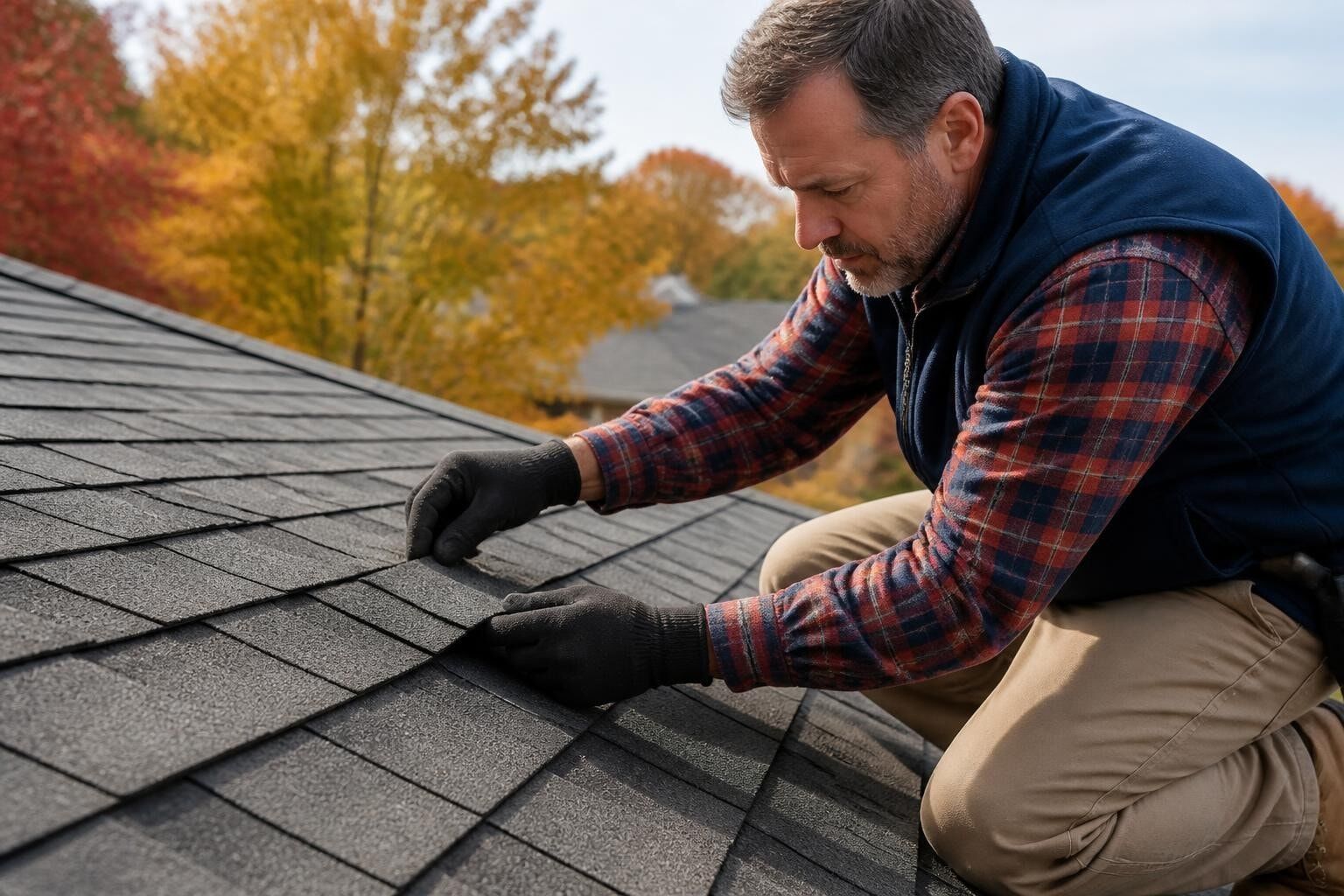
Asphalt shingles remain the most popular roofing material across American homes, valued for their balance of affordability, performance, and aesthetic versatility. Understanding what determines asphalt shingle roof lifespan helps property owners make informed decisions about installation, maintenance, and replacement timing. The lifespan of your asphalt roof depends on multiple interconnected factors, from the quality of materials chosen to local climate conditions and the precision of installation. With proper planning and care, homeowners can maximize their investment and avoid premature replacement costs.
Understanding Base Asphalt Shingle Roof Lifespan Expectations
The asphalt shingle roof lifespan varies significantly based on product category and manufacturing quality. Three-tab shingles, the most economical option, typically deliver 15 to 20 years of service under average conditions. These basic shingles feature a single layer construction with a flat appearance and limited dimensional variation.
Architectural shingles, also called dimensional or laminated shingles, offer enhanced durability with expected lifespans of 25 to 30 years. Their multi-layer construction provides superior wind resistance and aesthetic appeal through shadow lines and texture variation. Premium architectural products can extend this range even further.
Luxury or designer shingles represent the highest tier, engineered to last 30 to 50 years depending on specific product lines and environmental factors. These heavyweight products incorporate advanced materials and often replicate the appearance of slate, cedar, or tile.
However, manufacturer-stated lifespans often assume ideal conditions. Real-world performance depends heavily on installation quality, climate exposure, and ongoing maintenance practices that either preserve or accelerate aging.

Material Composition and Manufacturing Quality
The physical makeup of asphalt shingles directly influences their durability and resistance to environmental degradation. Modern asphalt shingles consist of several key components working in concert: a fiberglass or organic mat base, asphalt coating for waterproofing, mineral granules for UV protection, and adhesive strips for wind resistance.
Fiberglass mat shingles dominate today's market due to superior fire resistance and dimensional stability compared to older organic-mat products. The quality and density of the fiberglass mat foundation determine how well shingles resist tearing and maintain structural integrity over decades of service.
The Role of Asphalt Quality
The asphalt coating serves as the primary waterproofing barrier. Research on asphalt shingle durability demonstrates that coating asphalt oxidizes and stiffens over time, gradually losing flexibility and becoming prone to cracking. Higher-quality shingles incorporate modified asphalts with polymer additives that slow this aging process.
Manufacturers optimize asphalt formulations to balance competing demands: sufficient flexibility to accommodate thermal expansion, adequate stiffness to maintain shape, and enhanced resistance to weathering. Premium products often include styrene-butadiene-styrene (SBS) or atactic polypropylene (APP) modifiers that significantly extend service life.
Granule Technology and UV Protection
Ceramic-coated mineral granules shield the asphalt layer from damaging ultraviolet radiation and provide color stability. Granule loss accelerates aging by exposing asphalt to direct sunlight, leading to rapid deterioration. High-quality shingles feature superior granule adhesion and coverage density, maintaining protective coverage throughout their service life.
According to NRCA roofing materials guidance, the adhesion strength between granules and asphalt backing represents a critical quality indicator that separates economy products from premium options.
Climate and Environmental Impact on Longevity
Geographic location and local weather patterns dramatically influence asphalt shingle roof lifespan, sometimes reducing expected service life by 30 to 40 percent in harsh climates. The combination of temperature extremes, precipitation patterns, and severe weather exposure determines how quickly roofing materials age.
Temperature Cycles and Thermal Stress
Daily and seasonal temperature fluctuations cause asphalt shingles to expand and contract repeatedly. This cyclical stress eventually leads to fatigue cracking, particularly in regions experiencing extreme temperature swings between day and night or summer and winter.
Southern climates with intense, prolonged sun exposure accelerate UV degradation and thermal aging. Shingles in these regions may experience surface temperatures exceeding 160°F during peak summer months, dramatically accelerating asphalt oxidation compared to moderate climates.
Northern climates present different challenges through freeze-thaw cycling. Water absorbed into shingle edges or through minor defects expands when frozen, creating stress that leads to cracking, curling, and granule loss over successive winter seasons.
Wind, Hail, and Storm Damage
The IBHS Roof Aging Farm research provides valuable field data on how everyday weather reduces shingle performance over time. Wind uplift represents one of the most common failure mechanisms, particularly when shingles are improperly installed or aged adhesive strips lose bonding strength.
Hail damage can instantly compromise asphalt shingle roof lifespan by fracturing the asphalt layer, dislodging granules, and creating pathways for water infiltration. Even minor hail impacts accumulate over years, weakening shingle integrity and shortening service life. Property owners experiencing roof repair after hail storm events should have roofs professionally inspected to assess damage extent.
| Climate Factor | Impact on Lifespan | Severity Rating |
|---|---|---|
| Intense UV exposure | Accelerates asphalt oxidation | High |
| Extreme temperature swings | Causes thermal stress cracking | High |
| Freeze-thaw cycles | Creates expansion damage | Moderate-High |
| High wind exposure | Reduces adhesive effectiveness | Moderate |
| Frequent hail | Causes immediate physical damage | Variable |
Installation Quality as a Lifespan Determinant
Even the highest-quality shingles underperform when improperly installed. Installation craftsmanship accounts for an estimated 50 percent or more of real-world performance differences between similar products in comparable climates.
Critical Installation Factors
Proper nailing technique ensures shingles remain secure through decades of wind exposure. Nails must penetrate both the shingle being installed and the shingle below, positioned in the manufacturer-specified nailing zone. Over-driven nails tear through shingles, while under-driven nails fail to provide adequate holding power.
Correct overlap and exposure measurements prevent water infiltration and ensure proper shingle function. Installers must follow manufacturer specifications precisely, as even small deviations create vulnerability to wind uplift and moisture penetration.
Ventilation and deck preparation directly impact asphalt shingle roof lifespan by controlling heat and moisture in the attic space. Inadequate ventilation traps heat, accelerating shingle aging from below and potentially voiding manufacturer warranties. A properly ventilated attic maintains lower roof deck temperatures, extending shingle life considerably.
Consumer Reports testing consistently demonstrates that installation quality matters as much as product selection when evaluating long-term performance and durability outcomes.
Starter Strips and Edge Protection
Quality installations begin with proper starter strip application along eaves and rakes. These specialized products provide sealed edges that resist wind uplift and prevent water infiltration at the roof's most vulnerable points. Skipping or improperly installing starter strips invites premature failure regardless of field shingle quality.
Drip edge flashing, ice and water shield in vulnerable areas, and proper valley treatments all contribute to system longevity. These components work together to create a complete weather barrier that protects the entire roofing assembly.
Maintenance Practices That Extend Service Life
Proactive maintenance significantly extends asphalt shingle roof lifespan by addressing minor issues before they escalate into major failures. Regular inspections and targeted interventions prevent premature aging and protect the substantial investment homeowners make in their roofing systems.
Inspection and Early Detection
Professional roof inspections every three to five years identify emerging problems while repair costs remain minimal. Inspectors examine shingles for curling, cracking, or missing granules that indicate advancing age. They check flashing integrity around chimneys, vents, and skylights where leaks commonly develop.
Property owners should also conduct visual inspections from ground level after severe storms, looking for obvious damage indicators:
- Missing or displaced shingles
- Granule accumulation in gutters
- Visible cracks or tears
- Lifted or curled shingle edges
- Daylight visible through roof boards from the attic
Early detection allows targeted repairs that extend overall system life rather than necessitating complete replacement.
Cleaning and Debris Management
Keeping roofs clear of debris prevents moisture retention and organic growth. Accumulated leaves, branches, and needles trap moisture against shingles, promoting algae, moss, and mold growth that degrades asphalt and dislodges granules.
Overhanging tree branches should be trimmed back to reduce debris accumulation, prevent physical abrasion during wind events, and minimize shade that encourages biological growth. However, aggressive roof cleaning with pressure washers damages shingles and should be avoided. Professional soft-wash cleaning methods safely remove organic growth without compromising shingle integrity.
Addressing Minor Repairs Promptly
Small repairs completed immediately prevent cascade failures. A single missing shingle allows water infiltration that damages decking and adjacent shingles, quickly expanding the affected area. Replacing damaged shingles promptly contains damage and preserves overall system integrity.
Professional contractors offering comprehensive services can efficiently handle minor repairs before they require extensive remediation work.
Warranty Considerations and Realistic Expectations
Asphalt shingle warranties often promise lengthy coverage periods but include numerous limitations that affect practical value. Understanding warranty structure helps property owners set realistic longevity expectations and make informed purchasing decisions.
Manufacturer Warranties Versus Real Performance
Manufacturers typically offer two warranty types: material defect warranties covering manufacturing flaws, and limited lifetime warranties suggesting exceptional longevity. However, "lifetime" rarely means the product will last the homeowner's lifetime or even the home's expected service period.
Most limited lifetime warranties apply only to the original property owner and transfer with restrictions. The coverage decreases over time through prorated reimbursement schedules, meaning a shingle that fails after 15 years may receive only 50 percent material cost coverage, excluding labor expenses.
Workmanship warranties from installation contractors provide separate coverage for installation defects. Quality contractors stand behind their work with warranties ranging from five to twenty-five years, offering crucial protection against improper installation that compromises system performance.
| Warranty Type | Typical Coverage | Common Limitations |
|---|---|---|
| Material defect | 10-15 years full coverage | Manufacturing defects only |
| Limited lifetime | Prorated after initial period | Non-transferable or limited transfer |
| Workmanship | 5-25 years | Installation errors only |
| Wind resistance | 10-15 years specific MPH rating | Requires proper installation verification |
Installation Requirements and Warranty Validation
Manufacturers often require specific installation practices to validate warranty coverage. These include using designated underlayment products, following precise nailing patterns, installing required ventilation components, and having work performed by certified installers.
Laboratory testing by NIST establishes baseline degradation characteristics under controlled conditions, but field performance varies significantly based on installation quality and environmental exposure.
Property owners should retain all installation documentation, including material receipts, contractor certifications, and inspection reports. This paperwork proves compliance with warranty requirements and facilitates claims if premature failure occurs.
Signs Your Asphalt Shingle Roof Needs Replacement
Recognizing end-of-life indicators helps property owners time replacement before catastrophic failure occurs. While asphalt shingle roof lifespan estimates provide general guidance, individual roof conditions determine actual replacement timing.
Visual Deterioration Indicators
Widespread shingle curling or cupping signals advanced aging and reduced waterproofing capability. Curling occurs when shingle edges turn upward or corners lift, creating pathways for water and wind to penetrate beneath. This deterioration accelerates once started, spreading across the roof surface.
Extensive granule loss exposes underlying asphalt to direct UV damage and weather exposure. Shingles losing granules appear darker or show black asphalt substrate. This condition indicates the protective mineral layer has failed and rapid deterioration will follow.
Cracked, broken, or missing shingles become increasingly common as roofs age beyond their design life. When damage affects 25 percent or more of the roof surface, replacement typically proves more economical than extensive repairs.
Functional Performance Decline
Interior water stains on ceilings or walls indicate the roofing system no longer provides adequate weather protection. While individual leaks may result from localized damage, multiple leak points suggest systemic failure requiring complete replacement.
Excessive energy costs can signal roof deterioration when damaged or aging shingles compromise thermal performance. Inadequate ventilation combined with deteriorated shingles increases cooling costs and accelerates interior damage.
Sagging roof sections indicate structural problems extending beyond shingle condition. This serious concern requires immediate professional evaluation to determine whether deck replacement accompanies shingle replacement.
Regional Considerations for Midwest Climates
Properties in Illinois and surrounding Midwest states face unique factors affecting asphalt shingle roof lifespan. The region's four-season climate combines multiple aging accelerators that demand careful material selection and installation practices.
Temperature Extremes and Seasonal Variation
Midwest roofs endure summer temperatures exceeding 95°F combined with winter lows below zero degrees Fahrenheit. This 100-degree-plus annual temperature range creates exceptional thermal stress through continuous expansion and contraction cycles.
Spring and fall bring rapid temperature fluctuations with warm afternoons and freezing nights. These transitions prove particularly damaging as moisture absorbed during daytime warming freezes overnight, creating expansion stress within shingle layers.
Storm Severity and Frequency
The Midwest corridor experiences severe thunderstorms bringing damaging winds, large hail, and heavy precipitation. These weather events occur with sufficient frequency that most roofs sustain storm damage multiple times during their service life, cumulatively reducing longevity.
Property owners should document storm damage promptly and understand their roof repair insurance coverage to facilitate timely repairs that prevent secondary damage from developing.
Ice Dam Formation
Inadequate attic insulation and ventilation combine with heavy snow cover to create ice dams along roof eaves. These ice formations trap water that backs up under shingles, causing leaks and accelerating deterioration. Proper ventilation and insulation prevent ice dam formation, protecting shingles from this regional hazard.
Product Selection Strategies for Maximum Longevity
Choosing appropriate asphalt shingle products for specific applications balances initial investment against expected service life and total ownership costs. Strategic selection maximizes value while ensuring adequate performance.
Matching Products to Building Characteristics
Steep-slope roofs shed water quickly and experience less standing moisture, potentially extending shingle life compared to low-slope applications. However, steep roofs receive more direct sun exposure on south-facing sections, increasing UV degradation in those areas.
Complex roof geometries with multiple valleys, dormers, and penetrations create additional vulnerability points requiring premium materials and expert installation. Simple gable or hip roofs perform better with standard products due to fewer transition areas and reduced installation complexity.
Building height and wind exposure influence material selection requirements. Taller structures and exposed locations require enhanced wind-rated products with superior adhesive performance. Many manufacturers offer products tested and rated for specific wind speeds, documented through industry-standard testing protocols.
Climate-Appropriate Material Choices
Cool roof shingles incorporating reflective granules reduce surface temperatures in hot climates, potentially extending lifespan by reducing thermal stress. However, these products may offer limited benefit in northern regions where snow cover provides natural reflectivity during winter months.
Impact-resistant (IR) shingles rated Class 4 under UL 2218 testing demonstrate superior hail resistance through enhanced material formulation and construction. Properties in hail-prone regions benefit significantly from IR products that resist damage from severe weather events.
Regional building codes and insurance requirements sometimes mandate specific product performance ratings. Understanding these requirements ensures compliance while optimizing material selection for local conditions.
Balancing Cost and Performance
Premium architectural shingles typically cost 20 to 40 percent more than three-tab products but deliver 50 to 100 percent longer service life. This performance advantage makes architectural shingles the superior value for most residential applications despite higher upfront costs.
The total cost of ownership calculation should include:
- Initial material and installation costs
- Expected service life in years
- Anticipated maintenance requirements
- Energy performance impacts
- Warranty coverage value
Properties planning long-term ownership benefit most from premium products that maximize asphalt shingle roof lifespan. Investment properties or homes nearing resale might prioritize mid-range products offering adequate performance at moderate cost.
Professional Assessment and Installation Value
Working with experienced roofing contractors ensures proper material selection, expert installation, and reliable long-term performance. The contractor relationship significantly influences ultimate roof longevity and total ownership satisfaction.
Contractor Selection Criteria
Established contractors with substantial regional experience understand local climate challenges and building code requirements. They maintain relationships with quality material suppliers and employ trained installation crews familiar with best practices.
Proper licensing and insurance protect property owners from liability and ensure recourse if problems develop. Reputable contractors carry general liability insurance and workers' compensation coverage, maintaining these policies throughout project duration.
References from recent customers provide insight into workmanship quality, project management capability, and post-installation support. Quality contractors readily provide reference contacts and maintain portfolios of completed work.
Installation Supervision and Quality Control
Professional contractors implement quality control processes ensuring consistent installation standards across entire projects. Supervisors verify proper nailing, correct overlap, adequate ventilation, and appropriate flashing details before crews move to subsequent sections.
Documentation through progress photos and final inspection reports provides owners with installation records valuable for warranty claims and future reference. These records prove installation compliance with manufacturer specifications and local code requirements.
Long-Term Relationship Benefits
Establishing ongoing relationships with trusted contractors facilitates efficient maintenance, prompt repair response, and eventual replacement when needed. Contractors familiar with specific properties provide better service through institutional knowledge of previous work and building characteristics.
Family-owned operations often deliver superior customer service through personal accountability and community reputation concerns. These contractors build businesses on referrals and repeat customers, incentivizing quality work and responsive service.
Understanding asphalt shingle roof lifespan empowers property owners to make informed decisions about material selection, maintenance timing, and replacement planning. By considering material quality, installation craftsmanship, climate factors, and proactive maintenance, you can maximize your roofing investment and protect your property for decades. Great Roofing brings family-owned dedication and professional expertise to every project throughout Joliet and surrounding communities, ensuring your asphalt shingle roof delivers optimal performance and longevity through expert installation and dependable service.