

Selecting the best roof for house installations requires careful consideration of multiple factors, including climate conditions, budget constraints, architectural style, and long-term maintenance requirements. Homeowners throughout the Joliet area face unique weather challenges, from severe summer storms to harsh winter conditions, making material selection critical for both protection and investment value. The right roofing material can enhance curb appeal, improve energy efficiency, and provide decades of reliable performance when properly installed by experienced professionals.
Understanding Roofing Material Fundamentals
Choosing the best roof for house projects starts with understanding the core characteristics that differentiate roofing materials. Each option offers distinct advantages and limitations that impact both initial investment and lifetime costs.
Lifespan and Durability Expectations
Different roofing materials deliver varying service lives that dramatically affect long-term value. Asphalt shingles typically last 15-30 years depending on quality grade, while metal roofing systems can provide 40-70 years of protection. Premium materials like slate or clay tile often exceed 50-100 years when properly maintained.
The climate in Illinois demands materials that withstand temperature fluctuations, heavy snow loads, and severe storm conditions. Professional installation by certified roofing specialists ensures materials perform to their maximum potential regardless of environmental challenges.
| Material Type | Average Lifespan | Storm Resistance | Maintenance Level |
|---|---|---|---|
| Asphalt Shingles | 15-30 years | Moderate | Low-Moderate |
| Metal Roofing | 40-70 years | Excellent | Low |
| Clay/Concrete Tile | 50-100 years | Good-Excellent | Moderate |
| Slate | 75-200 years | Excellent | Low |
| Wood Shakes | 20-40 years | Poor-Moderate | High |
Cost Considerations Beyond Initial Installation
Budget planning for the best roof for house projects extends beyond material and labor costs. Transportation expenses, disposal fees for old materials, structural reinforcement needs, and permit requirements all contribute to total project investment.
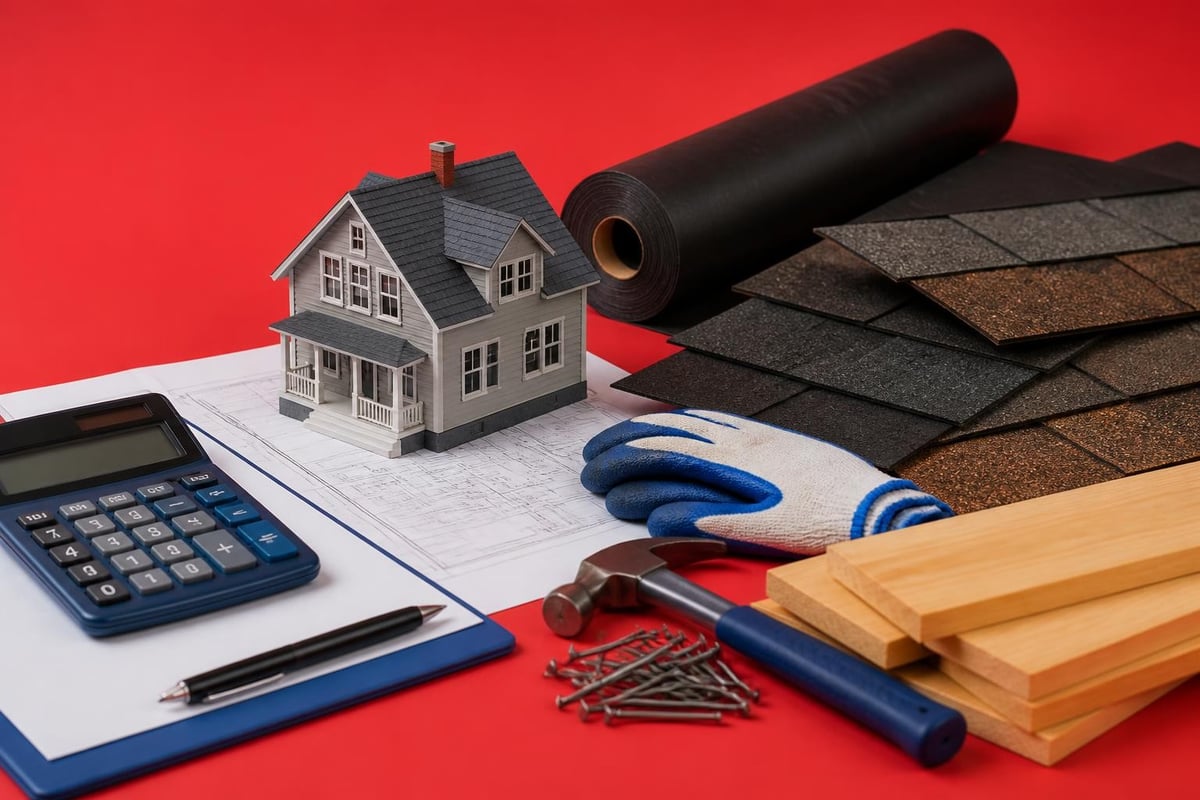
Premium materials often justify higher upfront costs through extended lifespans and reduced maintenance. A comprehensive cost analysis of asphalt shingles demonstrates how mid-grade products frequently deliver optimal value for residential applications.
Asphalt Shingle Roofing Systems
Asphalt shingles dominate the residential roofing market, representing approximately 80% of homes across North America. This popularity stems from their versatility, affordability, and proven performance in diverse climate conditions.
Three-Tab vs. Architectural Shingles
Traditional three-tab shingles provide economical protection with a uniform, flat appearance. Architectural shingles offer enhanced dimensional aesthetics, superior wind resistance ratings up to 130 mph, and extended warranties reaching 30-50 years.
Modern architectural shingles incorporate advanced technologies:
- Algae-resistant granules prevent unsightly black streaks
- Impact-resistant construction protects against hail damage
- Reflective coatings reduce cooling costs in summer months
- Multi-layered design creates depth and shadow lines
- Enhanced adhesive strips improve wind uplift performance
According to detailed roofing materials comparisons, architectural shingles deliver 40-60% longer service life than basic three-tab options while maintaining competitive pricing.
Color and Style Selection Strategies
Shingle color selection impacts both aesthetic appeal and energy efficiency. Darker tones absorb heat, potentially reducing winter heating costs but increasing summer cooling demands. Lighter colors reflect solar radiation, maintaining cooler attic temperatures during warm months.
The best roof for house aesthetics complements exterior colors, architectural style, and neighborhood character. Traditional homes often benefit from earth tones and classic patterns, while contemporary designs accommodate bolder color statements.
Metal Roofing Excellence
Metal roofing systems have gained significant residential market share through technological improvements that address early concerns about noise, appearance, and affordability. Modern metal roofs combine exceptional durability with energy efficiency and design versatility.
Standing Seam vs. Metal Shingle Systems
Standing seam metal roofing features vertical panels with concealed fasteners, creating clean lines and superior weather protection. This professional-grade system excels in areas experiencing heavy snow accumulation, allowing precipitation to slide freely off steep slopes.
Metal shingle products replicate traditional roofing aesthetics while delivering metal's performance advantages. These systems install similarly to conventional shingles but provide enhanced wind resistance and fire protection.
Performance benefits of metal roofing include:
- Exceptional longevity reaching 50-70 years
- Superior energy efficiency through reflective coatings
- Minimal maintenance requirements
- Excellent fire resistance ratings
- Environmentally friendly recyclability
- Lightweight construction reducing structural stress
Energy Efficiency and Cost Savings
Metal roofing systems equipped with specialized reflective coatings can reduce cooling costs by 10-25% compared to traditional asphalt shingles. The comprehensive roofing materials guide demonstrates how these energy savings offset higher initial material costs over the roof's service life.
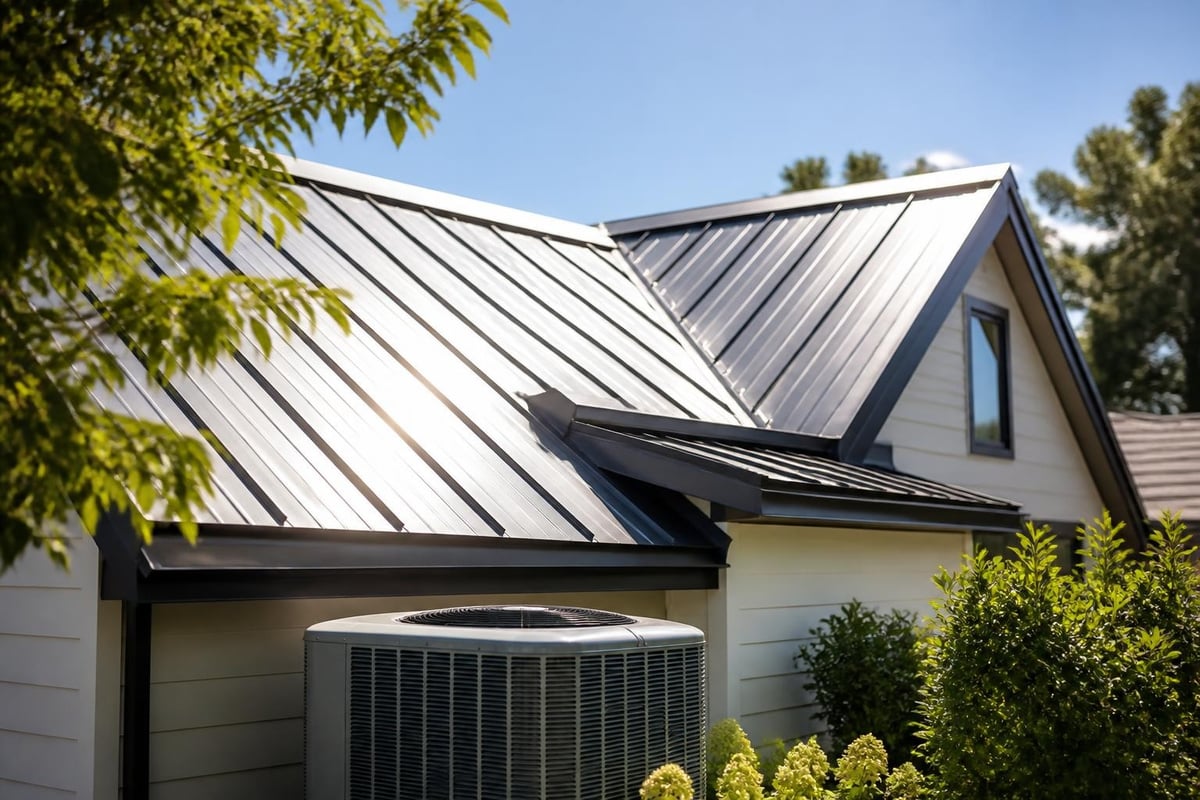
Homeowners seeking the best roof for house energy performance should consider metal systems with ENERGY STAR certification, which meet strict solar reflectance and thermal emittance requirements.
Premium Roofing Materials
Luxury roofing materials provide unmatched aesthetic appeal, exceptional longevity, and superior performance characteristics. While investment requirements exceed standard options, these premium systems deliver generational value for distinctive properties.
Clay and Concrete Tile Systems
Clay and concrete tiles create timeless Mediterranean, Spanish, or Southwestern architectural statements. These heavy materials require structural evaluation to ensure adequate support, particularly when retrofitting existing homes originally designed for lighter roofing systems.
Tile roofing advantages include:
- Extreme durability surviving harsh weather conditions
- Fire resistance providing Class A ratings
- Low maintenance requiring minimal upkeep
- Color stability maintaining appearance for decades
- Energy efficiency through natural thermal mass properties
The detailed comparison of roofing materials indicates tile systems perform exceptionally well in regions experiencing temperature extremes and intense sun exposure.
Natural Slate Roofing
Natural slate represents the pinnacle of roofing materials, offering unparalleled beauty and longevity potentially exceeding 100-200 years. This natural stone product provides unique color variations and textures impossible to replicate with manufactured materials.
| Slate Grade | Expected Lifespan | Typical Cost per Square | Best Applications |
|---|---|---|---|
| Standard | 75-100 years | $900-$1,500 | Residential homes |
| Select | 100-150 years | $1,500-$2,500 | Premium properties |
| Premium | 150-200+ years | $2,500-$4,000+ | Historic estates |
Installation requires specialized expertise and structural capacity to support slate's substantial weight. Professional contractors experienced with premium materials ensure proper installation techniques that maximize performance and longevity.
Climate-Specific Considerations for Illinois Homeowners
The Midwest climate presents unique challenges requiring careful material selection. Temperature fluctuations, freeze-thaw cycles, heavy snow accumulation, and severe storm activity all impact roofing performance and longevity.
Winter Weather Performance
Ice dam formation represents a significant concern for Illinois homeowners. Proper attic ventilation, adequate insulation, and appropriate underlayment selection prevent heat loss that melts snow, creating damaging ice accumulation at roof edges.
Materials demonstrating superior winter performance include:
- Architectural shingles with enhanced sealing properties
- Metal roofing allowing snow to slide freely
- Synthetic underlayment providing superior waterproofing
- Ice and water shield protecting vulnerable areas
Professional storm damage repair services address winter-related issues promptly, preventing minor damage from escalating into costly structural problems.
Storm Resistance Ratings
Severe weather events increasingly impact the Midwest region. The best roof for house protection in storm-prone areas incorporates impact-resistant materials, enhanced wind ratings, and proper installation techniques that resist uplift forces.
Impact resistance classifications range from Class 1 (minimal) to Class 4 (maximum), with higher ratings qualifying for insurance discounts in many markets. Modern architectural shingles frequently achieve Class 3 or 4 ratings through advanced construction technology.
Wind resistance depends on both material selection and installation quality. Properly installed architectural shingles resist winds up to 130 mph, while premium metal systems often exceed 140-160 mph ratings. Understanding common roof leak causes helps homeowners identify vulnerabilities before storms strike.
Sustainable and Eco-Friendly Roofing Options
Environmental consciousness influences modern roofing decisions as homeowners seek sustainable materials that reduce carbon footprints while maintaining performance standards. The best roof for house sustainability balances environmental impact with practical functionality.
Recycled and Recyclable Materials
Metal roofing systems typically contain 25-95% recycled content and remain 100% recyclable at end of service life. This circular economy approach minimizes landfill waste while reducing manufacturing energy consumption compared to virgin materials.
Recycled rubber shingles manufactured from reclaimed tires provide durable, impact-resistant alternatives resembling slate or wood shakes. These innovative products divert waste from landfills while delivering 50-year performance expectations.
Cool Roofing Technology
Cool roof systems incorporate reflective pigments and specialized coatings that minimize heat absorption, reducing urban heat island effects and lowering building cooling requirements. According to comprehensive roofing material analyses, cool roofing can reduce surface temperatures by 50-60°F compared to traditional dark-colored materials.
Benefits of cool roofing technology extend beyond energy savings:
- Extended material lifespan through reduced thermal stress
- Improved occupant comfort in upper-level living spaces
- Decreased air conditioning equipment strain
- Reduced peak electricity demand during summer months
- Potential utility rebates and tax incentives
Professional Installation Importance
Material quality alone cannot guarantee optimal roofing performance. Professional installation by experienced contractors ensures systems perform to manufacturer specifications and warranty requirements.
Warranty Protection and Certification
Manufacturer warranties typically require certified installer participation to maintain coverage. Highly qualified roofing specialists receive specialized training, demonstrating competency in proper installation techniques specific to each material type.
Comprehensive warranty coverage includes:
- Material defects protecting against manufacturing flaws
- Workmanship guarantees ensuring proper installation
- Wind resistance certification covering storm damage
- Algae resistance preventing premature discoloration
- Transferable coverage adding value for future home sales
Quality Assurance and Inspection
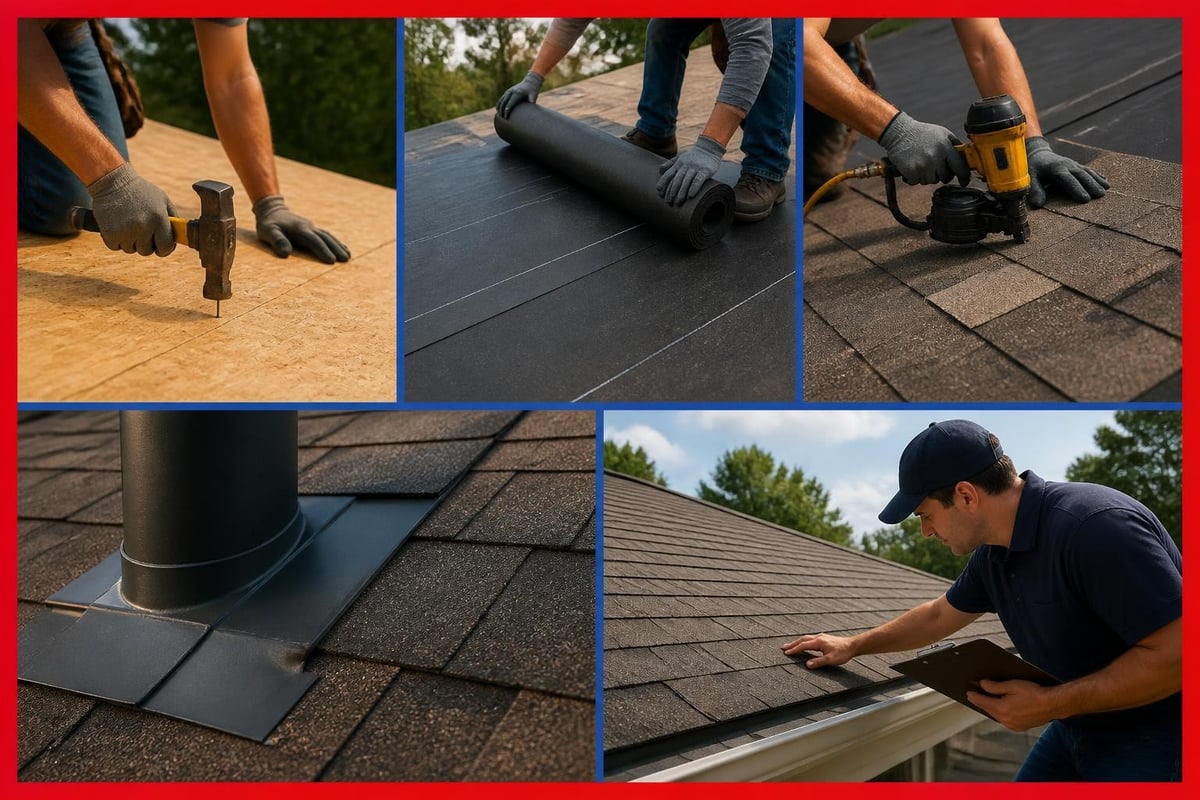
Professional contractors implement multi-stage inspection processes verifying installation quality at critical phases. Initial deck preparation, underlayment application, material installation, and final cleanup all receive thorough evaluation ensuring compliance with building codes and manufacturer specifications.
Maintenance Requirements by Material Type
Different roofing materials demand varying maintenance levels to achieve expected service lives. Understanding these requirements helps homeowners budget appropriately for long-term roof care.
Low-Maintenance Material Options
Metal roofing and architectural shingles require minimal ongoing maintenance beyond periodic inspections and basic debris removal. Annual visual inspections identify potential issues before they develop into costly repairs.
Basic maintenance tasks include:
- Removing accumulated leaves and debris
- Cleaning gutters and downspouts seasonally
- Inspecting flashing around chimneys and vents
- Checking for damaged or missing shingles
- Trimming overhanging tree branches
- Addressing minor repairs promptly
High-Maintenance Premium Materials
Wood shakes and some tile systems require more intensive maintenance preserving their appearance and performance. Treatment applications, moss removal, and individual unit replacement represent common maintenance activities for these premium materials.
Professional maintenance programs offered by experienced contractors provide scheduled inspections, preventive treatments, and priority service addressing unexpected issues. Resources like comprehensive roofing guides detail maintenance requirements for various material types.
Making Your Final Decision
Determining the best roof for house projects requires balancing multiple competing priorities including budget, aesthetics, performance, and longevity. No single material suits every application perfectly.
Decision-Making Framework
Successful material selection follows a structured evaluation process:
- Establish budget parameters including installation and long-term maintenance
- Assess architectural compatibility ensuring material suits home style
- Evaluate climate requirements selecting weather-appropriate systems
- Consider longevity expectations balancing lifespan with investment horizon
- Review warranty coverage understanding protection limitations
- Verify contractor expertise confirming installation capability
Regional Material Performance
Local climate conditions significantly influence material performance and longevity. Resources like the roofing materials comparison chart provide regional performance data helping homeowners make informed decisions based on geographic location.
Illinois homeowners benefit from materials proven in Midwest conditions. Asphalt architectural shingles, metal roofing systems, and select premium materials all demonstrate excellent regional performance when properly installed by qualified contractors.
Working with Professional Roofing Contractors
Selecting qualified roofing professionals represents an equally important decision as choosing materials. Experienced contractors provide valuable consultation, competitive pricing, quality installation, and reliable warranty support.
Contractor Qualification Criteria
Reputable roofing contractors demonstrate specific qualifications:
- Proper licensing and insurance protecting homeowners
- Manufacturer certifications ensuring installation expertise
- Established local presence providing accountability
- Positive customer reviews confirming service quality
- Comprehensive warranties backing installation work
- Transparent pricing detailing all project costs
Family-owned operations often provide superior customer service through personal accountability and community reputation investment. Established relationships with material suppliers ensure access to premium products and favorable pricing.
Project Planning and Execution
Professional contractors guide homeowners through each project phase, from initial consultation through final inspection. Detailed proposals outline material specifications, installation timelines, payment schedules, and warranty coverage.
Quality contractors maintain clean, organized job sites minimizing disruption to daily routines. Proper debris containment, magnetic sweep cleanup, and respectful interaction with neighbors reflect professional standards that distinguish superior service providers.
Selecting the best roof for house installations involves careful evaluation of materials, climate requirements, budget constraints, and long-term performance expectations. Whether you choose affordable asphalt shingles, durable metal systems, or premium tile options, professional installation ensures optimal results. Great Roofing brings decades of family-owned expertise to residential and commercial roofing projects throughout the Joliet area, specializing in quality installations that protect your investment for years to come. Contact our experienced team today to discuss your roofing needs and receive a comprehensive evaluation of the best materials for your specific property.