

Selecting the best roofing system for your property represents one of the most significant investments you'll make as a homeowner or commercial property manager. The right choice protects your building from weather extremes, enhances energy efficiency, and adds substantial value to your property. With roofing technology advancing rapidly and material options expanding, understanding what constitutes the best roofing solution requires careful consideration of multiple factors including climate, budget, building type, and long-term performance expectations. This comprehensive guide explores the critical elements that define superior roofing systems and installation practices in 2026.
Understanding What Makes the Best Roofing Systems
The best roofing systems combine quality materials, expert installation, and appropriate design for specific applications. No single roofing material works perfectly for every building or climate. Instead, the optimal choice depends on several interconnected factors that determine long-term performance and value.
Climate compatibility stands as the primary consideration when evaluating roofing options. In the Midwest, particularly in regions like Joliet, roofing systems must withstand dramatic temperature fluctuations, heavy snow loads, intense summer heat, and severe storm activity. Materials that excel in desert climates may fail prematurely in freeze-thaw cycles.
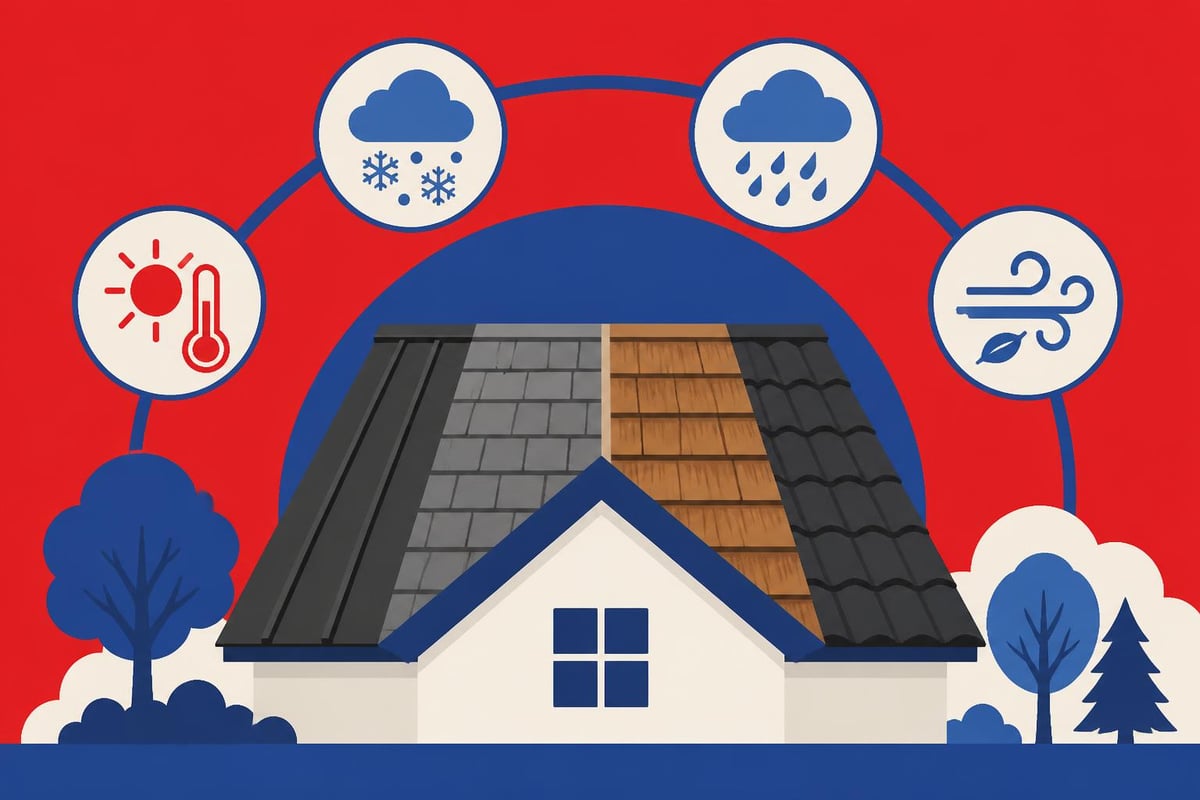
The following characteristics distinguish superior roofing systems:
- Durability measured in decades rather than years
- Weather resistance against wind, hail, and moisture
- Energy efficiency through reflective properties and insulation
- Maintenance requirements that fit realistic budgets
- Installation complexity affecting labor costs and quality control
- Warranty coverage from both manufacturers and contractors
Residential Roofing Material Comparisons
For residential properties, asphalt shingle roofing remains the most popular choice in North America, but understanding the full spectrum of options helps property owners make informed decisions. According to comprehensive roofing material comparisons, each material category offers distinct advantages and limitations.
| Material | Average Lifespan | Initial Cost | Maintenance Level | Climate Suitability |
|---|---|---|---|---|
| Asphalt Shingles | 20-30 years | Low to Moderate | Low | Excellent for varied climates |
| Metal Roofing | 40-70 years | Moderate to High | Very Low | Outstanding in all conditions |
| Modified Bitumen | 20-30 years | Moderate | Low to Moderate | Excellent for flat/low-slope |
| Tile (Clay/Concrete) | 50-100 years | High | Moderate | Best in warm, dry climates |
| Slate | 75-150 years | Very High | Low | Excellent but weight-intensive |
Architectural asphalt shingles represent the best roofing option for many residential applications due to their balance of performance, aesthetics, and cost. These premium shingles feature multiple layers, enhanced wind resistance, and sophisticated color blending that mimics natural materials. Modern architectural shingles carry impact ratings that protect against hail damage, a critical consideration in storm-prone areas.
Metal roofing has emerged as a leading alternative, with best metal roofing material options including standing seam steel, aluminum panels, and metal shingles designed to replicate traditional aesthetics. The exceptional longevity and minimal maintenance requirements offset higher initial costs for property owners planning long-term ownership.
Commercial Roofing Systems and Best Practices
Commercial properties require different roofing approaches than residential buildings. The best roofing systems for commercial applications emphasize durability, ease of maintenance, and cost-effectiveness across large surface areas. Modified bitumen systems have proven particularly effective for flat and low-slope commercial roofs common in the Midwest.
Modified Bitumen Excellence
Modified bitumen roofing combines the proven waterproofing properties of traditional built-up roofing with modern polymer technology. This system creates a multi-ply barrier that excels in temperature extremes and provides excellent puncture resistance. The best roofing contractors apply these systems using torch-applied, cold-adhesive, or self-adhering methods, each appropriate for specific conditions.
Installation precision determines the long-term success of commercial roofing projects. Research on best practices for commercial roofing installations emphasizes proper seam welding, adequate adhesion, and attention to detail at penetrations and transitions. Shortcuts during installation inevitably lead to premature failures and expensive repairs.
Key commercial roofing considerations include:
- Proper deck preparation ensuring clean, dry, structurally sound substrates
- Adequate drainage design preventing ponding water accumulation
- Insulation integration meeting current energy codes
- Membrane selection appropriate for building use and exposure
- Quality control protocols throughout the installation process
- Regular maintenance scheduling to maximize system lifespan
Installation Standards That Define Quality
Even the best roofing materials fail when improperly installed. Professional installation following manufacturer specifications and industry best practices represents the foundation of long-lasting roof performance. The detailed roofing installation best practices outlined by leading manufacturers provide comprehensive guidelines that separate superior installations from mediocre work.
Complete Tear-Off vs. Overlay Decisions
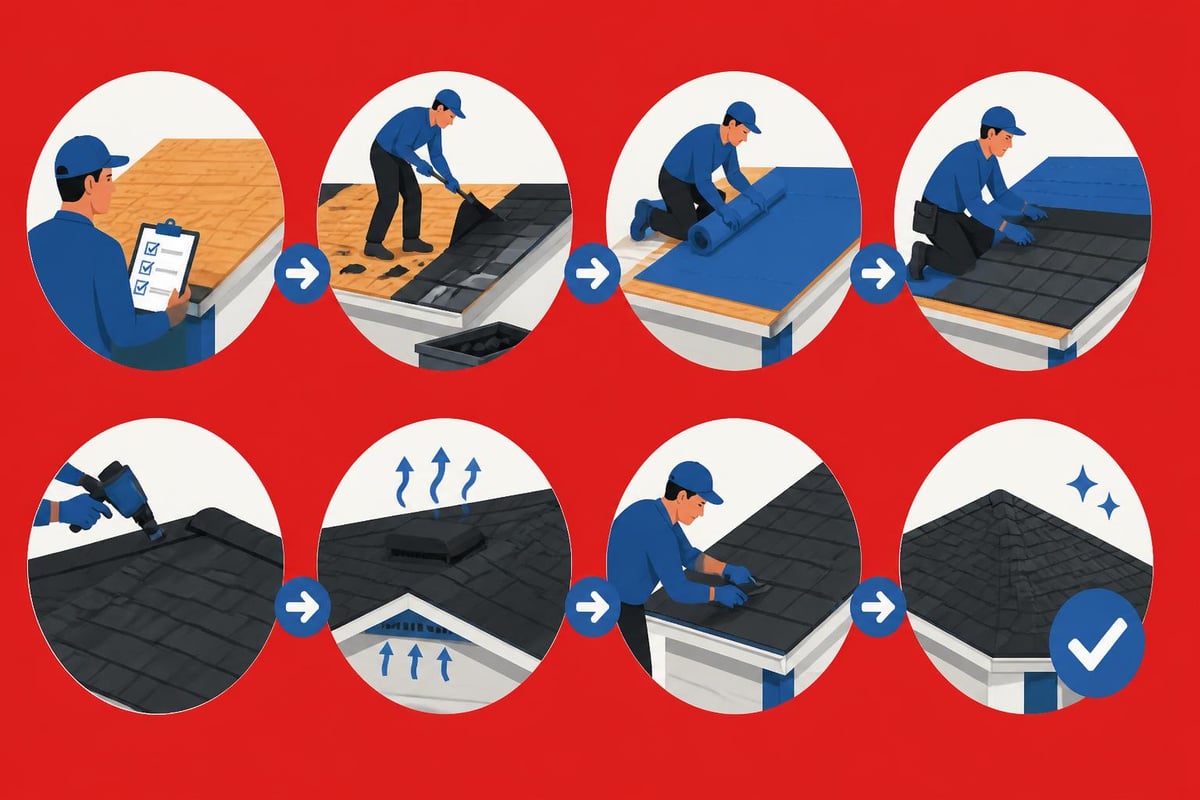
The best roofing projects typically begin with complete removal of existing roofing materials. While overlays may seem cost-effective, they hide underlying deck damage, add excessive weight, and prevent proper inspection of the structural substrate. Complete tear-off allows contractors to:
- Identify and repair damaged decking before new material installation
- Ensure proper ventilation integration
- Install modern underlayments that enhance waterproofing
- Verify structural adequacy for new material weight
- Provide clean surfaces for optimal adhesion
Deck inspection following tear-off reveals critical issues invisible from above or below. Moisture damage, inadequate fastening, and structural deficiencies require correction before proceeding. Professional contractors replace damaged sections with properly rated sheathing materials that match or exceed original specifications.
Underlayment and Ice Dam Prevention
Modern underlayment technology has transformed roofing performance in cold climates. Synthetic underlayments provide superior tear resistance and extended exposure periods compared to traditional felt papers. For properties in regions experiencing freeze-thaw cycles, proper ice dam prevention measures prove essential.
The best roofing installations in cold climates incorporate:
- Ice and water shield extending minimum 24 inches beyond interior wall lines
- Drip edge installed before underlayment at eaves and over underlayment at rakes
- Proper ventilation maintaining cold roof decks that prevent ice dam formation
- Adequate insulation preventing heat loss that melts snow on roof surfaces
Selecting the Best Roofing Contractor
Material quality and installation expertise matter equally in achieving the best roofing outcomes. Contractor selection requires careful evaluation beyond simple price comparisons. Established, reputable contractors deliver value through experience, proper licensing, comprehensive insurance, and commitment to quality workmanship.
When evaluating roofing contractors, property owners should verify:
Licensing and insurance documentation including general liability and workers' compensation coverage that protects property owners from liability. Reputable contractors provide certificates of insurance without hesitation.
Manufacturer certifications indicating training in specific product lines and adherence to installation standards. Certified contractors often access enhanced warranty programs unavailable to non-certified installers.
Local reputation and references from recent projects similar to your property type. The best roofing contractors maintain long-term relationships in their communities and welcome reference checks.
Written estimates and contracts detailing materials specifications, work scope, timeline, payment terms, and warranty coverage. Vague or verbal agreements create disputes and leave property owners unprotected.
| Evaluation Criteria | Red Flags | Green Flags |
|---|---|---|
| Licensing | Cannot provide license number | Current license readily verified |
| Insurance | Outdated or insufficient coverage | Current certificates for liability and workers' comp |
| References | Reluctant to provide contacts | Multiple recent references offered |
| Estimate Detail | Vague material descriptions | Specific manufacturer and model numbers |
| Payment Terms | Large upfront deposits | Standard draw schedule tied to milestones |
Regional Considerations for Midwest Roofing
Properties throughout Illinois and the broader Midwest face unique roofing challenges that influence the best roofing material and installation choices. Understanding these regional factors helps property owners make informed decisions aligned with local conditions.
Storm Damage and Impact Resistance
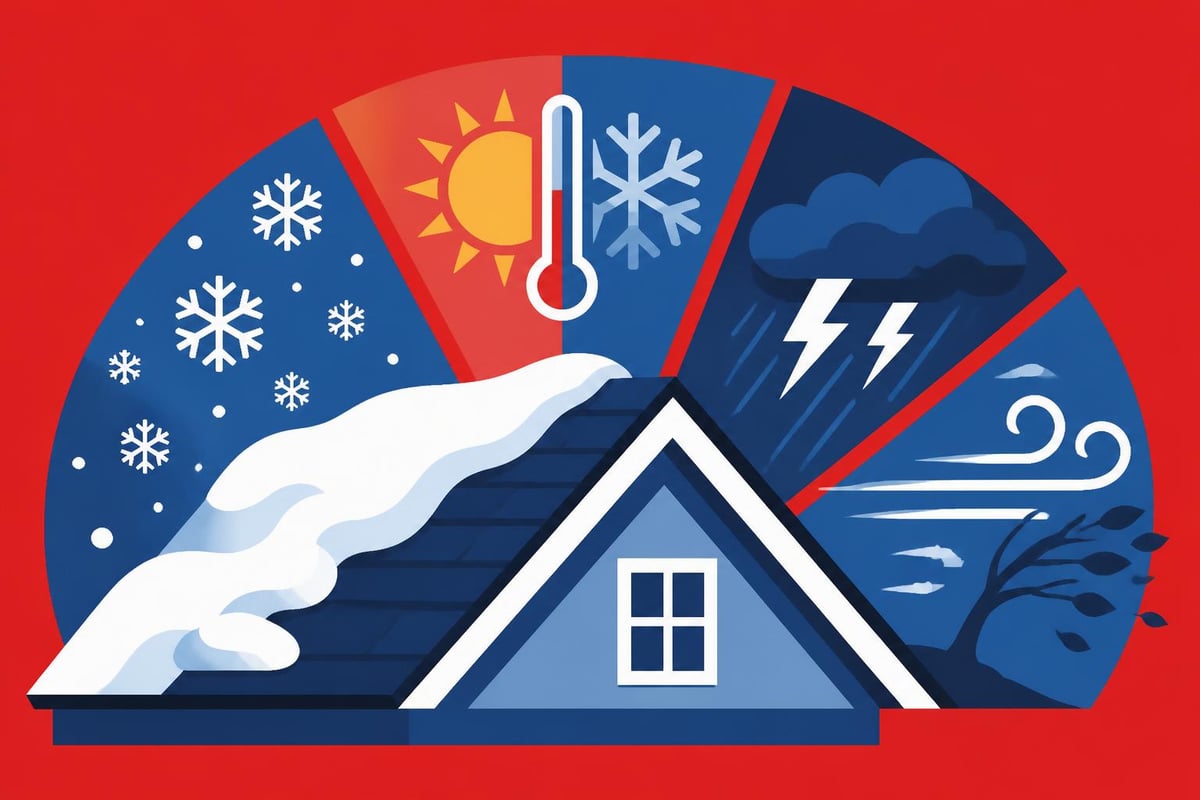
Severe weather represents a constant threat to roofing systems in the Midwest. Hail storms, high winds, and heavy precipitation test roofing materials beyond standard performance parameters. The best roofing materials for this region carry high impact resistance ratings and wind uplift certifications.
Property owners should recognize what roof storm damage looks like in the weeks following severe weather events. Subtle damage indicators often worsen over time when left unaddressed. Regular roof inspection following major storms protects insurance claim rights and prevents secondary damage.
Impact-rated shingles designated as Class 4 under UL 2218 testing provide the highest level of hail resistance available in asphalt shingle products. Many insurance providers offer premium discounts for Class 4 roofing installations, offsetting the modest additional material cost.
Heat Management During Summer Months
While winter weather dominates Midwest roofing discussions, intense summer heat also challenges roofing systems and building comfort. The best roofing choices incorporate reflective technologies that reduce heat absorption and lower cooling costs. Understanding heat proof roof strategies helps property owners maximize energy efficiency during late summer heat waves.
Cool roofing technologies include:
- Reflective shingle granules that deflect solar radiation
- Light-colored metal roofing with high solar reflectance
- Proper attic ventilation removing accumulated heat
- Radiant barriers when appropriate for building design
- Adequate insulation preventing heat transfer to living spaces
Maintenance Protocols for Long-Term Performance
The best roofing systems require regular maintenance to achieve their expected lifespans. Proactive maintenance costs substantially less than reactive repairs and emergency replacements. Professional contractors recommend maintenance schedules appropriate for specific roofing types and local conditions.
Annual inspections identify minor issues before they escalate into expensive problems. Trained professionals spot early warning signs invisible to untrained observers, including subtle granule loss, seal failures, flashing deterioration, and ventilation inadequacies.
Seasonal Maintenance Priorities
Different seasons present specific maintenance opportunities and requirements:
Spring inspections following winter weather assess ice dam damage, check for granule loss from freeze-thaw cycles, verify flashing integrity, and clear debris from valleys and gutters.
Summer maintenance addresses ventilation performance, inspects sealants softened by heat, checks for thermal expansion issues in metal components, and prepares systems for storm season.
Fall preparation clears gutters and downspouts, removes accumulated debris, trims overhanging branches, and ensures systems are ready for winter weather demands.
Winter monitoring watches for ice dam formation, ensures adequate attic ventilation continues functioning, and addresses snow accumulation on flat or low-slope roofs when necessary.
Cost Considerations and Value Analysis
Understanding the true cost of the best roofing options requires analysis beyond initial installation expenses. Life-cycle costing provides more accurate comparisons by factoring in longevity, maintenance requirements, energy savings, and replacement timing.
| Cost Factor | Asphalt Shingles | Metal Roofing | Modified Bitumen |
|---|---|---|---|
| Material Cost per Square | $100-$200 | $300-$600 | $200-$400 |
| Installation Complexity | Moderate | High | Moderate to High |
| Expected Lifespan | 20-30 years | 40-70 years | 20-30 years |
| Annual Maintenance | Minimal | Very Low | Low to Moderate |
| Energy Impact | Standard to Cool | Excellent | Good |
Return on investment varies based on ownership timeline, local climate, energy costs, and insurance considerations. Property owners planning long-term ownership often find premium materials cost-effective despite higher initial outlays. Short-term owners may prioritize lower initial costs with adequate performance.
The best roofing contractors provide transparent pricing that itemizes materials, labor, disposal, and related expenses. Detailed estimates allow meaningful comparisons and prevent surprise charges during project execution.
Warranty Protection and Coverage Understanding
Comprehensive warranty coverage distinguishes the best roofing installations from standard projects. Understanding warranty types, coverage limitations, and claim procedures protects your investment and ensures recourse if problems develop.
Manufacturer material warranties cover defects in roofing products themselves, with coverage periods ranging from 20 years to lifetime depending on product lines. These warranties typically include prorated and non-prorated periods, with full replacement coverage for initial years transitioning to depreciated value coverage later.
Contractor workmanship warranties address installation quality and labor-related issues. The best roofing contractors provide substantial workmanship warranties, often 5-10 years, demonstrating confidence in their installation quality.
Enhanced system warranties available through certified contractors extend coverage and may include additional protections like wind damage coverage, algae resistance, and expedited claim processing. These premium warranties require specific installation practices and approved material combinations.
Critical warranty maintenance requirements include:
- Regular professional inspections at specified intervals
- Prompt repair of identified issues
- Prohibition against unauthorized modifications
- Documentation of maintenance activities
- Proper ventilation and insulation maintenance
Quality Materials From Trusted Manufacturers
The best roofing projects specify materials from established manufacturers with proven track records and comprehensive support systems. Leading brands invest heavily in research, testing, and continuous improvement that translates into superior product performance.
When evaluating roofing material types and lifespans, manufacturer reputation significantly influences real-world performance versus theoretical specifications. Established brands maintain quality control, provide technical support, and honor warranty commitments across decades.
Manufacturer support includes installation training, technical hotlines, warranty administration, and field representatives who assist with complex projects. These resources prove invaluable when addressing unusual conditions or resolving performance questions.
The best roofing contractors maintain relationships with multiple quality manufacturers, allowing material selection optimized for specific project requirements rather than inventory convenience. This flexibility ensures appropriate material specification for each unique application.
Choosing the best roofing solution requires balancing multiple factors including climate demands, budget constraints, aesthetic preferences, and long-term performance expectations. Quality materials paired with expert installation and regular maintenance deliver decades of reliable protection for your property. Great Roofing brings three generations of roofing expertise to residential and commercial properties throughout Joliet and surrounding communities, specializing in both asphalt shingle replacements and commercial modified bitumen systems installed to the highest industry standards. Contact our team today to schedule a comprehensive roof evaluation and discover how professional roofing solutions protect your most valuable investment.