


Bitumen roofing has served as a reliable solution for commercial and industrial buildings for more than a century, offering exceptional durability and weather resistance. This roofing system uses asphalt-based membranes that create a watertight barrier capable of withstanding extreme temperatures, UV exposure, and physical stress. For property owners in Joliet and surrounding areas, understanding the capabilities and options within bitumen roofing systems helps make informed decisions about protecting their investments. Modified bitumen and built-up roofing (BUR) systems continue to evolve with modern technologies, delivering enhanced performance while maintaining the proven track record that makes them a preferred choice for flat and low-slope commercial applications.
Understanding Bitumen Roofing Systems
Bitumen roofing encompasses several distinct system types, each designed to meet specific performance requirements and building conditions. The term "bitumen" refers to asphalt or coal-tar pitch used as the waterproofing agent in these roofing assemblies.
Traditional Built-Up Roofing (BUR)
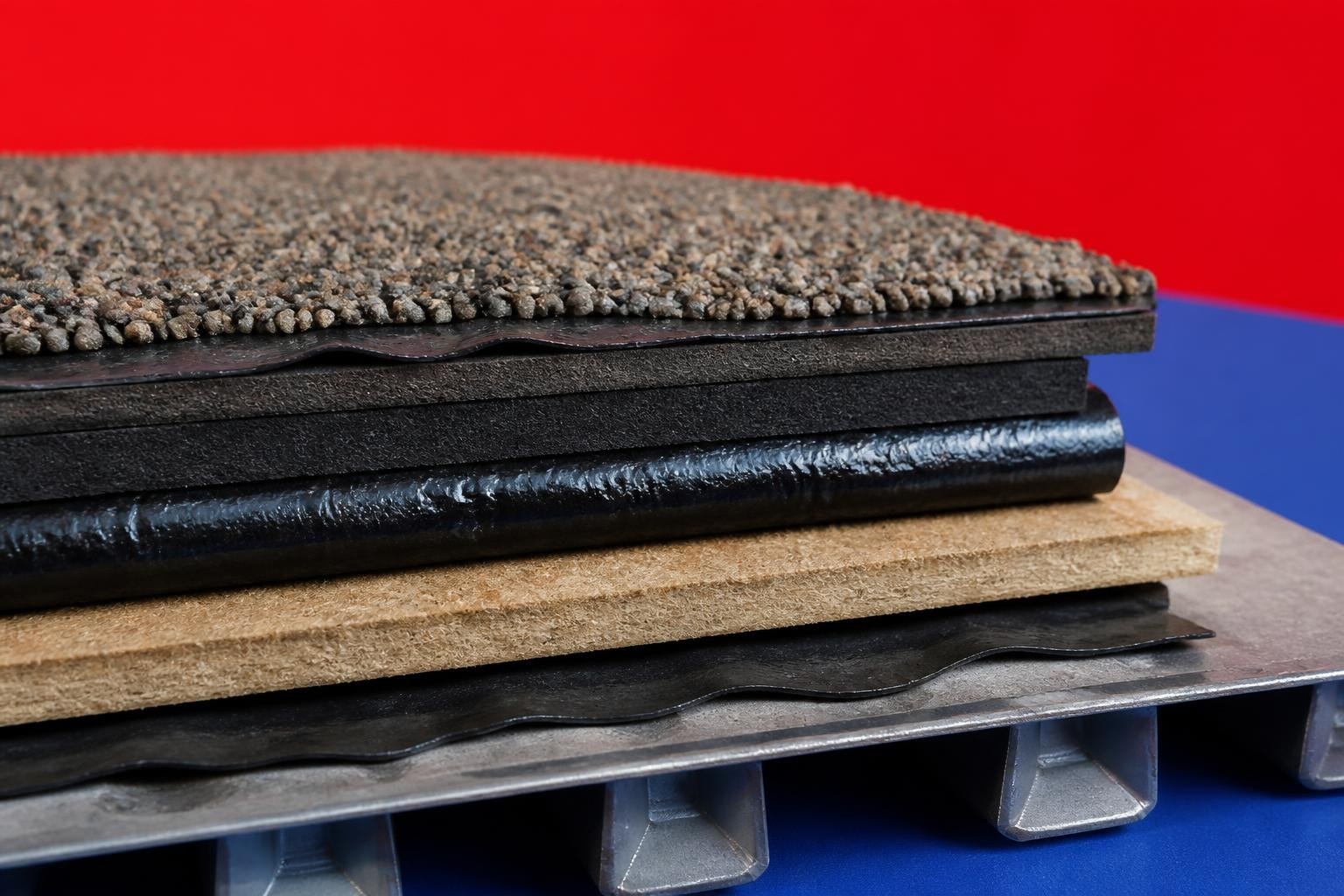
Built-up roofing represents the original bitumen roofing technology, consisting of alternating layers of reinforcing fabric and bitumen. This multi-ply system typically includes three to five layers, creating redundancy that enhances waterproofing performance.
Key components of BUR systems include:
- Base sheet mechanically fastened to the roof deck
- Interply sheets bonded with hot asphalt or cold adhesive
- Reinforcing felts made from fiberglass or organic materials
- Surface layer with aggregate, cap sheet, or reflective coating
The NRCA’s Roofing Guidelines provide comprehensive installation standards for built-up roof systems, ensuring proper layering and material compatibility. These multi-layer assemblies offer exceptional puncture resistance and create a monolithic membrane that effectively manages water runoff on low-slope applications.
Modified Bitumen Roofing
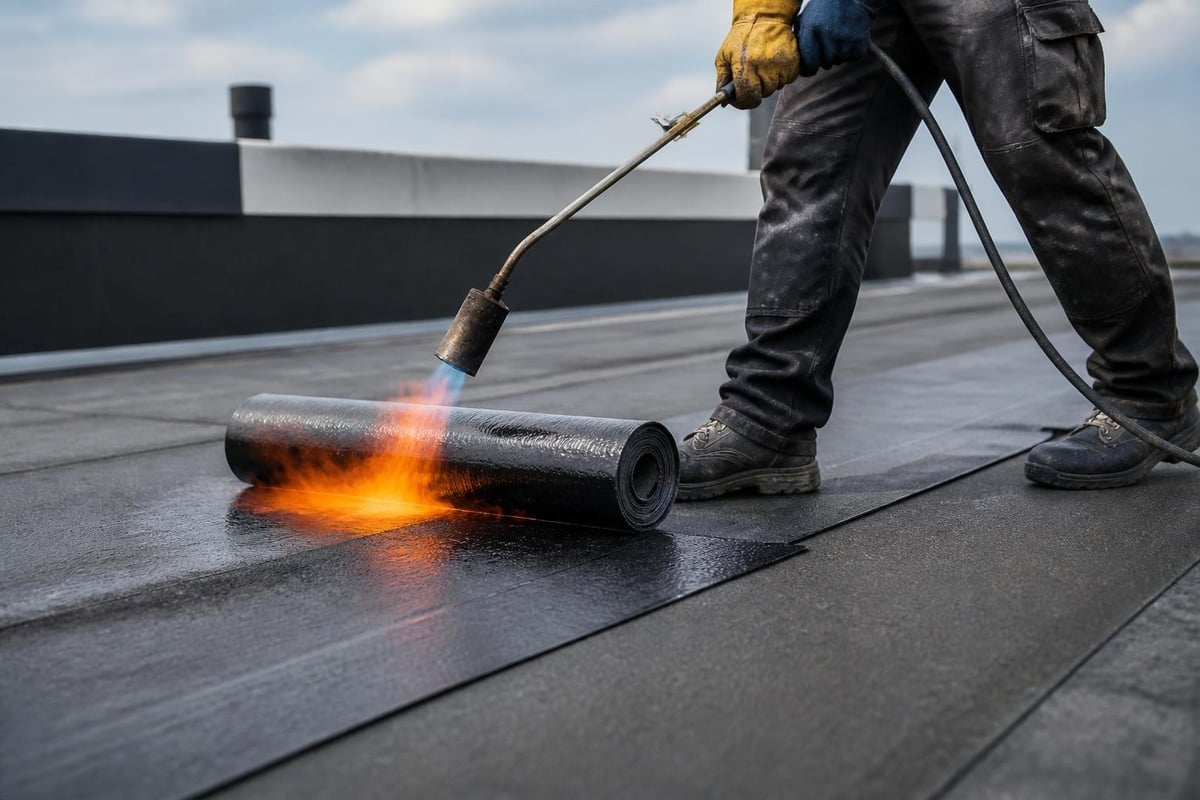
Modified bitumen represents an evolution of traditional BUR technology, incorporating polymer modifications that enhance flexibility, durability, and installation efficiency. These single-ply or two-ply systems use either APP (atactic polypropylene) or SBP (styrene-butadiene-styrene) modifiers.
APP modified bitumen characteristics:
- Heat-welded installation using torch application
- Superior UV resistance and high-temperature performance
- Plastic-like properties that resist flow at elevated temperatures
- Excellent for sunny, hot climates
SBS modified bitumen characteristics:
- Cold-applied with adhesive or heat-welded
- Rubber-like flexibility maintained at low temperatures
- Superior performance in freeze-thaw cycles
- Ideal for northern climates with temperature extremes
According to the ARMA technical bulletin on modified bituminous membrane systems, self-adhesive formulations now provide additional installation options that eliminate torch work while maintaining performance standards. Many commercial properties benefit from these waterproofing services that extend beyond the roof surface to create comprehensive building envelope protection.
Installation Methods and Techniques
The installation method significantly impacts the performance and longevity of bitumen roofing systems. Three primary attachment methods dominate current practice, each offering distinct advantages.
| Installation Method | Advantages | Best Applications | Labor Requirements |
|---|---|---|---|
| Hot-mopped asphalt | Maximum adhesion, proven track record | BUR systems, cold climates | High skill, specialized equipment |
| Torch-applied | Strong seams, field flexibility | APP modified bitumen | Moderate skill, fire safety training |
| Cold-applied adhesive | No open flame, broader weather window | SBS modified bitumen, occupied buildings | Moderate skill, temperature monitoring |
| Self-adhering | Fastest installation, safest method | Reroofing, complex details | Lower skill, proper surface prep |
Hot-Mopped Application
Hot-mopped installation involves heating asphalt to approximately 400-500°F and applying it between layers of reinforcing felt. This traditional method creates exceptional adhesion and immediate waterproofing as the asphalt cools and solidifies.
Proper temperature control proves critical. Overheated asphalt loses volatile compounds and becomes brittle, while insufficiently heated material fails to flow properly and creates weak bonds. Experienced crews monitor kettle temperatures continuously and adjust application rates based on ambient conditions.
Torch-Down Installation
Torch-applied modified bitumen uses propane torches to heat the underside of rolls, melting the asphalt coating to create bonds with the substrate and overlapping seams. This method provides visual confirmation of proper heating through the appearance of a small bitumen bead at the roll edge.
Safety protocols for torch application:
- Clear roof of all combustible materials
- Maintain fire watch during and after installation
- Keep fire extinguishers readily accessible
- Inspect substrate for dry, stable conditions
- Monitor weather for wind that affects flame control
Many contractors prefer torch application for its reliability in creating watertight seams, though building codes in some jurisdictions restrict open-flame work on occupied structures. The ICC-ES evaluation reports document approved assembly configurations and installation requirements for various modified bitumen products.
Performance Characteristics and Benefits
Bitumen roofing systems deliver multiple performance advantages that make them particularly suitable for commercial applications. Understanding these benefits helps property owners evaluate options against their specific needs.
Weather Resistance
The waterproofing capabilities of bitumen roofing stem from its continuous membrane construction and inherent material properties. Unlike mechanical seam systems, properly installed bitumen membranes create monolithic barriers with minimal vulnerability points.
Temperature extremes that challenge other roofing materials pose less concern for bitumen systems. Modified formulations maintain flexibility at temperatures as low as -40°F and resist degradation at sustained temperatures exceeding 180°F. This thermal stability proves especially valuable for buildings in regions experiencing significant seasonal temperature swings.
Wind resistance exceeds many competitive systems when bitumen roofing is fully adhered. The continuous bond prevents wind from accessing the membrane edges and creating uplift forces. Testing confirms that properly installed systems resist winds exceeding 150 mph, meeting the most stringent building code requirements for hurricane-prone regions.
Durability and Lifespan
Expected service life for bitumen roofing systems:
- Built-up roofing (BUR): 20-30 years with proper maintenance
- Modified bitumen (APP): 20-25 years in typical conditions
- Modified bitumen (SBS): 15-20 years with regular inspections
- Premium modified systems: 25-30+ years with warranties
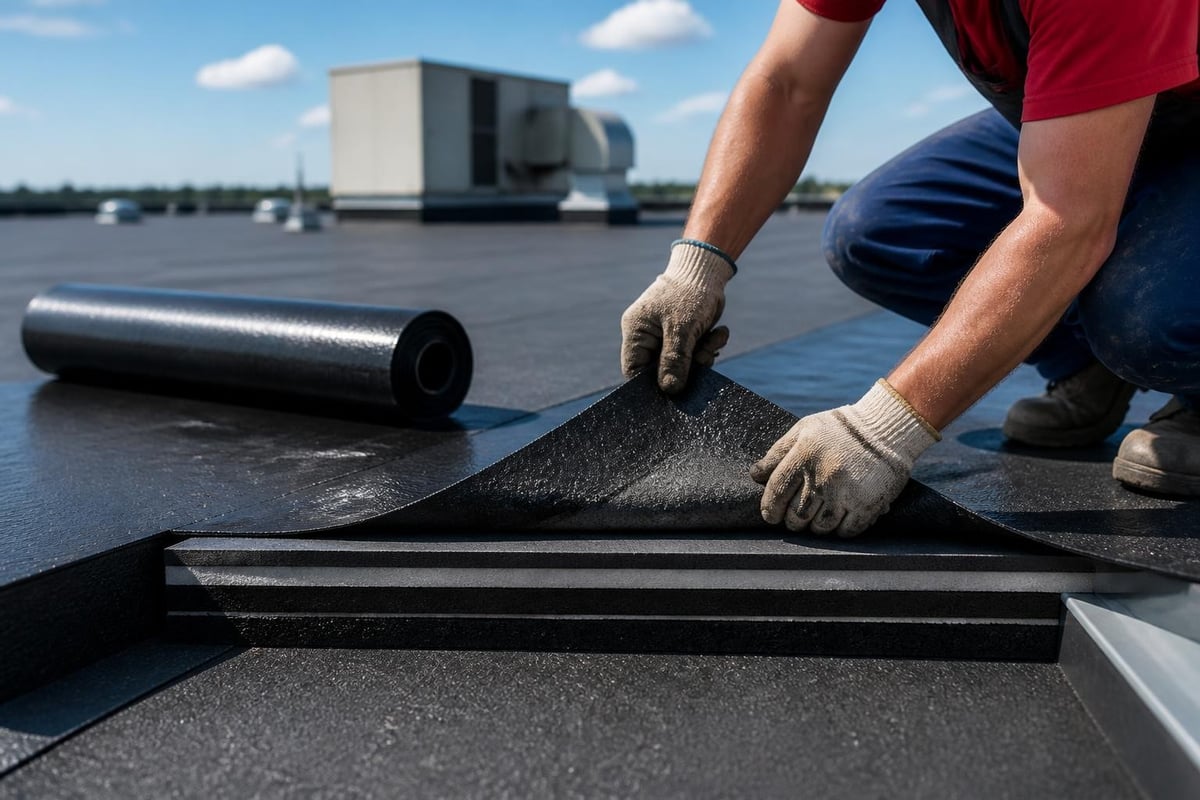
The multi-layer construction of built-up roofing provides inherent redundancy. Even if the top layer experiences damage, underlying plies continue protecting the building envelope. This fault tolerance extends system life and provides early warning of maintenance needs before leaks develop.
Self-healing properties distinguish bitumen roofing from many alternatives. Minor punctures and tears often seal themselves as the membrane material flows under solar heating, filling small gaps. This characteristic reduces the urgency of minor repairs, though regular inspections remain essential for identifying larger damage.
For property owners evaluating roofing repair cost considerations, bitumen systems offer straightforward repair procedures. Patches bond directly to existing membranes using compatible materials, creating permanent repairs without specialized equipment or complete section replacement.
Energy Efficiency and Reflective Options
Modern bitumen roofing addresses energy performance through cool roof technologies and reflective surfacing options. Traditional dark membranes absorb solar radiation, increasing cooling loads, but contemporary products offer alternatives.
Cool Roof Technology
Cool bitumen roofing uses light-colored granule surfacing or reflective coatings to increase solar reflectance and thermal emittance. These modifications can reduce surface temperatures by 50-60°F compared to traditional black membranes.
The U.S. Department of Energy guidance on cool roof products outlines performance criteria and expected energy savings. Buildings in cooling-dominated climates see the greatest benefit, with air conditioning cost reductions of 10-30% depending on insulation levels and building characteristics.
Reflective surfacing options:
- White mineral granules embedded in cap sheet
- Elastomeric reflective coatings applied over dark membranes
- Light-colored smooth surface membranes with UV inhibitors
- Aluminum or mineral-faced cap sheets
Property owners should balance initial costs against energy savings and equipment lifespan extension. Reduced rooftop temperatures extend HVAC equipment life and decrease urban heat island effects, providing community-wide environmental benefits beyond individual building savings.
Maintenance Requirements and Best Practices
Proactive maintenance maximizes the return on investment in bitumen roofing systems. Regular inspections identify minor issues before they escalate into costly damage requiring extensive repairs or premature replacement.
Inspection Schedule
Recommended inspection frequency:
- Bi-annual inspections (spring and fall)
- Post-storm assessments after severe weather events
- Equipment installation or modification reviews
- Annual warranty compliance documentation
During inspections, focus on vulnerable areas where problems typically develop first. Penetrations, flashing details, drainage components, and roof edges require particular attention. Standing water indicates drainage problems that accelerate membrane deterioration and should be addressed promptly.
Granule loss on cap sheets signals UV degradation and approaching end-of-life conditions. While some granule displacement occurs normally, extensive bare areas warrant coating application or replacement planning. Cracking, blistering, or separation between plies indicates moisture intrusion or installation defects requiring immediate professional evaluation.
Many commercial property owners discover roof damage from storms during routine inspections, allowing insurance claims and repairs before interior damage occurs. Documentation through photographs and written reports supports warranty claims and helps track system performance over time.
Common Maintenance Tasks
Routine cleaning removes debris that clogs drains and retains moisture against the membrane surface. Leaves, dirt, and organic matter create ideal conditions for vegetation growth, which damages membranes through root penetration and moisture retention.
Essential maintenance activities include:
- Drain and gutter cleaning quarterly
- Debris removal after storms
- Vegetation elimination at first appearance
- Flashing inspection and sealant renewal
- Ponding water elimination through tapered insulation or drainage improvements
Minor repairs addressed promptly prevent major failures. Small punctures, open seams, or damaged flashing cost hundreds to repair but can lead to thousands in water damage if ignored. Establishing relationships with qualified roofing contractors ensures rapid response when problems arise.
Sustainability and Recycling Considerations
Environmental impact considerations increasingly influence roofing material selection. Bitumen roofing presents both challenges and opportunities in sustainability metrics.
Material Sourcing and Production
Bitumen derives from petroleum refining, raising concerns about fossil fuel dependence and carbon footprint. However, asphalt represents a byproduct of crude oil processing that would otherwise require disposal. Using this material in long-lasting roofing applications provides productive use for a waste stream.
Manufacturing energy requirements for bitumen roofing compare favorably to many alternatives. The production process requires less energy than metal coating or single-ply membrane extrusion. BRE resources on bituminous roofing membrane performance document environmental assessment methodologies and lifecycle impacts for specification decisions.
End-of-Life Recycling
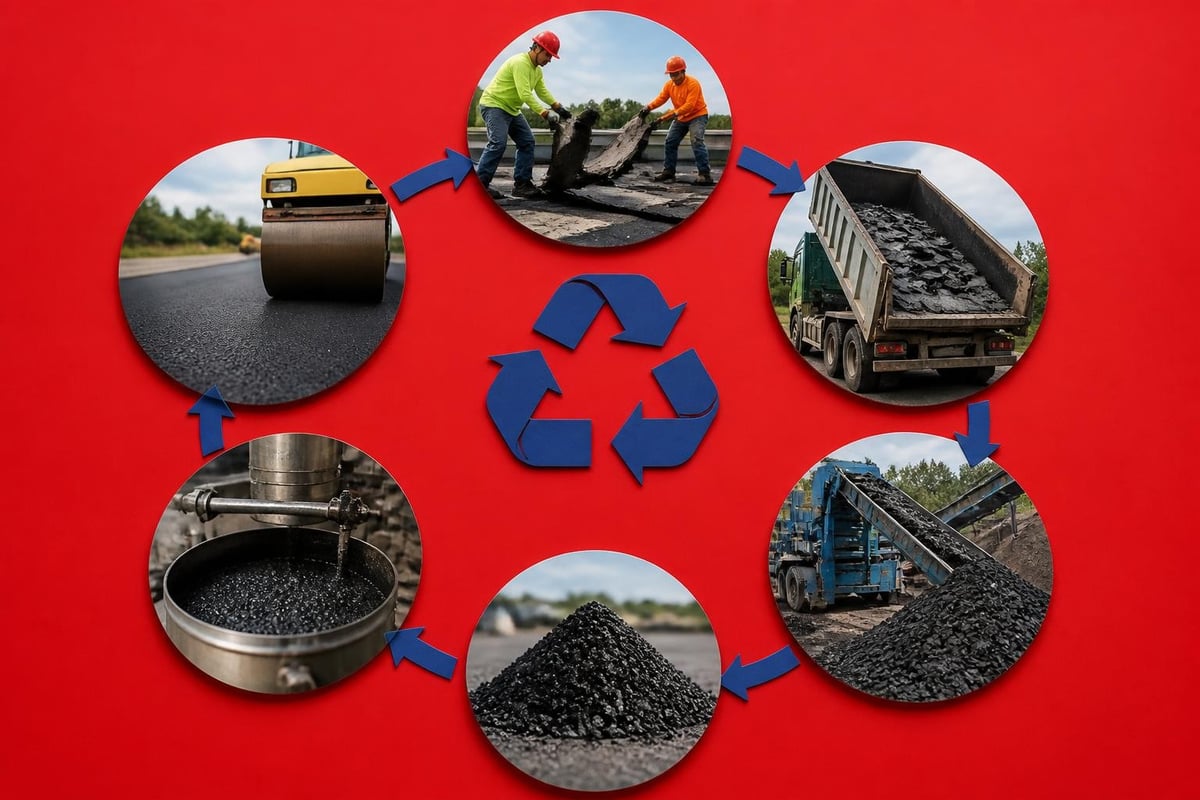
Traditional disposal sent bitumen roofing to landfills, but emerging recycling technologies now convert old membranes into useful products. Research demonstrates that reclaimed bitumen roofing materials perform effectively in asphalt paving applications.
A peer-reviewed study on recycling bituminous membranes confirms that incorporating roofing waste into road asphalt maintains pavement performance while diverting material from landfills. This closed-loop approach reduces both disposal costs and virgin material consumption.
Companies like Tarpaper Recycling demonstrate commercial-scale implementation of these concepts, processing roofing felt waste into BitumenMix for road construction. As these services expand geographically, commercial property owners gain practical options for responsible material disposition during reroofing projects.
Cost Considerations and Return on Investment
Initial installation costs represent only one component of total ownership expenses. Evaluating bitumen roofing requires analyzing lifecycle costs including maintenance, repairs, energy consumption, and eventual replacement.
Installation Cost Factors
| Cost Component | Impact Level | Variables Affecting Price |
|---|---|---|
| Material selection | High | System type, polymer modification, surfacing |
| Labor rates | High | Regional wages, crew experience, project complexity |
| Substrate preparation | Medium | Existing condition, repairs needed, insulation upgrades |
| Access challenges | Medium | Building height, equipment requirements, staging |
| Project timing | Low | Seasonal demand, weather delays, schedule flexibility |
Built-up roofing typically costs less per square foot than premium modified bitumen systems, but requires more labor-intensive installation. Modified bitumen offers faster installation with smaller crews, potentially offsetting higher material costs through reduced labor expenses.
For accurate project budgeting, property owners should obtain detailed proposals from experienced contractors specializing in commercial applications. Quality residential roofing expertise doesn't automatically translate to commercial bitumen system proficiency, as installation techniques and performance requirements differ significantly.
Long-Term Value Analysis
Service life and maintenance requirements significantly impact total cost of ownership. A system lasting 25 years with minimal maintenance provides better value than a 15-year system requiring frequent repairs, even if initial costs are similar.
Factors enhancing long-term value:
- Comprehensive warranties covering materials and labor
- Proven contractor experience with specific system types
- High-quality base materials and proper substrate preparation
- Regular maintenance program implementation
- Energy-efficient formulations reducing operating costs
Commercial property owners should also consider insurance implications. Some carriers offer premium reductions for impact-resistant or fire-rated roofing systems. Documentation of proper installation and maintenance history supports claims and may prevent coverage disputes after weather events.
Selecting the Right Bitumen Roofing System
System selection depends on multiple factors including climate, building use, budget constraints, and performance priorities. No single bitumen roofing type suits all applications equally well.
Climate Considerations
Temperature extremes drive material selection between APP and SBS modified bitumen. Buildings in southern regions with intense solar exposure benefit from APP systems' superior high-temperature stability and UV resistance. The material's ability to resist flow at elevated temperatures prevents slumping on sloped surfaces and maintains membrane integrity during summer heat.
Northern climates with freeze-thaw cycles favor SBS modified bitumen's low-temperature flexibility. The rubber-like polymer modification prevents cracking during rapid temperature changes and maintains waterproofing integrity even when temperatures plunge well below freezing. This flexibility also accommodates thermal movement in the building structure without membrane stress.
Coastal regions require enhanced wind resistance and corrosion-resistant fasteners. Fully-adhered systems eliminate edge vulnerability, while fastener materials must resist salt air exposure. UV exposure in these locations also accelerates degradation, making reflective surfacing or periodic coating application valuable for extending service life.
Building Use and Access Requirements
Occupied buildings during reroofing present challenges for hot-work installation methods. Odors from hot asphalt or torch application may disrupt operations, while fire safety concerns increase liability. Cold-applied or self-adhering systems eliminate these issues, making them preferred choices for hospitals, schools, and multi-tenant commercial properties.
Roof access for ongoing maintenance also influences system selection. Buildings with easy access support more frequent inspection and minor maintenance, allowing simpler systems to perform well. Limited-access roofs benefit from premium systems with longer maintenance intervals and greater fault tolerance.
Bitumen roofing continues delivering reliable, cost-effective protection for commercial buildings across diverse climate conditions and performance requirements. Understanding system types, installation methods, and maintenance needs helps property owners make informed decisions that protect their investments for decades. Whether you need expert installation of modified bitumen systems, routine maintenance, or comprehensive reroofing services, the experienced team at Great Roofing brings three generations of commercial roofing expertise to every project throughout the Joliet area. Contact our family-owned team today to discuss how bitumen roofing solutions can meet your building's specific needs.