


A bitumen shingle roof represents one of the most popular and cost-effective roofing solutions for residential properties across North America. Also known as asphalt shingles, these roofing materials combine durability, affordability, and aesthetic versatility in a package that suits both traditional and contemporary home designs. Whether you're building a new home in Joliet or considering a roof replacement, understanding the composition, benefits, and maintenance requirements of bitumen shingles helps you make informed decisions about protecting your most significant investment.
What Makes Up a Bitumen Shingle Roof
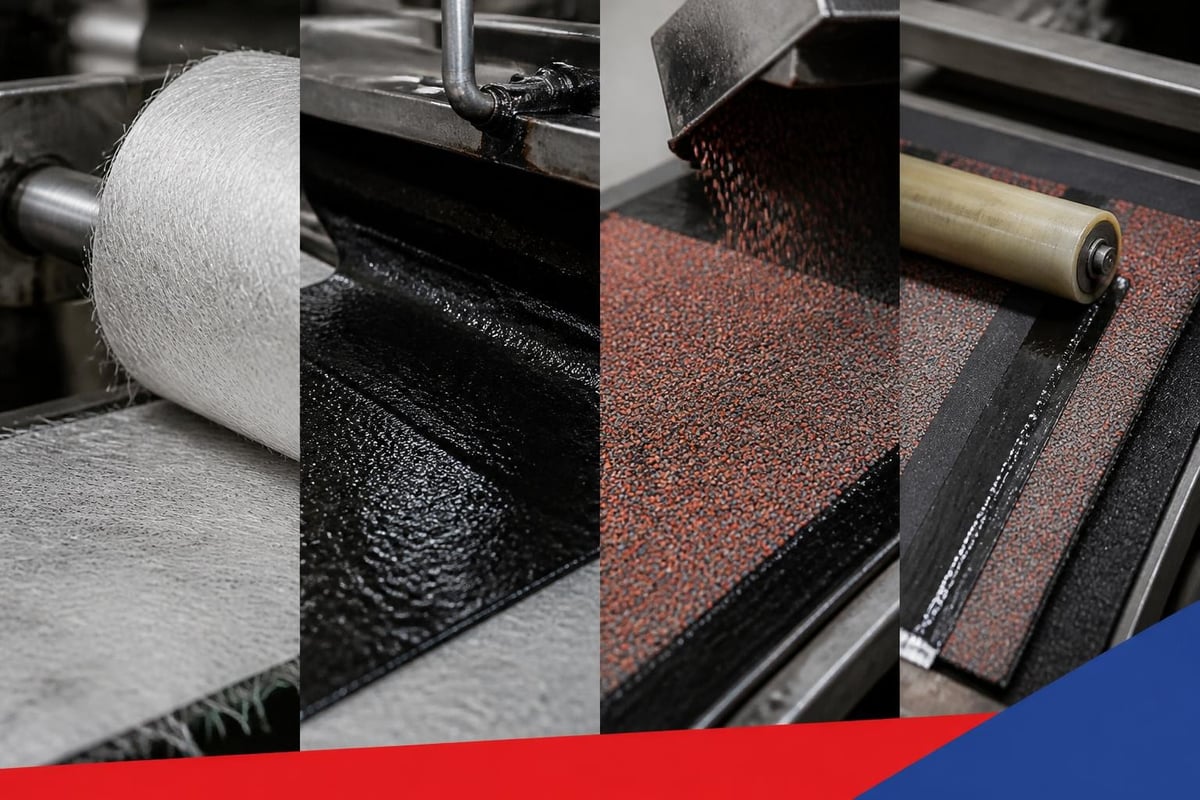
The composition of modern bitumen shingles involves multiple engineered layers designed to provide weather resistance and longevity. At the foundation lies a fiberglass mat that serves as the reinforcement layer, providing dimensional stability and strength. This mat gets saturated and coated with asphalt bitumen, which creates the waterproof barrier essential for roof protection.
Core Components and Manufacturing
The manufacturing process applies asphalt to both sides of the fiberglass mat, creating a sandwich structure that resists water penetration. Ceramic-coated mineral granules then get embedded into the top surface, serving multiple critical functions:
- Protection from ultraviolet radiation that degrades asphalt
- Fire resistance through mineral composition
- Color and aesthetic appearance options
- Surface texture for improved traction during installation
According to industry perspectives on bitumen roofing, North American manufacturers have refined these production processes to create shingles with enhanced performance characteristics compared to earlier organic-felt based products.
The back surface receives a coating of sand or talc to prevent shingles from sticking together during packaging and storage. Modern three-tab and architectural shingles also include adhesive strips that seal down once installed, creating wind resistance.
Types of Bitumen Shingle Roofing Systems
Homeowners can choose from several bitumen shingle varieties, each offering distinct advantages for different applications and budgets. The selection process should consider factors like climate conditions, architectural style, and long-term value expectations.
Three-Tab Shingles
Traditional three-tab shingles feature a flat, uniform appearance with cutouts creating the appearance of three separate tabs. These shingles typically measure 12 inches by 36 inches and provide:
- Most economical initial investment
- Clean, traditional aesthetic
- Lighter weight per square foot
- 20-25 year warranty periods
- Adequate performance for most residential applications
Architectural Shingles
Also called dimensional or laminate shingles, architectural varieties layer multiple bitumen pieces to create depth and shadow lines. These premium options deliver enhanced curb appeal and performance:
Performance Benefits:
- Superior wind resistance ratings (110-130 mph)
- Extended warranty coverage (30-50 years)
- Greater thickness for improved durability
- Diverse color and texture patterns
- Better hail impact resistance
Specialty Bitumen Shingles
Premium manufacturers offer specialized products including impact-resistant shingles for hail-prone areas, designer shingles mimicking slate or wood shake, and energy-efficient options with reflective granules.
| Shingle Type | Average Lifespan | Wind Rating | Cost Factor |
|---|---|---|---|
| Three-Tab | 20-25 years | 60-70 mph | 1.0x |
| Architectural | 30-40 years | 110-130 mph | 1.5-2.0x |
| Impact-Resistant | 30-50 years | 110-130 mph | 2.0-2.5x |
| Designer | 40-50 years | 110-130 mph | 2.5-4.0x |
Installation Requirements and Best Practices
Proper installation determines whether a bitumen shingle roof achieves its expected service life. The National Roofing Contractors Association guidelines establish industry standards that professional contractors follow to ensure system performance.
Roof Deck Preparation
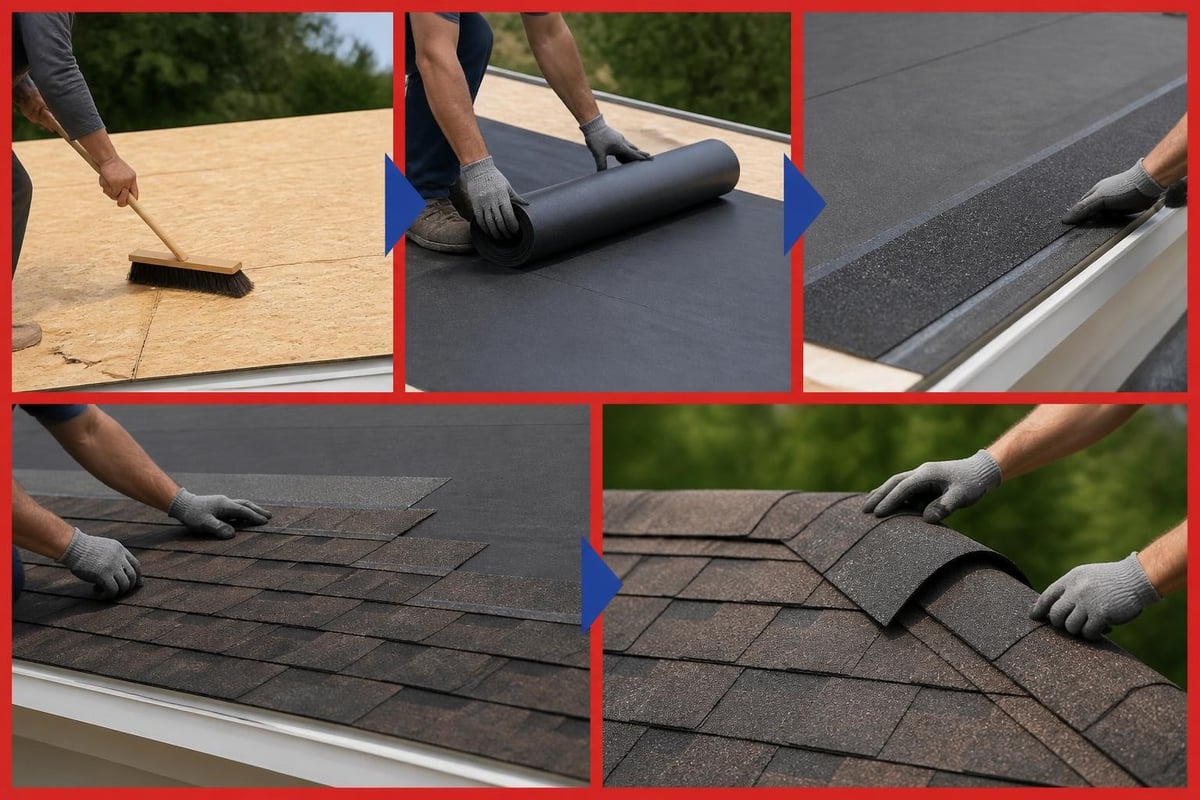
Before shingle installation begins, the roof deck must meet specific requirements. Structural soundness comes first as any damaged or deteriorated decking materials require replacement. The deck surface needs proper ventilation planning to prevent moisture accumulation that can shorten shingle lifespan.
Underlayment selection depends on climate conditions and local building codes. Asphalt-saturated felt has given way to synthetic underlayment products offering superior tear resistance and moisture protection. Ice and water shield barriers become mandatory in valleys, eaves, and around penetrations in cold climates.
Shingle Application Methods
Professional installation follows systematic procedures:
- Starter strip installation along eaves and rakes to ensure proper shingle overhang
- First course alignment with chalk lines maintaining straight rows
- Proper nailing patterns using four to six nails per shingle in manufacturer-specified locations
- Offset patterns preventing vertical alignment of joints between courses
- Hip and ridge finishing with specialty cap shingles for weather protection
The Building America Solution Center recommendations emphasize proper installation techniques as critical factors in preventing water intrusion and wind damage.
Climate Performance and Weather Resistance
A bitumen shingle roof must withstand diverse weather conditions throughout its service life. Performance varies based on product quality, installation excellence, and regional climate factors.
Heat and UV Exposure
In warm climates, continuous sun exposure can accelerate shingle aging. The ceramic granules play a vital role here, as discussed by the National Research Council of Canada, protecting the underlying bitumen from degradation. Reflective granule technology helps reduce heat absorption, potentially lowering cooling costs.
Premium shingles incorporate modified asphalt formulations that resist thermal cycling better than standard products. These modifications become especially important in regions experiencing extreme temperature fluctuations.
Cold Weather Considerations
Winter conditions present different challenges. Proper attic ventilation prevents ice dam formation by maintaining consistent roof deck temperatures. Adequate insulation works in conjunction with ventilation to manage heat transfer.
Winter Performance Factors:
- Adhesive strip activation requires warmth for proper sealing
- Spring installation timing may be optimal in cold climates
- Ice and water shield protection at eaves prevents ice dam damage
- Snow load capacity depends on proper structural design
Wind and Storm Durability
High winds test shingle attachment quality and product design. Architectural shingles generally outperform three-tab varieties due to their greater weight and laminated construction. The adhesive strips must seal properly to resist wind uplift forces.
For homeowners concerned about storm damage, selecting shingles with higher wind ratings and ensuring professional installation provides peace of mind during severe weather events.
Maintenance and Longevity Factors
Extending the service life of a bitumen shingle roof requires attention to maintenance and early problem identification. Regular inspections catch small issues before they become expensive repairs.
Routine Inspection Schedule
Homeowners should conduct visual inspections twice yearly, typically in spring and fall. Professional inspections by contractors experienced in residential roofing provide more thorough assessments every three to five years.
Inspection Checklist:
- Missing, cracked, or curling shingles
- Granule loss exposing asphalt surface
- Damaged or missing flashing around penetrations
- Debris accumulation in valleys
- Moss or algae growth
- Gutter condition and drainage function
Common Issues and Solutions
Granule loss appears normal in the first year as loose manufacturing residue washes away. Excessive granule loss later indicates shingle deterioration requiring attention. Curling or cupping shingles suggest either poor ventilation or aging materials approaching replacement needs.
Algae and moss growth creates aesthetic concerns rather than immediate structural threats. Zinc or copper strips installed near the ridge prevent growth, while gentle cleaning removes existing colonies without damaging shingles.
Minor damage from falling branches or hail impact may require targeted repairs. Professional assessment determines whether individual shingle replacement suffices or whether more extensive work becomes necessary.
Factors Affecting Lifespan
| Factor | Impact on Lifespan | Mitigation Strategy |
|---|---|---|
| Proper Ventilation | +20-30% | Adequate soffit and ridge vents |
| Quality Installation | +25-40% | Hire certified contractors |
| Regular Maintenance | +15-25% | Biannual inspections and cleaning |
| Climate Extremes | -15-30% | Choose appropriate shingle grade |
| Roof Pitch | +10-20% | Steeper pitches shed water better |
Cost Considerations and Value Analysis
Understanding the financial aspects of a bitumen shingle roof helps homeowners budget appropriately and evaluate long-term value. Initial costs represent only part of the total ownership equation.
Installation Investment Ranges
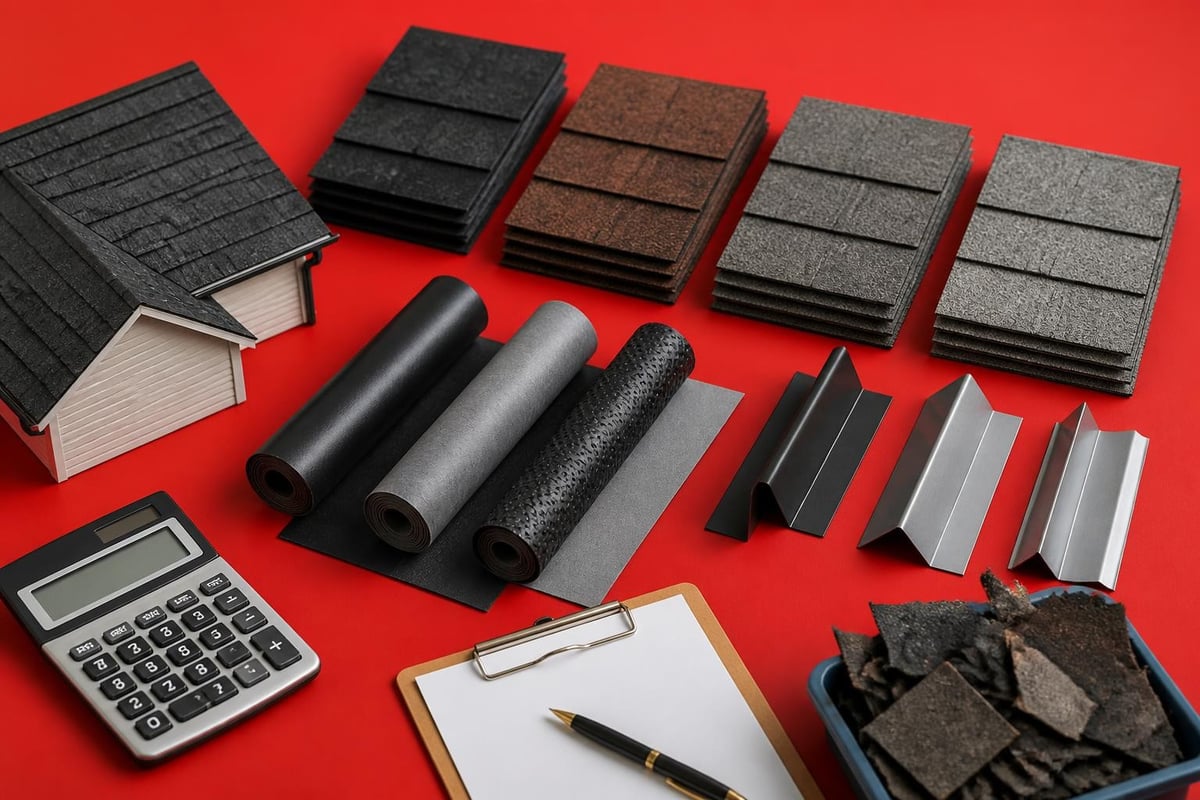
Basic three-tab shingle installation typically costs between $3.50 and $5.50 per square foot in most markets. Architectural shingles range from $4.50 to $8.00 per square foot. Premium designer and impact-resistant products may exceed $10.00 per square foot.
These figures include materials, labor, underlayment, flashing, and disposal of old roofing materials. Complex roof geometries with multiple valleys, dormers, and penetrations increase labor costs. Geographic location affects pricing due to material transportation and local labor rates.
Return on Investment
A quality bitumen shingle roof installation protects home value and provides reliable performance for decades. Energy-efficient shingle options may qualify for utility rebates or tax credits, improving the value proposition.
When considering roof replacement, homeowners should evaluate:
- Remaining useful life of current roof
- Frequency and cost of recent repairs
- Energy efficiency improvements from new materials
- Enhanced curb appeal and resale value
- Insurance premium implications
Insurance and Warranty Protection
Most bitumen shingle manufacturers offer tiered warranty coverage ranging from 20 to 50 years. Understanding warranty limitations proves essential as coverage typically includes material defects but excludes installation errors or environmental damage.
Homeowners insurance policies cover sudden damage from storms, fire, or falling objects. Regular maintenance documentation helps support insurance claims when damage occurs. Working with contractors experienced in insurance claims streamlines the process after storm events.
Environmental Impact and Sustainability
The roofing industry continues developing more sustainable practices for bitumen shingle manufacturing, installation, and disposal. Environmental considerations increasingly influence product selection.
Manufacturing Improvements
Modern production facilities have reduced emissions and energy consumption compared to historical operations. Some manufacturers incorporate recycled materials into shingle composition, including post-consumer waste and reclaimed asphalt from road milling operations.
The updated industry guidance from professional organizations reflects ongoing efforts to improve environmental performance while maintaining product quality and affordability.
Recycling and Disposal Options
Asphalt shingle recycling programs have expanded significantly over the past decade. Ground shingle material finds uses in:
- Hot-mix asphalt paving applications
- Cold-patch pavement repair products
- Aggregate base for road construction
- Fuel supplementation in cement kilns
Responsible contractors identify recycling facilities and divert tear-off materials from landfills when possible. This practice reduces disposal costs and environmental impact simultaneously.
Energy Efficiency Advances
Cool roof technology incorporates highly reflective granules that reduce heat absorption. These products can lower roof surface temperatures by 50-60 degrees Fahrenheit compared to traditional dark shingles, potentially reducing cooling costs by 10-15 percent in warm climates.
Energy Star certification identifies products meeting reflectance and thermal emittance standards. While premium pricing applies, long-term energy savings and potential rebates offset initial costs for many homeowners.
Comparing Bitumen Shingles to Alternative Roofing Materials
Homeowners evaluating roofing options benefit from understanding how bitumen shingle roofs compare to alternative materials in terms of cost, performance, and aesthetics.
Metal Roofing Comparison
Metal roofing systems offer exceptional longevity (40-70 years) and superior weather resistance but cost two to three times more than architectural shingles initially. Metal excels in areas with heavy snow loads, extreme weather, or fire hazard concerns.
Bitumen shingles provide better sound dampening during rain and hail events. The wider range of color and style options allows easier architectural matching compared to metal's more limited aesthetic choices.
Traditional Materials
Clay tile and slate roofing deliver unmatched longevity but require substantial structural support due to weight. Installation costs far exceed bitumen shingles, though these premium materials may last 75-100 years with proper maintenance.
For most residential applications, the balance of performance, cost, and ease of installation makes a bitumen shingle roof the practical choice. The material accommodates virtually any architectural style through diverse product offerings.
Synthetic Alternatives
Composite shingles manufactured from rubber or plastic offer durability and aesthetics mimicking slate or shake roofing. While these products resist impact and weather well, limited track records and higher costs keep market penetration relatively low compared to proven bitumen technology.
| Material | Lifespan | Initial Cost | Maintenance | Weight |
|---|---|---|---|---|
| Bitumen Shingles | 20-50 years | Low-Medium | Low | Light |
| Metal | 40-70 years | High | Very Low | Light |
| Tile/Slate | 75-100 years | Very High | Low | Very Heavy |
| Synthetics | 30-50 years | Medium-High | Very Low | Light-Medium |
Professional Installation Versus DIY Approaches
While some homeowners consider self-installation to reduce costs, a bitumen shingle roof installation requires specific knowledge, tools, and physical capability that professional contractors provide.
Safety Considerations
Roofing work presents significant fall hazards, particularly on steep pitches. Professional crews use appropriate safety equipment including harnesses, toe boards, and scaffolding systems. Homeowner injuries from roofing falls frequently result in serious consequences.
Weather awareness becomes critical during installation. Professionals monitor forecasts and adjust schedules to avoid installing during rain, extreme heat, or high winds that compromise installation quality or worker safety.
Technical Expertise Requirements
Proper installation requires understanding of:
- Roof geometry and measurement accuracy
- Underlayment selection and application
- Flashing integration at walls, valleys, and penetrations
- Ventilation system design and implementation
- Local building code compliance
- Manufacturer specification adherence
Mistakes during installation void manufacturer warranties and create vulnerability to water intrusion. The complexity of valleys, hips, and penetrations particularly challenges inexperienced installers.
Warranty and Insurance Implications
Manufacturer warranties typically require installation by certified contractors. DIY installation eliminates this protection, leaving homeowners financially responsible for premature material failures. Homeowners insurance may not cover damage resulting from improper installation techniques.
Professional contractors carry liability and workers compensation insurance protecting homeowners from accident claims. Licensed contractors guarantee their workmanship, providing recourse if installation defects appear.
Working with established local contractors like those serving the Joliet area ensures familiarity with regional weather patterns, building codes, and common installation challenges specific to the market.
Making Your Bitumen Shingle Selection
Choosing the right bitumen shingle roof involves balancing budget constraints with performance requirements and aesthetic preferences. Several decision factors guide optimal product selection.
Warranty Coverage Analysis
Manufacturer warranties vary significantly in coverage terms and transferability. Limited warranties cover material defects only, while enhanced warranties may include wind damage coverage and algae resistance guarantees.
Transferable warranties add resale value, allowing coverage to pass to subsequent homeowners. Some premium warranties include periodic inspection programs and prorated replacement costs.
Color and Style Selection
Shingle color dramatically impacts home appearance and energy performance. Lighter colors reflect more solar radiation, benefiting cooling costs in warm climates. Darker shades absorb heat, potentially helping snow melt in northern regions.
Architectural compatibility matters as well. Traditional homes often suit three-tab shingles or subtle architectural styles, while contemporary designs accommodate bolder dimensional products. Sample boards allow visualization against existing exterior finishes.
Climate-Specific Features
Regional weather patterns should influence product selection:
- High wind areas: Choose Class H wind resistance ratings
- Hail zones: Select impact-resistant products with UL 2218 Class 4 ratings
- Hot climates: Consider cool roof technology with reflective granules
- Heavy snow regions: Ensure adequate ice and water shield protection
- Humid environments: Specify algae-resistant formulations
Consulting with experienced roofing professionals provides insights into which products perform best in local conditions based on real-world installation history.
A bitumen shingle roof delivers proven performance, aesthetic versatility, and excellent value for residential properties when properly selected and professionally installed. Understanding the composition, installation requirements, maintenance needs, and selection criteria helps homeowners make confident decisions about this essential home system. The team at Great Roofing brings decades of family-owned expertise to every shingle installation project in Joliet and surrounding communities, combining quality materials with meticulous craftsmanship that ensures your roof protects your home for decades to come.