

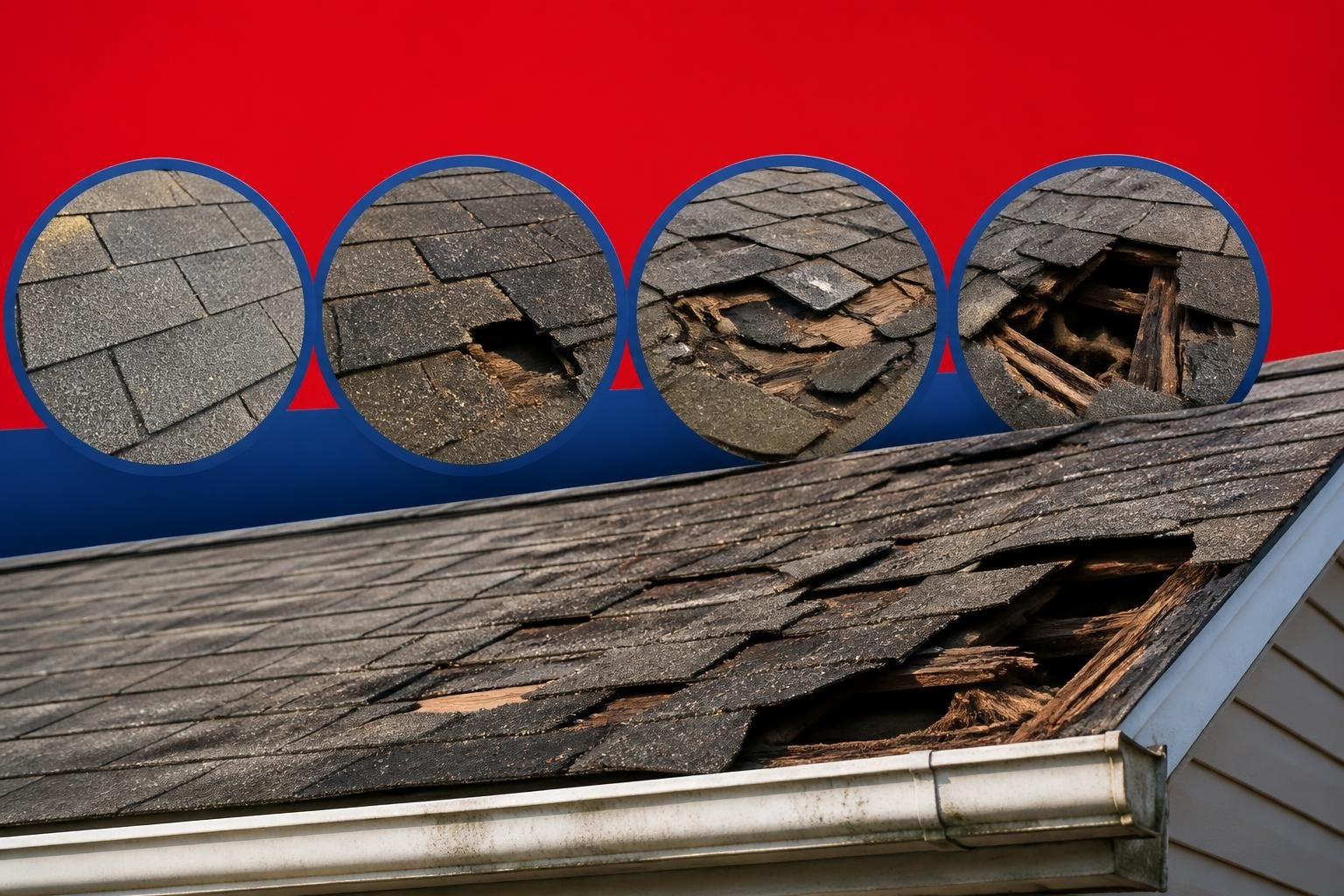
A broken roof represents one of the most serious issues a property owner can face. Whether caused by severe weather, age-related deterioration, or installation defects, roof damage threatens your home's structural integrity and can lead to expensive secondary problems like water damage, mold growth, and compromised insulation. Understanding the warning signs, common causes, and appropriate response strategies helps property owners protect their investment and make informed decisions about repairs versus replacement.
Recognizing the Warning Signs of a Broken Roof
Early detection makes the difference between a simple repair and a complete replacement. Property owners should conduct regular inspections, particularly after severe weather events or during seasonal transitions.
Visible Exterior Damage
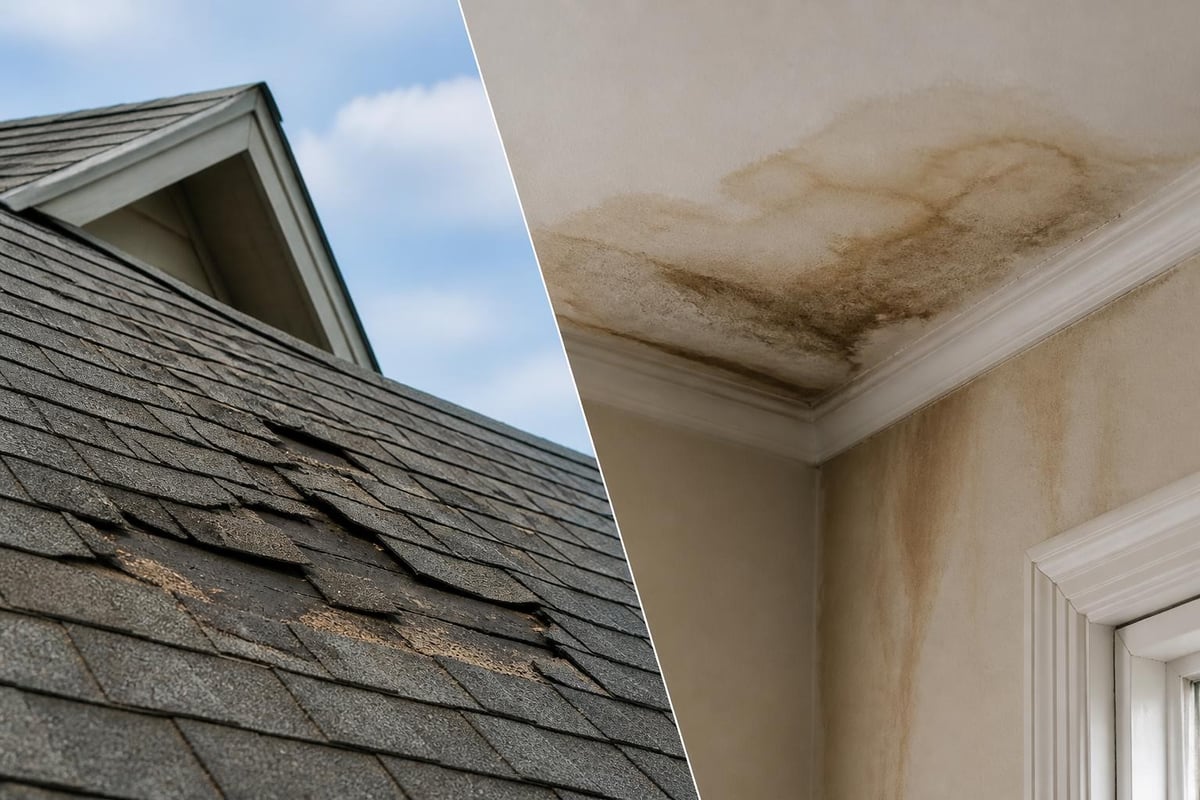
The most obvious indicators appear on the roof's surface itself. Missing, cracked, or curling shingles signal that your roof's protective barrier has been compromised. Granule loss creates bald spots on asphalt shingles, reducing their effectiveness against UV rays and water penetration.
Key exterior warning signs include:
- Sagging sections or visible dips in the roofline
- Damaged or missing flashing around chimneys, vents, and skylights
- Accumulation of shingle granules in gutters and downspouts
- Daylight visible through the roof boards from the attic
- Moss, algae, or vegetation growth indicating trapped moisture
Interior Warning Signals
Sometimes a broken roof reveals itself from inside your home before exterior signs become apparent. Water stains on ceilings or walls indicate active leaks that require immediate attention.
Check your attic regularly for signs of moisture intrusion. Dark streaks or stains on the underside of the roof deck suggest water has penetrated the outer layers. Musty odors often accompany hidden water damage that hasn't yet created visible staining.
Common Causes of Roof Damage
Understanding what breaks a roof helps property owners implement preventive measures and recognize when damage occurs.
Weather-Related Deterioration
Severe storms represent the leading cause of sudden roof damage. High winds lift and tear shingles, while hail creates impact damage that compromises the protective granule layer. Heavy snow accumulation stresses roof structures, particularly on older or poorly designed systems.
The common causes of roof damage extend beyond dramatic weather events. Freeze-thaw cycles in cold climates cause ice dams that force water under shingles. Prolonged exposure to intense sunlight degrades roofing materials over time, making them brittle and prone to cracking.
| Weather Factor | Primary Damage Type | Risk Level |
|---|---|---|
| High Winds | Lifted/missing shingles | High |
| Hail | Impact damage, granule loss | Very High |
| Ice Dams | Water infiltration | Moderate |
| UV Exposure | Material degradation | Moderate |
Age and Material Fatigue
Every roofing system has a finite lifespan. Asphalt shingles typically last 20-25 years, while modified bitumen systems on commercial properties may last 15-20 years with proper maintenance. As materials age, they become increasingly vulnerable to environmental stressors.
A broken roof often results from deferred maintenance on an aging system. Small issues that could have been repaired inexpensively compound over time, leading to systemic failure requiring complete replacement.
Installation Defects
Poor workmanship creates premature failure even in high-quality materials. Improperly installed flashing allows water to penetrate vulnerable areas. Inadequate ventilation traps heat and moisture in the attic space, accelerating material breakdown from the inside.
When selecting roof installation companies, verify their credentials, insurance coverage, and warranty offerings. Quality installation extends roof lifespan and prevents many common failure modes.
Immediate Steps When You Discover a Broken Roof
Quick action minimizes secondary damage and protects your property investment.
Emergency Damage Control
If you discover active leaking, place containers to catch water and move valuables away from affected areas. For accessible damage, temporary tarping can prevent additional water intrusion until professional repairs are scheduled.
Safety considerations:
- Never attempt roof work during wet or windy conditions
- Use proper ladder safety techniques and fall protection
- Recognize when damage requires professional intervention
- Document all damage with photographs for insurance purposes
Professional Inspection and Assessment
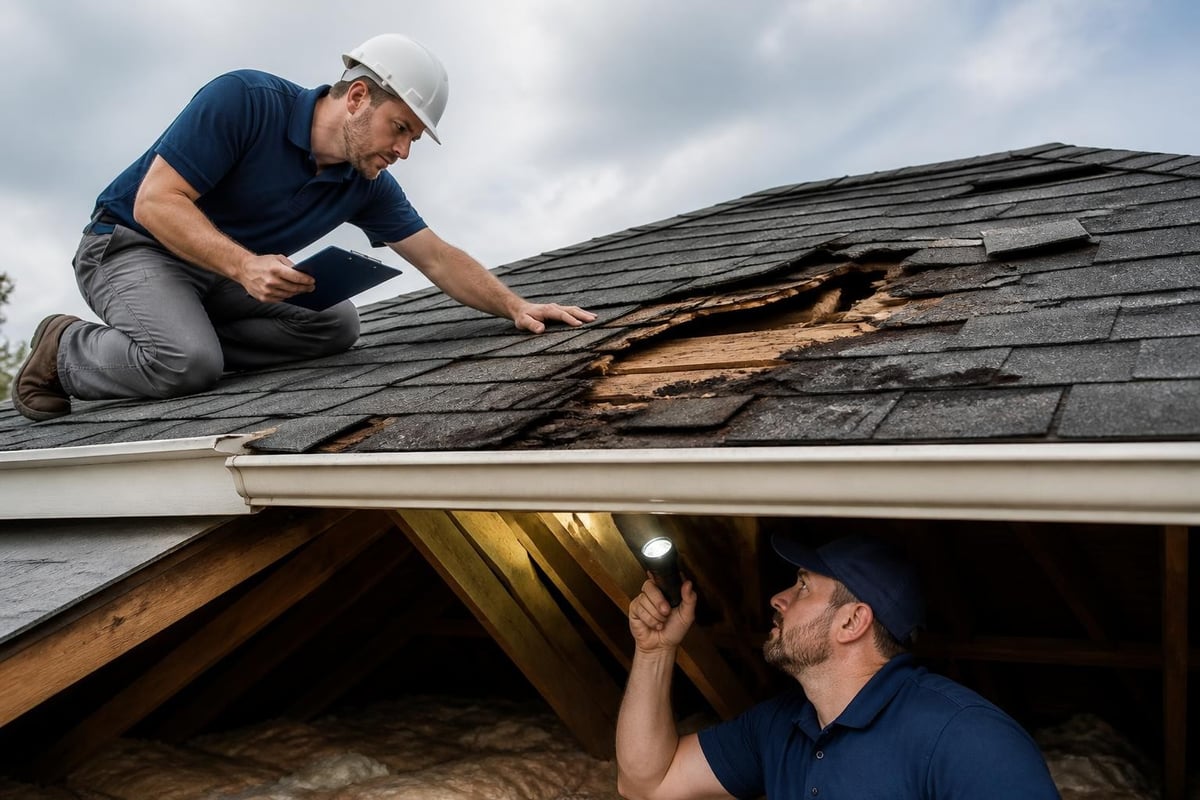
Schedule a comprehensive inspection with qualified roofing contractors. Professional assessment identifies both obvious damage and hidden problems that untrained eyes might miss. Understanding when to consult a professional ensures repairs address root causes rather than just visible symptoms.
A thorough inspection examines the entire roofing system, including structural components, ventilation, insulation, and drainage. This comprehensive approach reveals whether isolated repairs will suffice or if the damage indicates broader systemic failure.
Repair versus Replacement: Making the Right Decision
Determining whether to repair or replace a broken roof depends on multiple factors beyond simple cost comparison.
Evaluating Damage Extent
Limited damage affecting less than 25-30% of the roof surface typically makes repair the cost-effective choice. Isolated problems like damaged flashing, a few missing shingles, or localized leak areas respond well to targeted repairs.
Widespread damage covering large sections, multiple leak points, or structural compromise usually justifies replacement. The decision guide for roof repair versus replacement helps property owners evaluate these factors systematically.
Age and Remaining Lifespan Considerations
A 5-year-old roof with storm damage merits repair investment. A 20-year-old roof showing multiple failure points makes replacement the wiser long-term choice. Consider the remaining useful life when calculating repair versus replacement economics.
| Roof Age | Damage Level | Recommended Action |
|---|---|---|
| 0-10 years | Minor to moderate | Repair |
| 10-15 years | Minor | Repair |
| 10-15 years | Moderate to severe | Evaluate both options |
| 15+ years | Any significant damage | Consider replacement |
| 20+ years | Any damage | Replace |
Financial Analysis
Compare the repair cost to replacement cost as a percentage. If repairs exceed 50% of replacement cost, new installation often provides better value. Factor in energy efficiency improvements and increased property value that new roofing systems deliver.
Insurance coverage significantly impacts financial decisions. Understanding how home insurance handles roof replacement helps property owners maximize their benefits and minimize out-of-pocket expenses.
Preventing Future Roof Damage
Proactive maintenance extends roof lifespan and prevents many common causes of failure.
Regular Inspection Schedule
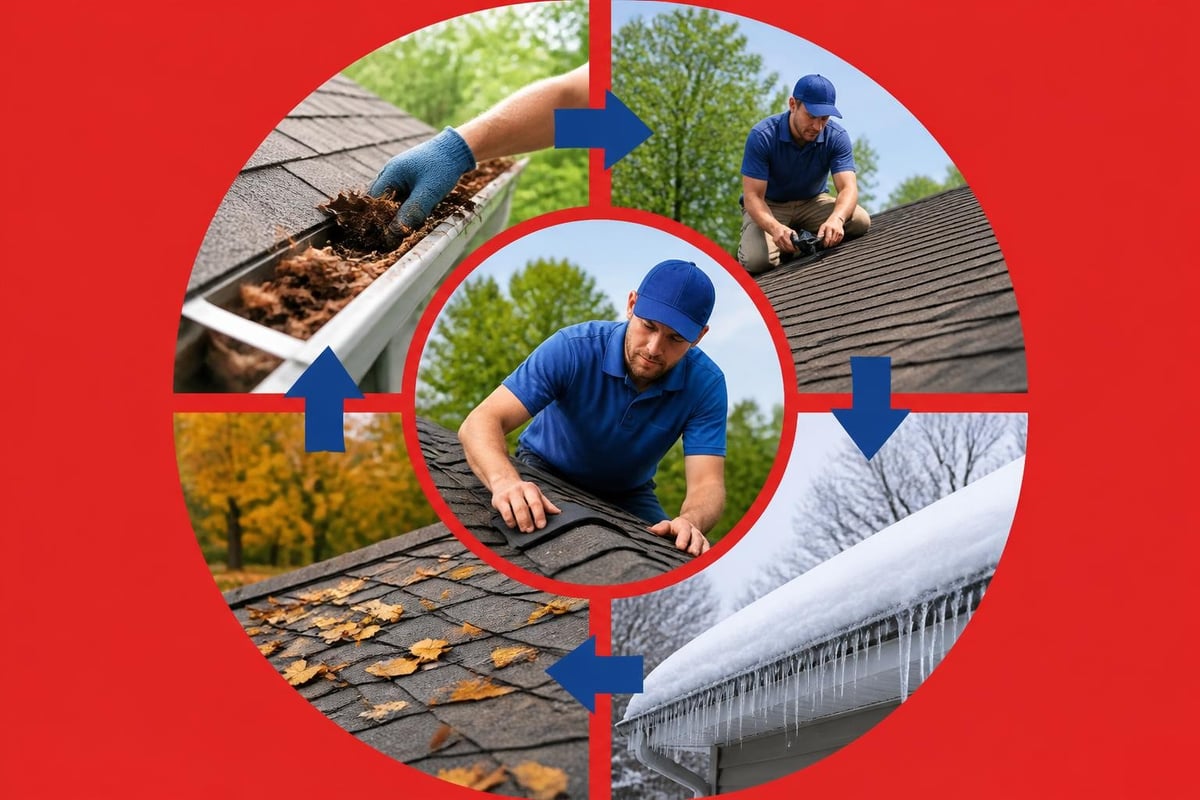
Conduct visual inspections twice yearly, typically in spring and fall. The spring home maintenance checklist emphasizes roof examination as a critical seasonal task.
Professional inspections every 3-5 years catch developing problems before they become major issues. After severe weather events, schedule prompt inspections to identify and address storm damage quickly.
Maintenance Best Practices
Keep gutters and downspouts clear to ensure proper drainage. Trim overhanging tree branches that can abrade shingles or fall during storms. Remove debris accumulation that traps moisture and accelerates material degradation.
Address minor issues promptly. Small repairs prevent water infiltration that causes extensive secondary damage to decking, insulation, and interior finishes.
- Clean gutters at least twice annually
- Ensure proper attic ventilation maintains temperature balance
- Replace damaged or missing shingles immediately
- Seal exposed nail heads and potential penetration points
- Monitor flashing condition around chimneys and vents
Professional Maintenance Programs
Many roofing contractors offer maintenance programs that include regular inspections, minor repairs, and priority service. These programs help property owners stay ahead of potential problems while building relationships with trusted roof repair services.
Working with Insurance for Broken Roof Claims
Insurance coverage provides financial protection when disaster strikes, but successful claims require proper documentation and understanding of policy provisions.
Documentation Requirements
Photograph damage from multiple angles immediately after discovery. Document the extent of interior water damage, exterior shingle loss, and structural impacts. Maintain records of all maintenance and previous repairs.
Contact your insurance provider promptly to report damage. Most policies require notification within specific timeframes. Understand your deductible and coverage limits before beginning the claims process.
Storm Damage Claims
Weather-related damage typically falls under standard homeowners insurance coverage. Storm damage repair services often work directly with insurance companies to streamline the claims process.
Hail damage requires particular attention to documentation. Insurance adjusters assess impact damage severity to determine coverage. Professional contractors experienced with roof hail damage repair understand insurance requirements and can advocate for appropriate claim settlements.
Insurance claim best practices:
- Report damage immediately upon discovery
- Take comprehensive photographs before any repairs
- Obtain multiple contractor estimates
- Save all receipts and documentation
- Understand depreciation impacts on older roofs
Navigating the Claims Process
Work with contractors who understand insurance procedures and documentation requirements. They can identify all covered damage and ensure claims reflect the full scope of necessary repairs.
Some insurance companies initially offer settlements below actual repair costs. Professional estimates from qualified contractors provide leverage for appropriate claim adjustments. Understanding the comprehensive guide to roof repair costs helps property owners evaluate whether insurance settlements adequately cover necessary work.
Material Selection for Roof Replacement
When a broken roof requires complete replacement, material selection impacts performance, longevity, and aesthetics.
Residential Roofing Options
Asphalt shingles dominate residential markets due to their cost-effectiveness, variety, and proven performance. Architectural shingles offer enhanced durability and aesthetic appeal compared to standard three-tab options. The best residential shingles balance cost, performance, and warranty coverage.
Metal roofing provides superior longevity and weather resistance, particularly in areas prone to severe storms or wildfire risk. While initial costs exceed asphalt, extended lifespan and minimal maintenance requirements often justify the investment.
Commercial Roofing Systems
Commercial properties typically require different materials suited to low-slope or flat roof applications. Modified bitumen systems offer excellent waterproofing and durability for commercial buildings. Single-ply membranes like TPO and EPDM provide cost-effective solutions with proven performance records.
Property owners seeking flat roof experts should evaluate contractors based on their experience with commercial systems and understanding of drainage requirements critical to flat roof performance.
Selecting the Right Roofing Contractor
Quality workmanship determines whether repairs last or problems recur. Contractor selection represents one of the most important decisions in addressing a broken roof.
Credentials and Qualifications
Verify state licensing, insurance coverage, and manufacturer certifications. Established contractors maintain proper liability and workers' compensation insurance protecting property owners from potential claims.
Check references and review online ratings. Visit completed projects when possible. A contractor's track record provides insight into quality standards and customer service approaches.
Estimates and Contracts
Obtain detailed written estimates from multiple contractors. Comprehensive proposals specify materials, labor costs, project timeline, and warranty coverage. Be wary of significantly low bids that may indicate substandard materials or shortcuts in installation procedures.
Review contracts carefully before signing. Ensure all verbal promises appear in writing. Understand payment schedules, change order procedures, and warranty terms. Working with top roofing services provides peace of mind through transparent processes and professional standards.
Local Expertise Advantages
Local contractors understand regional weather patterns, building codes, and common roofing challenges specific to your area. They maintain reputations within communities and remain accessible for warranty service and future maintenance needs.
Joliet area property owners benefit from contractors familiar with local climate impacts, from winter ice dam formation to summer storm patterns. This regional knowledge informs material selection and installation techniques optimized for local conditions.
Addressing a broken roof promptly protects your property investment and prevents costly secondary damage. Whether dealing with storm damage, age-related deterioration, or installation defects, understanding your options empowers informed decisions about repair versus replacement. Regular maintenance and professional inspections extend roof lifespan while early problem detection minimizes repair costs. When you discover roof damage, Great Roofing brings decades of family-owned expertise to residential and commercial properties throughout the Joliet area, providing honest assessments, quality workmanship, and comprehensive warranty protection for all roofing services.