


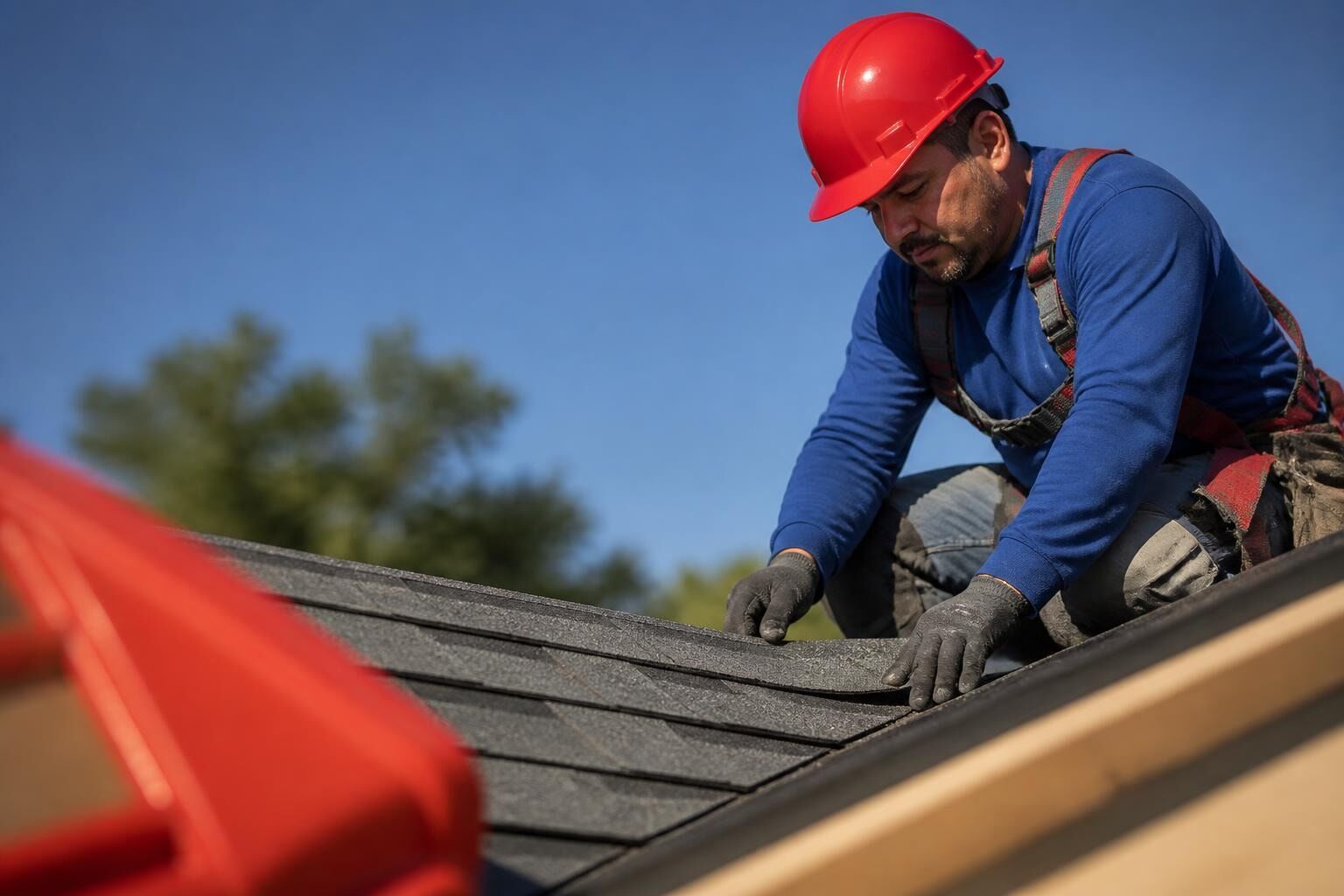
When you're investing thousands of dollars in a roofing project, the credentials of your contractor matter more than you might think. Certified roofing specialists bring verified expertise, manufacturer-backed training, and proven workmanship to every project. Unlike general contractors who occasionally handle roofing work, these professionals have invested time and resources into specialized training programs that validate their skills. Understanding what certification means in the roofing industry helps homeowners and property managers make informed decisions that protect both their investment and their property.
Understanding Roofing Certifications and What They Mean
The roofing industry offers multiple certification pathways, each designed to validate specific skills and expertise. These credentials go far beyond basic licensing requirements that contractors must meet to operate legally.
Manufacturer certifications represent one of the most common types of credentials in the industry. Major roofing material manufacturers like GAF, CertainTeed, and Owens Corning offer tiered certification programs that require contractors to meet strict standards. These programs typically include:
- Comprehensive training on product installation techniques
- Minimum years of industry experience
- Financial stability verification
- Liability insurance requirements
- Positive customer satisfaction ratings
Certified roofing specialists who achieve these credentials gain access to enhanced warranties they can offer customers, extended product guarantees, and ongoing technical support from manufacturers.
Industry Association Certifications
Professional organizations provide another layer of credibility through specialized certification programs. The National Roofing Contractors Association (NRCA) offers PROCertified programs for asphalt shingle systems installers that test both theoretical knowledge and practical application skills.
These certifications differ from manufacturer programs by focusing on industry-wide best practices rather than specific product lines. The NRCA also provides metal shingle systems installer certification for contractors working with metal roofing materials.

Why Certification Matters for Your Roofing Project
Choosing certified roofing specialists provides tangible benefits that directly impact project outcomes. The difference between certified and non-certified contractors becomes evident in workmanship quality, warranty coverage, and long-term performance.
Property owners working with certified professionals gain access to enhanced warranty protection that uncertified contractors simply cannot offer. Many manufacturer warranties require installation by certified contractors to remain valid. This requirement exists because manufacturers trust that certified installers will follow proper installation protocols.
| Benefit Category | Certified Specialists | Non-Certified Contractors |
|---|---|---|
| Warranty Coverage | Extended manufacturer warranties available | Standard warranties only |
| Training Verification | Documented proof of skills | Self-reported experience |
| Quality Assurance | Regular audits and reviews | No oversight required |
| Technical Support | Direct manufacturer assistance | Limited or no support |
| Liability Protection | Higher insurance minimums | Basic coverage only |
The importance of proper credentials and licensing extends beyond warranty considerations. Certified contractors maintain current knowledge of building codes, safety regulations, and installation techniques that evolve as roofing technology advances.
Financial and Safety Protections
Certification programs require contractors to maintain specific insurance levels and demonstrate financial stability. These requirements protect property owners from potential liability if accidents occur during installation or if the contractor faces financial difficulties mid-project.
When evaluating roofing repair services, certification status provides reassurance that the contractor has resources to stand behind their work. Certified roofing specialists typically carry comprehensive general liability insurance and workers' compensation coverage that exceeds minimum state requirements.
Types of Roofing Certifications Available
The certification landscape includes multiple pathways, each addressing different specializations within the roofing industry. Understanding these distinctions helps property owners verify that contractors possess credentials relevant to their specific project needs.
Residential Roofing Certifications
Residential specialists focus on asphalt shingle roofing and other materials common to single-family homes and multi-family properties. These certifications emphasize:
- Proper underlayment installation techniques
- Ventilation system design and implementation
- Flashing details around chimneys, valleys, and penetrations
- Shingle alignment and fastening patterns
- Ice and water barrier placement
Most residential certification programs require contractors to complete both classroom instruction and field demonstrations. The comprehensive guide to roofing certifications outlines the various residential programs available through different manufacturers and industry associations.
Commercial Roofing Credentials
Commercial certification programs address the unique challenges of low-slope and flat roofing systems. These credentials validate expertise in modified bitumen, TPO, EPDM, and built-up roofing systems commonly used on commercial properties.
Contractors specializing in commercial roofing often pursue multiple certifications to work with different membrane types. Each system requires specific installation knowledge, welding or adhesive techniques, and quality control procedures.
Key commercial certifications include:
- Single-ply membrane installation credentials
- Modified bitumen application certifications
- Metal roofing system installer programs
- Roof restoration and coating specialist designations
- Green roofing and sustainable system credentials
The Certification Process: What Contractors Must Complete
Becoming certified roofing specialists requires contractors to invest significant time, money, and effort into professional development. The process typically spans several months and includes multiple evaluation components.
Most certification programs begin with eligibility verification. Contractors must demonstrate minimum years of experience, valid licensing, insurance coverage, and positive customer references. Some programs require applicants to submit photos of completed projects that showcase their workmanship quality.
Training and Testing Requirements
Once eligibility is confirmed, contractors attend manufacturer or association-sponsored training sessions. These programs cover:
- Product specifications and handling requirements
- Installation methodology and sequencing
- Common installation errors and how to avoid them
- Warranty requirements and documentation procedures
- Safety protocols and OSHA compliance
Following training completion, candidates take written examinations testing their theoretical knowledge. Passing scores typically require 80% or higher accuracy. Some advanced programs also include practical field assessments where evaluators observe actual installation work.
The advanced roofing certification program offered through EFI Global/Vale Training provides an example of comprehensive certification that includes both theoretical and practical components.
Verifying Contractor Certifications
Property owners should always verify certification claims before hiring roofing contractors. Unscrupulous companies sometimes misrepresent their credentials, making independent verification essential.
Follow these verification steps:
- Request certification numbers and issuing organization names
- Contact manufacturers directly to confirm active certification status
- Check expiration dates, as many certifications require periodic renewal
- Verify that certifications match your project type and materials
- Review contractor profiles on industry platforms
Most manufacturers maintain online databases where property owners can search for certified contractors by location and certification level. These searchable directories provide the most reliable verification method.
Red Flags to Watch For
Certain warning signs suggest contractors may not hold the certifications they claim. Be cautious if contractors cannot provide certification numbers, refuse to allow verification, or claim certifications from non-existent organizations.
Checking resources like business profiles and customer reviews helps verify both certification status and overall reputation. When evaluating contractors for roof replacement projects, request proof of current certifications along with insurance documentation.
Certification Maintenance and Continuing Education
Earning certification represents only the beginning of a contractor's professional development journey. Maintaining certified status requires ongoing education and periodic recertification.
| Maintenance Requirement | Frequency | Purpose |
|---|---|---|
| Continuing Education Credits | Annual | Stay current with new products and techniques |
| Project Documentation Submission | Quarterly or Annual | Demonstrate active installation experience |
| Insurance Verification | Annual | Confirm adequate coverage levels |
| Certification Renewal | Every 1-3 years | Reconfirm competency and knowledge |
| Quality Audits | As Required | Verify installation standards compliance |
Certified roofing specialists who fail to complete maintenance requirements lose their credentials. This ongoing accountability ensures that certification represents current competency rather than historical achievement.
How Continuing Education Benefits Property Owners
The requirement for ongoing education directly benefits property owners by ensuring contractors remain knowledgeable about evolving technologies. Roofing materials and installation methods continue advancing, with new products offering improved durability, energy efficiency, and weather resistance.
Contractors who maintain current certifications can recommend and properly install the latest roofing innovations. This expertise becomes particularly valuable when selecting materials for challenging climates or when seeking energy-efficient solutions that reduce long-term operating costs.
Specialized Certifications for Unique Roofing Challenges
Beyond general installation credentials, certified roofing specialists may pursue specialized certifications addressing specific challenges or materials. These advanced credentials demonstrate expertise in niche areas that standard certifications do not cover.
Storm damage assessment certifications prepare contractors to evaluate hail, wind, and weather-related roof damage accurately. These credentials prove valuable when working with insurance companies on roof damage and insurance claims, as certified assessments carry more weight with adjusters.
Historic restoration certifications focus on preserving architectural integrity while upgrading roofing systems on older buildings. These programs teach contractors to work with traditional materials and methods that match original construction.
Green roofing and sustainable system certifications address the growing demand for environmentally responsible roofing solutions. Contractors with these credentials understand vegetative roof systems, cool roofing technologies, and solar integration techniques.
Regional Considerations and Local Expertise
While national certifications provide baseline competency verification, local expertise matters tremendously for roofing success. Climate conditions, building codes, and weather patterns vary significantly across regions, requiring contractors to adapt installation methods accordingly.
Certified roofing specialists serving specific areas develop deep understanding of regional challenges. In the Midwest, for example, contractors must account for dramatic temperature swings, heavy snow loads, and severe storm potential. Certification programs that include regional training modules better prepare contractors for local conditions.
When researching residential roofing services in Joliet and surrounding communities, property owners benefit from choosing contractors who combine national certifications with extensive local experience. This combination ensures both technical competency and practical knowledge of area-specific requirements.
Code Compliance and Permit Knowledge
Building codes vary by municipality, and certified contractors must maintain current knowledge of local requirements. This expertise prevents installation errors that could result in failed inspections, permit problems, or code violations requiring costly corrections.
Contractors familiar with local permitting processes streamline project timelines by submitting proper documentation and scheduling required inspections appropriately. This efficiency benefits property owners through faster project completion and fewer bureaucratic delays.
Making the Most of Your Certified Contractor Investment
Once you have selected certified roofing specialists for your project, several strategies help maximize the value of their expertise. Clear communication and proper planning ensure smooth project execution.
Before work begins:
- Discuss warranty registration requirements and procedures
- Confirm material selections meet certification program standards
- Review project timeline and weather contingency plans
- Understand quality control checkpoints throughout installation
- Clarify communication protocols for questions or concerns
During installation, certified contractors should explain their work processes and welcome questions. This transparency demonstrates confidence in their methods and helps property owners understand the value their certification brings to the project.
Documentation becomes critically important with certified installations. Contractors should provide detailed records including material invoices, warranty registration confirmations, and installation photos. These documents prove essential if warranty claims arise years after installation completion.
Investment Value of Certification
Property owners frequently question whether paying premium rates for certified roofing specialists provides genuine value compared to hiring less expensive, non-certified contractors. The answer becomes clear when examining long-term costs rather than initial installation prices.
Consider these financial factors:
| Cost Factor | Certified Specialists | Non-Certified Contractors |
|---|---|---|
| Warranty Length | 20-50 years typical | 10-20 years typical |
| Warranty Transferability | Often transferable to new owners | Usually non-transferable |
| Callback Rate | Lower due to proper installation | Higher due to technique errors |
| Insurance Coverage | Comprehensive protection | Minimum coverage only |
| Manufacturer Support | Direct technical assistance | No manufacturer relationship |
The extended warranties available through certified contractors often justify higher installation costs through enhanced property value and reduced future replacement expenses. When selling a home, transferable warranties from certified installations provide attractive benefits to prospective buyers.
Proper installation by certified roofing specialists also reduces the likelihood of premature failure requiring early replacement. Installation errors account for the majority of roofing problems within the first decade after installation, making proper technique critically important.
Certification in the Digital Age
Technology continues transforming how contractors earn and maintain certifications. Online training modules, virtual reality simulations, and digital testing platforms make certification more accessible while maintaining rigorous standards.
These technological advances benefit property owners by enabling more contractors to pursue certification without extensive travel to training facilities. Increased certification availability creates competitive markets where property owners enjoy more choices when selecting qualified contractors.
Digital credentialing systems also simplify verification processes. Many certification programs now offer mobile apps and online portals where property owners can instantly verify contractor credentials using smartphone cameras to scan QR codes or credential badges.
Understanding what separates certified roofing specialists from general contractors empowers property owners to make informed hiring decisions that protect their significant roofing investments. When you are ready to work with a team that combines professional certification with deep local expertise and family-owned dedication to quality, Great Roofing brings certified excellence to every residential and commercial project throughout the Joliet area.