

When your commercial building needs roofing work, finding a qualified commercial roofing contractor near me becomes an urgent priority. Whether you're dealing with leaks, planning a replacement, or managing routine maintenance, the contractor you choose will directly impact your property's protection, operational costs, and long-term value. Commercial roofing systems differ significantly from residential applications, requiring specialized expertise in materials like modified bitumen, TPO, EPDM, and built-up roofing. Understanding what to look for in a contractor, how to evaluate qualifications, and the questions you should ask before signing any agreement can save thousands of dollars and prevent costly disruptions to your business operations.
Understanding Commercial Roofing Systems and Contractor Expertise
Commercial roofing demands a different skill set than residential work. While residential roofs typically feature pitched designs with asphalt shingles, commercial buildings often utilize low-slope or flat roofing systems that require specific installation techniques and materials.
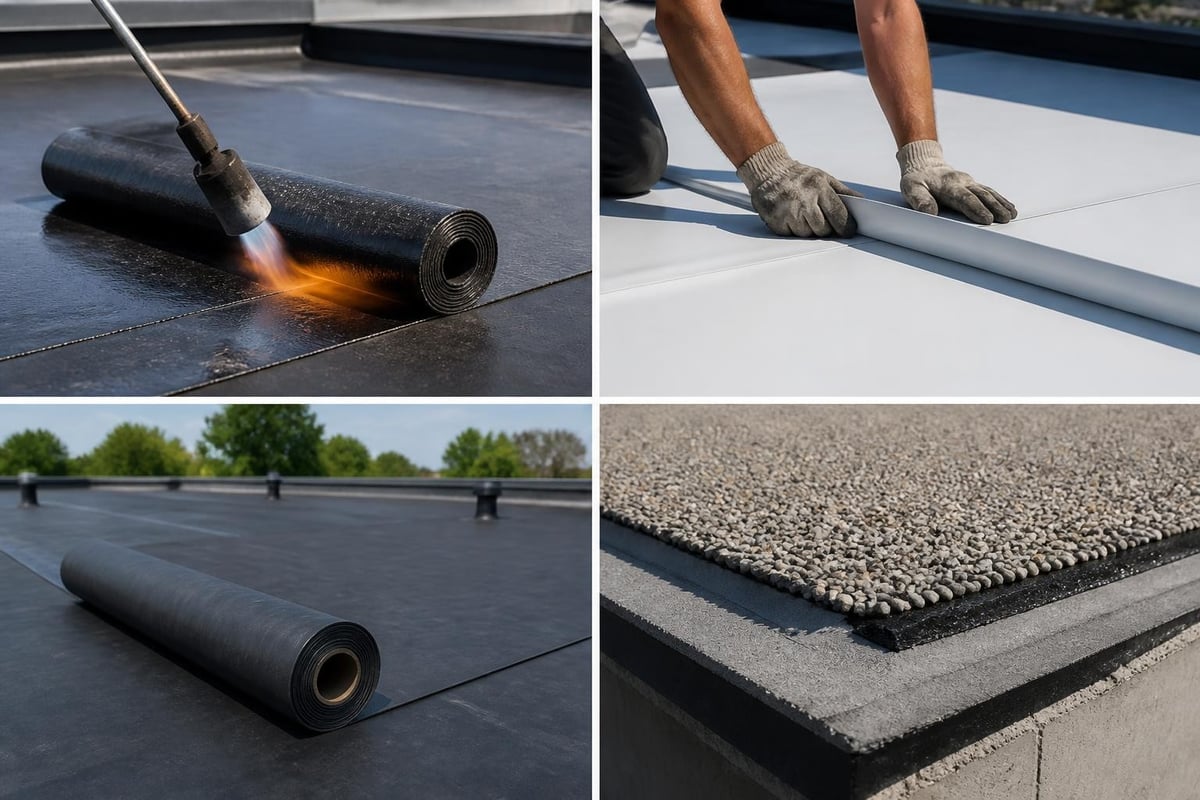
Modified bitumen systems, commonly used on commercial buildings, consist of asphalt-based materials reinforced with fiberglass or polyester. These multi-ply systems offer excellent waterproofing and durability when properly installed. A qualified commercial roofing contractor near me should demonstrate extensive experience with torch-applied, cold-applied, or self-adhering modified bitumen installations.
Key Commercial Roofing Materials
Different commercial applications require different roofing solutions:
- TPO (Thermoplastic Polyolefin): Single-ply membrane offering energy efficiency and heat-welded seams
- EPDM (Ethylene Propylene Diene Monomer): Rubber roofing known for durability and weather resistance
- Built-Up Roofing (BUR): Traditional multi-layer system with alternating tar and gravel
- Metal Roofing: Standing seam or corrugated systems for long-term performance
- Green Roofing Systems: Vegetative layers providing environmental benefits
The National Roofing Contractors Association maintains comprehensive standards for commercial installations that reputable contractors should follow. Understanding these materials helps you ask informed questions when interviewing potential contractors.
Evaluating Credentials and Experience
Not all roofing contractors possess equal qualifications. When searching for a commercial roofing contractor near me, verification of credentials should be your first step.
Essential Contractor Qualifications
| Credential Type | Why It Matters | What to Verify |
|---|---|---|
| Licensing | Legal operation authority | Current state/local licenses |
| Insurance | Liability and worker protection | General liability and workers' comp |
| Certifications | Manufacturer training | GAF, Firestone, Carlisle credentials |
| Experience | Track record with commercial projects | Years in business, similar projects |
Licensing requirements vary by state and municipality, but legitimate contractors maintain current credentials. In Illinois, roofing contractors must comply with state licensing regulations and local building codes. Request copies of licenses and verify them with your local licensing board.
Insurance coverage protects your property from liability if accidents occur during installation. Require certificates of insurance showing both general liability (minimum $1 million) and workers' compensation coverage. Contact the insurance company directly to confirm active policies.
Manufacturer certifications indicate that contractors have completed specialized training programs. These credentials often provide access to extended warranties and demonstrate commitment to best practices for commercial roofing installations.
Checking References and Reviews
Before hiring any commercial roofing contractor near me, investigate their reputation thoroughly:
- Request recent project references: Ask for at least three commercial clients from the past year
- Contact references directly: Speak with property managers or building owners about their experience
- Visit completed projects: Examine workmanship quality on similar buildings
- Review online ratings: Check platforms like the Better Business Bureau for complaints
- Verify project scope alignment: Ensure the contractor has completed projects similar to yours
Property owners dealing with storm damage should also consider contractors experienced with insurance claim processes, as navigating claims requires specific documentation and communication skills.
Services Offered by Commercial Roofing Contractors
A comprehensive commercial roofing contractor near me should provide a full range of services beyond basic installation. Understanding service offerings helps you select a contractor who can support your building's needs throughout its roofing lifecycle.
Installation and Replacement Services
New roof installations and complete replacements represent significant investments requiring meticulous planning. Professional contractors should provide:
- Detailed roof assessments identifying existing conditions and substrate preparation needs
- Material recommendations based on building use, budget, and performance requirements
- Project timelines minimizing business disruptions through efficient scheduling
- Warranty documentation covering both materials and workmanship
Modified bitumen systems, commonly installed on commercial properties in the Joliet area, typically require specialized equipment and trained applicators. The installation process affects long-term performance significantly, making contractor expertise critical.
Repair and Maintenance Programs
Preventive maintenance extends roof lifespan and prevents minor issues from becoming major problems. Quality contractors offer:
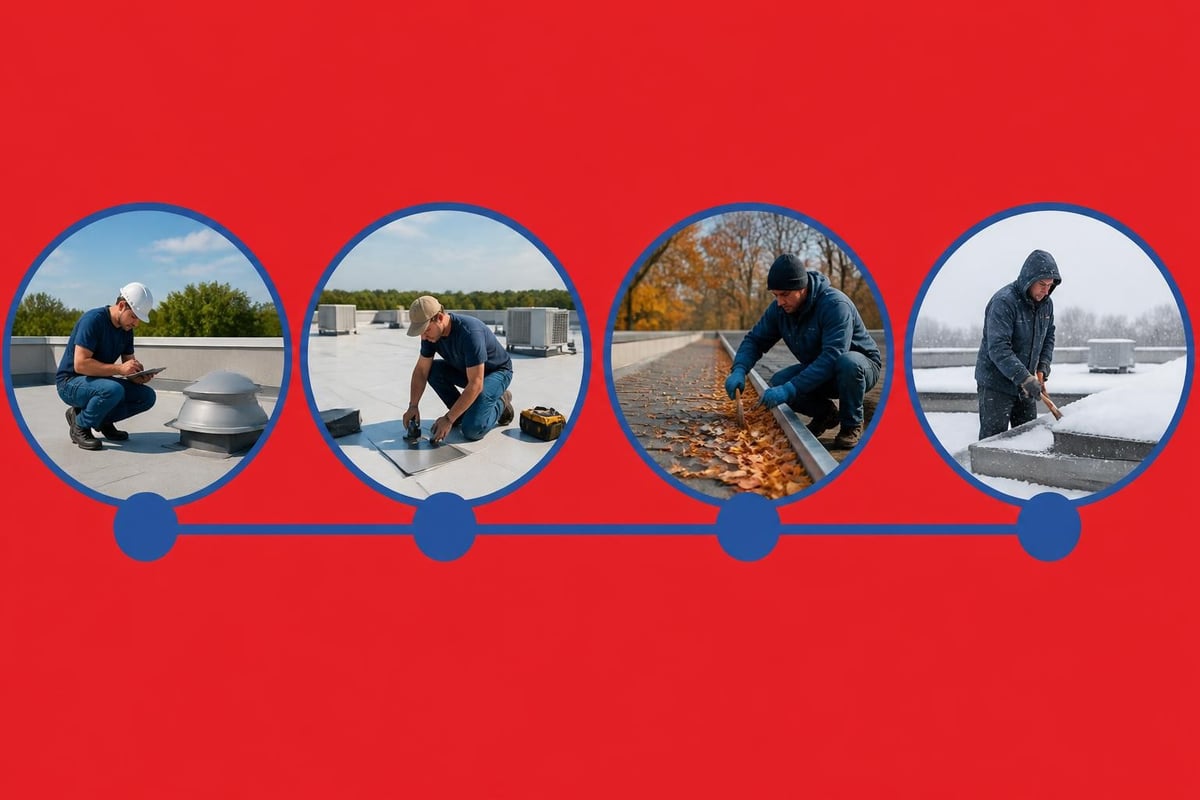
- Scheduled inspections (typically bi-annual)
- Detailed inspection reports with photographic documentation
- Prompt leak repairs addressing both symptoms and underlying causes
- Membrane patching and flashing repairs
- Drain cleaning and overflow prevention
Many common commercial roofing problems stem from deferred maintenance. Establishing a relationship with a local contractor ensures rapid response when emergencies occur.
Cost Considerations and Budgeting
Understanding commercial roofing costs helps you evaluate proposals accurately and budget appropriately for your project. Prices vary based on numerous factors, making detailed estimates essential.
Factors Affecting Commercial Roofing Costs
Material selection significantly impacts total project cost. While TPO and EPDM offer lower initial costs, modified bitumen systems provide excellent performance for the investment. Metal roofing requires higher upfront spending but delivers extended lifespan and minimal maintenance.
Building characteristics influence installation complexity:
- Roof size and accessibility
- Number of penetrations (HVAC units, vents, skylights)
- Existing condition and substrate preparation requirements
- Height and safety considerations
- Local building code requirements
Project scope determines labor requirements and timeline. Complete tear-offs cost more than overlay installations but provide opportunities to address substrate damage and improve insulation. Just as homeowners in nearby communities search for information about roofing costs in Joliet, commercial property owners should obtain detailed breakdowns of material and labor expenses.
Getting Accurate Estimates
When requesting quotes from a commercial roofing contractor near me, ensure proposals include:
- Material specifications: Brand names, thicknesses, and quality grades
- Scope of work: Tear-off requirements, substrate repairs, flashing details
- Labor costs: Broken down by installation phases
- Project timeline: Start date, completion schedule, weather contingencies
- Warranty terms: Material and workmanship coverage periods
Obtain at least three competitive bids for comparison. The lowest price rarely represents the best value. Evaluate proposals based on contractor qualifications, material quality, warranty coverage, and communication responsiveness.
Tax Benefits and Financial Planning
Commercial roofing investments often qualify for tax benefits that improve return on investment. Understanding available deductions helps justify necessary projects and optimize timing.
The IRS Publication 946 explains depreciation rules for commercial property improvements. Roof replacements typically qualify as capital improvements depreciable over 39 years for commercial buildings. However, repairs and maintenance expenses may be fully deductible in the year incurred.
Energy Efficiency Incentives
Cool roofing systems that meet Energy Star requirements may qualify for tax deductions under Section 179D. White or reflective TPO membranes, metal roofing with reflective coatings, and properly insulated systems can reduce cooling costs while providing tax advantages.
Some municipalities offer additional incentives for sustainable roofing options, particularly green roof installations that manage stormwater and reduce urban heat island effects. Consult with your contractor and tax advisor about available programs in your area.
Questions to Ask Before Hiring
Thorough vetting prevents costly mistakes and ensures you partner with a qualified commercial roofing contractor near me. Prepare these questions for your initial consultations:
Technical and Process Questions
How long have you specialized in commercial roofing? Experience matters significantly in commercial applications. Contractors should demonstrate multi-year track records with commercial projects similar to yours.
What manufacturer certifications do you hold? Certifications indicate training and access to premium warranties. Ask specifically about certifications relevant to the roofing system you're considering.
Can you provide detailed references for similar projects? Generic references provide less value than contacts from buildings matching your size, roofing system, and project scope.
What is your warranty structure? Understand both manufacturer material warranties and contractor workmanship guarantees. Reputable contractors stand behind their installations with substantial workmanship warranties.
Project Management Questions
- Who will supervise the daily work? Know whether the owner, project manager, or foreman oversees your installation
- What safety protocols do you follow? OSHA compliance protects workers and limits your liability
- How do you handle unexpected substrate damage? Establish change order procedures before work begins
- What is your cleanup process? Commercial projects require thorough debris removal and site restoration
Property owners should also inquire about the contractor's approach to minimizing business disruptions. Phased installations, weekend work, or coordinated scheduling can keep operations running during roof replacement projects.
Local Expertise and Community Reputation
Selecting a commercial roofing contractor near me offers distinct advantages over national chains or distant contractors. Local contractors understand regional weather patterns, building codes, and material performance requirements specific to your area.
Weather considerations affect material selection and installation timing in the Joliet region. Contractors familiar with Illinois winters understand proper cold-weather installation techniques and seasonal planning. They recognize how freeze-thaw cycles impact commercial roofing systems and recommend appropriate materials.
Local contractors also maintain established relationships with building inspectors, simplifying permit processes and ensuring code compliance. Their proximity enables rapid response for emergencies, regular maintenance visits, and warranty service.
Supporting Regional Businesses
Working with local contractors supports your community's economic health while providing personal accountability. Family-owned businesses like those serving the Joliet area often deliver personalized service and take pride in their local reputation. You'll find contact information and service details through their company website and can easily schedule consultations.
Regional contractors may also collaborate with other specialty providers, such as roofing professionals in coastal North Carolina or heating and plumbing experts in England, sharing best practices across different climate zones while maintaining focus on local service excellence.
Warning Signs and Red Flags
Recognizing warning signs protects you from unqualified or unscrupulous contractors. Avoid companies exhibiting these characteristics:
Major Red Flags
| Warning Sign | Why It Matters | What to Do |
|---|---|---|
| Requests large upfront deposits | Legitimate contractors require reasonable deposits | Limit deposits to 10-25% of project cost |
| Lacks proper insurance | Exposes you to liability for accidents | Verify coverage directly with insurer |
| Provides vague estimates | Indicates inexperience or dishonesty | Require detailed, itemized proposals |
| Pressures immediate decisions | Professional contractors respect decision timelines | Take time to evaluate multiple options |
| Cannot provide references | Suggests limited experience or problems | Work only with contractors offering verifiable references |
Door-to-door solicitation after storms often indicates storm-chasers who disappear when warranty issues arise. While legitimate contractors may canvas damaged areas, verify credentials thoroughly before engaging with unsolicited offers.
Missing licenses or expired certifications represent serious concerns. Contractors operating without proper credentials may deliver substandard work and leave you without recourse for defects.
The Selection Process: Step-by-Step
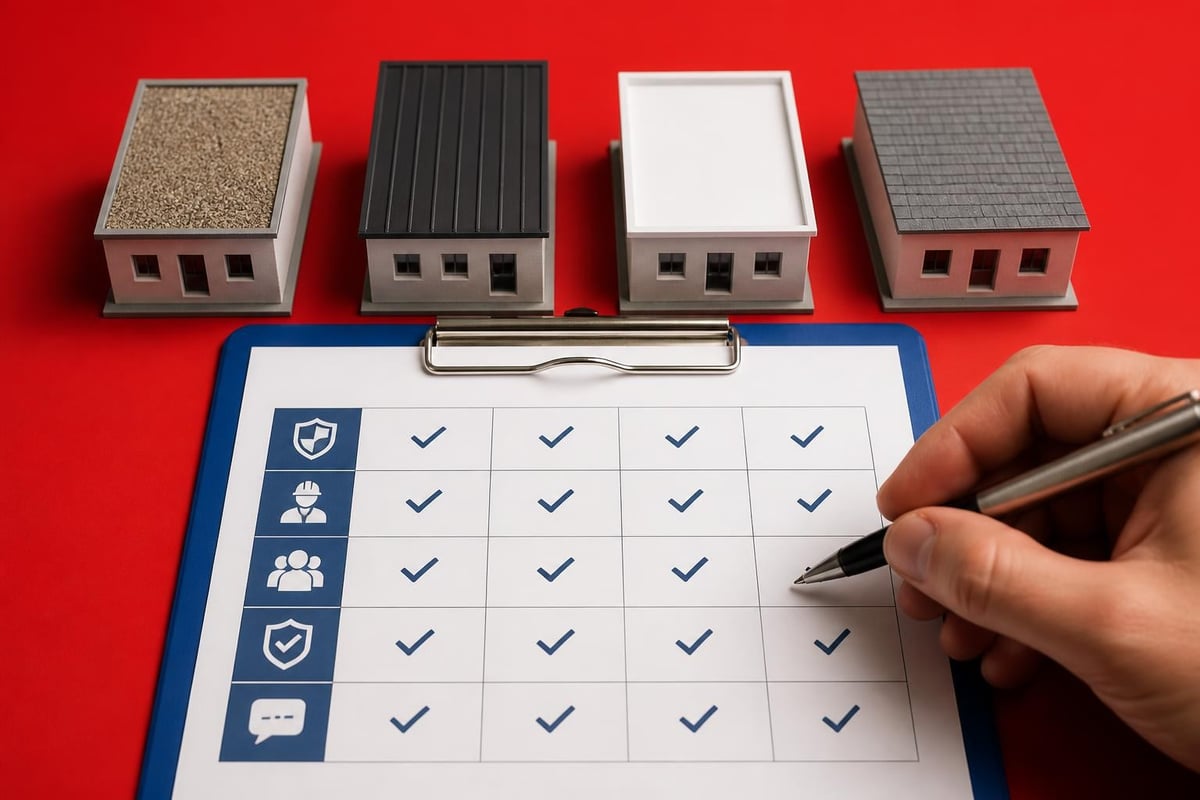
Choosing the right commercial roofing contractor near me requires systematic evaluation. Follow this process for best results:
Research and Initial Contact
- Compile a list of contractors through online searches, industry associations, and referrals
- Review websites and online presence to gauge professionalism and service offerings
- Check initial credentials including licenses, insurance, and basic qualifications
- Schedule consultations with your top three to five candidates
Detailed Evaluation
During consultations, observe communication quality and technical knowledge. Professional contractors listen to your concerns, ask relevant questions about your building and needs, and explain options clearly without pressure tactics.
Request detailed proposals addressing:
- Inspection findings and current roof condition
- Recommended solutions with material specifications
- Project timeline and phasing if applicable
- Total cost breakdown by materials and labor
- Warranty terms and claim procedures
- Payment schedule tied to project milestones
Final Selection
Compare proposals based on total value rather than price alone. Consider contractor experience, communication quality, warranty coverage, and your comfort level with each company.
Verify credentials one final time before signing contracts. Confirm insurance remains current, check recent references, and review contract terms with legal counsel if necessary.
Commercial buildings require specialized attention different from residential properties, much like how homeowners learn when to replace their roofs based on residential-specific factors. Commercial decisions involve larger investments, longer timelines, and greater operational impacts, making thorough contractor selection even more critical.
Contract Essentials and Legal Protections
Written contracts protect both parties and establish clear expectations. Ensure your agreement includes these essential elements:
Required Contract Components
Detailed scope of work describes every aspect of the project including tear-off procedures, substrate preparation, material specifications, flashing details, and cleanup requirements. Vague language creates disputes and enables contractors to cut corners.
Material specifications should identify exact products by manufacturer name and model number. Generic descriptions allow substitution of inferior materials. For modified bitumen systems, specify the number of plies, membrane thickness, and application method.
Project timeline establishes start dates, completion deadlines, and weather contingency provisions. Commercial projects should include daily work hours and any restrictions on access to specific building areas.
Payment terms should tie payments to completed milestones rather than calendar dates. Typical structures include:
- Initial deposit (10-25%)
- Payment at tear-off completion (25%)
- Payment at new membrane installation (35%)
- Final payment upon completion and inspection (25%)
Warranty documentation must specify both material warranties from manufacturers and workmanship guarantees from the contractor. Understand claim procedures and any maintenance requirements that affect warranty validity.
Ongoing Maintenance and Long-Term Relationships
The relationship with your commercial roofing contractor near me shouldn't end when installation completes. Establishing ongoing maintenance programs protects your investment and extends roof lifespan.
Preventive Maintenance Programs
Regular inspections identify minor issues before they cause leaks or structural damage. Schedule professional inspections at least twice annually, preferably in spring and fall. Many contractors offer maintenance contracts bundling inspections with routine repairs.
Post-storm inspections become particularly important after severe weather events. Just as residential property owners seek storm damage assessment, commercial building managers should schedule immediate inspections following hail, high winds, or heavy snow.
Documentation from each inspection creates maintenance records useful for warranty claims, insurance purposes, and future planning. Photographs showing roof condition over time demonstrate proper care and help identify deterioration patterns.
Planning for Eventual Replacement
Even well-maintained commercial roofs eventually require replacement. Modified bitumen systems typically last 15-25 years depending on climate, maintenance, and installation quality. Planning for replacement helps you budget appropriately and avoid emergency situations.
Contractors familiar with your building can provide more accurate replacement timelines and cost estimates. They understand your roof's specific history, previous repairs, and any unique challenges affecting installation.
Finding the right commercial roofing contractor requires careful research, thorough vetting, and clear communication about your building's specific needs. By evaluating credentials, checking references, comparing detailed proposals, and establishing maintenance relationships, you protect your commercial property investment while ensuring reliable performance for years to come. When you need a trusted partner for commercial roofing services in the Joliet area, Great Roofing brings family-owned dedication and specialized expertise in modified bitumen systems and commercial applications to every project.