

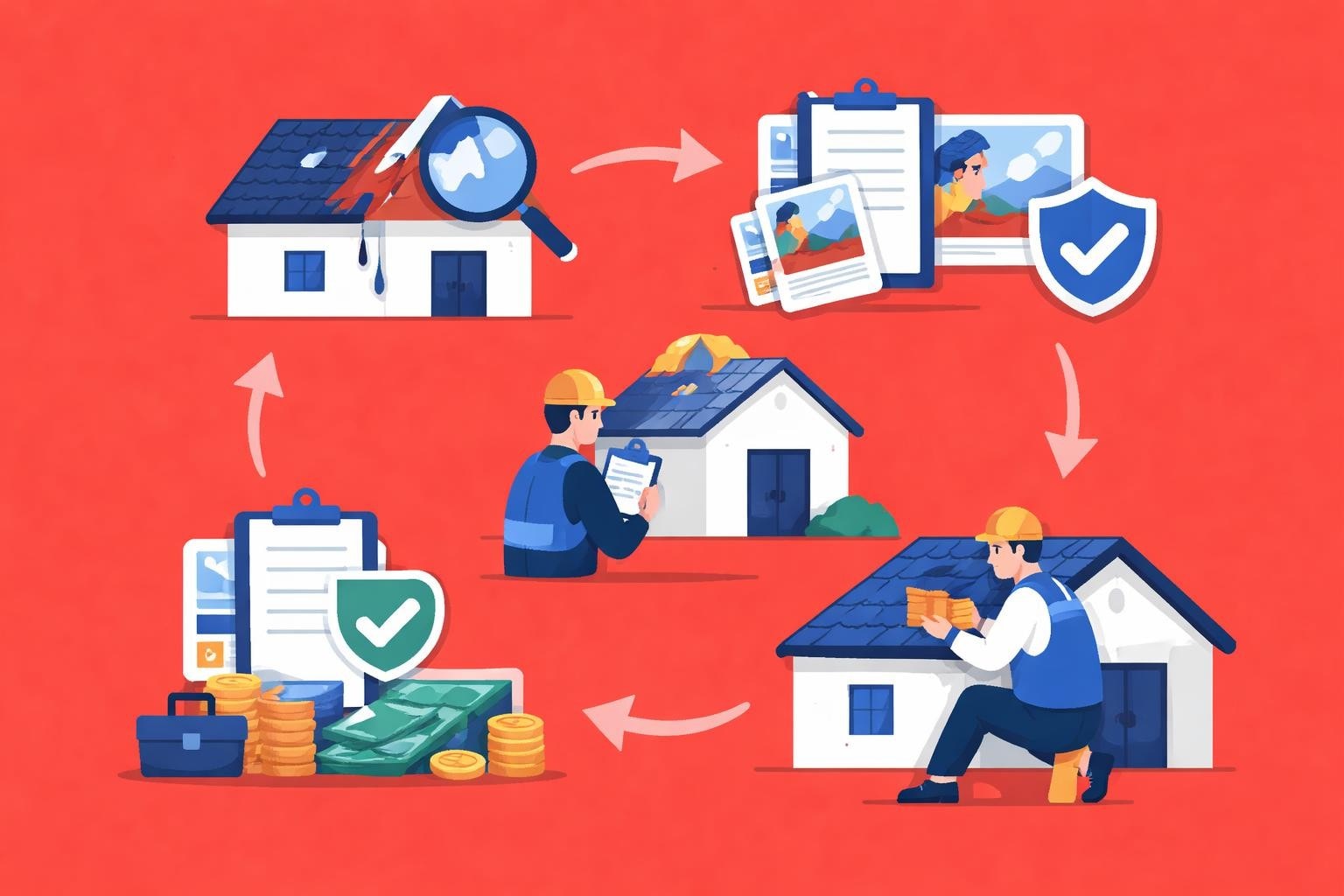
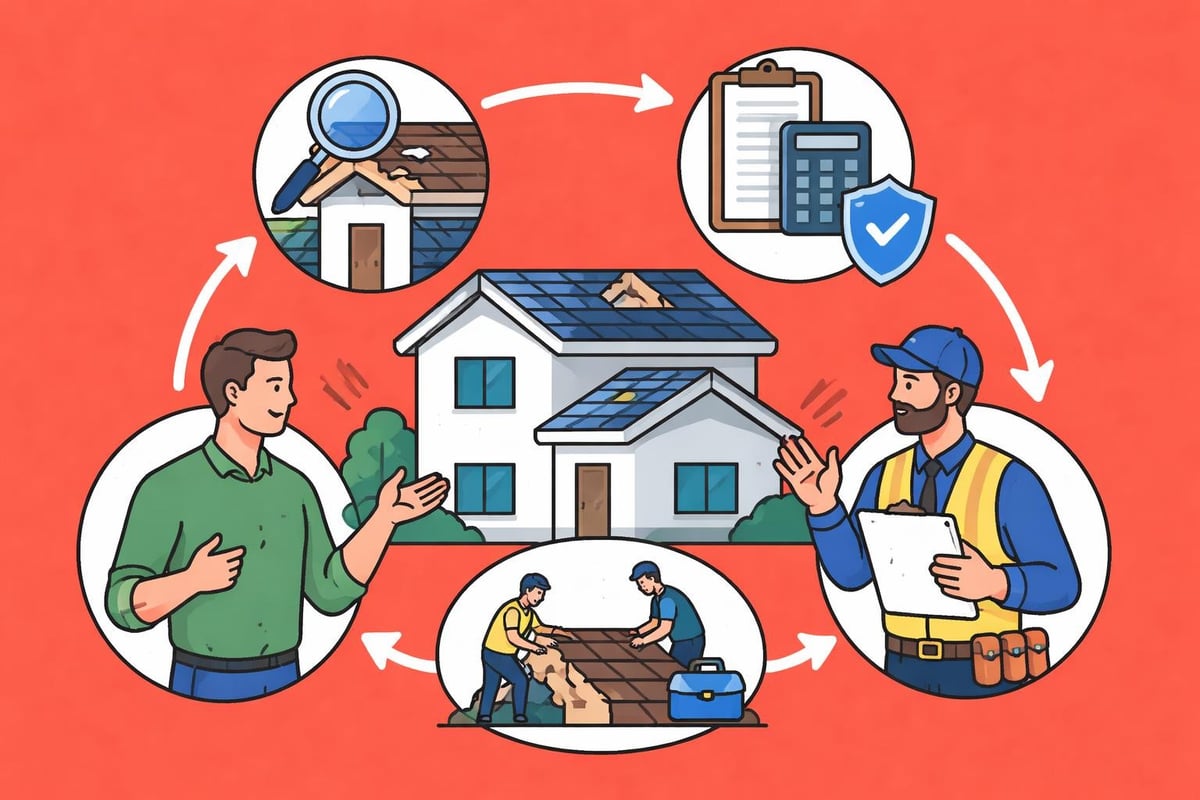
Navigating the complexities of a roof damage insurance claim can feel overwhelming, especially when you're already dealing with the stress of property damage. Whether your roof has been compromised by severe weather, falling debris, or sudden structural failure, understanding the insurance claims process is essential for protecting your investment and ensuring proper repairs. This comprehensive guide will walk you through every step of filing a successful claim, from initial damage assessment to final settlement, helping you avoid common pitfalls and maximize your coverage benefits.
Understanding Your Roof Insurance Coverage
Before you can effectively file a roof damage insurance claim, you need to understand what your policy actually covers. Most homeowners insurance policies include roof coverage, but the extent of that coverage varies significantly based on several factors.
What Types of Damage Are Typically Covered
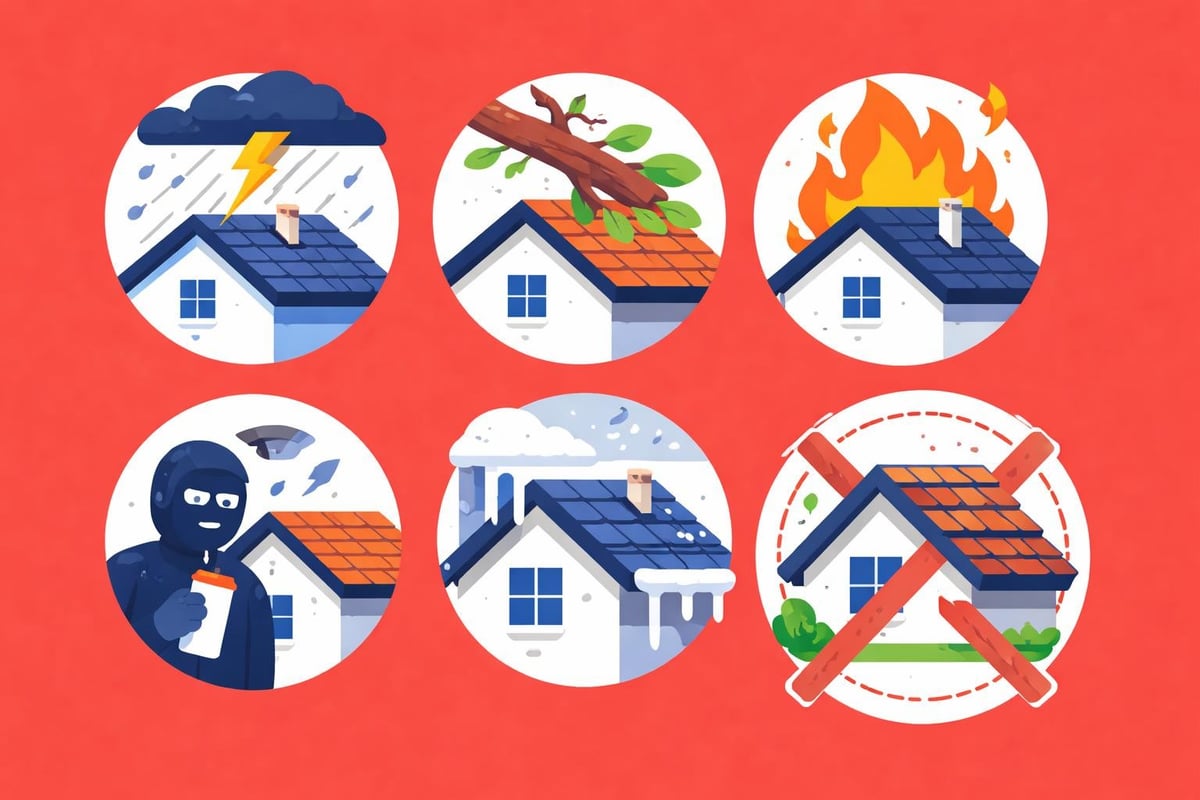
Standard homeowners insurance policies generally cover sudden and accidental damage to your roof. This includes:
- Wind and hail damage from severe storms
- Falling objects such as trees or branches
- Fire damage from external or internal sources
- Vandalism or malicious mischief
- Weight of ice or snow causing structural compromise
Gradual deterioration, lack of maintenance, and normal wear and tear are typically excluded from coverage. Insurance companies expect homeowners to maintain their roofs properly, which is why keeping detailed maintenance records is crucial.
Replacement Cost vs. Actual Cash Value
Your policy will specify whether your roof is covered on a replacement cost or actual cash value (ACV) basis. Replacement cost coverage pays for repairs or replacement without deducting for depreciation, while ACV coverage factors in your roof's age and condition, potentially leaving you with significant out-of-pocket expenses.
| Coverage Type | How It Works | Typical Payout | Best For |
|---|---|---|---|
| Replacement Cost | Full repair/replacement cost without depreciation | Higher claim amount | Newer roofs, premium policies |
| Actual Cash Value | Current value minus depreciation | Lower claim amount | Older roofs, budget policies |
| Guaranteed Replacement | Covers full cost even above policy limits | Highest claim amount | High-value properties |
Immediate Steps After Discovering Roof Damage
When you suspect roof damage, taking quick and appropriate action can make the difference between a successful claim and a denial. The moments immediately following damage discovery are critical for both protecting your property and preserving your right to compensation.
Document Everything Before Making Repairs
Photographic evidence is your strongest ally when filing a roof damage insurance claim. Take comprehensive photos and videos from multiple angles, capturing:
- Close-up shots of damaged shingles, flashing, or structural elements
- Wide-angle views showing the extent of damage
- Interior damage such as water stains or leaks
- Date-stamped images using your smartphone's metadata
According to experts at Fixr.com’s guide on filing roof insurance claims, thorough documentation is the foundation of a successful claim and can prevent disputes later in the process.
Emergency Mitigation and Temporary Repairs
While you shouldn't make permanent repairs before your adjuster inspects the damage, you have a duty to prevent further damage. This includes:
- Place tarps over exposed areas to prevent water intrusion
- Remove standing water from flat or low-slope sections
- Secure loose materials that could cause additional damage
- Document all mitigation efforts with photos and receipts
Keep all receipts for emergency materials and services, as these are typically reimbursable under your policy. Professional roofing contractors like Great Roofing often provide emergency tarping and temporary weatherproofing services to protect your property while claims are processed.
The Claims Filing Process Step by Step
Filing a roof damage insurance claim follows a structured process that requires attention to detail and proper timing. Understanding each phase helps you navigate the system effectively and avoid delays.
Initial Notification and Claim Number Assignment
Contact your insurance company as soon as possible after discovering damage. Most policies require notification within a specific timeframe, often 48 to 72 hours. During this initial call:
- Provide basic information about the damage and when it occurred
- Request a claim number for tracking purposes
- Ask about your policy's deductible and coverage limits
- Inquire about next steps and adjuster assignment timelines
Write down the name of every person you speak with and keep detailed notes of all conversations, including dates, times, and what was discussed.
Working with Insurance Adjusters
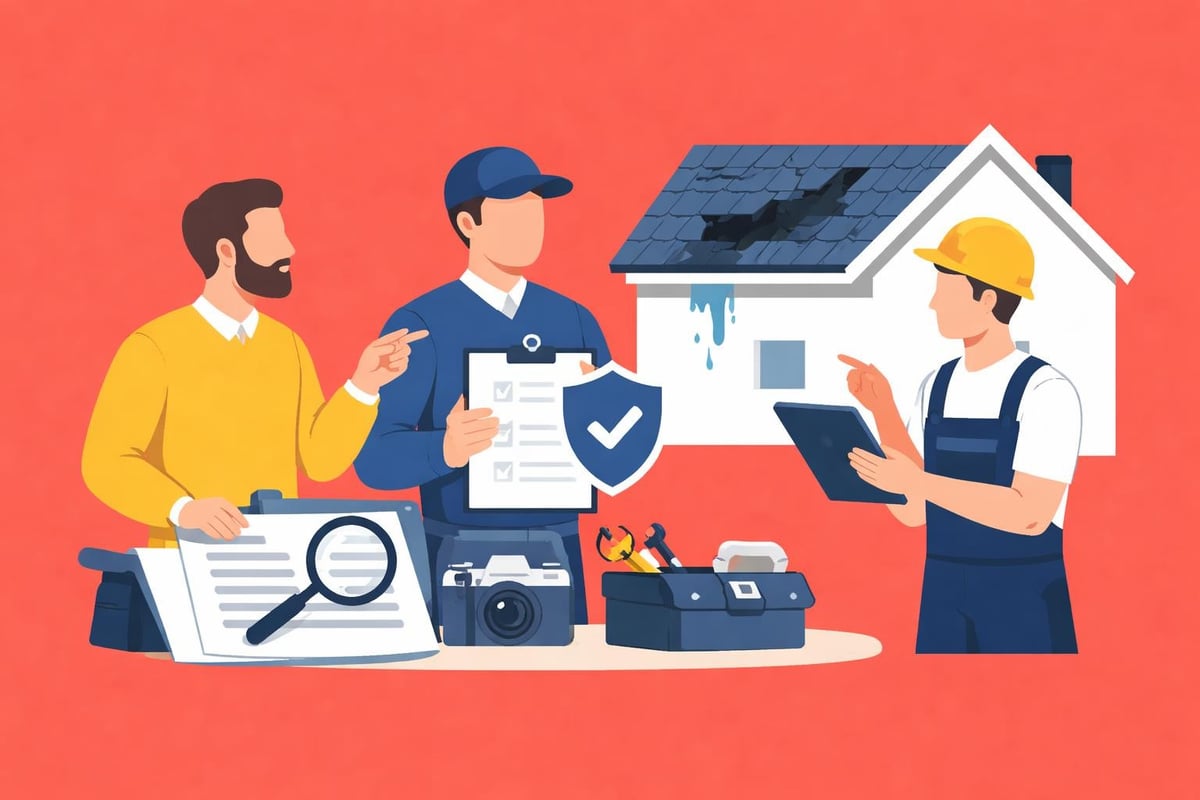
The insurance adjuster will schedule an inspection of your property to assess the damage and determine coverage. This inspection is pivotal to your claim's outcome.
Prepare for the adjuster's visit by gathering:
- Your insurance policy documents
- All photographic and video evidence
- Maintenance records and previous inspection reports
- Estimates from licensed roofing contractors
- Documentation of emergency repairs and costs
Many homeowners find it beneficial to have their roofing contractor present during the adjuster's inspection. Professional contractors experienced in roof storm damage assessment can identify issues an adjuster might miss and provide expert documentation to support your claim.
Understanding the Adjuster's Report
After the inspection, the adjuster will prepare a report detailing:
- Scope of damage identified during inspection
- Covered vs. non-covered items based on policy terms
- Estimated repair or replacement costs according to their calculations
- Recommended settlement amount minus your deductible
Review this report carefully. If you disagree with the findings, you have the right to challenge them with additional evidence or request a second inspection.
Common Challenges and How to Overcome Them
Even with proper documentation and diligence, roof damage insurance claims can face obstacles. Understanding common challenges helps you prepare effective responses.
Claim Denials and Disputes
Insurance companies may deny claims for various reasons:
- Pre-existing damage or inadequate maintenance
- Damage not covered under policy terms
- Insufficient documentation to support the claim
- Damage assessment disagreements on repair scope or costs
If your claim is denied, don't accept it as final. The Louis Law Group’s comprehensive guide explains that many denials can be successfully appealed with proper evidence and professional support.
Depreciation Withholding
Many insurance companies initially pay only the ACV portion of a replacement cost claim, withholding depreciation until repairs are completed. This practice can create cash flow challenges for homeowners.
| Payment Stage | What You Receive | When You Receive It |
|---|---|---|
| Initial Payment | ACV (cost minus depreciation) | After claim approval |
| Depreciation Holdback | Withheld depreciation amount | After repairs are completed |
| Final Settlement | Any remaining covered costs | After final inspection |
To recover the withheld depreciation, you must complete repairs and submit proof of payment to your insurance company. Keep all invoices and completion certificates from your contractor.
Maximizing Your Claim Settlement
Getting the full value you're entitled to requires strategic preparation and professional guidance. These approaches can significantly impact your final settlement amount.
Obtain Multiple Professional Estimates
While insurance adjusters use standardized pricing databases, actual local contractor costs may differ. Obtain detailed estimates from at least two or three licensed roofing contractors who specialize in insurance restoration work.
These estimates should include:
- Itemized material costs with brand specifications
- Labor costs for removal and installation
- Additional structural repairs if needed
- Permits, disposal fees, and other associated costs
When seeking estimates for roof insurance claims, ensure contractors inspect the entire roof system, including flashing, ventilation, and underlayment, which adjusters sometimes overlook.
Consider Hiring a Public Adjuster
If your claim is complex, involves significant damage, or has been disputed, hiring a public adjuster may be worthwhile. These licensed professionals work for you, not the insurance company, and typically charge a percentage of the final settlement.
Public adjusters can:
- Conduct independent damage assessments
- Prepare comprehensive claim documentation
- Negotiate directly with insurance company adjusters
- Handle appeals and dispute resolution
While they charge fees (usually 5-20% of the settlement), their expertise often results in substantially higher payouts that more than offset their costs.
Understanding Matching Requirements
Some insurance policies include "matching" provisions for partial roof repairs. If damage affects only one section but matching materials are no longer available, the policy may cover replacing additional areas to maintain uniform appearance.
This provision can significantly increase your settlement, potentially covering replacement of entire roof planes rather than just damaged sections. Review your policy carefully and discuss matching requirements with both your insurance adjuster and roofing contractor.
Working with Roofing Contractors During Claims
Selecting the right roofing contractor is crucial for both successful repairs and claims processing. Professional contractors experienced in insurance work can be invaluable partners throughout the process.
What to Look for in a Claims-Experienced Contractor
Not all roofing contractors have equal expertise in insurance claims. Look for companies that demonstrate:
- Proven experience with insurance restoration projects
- Proper licensing and insurance for your state and municipality
- Direct communication with insurance adjusters and companies
- Detailed documentation capabilities for damage assessment
- Transparent pricing with itemized estimates
Family-owned contractors with local roots, like those serving the Joliet area, often provide more personalized service and have established relationships with local insurance adjusters.
Beware of Storm Chasers and Scams
After major weather events, fraudulent contractors often canvass affected neighborhoods. These "storm chasers" may offer to waive deductibles, promise quick approvals, or pressure homeowners into immediate contracts.
Red flags to avoid:
- Offers to waive or pay your insurance deductible (illegal in many states)
- Requests for full payment before work begins
- High-pressure sales tactics or door-to-door solicitation
- Lack of local references or physical business address
- Unwillingness to provide written contracts or warranties
Working with established local roofing contractors with verifiable track records provides protection and accountability throughout your project.
Special Considerations for Different Roof Types
The type of roofing system on your property can affect both the claims process and coverage considerations. Understanding these distinctions helps set appropriate expectations.
Residential Shingle Roofs
Asphalt shingle roofs are the most common residential roofing type and generally have straightforward claims processes. However, age significantly impacts coverage:
- Roofs under 10 years old typically receive full replacement cost coverage
- Roofs 10-20 years old may face partial depreciation
- Roofs over 20 years old often receive only ACV or may have coverage limitations
For asphalt shingle roofing systems, insurance companies may also consider the grade and quality of materials when calculating settlements.
Commercial Modified Bitumen Systems
Commercial roofing systems like modified bitumen have different assessment criteria than residential systems. These roofs require specialized knowledge for proper damage evaluation.
Key differences include:
- Larger surface areas requiring more extensive documentation
- Multiple roof penetrations for mechanical equipment
- Different warranty structures affecting coverage
- Specialized repair techniques impacting cost calculations
Commercial property owners should work with contractors experienced in commercial roofing insurance claims to ensure all damage is properly documented and valued.
Metal and Specialty Roofing
Metal roofing and other specialty systems present unique challenges for insurance claims. Damage to these systems may be less visible but equally compromising to roof integrity.
For properties with metal roofing materials, adjusters must look beyond obvious dents to assess:
- Compromised protective coatings
- Fastener damage or loosening
- Panel alignment and seam integrity
- Substrate damage beneath metal panels
Preventing Future Claims and Maintaining Coverage
While successful claims recovery is important, preventing damage and maintaining insurability protects your long-term interests and keeps premiums affordable.
Regular Maintenance and Inspections
Insurance companies increasingly require proof of regular maintenance to honor claims. Implement a preventive maintenance schedule:
- Annual professional inspections before storm season
- Immediate repairs of minor issues before they escalate
- Documentation of all maintenance activities
- Gutter cleaning and drainage system maintenance
These proactive measures not only prevent damage but also create the maintenance record that supports future claims if damage does occur.
Understanding Policy Changes and Updates
Insurance policies and coverage options evolve over time. Review your policy annually and after major life changes:
- Coverage limit adjustments to account for inflation and material cost increases
- Deductible modifications based on your financial situation
- Additional endorsements for enhanced protection
- Replacement cost vs. ACV coverage options
Staying informed about your coverage ensures you maintain adequate protection as your property and circumstances change.
Post-Claim Considerations
After completing a roof damage insurance claim, take steps to protect your future insurability:
Update your policy to reflect the new roof value and condition, potentially qualifying for discounts. Maintain detailed records of the claim, repairs, and new roof specifications. Consider impact-resistant materials for replacement, which may qualify for premium discounts.
Document that repairs were completed by licensed contractors using proper materials and techniques. This documentation protects you if questions arise about the quality of repairs in future claims.
Record Keeping and Documentation Best Practices
Meticulous record keeping throughout the roof damage insurance claim process protects your interests and expedites resolution. Establishing organized documentation systems from the outset prevents complications later.
Essential Documents to Maintain
Create a comprehensive claim file that includes:
- Original insurance policy and all endorsements
- All correspondence with the insurance company
- Photographs and videos of damage, repairs, and completion
- Contractor estimates and invoices with payment receipts
- Adjuster reports and settlement calculations
- Maintenance records and previous inspection reports
Store these documents both physically and digitally, with backup copies in secure locations. Cloud storage provides accessible, protected archives that can be accessed from anywhere if needed.
Communication Logs
Maintain detailed logs of every interaction related to your claim:
- Date and time of each conversation
- Names and titles of individuals contacted
- Summary of discussion and agreements reached
- Follow-up actions required from each party
- Reference numbers for calls and correspondence
This systematic approach, recommended by Five Star Claims Adjusting, creates an accountability trail that proves invaluable if disputes arise or information is contested.
Timeline Management
Track all critical dates and deadlines:
| Event | Typical Timeframe | Your Deadline |
|---|---|---|
| Damage Discovery | Day 0 | [Date] |
| Insurance Notification | Within 48-72 hours | [Date] |
| Adjuster Inspection | 5-10 business days | [Date] |
| Initial Settlement Offer | 15-30 days after inspection | [Date] |
| Repairs Completion | Varies | [Date] |
| Depreciation Recovery | After completion | [Date] |
Missing deadlines can jeopardize your claim, so proactive timeline management is essential for successful resolution.
Successfully navigating a roof damage insurance claim requires thorough documentation, understanding your coverage, and working with experienced professionals who can guide you through complex processes. If you're dealing with roof damage in the Joliet area, the team at Great Roofing brings decades of experience in insurance restoration work for both residential and commercial properties, helping homeowners maximize their settlements while ensuring quality repairs that protect their investment for years to come.