


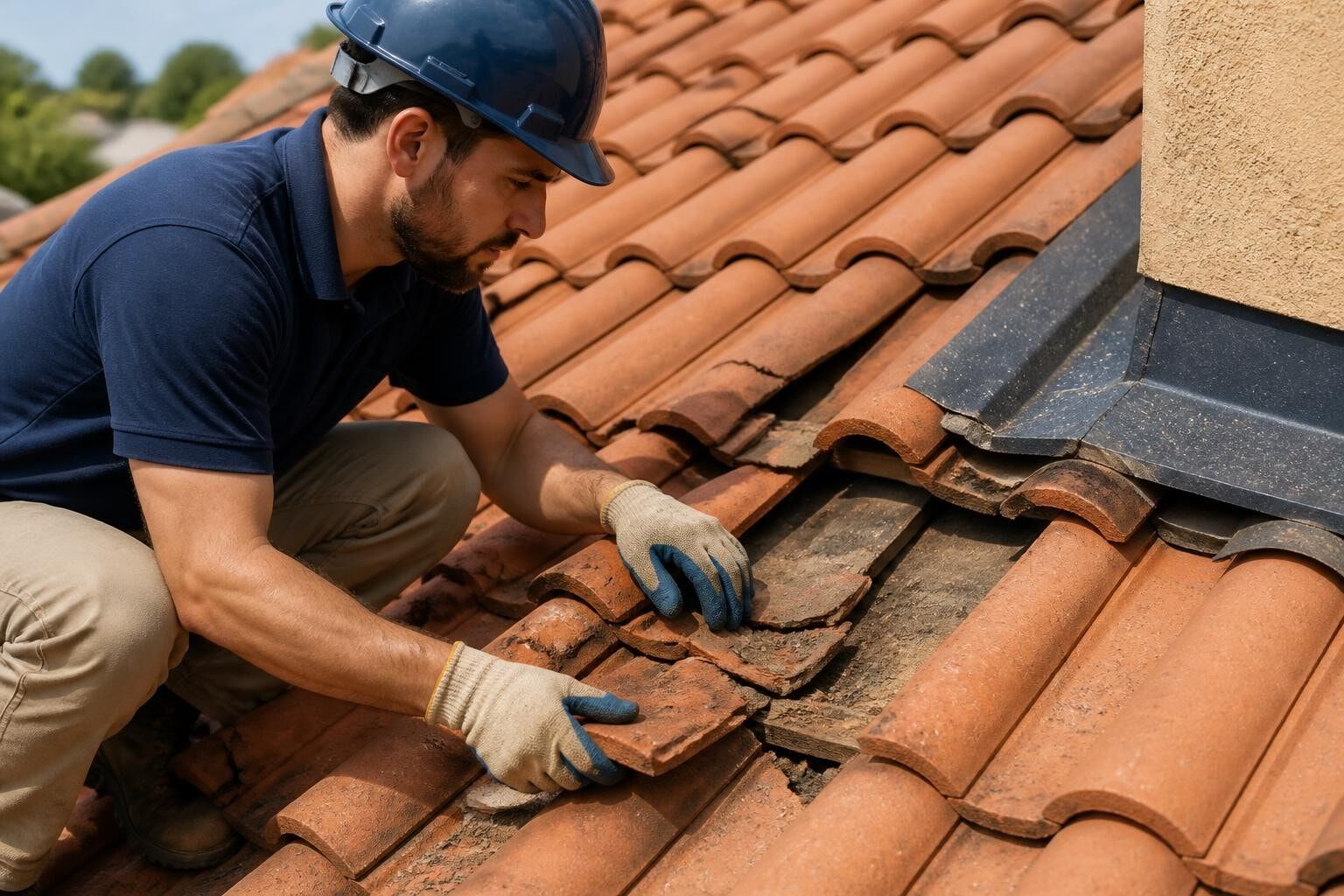
Concrete tile roofs represent one of the most durable and long-lasting roofing systems available, with many installations exceeding 50 years of service life. However, even the most robust concrete tile systems require periodic maintenance and repairs to maintain their protective capabilities and aesthetic appeal. Understanding when repairs are necessary, what techniques professionals employ, and how to approach the repair process can save property owners thousands of dollars while extending the life of their investment. Whether you're dealing with storm damage, age-related deterioration, or installation defects, knowing the fundamentals of concrete tile roof repair empowers you to make informed decisions about your property's protection.
Understanding Concrete Tile Roof Systems
Concrete roof tiles consist of a mixture of sand, cement, and water that's molded under high pressure and cured to create durable roofing elements. These tiles come in various profiles including flat, low-profile, and high-profile designs that mimic traditional clay or slate appearances.
The complete roofing system extends far beyond the visible tiles. Beneath the tiles, a comprehensive assembly includes underlayment materials, battens or counter-battens for ventilation, flashing components at penetrations and transitions, and fastening systems that secure tiles to the roof deck. Each element plays a critical role in the system's overall performance.
Component Longevity and Failure Points
Different components within a concrete tile roof system age at different rates, creating distinct maintenance needs over time.
| Component | Expected Lifespan | Common Failure Modes |
|---|---|---|
| Concrete Tiles | 50+ years | Cracking, surface erosion, breakage |
| Underlayment | 15-30 years | Deterioration, tears, loss of waterproofing |
| Flashing | 20-40 years | Corrosion, separation, improper sealing |
| Fasteners | 20-50 years | Corrosion, loosening, withdrawal |
The tiles themselves typically outlast the underlying waterproofing layers, which means many concrete tile roof repair projects focus on replacing deteriorated underlayment while reusing serviceable tiles. This characteristic makes concrete tile systems economically repairable compared to complete replacement options.

Common Concrete Tile Roof Problems
Physical Tile Damage
Concrete tiles can crack or break due to several factors. Foot traffic during maintenance activities represents a leading cause of damage, particularly when workers step on unsupported tile sections. Falling tree limbs, hail impact, and thermal stress cycles also contribute to tile breakage over time.
Impact damage typically manifests as visible cracks running partially or completely through the tile body. These cracks allow water infiltration that can damage underlying materials. In severe cases, entire tile sections may dislodge, creating immediate exposure to weather.
Mechanical damage often occurs at fastener locations where overtightened screws or nails create stress concentrations. Professional contractors following technical installation standards understand proper fastening torque specifications that secure tiles without inducing stress fractures.
Underlayment Deterioration
The waterproofing underlayment beneath concrete tiles degrades faster than the tiles themselves, particularly in high-heat environments where attic temperatures exceed design specifications. Asphalt-saturated felt papers typically last 15-20 years, while modern synthetic underlayments extend service life to 25-30 years.
Signs of underlayment failure include:
- Water stains on interior ceilings and walls
- Visible daylight through roof deck from attic spaces
- Torn or deteriorated underlayment visible during tile inspection
- Musty odors indicating moisture accumulation
- Mold or mildew growth on roof decking
When underlayment fails, water bypasses the tile's primary drainage function and contacts the roof deck directly. This condition requires prompt attention to prevent structural wood decay and interior damage.
Flashing and Valley Issues
Flashing components at chimneys, skylights, plumbing vents, and wall intersections experience accelerated wear due to thermal cycling and UV exposure. Metal flashings corrode over time, particularly galvanized steel products in coastal or humid environments.
Valley flashings endure concentrated water flow that can erode sealants and create separation at critical junctions. Many older concrete tile installations used open metal valleys that require periodic resealing or replacement as part of comprehensive roof repair maintenance programs.
Professional Inspection and Assessment
When to Call a Professional
Property owners should schedule professional concrete tile roof inspections every 3-5 years or immediately following severe weather events. Warning signs requiring immediate professional assessment include visible broken tiles from ground level, water stains appearing on ceilings, or significant granule accumulation in gutters indicating tile surface erosion.
Attempting DIY repairs on concrete tile roofs carries substantial risks. The tiles themselves are fragile under foot traffic, and improper stepping techniques easily cause additional damage. Professional roofing contractors possess specialized equipment including roof jacks, crawl boards, and proper ladder standoffs that distribute weight safely across multiple tiles.
Diagnostic Techniques
Professional inspectors employ systematic evaluation methods to identify both visible and hidden damage. Close visual inspection reveals cracked, broken, or displaced tiles requiring replacement. Inspectors also examine underlayment exposure at eaves, rakes, and penetrations to assess waterproofing condition.
Many contractors use thermal imaging cameras to detect moisture intrusion patterns invisible to naked eye inspection. These tools identify areas where underlayment has failed even when tiles appear intact, enabling targeted repair interventions.
Detailed documentation including photographs and written reports establishes baseline conditions for tracking deterioration patterns over time. This information proves invaluable for insurance claim documentation when storm damage necessitates repair work.
Repair Methods and Techniques
Individual Tile Replacement
Replacing individual broken or cracked concrete tiles represents the most common repair intervention. The process requires carefully lifting surrounding tiles to access fasteners securing the damaged unit, removing the compromised tile, and installing a matching replacement.
Key considerations for tile replacement:
- Matching tile profile, color, and exposure dimensions
- Proper fastener selection (corrosion-resistant materials)
- Underlayment patch repairs at replacement locations
- Proper overlap and alignment with adjacent tiles
Finding exact replacement tiles poses challenges for older installations where original manufacturers may no longer produce matching profiles. Experienced contractors maintain relationships with specialty suppliers and tile salvage operations to source discontinued products.
The Tile Roofing Industry Alliance installation manual provides authoritative guidance on replacement procedures that maintain system integrity and weather resistance.
Underlayment Replacement Under Existing Tiles
Advanced repair techniques allow underlayment replacement without complete tile removal. This method proves cost-effective when tiles remain serviceable but waterproofing layers have deteriorated.
The process involves removing tiles in sections, typically working in horizontal bands across the roof slope. Contractors install new synthetic underlayment over existing roof deck, then carefully reinstall original tiles using new fasteners. This approach preserves the roof's appearance while restoring waterproofing performance.
Critical success factors include:
- Careful tile removal to minimize breakage (typically 5-10% loss expected)
- Complete removal of deteriorated underlayment
- Roof deck inspection and repair of any rotted sheathing
- Proper underlayment lapping and sealing per manufacturer specifications
- Systematic tile reinstallation with appropriate fastening
Flashing and Penetration Repairs
Repairing or replacing flashing components while maintaining tile roof integrity requires specialized knowledge. Step flashings at wall intersections must be woven between tile courses, while counter-flashings embed into wall surfaces above tile planes.
Modern flashing materials including copper, stainless steel, and coated aluminum offer superior longevity compared to galvanized steel products common in older installations. Properly executed flashing repairs incorporate generous sealant applications and mechanical fastening that accommodates thermal movement without compromising waterproofing.
Valley rework often involves installing new pre-formed metal valleys or woven valley configurations using modern underlayment products. These upgrades significantly enhance water-shedding capacity in areas experiencing concentrated drainage.
Cost Factors and Budgeting
Pricing Variables
Concrete tile roof repair costs vary widely based on damage extent, accessibility, tile availability, and regional labor rates. Understanding key cost drivers helps property owners budget appropriately for necessary work.
| Repair Type | Typical Cost Range | Primary Cost Factors |
|---|---|---|
| Individual tile replacement | $150-$400 per tile | Tile sourcing, access difficulty |
| Underlayment section (100 sq ft) | $800-$1,500 | Material grade, deck repairs needed |
| Valley rework (per valley) | $600-$1,200 | Length, metal material selection |
| Complete underlayment replacement | $8-$15 per sq ft | Tile breakage rate, deck condition |
Labor represents the dominant cost component in most concrete tile roof repair projects. The careful tile removal and reinstallation process requires skilled technicians working at deliberately slow paces to minimize breakage. Projects in Joliet and surrounding areas should account for seasonal weather limitations that affect scheduling and productivity.
When Repair Makes Economic Sense
Property owners face repair-versus-replacement decisions when damage becomes extensive. As a general guideline, repairs make economic sense when overall system condition remains good and damage affects less than 30% of the roof area.
Factors favoring repair include:
- Tile discontinued but serviceable with minimal breakage
- Recent underlayment installation still performing well
- Localized damage from identifiable event (storm, tree fall)
- Budget constraints precluding complete replacement
- Desire to maintain historic appearance on period properties
Complete replacement becomes more economical when underlayment has failed across broad areas, numerous tiles exhibit damage, or the roof deck requires extensive repairs. Professional contractors can provide comparative quotes helping owners make informed financial decisions.
Preventive Maintenance and Long-Term Care
Regular Inspection Protocols
Implementing systematic inspection schedules extends concrete tile roof service life significantly. Property owners should visually inspect roofs from ground level quarterly, looking for obvious damage or displaced tiles. Professional detailed inspections every 3-5 years catch developing problems before they escalate into major repairs.
Specific inspection focal points include valley areas where debris accumulation can dam water flow, all flashing locations for separation or corrosion, and ridge caps for loosening or displacement. Attic inspections during and immediately after rain events reveal active leak locations requiring attention.
The Building America Solution Center guidance recommends documenting inspection findings with dated photographs establishing condition baselines for tracking deterioration patterns over time.
Maintenance Best Practices
Proactive maintenance prevents many common concrete tile roof repair needs. Debris removal represents the single most important maintenance activity. Accumulated leaves, pine needles, and organic matter retain moisture against tiles and underlayment, accelerating deterioration.
Essential maintenance tasks:
- Gutter and valley cleaning at least twice annually
- Tree trimming to prevent branch contact and leaf accumulation
- Moss and algae removal using approved cleaning methods
- Fastener inspection and tightening at exposed locations
- Immediate repair of individual broken tiles before water intrusion occurs
Property owners should never pressure wash concrete tiles, as high-pressure water streams can damage tile surfaces and force water beneath the roofing system. Gentle brushing or low-pressure rinsing provides adequate cleaning without risking damage.
Storm Damage and Insurance Considerations
Documenting Weather-Related Damage
Severe weather events including hail, windstorms, and falling debris create sudden repair needs requiring prompt attention. Property owners should document damage immediately through photographs from multiple angles and detailed written descriptions noting damage locations and extent.
Most homeowner insurance policies cover sudden weather-related damage but exclude gradual deterioration from deferred maintenance. Understanding these distinctions helps property owners navigate claims processes effectively. Working with contractors experienced in insurance claim support streamlines documentation and approval processes.
Wind damage typically manifests as lifted or displaced tiles, particularly at roof edges, ridges, and hips where wind pressures concentrate. Hail damage creates distinctive impact fractures with sharp edges and fresh concrete exposure at break points.
Meeting Resilience Standards
Property owners in storm-prone regions increasingly adopt enhanced construction standards improving weather resistance. The FORTIFIED Home program establishes performance criteria for tile roofing systems that exceed minimum building codes.
FORTIFIED-compliant concrete tile roof repairs incorporate upgraded fastening schedules, enhanced underlayment specifications, and reinforced attachment at vulnerable locations. These improvements reduce future damage probability while potentially qualifying properties for insurance premium discounts.
Implementing resilience upgrades during repair projects adds modest incremental costs but delivers substantial long-term value through reduced storm vulnerability and lower lifecycle maintenance expenses.
Working With Professional Contractors
Selecting Qualified Professionals
Concrete tile roof repair requires specialized expertise beyond general roofing knowledge. Property owners should verify contractor credentials including proper licensing, insurance coverage, and specific concrete tile experience.
The National Roofing Contractors Association offers professional certification programs for tile roofing installers. Contractors with certified technicians demonstrate commitment to industry best practices and continuing education.
Request multiple detailed written estimates that itemize material specifications, labor components, warranty terms, and project timelines. Avoid contractors offering significantly lower prices than competitors, as these bids often indicate shortcuts in material quality or installation procedures.
Project Expectations and Timelines
Concrete tile roof repair projects typically proceed more slowly than comparable shingle roof work due to careful tile handling requirements. Property owners should expect professional crews to progress methodically, prioritizing quality over speed.
Typical project phases include:
- Preparation and protection (1 day): Ground protection, safety equipment setup
- Tile removal and staging (1-2 days per roof section): Careful disassembly and storage
- Deck inspection and repair (1-3 days): Addressing any structural issues discovered
- Underlayment installation (1-2 days): Complete waterproofing layer replacement
- Tile reinstallation (2-4 days): Systematic tile replacement with proper fastening
- Final inspection and cleanup (1 day): Quality verification and site restoration
Weather delays commonly extend timelines, as tile work should not proceed during rain or high winds. Contractors serving multiple service areas coordinate scheduling to minimize project interruptions while maintaining quality standards.
Warranty and Quality Assurance
Reputable contractors provide written warranties covering both materials and workmanship. Material warranties typically extend 10-30 years depending on product specifications, while workmanship warranties commonly span 2-10 years.
Quality contractors follow manufacturer installation specifications and industry standards including unified facility guide specifications that establish performance criteria for concrete tile roof repair work. Compliance with these standards ensures repairs meet or exceed original installation quality.
Request final walk-through inspections before making final payment. Verify that all agreed-upon work items are complete, no debris remains on property, and you understand maintenance recommendations for preserving the repair work.
Material Selection and Sourcing
Replacement Tile Options
Sourcing matching replacement tiles challenges many concrete tile roof repair projects. Original manufacturers may have discontinued specific profiles, or color formulations may have changed over decades of production.
Options for obtaining replacement tiles include:
- Original manufacturer current production if profile remains available
- Specialty salvage suppliers maintaining inventories of discontinued tiles
- Custom fabrication for small quantities when no alternatives exist
- Similar profile substitution accepting slight aesthetic variations
- Complete section replacement with new tiles when matching proves impossible
Experienced contractors maintain relationships with multiple suppliers and often stock small quantities of common replacement tiles for emergency repairs. This network access significantly reduces project delays and costs associated with tile sourcing challenges.
Underlayment Technology Advancements
Modern synthetic underlayments offer substantial performance advantages over traditional felt papers. These engineered products resist UV degradation, provide superior tear strength, and maintain waterproofing integrity throughout extended service lives.
High-performance options include:
- Rubberized asphalt membranes providing self-sealing around fastener penetrations
- Synthetic woven materials offering exceptional tear resistance and UV stability
- Slip-resistant surfaces improving worker safety during installation
- Extended exposure ratings allowing temporary weather protection during phased projects
Premium underlayment products add $50-$150 per square to material costs but deliver exceptional value through extended service life and superior weather protection. Contractors following current industry guidance consistently recommend synthetic products for repair applications.
Regional Considerations for Joliet Properties
Climate-Specific Challenges
Joliet's continental climate creates unique concrete tile roof repair considerations. Freeze-thaw cycling during winter months stresses tile fastening systems and can worsen existing cracks through ice expansion within fractures.
Snow load accumulation requires verification that roof framing can support both tile weight and seasonal snow loads simultaneously. Properties experiencing ice dam formation at eaves may require enhanced underlayment protection in vulnerable areas.
Summer heat and humidity accelerate underlayment aging in poorly ventilated attic spaces. Proper attic ventilation including adequate soffit intake and ridge exhaust extends underlayment service life significantly while improving overall building energy performance.
Local Building Code Compliance
Concrete tile roof repairs must comply with current Illinois building codes and local Joliet ordinances. Permit requirements vary based on repair extent, with minor tile replacements often exempt but complete underlayment replacement requiring formal permits and inspections.
Working with licensed local contractors familiar with jurisdictional requirements ensures proper permit acquisition and code-compliant work execution. Unpermitted work creates potential liability issues and complications during property sales or insurance claims.
Maintaining a concrete tile roof through timely repairs preserves one of the most durable and attractive roofing systems available while protecting your property investment for decades to come. Understanding when repairs are necessary, what professional techniques deliver lasting results, and how to work effectively with qualified contractors empowers property owners to make informed decisions about their roofing needs. Whether you're addressing storm damage, age-related wear, or preventive maintenance, Great Roofing brings the specialized expertise and quality craftsmanship Joliet property owners trust for concrete tile roof repair and all roofing needs. Contact our family-owned team today to schedule a professional inspection and receive a detailed assessment of your concrete tile roof's condition.