


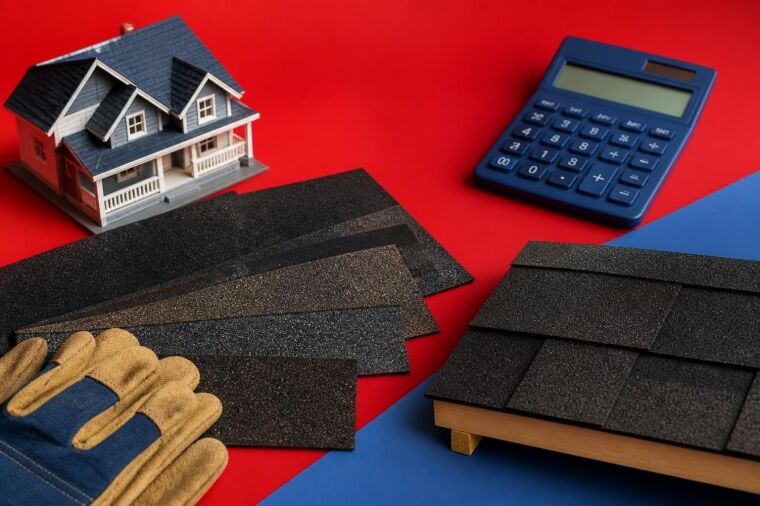
When planning a roofing project, understanding the financial investment required is essential for making informed decisions. The cost of asphalt shingles represents one of the most significant factors in residential roofing budgets, as these popular materials continue to dominate the market due to their balance of affordability, durability, and aesthetic appeal. Whether you're replacing an aging roof or building a new home in the Joliet area, knowing what to expect financially helps you prepare adequately and choose the right materials for your property's specific needs.
Breaking Down Material Costs by Shingle Type
Asphalt shingles come in several distinct categories, each with varying price points that reflect their construction quality and longevity expectations. The cost of asphalt shingles varies considerably based on which type you select for your project.
3-Tab Shingles: The Budget-Friendly Option
Three-tab shingles represent the most economical choice in asphalt roofing materials. These single-layer products typically cost between $0.90 and $1.50 per square foot for materials alone. For an average 2,000-square-foot roof, homeowners can expect to pay approximately $1,800 to $3,000 just for the shingles themselves.
While 3-tab shingles offer affordability, they come with trade-offs. Their lifespan typically ranges from 15 to 20 years, and they provide a flatter, less dimensional appearance compared to premium options. According to detailed pricing information for various shingle types, these basic shingles work well for rental properties or budget-conscious homeowners who prioritize cost over longevity.
Architectural Shingles: The Popular Middle Ground
Architectural shingles, also called dimensional or laminate shingles, have become the standard choice for most residential applications. These multi-layered products cost between $1.20 and $4.00 per square foot for materials, with most quality brands falling in the $1.50 to $2.50 range.
Key benefits of architectural shingles include:
- Enhanced curb appeal with dimensional texture
- Longer lifespan of 25 to 30 years
- Better wind resistance ratings
- Improved warranty coverage
- Greater variety of colors and styles
For a typical 2,000-square-foot roof, material costs alone range from $2,400 to $8,000, though most homeowners spend around $3,000 to $5,000. When you're selecting the best roofing shingle for your home, architectural options often provide the best value proposition.

Premium and Luxury Shingles
High-end asphalt shingles, including designer and luxury lines, command premium prices ranging from $3.50 to $6.00 per square foot or more. These products mimic the appearance of slate, cedar shake, or other premium materials while maintaining asphalt's practical benefits.
| Shingle Category | Material Cost/Sq Ft | Lifespan | Best For |
|---|---|---|---|
| 3-Tab | $0.90 – $1.50 | 15-20 years | Budget projects, rentals |
| Architectural | $1.20 – $4.00 | 25-30 years | Most residential homes |
| Premium/Luxury | $3.50 – $6.00+ | 30-50 years | High-value properties |
Labor and Installation Expenses
Material costs represent only one component of your total roofing investment. Labor expenses typically equal or exceed the cost of asphalt shingles themselves, making professional installation a substantial portion of your budget.
Professional roofing contractors generally charge between $3.00 and $6.00 per square foot for labor, depending on several factors. In the Joliet area, where Great Roofing operates, typical labor rates align with regional averages while reflecting the expertise required for quality installation.
Factors influencing labor costs:
- Roof complexity and pitch
- Number of penetrations (chimneys, vents, skylights)
- Accessibility challenges
- Old roof removal requirements
- Local labor market conditions
- Season and weather considerations
Steep roofs with pitches exceeding 6:12 often incur surcharges of 10% to 20% due to safety equipment needs and slower installation speeds. Multiple valleys, dormers, and complex architectural features also increase labor time significantly.
Tear-Off and Disposal Costs
Before new shingles can be installed, existing roofing materials must typically be removed. This tear-off process adds $1.00 to $2.00 per square foot to your project cost. For a 2,000-square-foot roof, expect to pay $2,000 to $4,000 for removal and disposal of old materials.
Some contractors offer lower pricing by installing new shingles over existing ones, but this approach has limitations. Building codes often restrict the number of shingle layers permitted, and experienced roofing contractors typically recommend complete tear-offs for optimal results and warranty compliance.
Total Project Cost Expectations
When you combine materials, labor, tear-off, and additional components, the total cost of asphalt shingles installation becomes clearer. Most homeowners spend between $5,000 and $15,000 for a complete asphalt shingle roof replacement, with the national average around $9,000 for a standard 2,000-square-foot home.
Roof Size Impact on Pricing
Roofing professionals measure in "squares," with one square equaling 100 square feet. Understanding this terminology helps you interpret estimates accurately. According to comprehensive cost breakdowns, the per-square cost decreases slightly as project size increases due to economies of scale.
| Roof Size | Material Cost Range | Labor Cost Range | Total Range |
|---|---|---|---|
| 1,000 sq ft | $1,200 – $4,000 | $3,000 – $6,000 | $4,200 – $10,000 |
| 2,000 sq ft | $2,400 – $8,000 | $6,000 – $12,000 | $8,400 – $20,000 |
| 3,000 sq ft | $3,600 – $12,000 | $9,000 – $18,000 | $12,600 – $30,000 |
These ranges assume mid-grade architectural shingles and standard installation conditions. Your actual costs may vary based on specific project requirements.
Additional Components Affecting Total Investment
Beyond shingles and labor, several other materials and services contribute to your final bill. Understanding these elements prevents surprise expenses and ensures you budget appropriately for a complete, quality installation.
Underlayment and Ice Barriers
Quality underlayment protects your roof deck from moisture infiltration. Standard felt underlayment costs $0.20 to $0.40 per square foot, while synthetic underlayment ranges from $0.50 to $1.00 per square foot. Ice and water shield, required in vulnerable areas, adds $0.75 to $1.50 per square foot.
For harsh Midwest winters, synthetic underlayment and adequate ice barrier coverage provide essential protection. When planning roof replacement projects, these components shouldn't be overlooked despite their upfront cost.
Essential roofing components beyond shingles:
- Drip edge and flashing: $2 – $5 per linear foot
- Ridge vents: $3 – $8 per linear foot
- Starter strips: $0.50 – $1.00 per linear foot
- Valley materials: $5 – $15 per linear foot
- Roof penetration boots: $10 – $30 each
Permits and Inspection Fees
Most municipalities require permits for roof replacement projects, typically costing $150 to $500 depending on local regulations and project scope. These permits ensure work meets building codes and includes necessary inspections.
Professional contractors handle permit acquisition as part of their service, factoring these costs into project estimates. When considering storm roofing repairs or replacements, verify that your contractor includes all necessary permits and inspections.
Geographic and Seasonal Price Variations
The cost of asphalt shingles and installation varies significantly by location and timing. Regional factors influence both material availability and labor rates throughout the country.
Regional Cost Differences
Metropolitan areas typically see higher labor costs than rural regions, reflecting differences in living expenses and market demand. The Midwest generally offers competitive pricing compared to coastal markets, though local variations exist even within regions.
Material costs also fluctuate based on transportation expenses and regional demand. Homeowners in the Joliet area benefit from proximity to major distribution hubs, often resulting in favorable material pricing compared to more remote locations.
Seasonal Pricing Considerations
Roofing contractors experience peak demand during spring and fall when weather conditions optimize installation quality. During these busy seasons, prices may increase by 10% to 20% as contractors prioritize higher-value projects and maintain full schedules.
Strategic timing considerations:
- Late fall/early winter: Potential discounts as contractors fill schedules
- Mid-summer: Possible savings despite heat challenges
- Post-storm periods: Higher demand and limited contractor availability
- Off-season: Better negotiating leverage for non-urgent projects
When weather damages your roof, storm damage insurance claims can help offset costs regardless of seasonal pricing fluctuations.
Long-Term Value and Return on Investment
While initial costs matter, savvy homeowners evaluate roofing investments through a long-term lens. The cost of asphalt shingles represents just one factor in determining overall value and return on investment.
Lifespan and Warranty Considerations
Higher-quality shingles command premium prices but deliver extended service life and better warranty protection. A $5,000 roof lasting 20 years costs $250 annually, while a $9,000 roof lasting 30 years costs just $300 annually-often providing superior protection and aesthetics.
Warranty types to understand:
- Material warranties: 20 to 50 years depending on product
- Workmanship warranties: Typically 1 to 10 years from contractor
- Wind resistance guarantees: Often 110-130 mph for quality shingles
- Algae resistance coverage: 10 to 25 years on treated products
Research from comprehensive roofing cost analyses shows that mid-grade architectural shingles typically offer the best balance of upfront cost and long-term value for most homeowners.
Energy Efficiency and Insurance Benefits
Cool roof shingles with reflective granules cost 10% to 20% more than standard options but can reduce cooling costs by 7% to 15% in hot climates. While less critical in northern regions, these products still offer modest energy savings.
Some insurance providers offer discounts for impact-resistant shingles rated Class 4, potentially offsetting their higher initial cost through reduced premiums over time. These shingles resist hail damage better than standard products, making them particularly valuable in storm-prone areas.
Cost-Saving Strategies Without Compromising Quality
Smart homeowners can reduce roofing expenses without sacrificing quality or longevity through strategic planning and informed decision-making.
Comparing Multiple Estimates
Obtaining three to five detailed estimates allows you to identify fair market pricing and avoid both overpriced and suspiciously low bids. Quality contractors provide itemized proposals clearly breaking down materials, labor, and additional costs.
When comparing estimates, verify that each includes the same scope of work. The lowest bid may exclude important components or use inferior materials, ultimately costing more through premature failure or warranty issues.
Timing Your Project Strategically
Schedule non-emergency replacements during off-peak seasons to potentially negotiate better rates. Contractors often offer discounts during slower periods to maintain steady work flow and keep crews employed.
However, never compromise installation quality by working in unsuitable weather conditions. Professional contractors like those specializing in shingle roof repair understand optimal installation conditions and won't rush jobs to accommodate scheduling preferences.
Material Selection Balance
Choose mid-grade architectural shingles for optimal value rather than premium products unless your home's value justifies the investment. Conversely, avoid the cheapest options that may require replacement sooner than quality alternatives.
Consider manufacturers' "good-better-best" product lines carefully. The "better" tier often provides most benefits of premium products at substantially lower costs than top-tier options.
Understanding Estimate Components
Professional roofing estimates should include detailed breakdowns allowing you to understand exactly what you're paying for and compare contractors fairly.
Essential estimate elements:
- Specific shingle brand, type, and color
- Square footage calculations with waste factor
- Itemized material costs for all components
- Labor costs separated from materials
- Tear-off and disposal specifications
- Warranty information for materials and workmanship
- Project timeline and weather contingencies
- Payment schedule and terms
Vague estimates lacking specific details make comparison difficult and may hide inferior products or incomplete scope. According to factors affecting installation costs, transparency in estimating indicates contractor professionalism and reliability.
Financing Options for Roofing Projects
The significant cost of asphalt shingles installation sometimes requires financing, particularly when unexpected damage necessitates immediate replacement.
Home Equity Options
Home equity loans and lines of credit typically offer the lowest interest rates for roofing projects, as they're secured by your property. These options work well for homeowners with substantial equity and good credit scores.
Contractor Financing Programs
Many roofing companies partner with financing providers offering competitive rates and terms. These programs simplify the process by handling applications and approvals directly through your contractor.
Insurance Claims
Storm damage often qualifies for insurance coverage, potentially reducing your out-of-pocket expenses substantially. Professional contractors experienced with commercial roofing and residential insurance claims can guide you through the process and document damage appropriately.
Understanding the cost of asphalt shingles empowers you to budget effectively and make informed decisions about your roofing investment. Quality materials paired with expert installation protect your home for decades while enhancing its appearance and value. If you're planning a roofing project in the Joliet area, Great Roofing combines family-owned service with professional expertise to deliver exceptional results. Contact their team today for a detailed estimate tailored to your specific needs and budget.