

Flat roofing systems require specialized knowledge and experience that sets qualified professionals apart from general contractors. Whether you're managing a commercial building, overseeing an industrial facility, or planning a modern residential project, understanding what distinguishes flat roof experts from traditional roofers helps you make informed decisions about your property's protection. These specialists bring technical expertise in membrane systems, drainage solutions, and long-term maintenance strategies that ensure your investment performs reliably for decades.
Understanding the Specialized Knowledge of Flat Roof Experts
Flat roof experts possess comprehensive training in systems that differ fundamentally from pitched roofing. While residential shingle roofs rely on gravity to shed water, flat roofs demand precision engineering to manage water flow across minimal slopes. These professionals understand that even "flat" roofs require carefully calculated drainage to prevent pooling and premature failure.
The technical knowledge extends beyond basic installation. Qualified flat roof experts must understand thermal expansion and contraction, how different membrane materials respond to temperature fluctuations, and which adhesive systems perform best in various climate conditions. This expertise proves essential in regions like the Midwest, where extreme temperature swings between summer and winter create demanding conditions for roofing materials.
Material Systems Expertise
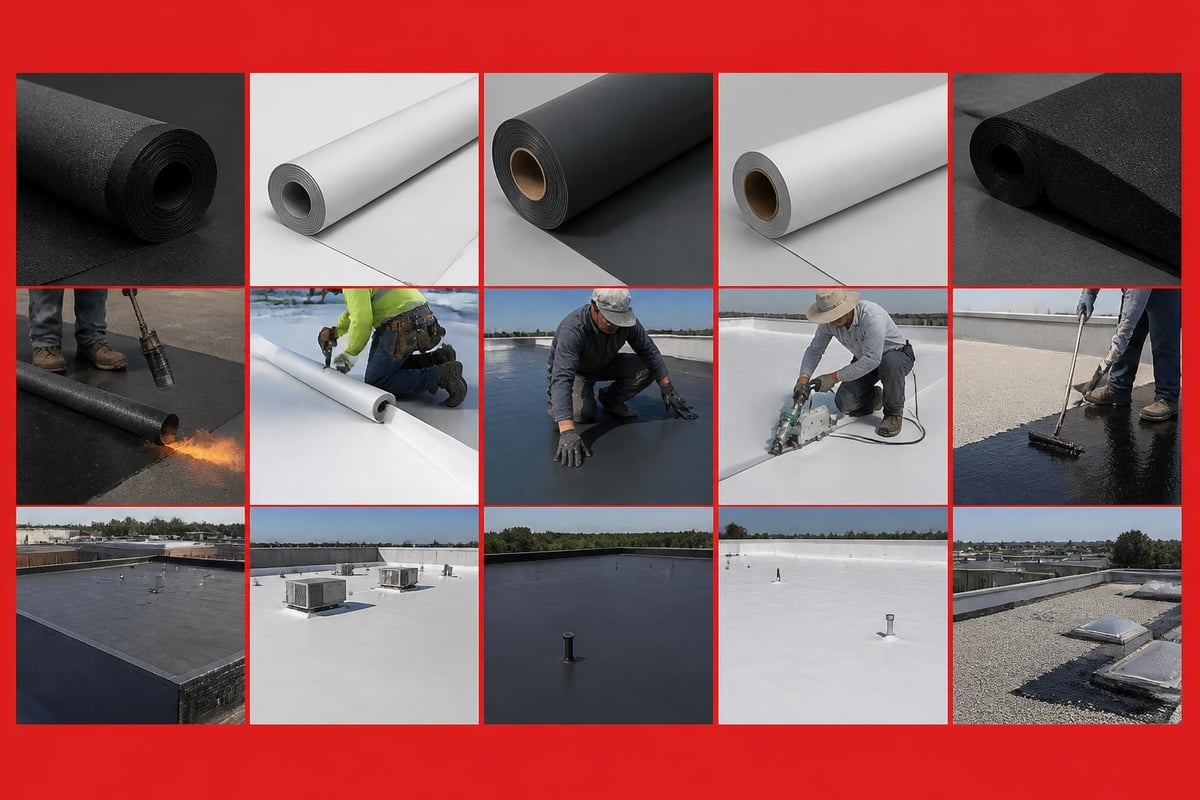
Professional flat roof specialists work with multiple membrane systems, each requiring distinct installation techniques:
- Modified bitumen systems featuring torch-applied or self-adhering layers
- TPO (thermoplastic polyolefin) membranes with heat-welded seams
- EPDM (ethylene propylene diene monomer) rubber roofing
- PVC (polyvinyl chloride) single-ply membranes
- Built-up roofing (BUR) with multiple asphalt and felt layers
Understanding when to recommend each system requires analyzing building usage, budget constraints, and performance expectations. A commercial roofing contractor experienced with flat systems can evaluate these factors to recommend the optimal solution for your specific situation.
Critical Installation Practices That Separate Professionals
Proper installation determines whether a flat roof lasts fifteen years or fails within five. Flat roof experts follow best practices for flat roof assemblies that address the unique challenges these systems face. The most critical consideration involves creating adequate slope for water drainage, even on nominally "flat" surfaces.
Achieving Proper Drainage
Every flat roof requires a minimum slope to direct water toward drains, scuppers, or edge systems. The recommended slope ranges from one-quarter inch per foot to one-half inch per foot, depending on the membrane system and building design. Flat roof experts achieve this slope through several methods:
- Tapered insulation systems that create slope while improving energy efficiency
- Structural framing designed with built-in pitch
- Sleeper systems installed over existing decks
- Lightweight concrete poured to specified slopes
Proper sloping techniques prevent the standing water that causes premature membrane degradation, seam failure, and structural damage. This attention to drainage separates experienced professionals from contractors who treat flat roofs as simple horizontal surfaces.
| Installation Factor | Professional Standard | Common Mistake |
|---|---|---|
| Minimum Slope | 1/4" per foot | Completely level installation |
| Seam Overlap | 6 inches minimum | Insufficient overlap |
| Membrane Adhesion | Full coverage | Spot adhesion only |
| Flashing Height | 8 inches minimum | Inadequate vertical flashing |
| Drain Placement | Low points verified | Assumed locations |
Seam Integrity and Flashing Details
The seams where membrane sections join represent the most vulnerable areas on any flat roof. Flat roof experts understand that seam failure causes the majority of leaks, making proper joining techniques essential. For heat-welded systems like TPO and PVC, this means achieving consistent temperatures and overlap widths throughout the installation process.
Flashing details around penetrations, edges, and parapet walls require equal attention. Professional installers ensure adequate height on vertical surfaces, proper termination bars, and compatible sealants that maintain flexibility through temperature cycles. These details often determine whether a roof performs as designed or develops chronic leak issues.
Maintenance Programs That Extend Roof Lifespan
The difference between a flat roof lasting twenty years versus thirty years often comes down to consistent maintenance. Flat roof experts develop comprehensive maintenance programs that address the specific vulnerabilities of low-slope systems. Regular maintenance practices prevent small issues from escalating into expensive replacements.
Essential Maintenance Components
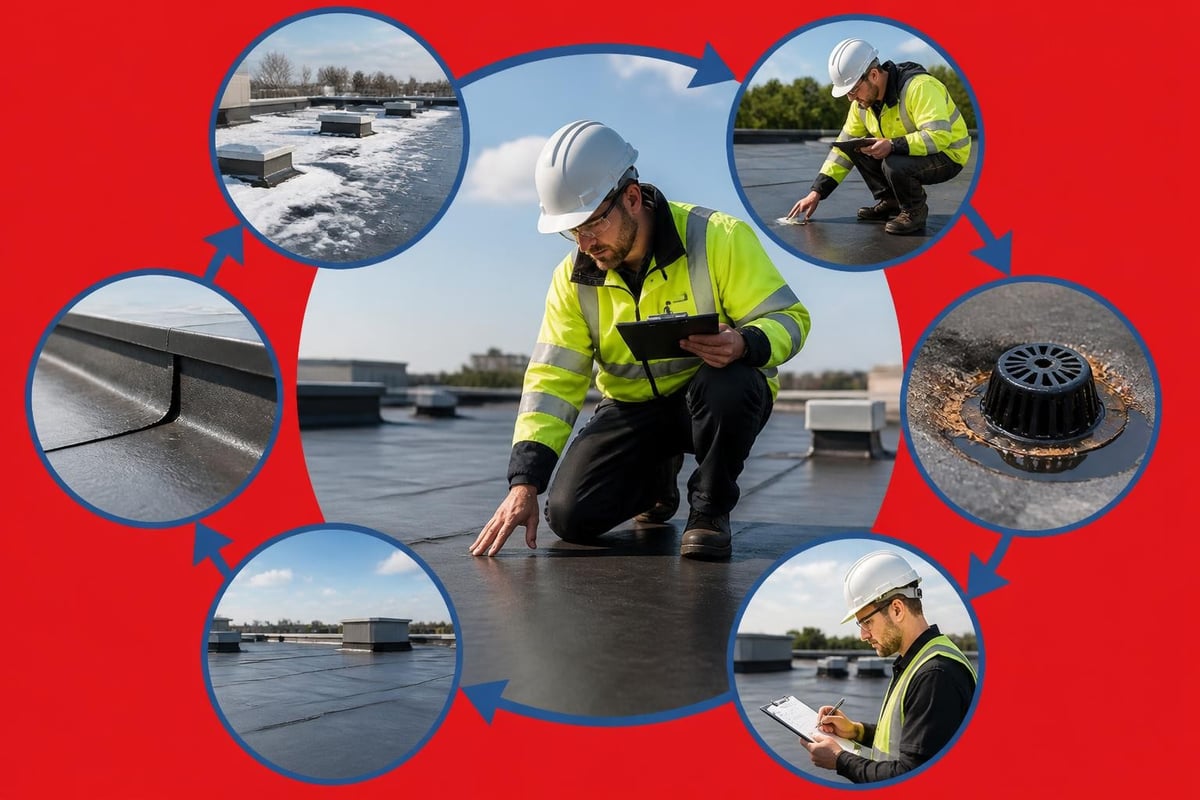
A professional maintenance program includes scheduled inspections and proactive repairs:
- Quarterly drain and scupper inspections to prevent blockages
- Biannual membrane condition assessments checking for punctures, blisters, or deterioration
- Immediate debris removal after storms or seasonal leaf fall
- Seam and flashing evaluations identifying separation before leaks develop
- Ponding water documentation tracking areas that hold water beyond 48 hours
These systematic approaches catch problems early when repairs remain simple and affordable. Working with local roofing experts familiar with your building ensures maintenance schedules align with regional weather patterns and seasonal challenges.
Addressing Common Flat Roof Issues
Experienced flat roof experts recognize warning signs that indicate developing problems. Standing water that persists more than 48 hours after rainfall signals drainage deficiencies requiring correction. Blistering in the membrane surface suggests moisture trapped within the roofing assembly, often indicating inadequate vapor barriers or insulation problems.
Vegetation growth, particularly moss or algae in consistently damp areas, indicates chronic moisture issues. While these biological indicators seem minor, they signal conditions that accelerate membrane degradation. Professional maintenance programs address root causes rather than merely treating symptoms.
Commercial Applications and Building Code Compliance
Commercial flat roof systems must satisfy building codes that address fire resistance, wind uplift, and energy efficiency. Flat roof experts navigate these requirements while balancing performance needs with budget realities. Flat roof design for commercial properties involves coordinating with architects, structural engineers, and building officials to ensure compliant installations.
Fire Rating Requirements
Commercial buildings typically require Class A fire-rated roof assemblies, the highest fire resistance classification. Achieving this rating demands specific combinations of deck materials, insulation types, and membrane systems. Flat roof experts understand which assemblies meet code requirements and how to document compliance through approved testing certifications.
The base materials significantly impact fire ratings. Steel decks with appropriate insulation and approved membranes readily achieve Class A ratings, while wood decks require additional fire-resistant barriers. These technical considerations influence material selection and installation sequencing.
Wind Uplift Resistance
Wind creates suction forces that attempt to lift membranes from the roof deck, particularly at corners, edges, and perimeters. Commercial flat roofs must resist specific wind uplift pressures based on building height, location, and exposure category. Professional installers calculate required attachment densities and select appropriate fastening systems to meet engineering specifications.
| Roof Area | Typical Uplift Zone | Attachment Requirement |
|---|---|---|
| Field | Zone 1 | Standard density |
| Perimeter | Zone 2 | Enhanced density |
| Corners | Zone 3 | Maximum density |
Proper attachment becomes critical in regions experiencing high winds or severe weather. Working with qualified roof installation companies ensures your commercial roof meets engineered wind resistance standards.
Energy Efficiency and Insulation Strategies
Modern flat roofs contribute significantly to building energy performance. Flat roof experts incorporate insulation strategies that reduce heating and cooling costs while preventing condensation problems within the roof assembly. Insulating flat roofs effectively requires understanding heat flow, vapor transmission, and climate-specific requirements.
Warm Roof vs. Cold Roof Design
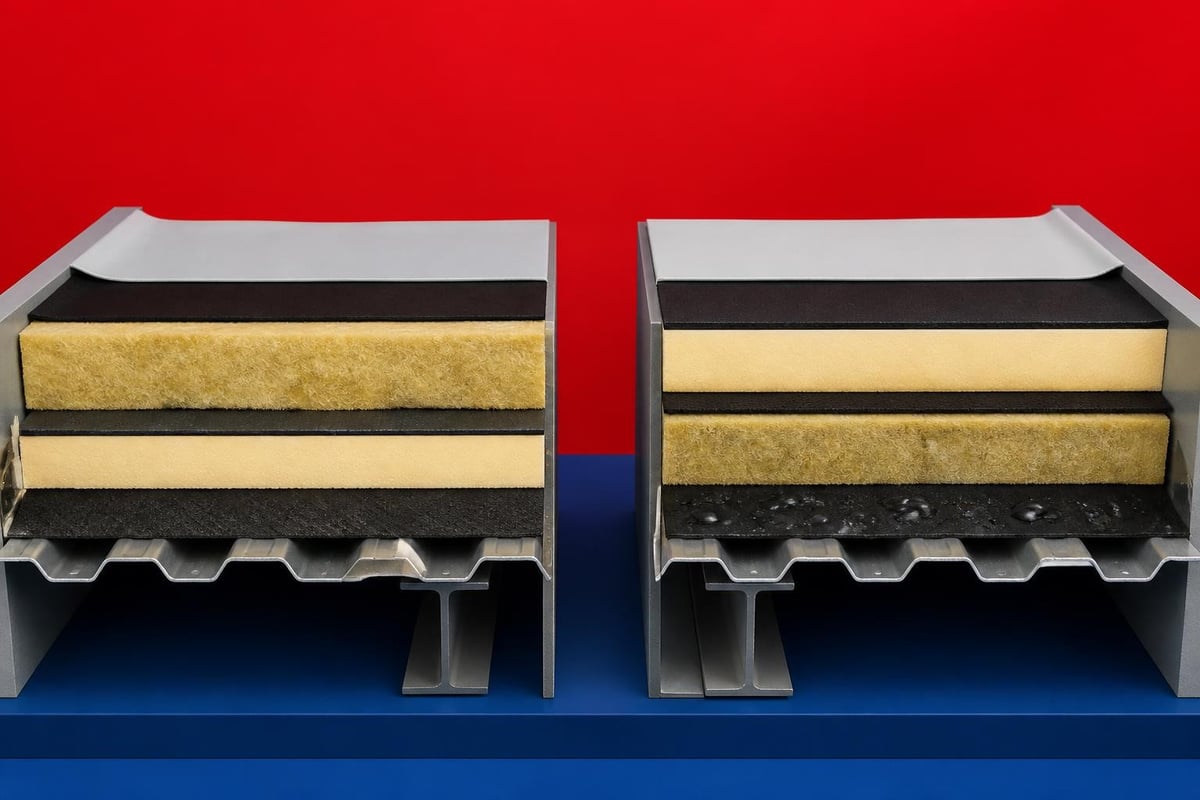
Two fundamental approaches govern flat roof insulation design. Warm roof systems place insulation above the structural deck, keeping the entire assembly at similar temperatures and minimizing condensation risk. This approach simplifies construction and reduces moisture-related failures.
Cold roof systems position insulation between or below structural members, requiring careful vapor barrier placement and ventilation design. While potentially more economical initially, cold roofs demand precise execution to prevent moisture accumulation. Most flat roof experts recommend warm roof assemblies for their reliability and simpler installation requirements.
Key benefits of warm roof design:
- Eliminates condensation within the structural deck
- Reduces thermal bridging through structural members
- Simplifies vapor barrier requirements
- Extends structural component lifespan
- Improves energy efficiency year-round
Reflective Membrane Options
White or light-colored membranes significantly reduce cooling loads in commercial buildings by reflecting solar radiation rather than absorbing heat. TPO and PVC membranes naturally provide high reflectivity, while modified bitumen systems offer reflective cap sheets or coatings. Flat roof experts can calculate potential energy savings to justify premium reflective materials.
Cool roof technologies continue advancing, with some systems achieving solar reflectance values exceeding 80 percent. These high-performance options particularly benefit warehouses, retail centers, and manufacturing facilities with substantial roof areas relative to building volume.
Repair Strategies and Damage Assessment
Even properly installed flat roofs eventually require repairs. Flat roof experts distinguish between minor maintenance issues and damage requiring significant intervention. Early detection through regular inspections allows targeted repairs that extend overall roof life without complete replacement.
Leak Detection and Localization
Unlike pitched roofs where leaks appear directly below damaged areas, flat roof leaks often travel horizontally before penetrating interior spaces. This characteristic makes leak detection challenging without specialized knowledge. Professional flat roof experts use systematic approaches to locate actual damage points:
- Visual membrane inspection identifying obvious punctures or seam failures
- Water testing of suspected areas to confirm leak paths
- Infrared scanning detecting moisture within insulation layers
- Electronic leak detection for problematic cases with hidden damage
Once located, repairs must address not only the immediate damage but also any water-saturated insulation requiring replacement. Comprehensive repairs prevent recurring problems and protect the overall roof investment.
Partial Replacement vs. Complete Restoration
Determining whether to repair, partially replace, or fully restore a flat roof requires professional assessment. Flat roof experts evaluate multiple factors including the extent of damage, remaining membrane life expectancy, and cost-benefit ratios of different approaches.
Isolated damage affecting less than 25 percent of the roof area typically justifies targeted repairs or partial replacement. Widespread deterioration, particularly when the roof approaches its expected lifespan, often makes complete replacement more economical long-term. Professional roof repair services provide honest assessments that align recommendations with actual building needs.
Modified Bitumen Systems for Commercial Applications
Modified bitumen represents one of the most reliable flat roofing systems for commercial applications, combining durability with relatively straightforward installation. Flat roof experts appreciate modified bitumen's proven performance in diverse climate conditions and its tolerance for minor installation variations. The system consists of reinforced asphalt sheets modified with rubber or plastic polymers for enhanced flexibility and longevity.
Installation Methods and Advantages
Three primary installation methods exist for modified bitumen systems. Torch-applied installation uses controlled flame to melt the membrane's underside, creating a waterproof bond. Self-adhering sheets feature factory-applied adhesive protected by release paper. Cold-applied systems use liquid adhesives or mechanical fasteners with specialized plates.
Each method offers specific advantages depending on building characteristics and usage. Torch-applied systems provide exceptional adhesion but require experienced crews to manage fire safety protocols. Self-adhering membranes eliminate open flame concerns, making them ideal for occupied buildings or locations with combustible materials nearby.
Professional bitumen roof repair services understand the nuances of each installation type and can seamlessly integrate repairs with existing systems. This compatibility ensures long-term performance without creating weak points where different materials interact.
| Modified Bitumen Feature | Performance Benefit | Ideal Application |
|---|---|---|
| Multiple ply construction | Enhanced durability | High-traffic roofs |
| Self-healing properties | Puncture resistance | Industrial facilities |
| UV-resistant cap sheets | Extended lifespan | Exposed applications |
| Flexibility retention | Thermal cycling resistance | Variable climates |
Selecting Qualified Flat Roof Contractors
Choosing the right flat roof experts impacts both immediate installation quality and long-term roof performance. Several qualification indicators help identify truly capable contractors from those with limited flat roofing experience. Certifications from membrane manufacturers demonstrate specialized training in specific systems and often include installation warranties available only through certified contractors.
Verification Steps for Contractor Selection
Start by verifying proper licensing and insurance coverage specific to commercial roofing work. General liability insurance should provide substantial coverage limits given the potential costs of flat roof failures. Request references from similar projects, particularly commercial buildings with comparable roof areas and complexity.
Questions to ask prospective contractors:
- How many years have you specialized in flat roofing systems?
- Which membrane systems do you install most frequently?
- What manufacturer certifications does your company hold?
- Can you provide references for similar projects completed within the past three years?
- What warranty coverage do you offer on labor and materials?
- How do you handle ongoing maintenance after installation?
Review actual project portfolios showing completed flat roof installations. Detailed photographs should demonstrate proper flashing details, seam work, and penetration treatments. Finding qualified flat roofers requires thorough vetting, but this diligence prevents costly problems from inadequate installation.
Understanding Warranty Coverage
Flat roof experts offer tiered warranty options reflecting different levels of coverage and duration. Material warranties from manufacturers typically cover membrane defects for fifteen to thirty years, depending on the system selected. These warranties require certified installation to remain valid.
Labor warranties from the installing contractor address workmanship issues separate from material defects. Quality contractors provide labor warranties lasting five to ten years, demonstrating confidence in their installation standards. Some contractors offer comprehensive system warranties combining material and labor coverage under single agreements.
Weather Considerations and Seasonal Planning
Climate conditions significantly impact flat roof performance and installation timing. Flat roof experts understand how temperature, precipitation, and seasonal factors affect both installation processes and long-term roof behavior. Planning installations during optimal weather windows ensures proper adhesion, sealing, and curing of roofing components.
Temperature Requirements for Installation
Most membrane systems specify minimum and maximum temperature ranges for proper installation. Adhesives, sealants, and membrane materials require specific temperatures to achieve design bonding strength. Cold weather below 40 degrees Fahrenheit hampers adhesive performance and makes membranes brittle during handling. Extreme heat above 95 degrees creates installation challenges with accelerated adhesive curing and membrane expansion.
Spring and fall typically offer ideal conditions for flat roof installation in northern climates. These seasons provide moderate temperatures, lower precipitation probability, and sufficient daylight for quality workmanship. Understanding roof lifespan factors includes recognizing how proper installation timing contributes to overall durability.
Storm Damage Response
Severe weather events can damage even well-maintained flat roofs through wind uplift, hail impact, or debris accumulation. Flat roof experts respond quickly to storm damage, performing emergency temporary repairs while scheduling permanent restoration. Immediate action prevents water infiltration from causing secondary damage to insulation, decking, or interior building components.
Documentation becomes critical when insurance claims involve storm damage. Professional contractors photograph damage comprehensively, separate storm-related issues from pre-existing conditions, and provide detailed repair estimates. This thoroughness facilitates efficient storm damage repair services and insurance claim processing.
Protecting your commercial property with a professionally installed and maintained flat roof system requires partnering with experienced specialists who understand the technical complexities these systems demand. The investment in quality materials and expert installation pays dividends through decades of reliable performance and minimal maintenance costs. Whether you need a complete flat roof replacement, ongoing maintenance, or expert repairs, Great Roofing brings family-owned dedication and commercial expertise to every project in the Joliet area, ensuring your building stays protected through all seasons and weather conditions.