


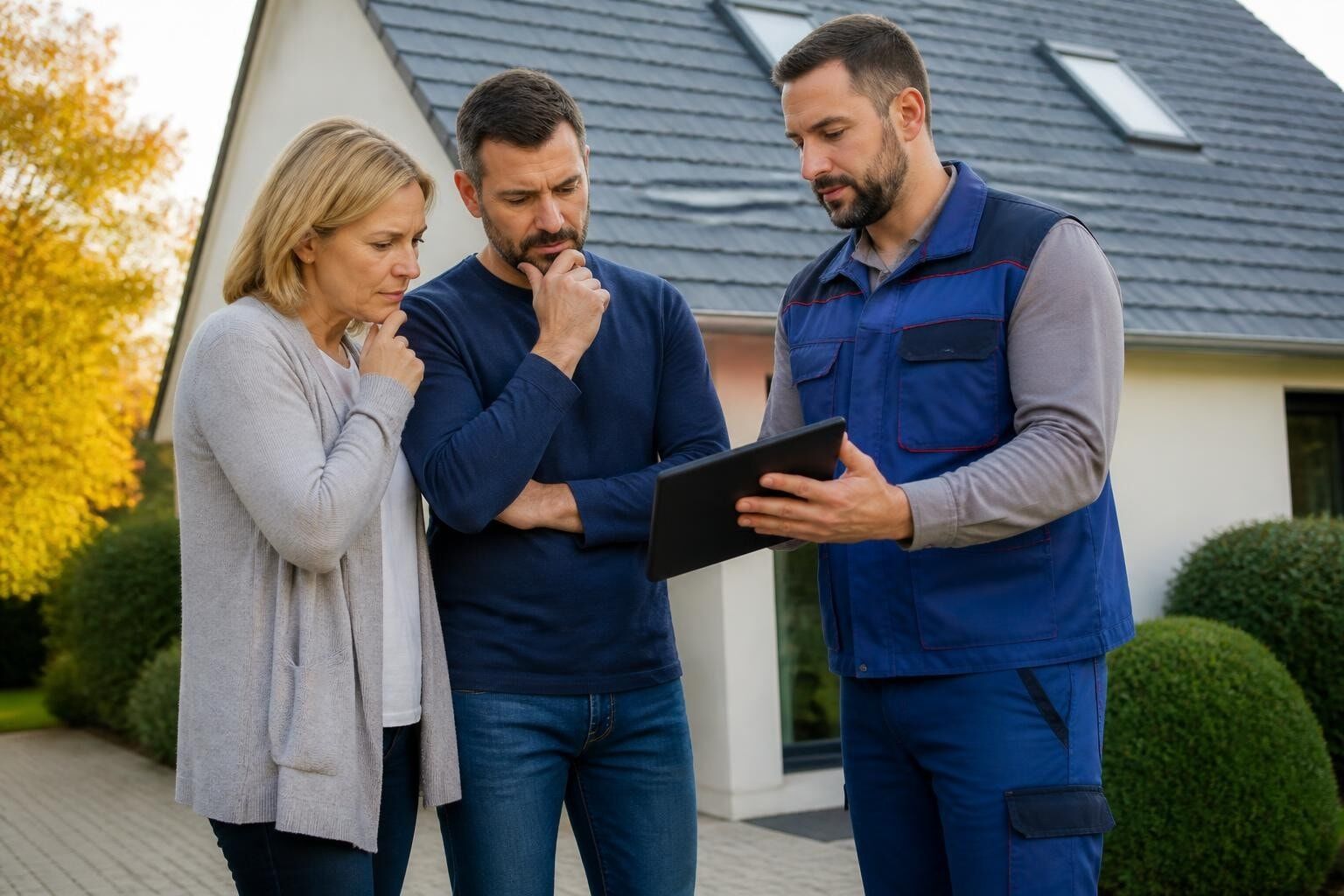
Finding a reliable roofing contractor can feel overwhelming when you're facing a damaged roof or planning a major renovation. Whether you're dealing with storm damage, aging shingles, or planning a complete replacement, selecting the right professional makes all the difference between a durable, long-lasting roof and costly problems down the road. Your go to roofing partner should offer more than just competitive pricing-they should bring expertise, transparency, and a commitment to quality that protects your investment for decades. Understanding what separates exceptional contractors from the rest helps you make informed decisions that safeguard your home or business.
What Makes a Go To Roofing Contractor Stand Out
The roofing industry serves thousands of contractors, but only a select few earn the reputation as a homeowner's go to roofing resource. These professionals distinguish themselves through consistent performance, comprehensive services, and unwavering commitment to customer satisfaction.
Licensing and insurance credentials form the foundation of any reputable contractor. Proper licensing demonstrates compliance with local building codes and industry standards, while comprehensive insurance protects homeowners from liability during projects. Before signing any contract, verify that your contractor carries both general liability and workers' compensation coverage.
Beyond basic credentials, exceptional contractors invest in ongoing education and certifications. Manufacturers like GAF, CertainTeed, and Owens Corning offer certification programs that validate a contractor's expertise with specific product lines. These certifications often unlock extended warranty options and demonstrate a commitment to staying current with installation techniques.
Building a Track Record of Excellence
A contractor's history reveals more than marketing materials ever could. Established companies with years of service in a specific community have proven their ability to deliver consistent results. When evaluating potential contractors, consider these key factors:
- Years in business: Longevity indicates financial stability and customer satisfaction
- Portfolio diversity: Experience across residential and commercial projects demonstrates versatility
- Reference quality: Recent customer testimonials provide insight into current performance standards
- Response time: Quick estimates and clear communication signal professionalism
- Warranty offerings: Comprehensive coverage shows confidence in workmanship
Great Roofing exemplifies these qualities by offering extensive experience across both residential and commercial roofing services, backed by a strong reputation throughout the Joliet area.

Understanding Comprehensive Roofing Services
Your go to roofing contractor should function as a complete exterior solutions partner, not just a shingle installer. Comprehensive service offerings indicate the expertise and resources necessary to handle projects from initial inspection through final cleanup.
Residential Roofing Specialization
Residential projects demand attention to architectural detail, homeowner preferences, and long-term performance. The most trusted contractors offer:
Roof replacement services encompass complete tear-offs, deck inspection and repair, proper ventilation installation, and new roofing material application. According to Consumer Reports’ guidance on shopping for roofing shingles, understanding material quality and warranty terms helps homeowners make informed decisions about this significant investment.
Repair capabilities separate emergency contractors from reliable long-term partners. Storm damage, missing shingles, flashing failures, and leak repairs require diagnostic skills that identify root causes rather than masking symptoms. When navigating roof repair insurance claims, experienced contractors provide documentation and communication that streamlines the process.
Maintenance programs extend roof lifespan through regular inspections, minor repairs, and preventive treatments. A summer roof maintenance checklist helps homeowners understand seasonal care requirements that prevent costly damage.
| Service Type | Typical Timeline | Key Considerations |
|---|---|---|
| Complete Replacement | 2-5 days | Weather dependent, material selection critical |
| Major Repairs | 1-2 days | Immediate action prevents water damage |
| Inspections | 2-4 hours | Annual or bi-annual recommended |
| Emergency Repairs | Same day | Storm damage, active leaks require quick response |
Commercial Roofing Expertise
Commercial properties present unique challenges that require specialized knowledge and equipment. Modified bitumen systems, TPO and EPDM membranes, and built-up roofing demand different installation techniques than residential shingles.
Flat and low-slope roofing dominates commercial construction. These systems rely on waterproof membranes and proper drainage design. The NRCA Roofing Manual provides industry-standard guidelines for commercial roof system design and installation that professional contractors follow.
Building code compliance becomes more complex with commercial projects. Energy codes, fire ratings, and wind uplift requirements vary by jurisdiction and building use. Your go to roofing contractor should navigate these regulations seamlessly while coordinating with building inspectors.
Businesses seeking reliable commercial roofing repair need contractors who minimize operational disruption while delivering durable solutions that protect valuable assets and inventory.
Quality Materials and Installation Standards
Material selection directly impacts roof performance, longevity, and energy efficiency. Your go to roofing partner should guide you through options while explaining the trade-offs between cost, durability, and aesthetic appeal.
Residential Shingle Systems
Asphalt shingles dominate residential roofing due to their versatility, affordability, and proven performance. Modern shingles come in three main categories:
Three-tab shingles offer the most economical option with expected lifespans of 15-20 years. Their uniform appearance suits traditional architectural styles and tight budgets, though they lack the dimensional character of premium options.
Architectural shingles (also called dimensional or laminate shingles) provide enhanced curb appeal and typically last 25-30 years. Multiple layers create shadow lines that mimic traditional wood shakes or slate, while improved materials resist wind damage and algae growth.
Premium designer shingles replicate high-end materials like slate or cedar at a fraction of the cost. These products often include impact ratings that qualify for insurance discounts in hail-prone regions.
Understanding roofing shingle testing and selection criteria helps homeowners evaluate manufacturer claims and warranty terms before making decisions. When researching Joliet roof replacement costs, material choice significantly impacts total project investment.
Commercial Membrane Technologies
Commercial roofing technology has evolved dramatically over the past two decades. Modern membranes offer superior performance compared to traditional built-up roofing:
- TPO (Thermoplastic Polyolefin): Heat-welded seams, excellent UV resistance, energy-efficient white surface
- EPDM (Rubber roofing): Proven durability, cost-effective, suitable for various climates
- Modified Bitumen: Enhanced traditional asphalt with polymer modifiers for flexibility
- PVC: Chemical resistance, fire rating, ideal for restaurants and facilities with equipment
Energy efficiency has become a priority for commercial property owners. The Cool Roof Rating Council’s program provides standardized ratings for solar reflectance and thermal emittance, helping building owners evaluate products that reduce cooling costs and qualify for energy incentives.
Installation Excellence and Industry Standards
Even premium materials fail when installed improperly. Your go to roofing contractor should follow manufacturer specifications and industry best practices on every project, regardless of size or complexity.
Critical Installation Components
Deck preparation determines long-term performance. Contractors must inspect and repair damaged decking, ensure proper fastener patterns, and verify adequate ventilation before installing new materials. Building Science Corporation’s residential best practices outline moisture control and ventilation requirements that prevent premature failure.
Underlayment selection has evolved beyond basic felt paper. Synthetic underlayments offer superior tear resistance and water protection, while ice and water shield protects vulnerable areas like eaves, valleys, and penetrations. Climate and roof pitch dictate appropriate underlayment choices.
Flashing details prevent the majority of roof leaks. Proper installation around chimneys, skylights, walls, and valleys requires precision cutting, proper overlap, and compatible materials. Step flashing, counter-flashing, and valley treatments follow specific patterns that channel water away from vulnerable areas.
Quality Control Measures
Professional contractors implement systematic quality control throughout projects:
- Pre-installation inspection: Document existing conditions, identify structural concerns
- Material verification: Confirm correct products, quantities, and specifications
- Installation monitoring: Supervise crews, verify adherence to standards
- Interim inspections: Check critical stages before concealment
- Final walkthrough: Review completed work, address punch-list items
- Post-installation follow-up: Schedule warranty activation, provide maintenance guidance
These steps ensure consistent results that meet manufacturer requirements for warranty activation and comply with local building codes.
Energy Efficiency and Environmental Considerations
Modern roofing decisions increasingly factor in environmental impact and operational costs. Your go to roofing contractor should discuss energy-efficient options that reduce utility expenses while contributing to sustainability goals.
Cool Roofing Technologies
Reflective roofing materials reduce heat absorption, lowering cooling costs and extending material lifespan. The EPA’s guidance on using cool roofs explains how these systems reduce urban heat island effects while benefiting individual property owners.
Solar reflectance measures the percentage of sunlight bounced back into the atmosphere rather than absorbed as heat. Light-colored shingles, metal roofing, and white commercial membranes achieve significantly higher reflectance than traditional dark materials.
Thermal emittance indicates how efficiently a material releases absorbed heat. High-emittance products cool faster after sunset, reducing nighttime cooling loads. The combination of reflectance and emittance determines a material's overall cooling performance.
| Roofing Material | Solar Reflectance | Thermal Emittance | Cooling Benefit |
|---|---|---|---|
| Dark asphalt shingles | 5-15% | 85-90% | Baseline |
| Light-colored shingles | 25-40% | 85-90% | Moderate |
| White TPO membrane | 70-85% | 85-90% | Excellent |
| Metal roofing (white) | 60-70% | 25-85% | Very good |
Sustainable Practices
Beyond material selection, installation practices impact environmental footprint. Responsible contractors prioritize:
- Material recycling: Asphalt shingles can be recycled into road base and other products
- Waste reduction: Accurate material ordering minimizes excess
- Local sourcing: Regional suppliers reduce transportation emissions
- Longevity focus: Durable installations reduce replacement frequency
These practices align with growing homeowner interest in sustainable building practices without compromising performance or aesthetics.
Warranty Protection and Long-Term Value
Comprehensive warranty coverage protects your roofing investment against manufacturing defects and installation errors. Understanding warranty terms helps you evaluate contractor proposals and anticipate long-term protection.
Manufacturer Material Warranties
Shingle manufacturers offer tiered warranty structures based on product lines:
Basic warranties cover manufacturing defects for 10-25 years, with prorated coverage that decreases value over time. These warranties require proper installation and maintenance but protect against premature material failure.
Enhanced warranties extend coverage periods to 30-50 years and may include non-prorated periods where replacement costs are fully covered. These premium warranties often require certified installer status and may include additional protections for wind damage or algae resistance.
System warranties cover all components when contractors use compatible products from a single manufacturer. Underlayment, starter strips, ridge caps, and ventilation components must meet specifications to activate comprehensive coverage.
Workmanship Guarantees
Contractor workmanship warranties protect against installation errors separate from material defects. Quality contractors typically offer:
- Standard workmanship warranties: 2-5 years covering installation defects
- Extended workmanship coverage: 10-25 years through manufacturer programs
- Leak guarantees: Specific protection against water infiltration
- Transferable coverage: Warranties that pass to new property owners
When comparing affordable roofing options, consider total cost of ownership including warranty coverage rather than focusing solely on initial installation price.
Navigating the Selection Process
Choosing your go to roofing contractor requires systematic evaluation of multiple factors. Rushing decisions or focusing exclusively on price often leads to disappointment and additional costs.
Getting Accurate Estimates
Professional estimates should provide detailed breakdowns of:
- Material specifications: Brand, style, color, warranty coverage
- Labor scope: Tear-off, repairs, installation, cleanup
- Additional components: Underlayment, ventilation, flashing details
- Timeline: Start date, duration, weather contingencies
- Payment terms: Deposit, progress payments, final balance
Avoid contractors who pressure immediate decisions or require large upfront deposits. Reputable professionals understand that significant investments require thoughtful consideration.
Verifying Credentials and References
Due diligence protects against fraud and ensures contractor capability:
- Request license numbers and verify with state/local authorities
- Confirm insurance coverage with certificates of insurance
- Check Better Business Bureau ratings and complaint history
- Contact recent customers for candid feedback
- Review online ratings while recognizing that extreme reviews may not represent typical experiences
Local contractors serving specific service areas often provide more responsive service and stronger accountability than companies that cover excessive territories.
Understanding Contract Terms
Written contracts should clearly specify all aspects of the project before work begins. Essential contract elements include:
Scope definition detailing exactly what work will be performed, what materials will be used, and what is excluded from the agreement. Ambiguous contracts create disputes when expectations don't match deliverables.
Timeline commitments with reasonable allowances for weather delays. While contractors can't control precipitation, they should communicate delays promptly and adjust schedules accordingly.
Payment schedule tied to project milestones rather than arbitrary dates. Standard practice includes a modest deposit, progress payments at specific completion points, and final payment upon satisfactory completion.
Warranty documentation specifying both material and workmanship coverage, including activation requirements and maintenance obligations.
Seasonal Considerations and Project Timing
Roofing projects face weather-dependent constraints that affect scheduling and performance. Understanding seasonal factors helps you plan projects strategically.
Optimal Installation Seasons
Spring and fall offer ideal conditions for most roofing projects. Moderate temperatures allow proper shingle sealing, while stable weather patterns minimize delays. However, these peak seasons often mean longer lead times as contractors manage full schedules.
Summer installations proceed quickly in warm weather, though extreme heat creates challenging working conditions and may affect material handling. Asphalt shingles become pliable in high temperatures, requiring careful foot traffic management.
Winter projects remain possible in many regions, though cold temperatures slow shingle sealing and increase material brittleness. Modified installation techniques and specific products designed for cold weather enable successful winter installations when necessary.
Emergency Situations
Storm damage and sudden leaks don't respect seasonal preferences. Your go to roofing contractor should offer emergency services for situations requiring immediate attention:
- Temporary tarping to prevent additional water damage
- Emergency leak repairs to protect interiors
- Insurance documentation support
- Priority scheduling for permanent repairs
Research from Home Innovation Research Labs shows that construction practices continue evolving, with contractors adopting new products and techniques that improve all-weather performance.
Community Reputation and Local Expertise
Local contractors understand regional climate challenges, building codes, and architectural preferences that national chains may overlook. This knowledge translates into better material recommendations and installation practices suited to your specific location.
Regional Climate Adaptations
Joliet's climate presents specific challenges that experienced contractors address through proper system design:
- Ice dam prevention: Adequate attic insulation and ventilation prevent heat loss that melts snow, creating ice dams
- Wind resistance: Proper fastener patterns and starter strip installation withstand severe weather events
- Thermal cycling: Materials must accommodate expansion and contraction from temperature swings
- Moisture management: Proper drainage and ventilation prevent condensation and water damage
Contractors familiar with Joliet roof replacement understand these factors and design systems accordingly.
Building Long-Term Relationships
Establishing a relationship with a trusted contractor provides ongoing benefits:
Regular maintenance becomes simpler when contractors familiar with your roof provide annual inspections and minor repairs. This continuity ensures consistent care and early problem detection.
Future projects benefit from existing knowledge of your property's construction, previous work, and specific requirements. Whether planning siding installation or roof and gutter projects, working with familiar professionals streamlines planning and execution.
Emergency response improves when contractors prioritize existing customers during storm events and high-demand periods. Established relationships often mean faster response when urgent situations arise.
The value of identifying your go to roofing partner extends far beyond a single project, creating a resource you can trust for decades of property ownership.
Selecting the right roofing contractor protects one of your most significant investments while ensuring decades of reliable performance. By evaluating credentials, understanding service capabilities, and prioritizing quality over price alone, you establish a partnership that serves your property's needs through regular maintenance, unexpected repairs, and eventual replacement. Great Roofing brings family-owned dedication and comprehensive expertise to every project throughout the Joliet area, offering the professional guidance and quality workmanship that defines a true go to roofing resource. Contact our team today to discuss your roofing needs and discover the difference that experience and commitment make.