

Investing in good roofing is one of the most critical decisions property owners make, whether for residential homes or commercial buildings. The roof serves as the primary defense against weather elements, protects structural integrity, and significantly impacts energy efficiency and property value. Understanding what constitutes quality roofing systems, from material selection to installation practices, empowers property owners to make informed decisions that deliver long-term performance and cost-effectiveness. This comprehensive guide explores the key factors that define excellence in roofing systems and helps you recognize the hallmarks of superior workmanship.
Understanding Quality Roofing Materials
The foundation of good roofing starts with selecting appropriate materials for your specific climate, building type, and budget requirements. Different roofing materials offer distinct advantages in durability, weather resistance, and aesthetic appeal.
Residential Shingle Systems
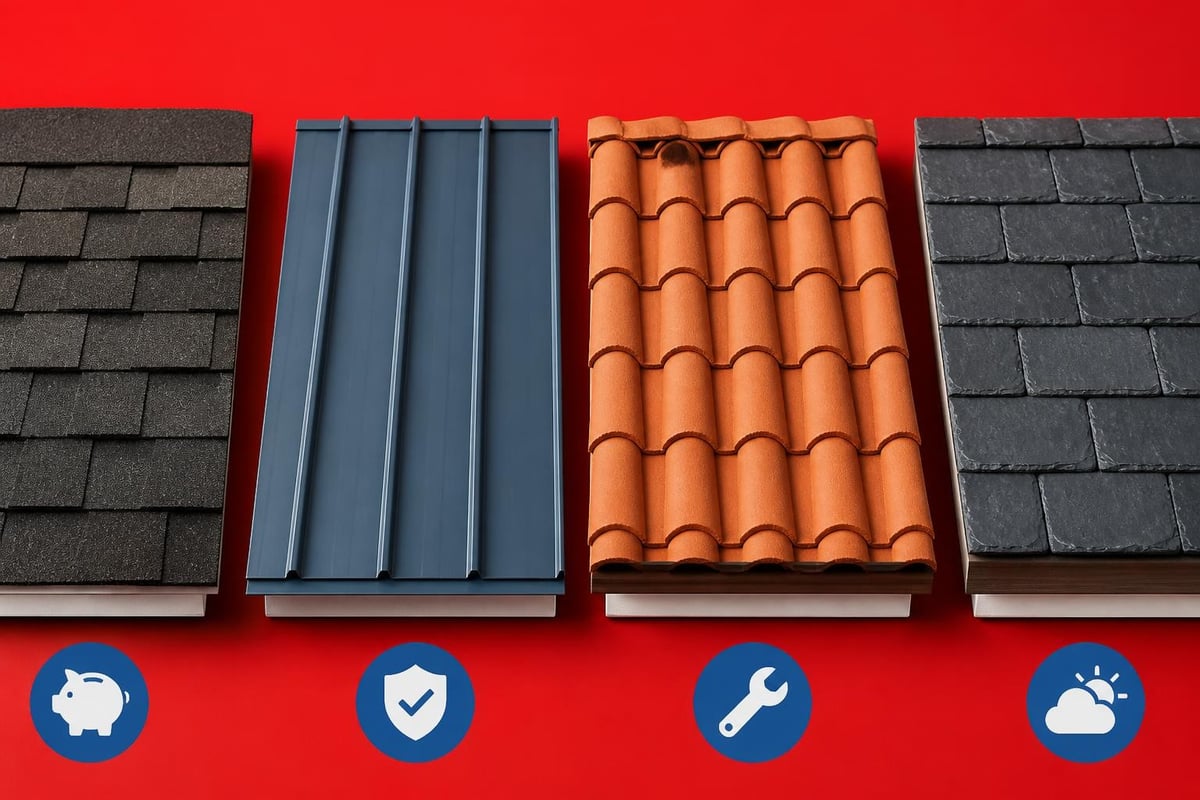
Asphalt shingles remain the most popular choice for residential applications across the United States, combining affordability with reliable performance. Architectural shingles provide enhanced dimensional appearance and typically offer 25-30 year warranties, while premium options extend to 50 years or more.
Key characteristics of quality asphalt shingles include:
- Heavy weight per bundle (indicating thicker construction)
- Fiberglass mat reinforcement for dimensional stability
- Algae-resistant granules in humid climates
- Enhanced wind resistance ratings (typically Class H for high winds)
- Strong manufacturer warranties with comprehensive coverage
The comparison of roofing materials reveals that while asphalt shingles offer excellent value, homeowners should consider factors like climate conditions, architectural style, and long-term maintenance requirements when making selections.
Commercial Roofing Solutions
Commercial properties require different approaches to achieve good roofing performance. Modified bitumen systems provide exceptional durability for low-slope and flat applications, featuring multiple layers of asphalt-based materials reinforced with polyester or fiberglass.
| Roofing Type | Typical Lifespan | Best Application | Maintenance Level |
|---|---|---|---|
| Modified Bitumen | 15-20 years | Commercial flat roofs | Moderate |
| TPO/EPDM | 20-30 years | Low-slope commercial | Low |
| Built-Up Roofing | 15-25 years | Industrial buildings | Moderate-High |
| Metal Panel Systems | 30-50 years | Commercial/Industrial | Low |
Working with experienced commercial roofing contractors ensures proper material selection and installation techniques specific to commercial applications.
Installation Excellence: The Mark of Good Roofing
Even premium materials fail to deliver optimal performance without proper installation. Good roofing depends heavily on skilled workmanship, attention to detail, and adherence to manufacturer specifications and building codes.
Critical Installation Components
Underlayment systems form the secondary water barrier beneath visible roofing materials. Quality installations use synthetic underlayment in most applications, providing superior tear resistance and longer exposure periods compared to traditional felt paper.
Professional installers focus on these essential elements:
- Proper deck preparation including surface cleaning and repair
- Ice and water shield application at vulnerable areas (valleys, eaves, penetrations)
- Correct fastener placement following manufacturer nailing patterns
- Adequate ventilation systems balancing intake and exhaust
- Meticulous flashing installation at all roof transitions and penetrations
- Quality edge metal properly secured and sealed
The details matter significantly when ensuring waterproof roof performance that withstands harsh weather conditions year after year.
Ventilation and Attic Health
Good roofing extends beyond visible surface materials to include proper ventilation systems that regulate temperature and moisture levels. Balanced ventilation prevents premature material degradation, ice dam formation, and excessive energy costs.
Ridge vents combined with soffit intake vents create continuous airflow, typically requiring 1 square foot of ventilation per 150 square feet of attic space. Power ventilators may supplement natural ventilation in larger or complex roof designs.
Temperature and moisture management directly impacts roof lifespan, making ventilation assessment a critical component of any roofing evaluation or replacement project.
Material-Specific Quality Indicators
Different roofing materials demonstrate quality through distinct characteristics that trained professionals recognize during installation and inspection processes.
Evaluating Shingle Quality
Premium asphalt shingles exhibit specific features that separate them from economy-grade products. The detailed breakdown of residential roofing materials emphasizes weight, warranty coverage, and wind resistance ratings as primary quality indicators.
Dimensional shingles should display:
- Consistent color blending without obvious pattern repetition
- Tight sealing of adhesive strips in warm weather
- Minimal granule loss during installation
- Uniform thickness across the entire shingle
- Clear manufacturer markings and date codes
Choosing residential shingles from reputable manufacturers ensures product consistency and reliable warranty support throughout the material's service life.
Modified Bitumen System Quality
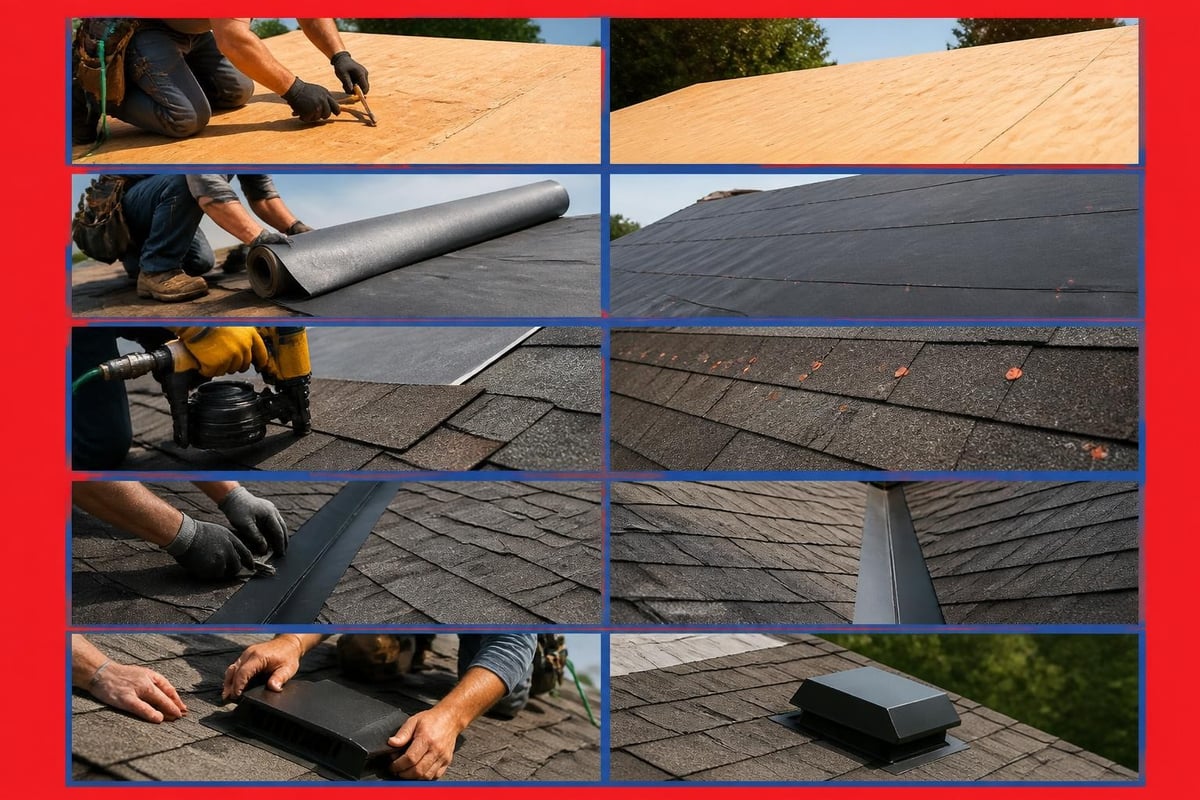
Commercial modified bitumen systems require specialized installation knowledge to achieve good roofing performance. These multi-ply systems use torch application, hot asphalt, or cold adhesive methods depending on project specifications.
Quality installations feature:
- Complete adhesion between all membrane layers
- Proper overlap dimensions at seams (typically 3-6 inches)
- Sealed edges at all terminations and penetrations
- Reinforced corners at curbs and equipment supports
- Adequate drainage slope (minimum 1/4 inch per foot)
Understanding bitumen roof repair techniques helps property managers maintain these durable commercial systems effectively.
Contractor Selection and Quality Assurance
The expertise and integrity of your roofing contractor significantly influences final system quality. Good roofing outcomes depend on partnering with experienced professionals who prioritize workmanship over shortcuts.
Identifying Quality Contractors
Licensed and insured contractors provide essential protection for property owners, covering potential installation errors and worker injuries. Verify current insurance certificates directly with insurance carriers rather than accepting photocopies.
Professional roofing contractors demonstrate:
- Extensive local references from recent projects
- Manufacturer certifications for installed products
- Written warranties covering labor and materials
- Detailed project contracts specifying all work scope
- Clear communication throughout project duration
- Proper safety equipment and protocols
Researching top roofing companies in your area helps identify contractors with proven track records and customer satisfaction.
Project Documentation Standards
Quality-focused contractors provide comprehensive documentation before, during, and after installation. This includes detailed estimates, material specifications, work schedules, and warranty information.
| Document Type | Purpose | Retention Period |
|---|---|---|
| Written Estimate | Cost transparency | Until project completion |
| Material Specifications | Product verification | Permanent file |
| Installation Photos | Quality documentation | Permanent file |
| Warranty Documents | Coverage verification | Full warranty term |
| Final Invoice | Payment record | 7+ years |
Maintaining organized project documentation supports future maintenance, repairs, and potential warranty claims throughout the roof's service life.
Maintenance Practices for Long-Term Performance
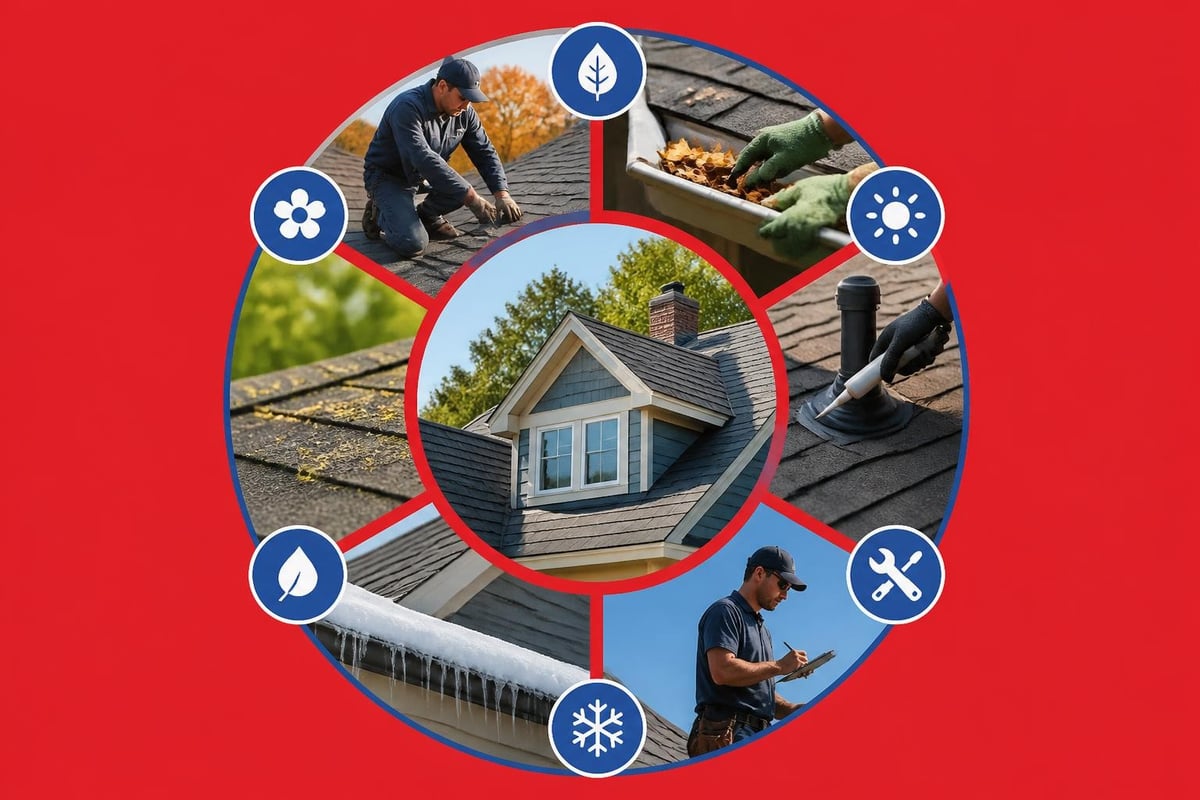
Good roofing requires ongoing maintenance to achieve optimal lifespan and performance. Regular inspections and preventive maintenance identify minor issues before they escalate into costly repairs.
Residential Roof Maintenance
Biannual inspections (spring and fall) allow homeowners to assess roof condition and address potential problems proactively. Focus areas include shingle integrity, flashing condition, gutter function, and ventilation performance.
Recommended maintenance activities include:
- Clearing debris from roof surfaces and gutters
- Checking for lifted, cracked, or missing shingles
- Inspecting flashing around chimneys and vents
- Verifying proper attic ventilation and insulation
- Addressing minor repairs promptly
Professional residential roof maintenance services provide thorough evaluations and expert repairs that extend system lifespan significantly.
Storm Damage Assessment
Weather events can compromise even the best roofing systems. Prompt post-storm inspections identify damage that may not be immediately visible from ground level but can lead to water intrusion and structural problems.
Hail damage appears as bruising on shingles, dented flashing, or granule loss. Wind damage manifests through lifted shingles, torn membranes, or displaced edge metal. Understanding storm damage repair services helps property owners respond appropriately after severe weather.
The comprehensive overview of roofing materials demonstrates how different products respond to various weather conditions, informing both material selection and maintenance strategies.
Energy Efficiency and Good Roofing
Modern roofing systems contribute significantly to building energy efficiency through reflective surfaces, proper insulation integration, and ventilation design. These features reduce heating and cooling costs while improving interior comfort.
Cool Roofing Technologies
Reflective shingles incorporate specially designed granules that reflect solar radiation, reducing surface temperatures by 10-15 degrees compared to standard products. This technology particularly benefits properties in warm climates with high cooling demands.
Energy-efficient roofing characteristics include:
- High solar reflectance values (SRI ratings above 25)
- Light color options for maximum heat reflection
- Integrated radiant barriers in attic spaces
- Proper insulation levels meeting or exceeding code requirements
- Sealed air leaks preventing conditioned air loss
These features combine to create good roofing systems that deliver environmental and financial benefits throughout their service life.
Insulation Integration
The relationship between roofing and attic insulation directly impacts energy performance. Modern building codes specify minimum R-values based on climate zones, with higher values recommended for optimal efficiency.
Proper installation maintains insulation effectiveness by:
- Preventing compression that reduces R-value
- Ensuring continuous coverage without gaps
- Installing baffles to maintain ventilation channels
- Sealing penetrations and bypass routes
- Addressing thermal bridging at framing members
The material comparison resources highlight how different roofing products contribute to overall thermal performance and energy efficiency goals.
Cost Considerations and Value Assessment
Understanding the relationship between upfront investment and long-term value helps property owners make informed decisions about good roofing systems. Initial costs represent only one component of total ownership expenses.
Lifecycle Cost Analysis
Total cost of ownership includes installation expenses, maintenance requirements, energy impacts, and replacement frequency over extended timeframes. Premium materials often deliver superior value despite higher initial costs.
Consider these cost factors:
- Installation labor and material expenses
- Expected service life before replacement
- Annual maintenance and repair costs
- Energy efficiency impacts on utility bills
- Warranty coverage and claim processes
- Property value enhancement
The detailed roofing materials comparison chart provides valuable data for calculating lifecycle costs across different product categories.
Insurance and Warranty Protection
Comprehensive coverage protects your roofing investment against unexpected damage and material defects. Good roofing contractors help property owners navigate roof replacement insurance claims and manufacturer warranty processes.
Manufacturer warranties typically cover:
| Coverage Type | Duration | Protected Elements |
|---|---|---|
| Material Defects | 25-50 years | Manufacturing flaws |
| Wind Resistance | 10-15 years | Storm damage (limited) |
| Algae Resistance | 10-25 years | Discoloration prevention |
Contractor labor warranties should extend minimum 2-5 years, covering installation workmanship separate from material warranties.
Climate-Specific Roofing Considerations
Regional weather patterns significantly influence material selection and installation techniques for good roofing performance. Properties in Joliet and surrounding areas experience temperature extremes, significant precipitation, and occasional severe storms requiring durable, weather-resistant systems.
Cold Climate Requirements
Ice dam prevention becomes critical in regions experiencing freezing temperatures and snow accumulation. Proper attic insulation, ventilation, and ice-water shield application at eaves protect against water backup and interior damage.
Cold climate roofing specifications include:
- Enhanced ice-water shield coverage (minimum 3-6 feet from eaves)
- Self-sealing shingles rated for low-temperature application
- Metal drip edge and proper flashing details
- Adequate attic ventilation preventing warm air accumulation
- High-quality underlayment providing secondary protection
Working with local roofing companies familiar with regional climate challenges ensures appropriate material selection and installation techniques.
Wind and Storm Resistance
Severe weather events test roofing system integrity through high winds, hail, and driving rain. Good roofing in storm-prone areas requires enhanced fastening, impact-resistant materials, and robust flashing systems.
Impact-resistant shingles (Class 4 rated) withstand hail damage better than standard products, often qualifying for insurance discounts. Proper installation following manufacturer specifications ensures rated wind resistance performance during severe storms.
Understanding wind damage roof repair processes helps property owners respond effectively after weather events while maintaining comprehensive protection.
Professional Installation Versus DIY Approaches
While minor repairs may suit experienced DIY enthusiasts, complete roof installations require professional expertise to ensure good roofing performance, safety compliance, and warranty validity.
Professional Installation Benefits
Licensed contractors bring specialized knowledge, proper equipment, and insurance protection that homeowners cannot replicate. Manufacturer warranties typically require professional installation to maintain coverage validity.
Professional services include:
- Accurate material quantity calculations
- Proper safety equipment and protocols
- Code compliance verification
- Manufacturer specification adherence
- Multi-year labor warranties
- Efficient project completion
The expertise provided by roof installation companies ensures systems perform as designed throughout their expected service life.
When to Call Professionals
Even property owners comfortable with basic maintenance should recognize situations requiring professional intervention. Complex repairs, extensive damage, and complete replacements exceed DIY capabilities and risk serious injury or property damage.
Contact professional contractors for:
- Multiple damaged shingles or large affected areas
- Flashing failures around chimneys or skylights
- Sagging roof decking or structural concerns
- Complete roof replacement projects
- Commercial roofing systems of any type
- Steep-slope applications exceeding safe DIY access
Finding reliable roof repair services ensures qualified professionals address problems correctly the first time.
Achieving good roofing requires careful material selection, professional installation, and ongoing maintenance commitment. Understanding quality indicators, contractor selection criteria, and climate-specific requirements empowers property owners to make informed decisions protecting their most significant investment. Whether you need residential shingle replacement, commercial modified bitumen systems, or comprehensive exterior services, Great Roofing delivers the expertise and workmanship Joliet property owners trust for lasting performance and peace of mind.