


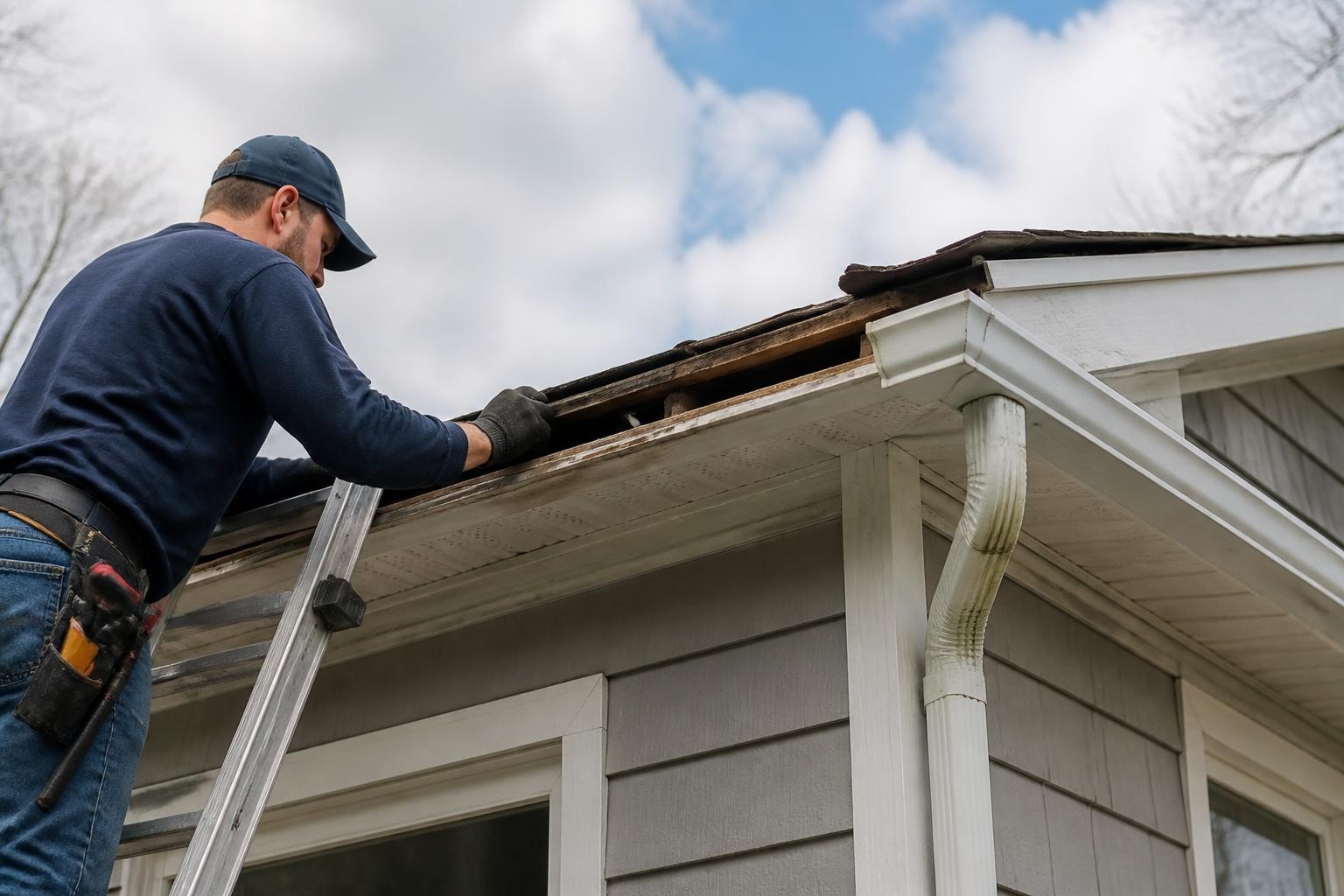
Your home's gutter system plays a critical role in protecting your foundation, siding, and landscaping from water damage. When gutters fail, the consequences can be expensive, ranging from basement flooding to structural deterioration. While regular maintenance can extend the life of your gutters, there comes a point when repair is no longer sufficient, and full gutters replacement becomes necessary. Understanding the warning signs, material options, and installation process helps homeowners make informed decisions that protect their investment for years to come.
Recognizing When Gutters Replacement Is Necessary
The average gutter system lasts between 20 and 30 years, but several factors can shorten this lifespan significantly. Harsh weather conditions, poor installation, and inadequate maintenance all contribute to premature gutter failure.
Visible Damage and Deterioration
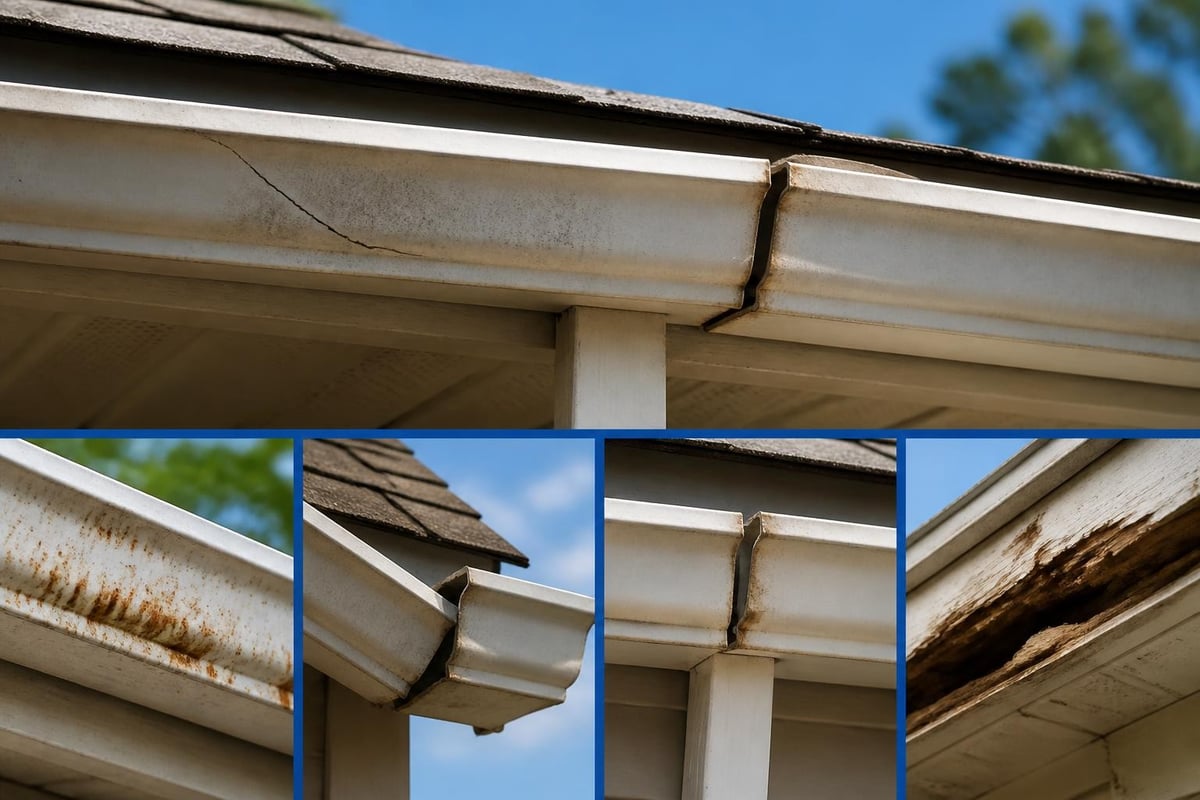
Physical damage serves as the most obvious indicator that gutters replacement should be considered. Cracks, holes, and rust spots indicate that the material has degraded beyond the point where simple patching will suffice. When you notice multiple areas of damage along the same gutter run, replacing the entire section becomes more cost-effective than attempting piecemeal repairs.
Sagging gutters represent another critical warning sign. This occurs when the fascia boards have weakened or when the hangers have pulled away from the house. According to experts who outline eight clear warning signs that gutters need replacement, persistent sagging despite re-securing hangers indicates structural problems that require full replacement.
Common physical damage indicators include:
- Visible cracks or splits in gutter sections
- Rust holes or corrosion patches
- Separated seams that leak consistently
- Gutters pulling away from the roofline
- Bent or damaged gutter sections after storm events
Water Damage Around Your Property
Even when gutters appear intact, their performance tells the real story. Water stains on your siding, peeling paint near the roofline, or pooling water around your foundation all suggest that your gutters are no longer directing water away from your home effectively.
Basement moisture or flooding often traces back to failing gutters. The HUD guide on moisture-resistant homes emphasizes that properly functioning gutters and downspouts are essential components of whole-house moisture management. When gutters overflow or leak, water accumulates near foundation walls, eventually finding its way into basements and crawl spaces.
| Water Damage Location | Likely Gutter Problem | Replacement Priority |
|---|---|---|
| Foundation cracks | Overflow or improper slope | High |
| Basement seepage | Downspouts too close to foundation | High |
| Fascia rot | Back-pitch or clogged gutters | High |
| Siding stains | Leaking seams or holes | Medium |
| Landscape erosion | Missing or damaged sections | Medium |
Understanding Gutters Replacement Material Options
Selecting the right material for your gutters replacement project involves balancing durability, aesthetics, maintenance requirements, and budget. Each material offers distinct advantages and limitations that homeowners should evaluate carefully.
Aluminum Gutters: The Popular Choice
Aluminum dominates the residential gutter market for good reason. This lightweight material resists rust, comes in numerous colors, and offers excellent value. Seamless aluminum gutters, formed on-site to match your home's exact measurements, eliminate many leak points that plague sectional systems.
The thickness of aluminum gutters matters significantly. Standard residential gutters use .027-inch or .032-inch aluminum. The heavier gauge provides better resistance to denting and holds up longer in areas with heavy snowfall or frequent hail. Many roofing and siding contractors recommend the thicker option for comprehensive exterior protection.
Copper and Steel: Premium Alternatives
Copper gutters represent the premium end of the market, offering unmatched longevity and distinctive appearance. While the initial investment is substantial, copper gutters can last 50 years or more with minimal maintenance. The natural patina that develops over time appeals to homeowners seeking a traditional or upscale aesthetic.
Steel gutters, whether galvanized or stainless, provide exceptional strength. They handle heavy water flow better than aluminum and resist damage from falling branches or ladder impacts. However, galvanized steel eventually rusts, particularly in coastal environments, requiring more frequent replacement than aluminum or copper alternatives.
Material comparison for gutters replacement:
- Aluminum: 20-30 year lifespan, moderate cost, rust-resistant, lightweight
- Copper: 50+ year lifespan, premium cost, no rust, develops patina
- Galvanized Steel: 20-25 year lifespan, moderate cost, very strong, eventual rust
- Vinyl: 10-15 year lifespan, lowest cost, cracks in cold climates
Gutter Profiles and Styles
Beyond material selection, the profile or style of your gutters affects both function and appearance. Different gutter profiles offer varying capacities and aesthetic qualities that should align with your home's architecture and regional rainfall patterns.
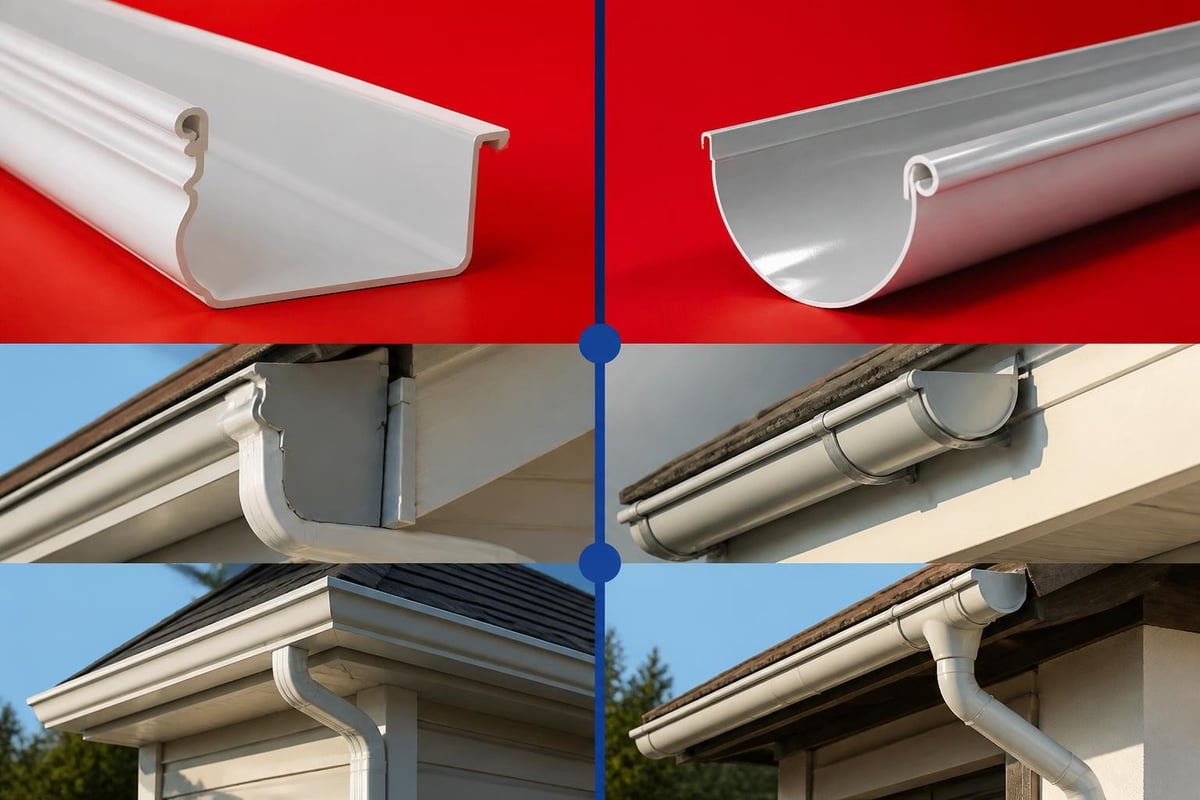
K-style gutters, with their decorative front edge resembling crown molding, dominate modern residential construction. They hold more water than comparably sized half-round gutters and attach more securely to fascia boards. Half-round gutters suit historic homes and traditional architecture, though they require more frequent cleaning due to their open shape.
Box gutters, built into the roof structure rather than hanging from it, appear primarily on commercial buildings and older homes. When these integrated systems fail, gutters replacement becomes more complex, often requiring carpentry work in addition to gutter installation.
Planning Your Gutters Replacement Project
Successful gutters replacement requires careful planning, from timing the project to selecting qualified contractors. Homeowners who approach the process methodically achieve better outcomes and avoid common pitfalls.
Coordinating with Roofing Work
The ideal time for gutters replacement coincides with a roofing project. When your roof needs replacement, addressing gutters simultaneously offers several advantages. Contractors can ensure proper integration between the roof edge and gutter system, preventing future leaks and ice dam formation.
Working with a contractor experienced in both disciplines streamlines the process. Certified roofing specialists understand how gutters interact with roof drainage and can recommend optimal gutter placement for your specific roof configuration. This integrated approach particularly benefits homes with complex roof lines or multiple valleys.
Coordinating these projects also reduces overall costs. Scaffolding, ladders, and labor mobilization expenses apply to both jobs, and contractors often provide better pricing when handling multiple exterior components in a single project.
Sizing Your Gutter System Correctly
Proper gutter sizing prevents overflow during heavy rainfall. While five-inch K-style gutters handle most residential applications, homes in high-rainfall areas or those with large roof sections may require six-inch gutters for adequate capacity.
Factors affecting gutter size requirements:
- Roof square footage and pitch
- Regional rainfall intensity
- Number and location of downspouts
- Valley and hip configurations
- Overhanging trees or debris sources
The comprehensive guide to gutter selection provides detailed formulas for calculating required gutter capacity based on roof area and local rainfall data. These calculations prevent undersized gutters that overflow and cause the very problems you're trying to eliminate.
Downspout Placement and Drainage
Gutters only function effectively when paired with properly positioned downspouts and adequate drainage solutions. Standard practice calls for one downspout for every 35 to 40 feet of gutter run, though this varies based on roof size and regional precipitation.
Downspouts must discharge water at least five feet from the foundation, preferably into underground drains or splash blocks that direct flow away from the house. Extensions, whether above-ground or buried, prevent the concentrated water flow from undermining your foundation or flooding basement window wells.
Installation Quality and Proper Slope
Even premium materials fail when installed incorrectly. The success of your gutters replacement project depends heavily on proper installation techniques and attention to critical details.
Achieving the Correct Pitch
Gutters require a subtle slope toward downspouts to ensure water flows properly. The standard pitch of one-quarter inch per ten feet of gutter run seems minimal but makes the difference between standing water and effective drainage.
Installers use string lines and levels to establish consistent pitch across each gutter run. Too much slope creates visible sagging and reduces aesthetic appeal, while insufficient pitch allows water to pool, promoting algae growth and mosquito breeding.
| Gutter Run Length | Required Drop to Downspout | Acceptable Tolerance |
|---|---|---|
| 20 feet | 0.5 inches | ±0.125 inches |
| 30 feet | 0.75 inches | ±0.125 inches |
| 40 feet | 1.0 inches | ±0.125 inches |
| 50 feet | 1.25 inches | ±0.125 inches |
Fastener Spacing and Support
The method and spacing of gutter hangers directly impacts long-term performance. Hidden hangers that screw through the front of the gutter into the fascia board provide superior holding power compared to spike-and-ferrule systems common in older installations.
Proper hanger spacing prevents sagging between supports. Standard practice calls for hangers every 24 inches in moderate climates, reduced to 18-inch spacing in snow-prone regions. Areas that experience heavy ice accumulation may require even closer spacing to support the additional weight.
Seamless versus Sectional Systems
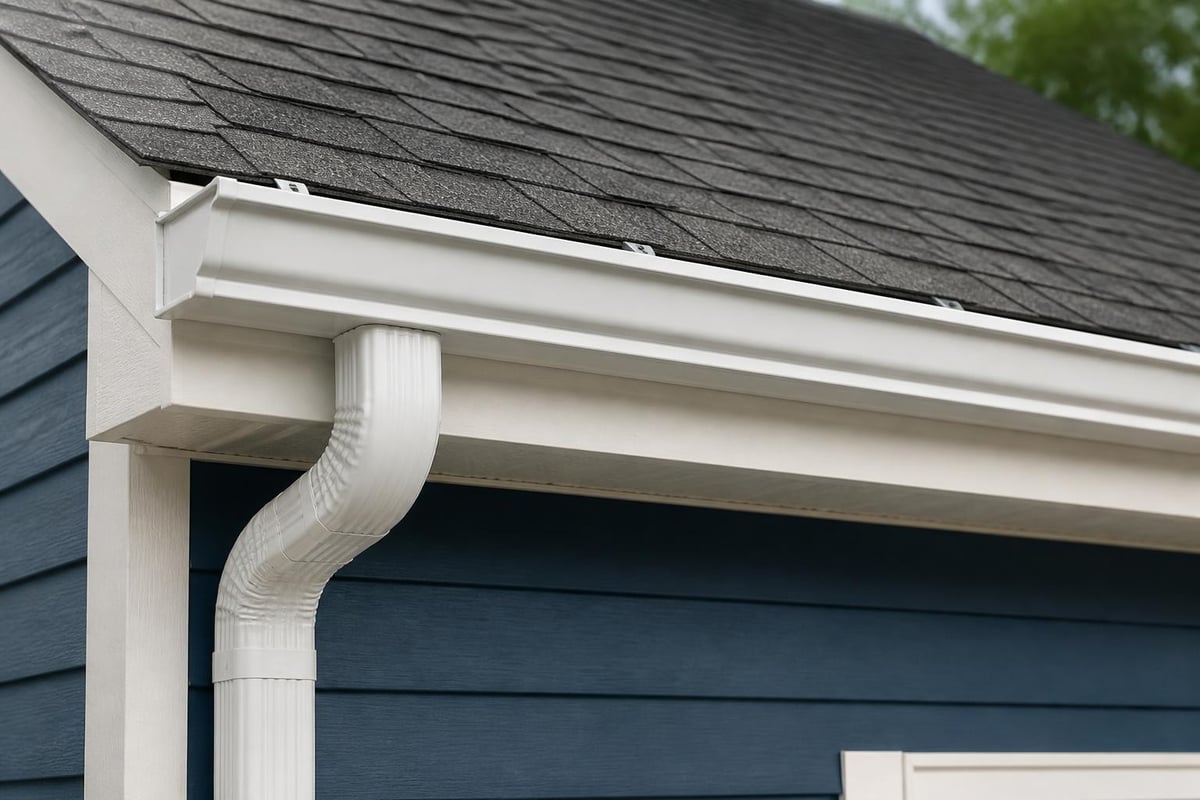
Seamless gutters, formed on-site using portable equipment, eliminate most joints where leaks typically develop. The continuous runs extend from corner to downspout without seams, significantly reducing maintenance requirements and extending system lifespan.
Sectional gutters, assembled from pre-cut lengths, cost less initially but require more frequent maintenance. Every joint represents a potential leak point as sealants deteriorate over time. For most gutters replacement projects, the incremental cost of seamless installation provides excellent long-term value.
Protecting Your Investment After Installation
New gutters require ongoing maintenance to deliver their full expected lifespan. Establishing maintenance routines immediately after gutters replacement prevents premature failures and protects your investment.
Regular Cleaning Schedules
Even the best gutters clog without regular cleaning. Leaves, twigs, and roof granules accumulate in gutters, blocking water flow and adding weight that stresses hangers and seams. Homes surrounded by trees require cleaning at least twice annually, typically in late spring and late fall.
Gutter guards or covers reduce cleaning frequency but don't eliminate it entirely. These systems prevent large debris while allowing smaller particles through, which eventually accumulate and require removal. Homeowners should evaluate whether the added cost of gutter protection systems aligns with their maintenance preferences and tree coverage.
Inspection and Preventive Maintenance
Annual inspections catch small problems before they escalate into failures requiring another gutters replacement. During inspections, check for loose hangers, small leaks at seams, and areas where gutters have begun to separate from fascia boards.
Storm damage often affects gutters along with roofing systems. After severe weather events, inspect gutters for impact damage, separated sections, or clogged downspouts that prevented proper drainage. Addressing these issues promptly prevents water damage to your home's interior and foundation.
Preventive maintenance checklist:
- Tighten loose hangers and brackets
- Seal minor leaks with appropriate sealant
- Flush downspouts to ensure clear flow
- Trim overhanging branches that drop debris
- Verify proper slope has not changed
- Check fascia boards for rot or damage
Cost Considerations and ROI
Understanding the financial aspects of gutters replacement helps homeowners budget appropriately and recognize the value this improvement provides.
Material and Installation Pricing
The cost of gutters replacement varies significantly based on material choice, home size, and regional labor rates. Aluminum gutters typically range from eight to twelve dollars per linear foot installed, while copper systems can exceed twenty-five dollars per linear foot.
These figures include both materials and professional installation. DIY installation reduces costs but requires specialized equipment for seamless systems and expertise to ensure proper pitch and fastening. Most homeowners find professional installation worthwhile given the technical requirements and safety considerations of working at roof height.
Complex roof lines, multiple stories, and difficult access increase installation costs. Homes requiring extensive fascia repair before gutter installation face additional expenses that should factor into replacement budgets.
Return on Investment
Gutters replacement provides returns through damage prevention rather than direct value addition. Properly functioning gutters protect against foundation repairs, basement waterproofing, and landscaping restoration, each of which costs substantially more than new gutters.
The investment becomes particularly valuable when coordinated with other exterior improvements. Homeowners planning roof replacement should seriously consider simultaneous gutter work to maximize the protection and longevity of both systems.
Working with Professional Contractors
Selecting qualified contractors ensures your gutters replacement project meets professional standards and provides long-term performance.
Evaluating Contractor Credentials
Quality contractors carry proper licensing and insurance coverage that protects homeowners from liability. They provide detailed written estimates specifying materials, labor, warranty coverage, and project timelines. Requesting references from recent projects similar to yours offers insight into work quality and customer service.
Contractors specializing in complete exterior systems bring valuable expertise to gutters replacement projects. They understand how gutters integrate with roofing, siding, and foundation drainage, enabling comprehensive solutions rather than isolated fixes.
Understanding Warranty Coverage
Reputable contractors warranty both materials and workmanship. Material warranties from manufacturers typically cover defects for 20 to 50 years depending on the product. Workmanship warranties from contractors cover installation quality, generally ranging from two to ten years.
Clarify what each warranty covers and the process for addressing problems. Manufacturers may require professional installation for warranties to remain valid, another reason to choose experienced contractors over DIY approaches.
Project Timeline and Disruption
Most residential gutters replacement projects complete within one to three days, depending on home size and complexity. Contractors should provide clear schedules and communicate any delays promptly.
Minimal disruption occurs during installation since work focuses on the home's exterior perimeter. Homeowners should ensure vehicles are moved from driveways and contractors have clear access to all sides of the house. Protecting landscaping near the foundation prevents damage from ladders and falling debris.
Seasonal Considerations for Replacement
Timing your gutters replacement project appropriately ensures optimal installation conditions and preparation for weather challenges.
Best Seasons for Installation
Spring and fall offer ideal conditions for gutters replacement in most climates. Moderate temperatures allow sealants and adhesives to cure properly, and dry conditions facilitate efficient work. These seasons also position your home to handle upcoming weather challenges, whether summer thunderstorms or winter snow and ice.
Winter installation presents challenges in cold climates where sealants may not cure properly and metal becomes brittle. However, scheduling replacement during off-peak seasons sometimes yields better contractor availability and pricing.
Preparing for Severe Weather
Homes in areas prone to severe weather should prioritize gutters replacement before peak storm seasons. Properties vulnerable to storm roof damage benefit from coordinated gutter and roofing improvements that create comprehensive weather protection.
Heavy snowfall regions require particular attention to gutter strength and hanger spacing. Ice dams form when gutters become clogged or improperly sloped, allowing water to back up under shingles and into the home. New gutters with proper pitch and adequate capacity help prevent these costly winter problems.
Environmental and Sustainability Factors
Modern gutters replacement projects increasingly consider environmental impacts and sustainability alongside traditional performance metrics.
Material Recycling and Disposal
Aluminum gutters offer excellent recyclability, reducing environmental impact when old systems reach end of life. Responsible contractors separate aluminum components for recycling rather than sending them to landfills.
Copper's value ensures nearly complete recycling of old copper gutters, often offsetting some replacement costs. Even damaged copper retains significant scrap value, making it one of the most sustainable gutter materials from a lifecycle perspective.
Rainwater Harvesting Integration
Homeowners interested in sustainable water management can integrate rainwater collection systems during gutters replacement. Diverters installed on downspouts direct water into storage barrels or cisterns for landscape irrigation.
This approach reduces municipal water consumption while putting roof runoff to productive use. Modern rain barrel systems include overflow prevention and mosquito barriers that maintain water quality and prevent pest issues.
Protecting your home through timely gutters replacement prevents extensive water damage to foundations, basements, and landscaping while preserving your property's value. Whether you're addressing visible damage, preparing for coordinated roofing work, or upgrading to more durable materials, choosing quality products and professional installation ensures long-term performance. Great Roofing brings family-owned reliability and exterior systems expertise to every project in the Joliet area, from comprehensive roof replacements to precision gutter installations that protect your home for decades. Contact Great Roofing today to schedule a free inspection and discuss your gutters replacement needs with experienced professionals who understand complete home protection.