

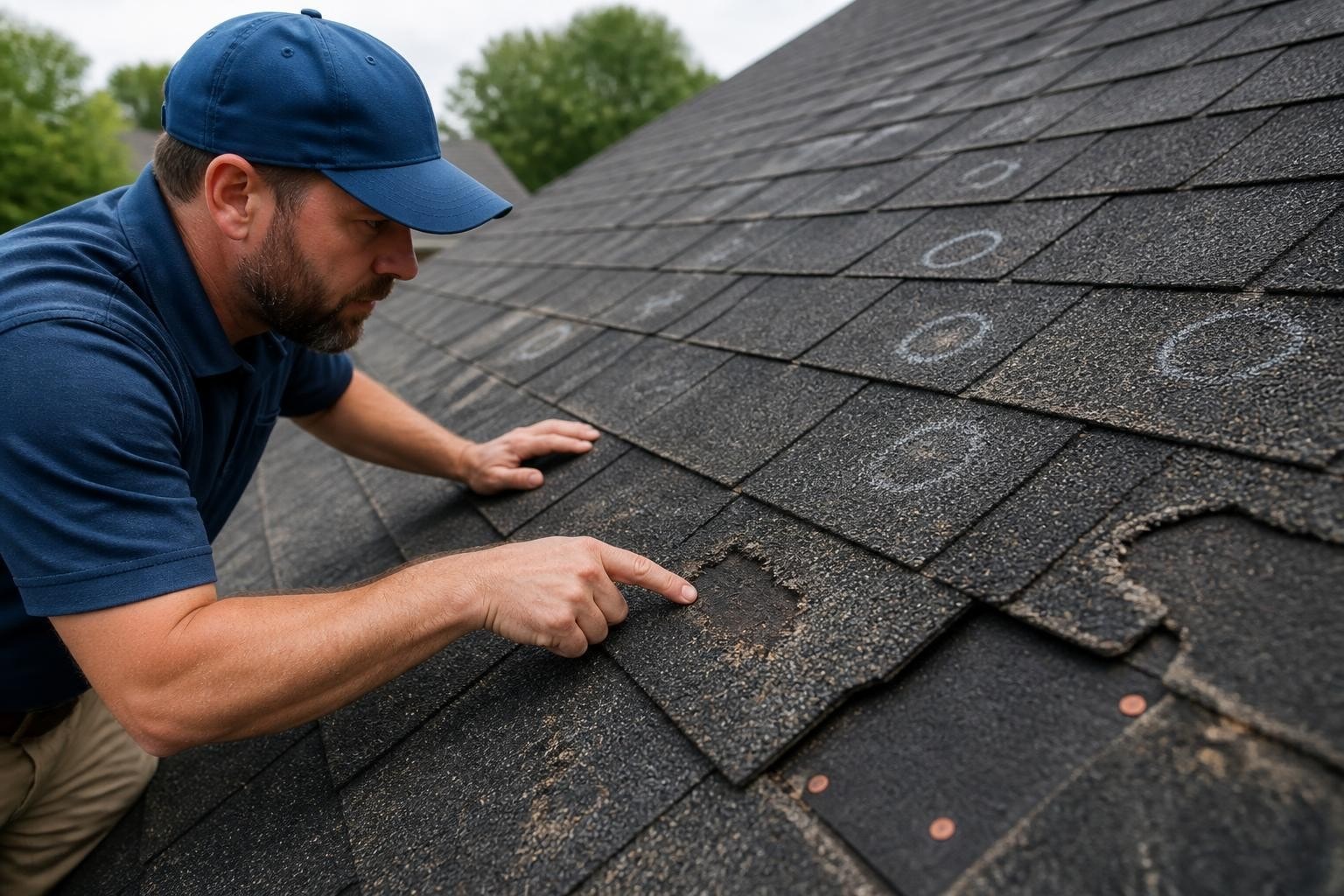
Hailstorms can strike with little warning, leaving behind thousands of dollars in property damage. For homeowners in the Joliet area and throughout the Midwest, understanding how to identify and address hail damage to shingle roof systems is essential for protecting your investment. Asphalt shingles, while durable and cost-effective, are particularly vulnerable to impact damage from hailstones, and the resulting deterioration may not always be immediately visible to the untrained eye. Recognizing the signs early and taking prompt action can prevent minor damage from escalating into major roofing failures that compromise your home's structural integrity.
Understanding How Hail Impacts Asphalt Shingles
When hailstones strike your roof, they create forces that compress and fracture the shingle material. The severity of hail damage to shingle roof systems depends on multiple variables beyond just the size of the hailstones.
Critical Factors Affecting Damage Severity
The composition and age of your shingles play a significant role in how well they withstand hail impacts. Newer shingles with intact granule layers offer better protection than aging shingles that have already experienced weathering. According to professional roofing guidelines on hail damage assessment, the condition of your roof prior to a hail event substantially affects the extent of damage.
Key variables that determine impact severity:
- Hailstone size, density, and shape
- Wind speed and trajectory during the storm
- Roof pitch and orientation
- Shingle age, quality, and previous deterioration
- Presence of protective tree canopy or exposure
Hail Size and Damage Thresholds
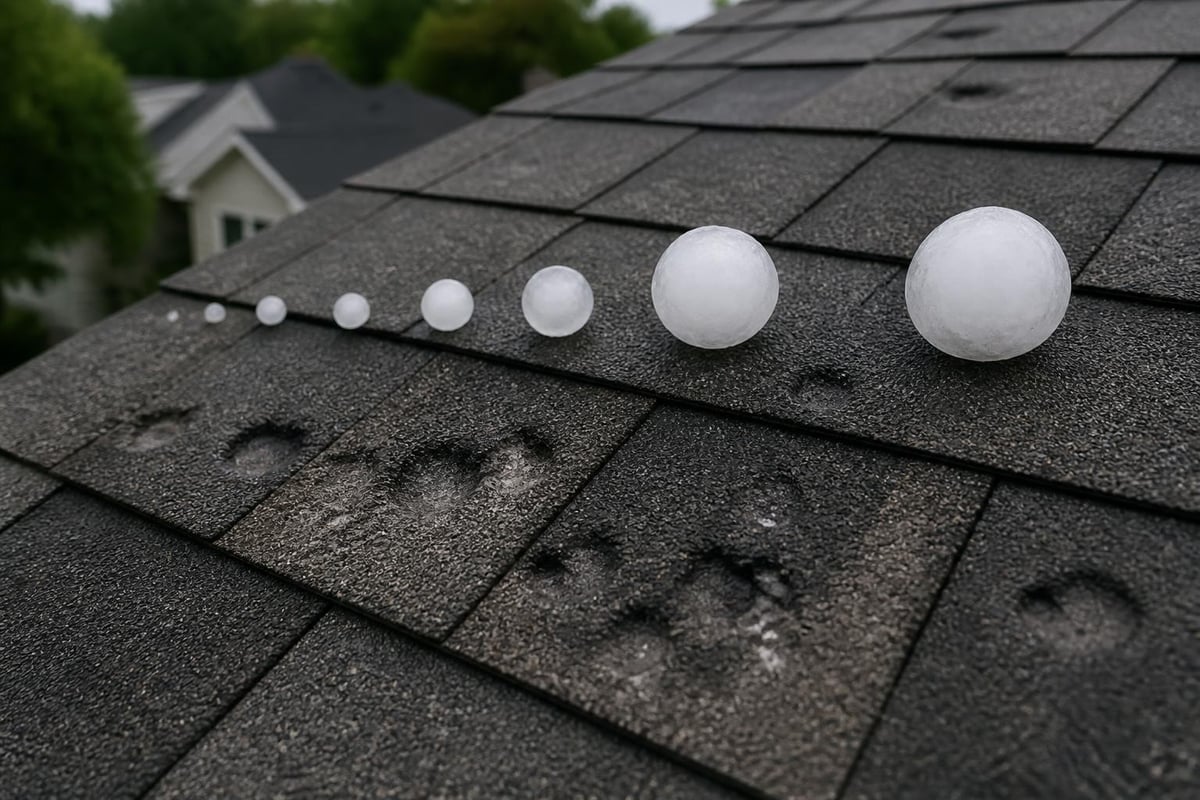
Not all hailstones cause immediate damage requiring replacement. Research indicates that hail measuring one inch or larger typically begins causing damage to standard asphalt shingles, though smaller hail can still cause problems on older or compromised roofs.
| Hail Size | Diameter | Typical Damage Level |
|---|---|---|
| Pea | 0.25 inches | Minimal to none |
| Marble | 0.5 inches | Possible on aged shingles |
| Dime/Penny | 0.75 inches | Light damage potential |
| Quarter | 1 inch | Moderate damage likely |
| Golf Ball | 1.75 inches | Significant damage expected |
| Tennis Ball | 2.5 inches | Severe damage guaranteed |
Identifying Visible and Hidden Damage
The most challenging aspect of hail damage to shingle roof systems is that much of it isn't immediately obvious from ground level. Professional inspectors look for specific indicators that homeowners often miss.
Surface-Level Damage Indicators
Granule loss represents one of the most common signs of hail impact. These protective ceramic granules shield the underlying asphalt from UV damage, and when hailstones dislodge them, you'll notice dark spots or areas where the black asphalt mat shows through. Check your gutters and downspouts for excessive granule accumulation after storms.
Bruising appears as dark, soft spots on shingles where the impact has fractured the underlying fiberglass mat. Unlike granule loss, bruising may feel spongy when pressed gently. These compromised areas will deteriorate rapidly once exposed to moisture and temperature fluctuations.
Structural and Functional Concerns
Cracked or split shingles indicate severe impacts that have completely broken through the shingle material. These failures allow immediate water penetration and require urgent attention to prevent interior damage.
Hidden damage often includes:
- Fractured sealant strips that compromise wind resistance
- Damaged flashing around chimneys and vents
- Compromised underlayment beneath intact-looking shingles
- Stress fractures in the fiberglass mat that will worsen over time
The Nebraska Department of Insurance provides detailed guidance on assessing whether your roof needs repair based on hail damage severity and shingle type.
Conducting a Professional Inspection
While homeowners can perform preliminary assessments from the ground, a thorough evaluation of hail damage to shingle roof structures requires professional expertise and proper safety equipment. Attempting to walk on a potentially damaged roof can worsen existing problems and create safety hazards.
What Professional Inspectors Examine
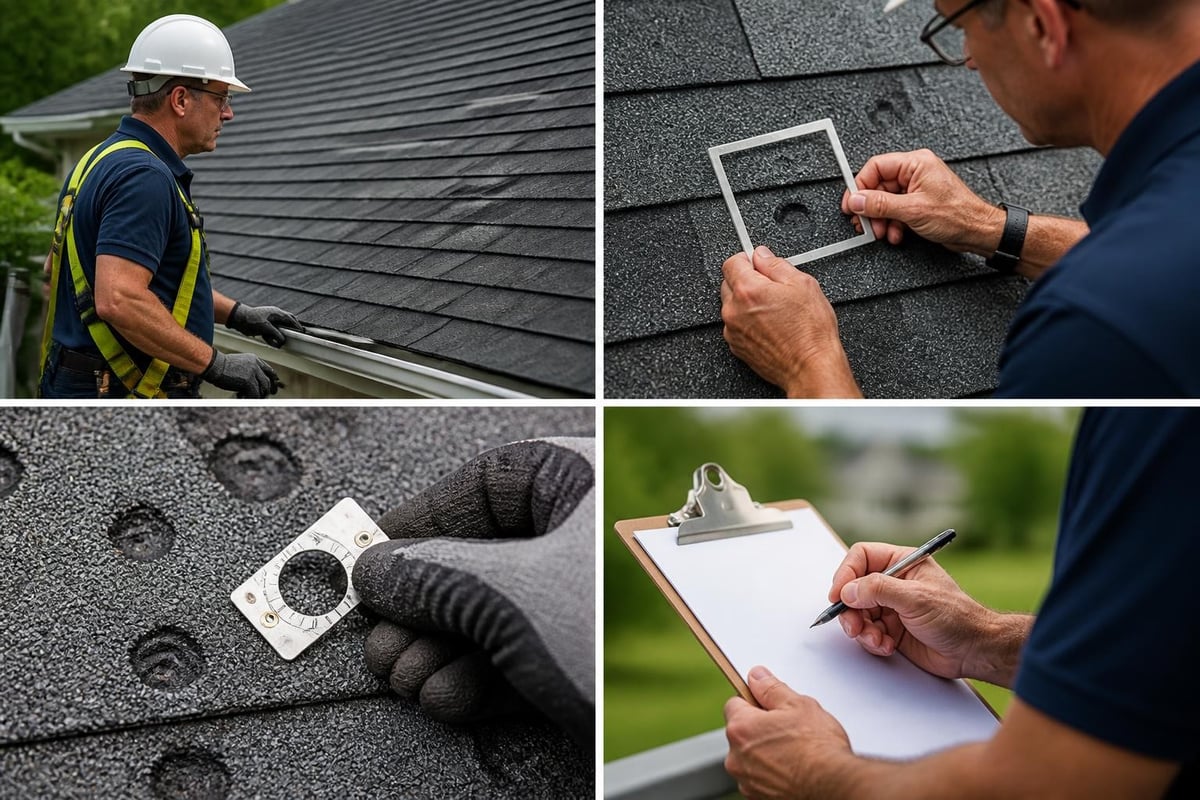
Licensed roofing contractors utilize systematic protocols when assessing hail damage. They examine both the roofing materials and the underlying structural components to determine the full extent of impact. Professional assessment techniques involve checking for patterns that distinguish hail damage from normal wear or other weather-related deterioration.
Inspectors document damage through photographs, measurements, and detailed notes that become essential for insurance claims. They assess damage density by counting the number of hail strikes per 100 square feet, which helps determine whether repair or full replacement is the most appropriate solution.
Distinguishing Hail Damage from Other Issues
Many roofing problems resemble hail damage but stem from different causes. Manufacturing defects, improper installation, or normal aging can create similar appearances. Experienced inspectors can differentiate hail damage from these other conditions by examining impact patterns, damage randomness, and the presence of corresponding damage to other building elements like gutters, siding, and AC units.
Navigating Insurance Claims for Storm Damage
Most homeowners insurance policies cover hail damage to shingle roof systems, but successful claims require proper documentation and timely action. Understanding the claims process helps ensure you receive appropriate compensation for necessary repairs or replacement.
Documenting Damage for Your Claim
Contact your insurance company immediately after discovering potential hail damage, ideally within days of the storm event. Most policies require prompt notification, and delays can complicate your claim. Before the adjuster arrives, document everything with photographs showing both close-up damage and overall roof conditions.
Your insurance adjuster will conduct their own inspection, but having a professional roofing contractor’s assessment from Great Roofing provides valuable supporting documentation. Contractors experienced with insurance work understand what adjusters look for and can identify damage that might otherwise be overlooked.
Understanding Coverage and Deductibles
Standard homeowners policies typically cover the full cost of repairs or replacement minus your deductible. However, coverage can vary based on your policy's specific terms, age of your roof, and whether you have replacement cost coverage versus actual cash value coverage.
Important claim considerations:
- Review your policy to understand coverage limits and exclusions
- Keep all storm-related receipts and documentation organized
- Obtain multiple contractor estimates for comparison
- Don't sign any assignment of benefits without understanding implications
- Work with contractors who have proven insurance claim experience
Repair Options and Replacement Decisions
Once you've confirmed hail damage to shingle roof areas, you face a critical decision: should you repair damaged sections or replace the entire roof? This choice depends on damage extent, roof age, and long-term cost considerations.
When Spot Repairs Make Sense
Limited damage affecting small, isolated areas may qualify for partial repairs rather than full replacement. If your roof is relatively new and the hail damage affects less than 25% of the total surface area, targeted repairs can restore function and appearance at a fraction of replacement costs.
However, matching existing shingles for repairs presents challenges. Shingle manufacturers frequently update their product lines, and even "matching" shingles may differ in color due to weathering on your existing roof. These mismatches can affect your home's curb appeal and resale value.
The Case for Complete Replacement
Insurance companies often approve full roof replacement when damage density exceeds certain thresholds or when the roof has reached a specific age. A complete roof replacement offers several advantages over patchwork repairs, including uniform appearance, extended warranty coverage, and the opportunity to upgrade to more impact-resistant materials.
| Repair Option | Best For | Typical Cost | Long-Term Value |
|---|---|---|---|
| Spot Repair | New roofs, minimal damage | $500-$2,000 | Temporary solution |
| Section Replacement | Moderate damage, one side | $2,000-$8,000 | Medium-term fix |
| Full Replacement | Widespread damage, older roofs | $8,000-$15,000+ | Maximum protection |
Modern impact-resistant shingles carry Class 4 ratings and can significantly reduce future hail damage risk. While these premium products cost more initially, they often qualify for insurance discounts that offset the price difference over time. Many homeowners in hail-prone regions find that investing in quality asphalt shingles pays dividends through lower insurance premiums and reduced storm damage.
Selecting the Right Roofing Contractor
The quality of your repair or replacement work directly impacts how well your roof performs for years to come. Choosing an experienced, reputable contractor ensures that hail damage to shingle roof systems gets addressed properly the first time.
Essential Contractor Qualifications
Verify that any contractor you consider holds proper licensing and insurance coverage, including both general liability and workers' compensation policies. These protections shield you from liability if accidents occur during the work. Request proof of insurance and contact the provider directly to confirm current coverage.
Experienced storm damage specialists understand the unique challenges of hail damage repairs, including how to work effectively with insurance adjusters and ensure all hidden damage gets addressed during the repair process.
Warning Signs of Roofing Scams
Unfortunately, severe weather events attract dishonest contractors who prey on storm victims. Be wary of door-to-door solicitors who appear immediately after storms, contractors who offer to pay your insurance deductible, or those who pressure you to sign contracts before the insurance adjuster inspects your property.
Red flags to avoid:
- Requiring full payment upfront
- Lacking permanent local business address
- Offering steep discounts for immediate signing
- Using high-pressure sales tactics
- Proposing to inflate insurance claims
Research contractors thoroughly through online reviews, Better Business Bureau ratings, and references from recent customers. Family-owned businesses with established community presence typically provide more reliable service than storm chasers who disappear once the work is complete.

Preventive Measures and Future Protection
While you cannot prevent hailstorms, you can take steps to minimize potential damage and ensure faster recovery when storms do strike. Proactive maintenance and strategic upgrades significantly reduce hail damage to shingle roof vulnerability.
Regular Maintenance Protocols
Schedule professional roof inspections annually, ideally in spring before severe weather season begins. These inspections identify and address minor issues before they become major problems, and they ensure your roof enters storm season in optimal condition. Well-maintained roofs with intact granules and proper sealant adhesion withstand hail impacts better than neglected systems.
Keep gutters and downspouts clear of debris to ensure proper drainage after storms. Standing water can infiltrate through hail-damaged areas and cause extensive interior damage that multiplies repair costs.
Impact-Resistant Roofing Upgrades
If you're replacing a hail-damaged roof, consider upgrading to impact-resistant shingles that meet UL 2218 Class 4 standards. These specially engineered products incorporate modified asphalt formulations and reinforced backing that absorbs impact energy more effectively than standard shingles.
The National Roofing Contractors Association’s assessment protocols include rating systems for evaluating how different roofing products resist hailstone damage, helping homeowners make informed upgrade decisions.
Benefits of impact-resistant shingles:
- Superior hail and impact resistance
- Insurance premium discounts (typically 10-30%)
- Extended manufacturer warranties
- Enhanced wind resistance ratings
- Improved overall durability and lifespan
Timeline Considerations for Repairs
Understanding realistic timelines for addressing hail damage to shingle roof issues helps you plan appropriately and avoid rushed decisions that lead to poor contractor choices or inadequate repairs.
Insurance Claim Processing
Most insurance companies take 7-14 days to schedule an adjuster inspection after you file a claim. The adjuster's report typically arrives within another week, outlining approved repairs and compensation amounts. If you disagree with the adjuster's assessment, you can request a re-inspection or hire a public adjuster to represent your interests.
Be aware that insurance policies include time limits for filing claims after storm events. Most policies allow 1-2 years, but sooner is always better for ensuring successful claims.
Scheduling Roofing Work
After major hailstorms, qualified contractors often face backlogs stretching several weeks or months. While waiting is frustrating, rushing into contracts with less reputable contractors to avoid delays usually creates bigger problems. Schedule work with established contractors as soon as your insurance claim is approved, understanding that quality work takes time.
Emergency tarping and temporary repairs can protect your home while you wait for permanent repairs. Most insurance policies cover reasonable costs for these protective measures, and they demonstrate that you've taken appropriate action to mitigate further damage.
Protecting your home from hail damage to shingle roof systems requires vigilance, prompt action when storms strike, and partnership with experienced professionals who understand both roofing and insurance processes. Whether you need a thorough post-storm inspection, emergency repairs, or complete roof replacement, working with established local contractors ensures quality results that stand the test of time. Great Roofing brings decades of family-owned expertise to every project, helping Joliet-area homeowners navigate storm damage from initial assessment through final installation. Contact our team today for a comprehensive evaluation of your roof's condition and personalized recommendations for protecting your most valuable investment.