

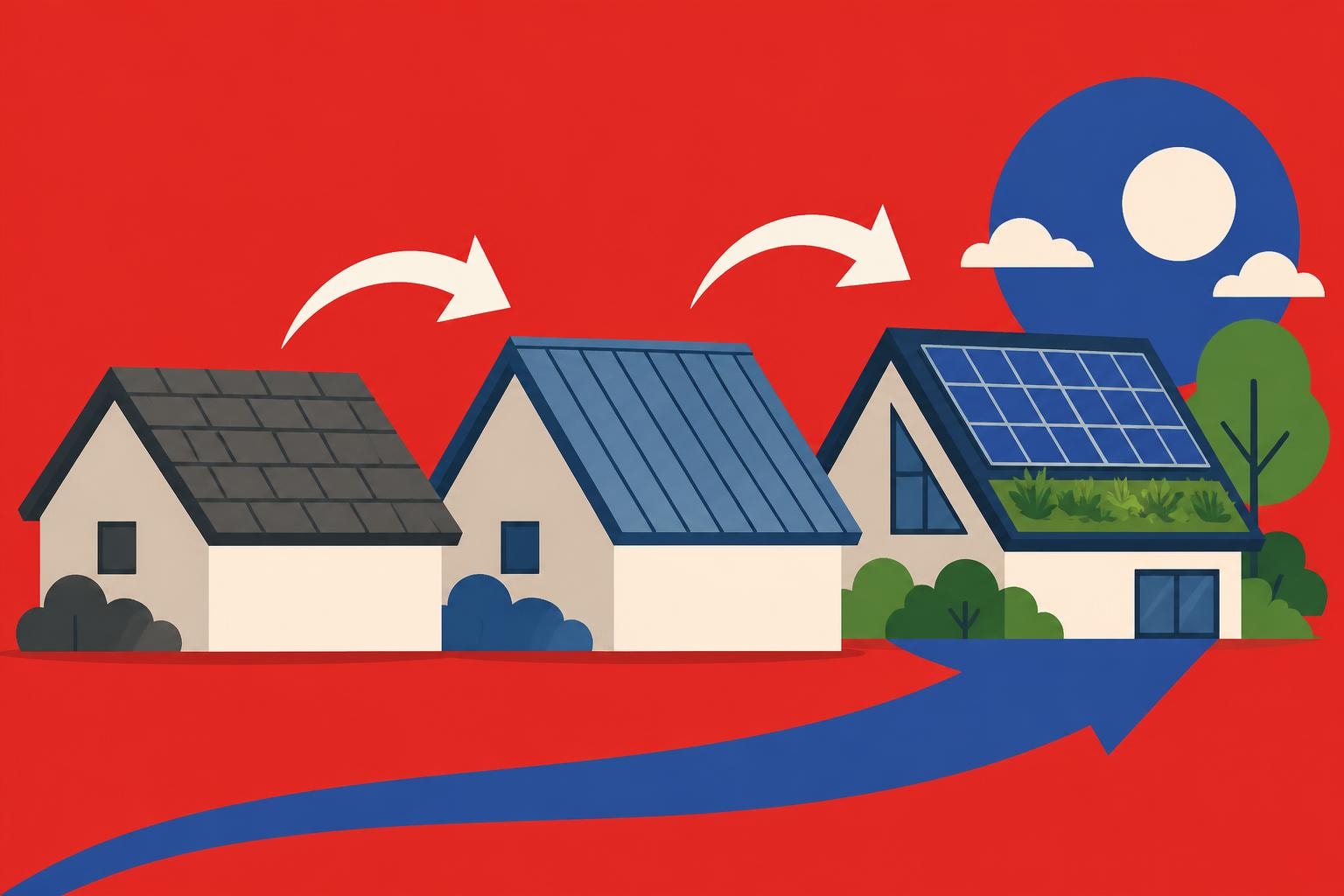
The roofing industry has undergone remarkable transformations over the past two decades, with home evolution roofing representing a fundamental shift in how property owners approach their most critical protective layer. As we navigate through 2026, homeowners and commercial property managers increasingly recognize that roofing is no longer just about weather protection-it's about energy efficiency, sustainability, longevity, and technological integration. This evolution reflects changing climate patterns, advancement in material science, and growing awareness of environmental responsibility. Understanding these developments helps property owners make informed decisions that balance immediate needs with long-term value, whether they're considering a complete replacement or strategic upgrades to their existing system.
The Transformation of Roofing Materials and Systems
Home evolution roofing encompasses the dramatic shift from traditional materials to advanced, multi-functional systems designed for superior performance. The roofing landscape of 2026 bears little resemblance to installations from just a generation ago, with innovations touching every aspect of design, materials, and installation methodology.
Modern Material Innovations
Today's roofing materials deliver unprecedented combinations of durability, aesthetics, and functionality. Property owners can now select from various roofing materials that were either unavailable or prohibitively expensive just years ago.
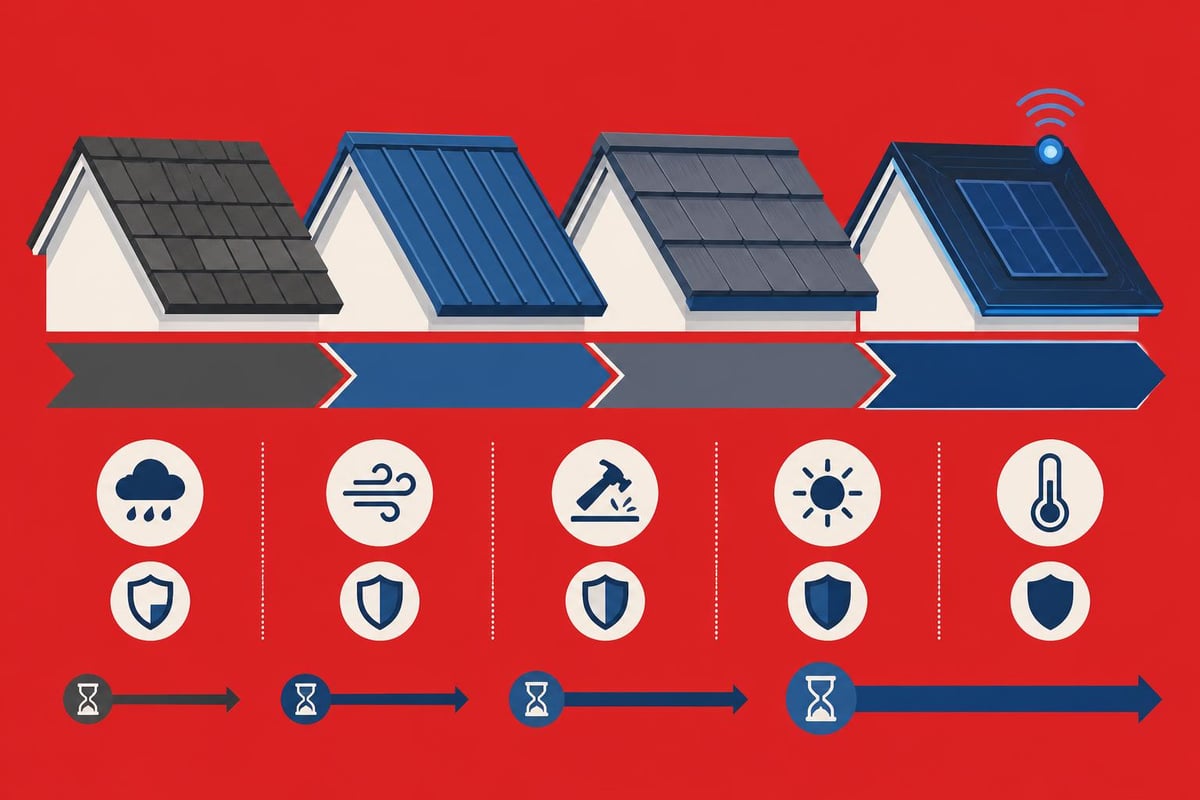
Key material advancements include:
- Synthetic composite shingles engineered to mimic natural materials while offering superior weather resistance
- Advanced metal roofing systems with specialized coatings that reflect solar heat
- Sustainable options incorporating recycled content without compromising performance
- Smart roofing materials embedded with sensors for real-time condition monitoring
- Hybrid systems combining multiple material benefits in single installations
The emergence of these options reflects manufacturers' responses to consumer demands for longer-lasting, lower-maintenance solutions. Where traditional asphalt shingles might last 15-20 years, modern alternatives frequently offer warranties extending 30-50 years or beyond.
Energy Efficiency Revolution
Energy performance has become a central consideration in home evolution roofing decisions. Modern roofing systems actively contribute to reducing heating and cooling costs through reflective technologies, improved ventilation designs, and enhanced insulation integration.
Cool roofing technology represents one of the most significant advances, utilizing specially formulated surfaces that reflect solar radiation rather than absorbing it. These systems can reduce roof surface temperatures by 50-60 degrees Fahrenheit compared to traditional dark-colored roofs, translating directly into lower air conditioning costs during summer months.
Ventilation design has evolved beyond simple ridge vents to sophisticated systems that create optimal airflow patterns. Balanced intake and exhaust configurations prevent moisture accumulation, extend material lifespan, and regulate attic temperatures more effectively than ever before.
Professional Installation Standards and Techniques
The evolution of roofing extends beyond materials to encompass installation methodologies that ensure maximum performance and longevity. Professional contractors have adopted advanced techniques and quality control measures that dramatically improve outcomes compared to traditional practices.
Advanced Installation Protocols
Modern installation standards reflect decades of research into failure modes and performance optimization. Professional roofing contractors now follow rigorous protocols that address every detail from substrate preparation to final inspection.
| Installation Aspect | Traditional Approach | Modern Evolution |
|---|---|---|
| Deck Inspection | Visual assessment | Moisture meter scanning, structural load analysis |
| Underlayment | Basic felt paper | Synthetic, self-adhering membranes with enhanced water resistance |
| Fastening | Minimum code requirements | Wind-rated specifications, adhesive enhancement |
| Flashing | Standard metal | Integrated waterproofing systems with multiple redundancies |
| Ventilation | Basic ridge vents | Calculated intake/exhaust balance for optimal airflow |
These enhanced approaches significantly reduce the likelihood of premature failure and ensure roofing systems perform as designed throughout their intended lifespan. The investment in proper installation methodology pays dividends through reduced maintenance needs and extended system life.
Quality Assurance Measures
Contemporary roofing projects incorporate multiple quality checkpoints that weren't standard practice in previous decades. Third-party inspections, thermal imaging analysis, and comprehensive documentation create accountability and verify installation quality.
Manufacturers have responded to improved installation standards with enhanced warranty programs. Many now offer non-prorated warranties covering both materials and labor when certified contractors complete installations following prescribed protocols. This shift aligns manufacturer interests with contractor expertise and homeowner satisfaction.
Specialized Roofing Solutions for Different Property Types
Home evolution roofing recognizes that one size doesn't fit all-residential and commercial properties require different approaches based on usage patterns, structural characteristics, and performance priorities.
Residential Roofing Evolution
Residential applications have benefited enormously from material and design innovations. Homeowners now balance aesthetic preferences with performance requirements in ways previously impossible.
Architectural shingles have largely replaced three-tab designs, offering enhanced curb appeal through dimensional profiles and varied color blending. These products deliver superior wind resistance and longer lifespans while creating distinctive appearances that complement home architectural styles.
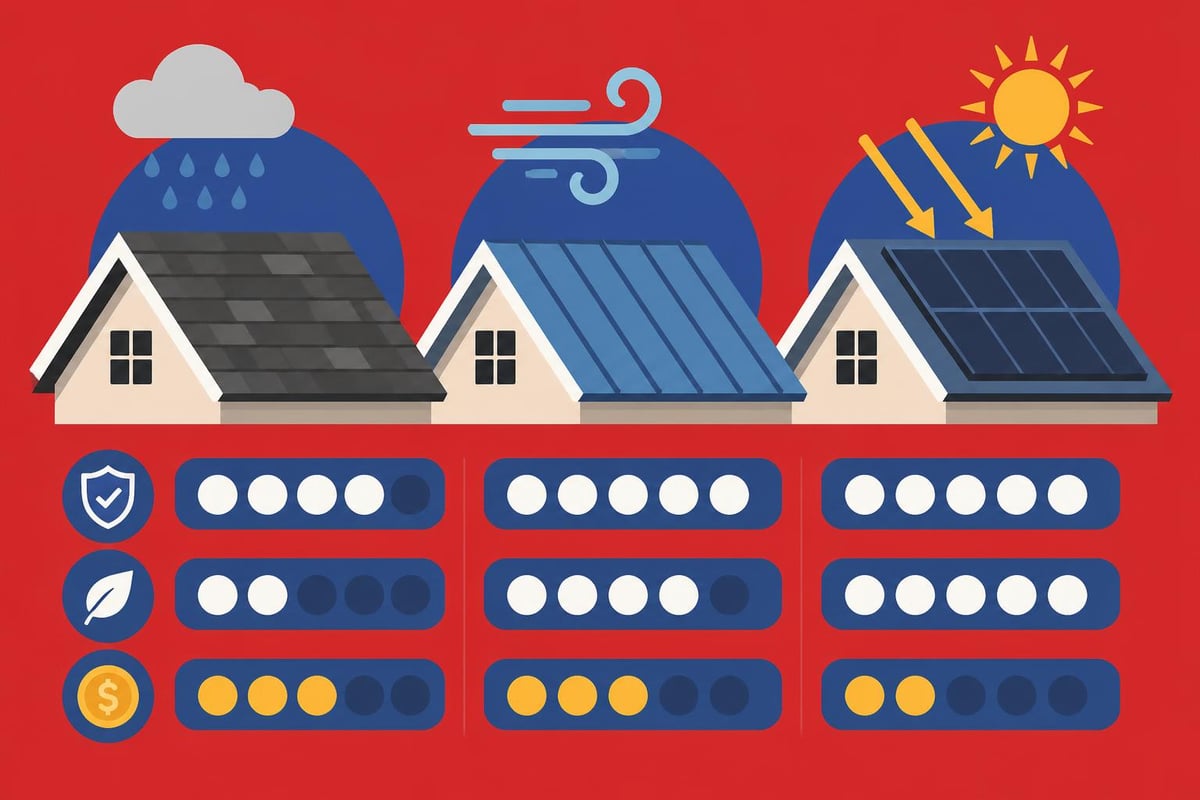
Metal roofing installations have gained tremendous popularity in residential markets, driven by longevity benefits and energy efficiency advantages. Modern metal systems address previous concerns about noise and appearance through advanced fastening systems, superior insulation integration, and finish options that replicate traditional materials.
The rise of integrated solar roofing represents another significant residential trend. Unlike rack-mounted panels, these systems incorporate photovoltaic technology directly into roofing materials, creating seamless appearances while generating electricity. While currently premium options, declining costs continue making solar integration increasingly accessible.
Commercial Property Considerations
Commercial roofing evolution follows different trajectories based on building designs, usage requirements, and lifecycle cost priorities. Flat and low-slope applications dominate commercial markets, driving innovations specific to these configurations.
Modified bitumen systems remain popular for commercial applications, combining proven performance with installation flexibility. These multi-layer systems incorporate polymer-modified asphalt with reinforcing fabrics, creating highly waterproof membranes resistant to traffic and weathering.
Commercial roofing priorities include:
- Lifecycle cost analysis balancing initial investment against maintenance and longevity
- Warranty programs covering extended periods with minimal exclusions
- Installation scheduling minimizing business disruption
- Energy performance meeting building code requirements and sustainability goals
- Compatibility with rooftop equipment including HVAC units and communication systems
Single-ply membrane systems-including TPO, PVC, and EPDM-have captured significant commercial market share. These products offer excellent waterproofing, reflective properties, and installation efficiency across large areas. Heat-welded seams create stronger bonds than traditional adhesive applications, reducing leak potential.
Regional Considerations and Climate Adaptation
Home evolution roofing necessarily accounts for geographic variations in weather patterns, building codes, and environmental conditions. What performs excellently in one region may prove inadequate in another, making localized expertise essential.
Weather-Specific Design Requirements
Different climate zones present unique roofing challenges requiring specialized approaches. Contractors serving multiple regions must understand these variations and recommend appropriate systems.
Hurricane-prone coastal areas demand enhanced wind resistance through upgraded fastening schedules, impact-resistant materials, and reinforced edge details. Storm damage considerations influence material selection and installation techniques in these vulnerable locations.
Northern climates face ice damming concerns requiring adequate attic insulation, proper ventilation, and ice-and-water barrier installation. Snow load calculations ensure structural adequacy, while metal systems offer advantages in shedding accumulated snow.
Arid regions prioritize UV resistance and thermal expansion accommodation. Extreme temperature fluctuations stress roofing materials differently than moderate climates, influencing appropriate product selections and installation methodologies.
Building Code Evolution
Regulatory requirements continue evolving to address changing climate conditions and improved understanding of building science principles. Modern codes frequently mandate:
- Enhanced wind resistance ratings in storm-prone regions
- Minimum energy efficiency performance standards
- Fire resistance classifications based on wildfire risk assessment
- Proper ventilation specifications preventing moisture accumulation
- Impact resistance requirements in hail-susceptible areas
Staying current with code requirements ensures installations meet legal obligations while incorporating best practices that protect property investments. Professional contractors monitor these changes and adapt their procedures accordingly.
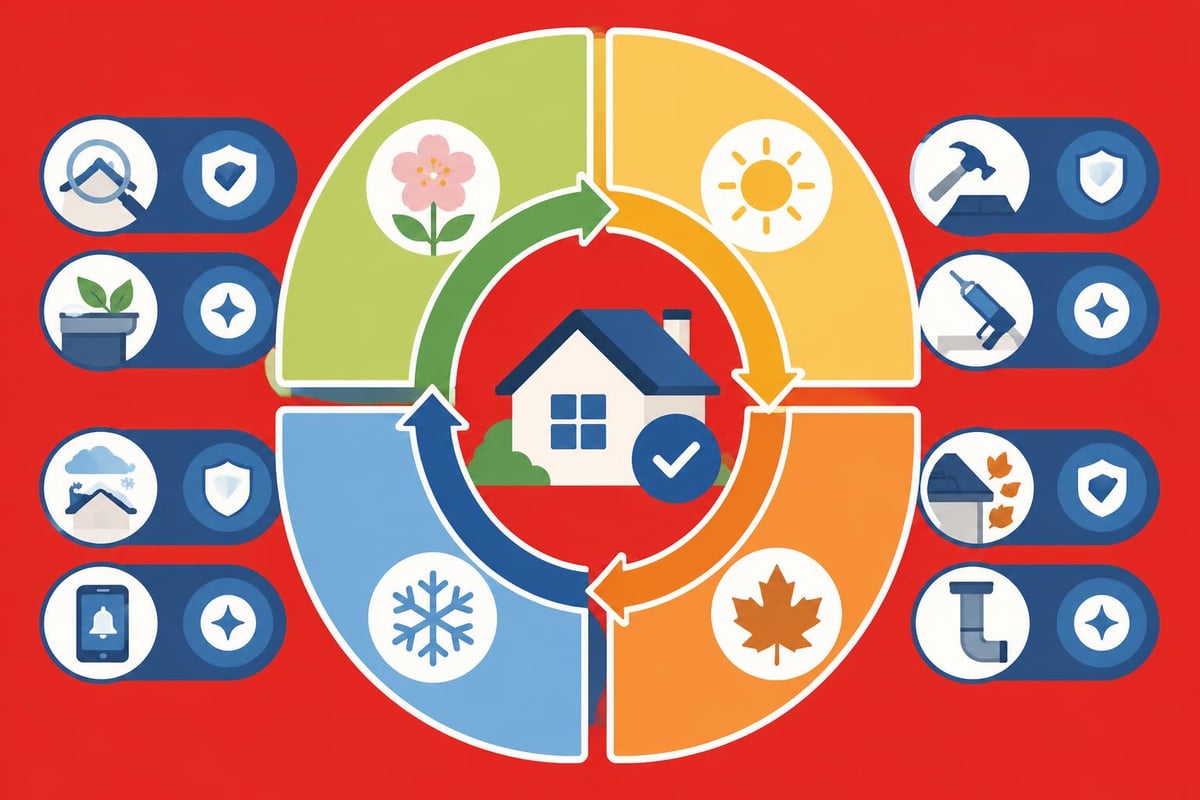
Maintenance Programs and Lifecycle Management
The evolution of roofing extends to maintenance philosophies, with proactive programs replacing reactive emergency repairs. This shift recognizes that strategic interventions extend system life and prevent costly failures.
Preventive Maintenance Benefits
Regular inspections and minor repairs prevent small issues from becoming major problems. Professional maintenance programs typically include:
- Biannual inspections identifying potential problems early
- Debris removal preventing drainage blockages
- Sealant renewal around penetrations and flashing
- Minor repair completion before water intrusion occurs
- Documentation creating historical records of system condition
These modest investments significantly extend roofing lifespan. A well-maintained roof can exceed its rated warranty period, while neglected systems frequently fail prematurely despite quality materials and installation.
| Maintenance Frequency | Annual Cost Range | Lifespan Extension |
|---|---|---|
| No maintenance | $0 | Baseline (fails early) |
| Reactive (emergency only) | Varies widely | -20% to -40% |
| Annual inspection | $200-$400 | +15% to +25% |
| Biannual program | $400-$700 | +25% to +40% |
Technology-Enabled Monitoring
Advanced monitoring systems represent the cutting edge of home evolution roofing maintenance. Sensor networks detect moisture intrusion, structural movement, and material degradation before visible symptoms appear.
Drone inspections provide detailed documentation without requiring physical roof access. High-resolution imagery and thermal scanning identify problems invisible from ground level, enabling targeted repairs rather than full replacements.
Predictive analytics platforms analyze inspection data against weather patterns and material performance databases. These systems forecast maintenance needs and optimal intervention timing, helping property owners budget for future requirements.
Sustainable and Environmental Considerations
Environmental consciousness increasingly influences home evolution roofing decisions as property owners recognize their role in broader sustainability efforts. Green roofing practices encompass material selection, installation waste management, and end-of-life recycling.
Eco-Friendly Material Options
Sustainable roofing materials balance environmental responsibility with performance requirements. Options include:
- Recycled content shingles incorporating post-consumer waste
- Sustainably harvested wood shakes from certified forestry operations
- Clay and concrete tiles manufactured using renewable energy
- Metal roofing containing high percentages of recycled steel or aluminum
- Living roof systems incorporating vegetation for stormwater management
These choices reduce environmental impact without sacrificing durability or weather protection. Many sustainable materials actually outperform traditional alternatives in longevity and energy efficiency.
Installation and Disposal Practices
Professional contractors have adopted waste reduction strategies minimizing landfill contributions. Material ordering optimization reduces excess, while job site recycling programs separate metal, shingles, and other materials for appropriate processing.
Tear-off operations generate substantial waste, particularly during roof replacement projects. Shingle recycling programs now reclaim asphalt and aggregate components for road construction and other applications, diverting millions of tons annually from landfills.
Some jurisdictions mandate minimum recycled content in paving materials, creating markets for reclaimed roofing products. This circular economy approach transforms waste into valuable resources.
Investment Analysis and Financial Planning
Understanding the financial implications of home evolution roofing helps property owners make informed decisions balancing upfront costs against long-term value. Sophisticated analysis considers factors beyond simple material expenses.
Total Cost of Ownership
Comprehensive financial evaluation examines all costs throughout a roofing system's lifecycle, not just initial installation. This analysis reveals that premium materials and installation often deliver superior value despite higher entry prices.
Cost factors include:
- Initial material and labor expenses
- Financing costs if applicable
- Annual maintenance requirements
- Energy savings from efficient systems
- Insurance premium adjustments
- Property value enhancement
- Eventual disposal or recycling costs
A twenty-year analysis might show that a premium metal roof costs 40% more initially than asphalt shingles but saves 60% over its lifetime through eliminated replacement needs, lower maintenance, and energy savings. These calculations become even more favorable when considering metal's longer lifespan frequently exceeding fifty years.
Financing and Incentive Programs
Various financing mechanisms make quality roofing accessible to broader markets. Options include home equity loans, contractor financing programs, energy-efficiency-focused lending, and government-backed improvement loans.
Energy efficiency incentives offset costs for qualifying installations. Federal tax credits, state rebates, and utility company programs reward property owners who install systems meeting specified performance standards. These incentives can reduce effective costs by 10-30% depending on location and system type.
Insurance considerations also factor into investment decisions. Some carriers offer premium discounts for impact-resistant roofing in hail-prone areas or enhanced wind resistance in coastal regions. Understanding storm damage insurance claims helps property owners navigate replacement decisions after weather events.
Choosing Professional Contractors
The complexity of modern roofing systems makes contractor selection critical to project success. Home evolution roofing requires expertise spanning materials science, building codes, installation techniques, and warranty compliance.
Credential Verification
Qualified contractors demonstrate their capabilities through multiple credentials. Manufacturer certifications indicate training in specific product lines and installation techniques. These programs ensure contractors understand proper procedures and quality standards.
Licensing requirements vary by jurisdiction but generally verify basic competency and insurance coverage. Bonding protects property owners from contractor failure to complete work or fulfill warranty obligations.
Industry association memberships-such as National Roofing Contractors Association-signal commitment to professional standards and ongoing education. These organizations provide technical resources and advocate for quality practices.
Evaluation Criteria
Selecting contractors involves assessing multiple factors beyond price quotations:
- Years in business and local reputation
- References from recent similar projects
- Insurance coverage including general liability and workers' compensation
- Written warranties covering both materials and workmanship
- Detailed project specifications and installation procedures
- Communication practices and project management capabilities
Established roofing companies typically provide comprehensive written estimates detailing all aspects of proposed work. Vague or incomplete proposals signal potential quality concerns.
Industry Leadership and Innovation Examples
Examining companies leading home evolution roofing innovations provides insight into industry direction and best practices. Home Evolution Roofing’s twenty-year milestone demonstrates how sustained commitment to quality and innovation builds lasting success in competitive markets.
Their approach encompasses continuous training on emerging technologies, investment in advanced equipment, and development of quality control systems ensuring consistent results. This dedication to excellence reflects broader industry trends toward professionalization and specialization.
Companies prioritizing customer education help property owners understand options and make informed decisions. Transparent communication about material differences, installation requirements, and maintenance expectations builds trust and realistic performance expectations.
The trajectory from traditional approaches to modern sophisticated systems continues accelerating. Property owners benefit from staying informed about developments while partnering with knowledgeable professionals who implement best practices.
Modern roofing represents a sophisticated integration of advanced materials, proven installation techniques, and proactive maintenance strategies that deliver superior long-term value. Whether you're considering a complete replacement, planning preventive maintenance, or evaluating upgrade options for your residential or commercial property, professional guidance ensures optimal outcomes. Great Roofing brings decades of expertise serving Joliet and surrounding communities with comprehensive roofing solutions tailored to your specific needs-contact our team today to discuss how we can protect and enhance your most important investment.