


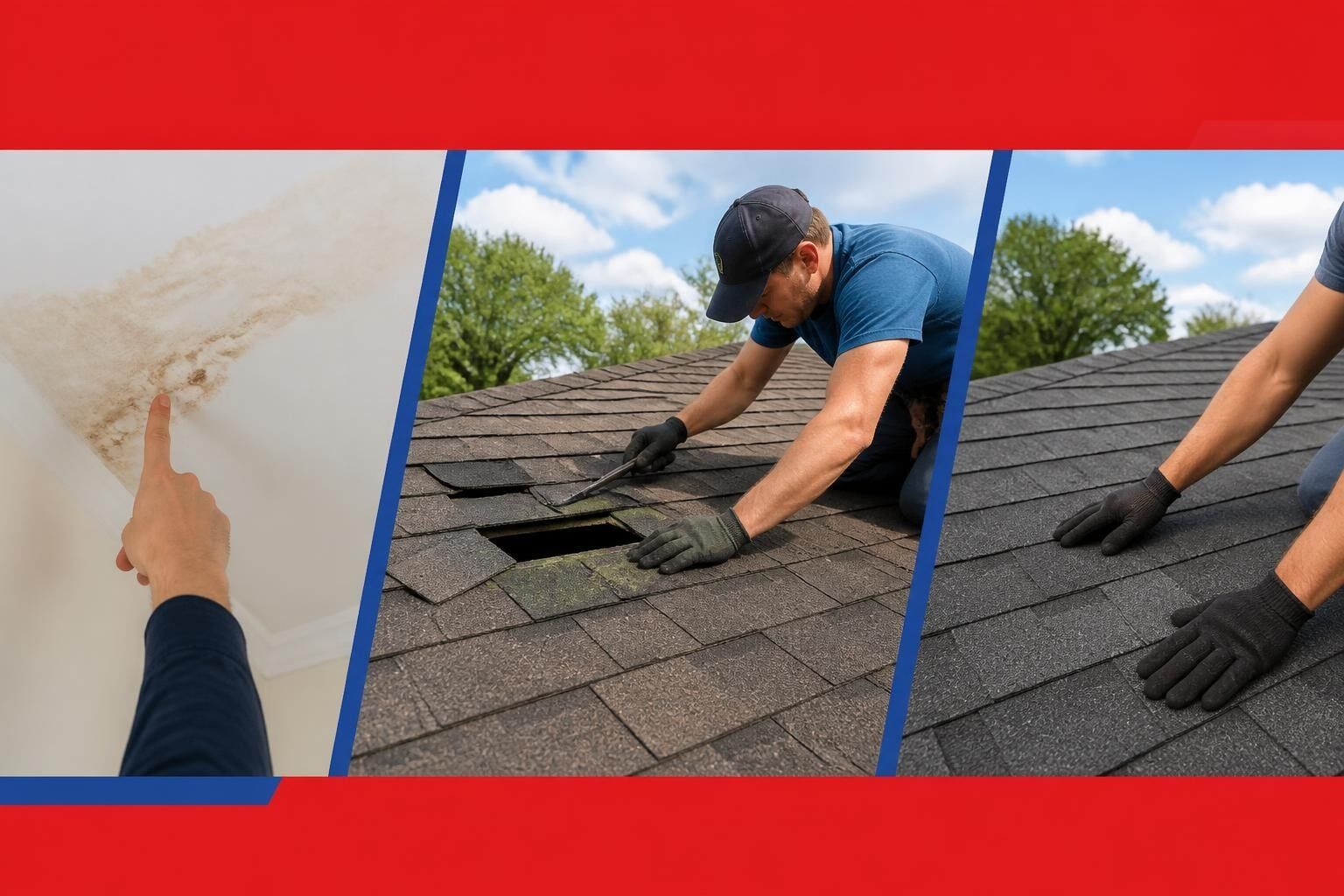
A small water stain on your ceiling can signal a major problem lurking above. Roof leaks don't announce themselves with fanfare, but they steadily damage your home's structure, insulation, and interior finishes while driving up energy costs. Understanding the fundamentals of leak in roof repair helps property owners take swift action, minimize damage, and make informed decisions about whether to tackle repairs themselves or call professional contractors. This comprehensive guide explores detection methods, repair strategies, material considerations, and maintenance practices that protect your investment.
Understanding the Anatomy of Roof Leaks
Water follows unpredictable paths through your roofing system. A leak rarely appears directly below its source because water travels along rafters, sheathing, and insulation before finally dripping into your living space.
The typical residential roof has multiple vulnerable points where water can penetrate. Flashing failures around chimneys, skylights, and vent pipes rank among the most common culprits. These metal barriers must create watertight seals where different roof planes meet or where protrusions interrupt the roofing surface.

Shingle damage presents another frequent pathway for water intrusion. Missing granules, cracked tabs, or completely absent shingles allow moisture to reach the underlayment. Once the protective barrier fails, water saturates the roof deck and finds entry points into the attic space.
Primary Leak Sources by Roof Type
Different roofing materials develop characteristic failure patterns:
| Roof Type | Common Leak Sources | Typical Lifespan |
|---|---|---|
| Asphalt Shingles | Damaged tabs, lifted edges, failed flashing | 20-30 years |
| Modified Bitumen | Seam failures, punctures, weathering | 15-20 years |
| Metal Roofing | Fastener holes, panel seams, expansion issues | 40-70 years |
| Flat/Low-Slope | Ponding water, membrane tears, drain clogs | 10-25 years |
Valley deterioration accelerates leak development because these channels concentrate water flow. When valley flashing corrodes or the underlying shingles fail, large volumes of water penetrate the roof deck during every rainfall.
Detection Strategies for Identifying Leak Sources
Finding the source of a roof leak requires systematic investigation both inside and outside your home. Interior inspection begins in the attic, where you can trace water stains back toward their origin point.
During dry weather, examine the underside of your roof deck with a flashlight. Look for water stains, mold growth, or deteriorated insulation that indicates moisture intrusion. The leak source typically sits upslope from visible damage because water flows downward before soaking through materials.
Exterior inspection techniques:
- Check all flashing installations for gaps, rust, or separation
- Examine shingles for cracks, curling, or missing sections
- Inspect roof penetrations including vents, chimneys, and skylights
- Evaluate gutters and downspouts for proper drainage
- Look for moss or algae growth indicating moisture retention
The water test provides definitive leak location. With a helper inside watching for drips, systematically spray sections of the roof with a garden hose. Start below the suspected leak area and work upward, isolating each potential source until water appears inside.
Professional Inspection Advantages
While homeowners can identify obvious damage, professional contractors bring specialized tools and experience. Infrared cameras detect moisture trapped in roofing materials that remains invisible to the naked eye. This technology maps wet areas across the entire roof surface, revealing problems before they cause visible interior damage.
Professionals also recognize subtle warning signs that inexperienced inspectors miss. A slight depression in shingles might indicate rotted decking underneath. Minor flashing separation could signal imminent failure. These early indicators allow for preventive repairs that cost far less than emergency leak in roof repair after water damage spreads.
Emergency Response and Damage Mitigation
When you discover an active leak, immediate action limits destruction to your home's interior. Place buckets or containers under drip points and move furniture, electronics, and valuables away from affected areas.
If water accumulates in ceiling materials, carefully puncture the bulging area with a screwdriver to drain trapped moisture. This prevents sudden collapse and allows controlled water release into containers. Document all damage with photographs for insurance purposes before making any repairs.
Temporary leak mitigation steps:
- Locate the approximate leak source from inside
- Safely access the roof exterior if conditions permit
- Apply roofing cement or tar to obvious openings
- Cover larger damaged areas with waterproof tarps
- Secure tarps with boards rather than nails when possible
Tarp installation requires proper technique to effectively redirect water. Extend the tarp from the roof ridge down past the leak area, ensuring water flows over rather than under the covering. Weight or secure all edges, but avoid creating new penetrations that could worsen damage.
DIY Repair Methods and Limitations
Simple leak in roof repair falls within the capabilities of experienced homeowners with proper safety equipment. Fixing common roof leaks requires basic tools: roofing cement, caulk gun, pry bar, replacement shingles, and appropriate safety gear including harnesses and non-slip footwear.
Minor shingle replacement begins by carefully lifting surrounding shingles and removing damaged sections. Slide the new shingle into position, secure with roofing nails placed just below the seal strip, and apply roofing cement to bond overlapping layers. This method works for isolated damage affecting only a few shingles.
Flashing repairs demand greater precision. Failed chimney or vent flashing often requires removing multiple shingle courses to access the metal components. Improper installation creates worse problems than the original leak, making this repair better suited for professional contractors.
When Professional Help Becomes Necessary
Certain situations exceed DIY capabilities and require expert roof leak services:
- Structural damage: Rotted decking, compromised rafters, or sagging roof sections
- Widespread deterioration: Multiple leak points or aging materials nearing replacement
- Complex roof geometry: Steep pitches, multiple levels, or intricate architectural features
- Safety concerns: Heights over 15 feet, wet conditions, or limited roof access
- Warranty preservation: Many manufacturers void coverage for improper repairs
Commercial properties with modified bitumen or flat roofing systems particularly benefit from professional expertise. These specialized materials require specific installation techniques and equipment that most property owners lack.
Material Selection for Lasting Repairs
Choosing appropriate repair materials directly impacts longevity. Not all roofing cement performs equally, and compatibility with existing materials matters tremendously for successful leak in roof repair outcomes.
Asphalt-based roofing cement works well for temporary repairs and small applications. This thick compound adheres to most roofing materials and creates flexible, waterproof seals. However, it degrades under UV exposure and requires reapplication every few years.
Comparison of common repair materials:
| Material | Best Applications | Durability | Cost Level |
|---|---|---|---|
| Roofing Cement | Temporary fixes, small gaps | 2-5 years | Low |
| Silicone Sealant | Flashing, metal joints | 10-20 years | Medium |
| Rubber Patches | Emergency coverage | 5-10 years | Low |
| Metal Flashing | Permanent valley/chimney repairs | 20-50 years | Medium-High |
| Replacement Shingles | Matching existing roof | Matches roof life | Medium |
Understanding asphalt shingle options and costs helps homeowners make informed decisions when repairs require extensive material replacement. Higher-quality architectural shingles offer better wind resistance and longer warranties than basic three-tab varieties.
For commercial applications, modified bitumen repairs must match the existing system's specifications. Self-adhering membranes, torch-applied products, and cold-process adhesives each suit different scenarios. Professional contractors assess which approach provides optimal performance for specific leak conditions.
Preventive Maintenance Strategies
Regular roof maintenance prevents most leaks before they develop. Schedule biannual inspections in spring and fall to identify potential problems during favorable weather conditions.
Gutter cleaning ranks among the most critical maintenance tasks. Clogged gutters overflow and send water under shingle edges, causing rot and leaks. Clear debris from gutters and downspouts at least twice yearly, more frequently if you have overhanging trees.
Essential preventive maintenance checklist:
- Inspect and clean gutters every six months
- Trim tree branches hanging over the roof
- Remove debris and leaves from roof valleys
- Check attic ventilation for adequate airflow
- Examine flashing around all penetrations
- Replace damaged or missing shingles promptly
- Monitor interior ceilings for new stains
Proper attic ventilation extends roof life and prevents moisture-related problems. Adequate airflow regulates temperature and humidity, reducing condensation that can mimic leak damage. Ridge vents, soffit vents, and gable vents work together to create effective air circulation.
Storm Damage Assessment
Severe weather events require prompt roof evaluation. Storm damage repair services become essential after hail, high winds, or falling debris impact your roofing system. Even minor storm damage creates entry points for water that worsen with each subsequent rainfall.
Walk your property after significant storms and look for:
- Granules from asphalt shingles in gutters or on the ground
- Dented or torn metal components
- Broken or displaced roof tiles
- Damaged flashing around chimneys and vents
- Tree limbs or debris on the roof surface
Document storm damage immediately with photographs and notes. This evidence supports insurance claims and helps contractors provide accurate repair estimates. Many insurance policies include roof coverage, but claims must be filed within specific timeframes after damage occurs.
Professional Repair Process and Quality Standards
Reputable roofing contractors follow systematic approaches to leak in roof repair that ensure lasting results. The process begins with comprehensive inspection using moisture meters, infrared cameras, and visual examination to map all affected areas.
Quality repairs extend beyond patching visible damage. Professionals assess underlying causes, check for secondary water damage in structural components, and recommend solutions that prevent recurrence. This thorough approach costs more initially but saves money by avoiding repeated repair calls.
Repair vs. Replacement Decision Factors
Sometimes repair proves less economical than replacement. Contractors evaluate multiple factors when recommending the best course of action:
- Roof age: Systems beyond 75% of expected lifespan often warrant replacement
- Damage extent: Widespread deterioration exceeding 30% of roof area
- Repair frequency: Multiple leak repairs within a short timeframe
- Energy efficiency: Older systems lacking modern insulation standards
- Property value: Investment return for selling or long-term ownership
Certified roofing specialists provide honest assessments that balance immediate needs against long-term value. Family-owned companies particularly emphasize building lasting customer relationships rather than pushing unnecessary services.
Warranty Considerations and Documentation
Proper leak in roof repair requires attention to warranty implications. Manufacturer warranties often contain specific clauses about approved contractors, installation methods, and material compatibility that affect coverage.
Most quality shingle manufacturers offer tiered warranty programs. Basic coverage includes material defects, while enhanced warranties add wind resistance guarantees and longer coverage periods. However, these warranties typically require professional installation and may be voided by improper repairs.
Maintain detailed records of all roofing work including:
- Original installation documentation and warranties
- Inspection reports with dates and findings
- Repair invoices showing materials used and work performed
- Before and after photographs of damaged areas
- Contractor licenses and insurance certificates
This documentation proves invaluable when selling your property, filing insurance claims, or addressing future roofing issues. Organized records demonstrate proper maintenance and can prevent disputes about warranty coverage.
Working with Insurance Companies
Water damage claims require specific documentation to secure approval. Insurance adjusters need clear evidence linking interior damage to roofing failures. Professional contractors experienced in insurance work provide detailed reports that satisfy adjuster requirements while advocating for complete repairs.
Take action when you discover leaks, even before filing claims. Immediate steps to control damage protect your property and demonstrate reasonable mitigation efforts that insurers expect from policyholders.
Regional Considerations for Joliet Properties
Local climate patterns influence leak in roof repair strategies. Joliet experiences temperature extremes, freeze-thaw cycles, and significant precipitation that stress roofing systems in specific ways.
Winter ice dams form when heat escaping through inadequate insulation melts snow on upper roof sections. Water refreezes at colder eaves, creating ice barriers that force meltwater under shingles. This cycle causes extensive damage that may not become apparent until spring.
Summer storms bring heavy rainfall, hail, and strong winds that test roof integrity. Proper installation techniques and quality materials become essential for withstanding these seasonal challenges. Storm roof repair expertise specific to Illinois weather patterns ensures repairs hold up against local conditions.
Climate-specific maintenance priorities:
- Pre-winter gutter cleaning to prevent ice dam formation
- Spring inspection after freeze-thaw cycles complete
- Summer storm damage assessment following severe weather
- Fall preparation including debris removal and minor repairs
Understanding these regional factors helps property owners anticipate problems and schedule maintenance during optimal weather windows. Contractors familiar with local building codes and climate challenges provide repairs engineered for longevity in Joliet's demanding environment.
Long-Term Roof Health Management
Sustainable roof maintenance extends beyond reactive repairs. Developing a comprehensive management plan protects your investment and prevents emergency situations that disrupt daily life.
Budget allocation for roofing should include annual maintenance costs and reserves for eventual replacement. Setting aside funds systematically prevents financial stress when major repairs become necessary. Most experts recommend allocating 1-2% of home value annually for all maintenance, with roofing representing a significant portion.
Professional relationships with trusted contractors provide advantages during emergencies. Established customers often receive priority service during busy periods following storms when demand for storm damage repair spikes across the region.
Consider preventive upgrades that enhance roof performance:
- Improved attic insulation and ventilation
- High-performance underlayment during repairs
- Enhanced flashing systems at vulnerable points
- Algae-resistant shingles in shaded areas
- Ice and water shield in critical valleys
These investments pay dividends through extended roof life, improved energy efficiency, and reduced leak frequency. Quality materials and expert installation create synergies that far exceed the sum of individual components.
Protecting your property from water damage requires vigilance, timely action, and quality workmanship when addressing roofing issues. Whether you need emergency repairs, routine maintenance, or complete system replacement, partnering with experienced professionals ensures lasting results. The family-owned team at Great Roofing brings decades of expertise to every project, specializing in both residential shingle systems and commercial modified bitumen applications throughout the Joliet area. Contact our certified specialists today for a comprehensive roof evaluation and honest recommendations tailored to your property's specific needs.