

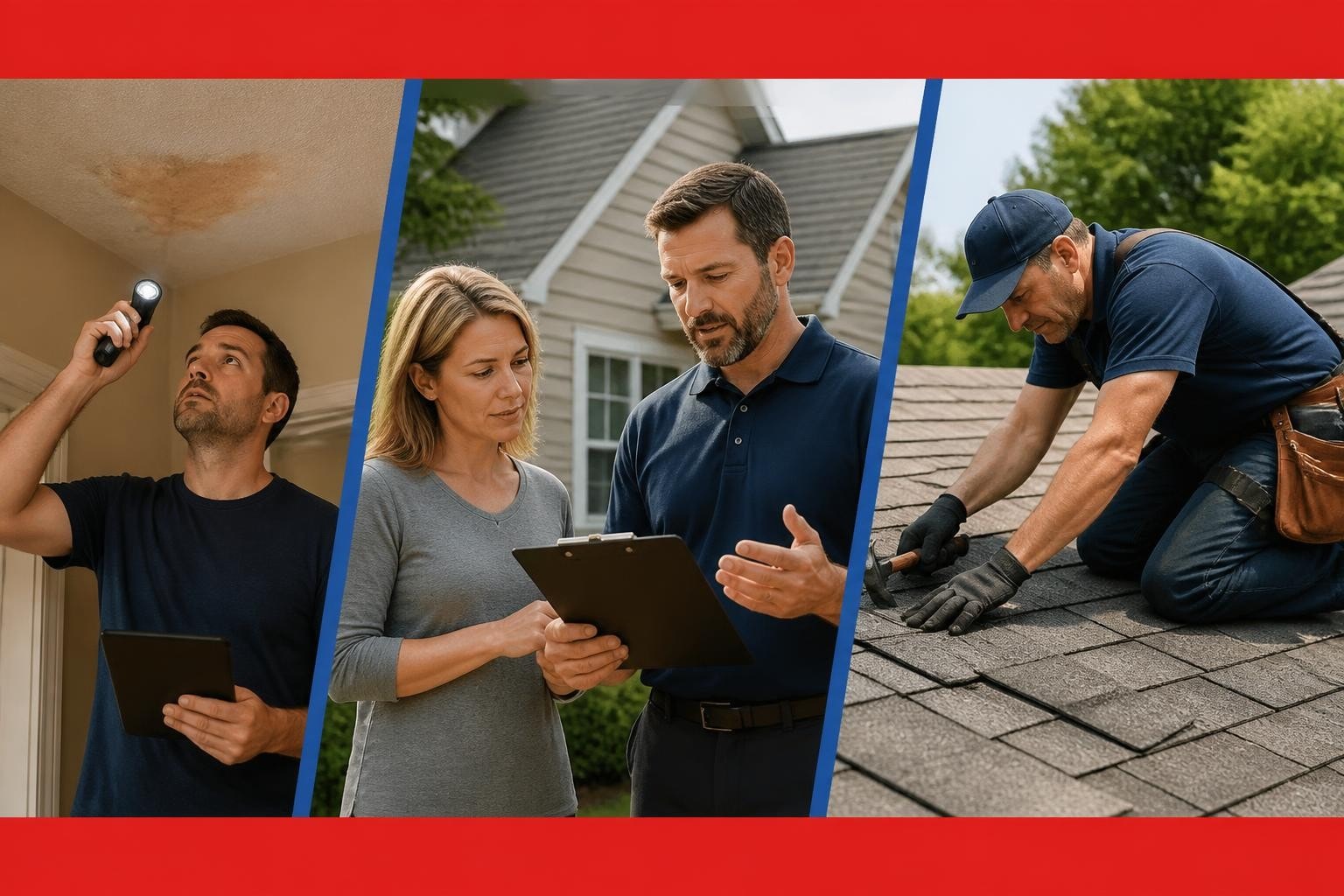
When water stains appear on your ceiling or drips echo through your attic during a rainstorm, finding reliable leaky roof repair near me becomes an urgent priority. Homeowners in Joliet and surrounding communities face unique challenges from Midwest weather patterns that can compromise even the most durable roofing systems. Understanding when to call professionals, what to expect from the repair process, and how to evaluate local contractors will help you protect your home's structural integrity and avoid costly damage. This comprehensive guide walks you through everything needed to make informed decisions about addressing roof leaks quickly and effectively.
Identifying Common Sources of Roof Leaks
Roof leaks rarely announce themselves at their point of origin. Water can travel along rafters, insulation, and structural components before manifesting as visible damage inside your home.
Shingle Damage and Deterioration
Missing, cracked, or curling shingles create obvious entry points for moisture. Asphalt shingles typically last 20-30 years, but severe weather events can compromise them prematurely. Wind-driven rain exploits even small gaps in shingle coverage, allowing water to penetrate underlayment and decking.
Hail damage presents particularly deceptive challenges. Impact marks may not create immediate leaks but weaken granule protection, accelerating deterioration. Following significant storms, professional storm damage assessment becomes essential for documenting insurance claims and preventing future failures.
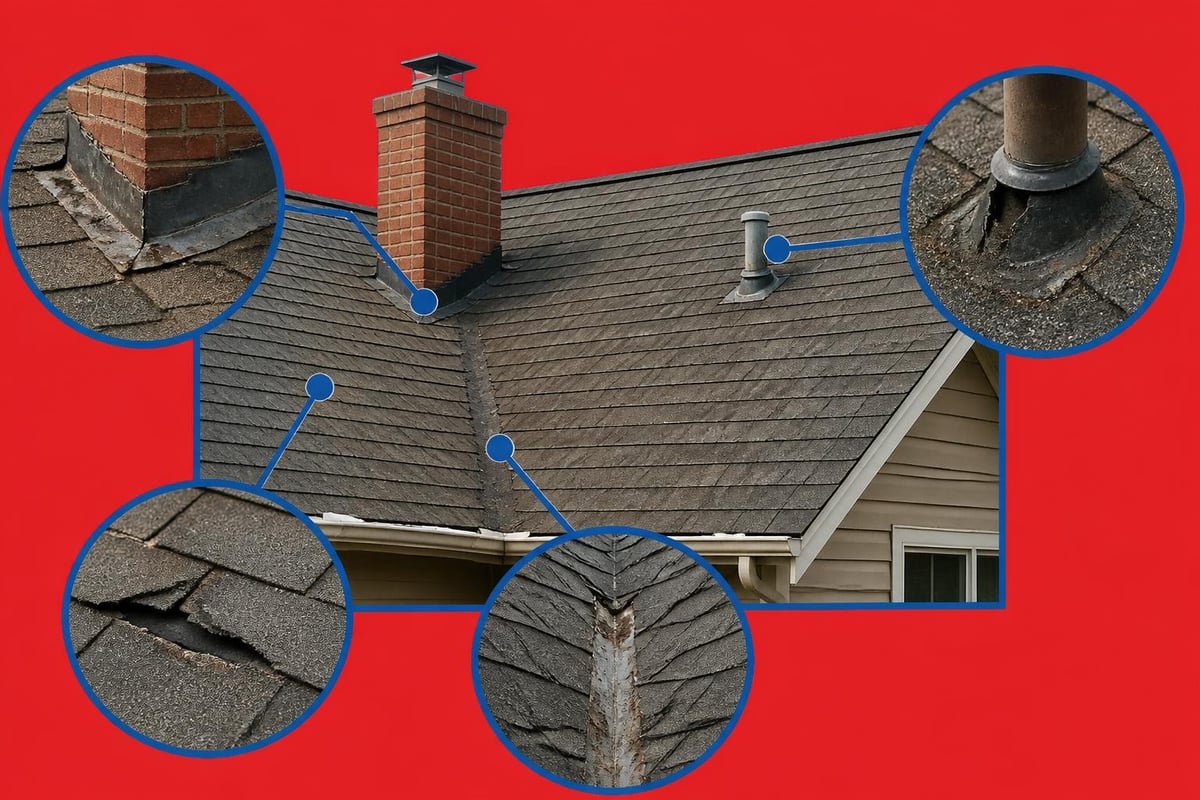
Flashing Failures Around Penetrations
Flashing serves as the protective barrier where your roof plane meets vertical surfaces, chimneys, vents, and skylights. These vulnerable transitions account for approximately 40% of residential roof leaks.
- Chimney flashing separates into step flashing and counter-flashing components that must work together
- Vent pipe boots deteriorate from UV exposure, developing cracks around their rubber seals
- Valley flashing channels high water volumes and suffers from debris accumulation
- Skylight installations require meticulous sealing at multiple transition points
Proper flashing inspection after repairs ensures these critical components will perform as designed.
Understanding Leak Detection Methods
Professional leak detection combines systematic inspection with specialized knowledge of how water behaves within roofing systems.
Interior Investigation Techniques
Start your search in the attic during daylight hours. Look for water stains, mold growth, or actual daylight penetrating through the roof deck. Finding roof leaks requires patience, as water often travels considerable distances from entry points.
Trace stains upward and toward the roof peak. Water follows gravity and structural members, so ceiling damage frequently appears several feet away from the actual breach. Use a flashlight to examine insulation for compressed or discolored sections indicating moisture pathways.
Exterior Roof Examination
Safety considerations should guide every exterior inspection decision. Never climb onto a wet, icy, or steeply pitched roof without proper equipment and training. Professional contractors carry liability insurance and use fall protection systems that homeowners typically lack.
From ground level or through attic access, assess:
- Shingle integrity across all roof planes
- Sealant condition around penetrations
- Gutter attachment and water flow patterns
- Soffit and fascia moisture indicators
- Debris accumulation in valleys
| Inspection Type | Best Timing | Safety Level | Information Gained |
|---|---|---|---|
| Ground-level visual | After storms | High | General condition, obvious damage |
| Attic interior | During rain | High | Active leak locations, water pathways |
| Roof surface walk | Dry conditions | Low (requires training) | Detailed material assessment |
| Drone survey | Any weather | High | Comprehensive documentation |
Evaluating Local Roofing Contractors
Searching for leaky roof repair near me yields numerous options, but contractor quality varies significantly. Your selection directly impacts repair longevity and overall value.
Licensing and Insurance Verification
Legitimate roofing contractors maintain current licenses and comprehensive insurance coverage. Illinois requires contractors performing work over $1,000 to register with their local municipality. Request proof of:
- General liability insurance protecting against property damage during repairs
- Workers compensation coverage shielding homeowners from injury liability
- Local business licenses demonstrating regulatory compliance
Companies like RMO Construction Agency Inc help contractors navigate licensing requirements, ensuring they meet all legal obligations before performing work. When evaluating certified roofing specialists, verify credentials through official databases rather than accepting documentation at face value.
Experience with Your Roof Type
Residential roofing encompasses diverse materials and installation methods. A contractor expert in asphalt shingles may lack experience with modified bitumen commercial systems or specialized materials.
For standard residential repairs, prioritize contractors demonstrating:
- Minimum five years serving your geographic area
- Portfolio showing similar projects to your needs
- Manufacturer certifications for your specific roofing products
- References from recent customers in nearby neighborhoods
Communication and Transparency
Professional contractors explain problems clearly, provide detailed written estimates, and establish realistic timelines. Avoid contractors who pressure immediate decisions or demand full payment upfront.
Quality businesses like Great Roofing build reputations through transparent communication and customer education. They help homeowners understand repair necessity versus recommended upgrades, empowering informed decisions rather than fear-based sales tactics.

Repair Costs and Budget Planning
Understanding typical leaky roof repair near me pricing helps homeowners budget appropriately and recognize unrealistic quotes.
Minor Repair Price Ranges
Simple fixes addressing isolated damage typically cost between $300-$1,200 depending on accessibility and materials required.
Small shingle repairs (5-10 shingles): $350-$600
Single vent boot replacement: $300-$500
Minor flashing repair: $400-$800
Gutter seal repair: $250-$450
These estimates assume straightforward access and standard materials. Steep pitches, multi-story homes, or specialty shingles increase costs proportionally.
Moderate to Extensive Repairs
Larger projects addressing multiple failure points or structural concerns range from $1,500-$5,000.
- Valley reflashing with underlayment replacement
- Chimney cricket installation and complete flashing renewal
- Multiple penetration resealing with deck repairs
- Storm damage addressing widespread shingle replacement
Storm roof repair often falls into this category, especially following severe weather events affecting entire roof sections.
Emergency Service Premiums
Contractors responding to active leaks outside business hours typically charge 25-50% premiums over standard rates. This surcharge covers after-hours labor, expedited material procurement, and schedule disruption.
Emergency tarping services range $400-$800 depending on roof size and access difficulty. While expensive, professional temporary protection prevents exponential damage escalation that could cost thousands in interior repairs.
Insurance Coverage Considerations
Homeowners insurance typically covers sudden, accidental damage while excluding gradual deterioration from deferred maintenance. Understanding these distinctions affects your financial planning.
Covered Versus Excluded Damage
Most policies cover leaks resulting from:
- Storm damage including wind, hail, and falling debris
- Sudden mechanical failures of HVAC or plumbing systems
- Accidental impact from vehicles or aircraft
- Fire, lightning, and explosion damage
Exclusions generally include:
- Wear and tear from normal aging
- Damage from neglected maintenance
- Pre-existing conditions present before policy inception
- Mold resulting from long-term leaks
The Washington State Insurance Commissioner’s guidance on leaks and water damage provides excellent framework for understanding these nuances, though specific coverage varies by policy and state.
Documentation Best Practices
Photograph damage thoroughly before any repairs or tarping. Document:
- Exterior damage from multiple angles showing scope
- Interior staining with measurements and descriptions
- Personal property affected by water intrusion
- Temporary protection measures taken to prevent further damage
Professional contractors provide detailed reports supporting insurance claims. Experienced roofing companies often assist with claims documentation, though they cannot guarantee coverage decisions.
Temporary Leak Mitigation Strategies
While waiting for professional repairs, homeowners can implement temporary measures limiting damage progression.
Interior Containment Methods
Move furniture and valuables away from active leaks. Position buckets or containers to capture dripping water, and place towels or plastic sheeting to protect flooring. If water accumulates in ceiling bulges, carefully puncture the lowest point to control drainage rather than allowing spontaneous collapse.
Use fans to promote air circulation and prevent mold establishment. Dehumidifiers reduce ambient moisture in affected rooms, though they cannot address active water intrusion.
Exterior Temporary Repairs
National Roofing Contractors Association guidance on storm repairs emphasizes safety over speed. Only attempt exterior work if conditions allow safe access and you possess appropriate equipment.
For small, accessible leaks, homeowners might consider:
- Roofing cement application around visible gaps (temporary only)
- Tarp installation secured with lumber and sandbags
- Gutter clearing to improve drainage away from compromised areas
These measures provide short-term protection but should never substitute for professional evaluation. Comprehensive repair guides detail DIY techniques, though most homeowners benefit from professional expertise given safety and liability concerns.
Long-Term Prevention and Maintenance
Preventing future leaks proves far more cost-effective than reactive repairs. Proactive maintenance extends roof lifespan and identifies problems before they cause interior damage.
Regular Inspection Schedules
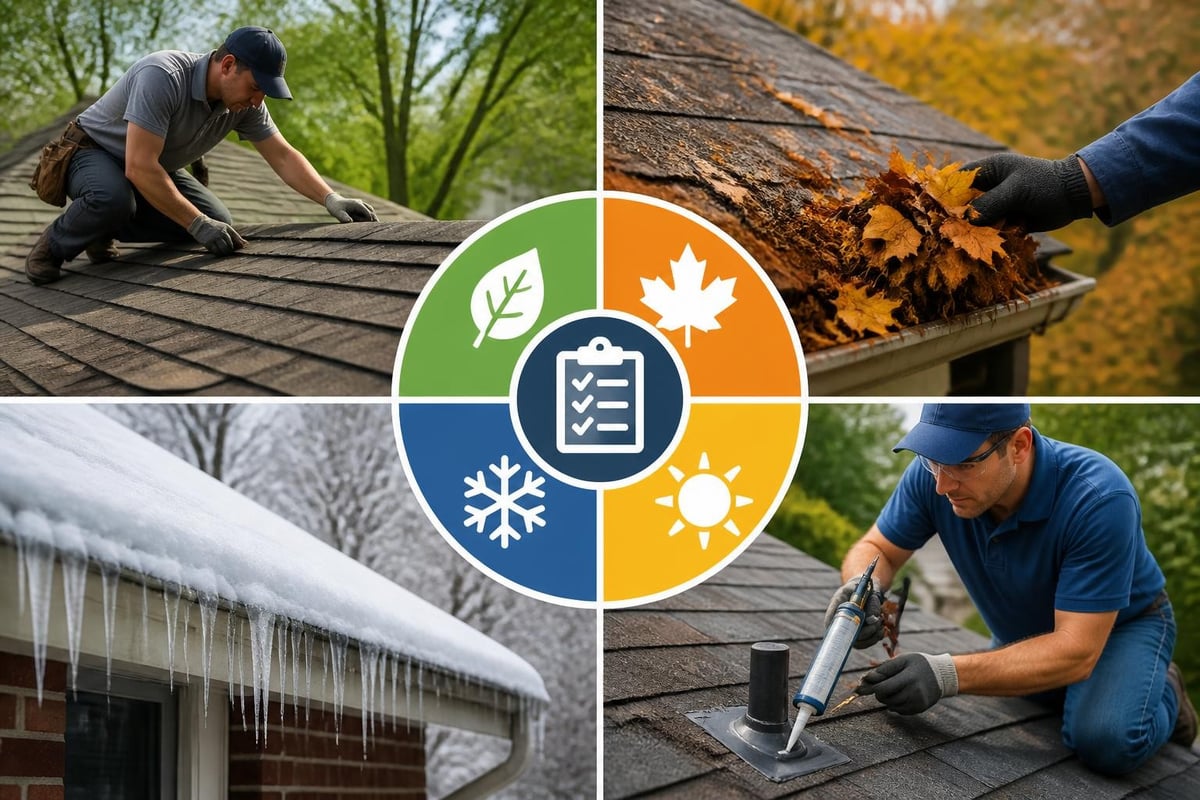
Schedule professional roof inspections biannually in spring and fall. These assessments catch minor issues before weather extremes test system integrity. Between professional visits, conduct ground-level visual checks after significant weather events.
| Season | Inspection Focus | Common Issues |
|---|---|---|
| Spring | Winter damage, ice dam effects | Shingle lifting, flashing gaps, gutter damage |
| Summer | Storm impact, heat deterioration | Hail damage, blown shingles, sealant failure |
| Fall | Pre-winter preparation | Debris accumulation, drainage verification |
| Winter | Active leak monitoring | Ice dam formation, vent condensation |
Proactive Maintenance Tasks
Several maintenance activities significantly reduce leak risk:
- Gutter cleaning quarterly or after heavy leaf fall
- Debris removal from valleys and low-slope areas
- Tree trimming to prevent branch abrasion and leaf accumulation
- Attic ventilation assessment ensuring proper moisture management
- Sealant renewal around penetrations every 3-5 years
Material Upgrade Considerations
When addressing leaks, evaluate whether strategic upgrades provide long-term value. Quality asphalt shingles with extended warranties may cost 20-30% more initially but offer superior durability and reduced maintenance requirements.
Special Considerations for Commercial Properties
Commercial buildings face unique challenges requiring specialized expertise beyond typical residential repairs.
Modified Bitumen Systems
Commercial flat and low-slope roofs often utilize modified bitumen membranes requiring different repair approaches than residential shingles. These systems depend on continuous waterproof barriers where even small punctures compromise entire sections.
Professional contractors experienced with commercial applications understand:
- Proper membrane adhesion techniques
- Seam integrity verification
- Drainage system integration
- Parapet and edge detail specifications
Business Continuity Requirements
Commercial leak repairs must minimize operational disruption. Professional contractors coordinate work during off-hours or implement phased approaches maintaining business functionality.
Interior protection becomes critical when retail spaces, offices, or manufacturing areas lie beneath repair zones. Experienced teams deploy containment systems preventing dust, debris, and moisture from affecting daily operations.
Selecting the Right Repair Approach
Not every leak demands complete roof replacement, though contractors vary in their recommendations. Understanding options helps homeowners advocate for appropriate solutions.
Repair Versus Replacement Decision Factors
Several variables influence whether targeted repairs or full replacement makes financial sense:
- Roof age relative to expected lifespan
- Extent of damage across total roof area
- Number of previous repairs and their effectiveness
- Energy efficiency considerations and insulation status
- Long-term ownership plans for the property
A 5-year-old roof with isolated storm damage typically benefits from repairs. A 20-year-old system with multiple leak locations and visible deterioration often justifies replacement despite higher upfront costs.
Warranty Implications
Some roof repairs void existing manufacturer warranties, particularly if performed by non-certified contractors or using incompatible materials. Before authorizing work, verify how repairs affect coverage.
Comprehensive roofing services providers maintain manufacturer certifications allowing them to perform warranty-compliant repairs that preserve your long-term protection.
Geographic Factors in Joliet Region
Local climate patterns and building characteristics influence both leak causes and repair strategies specific to the Joliet area.
Weather-Related Challenges
The Midwest experiences dramatic seasonal variations testing roofing systems through multiple stress cycles annually. Summer heat expands materials while winter cold causes contraction, creating fatigue at fastening points and seams.
Spring and fall severe weather brings:
- High winds exceeding shingle wind ratings
- Large hail damaging granule surfaces
- Heavy precipitation overwhelming drainage systems
- Tornado activity causing catastrophic damage
Understanding these patterns helps homeowners anticipate vulnerabilities. Real estate professionals like Steven Cirillo emphasize home maintenance history when evaluating property values, making quality repairs essential for long-term investment protection.
Building Code Compliance
Local building codes establish minimum standards for roofing materials, installation methods, and structural requirements. Joliet follows Illinois state building codes with municipality-specific amendments.
Reputable contractors ensure repairs meet current code requirements even if your existing roof predates recent updates. This compliance protects homeowners during property sales and insurance claims while ensuring maximum safety and durability.
Emergency Response Protocols
Knowing how to respond when discovering active leaks minimizes damage and accelerates professional intervention.
Immediate Action Steps
Upon discovering a leak:
- Document conditions with photos and notes before touching anything
- Protect belongings by moving items from affected areas
- Contain water using buckets, towels, or plastic sheeting
- Cut power to affected areas if water contacts electrical fixtures
- Contact professionals for emergency assessment
Avoid panic repairs that might worsen damage or create safety hazards. Professional roof leak services provide expert guidance during stressful situations, helping homeowners make sound decisions under pressure.
After-Hours Contractor Selection
When leaks occur outside business hours, finding reliable leaky roof repair near me becomes challenging. Establish relationships with qualified contractors before emergencies arise.
Research local companies during calm periods, verifying:
- 24/7 emergency service availability
- Response time commitments
- Emergency pricing structures
- Customer reviews specifically mentioning urgent situations
Having this information readily available eliminates desperate searches when water drips through your ceiling at midnight.
Addressing roof leaks promptly with qualified professional help protects your home's structural integrity and prevents minor problems from escalating into costly damage. Whether you're dealing with storm damage, age-related deterioration, or mysterious water intrusion, understanding detection methods, contractor evaluation criteria, and repair options empowers you to make confident decisions. Great Roofing brings decades of family-owned expertise to Joliet homeowners, offering comprehensive leak detection, transparent pricing, and quality repairs backed by industry-leading warranties. Contact their certified team today for a thorough assessment and peace of mind that your home receives the expert care it deserves.