

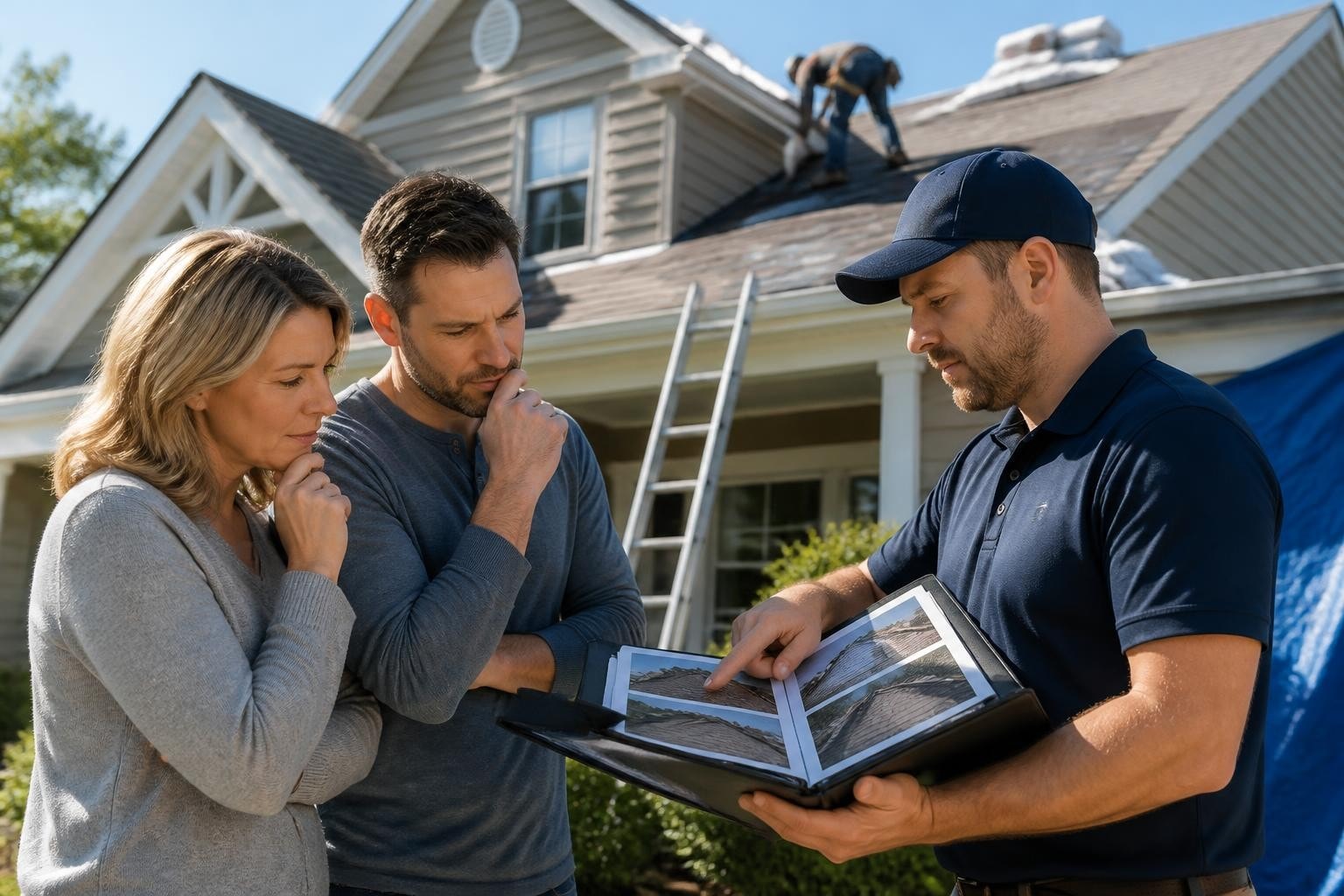
Selecting the right contractor for your roofing project can make the difference between a roof that protects your investment for decades and one that becomes a source of constant headaches. Local roofing experts bring unique advantages to every project, combining technical knowledge with understanding of regional weather patterns, building codes, and material performance. When you choose professionals who live and work in your community, you're not just hiring a contractor but partnering with neighbors who have a vested interest in delivering exceptional results and maintaining their reputation where it matters most.
Understanding What Defines True Local Roofing Expertise
The term "local roofing experts" encompasses more than just contractors who happen to operate in your area. These professionals demonstrate deep knowledge of regional climate challenges, from harsh winter conditions to severe spring storms that regularly impact communities throughout Illinois. They understand how temperature fluctuations affect different roofing materials and can recommend solutions specifically suited to withstand local weather patterns.
True local expertise includes several critical components:
- Multi-year presence in the community with verifiable completed projects
- Physical office location rather than just a post office box or mobile operation
- Established relationships with local suppliers for faster material procurement
- Knowledge of municipal requirements and permitting processes specific to your city
- Proven track record with references from neighbors you can actually visit
Why Geographic Proximity Matters for Roofing Projects
Working with contractors based in or near your community offers tangible benefits throughout your project lifecycle. Response times for emergency repairs become significantly faster when your roofer operates nearby rather than traveling from distant locations. This proximity proves especially valuable when severe weather damages your roof and requires immediate attention to prevent interior damage.
Local roofing experts also maintain accountability in ways that distant contractors cannot match. Their reputation depends on satisfied customers within the community, creating powerful incentives to deliver quality workmanship and stand behind warranties. You can drive past their completed projects, speak with previous clients face-to-face, and verify their claims through direct observation rather than relying solely on online reviews or distant testimonials.

Evaluating Credentials and Professional Qualifications
Before engaging any roofing contractor, thorough verification of their credentials protects you from potential liability and ensures professional-grade work. Start by confirming active licensing through your state's regulatory agencies and verify that both general liability and workers' compensation insurance remain current. These fundamental protections shield you from financial responsibility if accidents occur on your property.
The Better Business Bureau provides valuable insight into contractor reliability and customer satisfaction history. Review their rating, complaint history, and how the company responds to customer concerns. This research reveals patterns that might not be apparent from a single conversation or estimate.
| Credential Type | Why It Matters | How to Verify |
|---|---|---|
| State Licensing | Legal requirement, ensures basic competency | State contractor licensing board |
| Liability Insurance | Protects your property from damage claims | Request certificate from insurer directly |
| Workers' Compensation | Covers injuries to crew members | Obtain current policy documentation |
| Manufacturer Certifications | Validates expertise with specific materials | Check manufacturer website databases |
| BBB Accreditation | Demonstrates commitment to ethical practices | Visit BBB.org for ratings and reviews |
Professional Associations and Industry Memberships
Membership in professional organizations like The National Roofing Contractors Association signals commitment to industry standards and ongoing education. These associations require adherence to codes of ethics and provide members with access to the latest installation techniques, safety protocols, and material innovations. When local roofing experts invest in professional development through such organizations, they bring enhanced knowledge to your project.
Look for contractors who hold manufacturer certifications from major roofing material suppliers. These programs require demonstrated installation competency and often provide extended warranty coverage unavailable through non-certified installers. For homeowners considering specific roofing systems, working with certified professionals ensures proper installation according to manufacturer specifications.
Services Offered by Comprehensive Roofing Contractors
Quality local roofing experts provide a full spectrum of services beyond basic installation. This comprehensive approach means you establish a relationship with one trusted partner for all your roofing needs rather than coordinating multiple contractors for different issues. Understanding the range of services available helps you evaluate whether a contractor can serve your long-term needs.
Residential Roofing Services
For homeowners, residential roofing encompasses everything from minor repairs to complete system replacements. Experienced contractors assess your existing roof condition, identify problem areas, and provide honest recommendations about repair versus replacement options. When choosing the best roof for your home, local expertise proves invaluable in balancing aesthetic preferences with performance requirements and budget constraints.
Common residential services include:
- Complete roof replacement with shingle, tile, or metal systems
- Storm damage assessment and emergency repairs
- Preventive maintenance programs to extend roof lifespan
- Ventilation improvements for enhanced energy efficiency
- Gutter installation and repair to protect foundation integrity
- Skylight installation and flashing repairs
- Chimney flashing and cricket construction
Commercial Roofing Expertise
Commercial properties present unique challenges requiring specialized knowledge and equipment. Local roofing experts serving commercial clients understand the importance of minimizing business disruption while completing necessary repairs or replacements. They work with modified bitumen, TPO, EPDM, and other commercial roofing systems that differ significantly from residential applications.
Commercial projects also demand stricter safety protocols, larger crews, and the ability to work around business operations. Contractors experienced in both residential and commercial work bring versatility that benefits property owners with diverse portfolios or mixed-use buildings.
The Inspection and Estimate Process
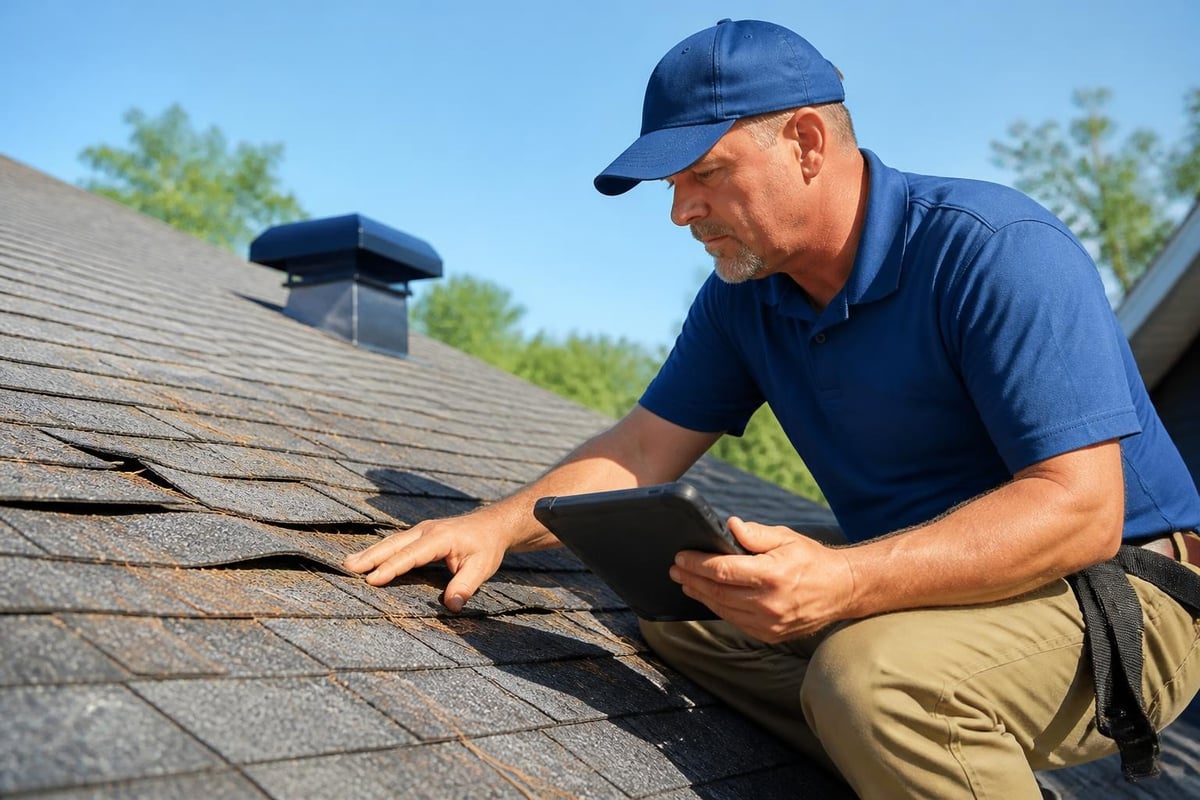
Professional roof inspections provide the foundation for accurate estimates and successful project outcomes. Local roofing experts conduct thorough examinations that go beyond surface-level observations, identifying hidden issues that could compromise your new roof's performance or indicate underlying structural concerns requiring attention.
During a comprehensive inspection, contractors examine all roof components including shingles or other covering materials, flashing around penetrations, ventilation systems, gutters, and underlying decking where accessible. For properties that experienced recent severe weather, specialized roof inspections for hail damage document specific impacts for insurance claim purposes.
What Quality Estimates Should Include
Detailed estimates demonstrate professionalism and help you make informed decisions. Avoid contractors who provide verbal quotes or single-line pricing without itemization. Quality estimates break down material costs, labor, disposal fees, and any additional work required to properly complete your project.
Essential estimate components include:
- Detailed material specifications with manufacturer names and product lines
- Square footage calculations and measurement methodology
- Itemized labor costs separated from materials
- Timeline with start and completion dates
- Payment schedule tied to project milestones
- Warranty terms for both materials and workmanship
- Permit costs and who handles the application process
Compare estimates from multiple contractors to understand market pricing, but remember the lowest bid rarely represents the best value. According to roofing cost guides, significant price variations often reflect differences in material quality, installation thoroughness, or the contractor's experience level.
Storm Damage and Insurance Claim Assistance
Severe weather events create urgent roofing needs throughout communities, and local roofing experts provide critical assistance navigating the insurance claim process. Their familiarity with common storm patterns in the region helps them identify damage that property owners might overlook, ensuring comprehensive documentation for insurance adjusters.
When storms strike, having an established relationship with local professionals means faster response times for emergency tarping and temporary repairs that prevent secondary water damage. These contractors understand insurance requirements and can provide detailed documentation, photographs, and written assessments supporting your claim.
Working with Insurance Adjusters
Experienced roofing contractors serve as valuable advocates during insurance negotiations. They speak the technical language adjusters understand, provide industry-standard repair cost documentation, and can identify when initial settlement offers fail to cover necessary work. This expertise proves especially valuable for homeowners unfamiliar with the claims process.
For properties affected by hail events, understanding the signs of hail damage on shingle roofs helps you recognize when professional assessment becomes necessary. Local roofing experts familiar with regional weather patterns know what to look for and how to document findings for maximum claim success.
Material Selection and Long-Term Performance
Choosing appropriate roofing materials involves balancing aesthetics, performance requirements, longevity expectations, and budget constraints. Local roofing experts guide this decision-making process with insights drawn from observing how different materials perform in your specific climate over many years.
| Material Type | Typical Lifespan | Best Applications | Climate Considerations |
|---|---|---|---|
| Asphalt Shingles | 20-30 years | Residential, moderate budgets | Good for varied climates, wide style range |
| Architectural Shingles | 30-50 years | Upscale residential | Enhanced wind resistance, dimensional appeal |
| Metal Roofing | 40-70 years | Residential and commercial | Excellent for snow shedding, energy efficient |
| Modified Bitumen | 20-30 years | Commercial flat/low-slope | Superior waterproofing for low-pitch applications |
| TPO/EPDM | 25-35 years | Commercial applications | Reflective properties reduce cooling costs |
Climate-Specific Recommendations
Local roofing experts understand how freeze-thaw cycles, humidity levels, and temperature extremes affect material performance in your region. They can explain why certain products excel in Illinois weather while others that work well in different climates might disappoint here. This knowledge prevents costly mistakes and ensures your investment delivers expected longevity.
For homeowners exploring alternatives to traditional asphalt shingles, metal roof installation offers exceptional durability and energy efficiency benefits. Qualified contractors explain the performance differences, initial cost variations, and long-term value propositions of various material choices.
Warranty Coverage and Long-Term Protection
Understanding warranty terms protects your investment and clarifies each party's responsibilities after project completion. Quality roofing work includes two distinct warranty types: manufacturer material warranties and contractor workmanship guarantees. Local roofing experts explain these coverages in plain language and ensure you receive all documentation for future reference.
Material warranties typically cover:
- Manufacturing defects in shingles or roofing membranes
- Premature granule loss or material degradation
- Color fading beyond specified limits
- Specific duration based on product tier selected
Workmanship warranties protect against:
- Installation errors that cause leaks or failures
- Improper flashing installation around penetrations
- Inadequate ventilation leading to premature deterioration
- Fastening issues or improper material application
Reputable contractors stand behind their work with multi-year workmanship warranties and maintain the business stability to honor these commitments. This long-term accountability represents another advantage of choosing established local roofing experts over transient contractors or out-of-state companies.
Maintenance Programs and Preventive Care
Proactive maintenance extends roof lifespan and prevents minor issues from escalating into expensive emergencies. Local roofing experts offer maintenance programs that include regular inspections, minor repairs, and preventive treatments protecting your investment. These scheduled services prove especially valuable for commercial properties where roof failure could disrupt business operations.
A comprehensive summer roof maintenance checklist addresses seasonal concerns before they cause damage. Regular maintenance also preserves warranty coverage, as many manufacturers require periodic inspections to maintain protection.
Seasonal Maintenance Priorities
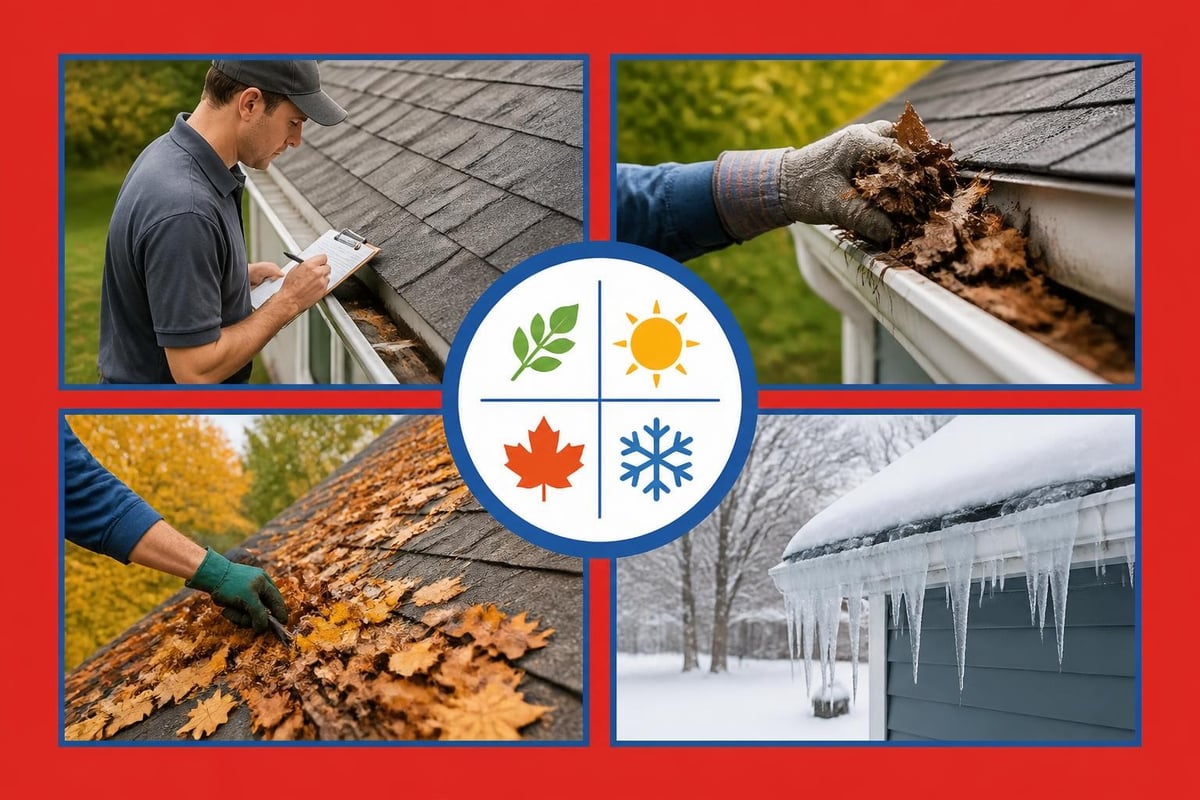
Different seasons present unique roofing challenges requiring specific attention. Spring inspections after winter weather identify damage from ice, snow, and freeze-thaw cycles. Fall maintenance focuses on clearing gutters and ensuring drainage systems function properly before winter precipitation arrives.
- Spring: Inspect for winter damage, check flashing integrity, assess shingle condition
- Summer: Clean gutters, trim overhanging branches, verify attic ventilation effectiveness
- Fall: Remove debris, inspect and clean gutters again, check for loose or damaged shingles
- Winter: Monitor for ice dams, ensure adequate attic insulation, address leaks immediately
Local contractors familiar with regional weather patterns provide maintenance recommendations specifically relevant to your climate challenges rather than generic advice applicable anywhere.
Emergency Repair Services and Response Times
Roofing emergencies demand immediate attention to prevent extensive interior damage. Whether from fallen trees, severe hail, high winds, or sudden leaks, these situations require rapid professional response. Local roofing experts maintain the staff, equipment, and material inventory necessary to provide emergency services when you need them most.
Proximity directly impacts emergency response effectiveness. Contractors based in your community can typically reach your property within hours rather than days, minimizing damage and providing peace of mind during stressful situations. This availability represents a crucial advantage over distant companies or national franchises operating from regional hubs.
Temporary Protection Measures
While permanent repairs might require ordering materials or waiting for better weather conditions, experienced contractors provide temporary protection preventing further damage. Professional tarping, emergency sealing, and water diversion techniques protect your property until comprehensive repairs can be completed properly.
Understanding when DIY repairs versus professional intervention makes sense helps homeowners make smart decisions during emergencies. While minor issues might be addressable with temporary measures, structural damage, extensive leaks, or safety concerns require immediate professional attention.
Community Involvement and Local Reputation
Established local roofing experts participate actively in their communities beyond business operations. They sponsor youth sports teams, support local charities, and contribute to community development. This involvement reflects commitment to the area and creates additional accountability for maintaining high service standards.
You can verify local reputation through multiple channels including neighborhood social media groups, community forums, and conversations with neighbors. Drive through your area noting roof replacement projects and ask homeowners about their experiences. This direct research provides insights unavailable through online reviews alone.
Building Long-Term Relationships
The best contractor relationships extend beyond single projects. When local roofing experts deliver excellent service, they become your trusted resource for all future roofing needs. You gain a professional who knows your property's history, understands previous work completed, and can provide continuity of care that transient contractors cannot match.
These long-term relationships also provide access to priority scheduling during busy seasons, preferential pricing for returning customers, and the confidence that comes from working with professionals who have consistently delivered quality results.
Questions to Ask Before Hiring
Thorough questioning during the selection process reveals contractor capabilities and helps you make informed decisions. Prepare a consistent list of questions to ask all candidates, enabling direct comparison of responses, qualifications, and approaches.
Essential questions include:
- How long have you operated in this community specifically?
- Can you provide references from projects completed within the past year?
- What manufacturers certify your company for installation?
- How do you handle unexpected issues discovered during tear-off?
- What is your typical project timeline from start to completion?
- Who will supervise my project daily and how can I reach them?
- How do you protect landscaping and property during work?
- What payment schedule do you require and what does it include?
Pay attention not just to the answers provided but how contractors communicate. Do they listen carefully to your concerns? Do they explain technical concepts clearly? Does their demeanor suggest they value your business and respect your intelligence?
Cost Considerations and Value Assessment
Roofing represents a significant investment requiring careful budget planning. Understanding factors that influence project costs helps you evaluate estimates and recognize true value versus simply low pricing. Local roofing experts provide transparent pricing reflecting fair market rates for quality materials and skilled labor.
Project costs vary based on roof size, pitch complexity, material selection, existing damage requiring repair, and current material prices. Additional factors include required permits, disposal fees for old materials, and any structural repairs discovered during tear-off.
Cost variables to understand:
- Roof complexity: Multiple valleys, dormers, and penetrations increase labor requirements
- Material quality: Premium products cost more initially but often provide better long-term value
- Accessibility: Difficult access increases labor time and safety equipment needs
- Existing damage: Decking replacement or structural repairs add unexpected costs
- Regional factors: Local material availability and labor market conditions affect pricing
Rather than focusing solely on the lowest bid, evaluate total value including material quality, warranty coverage, contractor reputation, and service comprehensiveness. The cheapest option frequently becomes the most expensive when poor installation requires premature replacement or extensive repairs.
Project Timeline and Work Coordination
Understanding realistic project timelines helps you plan accordingly and sets appropriate expectations. Most residential roof replacements complete within one to three days depending on size, complexity, and weather conditions. Commercial projects typically require longer timelines based on building size and operational considerations.
Local roofing experts provide detailed schedules outlining each project phase from permitting through final cleanup. They communicate proactively about any delays caused by weather, material delivery, or unexpected structural issues requiring additional work.
What to Expect During Installation
Professional contractors establish clear protocols protecting your property and minimizing disruption. These include:
- Pre-installation: Material delivery, dumpster placement, property protection measures
- Tear-off: Removal of existing roofing down to decking, immediate tarp deployment if needed
- Deck repair: Replacement of damaged or deteriorated sheathing as discovered
- Installation: Systematic new roof installation following manufacturer specifications
- Cleanup: Magnetic sweeps for nails, debris removal, final property inspection
- Final walkthrough: Review of completed work, warranty documentation, payment settlement
Clear communication throughout this process ensures you understand daily progress and feel confident in work quality.
Selecting qualified local roofing experts transforms a necessary home improvement project into a positive experience that protects your investment for decades. The combination of technical expertise, regional knowledge, and community accountability these professionals provide ensures superior results compared to distant contractors or inexperienced operators. Whether you need emergency repairs, routine maintenance, or complete roof replacement, Great Roofing brings the family-owned dedication and professional expertise Joliet property owners trust for all their residential and commercial roofing needs.