


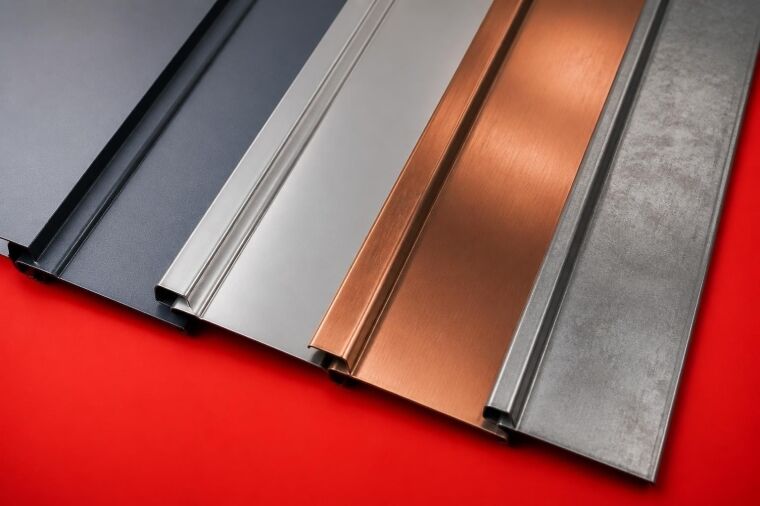
Selecting the right roofing material is one of the most critical decisions property owners face when planning a replacement or new construction project. Metal roofing has surged in popularity across both residential and commercial sectors, thanks to its exceptional longevity, energy efficiency, and modern aesthetic appeal. Understanding the various metal roofing materials available in 2026 helps homeowners and business owners make informed choices that balance upfront investment with decades of performance. From traditional standing seam systems to contemporary metal shingles, today's metal roofing options offer versatility that suits virtually any architectural style while delivering measurable benefits in durability and sustainability.
Understanding the Core Metal Roofing Material Types
The landscape of metal roofing materials encompasses several distinct metals, each with unique properties, price points, and performance characteristics. The most common options include steel, aluminum, copper, and zinc, along with specialty alloys designed for specific applications.
Steel roofing dominates the market due to its optimal balance of strength, affordability, and availability. Galvanized steel receives a protective zinc coating that prevents rust and corrosion, while Galvalume steel combines zinc and aluminum coatings for enhanced durability. Many metal roofing contractors near me recommend Galvalume for its superior corrosion resistance in coastal and high-moisture environments.
Steel: The Workhorse Material
Steel roofing products typically range from 24-gauge to 29-gauge thickness, with lower numbers indicating thicker, more durable panels. The coating system plays an essential role in longevity and appearance.
- Galvanized steel: Traditional zinc coating, economical, excellent for agricultural and industrial applications
- Galvalume steel: Aluminum-zinc alloy coating, superior corrosion resistance, ideal for residential and commercial projects
- Stone-coated steel: Granular surface mimics traditional shingles while maintaining metal durability
Steel's strength allows it to withstand severe weather events, including high winds, heavy snow loads, and hail impact. The National Roofing Contractors Association provides comprehensive guidance on installation standards that ensure proper performance across all climate zones.

Aluminum: Lightweight and Corrosion-Proof
Aluminum metal roofing materials offer distinct advantages in coastal regions and environments with high salt exposure. Unlike steel, aluminum naturally resists rust without protective coatings, though modern aluminum roofing typically includes painted or anodized finishes for enhanced aesthetics and UV protection.
The lightweight nature of aluminum-approximately one-third the weight of steel-reduces structural load requirements and simplifies installation. This characteristic makes aluminum particularly valuable for retrofit applications where existing framing may not support heavier materials. However, aluminum's softness compared to steel means it may dent more easily under hail impact in severe weather zones.
Property owners in the Joliet area should consult with experienced professionals about roofing construction requirements when considering aluminum, as local building codes and snow load calculations influence material selection.
Premium Metal Roofing Materials: Copper and Zinc
Beyond the mainstream options, premium metal roofing materials like copper and zinc deliver unmatched longevity and distinctive aesthetics that evolve over time through natural patination processes.
Copper roofing represents the pinnacle of metal roof systems, with documented service lives exceeding 100 years. Fresh copper installations feature a brilliant reddish-brown luster that gradually develops a protective green patina over 15-20 years. This natural oxidation process creates a weatherproof barrier that essentially makes copper self-healing and maintenance-free.
| Material | Typical Lifespan | Weight (per sq ft) | Relative Cost | Key Advantage |
|---|---|---|---|---|
| Galvanized Steel | 30-50 years | 1.5-2 lbs | $ | Affordability |
| Galvalume Steel | 40-70 years | 1.5-2 lbs | $$ | Corrosion resistance |
| Aluminum | 50+ years | 0.5-0.7 lbs | $$$ | Salt/coastal resistance |
| Copper | 100+ years | 1-1.5 lbs | $$$$ | Longevity, aesthetics |
| Zinc | 80-100 years | 1-1.2 lbs | $$$$ | Self-healing patina |
Architectural Zinc Excellence
Zinc roofing has gained prominence in contemporary architecture for its remarkable self-healing properties and elegant blue-gray patina. The International Zinc Association provides detailed specifications for architects and contractors working with this sophisticated material.
Zinc's unique characteristic is its ability to "heal" minor scratches through natural oxidation. When the protective patina layer experiences minor damage, zinc carbonate forms naturally to seal the affected area. This quality, combined with exceptional thermal expansion properties, makes zinc ideal for standing seam applications on commercial buildings and high-end residential projects.
The material requires specialized installation expertise due to its thermal movement characteristics. Proper detailing around fasteners, seams, and penetrations ensures the roof system accommodates expansion and contraction without compromising weather-tightness.
Coating Systems and Surface Treatments
The performance and appearance of metal roofing materials depend significantly on their coating systems. Modern coating technologies have transformed metal roofing from purely functional to architecturally sophisticated building envelope components.
Paint Systems and Performance
Contemporary metal roofing utilizes advanced paint systems that provide color retention, UV resistance, and enhanced energy efficiency. The most common systems include:
Kynar 500/Hylar 5000 (PVDF): Premium polyvinylidene fluoride resin coatings deliver exceptional color stability and chalk resistance, with warranties extending 30-40 years. These coatings maintain their appearance in harsh environments and resist fading, making them ideal for visible applications where aesthetics matter.
Polyester coatings: More economical than PVDF, standard polyester systems offer good performance for agricultural, industrial, and budget-conscious projects. While color retention doesn't match premium options, polyester coatings still provide decades of serviceable life when properly maintained.
Silicone-modified polyester (SMP): This mid-tier option bridges the gap between standard polyester and PVDF performance, offering enhanced flexibility and gloss retention at a moderate price point.
The U.S. Department of Energy’s cool roof guidance emphasizes how reflective coatings reduce cooling costs by reflecting solar radiation rather than absorbing it. Cool-color pigments now allow dark-colored metal roofing materials to achieve energy performance comparable to traditional white or light-colored roofs.
Stone Coating Technology
Stone-coated metal roofing represents a hybrid approach that combines metal substrate durability with the traditional appearance of asphalt shingles, wood shakes, or tile profiles. Manufacturers bond colored stone granules to steel panels using acrylic polymers, creating textured surfaces that reduce noise during rain events and provide dimensional aesthetics.
This category appeals to homeowners seeking metal roofing benefits without departing from neighborhood architectural norms. Many homeowners associations that restrict standing seam metal roofs accept stone-coated products because they closely mimic conventional roofing materials.
Energy Efficiency and Environmental Considerations
Metal roofing materials deliver measurable energy savings and environmental benefits that extend beyond their extended service life. Understanding these factors helps property owners calculate true lifecycle costs rather than focusing solely on initial installation expenses.
Reflectivity and Thermal Performance
The reflectance and emittance properties of metal roofing materials significantly impact building energy consumption. Reflectance measures how much solar radiation bounces off the roof surface, while emittance indicates how efficiently the roof releases absorbed heat.
Research from the Lawrence Berkeley National Laboratory’s Heat Island Group demonstrates that cool metal roofing can reduce cooling energy use by 10-25% in hot climates compared to traditional dark asphalt shingles. In mixed climates like Illinois, the benefits balance seasonal variations, with summer cooling savings offsetting minimal winter heating penalties.
- High solar reflectance reduces surface temperatures by 50-60°F compared to dark conventional roofs
- Enhanced emittance allows roofs to cool quickly after sunset
- Reduced attic temperatures extend HVAC equipment life and improve occupant comfort
- Lower urban heat island effect benefits community-scale climate
When evaluating roofing best practices for energy efficiency, metal roofing materials consistently outperform traditional options across multiple metrics.
Sustainability and Recyclability
Metal roofing materials align with green building principles through high recycled content and complete recyclability at end of life. Steel roofing products typically contain 25-95% recycled content depending on whether they use virgin or scrap steel feedstock. Aluminum roofing similarly incorporates substantial recycled material.
Unlike asphalt shingles, which generate millions of tons of landfill waste annually, metal roofing materials retain value for recycling. When a metal roof reaches the end of its service life-often 50+ years-the material can be completely recycled into new products without quality degradation. The EPA’s Comprehensive Procurement Guideline recognizes metal roofing as a preferred sustainable building material.
Lifecycle Assessment Benefits
Beyond recyclability, metal roofing materials offer lifecycle advantages:
- Manufacturing efficiency: Modern mills operate with reduced energy consumption and emissions controls
- Transportation: Lightweight materials reduce fuel consumption during shipping
- Installation waste: Precise manufacturing minimizes job-site waste compared to shingle tear-off debris
- Longevity: 50-100 year service life eliminates multiple re-roofing cycles and associated environmental impacts
Installation Considerations and Profile Options
The versatility of metal roofing materials extends to numerous profile configurations that suit different architectural styles, performance requirements, and budget parameters. Understanding these options helps property owners select systems that balance aesthetics, functionality, and cost.
Standing Seam Systems
Standing seam represents the most weather-tight and thermally efficient metal roofing configuration. Vertical leg panels interlock or overlap, with concealed fasteners that eliminate penetrations through the weather surface. Clips attached to the roof deck allow panels to expand and contract freely with temperature changes.
Key standing seam advantages:
- Superior weather protection with no exposed fasteners
- Clean, contemporary aesthetic with vertical panel orientation
- Accommodates thermal movement without stress
- Ideal for low-slope applications (down to 1:12 pitch)
- Compatible with integrated solar mounting systems
The Whole Building Design Guide’s roofing systems section provides detailed specifications for various standing seam configurations and their appropriate applications across building types.
Exposed Fastener Panels
Exposed fastener systems offer economical metal roofing solutions for agricultural buildings, commercial warehouses, and budget-conscious residential projects. These panels feature overlapping ribs with fasteners driven through the panel into structural purlins or decking.
While less expensive than standing seam, exposed fastener systems require more maintenance. Fastener washers may degrade over 15-20 years, potentially requiring re-tightening or replacement. However, when properly installed and maintained, these systems deliver 30-40 years of serviceable life at a fraction of standing seam cost.
| Profile Type | Typical Cost | Best Application | Slope Minimum | Maintenance Level |
|---|---|---|---|---|
| Standing Seam | $$$-$$$$ | Residential, commercial low-slope | 1:12 | Low |
| Exposed Fastener | $-$$ | Agricultural, industrial, budget projects | 3:12 | Moderate |
| Metal Shingles | $$-$$$ | Residential traditional aesthetic | 4:12 | Low |
| Metal Tile | $$$-$$$$ | Mediterranean, Spanish styles | 4:12 | Low |
Metal Shingles and Tiles
For homeowners seeking the best roof for house applications that maintain traditional aesthetics, metal shingles and tiles offer the perfect compromise. These products replicate the appearance of asphalt shingles, wood shakes, slate, or clay tiles while delivering metal's performance advantages.
Metal shingle systems interlock through concealed fastening tabs, creating a continuous weather barrier. Individual panels typically measure 12-16 inches wide and 36-48 inches long, allowing for creative pattern variations and straightforward repairs if damage occurs. The textured surfaces and multi-tone color finishes convincingly mimic natural materials at a fraction of the weight and maintenance requirements.
Material Selection for Climate and Application
Choosing appropriate metal roofing materials requires careful consideration of local climate conditions, building type, and performance priorities. The Midwest climate presents unique challenges including temperature extremes, ice damming potential, and severe storm exposure.
Climate-Specific Recommendations
Cold climate considerations: In regions experiencing harsh winters and heavy snow loads, steel-based metal roofing materials provide optimal strength-to-weight ratios. The smooth surface of metal roofing facilitates snow shedding, reducing structural load and ice dam formation. Proper attic ventilation and insulation work synergistically with metal roofing to prevent ice accumulation at eaves.
High wind zones: All metal roofing materials resist wind uplift effectively when properly installed according to ASTM standards and manufacturer specifications. However, heavier gauge steel panels and mechanically seamed standing seam systems provide maximum wind resistance for tornado-prone regions. Testing confirms that properly installed metal roofs withstand winds exceeding 140 mph.
Coastal environments: Aluminum and copper excel in salt-air exposure where steel products may experience accelerated corrosion despite protective coatings. For steel applications near large bodies of water, Galvalume coating systems with enhanced paint finishes provide adequate protection when regular maintenance schedules include washing salt deposits from surfaces.
Residential Versus Commercial Applications
Residential metal roofing materials typically prioritize aesthetics alongside performance, with stone-coated shingles and painted standing seam systems leading market share. Homeowners value the architectural versatility and resale value enhancement that quality metal roofing provides.
Commercial applications often emphasize lifecycle cost optimization and minimal maintenance requirements. Large-format standing seam panels in 22-24 gauge steel dominate commercial installations, offering rapid installation on expansive roof areas and superior weather protection for low-slope configurations. The same expertise that handles bitumen roofing projects often extends to commercial metal roof systems.
Cost Analysis and Return on Investment
Understanding the financial implications of metal roofing materials requires examining both initial investment and long-term value proposition. While metal roofing typically costs 2-3 times more than asphalt shingles initially, the lifecycle analysis reveals compelling economics.
Initial Investment Breakdown
Metal roofing material costs vary significantly based on metal type, gauge, coating system, and profile configuration. As of 2026, typical installed costs range:
- Exposed fastener steel panels: $4-7 per square foot installed
- Standing seam Galvalume: $9-14 per square foot installed
- Stone-coated steel shingles: $8-12 per square foot installed
- Aluminum standing seam: $11-16 per square foot installed
- Copper or zinc: $18-30+ per square foot installed
These figures include materials, professional installation labor, underlayment, trim, and accessories. Complex roof geometries with multiple valleys, dormers, and penetrations increase labor costs across all material categories.
Lifecycle Value Proposition
The true economic advantage of metal roofing materials emerges through decades of service life and reduced maintenance requirements. Consider a residential re-roofing scenario:
Asphalt shingle scenario (2026-2056):
- Initial installation: $12,000
- Replacement needed: 2046 ($24,000 adjusted for inflation)
- Total 30-year cost: $36,000+
Metal roofing scenario (2026-2076):
- Initial installation: $24,000
- Replacement needed: None (50+ year lifespan)
- Total 30-year cost: $24,000
This simplified comparison excludes additional metal roofing benefits including energy savings, increased home value, and insurance premium reductions available in some markets. When factoring these elements alongside eliminated re-roofing costs, metal roofing materials deliver superior return on investment for property owners planning long-term ownership.
Homeowners concerned about roofing repair cost over time find that metal roofing materials require minimal maintenance spending compared to conventional options that deteriorate more rapidly.
Maintenance and Longevity Expectations
One of the most compelling advantages of metal roofing materials is their minimal maintenance requirements and exceptional durability. Unlike organic materials that decompose, crack, or support algae growth, metal roofs maintain their integrity with basic periodic care.
Routine Maintenance Requirements
Annual inspection: Walking the roof or using binoculars to examine panels, fasteners, and flashing for any damage or displacement. Focus areas include:
- Fastener tightness on exposed fastener systems
- Sealant integrity around penetrations and terminations
- Debris accumulation in valleys and behind chimneys
- Panel condition and coating appearance
Periodic cleaning: Depending on environmental conditions, washing the roof every 1-3 years maintains appearance and prevents buildup of organic material, pollen, or industrial fallout. Simple low-pressure washing with mild detergent suffices for most installations. Avoid pressure washing that could damage coatings or drive water under panel laps.
Gutter maintenance: Metal roofing's smooth surface sheds water efficiently, placing higher demands on gutters and roof drainage systems. Regular gutter cleaning prevents overflow that could undermine roof performance.
Addressing Common Issues
While metal roofing materials resist most degradation mechanisms affecting conventional roofs, specific issues may arise:
Fastener backup (exposed systems): Over time, thermal cycling can back out screws. Periodic inspection and re-tightening maintains weather-tightness. Quality installations use screws with EPDM or neoprene washers designed for long-term compression set resistance.
Paint degradation: Premium coating systems maintain appearance for decades, but eventually all finishes weather. When coating failure occurs after 30-40 years, restoration coating systems can extend service life another 15-20 years at modest cost compared to replacement.
Dissimilar metal corrosion: Contact between different metals in the presence of water creates galvanic corrosion. Proper installation isolates incompatible metals using non-conductive barriers. This consideration matters particularly when installing metal roofing materials over existing structures or integrating with other building components.
Experienced roof repair experts understand these nuances and provide guidance on maintaining metal roof systems for maximum longevity.
Future Trends in Metal Roofing Materials
The metal roofing industry continues evolving through material science advances, manufacturing innovation, and integration with emerging building technologies. Several trends are reshaping the landscape in 2026 and beyond.
Integrated Solar Solutions
The compatibility between metal roofing materials and solar energy systems drives significant market growth. Standing seam panels particularly excel as solar mounting platforms, with specialized clamps that attach directly to panel seams without roof penetrations. This approach preserves roof warranty while simplifying solar installation.
Emerging building-integrated photovoltaic (BIPV) metal roofing products incorporate solar cells directly into roofing panels, eliminating the distinction between roof and solar array. While currently premium-priced, these systems represent the future convergence of building envelope and energy generation.
Advanced Coating Technologies
Coating manufacturers continue developing enhanced formulations that improve:
- Self-cleaning surfaces: Nanotechnology treatments that cause water to sheet off panels, carrying dirt and organic material away
- Antimicrobial properties: Copper-infused coatings that inhibit algae and moss growth
- Enhanced infrared reflectance: Cool-color pigments that reflect near-infrared solar radiation while offering dark, rich colors
- Improved scratch resistance: Harder clear coats that maintain appearance despite foot traffic during installation and maintenance
Sustainable Manufacturing
Environmental regulations and market demand drive metal roofing manufacturers toward increasingly sustainable production methods. Initiatives include renewable energy-powered mills, closed-loop water recycling, and zero-waste-to-landfill operations. These improvements enhance the already strong environmental credentials of metal roofing materials.
The industry also sees growth in regional manufacturing that reduces transportation distances and supports local economies. Domestic production of previously imported specialty metals like zinc creates supply chain resilience while reducing carbon footprint.
Metal roofing materials offer property owners an exceptional combination of longevity, energy efficiency, and aesthetic versatility that outperforms conventional roofing options across virtually every metric. Whether you're considering steel for its strength and value, aluminum for coastal durability, or premium copper and zinc for their timeless elegance, selecting the right metal roofing system requires balancing performance requirements, architectural goals, and budget considerations. For Joliet-area residential and commercial property owners ready to explore how metal roofing materials can enhance their buildings, Great Roofing brings the expertise and dedication to guide you through material selection, professional installation, and long-term performance that protects your investment for decades to come.