

Replacing your home's roof represents one of the most significant investments you'll make as a property owner. Whether you're dealing with aging shingles, storm damage, or persistent leaks, installing a new roof for house projects requires careful planning, informed decision-making, and the right professional partner. Understanding the process from start to finish helps homeowners in the Joliet area and beyond make choices that protect their investment for decades to come.
Recognizing When You Need a New Roof
Most homeowners don't think about their roof until problems become obvious. However, proactive assessment can save thousands in water damage and emergency repairs.
Age and Material Lifespan
Asphalt shingle roofs typically last 20-25 years, while metal roofing can exceed 50 years with proper maintenance. If your current roof is approaching the end of its expected lifespan, planning for replacement before failure occurs gives you control over timing and budget. Age alone doesn't always dictate replacement, but it's a critical factor when combined with other indicators.
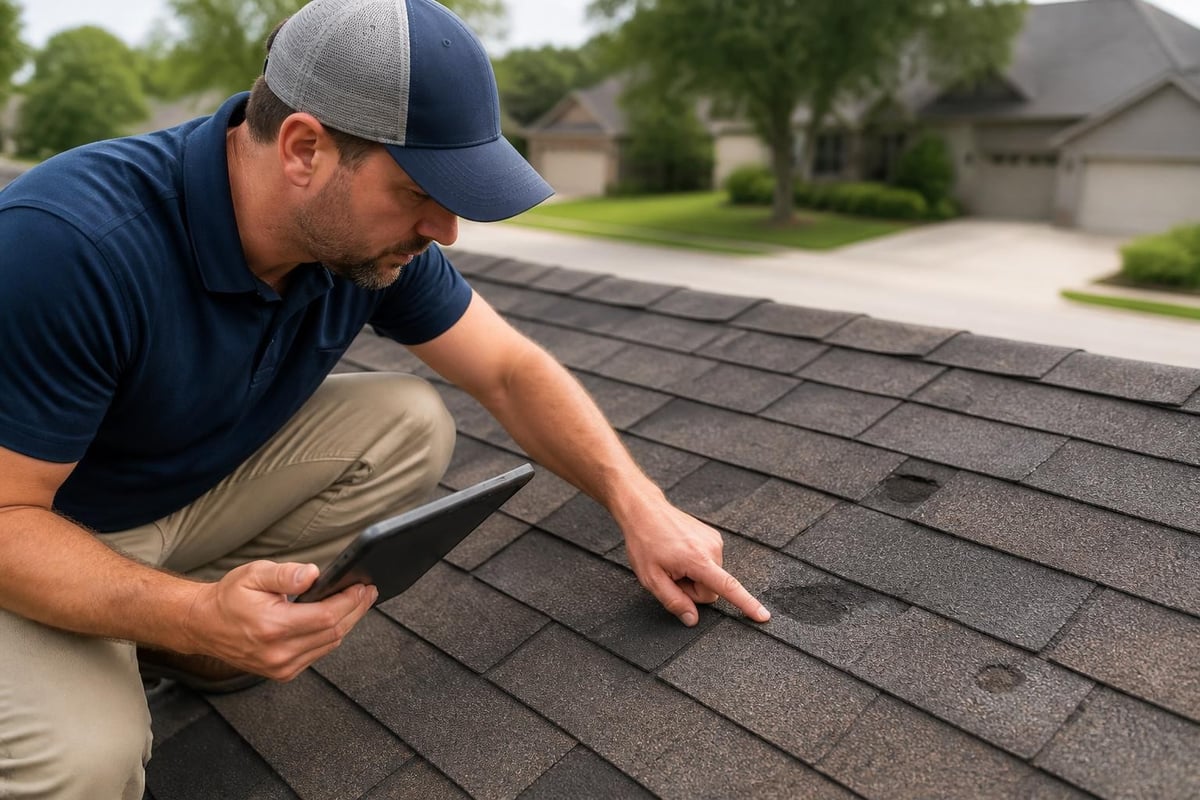
Signs of roof aging include:
- Granule loss from asphalt shingles
- Curling or cupping shingle edges
- Missing or damaged shingles after storms
- Daylight visible through roof boards
- Sagging areas indicating structural issues
Storm Damage Assessment
The Midwest experiences severe weather that can compromise roofing systems in a single event. Hail, high winds, and ice dams create damage that may not be immediately visible from ground level. When considering storm damage insurance claims, professional inspection becomes essential to document the full extent of the problem.
Choosing the Right Roofing Material
Selecting materials for a new roof for house installation involves balancing performance, aesthetics, budget, and longevity. Each option offers distinct advantages suited to different priorities.
Asphalt Shingles: The Popular Choice
Asphalt shingles dominate residential roofing for good reason. They provide reliable protection at accessible price points, with asphalt shingle roof installation costs typically ranging from $5,500 to $12,000 for average-sized homes in 2026.
| Shingle Type | Lifespan | Wind Rating | Cost per Square |
|---|---|---|---|
| 3-Tab | 20-25 years | 60-70 mph | $90-$120 |
| Architectural | 25-30 years | 110-130 mph | $120-$200 |
| Premium/Designer | 30-50 years | 110-130 mph | $250-$450 |
Modern architectural shingles offer dimensional appearance and enhanced durability. They resist algae growth, provide superior wind resistance, and come with warranties extending up to 50 years. Consumer Reports’ roofing buying guide provides detailed testing results for various brands and styles.
Metal Roofing Advantages
Metal roofing materials continue gaining popularity among homeowners seeking longevity and energy efficiency. Standing seam metal roofs reflect solar heat, potentially reducing cooling costs by 10-25% in summer months.
Key benefits include:
- 40-70 year lifespan with minimal maintenance
- Superior wind and fire resistance
- Recyclable at end of life
- Compatible with solar panel installation
- Lightweight reducing structural stress
The higher upfront investment typically ranges from $12,000 to $25,000, but lifecycle costs often favor metal when factoring in longevity and energy savings.
Specialty and Cool Roofing Options
The EPA’s cool roofs initiative highlights how reflective roofing materials reduce urban heat island effects while lowering energy consumption. Cool roof coatings and specialized shingles with high solar reflectance can be applied during new roof for house installations, particularly beneficial in areas experiencing increasing summer temperatures.
Understanding the Installation Process
Professional installation separates a roof that lasts from one that fails prematurely. Knowing what to expect helps homeowners evaluate contractor proposals and ensure quality work.
Pre-Installation Preparation
Before shingle installation begins, contractors should conduct thorough deck inspection. This involves checking for rot, ensuring proper ventilation as outlined in ASHRAE handbook guidelines, and addressing any structural concerns.
- Complete property assessment and measurement
- Material delivery and staging
- Deck inspection and repair
- Installation of ice and water shield
- Underlayment application
- Drip edge and flashing installation
- Shingle or metal panel installation
- Ridge vent and cap installation
- Final inspection and cleanup
The Tear-Off Decision
When installing a new roof for house projects, homeowners often ask whether shingle roof tear-off is necessary. Most building codes limit roof layers to two, and professional contractors recommend complete removal for several reasons.
Tear-off advantages:
- Allows deck inspection and repair
- Prevents excessive weight on structure
- Ensures proper adhesion of new materials
- Eliminates trapped moisture issues
- Provides clean warranty coverage
While overlay installation costs less initially, it sacrifices long-term performance and can void manufacturer warranties.
Selecting the Right Roofing Contractor
The contractor you choose impacts every aspect of your new roof for house project. Quality installation by experienced professionals ensures your investment delivers expected performance and longevity.
Essential Qualifications
Licensed, insured contractors protect homeowners from liability and demonstrate commitment to professional standards. Verify that candidates carry both general liability and workers' compensation coverage. Family-owned operations often provide personalized service and accountability that larger franchise operations cannot match.
| Credential | Why It Matters | How to Verify |
|---|---|---|
| State License | Legal requirement, training verification | State licensing board |
| Insurance | Liability protection | Request certificate of insurance |
| Manufacturer Certification | Training on specific products | Check manufacturer website |
| BBB Rating | Customer satisfaction history | Better Business Bureau |
| Local References | Real project outcomes | Contact provided references |
Understanding Estimates and Proposals
Detailed written estimates should itemize materials, labor, permits, disposal, and warranties. Be cautious of significantly low bids, which often indicate inferior materials or shortcuts in installation. The roofing best practices include transparent pricing and comprehensive scope documentation.
Red flags in contractor selection:
- Requests for full payment upfront
- Pressure to sign immediately
- No physical business address
- Lack of local references
- Unwillingness to provide written contract
Budgeting and Financing Your New Roof
Cost represents a primary concern for most homeowners planning roof replacement. Understanding pricing factors helps establish realistic budgets and identify value.
Price Factors Beyond Materials
While material selection drives base costs, numerous factors influence final investment. Roof pitch, complexity, accessibility, and required repairs all impact labor requirements. Homes with multiple valleys, dormers, or steep slopes require additional time and safety equipment.
Average costs for a new roof for house installations in the Midwest typically range from $8,000 to $18,000, with premium materials and complex designs reaching $30,000 or more. Affordable roofing options exist across material categories when working with contractors who value long-term client relationships over maximum per-project profit.
Financing and Payment Options
Many contractors offer financing plans, though homeowners should compare rates with home equity loans or lines of credit. Insurance coverage may apply when roof damage from storms necessitates replacement.
- Save 10-20% for unexpected deck repairs
- Obtain multiple detailed estimates
- Compare financing terms carefully
- Review insurance policy for coverage
- Consider energy efficiency tax credits
Timing Your Roof Replacement
Strategic timing affects both project success and cost management. While roofing can occur year-round in most climates, certain seasons offer advantages.
Seasonal Considerations
Late summer through early fall provides ideal installation conditions in the Midwest. Moderate temperatures allow proper shingle sealing, and dry weather reduces delays. Spring demand often creates scheduling challenges, though addressing spring roof problems promptly prevents escalating damage.
Seasonal advantages:
- Summer/Fall: Optimal temperatures, shingle sealing, predictable weather
- Winter: Lower contractor demand, potential cost savings, advanced scheduling
- Spring: Moderate weather, pre-summer preparation, storm damage assessment
- Year-round: Emergency repairs require immediate attention regardless of season
Planning for Disruption
Expect 1-3 days of significant noise and activity for typical residential projects. Metal roofing installations may extend to 3-5 days depending on complexity. Communicate with neighbors, protect landscaping, and arrange alternative accommodations for pets during installation.
Maximizing Roof Performance and Longevity
Installing a new roof for house projects represents just the beginning. Proper maintenance and attention to whole-building performance extend lifespan and optimize investment return.
Ventilation and Insulation Integration
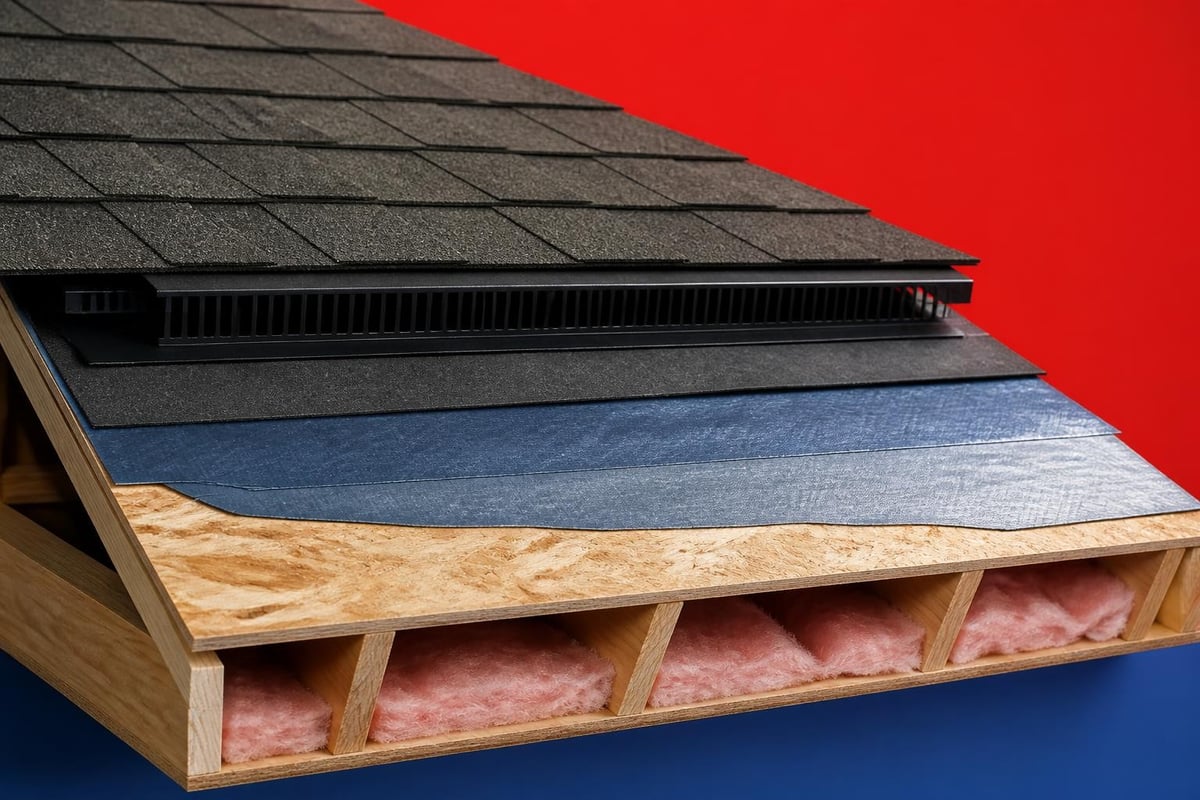
Roof performance depends heavily on proper attic ventilation and insulation balance. Inadequate ventilation traps heat and moisture, accelerating shingle degradation and promoting ice dam formation. The building resilience considerations emphasize integrated approaches to roof system design.
Proper ventilation requirements:
- Balanced intake (soffit) and exhaust (ridge) vents
- Minimum 1:150 ventilation ratio (1 sq ft per 150 sq ft attic)
- Baffles maintaining airflow at eaves
- Insulation preventing thermal bridging
Maintenance Best Practices
Regular inspection and minor maintenance prevent major repairs. Schedule professional inspections annually and after severe weather events. Clear gutters seasonally, trim overhanging branches, and address minor repairs promptly.
| Maintenance Task | Frequency | Purpose |
|---|---|---|
| Gutter cleaning | 2x yearly | Prevent water backup, ice dams |
| Professional inspection | Annually | Identify emerging issues |
| Debris removal | As needed | Prevent moisture retention |
| Flashing inspection | Annually | Prevent leak points |
| Ventilation check | Annually | Ensure proper airflow |
Warranty Protection and Documentation
Manufacturer material warranties and contractor workmanship guarantees protect your investment. Understand coverage terms, registration requirements, and maintenance obligations that could void protection. Keep all documentation, receipts, and inspection reports organized for future reference or property sale.
Special Considerations for Different Home Styles
Architectural style influences material selection and installation approaches. Historical homes may require specialty materials matching original design, while modern construction offers flexibility in material choice.
Ranch and Single-Story Homes
Low-pitch roofs common in ranch-style homes present unique challenges. Some materials require minimum slope ratings, limiting options. Modified bitumen or standing seam metal works well on lower pitches, while standard asphalt shingles need adequate drainage slope.
Two-Story and Complex Designs
Multi-level homes with valleys, dormers, and intersecting planes require expert flashing installation. These transition points represent primary leak vulnerabilities. Working with experienced roofing construction professionals ensures proper detail execution.
Commercial Properties
Commercial roofing repair and replacement involves different materials and techniques than residential work. Modified bitumen, TPO, and EPDM systems dominate flat or low-slope commercial applications, requiring specialized expertise.
Additional Exterior Improvements During Replacement
Roof replacement presents opportunities to address related exterior needs. Coordination reduces overall project costs and ensures compatible systems.
Gutter System Upgrades
Old gutters may not match new roofing aesthetics or performance requirements. Installing new gutter installation services alongside roof replacement provides color coordination and optimized water management.
Siding and Trim Updates
When scaffolding surrounds your home, consider addressing siding repairs or updates. Coordinating these projects eliminates duplicate mobilization costs and ensures cohesive exterior appearance.
Complementary projects:
- Soffit and fascia replacement
- Window flashing upgrades
- Chimney cap installation
- Skylight replacement or sealing
- Attic insulation enhancement
Installing a new roof for house projects requires careful planning, informed material selection, and partnership with qualified professionals. From recognizing replacement indicators through maintaining your completed system, each phase contributes to long-term performance and protection. Whether you're addressing storm damage, aging materials, or proactive replacement before failure, the right approach maximizes your investment. Great Roofing, a family-owned contractor serving Joliet and surrounding communities, brings expertise in residential and commercial roofing to guide you through every decision. Contact our team to schedule your comprehensive roof assessment and receive a detailed proposal tailored to your home's specific needs.