


A painted roof represents more than just an aesthetic upgrade for your home or commercial property. Whether you're considering refreshing the appearance of your existing roof or exploring ways to extend its lifespan, applying the right coating can deliver substantial benefits ranging from improved energy efficiency to enhanced weather protection. For property owners in the Joliet area and surrounding communities, understanding the nuances of roof painting can help you make informed decisions about this increasingly popular roofing solution.
Understanding the Painted Roof Concept
The idea of applying paint or specialized coatings to roofing materials has evolved significantly over the past decade. Today's roof coatings are engineered specifically to withstand harsh weather conditions, UV exposure, and temperature fluctuations that traditional paint simply cannot handle.
A painted roof typically involves applying reflective or protective coatings to various roofing materials including metal, concrete tiles, or even certain types of asphalt shingles. These coatings serve multiple purposes beyond simple color change. They create a protective barrier against moisture infiltration, reduce thermal absorption, and can significantly extend the functional life of your roofing system.
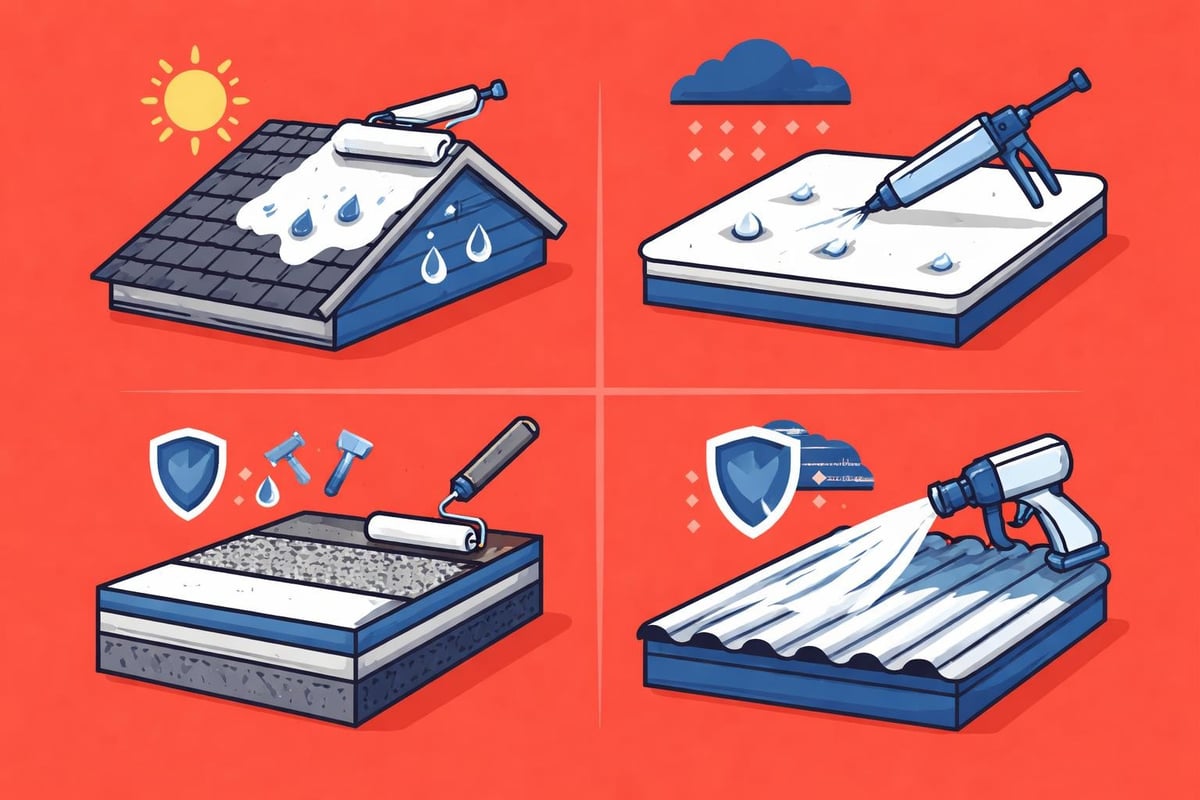
Types of Roof Coating Materials
Different roofing materials require specific coating formulations. Understanding these distinctions ensures optimal performance and longevity.
- Acrylic coatings: Water-based solutions ideal for moderate climates
- Silicone coatings: Excellent for areas with frequent rainfall
- Polyurethane coatings: Superior durability for high-traffic commercial applications
- Elastomeric coatings: Flexible formulations that expand and contract with temperature changes
The selection process depends heavily on your existing roofing material, local climate conditions, and specific performance goals. For properties in Illinois, where temperature swings can be dramatic, elastomeric or polyurethane options often provide the best long-term value.
Energy Efficiency Benefits of Painted Roofs
One of the most compelling reasons to invest in a painted roof involves the potential for significant energy savings. Cool roofs that reflect sunlight can reduce cooling costs by up to 15% in warmer months, making them an attractive option for both residential and commercial property owners.
Reflective roof coatings work by bouncing solar radiation away from your building rather than absorbing it. This simple principle translates into measurable benefits:
| Benefit Category | Typical Impact | Annual Savings |
|---|---|---|
| Cooling Costs | 10-15% reduction | $150-$400 |
| HVAC Lifespan | Extended 2-5 years | $500-$1,200 |
| Interior Comfort | 5-10°F cooler | Improved quality of life |
During Illinois summers when temperatures can climb into the 90s, a reflective painted roof maintains lower surface temperatures. This reduces heat transfer into your attic and living spaces, allowing your air conditioning system to work more efficiently.
The energy savings extend beyond summer months as well. Quality roof coatings provide an additional insulation layer that helps retain heat during winter, though the primary benefit remains in cooling season performance.
Material Considerations for Roof Painting
Not all roofing materials respond equally well to painted finishes. Understanding which substrates work best helps set realistic expectations and ensures successful outcomes.
Metal Roofing Systems
Metal roofs represent ideal candidates for painting projects. Whether you're working with steel, aluminum, or other metal roofing materials, proper coating application can dramatically extend service life. Professional metal roof installers understand the importance of surface preparation and primer application for metal substrates.
Maintaining and coating steel roofs requires attention to specific preparation steps including rust removal, surface cleaning, and application of appropriate primers. The investment in proper preparation pays dividends through improved adhesion and coating longevity.
Tile and Concrete Surfaces
Concrete and clay tiles also accept paint coatings well when properly prepared. Painting roof tiles involves different techniques than metal surfaces, typically requiring specialized bonding primers and breathable coating systems that allow moisture vapor to escape.
The porous nature of concrete tiles makes them particularly receptive to coating systems, though surface cleaning becomes critical. Pressure washing removes accumulated dirt, organic growth, and loose material that would otherwise compromise adhesion.
Asphalt Shingle Limitations
Asphalt shingles present the most challenging scenario for painting. While some specialty products claim compatibility with shingle surfaces, most roofing professionals recommend against painting standard asphalt shingle roofing systems.
The granulated surface of asphalt shingles doesn't provide adequate bonding for most coatings. Additionally, painting shingles may void manufacturer warranties and can trap moisture within the shingle structure, leading to premature failure.
Cost Analysis and Return on Investment
Understanding the financial implications of a painted roof project helps property owners make informed decisions aligned with their budgets and long-term plans.
Initial Investment Breakdown
The cost of roof painting varies considerably based on several factors:
- Roof size and complexity: Larger roofs and those with multiple levels or angles require more labor
- Material preparation needs: Heavily weathered or damaged surfaces need extensive prep work
- Coating type selected: Premium formulations cost more but often deliver superior performance
- Labor and access requirements: Steep pitches or difficult access points increase labor costs
For a typical 2,000 square foot residential metal roof in the Joliet area, professional painting costs range from $3,000 to $8,000 depending on coating selection and surface condition. Commercial applications on modified bitumen systems may see different pricing structures based on roof accessibility and project scale.
Long-Term Value Proposition
Beyond initial costs, evaluating the return on investment requires considering multiple factors:
Extended roof lifespan represents the most significant financial benefit. A quality coating system can add 5-10 years to your roof's functional life, potentially delaying a complete roof replacement that might cost $15,000-$30,000 or more.
Energy savings accumulate over time. Even modest reductions in cooling costs compound annually, and many coating manufacturers provide warranties ranging from 10 to 25 years, offering long-term protection for your investment.

Application Process and Professional Requirements
Successful roof coating projects depend heavily on proper application techniques and thorough surface preparation. Attempting DIY approaches on roofing systems typically produces disappointing results and may create safety hazards.
Professional Surface Preparation
The foundation of any painted roof project lies in meticulous surface preparation. Professional contractors follow systematic approaches:
- Complete roof inspection identifying damaged areas requiring repair
- Pressure washing to remove dirt, debris, algae, and chalking
- Rust treatment on metal surfaces using appropriate converters or removers
- Surface repairs addressing minor damage before coating application
- Primer application ensuring proper adhesion of topcoat systems
Cleaning painted metal roofs requires specific techniques that protect existing coatings while removing contaminants. Professionals understand which cleaning agents work effectively without damaging roof surfaces.
Application Techniques and Timing
Professional applicators use specialized equipment including airless sprayers, rollers, or brush applications depending on coating type and surface geometry. Multiple thin coats typically outperform single thick applications, allowing proper curing between layers.
Weather conditions dramatically impact coating performance. Ideal application occurs when:
- Temperatures range between 50-90°F
- Humidity remains below 85%
- No rain forecast for 24-48 hours after application
- Wind speeds allow controlled spray patterns
Illinois weather patterns make spring and fall the preferred seasons for roof coating projects, avoiding summer heat extremes and ensuring adequate curing time before winter precipitation.
Maintenance Requirements for Painted Roofs
Even the highest quality roof coatings require ongoing maintenance to deliver their full service life potential. Establishing a regular maintenance schedule protects your investment and identifies issues before they escalate.
Regular Inspection Protocols
Property owners should conduct visual roof inspections at least twice annually, ideally in spring and fall. Look for these common issues:
- Coating degradation: Check for chalking, peeling, or cracking
- Ponding water: Identify areas where water accumulates after rain
- Debris accumulation: Remove leaves, branches, and other materials
- Fastener integrity: Ensure screws and clips remain tight on metal roofs
Professional inspections every 3-5 years provide more thorough assessments. Experienced contractors identify subtle problems that untrained eyes might miss, potentially preventing costly damage.
Cleaning and Touch-Up Procedures
Maintaining a painted roof involves periodic cleaning to remove environmental contaminants. Gentle washing with mild detergents and soft brushes preserves coating integrity while removing organic growth and pollution residue.
Touch-up applications address localized wear before it spreads. Small areas showing coating failure can be spot-treated, extending the overall system life without requiring complete recoating. Most manufacturers recommend comprehensive recoating every 10-15 years depending on exposure conditions and coating type.
Color Selection and Aesthetic Impact
Beyond functional benefits, a painted roof dramatically influences property appearance and curb appeal. Color selection involves both aesthetic preferences and performance considerations.
Reflectivity and Color Choices
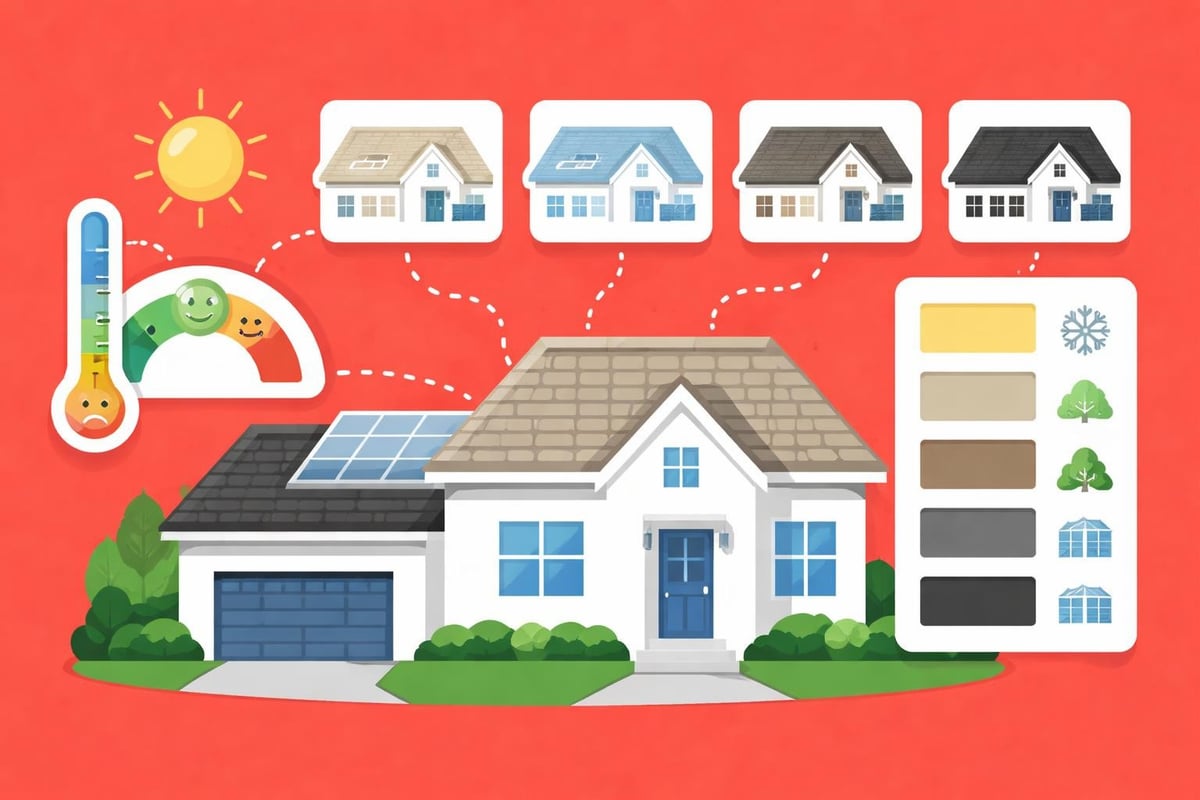
Lighter colors reflect more solar radiation, maximizing energy efficiency benefits. White, light gray, and tan coatings provide superior thermal performance compared to darker options. However, aesthetic preferences and architectural styles sometimes favor darker tones.
Painting roofs blue has gained attention for potential energy and environmental benefits. Light blue falls in the middle range for reflectivity, offering reasonable thermal performance while providing distinctive visual appeal.
Color selection should consider:
- Neighborhood aesthetics: Compatibility with surrounding properties
- Architectural style: Appropriate color palettes for your building design
- Climate goals: Emphasis on cooling versus balanced thermal performance
- Fade resistance: Quality pigments that maintain color over time
Local building codes and homeowners association regulations may restrict color options in some communities. Always verify requirements before finalizing selections.
Property Value Enhancement
A freshly painted roof enhances curb appeal and can positively impact property values. Potential buyers often view well-maintained roofs as indicators of overall property care, potentially shortening time on market and supporting higher sale prices.
For commercial properties, professional appearance projects confidence to customers and tenants. A deteriorated roof creates negative impressions, while a properly maintained and attractively finished roof demonstrates attention to property management standards.
Special Considerations for Commercial Applications
Commercial roof coating projects present unique challenges and opportunities compared to residential applications. The scale, accessibility, and operational requirements differ substantially.
Modified Bitumen and Flat Roof Systems
Many commercial buildings utilize modified bitumen or built-up roofing systems with minimal slope. These roofs benefit significantly from elastomeric or silicone coatings that provide superior waterproofing and UV protection.
Waterproofing roof paint becomes particularly important on low-slope commercial applications where ponding water presents ongoing challenges. Quality coatings create seamless membranes that prevent water infiltration even in areas with poor drainage.
For businesses requiring commercial roofing services in the Joliet area, professional contractors understand the specialized requirements of commercial roof coating systems including fire ratings, warranty compliance, and minimal business disruption during application.
Project Planning and Business Continuity
Commercial coating projects require careful scheduling to minimize operational disruptions. Professional contractors work with business owners to:
- Schedule work during off-hours or slower business periods
- Protect HVAC equipment and roof penetrations during application
- Maintain safe access to roof-mounted equipment
- Coordinate with building management regarding noise and odor concerns
The scale of commercial projects often allows for more favorable per-square-foot pricing compared to residential applications, making roof coating an economically attractive option for extending commercial roof service life.
Regional Climate Factors in Illinois
Illinois weather patterns create specific challenges and opportunities for painted roof systems. Understanding these regional factors helps optimize coating selection and application timing.
Temperature Extremes and Thermal Cycling
The Midwest experiences significant temperature variations between seasons and even within single days. Quality roof coatings must withstand thermal cycling without cracking, peeling, or losing adhesion.
Winter temperatures regularly drop below freezing while summer heat can push roof surface temperatures above 150°F. This 200+ degree annual temperature range demands flexible coating formulations that expand and contract without failure.
Moisture and Precipitation Patterns
Illinois receives approximately 36-40 inches of annual precipitation distributed fairly evenly throughout the year. Roof coatings must handle:
- Heavy spring rains: Potential for water infiltration during extended wet periods
- Summer thunderstorms: Intense rainfall and occasional hail
- Winter freeze-thaw cycles: Ice formation and snow accumulation
- Fall moisture: Extended periods of dampness from fog and drizzle
Properties requiring storm damage repair often discover that preventive roof coating could have minimized damage severity. Quality coatings provide an additional protective layer that helps roofs withstand severe weather events more effectively.
Common Mistakes and How to Avoid Them
Understanding frequent painted roof project failures helps property owners make better decisions and avoid costly errors.
Inadequate Surface Preparation
The most common cause of coating failure stems from insufficient surface preparation. Rushing through cleaning steps, skipping primer application, or coating over damaged substrates creates inevitable problems.
Always invest in thorough preparation work even though it represents a significant portion of project costs. The coating can only perform as well as the surface beneath it allows.
Wrong Product Selection
Whether metal roofs need painting depends partly on selecting appropriate coating systems for specific substrates. Using general-purpose paint instead of specialized roof coatings leads to premature failure and wasted investment.
Work with knowledgeable contractors who understand product specifications and can recommend systems matched to your specific roofing material, climate conditions, and performance goals.
Timing and Weather Considerations
Attempting roof coating during unsuitable weather conditions compromises results. Application during high humidity, approaching rainstorms, or temperature extremes prevents proper curing and adhesion.
Key factors that homeowners should consider include local climate patterns and seasonal weather trends. While this resource focuses on Florida conditions, the principle of matching application timing to climate realities applies universally.
DIY Attempts on Complex Roofs
While detailed guides on painting roofs exist, professional application typically delivers superior results. Roofing work involves safety risks, requires specialized equipment, and demands technical knowledge that most property owners lack.
Professional contractors carry appropriate insurance, understand building codes, and have experience troubleshooting unexpected challenges that arise during projects.
Warranty Considerations and Long-Term Protection
Understanding warranty coverage protects your painted roof investment and provides recourse if problems develop.
Manufacturer Warranties
Quality coating manufacturers offer warranties ranging from 5 to 25 years depending on product line and application specifications. These warranties typically cover:
| Warranty Type | Coverage Duration | What's Protected |
|---|---|---|
| Material defects | 10-25 years | Product failure due to manufacturing issues |
| Performance | 5-15 years | Specific performance metrics like reflectivity |
| Adhesion | 5-10 years | Coating delamination from substrate |
| Weathering | 10-20 years | Excessive chalking or color fading |
Important warranty conditions often include professional application requirements, specific surface preparation standards, and minimum coating thickness. Failure to meet these conditions may void coverage.
Contractor Workmanship Guarantees
Reputable roofing contractors provide workmanship warranties separate from manufacturer coverage. These guarantees address application quality and typically last 1-5 years.
Before hiring contractors for roof coating work, verify they offer written warranties and maintain adequate insurance coverage. This protects you from financial liability if application defects emerge or accidents occur during the project.
Alternative Options and When Coating Makes Sense
While roof coating offers numerous benefits, it's not always the optimal solution. Understanding alternatives helps you make the best decision for your specific situation.
When Replacement Makes More Sense
Severely damaged roofs with structural issues, extensive leaks, or deteriorated decking require roof replacement rather than coating. Applying paint over fundamentally compromised roofing systems wastes money and delays necessary repairs.
Properties with roofs approaching or exceeding their design life should carefully evaluate whether coating provides sufficient value or merely postpones inevitable replacement. A professional inspection helps determine whether coating represents a cost-effective interim solution or false economy.
Repair Versus Coating Decisions
Minor roof issues may need targeted roof repair before coating application. Addressing localized damage, replacing damaged flashing, or fixing fastener issues ensures coating systems have sound substrates.
Sometimes repair work alone addresses property owner concerns without requiring complete coating. Experienced contractors help evaluate whether repairs, coating, or replacement best serves your needs and budget.
Combination Approaches
Many successful projects combine strategic repairs with coating systems. This hybrid approach addresses specific problem areas while extending overall roof life through protective coatings. The combination often delivers better value than either strategy alone.
A painted roof offers property owners a cost-effective way to extend roof lifespan, improve energy efficiency, and enhance curb appeal when applied correctly to appropriate substrates. Understanding material compatibility, proper application requirements, and realistic maintenance expectations helps ensure successful outcomes. Whether you're considering roof coating for your Joliet-area home or commercial property, Great Roofing brings decades of family-owned expertise to every project, helping you evaluate whether coating makes sense for your specific situation and delivering professional results that protect your investment for years to come.