


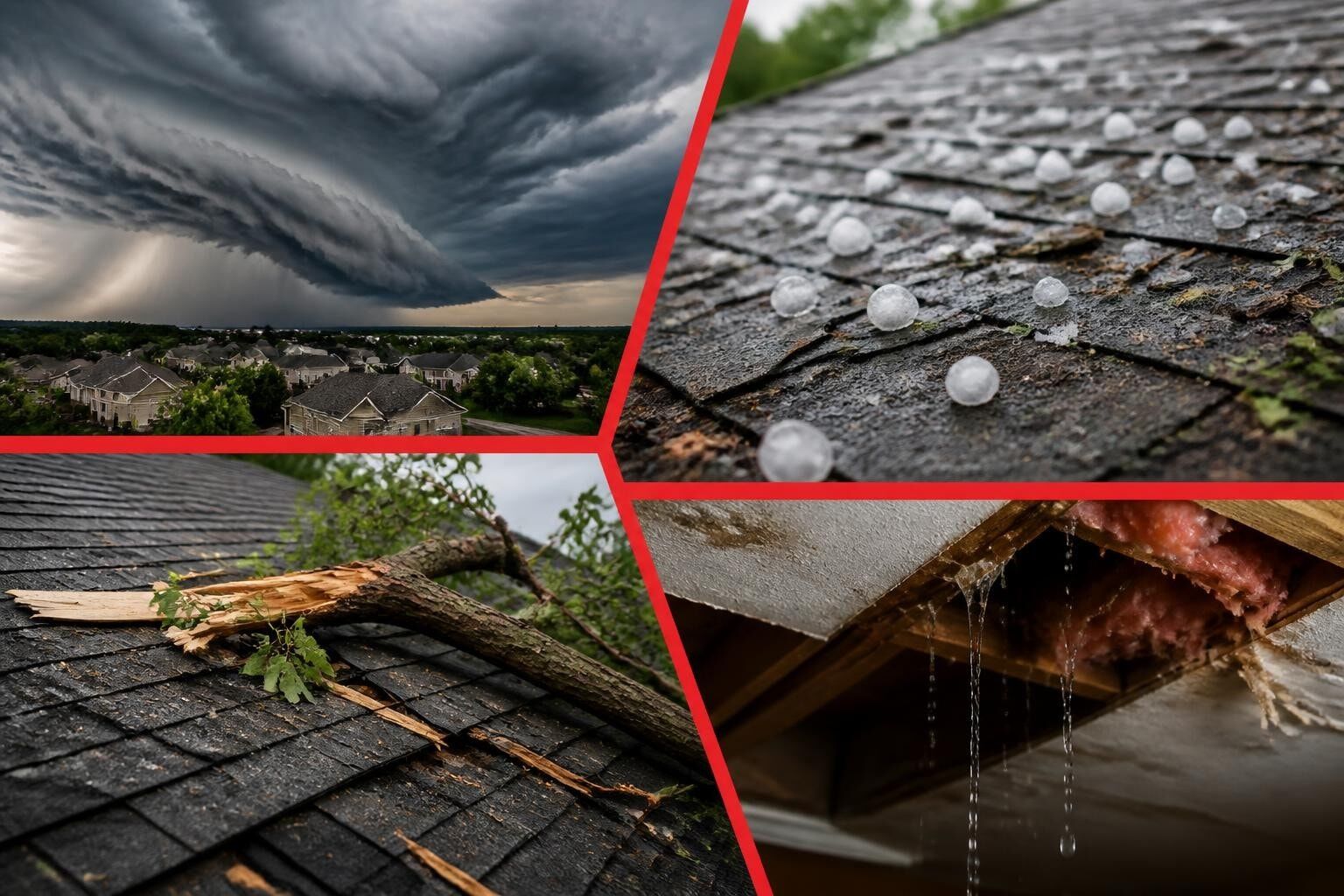
Storm damage to roofing systems represents one of the most common and costly threats to residential and commercial properties throughout the United States. When severe weather strikes, high winds, hail, flying debris, and torrential rain can compromise roof integrity in minutes, leading to leaks, structural damage, and expensive repairs. Understanding how storms affect your roof, recognizing the warning signs of damage, and taking swift action can protect your investment and prevent minor issues from escalating into major problems. For property owners in regions prone to severe weather, knowing what to look for after a roof damage storm event is essential for maintaining a safe, weather-tight building envelope.
Common Types of Storm Damage to Roofing Systems
Storms inflict damage on roofs through multiple mechanisms, each requiring different repair approaches. Wind damage typically manifests as missing, lifted, or creased shingles, particularly along roof edges, ridges, and corners where uplift forces are strongest. According to recent changes in wind load standards, building codes now recognize that component and cladding pressures vary significantly across roof zones, making some areas more vulnerable than others.
Wind-Related Roof Failures
Wind damage progresses through predictable patterns based on roof geometry and exposure. Gable ends experience higher pressures than hipped sections, while corners and ridges face the most severe uplift forces. Modern engineering analysis shows these vulnerable zones require enhanced fastening and stronger materials.
- Edge metal failure: Flashing, drip edges, and trim pieces detach first
- Shingle blow-off: Individual tabs lift and tear, especially on older roofs
- Underlayment exposure: Secondary water barriers become compromised
- Structural damage: Severe events can damage decking and framing
Research from the Insurance Institute for Business & Home Safety demonstrates that proper roof-to-wall connections and sealed deck systems reduce wind damage substantially, even in hurricane-force conditions.
Hail Impact Damage
Hail creates distinct damage patterns that vary based on stone size, trajectory, and roofing material. Asphalt shingles show bruising where granules are knocked loose, exposing the underlying mat to UV degradation and water penetration. Metal roofing dents but rarely punctures, while tile may crack or shatter on impact.
Professional assessment becomes critical because hail damage to shingle roofs often appears subtle initially but accelerates deterioration over subsequent months. Insurance adjusters look for specific indicators including granule loss patterns, shingle bruising, and damaged roof accessories like vents and skylights.

Conducting a Post-Storm Roof Inspection
After any significant weather event, systematic inspection identifies damage before it leads to interior leaks or mold growth. Safety must take priority during these assessments, as damaged roofs present fall hazards and unstable surfaces. Property owners should begin with ground-level observations using binoculars before attempting closer examination.
Ground-Level Assessment Indicators
Visual inspection from the ground reveals many critical issues without the risks associated with roof access. Look for obvious signs including missing shingles, damaged flashing, and debris accumulation in gutters and valleys.
| Damage Type | Visual Indicators | Urgency Level |
|---|---|---|
| Missing shingles | Visible gaps, exposed underlayment | Immediate |
| Granule loss | Shiny spots, excessive gutter sediment | High |
| Damaged flashing | Bent metal, gaps at penetrations | Immediate |
| Sagging sections | Roof line irregularities, depressions | Emergency |
| Debris impact | Broken tiles, punctures, displaced materials | High |
Professional contractors familiar with storm damage insurance claims document these findings with photographs and detailed notes that support insurance filings while identifying all necessary repairs.
Professional Roof Inspection Protocol
Licensed roofing contractors follow standardized inspection procedures that align with NOAA damage surveying methodologies, ensuring comprehensive assessment of all roof components. These inspections examine not just the primary roofing surface but also underlayment condition, decking integrity, ventilation systems, and water management components.
Experienced inspectors check for:
- Shingle seal integrity: Testing whether tabs remain properly bonded
- Fastener withdrawal: Identifying nails backing out or pulling through
- Decking condition: Probing for soft spots indicating water damage
- Flashing systems: Examining all penetrations, walls, and valleys
- Drainage functionality: Verifying gutters, downspouts, and scuppers work properly
The thoroughness of initial assessment directly impacts repair quality and insurance recovery. Working with established contractors who understand regional weather patterns and common damage modes ensures nothing gets overlooked during this critical evaluation phase.
Understanding Insurance Coverage for Storm Damage
Homeowners insurance typically covers roof damage storm events under dwelling coverage, subject to policy deductibles and depreciation provisions. However, coverage specifics vary significantly between policies, with some excluding certain damage types or requiring separate wind and hail endorsements. Understanding your policy before storms strike streamlines the claims process when damage occurs.
Filing Effective Insurance Claims
Successful claims require prompt reporting, thorough documentation, and clear communication with adjusters. Most policies mandate notification within specific timeframes, often 30 to 90 days after the damage occurs. Delays can result in claim denials, particularly if adjusters argue that damage resulted from deferred maintenance rather than a specific storm event.
Essential documentation includes:
- Dated photographs showing all damaged areas
- Written inspection reports from licensed contractors
- Repair estimates itemizing materials and labor
- Proof of routine maintenance and prior roof condition
- Weather reports confirming storm severity and timing
Insurance adjusters assess damage based on similar criteria as professional roofing contractors, though they represent the insurance company's interests. Having your own contractor evaluation provides important verification and ensures all damage gets identified during the adjustment process.
Navigating Depreciation and Replacement Cost
Most homeowner policies offer either actual cash value or replacement cost coverage for roofing. Actual cash value settlements deduct depreciation based on roof age, potentially leaving property owners significantly underfunded for necessary repairs. Replacement cost policies pay for new materials regardless of the damaged roof's age, providing more complete protection.
Emergency Repairs and Temporary Protection
When a roof damage storm compromises weather-tightness, immediate action prevents secondary damage to building interiors, contents, and structural components. Emergency repairs focus on stopping water infiltration while preserving the ability to complete permanent repairs once materials and contractors become available.
Temporary Weatherproofing Measures
Tarping represents the most common emergency protection method, though proper installation requires specific techniques to prevent further damage. Tarps must extend beyond damaged areas, secure without additional penetrations, and allow for drainage without pooling.
Professional emergency services provide superior protection compared to homeowner attempts because experienced crews understand proper anchoring methods and have appropriate safety equipment for working on damaged, potentially unstable roof structures. Most insurance policies cover reasonable emergency mitigation costs, making professional assistance financially accessible even before claim settlement.
Permanent Repair vs. Full Replacement Decisions
After documenting damage and securing emergency protection, property owners face the critical decision between repairing affected sections or replacing the entire roof. This choice depends on damage extent, roof age, material availability, and long-term cost considerations. According to Consumer Reports roofing guidance, several factors should inform this decision beyond just the immediate repair cost.
Cost-Benefit Analysis Framework
Isolated damage affecting less than 30% of roof area often makes sense to repair, particularly on newer roofs with extended service life remaining. However, older roofs approaching their expected lifespan may benefit from complete replacement that addresses underlying deterioration alongside visible storm damage.
| Factor | Repair Indicator | Replace Indicator |
|---|---|---|
| Roof age | Less than 10 years | Over 15 years |
| Damage extent | Under 30% surface | Over 40% surface |
| Previous repairs | None or minimal | Multiple prior patches |
| Insurance coverage | ACV policy | Replacement cost policy |
| Material availability | Perfect match available | Discontinued materials |
Understanding roofing repair costs in your market helps frame this decision with realistic budget expectations. Remember that patchwork repairs on older roofs often lead to repeated service calls and ongoing leak problems that exceed the cost of proactive replacement.
Matching Existing Materials
Partial repairs require matching existing shingles in color, texture, and performance characteristics. Manufacturers discontinue product lines regularly, making exact matches impossible on older roofs. Even when the same product line continues, weathering changes appearance so that new materials stand out visibly against aged surroundings.
Professional shingle installation contractors maintain relationships with suppliers and stock discontinued materials when possible, improving match quality for repair projects. In cases where matching proves impossible, strategic placement and blending techniques minimize aesthetic impact while restoring weather protection.
Prevention Strategies for Future Storm Events
Proactive roof maintenance and strategic upgrades significantly reduce vulnerability to future storm damage. While no roof system can withstand every extreme event, research-backed improvements provide measurable risk reduction that protects property and potentially lowers insurance premiums.
Routine Maintenance Programs
Regular inspection and maintenance identifies minor issues before storms test roof integrity. Seasonal programs should address common failure points including:
- Flashing inspection and resealing at penetrations and transitions
- Shingle repair replacing damaged or missing tabs promptly
- Debris removal from valleys, gutters, and low-slope areas
- Fastener check ensuring proper attachment remains secure
- Sealant renewal at boots, vents, and other vulnerable details
The EPA notes that proper roof drainage maintenance also protects stormwater quality and reduces runoff impacts, adding environmental benefits to the structural advantages of routine care.
High-Performance Upgrade Options
Modern roofing products offer superior storm resistance compared to basic three-tab shingles common in older installations. Impact-rated shingles meet UL 2218 standards for hail resistance, while enhanced wind ratings indicate products tested to remain sealed in severe wind conditions.
Performance upgrades include:
- Class 4 impact-rated shingles: Maximum hail resistance
- High-wind shingles: Rated for 130+ mph winds
- Sealed deck systems: Enhanced water barrier protection
- Structural fastening: Improved attachment to resist uplift
- Metal roofing: Superior durability in all weather conditions
Contractors specializing in metal roofing installation can explain how these alternative systems provide decades of service with minimal storm vulnerability, though initial costs exceed conventional shingle applications.
Regional Considerations for Storm Preparedness
Storm damage patterns vary significantly by geographic region, requiring tailored preparation strategies. Coastal properties face hurricane threats with extreme wind and driven rain, while Midwest locations experience severe thunderstorms with large hail and tornadoes. Understanding your region's specific risks informs appropriate protection measures and insurance coverage.
Midwest Severe Weather Challenges
Properties in Illinois and surrounding states face frequent severe thunderstorms producing damaging straight-line winds, large hail, and occasional tornadoes. These events occur with little warning during spring and summer months, making year-round roof readiness essential rather than seasonal preparation.
Local building codes in areas like Joliet increasingly require enhanced fastening and wind-rated materials for new construction and major renovations, reflecting the documented frequency of severe weather. Existing homes benefit from similar upgrades even when not code-mandated, particularly as insurance companies adjust coverage and pricing based on storm resistance features.
Seasonal Preparation Timing
Spring preparation before peak storm season allows time for repairs and upgrades without the urgency following actual damage. Fall maintenance addresses any issues from summer storms while preparing for winter ice and snow loads that can compound existing weaknesses.
Professional roofing contractors schedule preventive work during moderate weather windows, ensuring proper material performance and safe working conditions. Waiting until after a roof damaged by storm events means competing with other affected properties for limited contractor availability and materials.
Working with Professional Roofing Contractors
Selecting qualified contractors ensures storm damage gets properly assessed and repaired using appropriate methods and materials. The proliferation of storm-chasing contractors following major weather events creates risks of substandard work, incomplete repairs, and outright fraud. Established local companies with verifiable references and proper licensing provide accountability that transient operators cannot match.
Contractor Qualification Criteria
Legitimate roofing contractors maintain proper insurance coverage including general liability and workers compensation, protecting property owners from liability if accidents occur during work. State and local licensing demonstrates minimum competency standards and provides recourse through regulatory agencies if disputes arise.
Essential contractor qualifications:
- Active liability and workers compensation insurance
- Local business license and state contractor registration
- Manufacturer certifications for installed products
- Established business location and contact information
- References from recent projects with similar scope
- Written warranties covering both materials and workmanship
Companies like Great Roofing that have served their communities for years build reputations on quality work and customer service, making them preferable to unknown entities that appear only after storms and disappear before warranty issues surface.
Understanding Repair Contracts and Warranties
Detailed written contracts protect both parties by clearly specifying work scope, materials, timelines, and payment terms. Review contracts carefully before signing, ensuring all discussed repairs appear in writing with specific product names rather than generic descriptions. Ambiguous language creates opportunities for disputes over whether completed work matches agreed specifications.
Warranty coverage should include both manufacturer materials warranties and contractor workmanship guarantees. Manufacturer warranties typically cover defects in the products themselves, while workmanship warranties address installation quality. Strong contractors stand behind their work with multi-year workmanship guarantees backed by their business stability.
Long-Term Roof Health After Storm Damage
Even properly repaired storm damage can affect long-term roof performance if underlying issues remain unaddressed. Comprehensive assessment following any roof damage storm event should consider whether repairs restore the roof to full service life or simply delay inevitable replacement. Making informed decisions requires understanding how various damage types affect durability over time.
Monitoring Repaired Sections
Repaired roof areas require periodic monitoring to verify that fixes remain effective and no secondary issues develop. Interior ceiling stains, attic moisture, and recurring leaks signal that repairs may not have addressed root causes or that additional damage exists beyond initially identified areas.
Scheduling professional inspections annually or after subsequent weather events provides early warning of developing problems while repairs remain relatively minor. This proactive approach costs far less than emergency leak repair required when small issues progress to major failures.
Planning for Eventual Replacement
Storm damage often accelerates the timeline for complete roof replacement, particularly when repairs affect significant roof area or when the existing system nears its expected service life. Understanding remaining roof life expectancy helps property owners budget appropriately and avoid being caught unprepared when replacement becomes necessary.
Working with experienced contractors who provide honest assessments of roof condition, rather than defaulting to the most expensive option, builds trust and ensures recommendations align with actual needs. Companies focused on long-term customer relationships prioritize appropriate solutions over maximum immediate revenue, recognizing that satisfied customers provide referrals and repeat business over time.
Protecting your property from roof damage storm impacts requires vigilance, prompt action when damage occurs, and partnership with qualified professionals who understand regional weather challenges. Whether you need emergency repairs, comprehensive storm damage assessment, or preventive maintenance to prepare for future severe weather, Great Roofing brings decades of experience serving Joliet-area residential and commercial properties with integrity and expertise. Contact our family-owned team today to schedule your post-storm inspection or discuss upgrades that will protect your investment for years to come.