

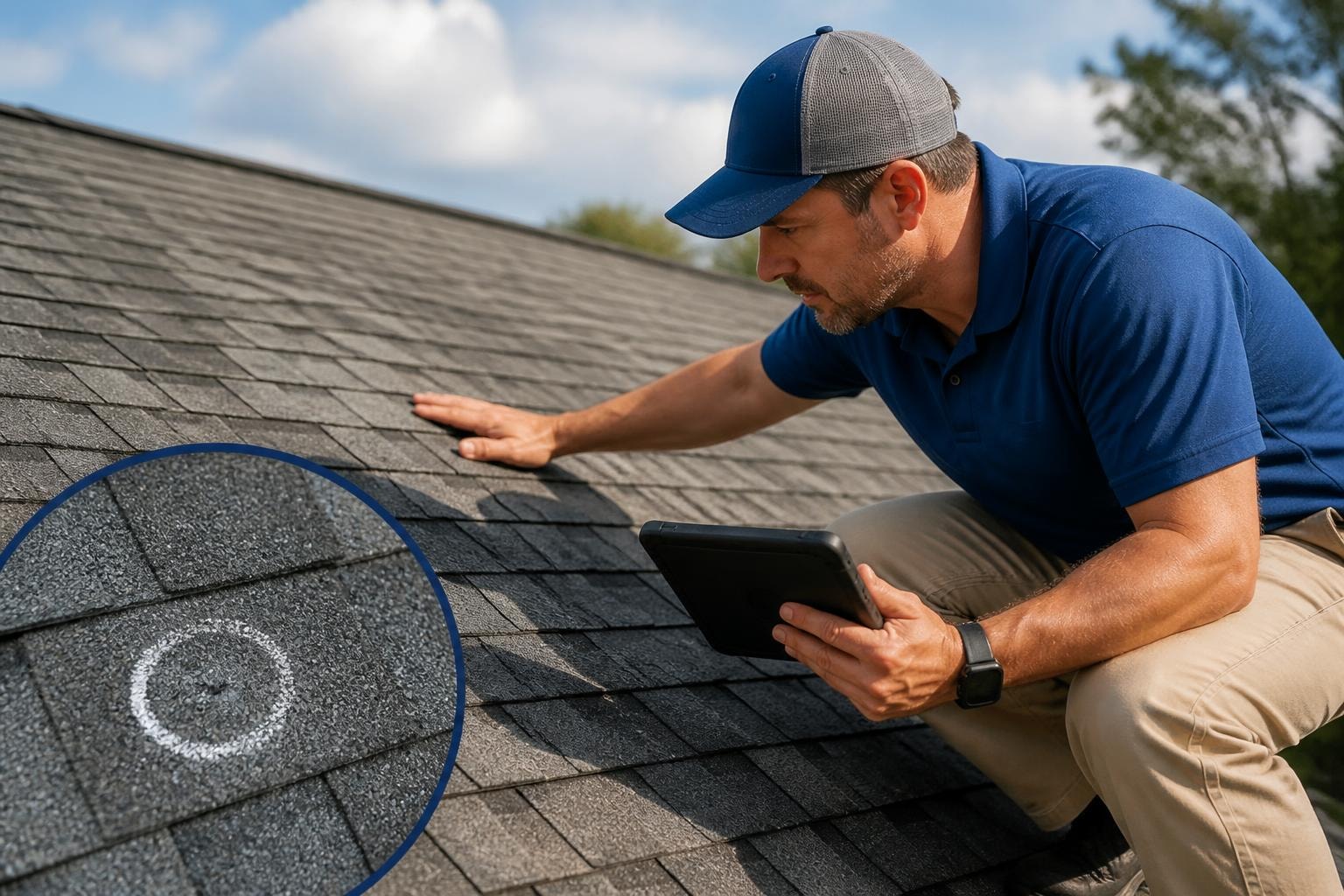
Hailstorms can wreak havoc on roofing systems across Illinois, causing damage that ranges from barely visible marks to catastrophic structural failures. After severe weather passes through the Joliet area, homeowners and property managers face the critical task of assessing whether their roofs have sustained damage. A comprehensive roof inspection for hail damage serves as the first step in protecting your investment, securing insurance coverage, and preventing long-term deterioration that could compromise your property's integrity. Understanding what to look for, when to call professionals, and how to document findings properly can make the difference between a successful insurance claim and costly out-of-pocket repairs.
Understanding Hail Damage Patterns
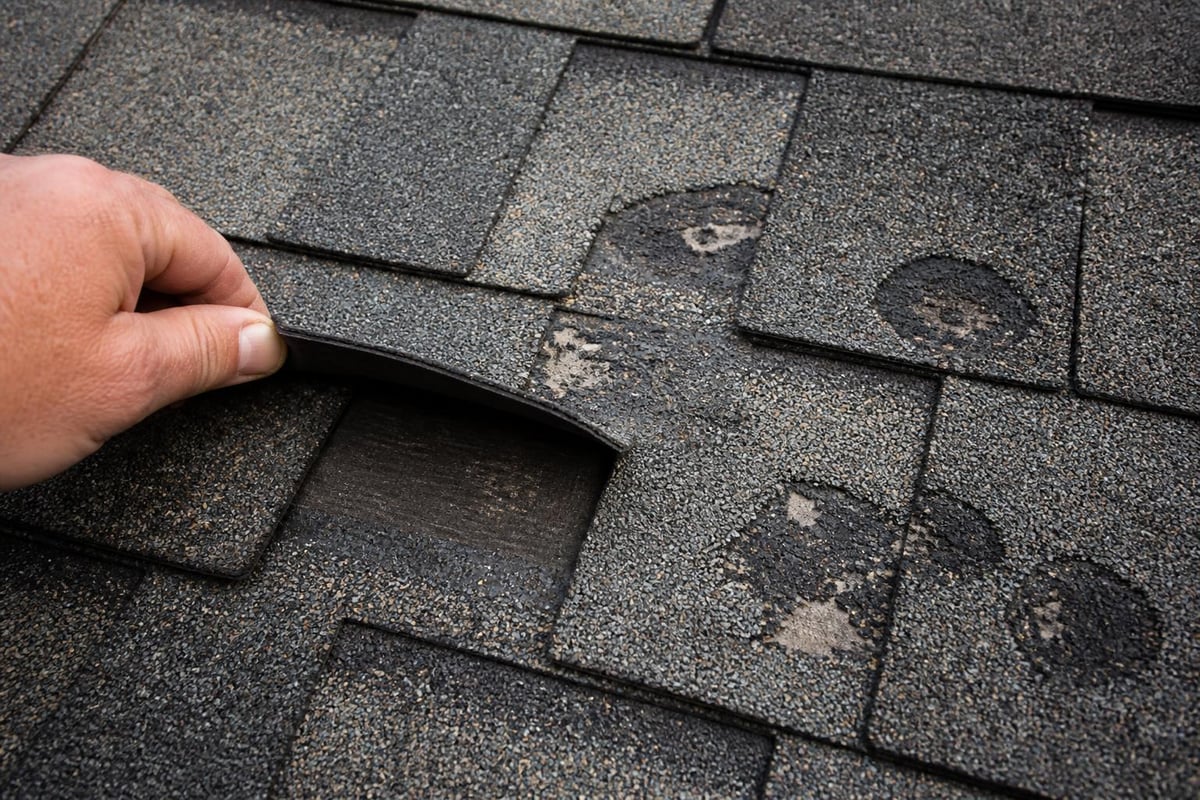
Hail damage manifests differently depending on multiple factors including hail size, wind speed, roof age, and roofing material composition. Asphalt shingles, the most common residential roofing material, show distinct impact marks that appear as dark spots where granules have been knocked loose. These impacts weaken the shingle's protective layer, exposing the underlying asphalt mat to UV radiation and moisture infiltration.
The severity of damage correlates directly with hail diameter. According to the Nebraska Department of Insurance’s guidance on hail damage, hailstones measuring one inch or larger typically cause functional damage requiring repair. Smaller hail may create cosmetic issues without necessarily compromising the roof's protective capabilities.
Common Hail Impact Indicators
When conducting a roof inspection for hail damage, experienced contractors examine several key indicators:
- Granule loss creating visible dark circles or random patterns across shingle surfaces
- Bruising that feels soft when pressed, indicating crushed fiberglass mat beneath
- Fractured or cracked shingles where impact force exceeded material strength
- Exposed fiberglass mat showing black asphalt substrate
- Dented or damaged metal components including flashing, vents, and gutters
Wind-driven hail creates directional damage patterns, typically concentrated on roof slopes facing the storm's approach. The directionality of hail damage helps inspectors differentiate between hail impacts and other forms of roof deterioration. This forensic approach proves particularly valuable when insurance adjusters evaluate claims.
Professional vs. DIY Inspection Methods
Property owners face an important decision after hailstorms: attempt self-inspection or hire qualified professionals. While homeowners can conduct preliminary assessments from ground level using binoculars, comprehensive evaluations require roof access and specialized knowledge. Safety concerns, proper documentation requirements, and insurance claim implications make professional inspections the preferred choice for most situations.
The DIY Assessment Approach
Homeowners who choose initial self-assessment should focus on accessible indicators before scheduling professional services:
- Inspect collateral damage on easily accessible surfaces like window screens, siding, and painted wood surfaces
- Examine gutters and downspouts for fresh dents and accumulated granules
- Check AC units and metal vents for visible impact marks
- Document the storm with photographs of hailstones and immediate aftermath
- Review weather reports confirming hail size and storm intensity
The InterNACHI guide on assessing collateral damage emphasizes that damage to ground-level components often indicates roof damage severity. Air conditioning units, fence posts, and mailbox tops provide readily accessible evidence without requiring dangerous roof access.
Professional Inspection Advantages
Certified roofing contractors bring expertise, proper safety equipment, and documentation standards that prove invaluable during insurance claims. Professional inspectors understand regional building codes, recognize damage patterns specific to different roofing materials, and can differentiate between hail damage and normal wear deterioration.
| Inspection Aspect | DIY Approach | Professional Service |
|---|---|---|
| Safety Equipment | Often inadequate | Full OSHA compliance |
| Documentation Quality | Basic photos | Detailed reports with measurements |
| Insurance Acceptance | May be questioned | Industry-standard credibility |
| Damage Recognition | Limited to obvious signs | Identifies subtle indicators |
| Cost | No direct cost | Investment in accurate assessment |
Great Roofing's certified inspectors provide comprehensive evaluations that meet insurance company standards while ensuring homeowner safety. Their experience with both residential shingle systems and commercial applications enables accurate damage assessment across property types.
Timing Your Roof Inspection
Prompt action following hailstorms proves critical for several reasons. Most homeowner insurance policies contain notification requirements, typically requiring damage reports within one year of occurrence. However, waiting months before conducting a roof inspection for hail damage creates complications when correlating damage to specific weather events.
Immediate post-storm inspection allows contractors to:
- Document damage before additional weather events occur
- Photograph impact evidence while hailstones remain visible on property
- Correlate damage patterns with verified weather data
- Begin insurance claims while storm details remain fresh
- Prevent secondary damage from compromised roofing
Seasonal considerations also affect inspection timing. Spring and early summer hailstorms in Illinois create scheduling challenges as contractors manage high demand. Property owners who schedule inspections quickly secure earlier repair dates and avoid the rush that typically follows major weather events affecting roof storm damage throughout the region.

Documentation and Evidence Collection
Comprehensive documentation separates successful insurance claims from denied or underpaid settlements. A thorough roof inspection for hail damage generates specific evidence types that insurers require when evaluating coverage. Contractors and homeowners must work together to create complete documentation packages that withstand adjuster scrutiny.
Essential Documentation Components
Professional inspections should produce detailed reports containing:
- High-resolution photographs showing impact locations with reference measurements
- Quantity counts documenting the number of hits per 100-square-foot test area
- Shingle samples preserving physical evidence of granule loss and mat damage
- Comparative images showing damaged versus undamaged sections
- Weather verification linking damage to specific documented hailstorm events
The traditional 10×10-foot test square method, while common, has limitations. According to recent analysis in Claims Journal, this approach may not accurately represent damage across entire roof systems, particularly on complex architectural designs with multiple slopes and elevations.
Advanced Assessment Techniques
Modern roof inspection for hail damage incorporates technology-enhanced methods that improve accuracy and documentation quality. Drone photography captures overhead perspectives impossible from ladder positions, while thermal imaging reveals hidden moisture intrusion indicating compromised shingle integrity.
Contractors should also examine elevation-specific damage patterns. Forensic analysis of hail damage to windows and doors provides corroborating evidence that strengthens roof damage claims. When multiple building components show consistent impact patterns, insurance adjusters face stronger evidence supporting functional damage determinations.
Working With Insurance Adjusters
Insurance claim success depends largely on effective communication and proper documentation during roof inspection for hail damage evaluations. Adjusters represent company interests while assessing coverage obligations, creating potential conflicts with policyholder needs. Understanding adjuster perspectives and claim processes helps property owners navigate this complex relationship.
The Adjuster's Evaluation Process
Insurance companies employ staff adjusters or independent contractors to assess damage claims. These professionals follow specific protocols:
- Review policy coverage determining applicable deductibles and exclusions
- Inspect documented damage verifying hail as causative factor
- Assess functional vs. cosmetic damage classifications
- Calculate replacement costs based on material specifications and labor rates
- Issue settlement offers subject to policy terms and conditions
Disagreements frequently arise over damage classifications. Adjusters may argue that granule loss constitutes cosmetic damage not requiring full roof replacement, while contractors maintain that widespread impacts compromise system integrity. Having detailed documentation from qualified inspectors strengthens homeowner positions during these negotiations.
Your Rights During The Claims Process
Policyholders should understand their contractual rights and available recourse options. When initial settlement offers seem inadequate:
- Request re-inspection with your chosen contractor present during adjuster evaluation
- Obtain independent estimates from licensed contractors like Great Roofing
- Document all communications maintaining written records of conversations and decisions
- Understand depreciation calculations and how recoverable depreciation affects final payouts
- Consider public adjusters for complex claims or disputed settlements
Most insurance policies permit homeowners to choose their preferred contractors for repairs. While insurers may recommend specific companies, policyholders retain selection rights. Selecting experienced local contractors who understand regional weather patterns and building codes ensures proper repairs that restore full protection.
Material-Specific Damage Assessment
Different roofing materials exhibit unique hail damage characteristics requiring specialized inspection approaches. While asphalt shingles dominate residential applications, commercial properties and specialty installations use alternative systems that react differently to hail impacts.
Asphalt Shingle Evaluation
Three-tab and architectural shingles show damage differently based on their construction. Architectural shingles, with their multilayer design and heavier weight, generally resist hail better than basic three-tab products. However, damage on shingle roofs often appears more subtle on premium products, requiring experienced inspectors to identify compromised areas.
Shingle age significantly affects hail resistance. Newer shingles with intact granule coverage and flexible asphalt backing absorb impacts better than aged, brittle materials. An eight-year-old roof may show extensive damage from one-inch hail, while a two-year-old system withstands similar conditions with minimal impact.
Metal Roofing Considerations
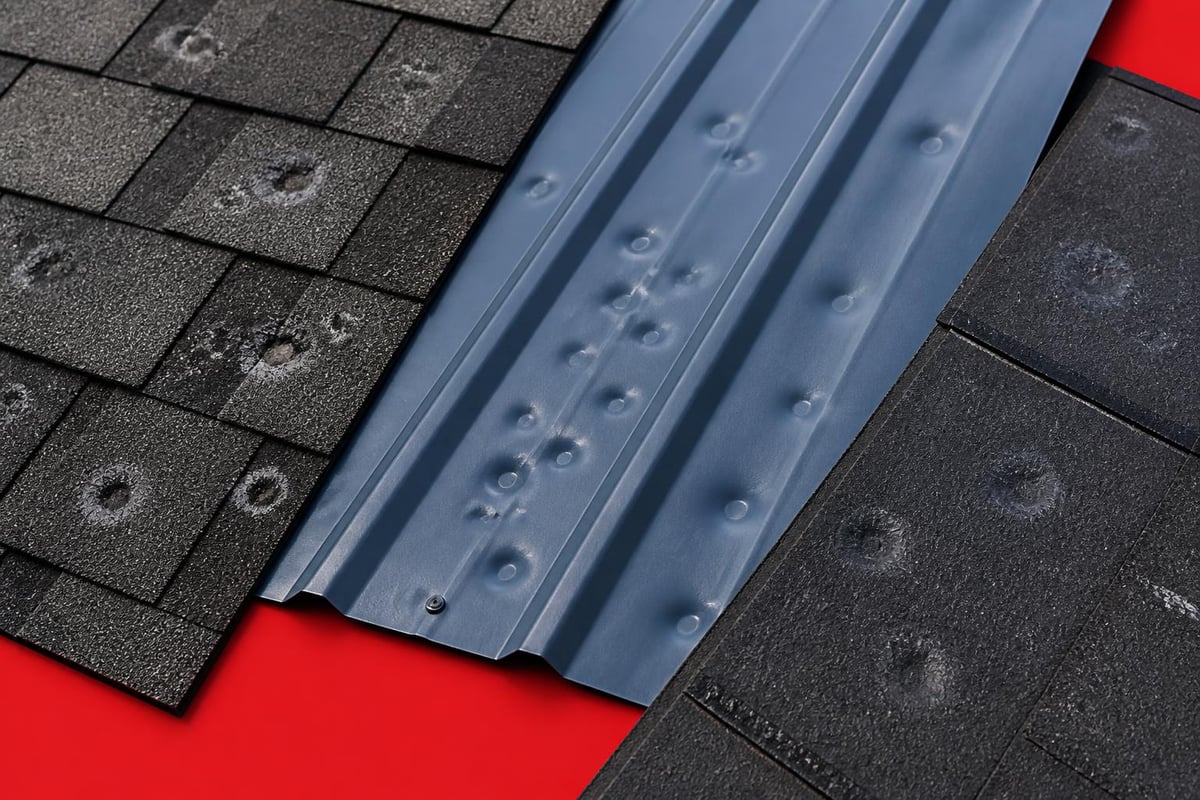
Metal roofing systems present different challenges during roof inspection for hail damage assessments. While metal roofs offer superior durability, large hail creates visible denting that may not compromise waterproofing but affects aesthetic appearance. Insurance coverage for metal roof denting varies significantly between policies, with some excluding cosmetic damage entirely.
Standing seam metal systems generally outperform exposed fastener panels in hail resistance. The raised seams redirect impact force while thicker gauge materials minimize denting. Property owners considering metal roof installations should discuss hail resistance ratings and insurance implications during material selection.
Modified Bitumen and Commercial Systems
Commercial properties using modified bitumen, TPO, or EPDM membrane systems require specialized inspection protocols. These systems hide damage differently than residential shingles, with impacts potentially creating punctures or tears that allow water infiltration without obvious surface evidence.
Roof inspection for hail damage on commercial buildings examines:
- Membrane punctures where hail penetrated through to underlying insulation
- Granular surface loss on modified bitumen exposing base material
- Seam separation where impact force stressed adhesive bonds
- Equipment damage to HVAC units, skylights, and rooftop accessories
- Drainage system impacts affecting scuppers, drains, and overflow systems
Commercial property managers should maintain roof inspection records documenting pre-storm conditions. This baseline evidence helps adjusters differentiate new hail damage from pre-existing wear, supporting more accurate claim settlements.
Preventive Measures and Long-Term Protection
While property owners cannot prevent hailstorms, strategic decisions reduce vulnerability and minimize damage severity. Understanding regional hail frequency patterns, selecting impact-resistant materials, and maintaining roofing systems optimizes long-term performance and reduces lifecycle costs.
Impact-Resistant Roofing Options
The roofing industry developed impact-resistance classifications helping consumers select appropriate materials for high-risk areas. UL 2218 testing evaluates roofing products using standardized steel ball drop tests, assigning Class 1 through Class 4 ratings based on impact resistance. Class 4 products withstand two-inch steel ball impacts without damage, offering maximum protection.
Many insurance carriers provide premium discounts for Class 4 installations, recognizing reduced claim likelihood. These savings often offset higher material costs over the roof's lifespan. Great Roofing's expertise in both traditional and impact-resistant systems helps property owners evaluate cost-benefit relationships when selecting roofing and guttering services.
Maintenance Impact on Hail Resistance
Well-maintained roofing systems withstand hail impacts better than neglected installations. Regular maintenance programs addressing minor repairs, debris removal, and aging component replacement extend effective service life while maintaining optimal hail resistance. Brittle, aged shingles crack under impacts that newer materials absorb without damage.
Recommended maintenance activities include:
- Annual inspections documenting condition before storm season
- Prompt minor repairs preventing small problems from escalating
- Gutter cleaning ensuring proper drainage and reducing ice dam potential
- Ventilation optimization controlling attic temperatures that affect shingle longevity
- Debris removal eliminating impact points that concentrate hail damage
Property owners who invest in preventive maintenance reduce both damage severity and insurance claim frequency, potentially qualifying for preferred policyholder status and lower premiums.
Regional Considerations for Illinois Properties
Illinois experiences significant hail activity, with the National Weather Service documenting hundreds of hail events annually across the state. The Joliet area sits within a moderate-to-high hail risk zone where property owners should anticipate storm damage during typical ownership periods. Understanding local patterns helps homeowners make informed decisions about materials, insurance coverage, and inspection timing.
Storm Season Patterns
Illinois hail activity peaks during late spring and early summer months when atmospheric conditions favor severe thunderstorm development. May and June produce the most frequent large hail events, though damaging storms occur from March through August. Property owners should schedule roof inspection for hail damage services immediately following confirmed hail events during these high-risk months.
Local weather monitoring services provide real-time hail reports helping property owners determine when inspections become necessary. The National Weather Service issues severe thunderstorm warnings when hail diameter expectations exceed one inch, triggering recommended inspection protocols. Documented weather service reports strengthen insurance claims by establishing event occurrence and estimated hail size.
Building Code Requirements
Illinois building codes incorporate wind and impact resistance standards affecting roofing material selections and installation methods. While codes establish minimum requirements, property owners benefit from exceeding these standards through premium material selections and enhanced installation techniques. Understanding roofing guides from trusted sources helps homeowners make informed decisions balancing code compliance, budget constraints, and long-term protection goals.
Local contractors familiar with regional requirements ensure installations meet current standards while optimizing performance for area-specific weather challenges. Great Roofing's experience with Illinois building codes and inspection processes provides clients with compliant, durable roofing systems designed for local conditions.
Repair vs. Replacement Decision Matrix
After completing a thorough roof inspection for hail damage, property owners face critical repair-or-replace decisions affecting both immediate costs and long-term value. Multiple factors influence this determination, including damage extent, roof age, warranty considerations, and insurance coverage terms.
Factors Supporting Repair Approaches
Limited hail damage confined to specific roof sections may warrant targeted repairs rather than complete replacement. Repair makes sense when:
- Damage affects less than 25% of total roof area with impacts concentrated in specific zones
- Roof age remains under 8 years with significant useful life remaining
- Matching materials remain available allowing seamless repairs
- Insurance coverage favors repairs through depreciation calculations or policy limits
- Budget constraints require phased approaches addressing critical areas first
Partial repairs carry risks including mismatched shingle appearance, voided warranties, and uneven aging patterns. These factors should be weighed against immediate cost savings and coverage limitations.
Replacement Indicators
Complete roof replacement becomes necessary when damage extent, system age, or insurance factors favor comprehensive solutions:
| Replacement Factor | Threshold Indicator |
|---|---|
| Damage Coverage | Over 40% of roof area affected |
| Shingle Age | 12+ years with limited remaining life |
| Pattern Distribution | Random impacts across all slopes |
| Insurance Settlement | Depreciation recovery available |
| Future Protection | Upgrading to impact-resistant materials |
Professional contractors provide detailed cost analyses comparing repair versus replacement scenarios. These evaluations consider material costs, labor requirements, warranty implications, and insurance recovery potential, helping property owners make financially sound decisions.
Protecting your property from hail damage requires vigilance, prompt action, and expert guidance throughout the inspection and repair process. Whether you've recently experienced a severe storm or want to assess your roof's current condition, professional evaluation provides the foundation for informed decisions about repairs, replacements, and insurance claims. Great Roofing brings decades of family-owned expertise to every inspection, combining technical knowledge with genuine care for Joliet-area homeowners and businesses. Contact their certified team today to schedule your comprehensive roof inspection and ensure your property receives the protection it deserves.