

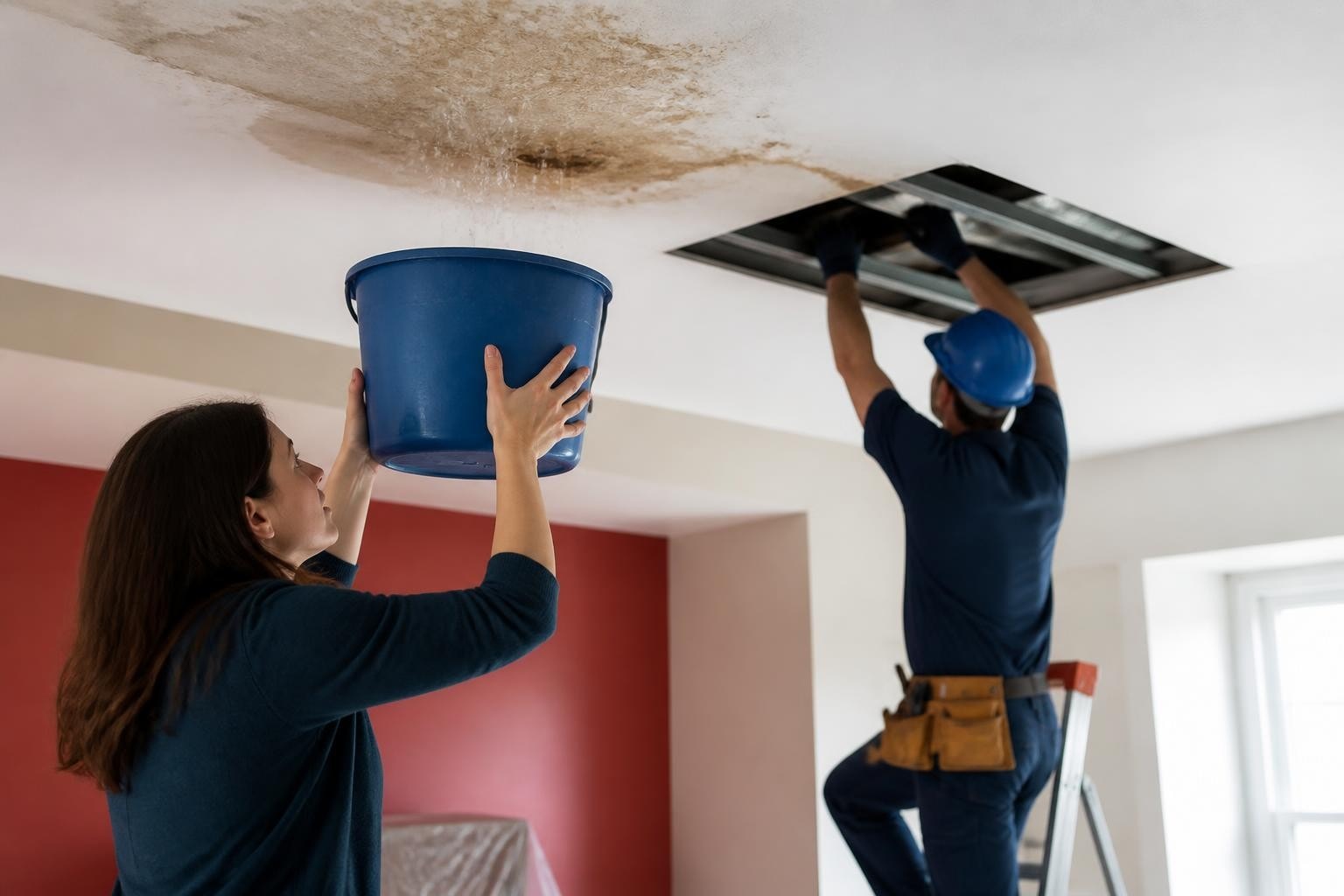
Roof leaks represent one of the most common yet potentially damaging problems homeowners face. When water penetrates your roofing system, it doesn't just create unsightly stains on ceilings-it can compromise structural integrity, promote mold growth, and damage insulation and electrical systems. Understanding the fundamentals of roof leak repairs empowers property owners to respond quickly and effectively, minimizing damage and preventing costly complications. Whether you're dealing with a minor drip during heavy rainfall or discovering water stains long after a storm has passed, knowing how to approach the situation makes all the difference in protecting your investment.
Understanding Common Causes of Roof Leaks
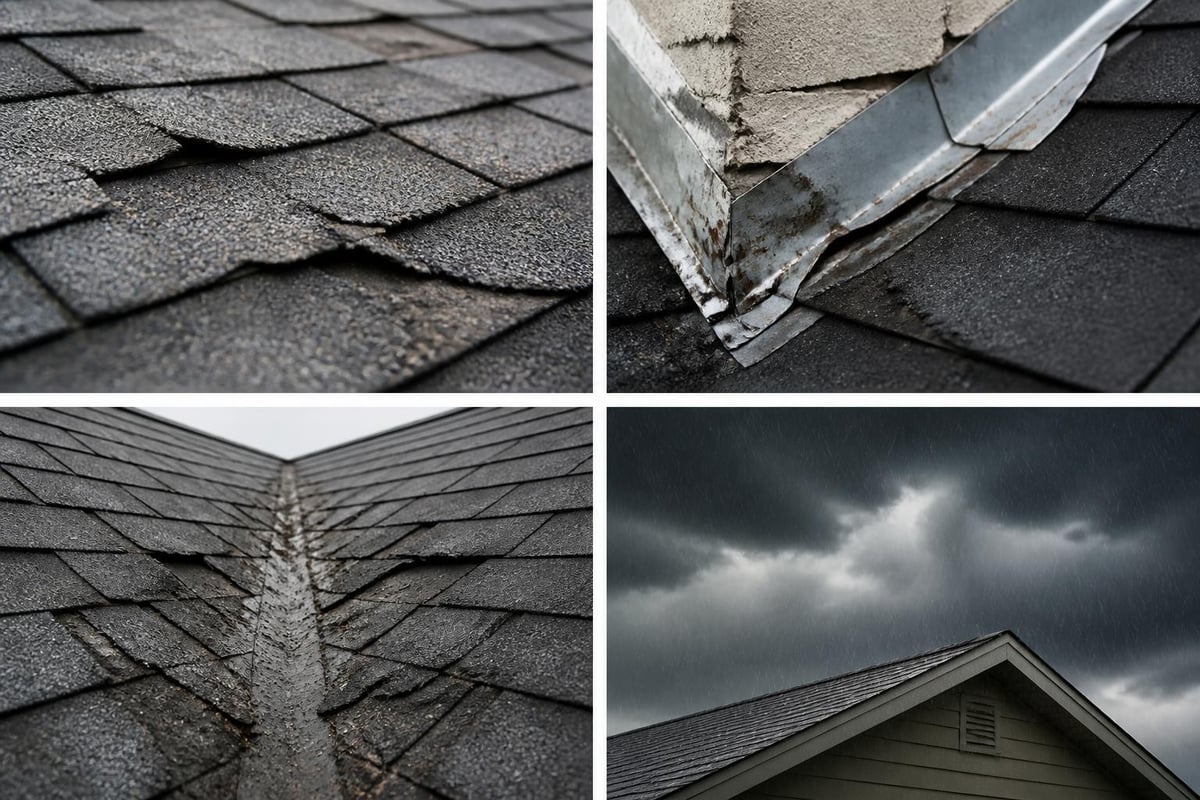
Roof leaks rarely happen without warning signs, though homeowners often miss the early indicators until significant damage occurs. The most frequent culprits include deteriorating shingles, damaged flashing around chimneys and vents, and compromised sealant in valleys where two roof planes meet. Age-related wear accelerates these problems, particularly in roofing systems approaching or exceeding their expected lifespan.
Weather conditions in the Joliet area create unique challenges for roofing systems. Freeze-thaw cycles cause expansion and contraction that gradually loosens fasteners and creates gaps in protective layers. Ice dams form when heat escapes through inadequate insulation, melting snow that refreezes at roof edges and forces water under shingles.
Material-Specific Vulnerabilities
Different roofing materials exhibit distinct failure patterns. Asphalt shingles, the most common residential roofing material, become brittle with age and UV exposure. Granule loss reduces their protective capability, and wind can lift compromised shingles, exposing the underlayment to moisture.
Modified bitumen systems commonly found on commercial buildings develop leaks at seams and penetrations. These flat or low-slope roofing applications require careful installation and regular maintenance to prevent water pooling and membrane degradation. Understanding bitumen roof repair techniques helps commercial property owners address issues before they escalate.
Detecting and Locating Roof Leaks
Finding the actual source of a leak proves more challenging than most homeowners expect. Water rarely travels straight down-it follows rafters, joists, and other structural elements before appearing as visible damage inside your home. The stain on your ceiling might be several feet away from the actual penetration point.
Start your investigation in the attic during daylight hours. Look for water stains, dark spots, or mold growth on the underside of the roof decking. Finding roof leaks through visual inspection requires patience and systematic examination, particularly around potential vulnerable areas.
Interior Inspection Strategies
- Check for water stains on ceilings and walls, especially after recent rainfall
- Examine areas around chimneys, skylights, and roof vents where flashing may fail
- Look for peeling paint or bubbling wallpaper indicating moisture problems
- Inspect attic insulation for compressed or discolored sections
- Use a flashlight to trace water trails along rafters and sheathing
Exterior assessments require safe access and favorable weather conditions. Never attempt roof inspections during wet, icy, or windy conditions. From ground level using binoculars or from a stable ladder, examine shingles for curling, missing pieces, or obvious damage. Pay particular attention to areas where different materials meet.
| Inspection Area | What to Look For | Priority Level |
|---|---|---|
| Valleys | Damaged underlayment, missing sealant | High |
| Flashing | Rust, gaps, loose sections | High |
| Shingles | Missing granules, cracks, curling | Medium |
| Gutters | Blockages causing water backup | Medium |
| Vents | Deteriorated boots, loose fittings | High |
Emergency Temporary Repairs
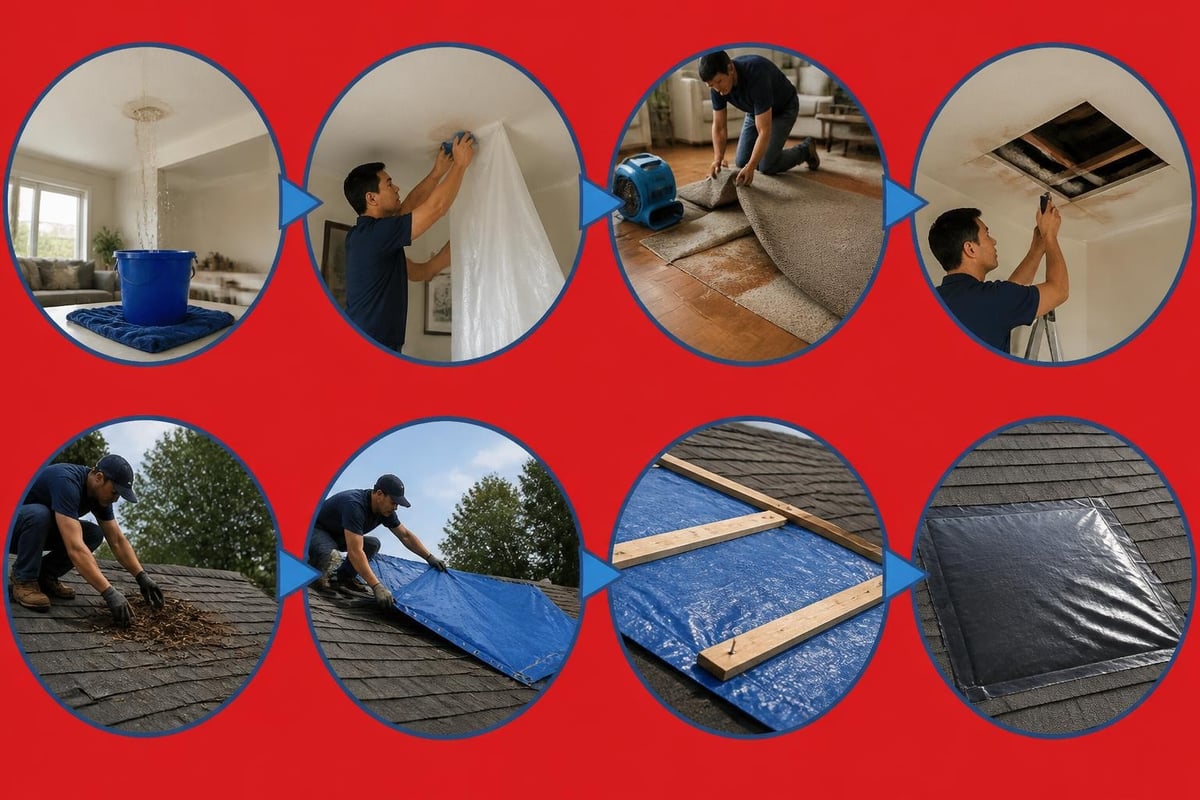
When you discover an active leak, immediate action prevents extensive damage even if permanent roof leak repairs must wait for professional help or better weather. Your first priority is containing water inside your home and stopping additional moisture from entering.
Place buckets or containers under active drips and move furniture, electronics, and valuables away from affected areas. If water accumulates in ceiling bulges, carefully puncture the lowest point with a screwdriver to allow controlled drainage rather than risking sudden collapse that spreads water and debris.
Quick Exterior Fixes
Temporary solutions from outside include applying roofing cement to visible cracks or gaps, securing loose shingles with roofing nails and sealant, and covering damaged areas with waterproof tarps. Tarp installation requires careful anchoring-use 2×4 boards as battens and secure them with sandbags or other weighted objects, never nails that create additional penetrations.
For minor shingle damage, slide roofing cement under lifted edges and press firmly. Add a nail on each side of the repair, then cover nail heads with additional cement. These temporary roof leak solutions buy time but shouldn't replace proper repairs.
Commercial flat roofs may require different approaches. Roof coating products can seal small cracks and splits in modified bitumen membranes, though these work best in dry conditions above 50 degrees Fahrenheit.
Professional Repair Methods and Solutions
Permanent roof leak repairs vary significantly based on leak location, roofing material, and damage extent. Professional contractors assess not just the visible problem but underlying causes that might indicate broader system failure. This comprehensive approach ensures repairs last and don't simply address symptoms while ignoring root issues.
Flashing Replacement and Repair
Damaged flashing around chimneys, skylights, and roof penetrations accounts for a substantial percentage of leak calls. Step flashing along chimney sides requires individual piece replacement when corroded or improperly installed. Counter flashing embedded in chimney mortar must be carefully removed and reset with fresh sealant.
Vent pipe boots made from rubber or plastic deteriorate from UV exposure and temperature extremes. Professional replacement involves removing surrounding shingles, installing new boots with proper overlap, and carefully integrating everything back into the shingle pattern. Cutting corners on this process creates new leak paths.
- Remove shingles around the damaged flashing area
- Extract old flashing and clean the substrate thoroughly
- Apply underlayment or ice and water shield as needed
- Install new flashing with proper overlap and positioning
- Secure with appropriate fasteners avoiding over-penetration
- Reinstall or replace shingles maintaining proper coursing
- Apply sealant at critical junctions following manufacturer specifications
Shingle Repair and Replacement
Individual damaged shingles can often be replaced without extensive work. The process requires lifting surrounding shingles to access nails securing the damaged piece, removing it without causing additional harm, and sliding a replacement into position. Best methods for roof leak repair emphasize matching existing materials and maintaining proper installation patterns.
Valley repairs demand particular attention because these channels handle concentrated water flow. Failed valley underlayment or improperly woven shingles create persistent leak problems. Professional repairs may require removing shingles from both roof planes, installing new ice and water shield, and rebuilding the valley with either woven or metal channel techniques.
| Repair Type | Average Timeframe | Complexity | Weather Dependency |
|---|---|---|---|
| Single shingle replacement | 1-2 hours | Low | Moderate |
| Flashing repair | 2-4 hours | Medium | High |
| Valley reconstruction | 4-8 hours | High | High |
| Multiple shingle sections | 1-2 days | Medium | High |
Addressing Storm and Wind Damage
Severe weather events create unique challenges for roof leak repairs. High winds don't just remove shingles-they can lift entire sections, damage underlayment, and drive rain horizontally under normal protective layers. Wind damage roof repair often reveals problems that existed before the storm but became critical failures during extreme conditions.
Insurance considerations complicate storm damage repairs. Property owners should document everything with photographs before making temporary repairs. While emergency tarping protects your property, preserve evidence of damage for insurance adjusters. Understanding the storm damage insurance claim process helps maximize coverage while meeting your carrier's requirements.
Hail Impact Assessment
Hail damage presents particular challenges because impacts may not cause immediate leaks. Instead, bruising compresses shingle granules and reduces protective capabilities, accelerating aging and eventual failure. Professional inspections identify these hidden problems that homeowners might miss.
Insurance adjusters look for specific hail damage indicators including:
- Circular impact marks with exposed asphalt
- Dented or damaged metal flashing and vents
- Granule loss concentrated in impact zones
- Fractured or cracked shingle tabs
- Damaged gutters and downspouts showing impact patterns
Working with experienced contractors familiar with roof damage insurance claims ensures proper documentation and fair settlements. Some damage requires full replacement rather than repairs, particularly when hail affects a significant percentage of the roof surface.
Commercial Roofing Leak Solutions
Commercial properties face distinct challenges with roof leak repairs. Larger surface areas, complex drainage systems, and different materials require specialized expertise. Modified bitumen membranes, EPDM rubber, and TPO systems each demand specific repair protocols.
Flat and low-slope commercial roofs accumulate standing water when drainage becomes compromised. Ponding water accelerates membrane degradation and creates persistent leak problems. Proper commercial roof leak repairs address both immediate water intrusion and underlying drainage deficiencies causing water accumulation.
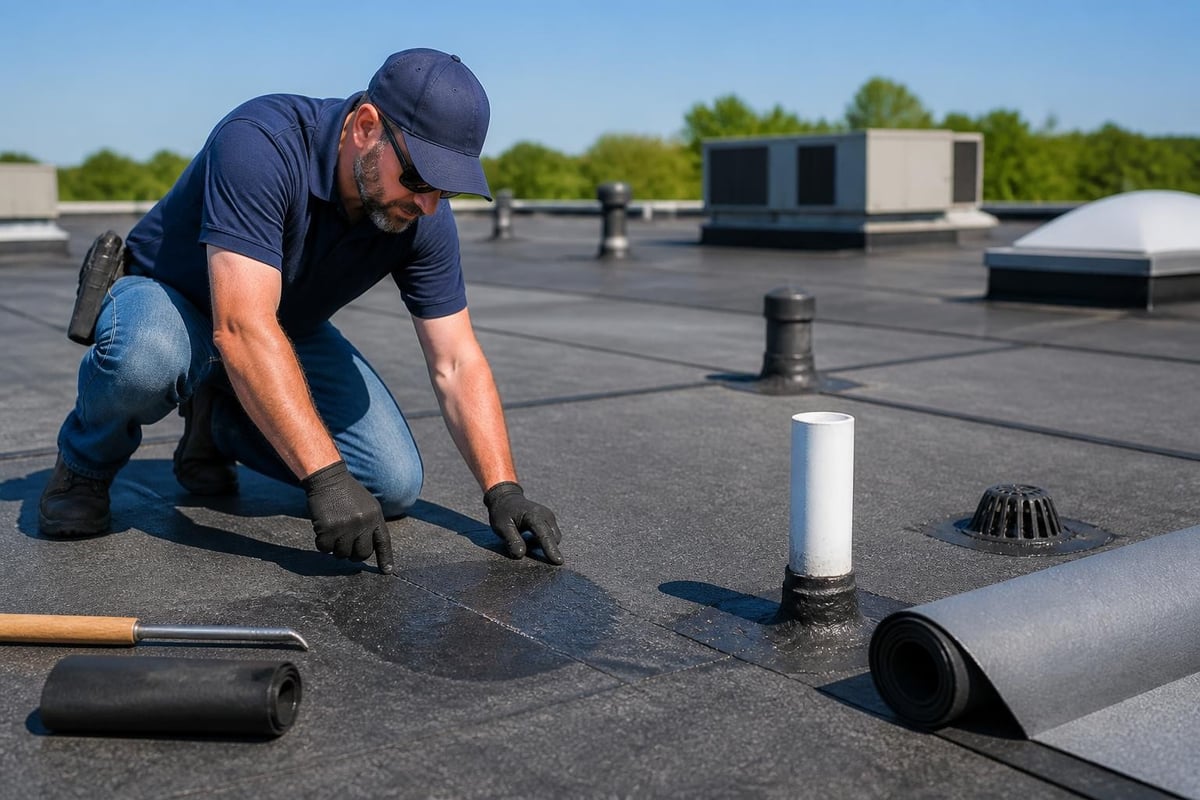
Modified Bitumen System Repairs
These multi-layer systems require heat welding or cold adhesive application for permanent repairs. Small punctures and tears can be patched, but seam failures often indicate broader installation or aging issues. Professional commercial roofing contractors use infrared scanning to detect moisture trapped in insulation layers beneath membranes.
Repair procedures for modified bitumen include:
- Cleaning and drying the damaged area thoroughly
- Cutting away damaged membrane to sound material
- Preparing substrate and applying primer if required
- Installing patch material with proper overlap specifications
- Heat welding or adhering according to system requirements
- Applying surface coating for UV protection and waterproofing
Preventive Maintenance and Long-Term Solutions
The most effective approach to roof leak repairs involves preventing leaks before they start. Regular inspections catch minor issues before they become major problems. Professional roofing contractors recommend bi-annual examinations, particularly after severe weather events.
Maintenance programs extend roof lifespan significantly through early intervention. Cleaning gutters prevents water backup that can force moisture under shingle edges. Trimming overhanging branches reduces debris accumulation and prevents damage from falling limbs during storms.
Investment in Quality Materials
When repairs require material replacement, investing in superior products pays long-term dividends. Premium shingles resist algae growth, withstand higher wind speeds, and maintain protective granules longer than economy options. For commercial applications, thicker membrane gauges and reinforced seams reduce leak probability.
Understanding when repair costs approach replacement value helps property owners make sound financial decisions. Multiple leak locations, extensive water damage to decking and structural components, or roofing systems exceeding their expected lifespan often justify complete roof replacement rather than continued patching.
| Maintenance Task | Frequency | Impact on Leak Prevention |
|---|---|---|
| Gutter cleaning | Twice yearly | High |
| Professional inspection | Annually | Very High |
| Tree trimming | As needed | Medium |
| Flashing examination | Annually | High |
| Attic ventilation check | Annually | Medium |
When to Call Professional Contractors
While handy homeowners can manage minor repairs, many situations demand professional expertise. Safety concerns top the list-steep pitches, multi-story homes, and wet conditions create serious injury risks. Professional contractors have proper equipment, training, and insurance protection.
Complex repairs involving structural components, extensive damage, or specialized materials exceed DIY capabilities. Improper repairs often cause more damage than the original leak, potentially voiding warranties and complicating future insurance claims. Choosing qualified roofing contractors ensures work meets code requirements and manufacturer specifications.
Evaluating Contractor Qualifications
Research potential contractors thoroughly before committing to roof leak repairs. Verify licensing, insurance coverage, and local references. Established companies with long-term community presence demonstrate reliability and quality workmanship. Family-owned operations often provide personalized service and stand behind their work.
Request detailed written estimates that itemize materials, labor, and timeline expectations. Be wary of significantly low bids that may indicate substandard materials or shortcuts in proper procedures. Quality roof leak repairs require appropriate time and materials-extremely low prices suggest corners will be cut somewhere.
Warranty coverage matters significantly for both materials and labor. Manufacturer warranties on shingles mean little if installation defects cause premature failure. Comprehensive labor warranties from reputable contractors protect your investment and demonstrate confidence in workmanship quality.
Cost Considerations and Budget Planning
Roof leak repair costs vary tremendously based on damage extent, accessibility, materials required, and regional labor rates. Minor repairs addressing single shingles or small flashing sections might cost a few hundred dollars, while extensive damage requiring structural repairs can reach several thousand.
Emergency repairs during active leaks typically cost more than scheduled maintenance work. Contractors responding to urgent calls may charge premium rates, particularly during evenings, weekends, or severe weather events. Planning preventive maintenance helps avoid these emergency situations.
Insurance Coverage Options
Many homeowners don't realize their insurance policies cover specific types of roof damage while excluding others. Sudden accidental damage from storms typically receives coverage, while gradual deterioration from poor maintenance does not. Understanding your policy details helps set realistic expectations.
Working with contractors experienced in insurance processes streamlines claims and ensures proper documentation. They can provide detailed damage assessments, repair estimates, and communicate directly with adjusters when authorized. This expertise often results in better claim outcomes and faster resolution.
Budget planning should account for deductibles, potential out-of-pocket costs, and the possibility that temporary repairs might reveal additional damage requiring expanded work. Setting aside emergency funds specifically for home maintenance provides financial security when unexpected repairs arise.
DIY Repair Considerations and Limitations
Homeowners comfortable with tools and basic construction can tackle certain roof leak repairs safely and effectively. Small shingle replacements, minor sealant applications, and basic maintenance fall within reasonable DIY scope for those with proper equipment and respect for safety protocols.
However, understanding limitations prevents dangerous situations and costly mistakes. Working at heights requires proper fall protection that most homeowners don't possess. Professional-grade safety equipment, stable scaffolding, and experience working on pitched surfaces keep contractors safe-the same cannot be assumed for occasional DIY efforts.
Essential Safety Equipment
- OSHA-compliant fall arrest harness and anchor points
- Non-slip footwear with proper tread
- Stable extension ladder rated for appropriate weight
- Work gloves and eye protection
- Emergency communication device
Weather monitoring becomes critical for safe roof work. Conditions can change rapidly, and being caught on a roof during sudden storms or high winds creates life-threatening situations. Professional contractors monitor forecasts carefully and postpone work when conditions deteriorate.
The step-by-step repair guidance available from reputable sources helps DIYers understand proper procedures, but reading instructions differs significantly from executing repairs correctly under real-world conditions. Many homeowners discover their DIY repairs actually made problems worse, requiring more extensive professional intervention.
Addressing roof leaks promptly with appropriate repair methods protects your property from extensive water damage and costly structural problems. Whether you need emergency temporary solutions or permanent professional repairs, understanding the process helps you make informed decisions about protecting your investment. Great Roofing brings family-owned dedication and professional expertise to both residential and commercial roof leak repairs throughout the Joliet area, with specialized knowledge in shingle systems and modified bitumen applications. Contact Great Roofing today for a thorough inspection and expert repair solutions that stand the test of time.