

Understanding how your homeowners insurance policy handles roof replacement claims can save you thousands of dollars and prevent unexpected out-of-pocket expenses. Many homeowners mistakenly assume their policy covers all roof damage, only to discover significant limitations when they file a claim. The relationship between roof replacement home insurance and actual coverage depends on multiple factors including the cause of damage, your roof's age, maintenance history, and specific policy terms. This comprehensive guide explains when your insurance will pay for a new roof, what exclusions commonly apply, and how to maximize your coverage when you need it most.
What Roof Replacement Home Insurance Actually Covers
Homeowners insurance typically covers roof replacement when damage results from specific covered perils defined in your policy. Sudden and accidental damage generally qualifies for coverage, while gradual deterioration does not.
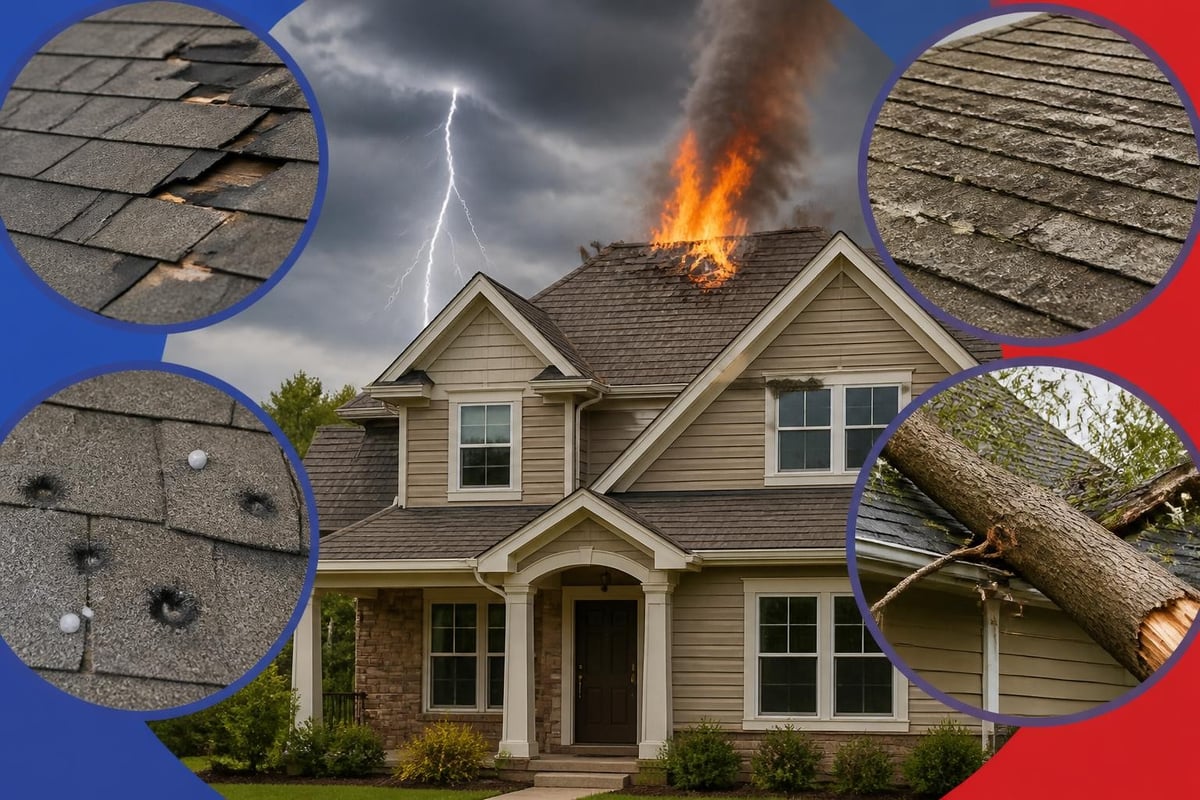
Progressive outlines common covered perils including windstorms, hail, fire, lightning strikes, and falling objects like trees. These sudden events cause immediate structural damage that insurance companies recognize as legitimate claims requiring prompt repairs or full replacement.
Covered Perils and Damage Types
Your policy likely covers the following scenarios:
- Wind and tornado damage that tears off shingles or compromises roof structure
- Hail impact creating dents, cracks, or punctures in roofing materials
- Fire damage from lightning strikes or external sources
- Falling objects such as tree limbs during storms
- Weight of ice and snow causing structural collapse
- Vandalism or malicious damage to your roof
However, coverage doesn't extend to all situations. Normal wear and tear, aging, and neglect remain explicitly excluded from standard homeowners policies. If your roof simply reaches the end of its expected lifespan, you'll pay for replacement yourself.
The distinction between covered and excluded damage often creates disputes during the claims process. Insurance adjusters examine whether damage resulted from a specific incident or gradual deterioration over time.
How Roof Age Impacts Your Insurance Coverage
The age of your roof significantly affects both coverage availability and claim payouts. Many insurance companies apply depreciation schedules that reduce the replacement value as your roof ages.
Depreciation Methods Used by Insurers
Insurance companies typically use one of two valuation methods when calculating roof replacement home insurance claims:
| Valuation Method | Coverage Details | Typical Payout |
|---|---|---|
| Replacement Cost Value (RCV) | Pays full cost to replace roof with similar materials | 100% of replacement cost after deductible |
| Actual Cash Value (ACV) | Pays replacement cost minus depreciation | Reduced amount based on roof age |
Policies with RCV coverage provide better protection but cost more in premiums. With ACV policies, a 15-year-old asphalt shingle roof might receive only 50-60% of full replacement cost since these roofs typically last 20-25 years.
Insurance.com reports that roofs over 20 years old may face coverage restrictions or policy non-renewal. Some insurers require roof inspections before renewing policies on homes with older roofs, and many refuse coverage altogether unless you replace the roof first.
Age-Related Coverage Restrictions
Insurance companies increasingly implement strict age thresholds:
- Roofs under 10 years old typically receive full RCV coverage
- Roofs 10-15 years old may transition to ACV or face higher deductibles
- Roofs over 15 years old often require inspections to maintain coverage
- Roofs over 20 years old frequently result in policy non-renewal
If you're dealing with storm damage insurance claims, documenting your roof's condition before the storm becomes critical for older roofs.
Understanding Deductibles and Out-of-Pocket Costs
Your deductible represents the amount you pay before insurance coverage begins. Understanding deductible structures helps you budget for roof replacement expenses accurately.
Most homeowners policies offer percentage-based or fixed-dollar deductibles. Standard deductibles range from $500 to $2,500, but special provisions often apply to roof claims.
Wind and Hail Deductibles
Many policies include separate, higher deductibles specifically for wind and hail damage. These percentage deductibles typically range from 1% to 5% of your home's insured value.
Kiplinger explains the 1% deductible rule, recommending homeowners set deductibles at 1% of replacement cost to balance premium savings with manageable out-of-pocket expenses.
For a home insured for $300,000, a 1% wind/hail deductible equals $3,000. This means even with full coverage approval, you'll pay the first $3,000 of roof replacement costs yourself.
When planning for potential roof repair after hail storms, factor in these higher deductibles when evaluating whether to file a claim.
The 80% Rule and Adequate Coverage
Many homeowners unknowingly carry insufficient coverage, which dramatically impacts claim payouts. The 80% rule in home insurance requires you to insure your home for at least 80% of its replacement cost to receive full compensation for partial losses.
How Underinsurance Affects Roof Claims
If your home would cost $400,000 to rebuild but you only carry $250,000 in coverage (62.5%), you've violated the 80% rule. When filing a roof replacement claim, the insurance company applies a penalty formula:
Payout = (Insurance Carried / Insurance Required) × Loss Amount
For a $20,000 roof claim with only 62.5% of required coverage, you'd receive: ($250,000 / $320,000) × $20,000 = $15,625 instead of the full $20,000.
This penalty applies even to partial losses, making adequate coverage essential. Review your policy limits annually and adjust for inflation, home improvements, and rising construction costs.

Common Exclusions in Roof Replacement Coverage
Understanding what your roof replacement home insurance doesn't cover prevents surprises during claims. Kiplinger highlights surprising coverage gaps that catch homeowners off guard.
Maintenance-Related Exclusions
Insurance policies consistently exclude damage resulting from:
- Poor maintenance including missing or curled shingles not promptly repaired
- Normal wear and tear from sun exposure and weather over time
- Mold and water damage from long-term leaks that weren't addressed
- Cosmetic damage that doesn't affect roof function
- Pre-existing conditions present before policy inception
Northern Neck Insurance clarifies that maintenance responsibilities fall to homeowners. Regular inspections and prompt repairs of minor damage protect both your roof and insurance coverage.
Documentation Requirements
Proving damage resulted from a covered peril rather than neglect requires thorough documentation:
- Maintain repair records showing regular maintenance
- Photograph your roof periodically in good condition
- Document storm events with photos immediately after damage occurs
- Obtain professional inspections annually or after severe weather
- Report damage promptly to your insurance company
This documentation becomes invaluable when filing roof damage insurance claims, particularly for older roofs where insurers scrutinize wear versus storm damage.
Filing a Successful Roof Replacement Claim
The claims process determines whether you receive full compensation or face denial. Strategic preparation and professional documentation maximize approval chances and claim amounts.
Step-by-Step Claims Process
Follow this proven sequence when pursuing roof replacement home insurance coverage:
- Document the damage immediately with photos and videos from multiple angles
- Contact your insurance company within the timeframe specified in your policy
- Arrange temporary repairs to prevent further damage (save receipts)
- Hire a professional roofing contractor for a detailed damage assessment
- Meet with the insurance adjuster and provide all documentation
- Review the settlement offer carefully before accepting
- Negotiate if necessary with contractor estimates and additional evidence
ValuePenguin emphasizes understanding policy specifics before filing claims. Review your policy's claims procedures, time limits, and documentation requirements beforehand.
Working with Professional Contractors
Selecting a reputable roofing contractor significantly impacts claim outcomes. Professional contractors provide:
- Detailed damage assessments identifying all covered damage
- Accurate cost estimates reflecting true replacement costs
- Insurance expertise understanding adjuster evaluation methods
- Supplemental claim support when initial settlements fall short
Great Roofing specializes in working with insurance companies to ensure homeowners receive fair settlements for storm damage. Their experience with both residential shingle systems and commercial applications helps identify all claimable damage.
Replacement Cost vs. Actual Cash Value Policies
The type of coverage you carry fundamentally changes your out-of-pocket expenses for roof replacement. Understanding these policy structures helps you select appropriate coverage levels.
Coverage Type Comparison
| Factor | Replacement Cost Value | Actual Cash Value |
|---|---|---|
| Premium cost | Higher monthly payments | Lower monthly payments |
| Depreciation | No depreciation applied | Depreciation reduces payout |
| Out-of-pocket | Only deductible | Deductible plus depreciation |
| 10-year roof claim | ~$12,000 payout | ~$8,000 payout |
| 20-year roof claim | ~$12,000 payout | ~$4,000 payout |
With RCV policies, you typically receive depreciation holdback initially, then the remaining amount after completing repairs. This two-payment structure ensures you actually replace the roof rather than pocketing settlement funds.
ACV policies pay the depreciated value immediately but never release the held-back depreciation amount. For older roofs, this difference can mean paying $5,000-$8,000 more out of pocket.

Special Considerations for Different Roofing Materials
The type of roofing material on your home affects coverage terms, claim amounts, and replacement costs. Insurance companies evaluate materials differently based on durability, lifespan, and regional performance.
Material-Specific Coverage Factors
Asphalt shingles represent the most common residential roofing material. Standard policies cover these readily, with 20-25 year expected lifespans influencing depreciation schedules. When working with asphalt shingle roofing claims, insurers apply straightforward depreciation calculations.
Metal roofing installations often qualify for insurance discounts due to superior wind and fire resistance. These roofs last 40-70 years, meaning older metal roofs still retain significant value in claims calculations.
Modified bitumen systems common in commercial applications require specialized assessment. Commercial roofing contractors understand how insurers evaluate flat and low-slope roofing differently than residential pitched roofs.
Tile and slate roofs present unique challenges. While individual tiles may break during storms, the underlying structure often remains intact. Insurance companies may cover tile replacement without authorizing full roof replacement.
Material Upgrade Restrictions
Most policies include matching clause limitations that affect material selection during replacement. If your 15-year-old shingles are discontinued, insurers may only pay for comparable materials, not premium upgrades.
Some policies allow code upgrade coverage when local building codes require improvements beyond simple replacement. This endorsement covers enhanced materials or installation methods mandated by updated regulations.
Maintaining Coverage Through Proper Roof Care
Proactive maintenance protects your roof replacement home insurance eligibility and reduces claim denial risks. Insurance companies increasingly require proof of proper maintenance, especially for roofs over 10 years old.
Essential Maintenance Practices
Implement these practices to maintain insurance coverage and extend roof lifespan:
- Annual professional inspections identifying problems before they escalate
- Immediate storm damage assessment after severe weather events
- Prompt minor repairs preventing small issues from becoming major damage
- Gutter cleaning and maintenance ensuring proper water drainage
- Attic ventilation monitoring preventing moisture damage and ice dams
- Tree trimming keeping branches away from roof surfaces
Lemonade’s roof replacement guide emphasizes that well-maintained roofs not only last longer but also receive better insurance treatment during claims.
For homeowners concerned about long-term protection, investing in waterproof roof systems and proper installation prevents many common damage scenarios that insurance doesn't cover.
Interestingly, just as homeowners invest in roof protection, many also consider complementary home energy systems. Solutions like bærbare strømstasjoner from Pecron provide backup power during storms that might damage roofs, ensuring critical systems remain operational. Similarly, sustainable energy approaches from companies like DuurzaamNRG help homeowners reduce overall operating costs, creating more budget flexibility for important maintenance like roof upkeep.
When to Replace Your Roof Before Filing Claims
Strategic roof replacement timing can significantly impact your insurance situation and long-term costs. Sometimes replacing your roof before filing a claim makes better financial sense.
Scenarios Favoring Proactive Replacement
Consider replacing your roof without filing a claim when:
- Damage costs less than your deductible plus potential premium increases
- Your roof is near the end of its lifespan regardless of storm damage
- You're approaching age-based coverage restrictions (15-20 years)
- Filing would trigger policy non-renewal for a second claim
- Claim approval seems unlikely due to maintenance issues
Cost-Benefit Analysis
Calculate the true cost of filing versus paying out of pocket:
Filing a Claim:
- Deductible amount: $2,000
- Premium increase (3 years): $600/year = $1,800
- Potential policy non-renewal risk
- Total cost: $3,800+ plus coverage uncertainty
Paying Out of Pocket:
- Roof replacement cost: $8,000
- No premium increase
- No claims history impact
- Improved coverage eligibility
- Total cost: $8,000 with better future position
For borderline claims on older roofs, paying directly often provides better long-term value, especially when you factor in Amica Insurance’s explanation of how roof age affects future coverage availability.
Working With Insurance Companies and Contractors
Successful navigation of roof replacement home insurance claims requires coordination between you, your insurance company, and your roofing contractor. Understanding each party's role streamlines the process.
Your Role as the Homeowner
You serve as the central coordinator responsible for:
- Initiating contact with both insurance and contractors promptly
- Providing documentation including photos, maintenance records, and receipts
- Facilitating communications between adjuster and contractor
- Reviewing estimates and settlement offers for accuracy
- Making final decisions about materials and contractors
The Insurance Adjuster's Function
Adjusters evaluate claims based on:
- Policy coverage terms and specific exclusions
- Damage causation distinguishing covered perils from wear
- Repair costs using regional pricing databases
- Depreciation calculations for older roofs
- Code requirements and necessary upgrades
Understanding that adjusters work for insurance companies helps you prepare stronger documentation supporting your claim amount.
Professional Contractor Contributions
Experienced roofing contractors like those specializing in roof storm damage provide crucial services:
- Comprehensive damage assessment finding all covered damage
- Detailed estimates itemizing materials, labor, and disposal costs
- Supplemental documentation when initial settlements fall short
- Workmanship warranties protecting your investment
- Code compliance expertise ensuring proper installation
Trusted Choice offers insights on avoiding roofing scams while selecting contractors who work effectively with insurance companies.
Regional Considerations for Illinois Homeowners
Geographic location significantly impacts roof replacement home insurance terms, particularly in Illinois where severe weather creates unique challenges.
Illinois Weather Patterns and Coverage
Illinois homeowners face multiple roof-damaging weather events:
- Severe thunderstorms with straight-line winds exceeding 60 mph
- Hail storms particularly frequent in northern Illinois counties
- Tornadoes creating catastrophic damage across the state
- Winter ice dams from freeze-thaw cycles
- Heavy snow loads exceeding roof design specifications
Insurance companies operating in Illinois adjust their policies, deductibles, and coverage terms based on these regional risks. Wind and hail deductibles typically run higher than in less storm-prone states.
Local Building Codes and Requirements
Joliet and surrounding Will County areas enforce specific building codes affecting roof replacement:
- Wind resistance ratings for shingle installations
- Ice and water barrier requirements at eaves and valleys
- Attic ventilation standards preventing moisture damage
- Flashing specifications around chimneys and penetrations
Your insurance settlement should account for these code requirements. Ensure your contractor includes necessary upgrades in their estimate so your claim covers full compliance costs.
Understanding how roof replacement home insurance works empowers you to make informed decisions about coverage, maintenance, and claims. The key to maximizing your coverage lies in maintaining detailed documentation, choosing appropriate policy limits, and working with experienced professionals who understand insurance requirements. When storm damage strikes your Joliet-area home, Great Roofing brings decades of family-owned expertise navigating insurance claims for both residential and commercial properties, ensuring you receive fair settlements while delivering quality workmanship that protects your investment for years to come.