

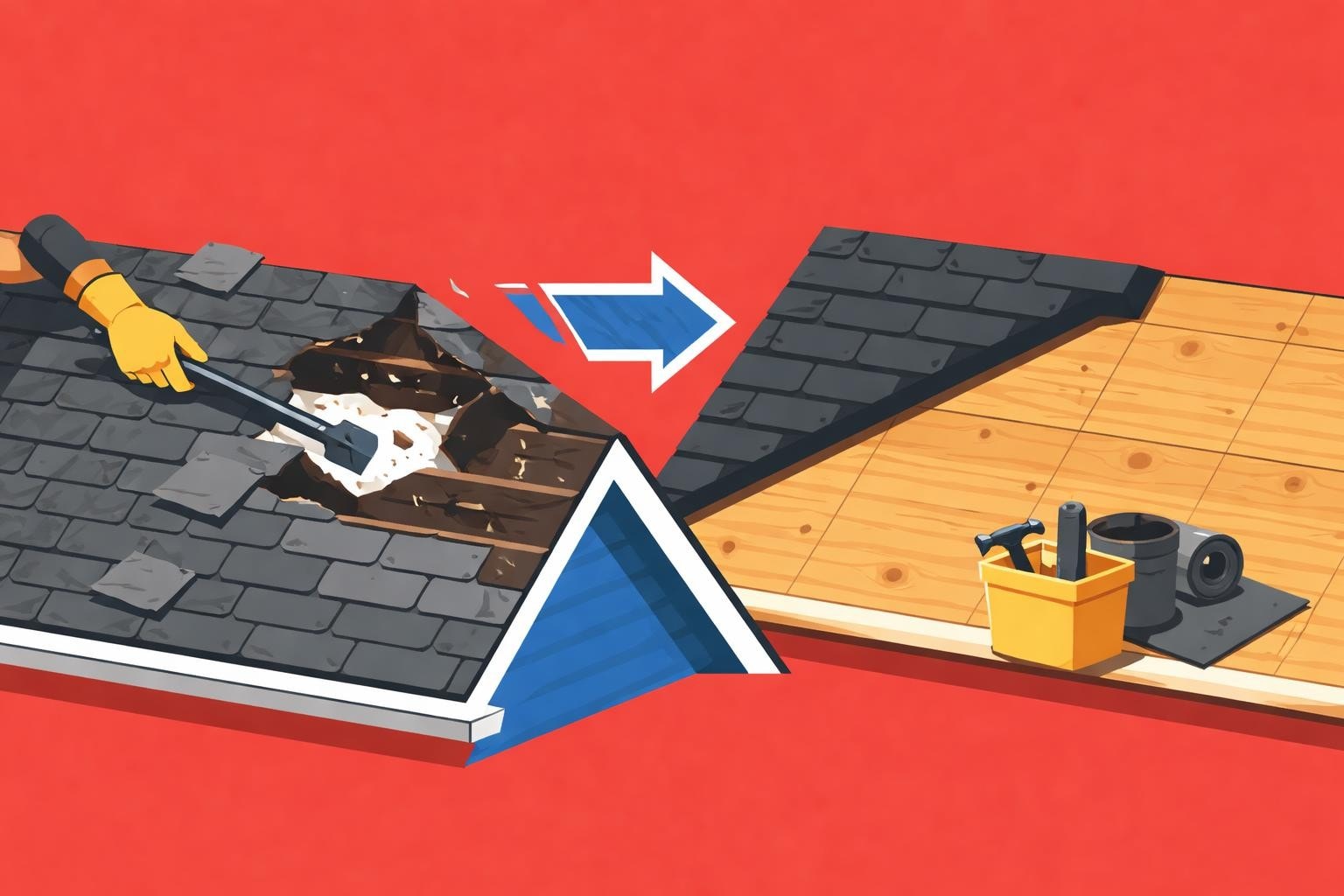
A roof tear off represents one of the most critical phases in any roofing replacement project. Whether you own a residential property in Joliet or manage a commercial building, understanding this process helps you make informed decisions about your roofing investment. The tear-off process involves completely removing existing roofing materials down to the roof deck, creating a clean foundation for new installation. This comprehensive approach ensures your new roof performs optimally and lasts for decades, protecting your property from the harsh Midwest weather conditions that challenge roofing systems year-round.
Understanding the Roof Tear Off Process
A roof tear off involves systematically removing all existing roofing materials, including shingles, underlayment, flashing, and sometimes additional layers that have accumulated over years of repairs. Professional roofing contractors use specialized tools and techniques to strip away these materials safely and efficiently.
The process begins with a thorough inspection of the existing roof structure. Contractors assess the number of layers present, check for structural damage, and identify potential challenges. This evaluation determines the scope of work and helps establish accurate timelines and cost estimates.
Why Complete Removal Matters
Many property owners wonder whether they can simply install new roofing materials over existing layers. While overlay installations might seem cost-effective initially, a complete roof tear off offers significant advantages:
- Structural Inspection: Removing old materials reveals hidden damage, rot, or moisture issues that could compromise your new roof
- Building Code Compliance: Most jurisdictions limit the number of roofing layers allowed, making tear-offs necessary
- Weight Reduction: Multiple roofing layers add substantial weight to your structure, potentially exceeding design specifications
- Longevity: New roofing materials perform best when installed on a clean, properly prepared surface
- Warranty Protection: Many manufacturers require complete tear-offs to validate their product warranties
The National Roofing Contractors Association provides detailed guidance on proper tear-off procedures, emphasizing the importance of thorough removal for long-term roof performance.

Roof Tear Off Timeline and Planning
Understanding how long a roof tear off takes helps property owners plan accordingly. The duration varies based on several factors, but most residential projects follow predictable patterns.
Factors Affecting Duration
| Factor | Impact on Timeline | Considerations |
|---|---|---|
| Roof Size | 1-3 days for average homes | Square footage directly affects labor hours |
| Roof Complexity | Additional 1-2 days | Multiple valleys, dormers, or steep slopes increase difficulty |
| Number of Layers | +4-6 hours per layer | Each additional layer requires extra removal time |
| Weather Conditions | Potential delays | Rain, high winds, or extreme temperatures halt work |
| Material Type | Varies significantly | Modified bitumen or built-up roofing takes longer than shingles |
For most residential shingle roofs in the Joliet area, a complete roof tear off typically requires one to two days. Commercial properties with modified bitumen systems may need several days depending on building size and complexity.
The IKO roof replacement timeline guide offers valuable insights into what homeowners should expect during each phase of the project, including the initial tear-off stage.
Preparing Your Property
Proper preparation minimizes disruption and protects your belongings during the roof tear off process. Property owners should take several precautions:
- Clear the perimeter: Remove vehicles, patio furniture, grills, and decorative items from around your building
- Protect valuables: Move fragile items away from exterior walls, as vibrations can cause items to fall
- Cover items in attic: Place tarps over stored belongings to protect them from dust and debris
- Trim vegetation: Cut back tree branches that might interfere with work or debris removal
- Inform neighbors: Notify adjacent property owners about the project timeline and potential noise
Contractors typically provide specific preparation instructions tailored to your property and project scope.
Safety Considerations During Tear Off
Safety represents the highest priority during any roof tear off project. Professional contractors implement comprehensive safety protocols to protect workers, property occupants, and surrounding areas.
OSHA Requirements and Best Practices
Roofing contractors must comply with strict safety standards outlined by OSHA, including fall protection measures, proper equipment usage, and site management protocols. These requirements exist because roofing consistently ranks among the most hazardous construction activities.
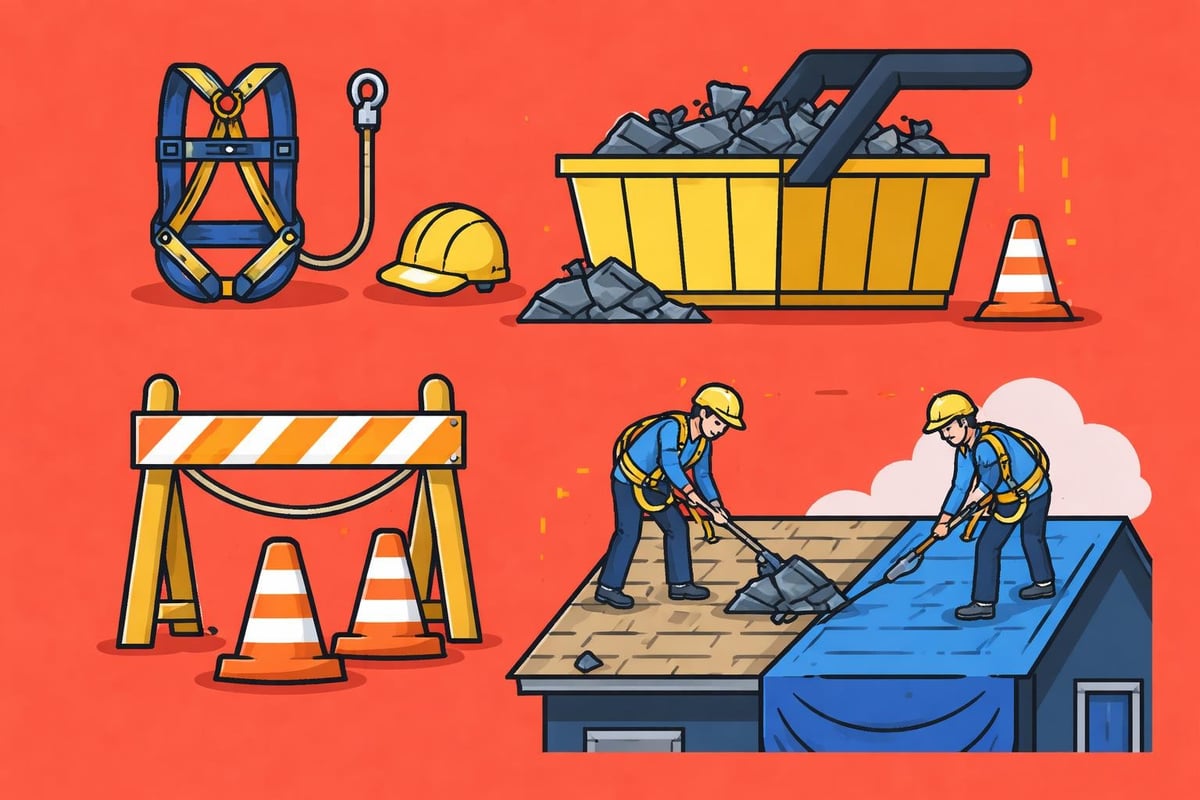
Professional crews use multiple safety systems during tear-off work:
- Fall protection equipment: Harnesses, guardrails, and safety nets prevent worker injuries
- Debris management: Chutes and tarps control falling materials and protect landscaping
- Ground barriers: Caution tape and barriers keep unauthorized personnel away from work zones
- Personal protective equipment: Hard hats, safety glasses, and appropriate footwear are mandatory
- Weather monitoring: Continuous assessment of conditions ensures work only proceeds when safe
The comprehensive guide from Buildings.com on roof tear-offs emphasizes asking contractors about their specific safety protocols before beginning work.
Cost Factors for Roof Tear Off Projects
The roof tear off portion of a replacement project represents a significant cost component. Understanding pricing factors helps property owners budget appropriately and evaluate contractor estimates accurately.
Breaking Down Tear Off Costs
Several elements contribute to the overall cost of removing existing roofing materials. Labor typically accounts for the largest expense, as tear-off work is physically demanding and requires skilled crews.
Material disposal represents another substantial cost factor. Roofing materials are heavy, bulky, and often require special handling at disposal facilities. Contractors must account for dumpster rental, hauling fees, and landfill charges when estimating projects.
The number of existing roofing layers dramatically impacts costs. Each additional layer requires more labor hours, increases disposal volumes, and can uncover unexpected structural issues requiring remediation.
Hidden Costs and Potential Issues
A roof tear off frequently reveals problems hidden beneath existing materials. Property owners should budget for potential additional work:
- Decking replacement: Rotted or damaged plywood sheeting requires replacement before new roofing installation
- Structural repairs: Compromised rafters, trusses, or framing members need professional attention
- Code upgrades: Modern building codes may require ventilation improvements or structural enhancements
- Ice and water barrier installation: Enhanced protection in vulnerable areas adds material and labor costs
- Chimney or skylight repairs: Flashing replacement around penetrations ensures proper waterproofing
Reputable contractors provide transparent estimates and communicate about discovered issues promptly. Understanding these potential costs prevents budget surprises mid-project.
For property owners researching replacement roof costs, the tear-off phase typically represents 20-30% of the total project investment.
Material-Specific Tear Off Considerations
Different roofing materials require distinct removal approaches. Understanding these variations helps property owners appreciate the complexity of professional tear-off work.
Asphalt Shingle Removal
Asphalt shingle roofing represents the most common residential roofing material in the Joliet area. Removal involves using specialized tools like roofing shovels and pry bars to lift and remove shingles, along with the underlying felt paper or synthetic underlayment.
Workers typically start at the roof ridge and work downward in sections, allowing controlled debris management. Modern architectural shingles bond more aggressively than traditional three-tab products, sometimes requiring additional effort during removal.
Commercial Roofing Systems
Commercial properties often feature built-up roofing, modified bitumen, or single-ply membrane systems. These materials present unique tear-off challenges compared to residential shingles.
Modified bitumen systems, commonly found on low-slope commercial buildings, adhere firmly to the substrate using torch application or cold adhesives. Removal requires careful technique to avoid damaging the underlying roof deck. The complete guide for steep-slope roof tear-offs provides insights into handling various commercial roofing scenarios.
Metal Roofing Removal
Metal roofing systems require different removal techniques than organic materials. Panels must be carefully unfastened to preserve the underlying deck and avoid creating sharp edges that could cause injuries. When considering metal roofing materials for replacement, understanding the removal process helps evaluate long-term lifecycle costs.
Deck Inspection and Preparation
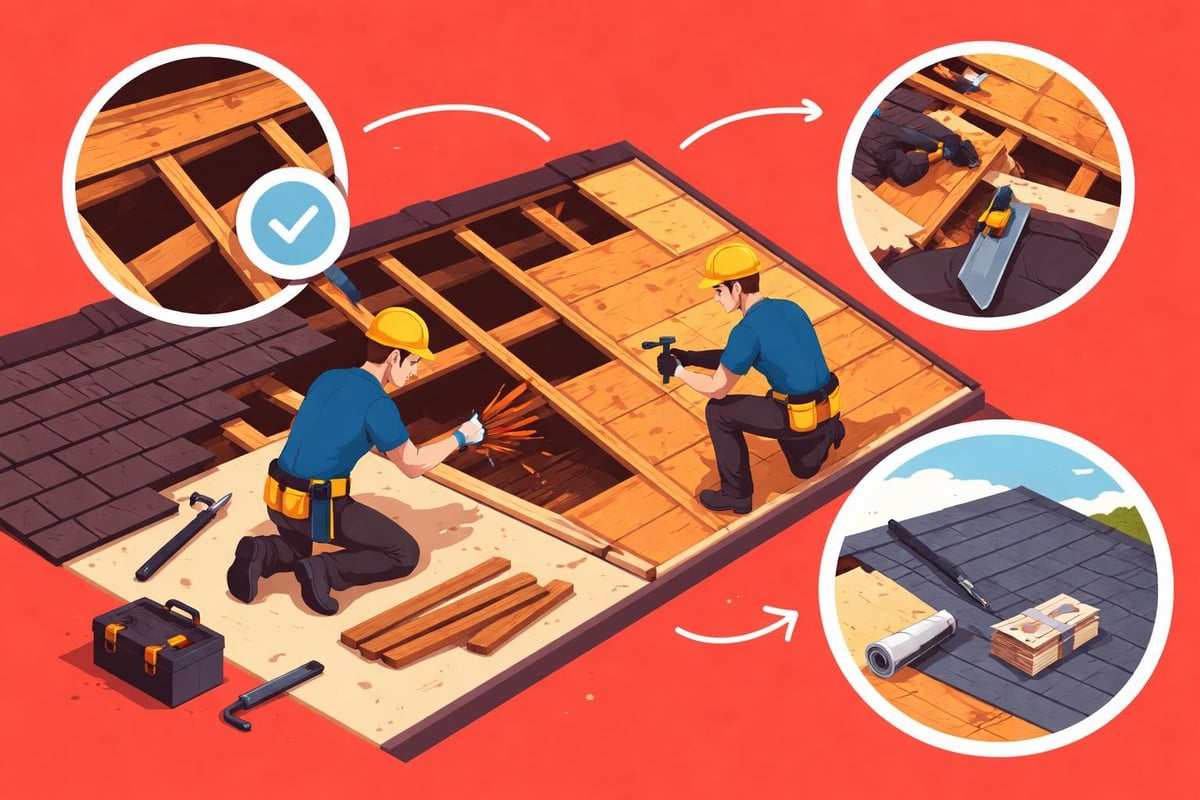
Once old materials are removed, the exposed roof deck undergoes thorough inspection. This critical phase determines what additional work is necessary before installing new roofing.
Evaluating Deck Condition
Contractors examine the roof deck for several issues:
- Moisture damage: Water infiltration causes wood deterioration, requiring board replacement
- Structural integrity: Sagging, cracking, or warping indicates potential framing problems
- Fastener condition: Loose nails or screws compromise deck stability
- Ventilation adequacy: Poor attic ventilation contributes to premature roof failure
- Code compliance: Modern standards may require upgraded materials or installation methods
Professional inspections identify these issues before new roofing installation begins. Addressing deck problems ensures your new roof performs as designed and achieves its expected lifespan.
| Deck Issue | Solution | Impact on Project |
|---|---|---|
| Isolated damaged boards | Replace individual sections | Minimal delay, moderate cost increase |
| Widespread rot | Full deck replacement | 2-3 day extension, significant cost addition |
| Inadequate ventilation | Install additional vents | 1 day addition, prevents future problems |
| Structural sagging | Engineering assessment required | Potential major reconstruction |
Preparing for New Installation
After completing necessary repairs, contractors prepare the deck surface for new roofing materials. This preparation includes:
Cleaning and debris removal ensures no nails, staples, or material fragments remain on the deck surface. These small items can puncture underlayment or create imperfections in the finished roof.
Installing ice and water barrier in vulnerable areas provides enhanced protection against water infiltration. In the Midwest climate, proper ice dam prevention measures are essential for long-term roof performance.
Applying synthetic underlayment creates a secondary weather barrier and provides temporary protection if installation spans multiple days. Modern synthetic materials outperform traditional felt paper in durability and weather resistance.
Environmental and Disposal Considerations
Responsible roof tear off projects include proper waste management and environmental stewardship. The roofing industry has made significant progress in developing sustainable disposal and recycling practices.
Material Recycling Options
Asphalt shingles can be recycled into new paving materials, reducing landfill burden. Many disposal facilities now accept roofing materials for processing into recycled asphalt pavement or other products. Progressive contractors partner with recycling-focused disposal companies, diverting tons of material from landfills annually.
Metal roofing materials offer even better recycling potential, as metals maintain value through multiple recycling cycles. Copper, aluminum, and steel roofing components can be completely recycled without quality degradation.
Managing Job Site Impact
Professional contractors minimize the environmental footprint of roof tear off projects through careful planning:
- Precise debris containment: Tarps and barriers prevent material spread to neighboring properties
- Efficient material handling: Organized removal and sorting facilitates recycling efforts
- Dust control: Water application and containment measures reduce airborne particles
- Site restoration: Thorough cleanup includes magnetic sweeps to collect metal fasteners
- Noise management: Scheduling consideration and efficient work practices minimize disruption
Property owners should ask contractors about their waste management practices and environmental policies during the selection process.
Choosing the Right Contractor for Your Tear Off
Selecting a qualified roofing contractor significantly impacts your roof tear off experience and final results. Several factors distinguish professional operations from less qualified competitors.
Essential Qualifications
Licensing and insurance represent non-negotiable requirements. Contractors must carry general liability insurance and workers' compensation coverage to protect property owners from potential liability. Verify these credentials directly with insurance providers rather than accepting copies of certificates.
Experience with specific materials ensures contractors understand the unique requirements of your roofing system. A contractor specializing in residential shingles may lack expertise with commercial modified bitumen systems.
Local knowledge matters significantly in roofing work. Contractors familiar with Joliet-area building codes and weather patterns better anticipate challenges and ensure code compliance.
Evaluating Contractor Proposals
Compare estimates carefully, looking beyond simple price differences:
- Scope of work details: Comprehensive proposals specify tear-off procedures, disposal methods, and deck repair approaches
- Timeline commitments: Realistic schedules account for weather contingencies and project complexity
- Material specifications: Quality contractors specify exact products, not generic descriptions
- Warranty coverage: Understand both manufacturer and workmanship warranties
- Payment terms: Reasonable payment schedules protect both parties
The proper tear-off technique guide from NOVA Exteriors emphasizes the importance of hiring experienced professionals for this critical work.
Weather Considerations and Seasonal Timing
Midwest weather patterns significantly impact roof tear off projects. Strategic timing minimizes weather-related delays and ensures optimal installation conditions.
Best Seasons for Tear Off Work
Spring and fall typically offer ideal conditions for roofing projects. Moderate temperatures, lower humidity, and stable weather patterns create favorable working conditions. However, these seasons also represent peak demand periods, potentially requiring longer lead times for project scheduling.
Summer provides the longest working days and warmest temperatures, beneficial for adhesive activation in certain roofing products. However, extreme heat creates challenging working conditions and can affect material handling.
Winter tear-offs require special considerations. While possible with proper precautions, cold temperatures complicate adhesive performance and increase safety risks. Emergency tear-offs during winter months demand experienced crews and careful execution.
Managing Weather Delays
Even with careful planning, weather can disrupt roof tear off schedules. Professional contractors implement contingency plans:
- Temporary weatherproofing: Tarps and emergency covers protect exposed decks overnight or during delays
- Weather monitoring: Continuous forecast tracking allows schedule adjustments before problems occur
- Flexible scheduling: Professional crews maintain availability to resume work when conditions improve
- Communication: Regular updates keep property owners informed about progress and timeline changes
Understanding that storm damage sometimes necessitates emergency tear-offs helps property owners appreciate the importance of working with responsive, available contractors.
Post-Tear Off Inspection and Quality Control
After completing the roof tear off phase, comprehensive inspection ensures proper preparation for new roofing installation. This quality control step prevents future problems and verifies work meets professional standards.
Critical Inspection Points
Professional contractors systematically evaluate several aspects of completed tear-off work:
Deck surface condition must be clean, secure, and properly fastened. All protruding nails or fasteners require removal or setting flush with the deck surface. Gaps between decking boards should not exceed specifications for the planned roofing material.
Structural assessment confirms no underlying damage requires attention before proceeding. Any discovered issues should be documented, discussed with property owners, and resolved according to building codes and manufacturer specifications.
Edge preparation ensures drip edges, fascia boards, and other perimeter elements are properly prepared for flashing installation. These details significantly impact long-term water management and roof performance.
Documentation Practices
Quality-focused contractors photograph the exposed deck, documenting conditions before new material installation. This practice protects both contractor and property owner by creating a clear record of deck condition and completed work. Images prove valuable for warranty claims, insurance documentation, or future reference.
Detailed documentation should include measurements, material counts, and any deviations from the original scope of work. Transparent communication about discovered issues maintains trust and ensures informed decision-making throughout the project.
Understanding the roof tear off process empowers property owners to make informed decisions about this critical phase of roof replacement. From planning and preparation through execution and inspection, each step contributes to the long-term performance of your new roofing system. Whether you need residential shingle replacement or commercial roofing services, Great Roofing brings decades of family-owned expertise to every tear-off project in Joliet and surrounding areas. Our experienced crews handle tear-offs with professionalism, safety, and attention to detail that ensures your new roof performs optimally for years to come.