

Finding ways to make roofing affordable remains a top priority for homeowners and business owners facing necessary repairs or replacements. With roofing projects representing significant investments-often ranging from several thousand to tens of thousands of dollars-understanding how to balance cost with quality becomes essential. The good news is that multiple strategies exist to reduce expenses without compromising the protection your property needs. Whether you're dealing with emergency repairs or planning a full replacement, smart decisions about materials, timing, and contractor selection can make your roofing project more accessible while delivering lasting value.
Understanding the True Cost of Roofing Projects
Breaking down roofing expenses helps identify where savings opportunities exist. Most homeowners underestimate the complexity of pricing, which extends far beyond material costs alone.
What Drives Roofing Expenses
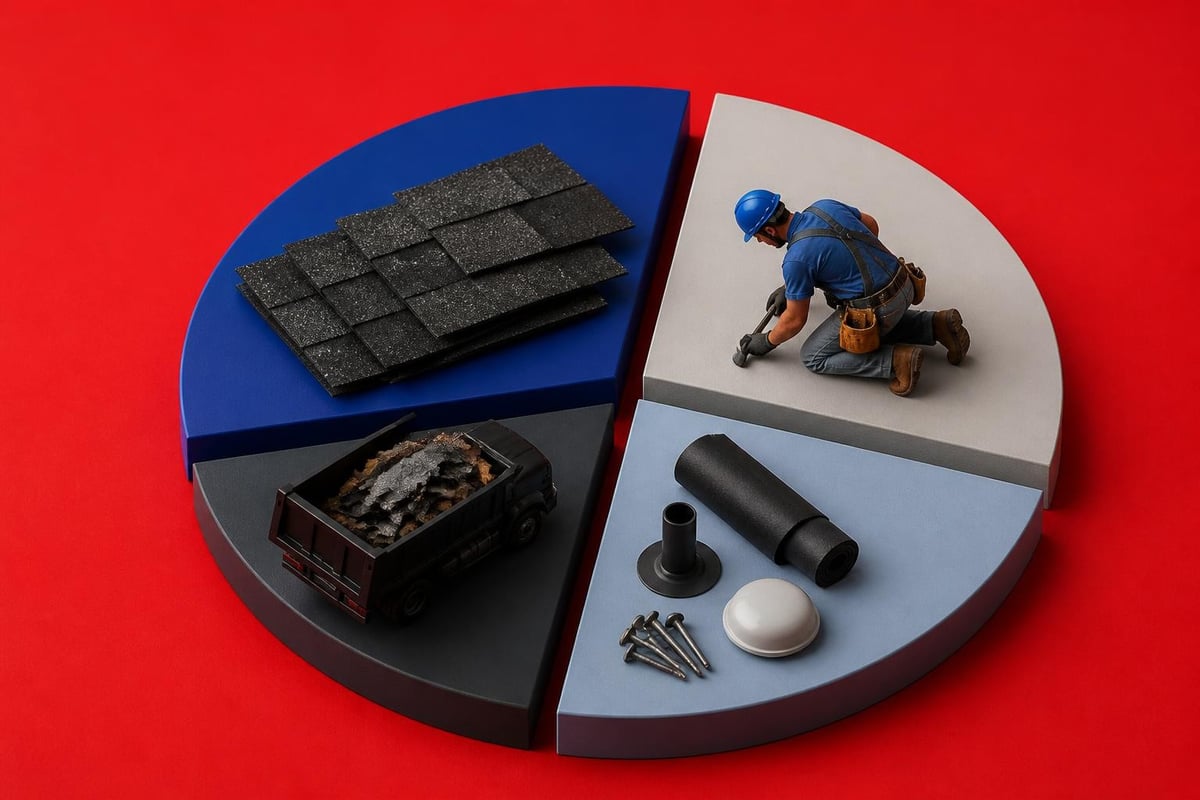
Several interconnected factors determine your final investment. Material selection typically accounts for 40-50% of total costs, with architectural shingles, metal panels, and modified bitumen systems each carrying different price points. Labor costs represent another 40-45%, influenced by roof complexity, pitch steepness, and accessibility challenges. The remaining expenses cover tear-off and disposal, permits and inspections, and additional materials like underlayment, flashing, and ventilation components.
Regional variations significantly impact pricing. Joliet-area projects reflect Midwest labor rates and material availability, which differ from coastal or southern markets. Seasonal demand also fluctuates, with peak summer months commanding premium pricing when contractors' schedules fill rapidly.
| Cost Component | Typical Percentage | Savings Potential |
|---|---|---|
| Materials | 40-50% | Moderate to High |
| Labor | 40-45% | Low to Moderate |
| Disposal & Permits | 5-8% | Low |
| Underlayment & Accessories | 5-10% | Moderate |
Understanding this breakdown helps prioritize where to focus cost-reduction efforts. For instance, selecting a different shingle grade offers more savings potential than negotiating disposal fees.
Strategic Material Choices That Keep Roofing Affordable
Material selection represents your greatest opportunity to control costs while maintaining performance standards. The range between basic and premium options can span thousands of dollars.
Comparing Value-Driven Roofing Materials
Three-tab asphalt shingles deliver the most budget-friendly option for residential applications. These shingles typically last 15-20 years and provide reliable weather protection at the lowest per-square cost. While they lack the dimensional appearance of architectural shingles, they perform admirably for straightforward roof geometries.
Architectural (dimensional) shingles occupy the mid-range tier. They cost 20-30% more than three-tab options but offer enhanced curb appeal, improved wind resistance, and 25-30 year lifespans. Many homeowners find this middle ground delivers the best balance of affordability and longevity.
For commercial applications, modified bitumen systems provide cost-effective waterproofing. These multi-layer membranes handle low-slope conditions effectively and resist ponding water better than many alternatives. Their installation efficiency helps control labor costs while delivering 20-25 year performance.
The Consumer Reports’ roofing buying guide offers detailed comparisons of material lifespans and performance characteristics to inform your selection. Matching material capabilities to your actual needs-rather than over-specifying-keeps roofing affordable without creating future headaches.
When Premium Materials Actually Save Money
Certain situations justify higher upfront investment. Metal roofing costs 2-3 times more initially but can last 50+ years with minimal maintenance. For properties you plan to own long-term, the cost-per-year calculation favors metal despite the steeper entry price.
Similarly, energy-efficient cool roofing technologies may qualify for federal tax credits through IRS energy-efficient home improvement incentives, offsetting their premium. The U.S. Department of Energy guide to cool roofs demonstrates how reflective surfaces reduce cooling loads in appropriate climate zones, potentially recovering higher material costs through utility savings.
Timing Your Project to Maximize Affordability
When you schedule your roofing work dramatically impacts what you'll pay. Strategic timing alone can save 10-20% without changing a single specification.
Off-Season Advantages
Late fall and early spring represent ideal windows for making roofing affordable. Contractor demand drops during these shoulder seasons, creating opportunities for negotiation. Many roofing companies offer discounted rates to maintain steady workflow between peak summer months and harsh winter conditions.
October through November in the Joliet area provides favorable weather while preceding the winter slowdown. Temperatures remain workable for proper shingle installation, and contractors appreciate securing revenue before year-end. Similarly, March through April allows projects to complete before summer rush pricing kicks in.
Benefits of off-season scheduling include:
- Reduced competition for contractor time
- Greater flexibility in project timing
- More attention to detail from crews
- Potential material discounts from suppliers clearing inventory
- Faster project completion without weather delays
Avoid emergency situations whenever possible. A planned replacement during favorable timing costs significantly less than emergency repairs during peak demand or severe weather events.
Financing Options That Make Roofing Affordable Now
Upfront payment represents just one approach to funding roofing projects. Multiple financing mechanisms distribute costs over time, improving cash flow management.
Home Equity and Personal Loan Solutions
Home equity lines of credit (HELOCs) typically offer the lowest interest rates for roofing projects, as they're secured by your property. Current rates in 2026 remain competitive, and interest may be tax-deductible when funds improve your primary residence. Draw only what you need and repay on flexible schedules.
Personal loans provide unsecured alternatives without tapping home equity. While interest rates run higher, approval processes move quickly, and you avoid extending mortgage terms. Many lenders offer specialized home improvement loans with fixed rates and predictable monthly payments.
Contractor financing programs deliver convenience through bundled approval and payment processing. Great Roofing and similar contractors often partner with lenders to streamline approval. Compare these rates carefully against direct lending options, as convenience sometimes carries premium pricing.
| Financing Method | Typical Rate Range | Approval Speed | Best For |
|---|---|---|---|
| HELOC | 6-9% | 2-4 weeks | Large projects, homeowners with equity |
| Personal Loan | 8-15% | 1-3 days | Mid-size projects, quick need |
| Contractor Financing | 10-18% | Same day | Convenience, limited credit options |
| Credit Card | 18-25% | Immediate | Small repairs only |
Insurance Coverage Opportunities
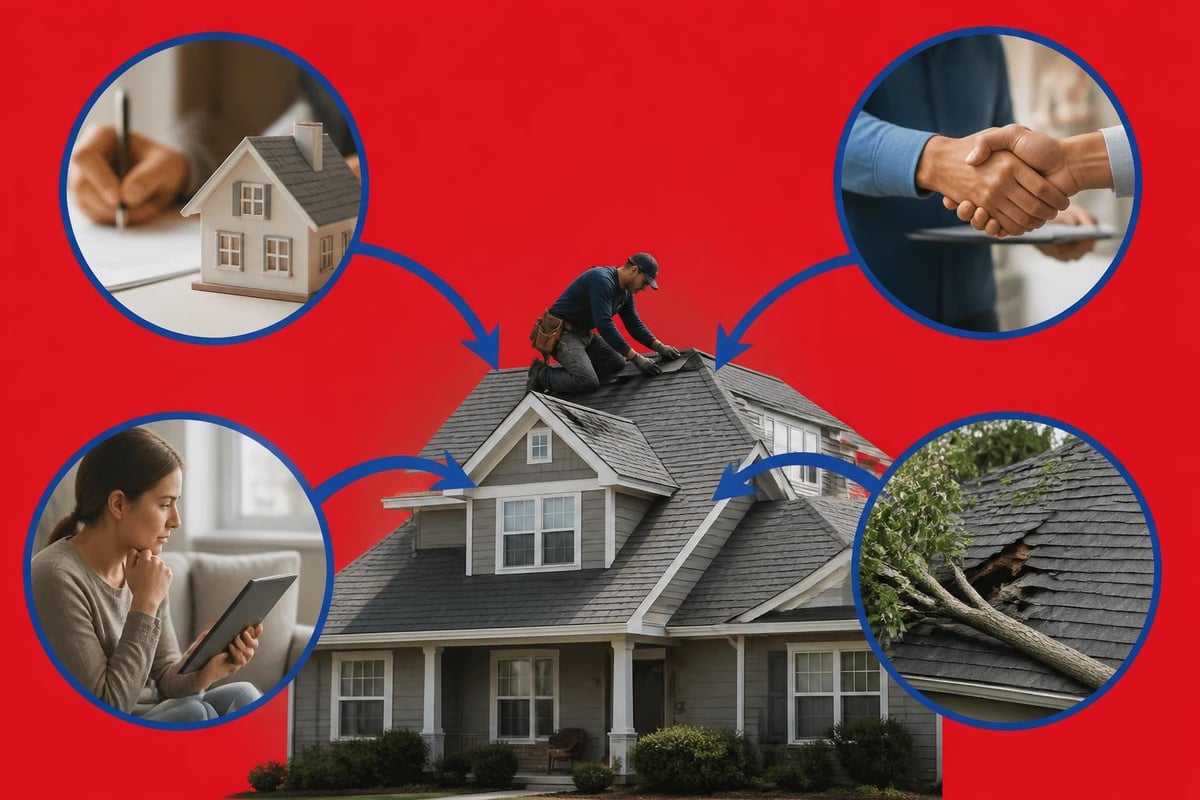
Storm damage often qualifies for insurance coverage, transforming expensive replacements into manageable deductible payments. Hail, wind, and debris impact frequently warrant storm damage insurance claims that substantially reduce out-of-pocket expenses.
Document damage thoroughly with photos and timestamps. Work with contractors experienced in insurance processes who can provide detailed estimates that align with adjuster requirements. Understanding your policy's actual cash value versus replacement cost provisions helps set realistic expectations for coverage amounts.
Working With Contractors to Control Costs
Contractor selection influences both initial pricing and long-term value. The relationship you establish impacts how effectively you can keep roofing affordable while ensuring quality workmanship.
Getting Accurate, Comparable Estimates
Request detailed written estimates from at least three contractors. Vague quotes create comparison difficulties and hide potential overcharges. Quality estimates specify:
- Exact materials by manufacturer, product line, and color
- Square footage calculations with waste factors
- Labor breakdown by task (tear-off, installation, cleanup)
- Warranty terms for both materials and workmanship
- Project timeline with start and completion dates
- Payment schedule tied to completion milestones
Beware of estimates dramatically below competitors. Extreme low-balling often signals corner-cutting, unlicensed work, or bait-and-switch tactics. According to NRCA’s roofing guidelines, proper installation requires specific techniques and materials that carry inherent costs.
Negotiation Strategies That Work
Several approaches reduce pricing without compromising project integrity. Bundling multiple projects-such as combining roof replacement with gutter installation-often secures package discounts. Contractors prefer larger jobs that justify mobilization costs and create operational efficiencies.
Flexible scheduling gives contractors room to slot your project during slower periods. Offering "we're ready when you have an opening in the next 60 days" creates value for both parties. You receive better pricing; they fill schedule gaps.
Material flexibility opens cost-saving possibilities. Asking "what's your best price on comparable shingles in any color family?" might reveal overstock situations or supplier promotions. While you shouldn't compromise on quality grades, aesthetic preferences often allow substitution without performance impact.
Preventive Maintenance Reduces Long-Term Roofing Costs
The most affordable roof is one that doesn't need premature replacement. Strategic maintenance extends service life dramatically, postponing major capital outlays.
Inspection and Minor Repair Programs
Annual professional inspections cost $150-300 but identify small issues before they cascade into expensive damage. Missing shingles, failed flashing, and clogged valleys all start minor but accelerate deterioration when ignored.
Address leaky roof repairs immediately rather than deferring them. A $400 repair today prevents $4,000 in water-damaged decking tomorrow. Water infiltration compromises structural members, insulation, and interior finishes, multiplying costs exponentially.
Essential maintenance tasks include:
- Bi-annual gutter cleaning to prevent ice dams and overflow damage
- Debris removal from valleys and roof surfaces after storms
- Flashing inspection around chimneys, vents, and skylights
- Attic ventilation assessment to prevent moisture accumulation
- Shingle condition monitoring for curling, cracking, or granule loss
Create a maintenance log tracking inspection dates, findings, and repairs. This documentation helps identify patterns, supports insurance claims, and provides valuable information for future contractors assessing your roof's condition.
Extending Service Life Through Smart Practices
Simple practices significantly impact longevity. Trim overhanging branches that drop debris and retain moisture on shingles. Ensure proper attic ventilation to prevent heat buildup that degrades materials from below. Address moss and algae growth promptly, as these organisms trap moisture and accelerate deterioration.
Understanding roofing repair costs early in ownership helps budget for inevitable maintenance. Setting aside $300-500 annually creates a repair fund that handles issues without financial stress.
DIY Versus Professional Installation Economics
Homeowners frequently consider DIY installation to make roofing affordable, but this decision requires honest assessment of skills, time, and risk tolerance.
When DIY Makes Financial Sense
Very limited scenarios justify homeowner installation. Small accessory structures like sheds or detached garages with simple geometries might qualify for capable DIYers. These low-stakes projects allow skill development without risking your primary shelter.
Minor repairs-replacing individual damaged shingles or resealing exposed nail heads-fall within most homeowners' capabilities. These tasks require minimal tools and avoid the complexity of full installations. However, even repairs demand proper safety equipment and technique understanding.
The Hidden Costs of DIY Roofing
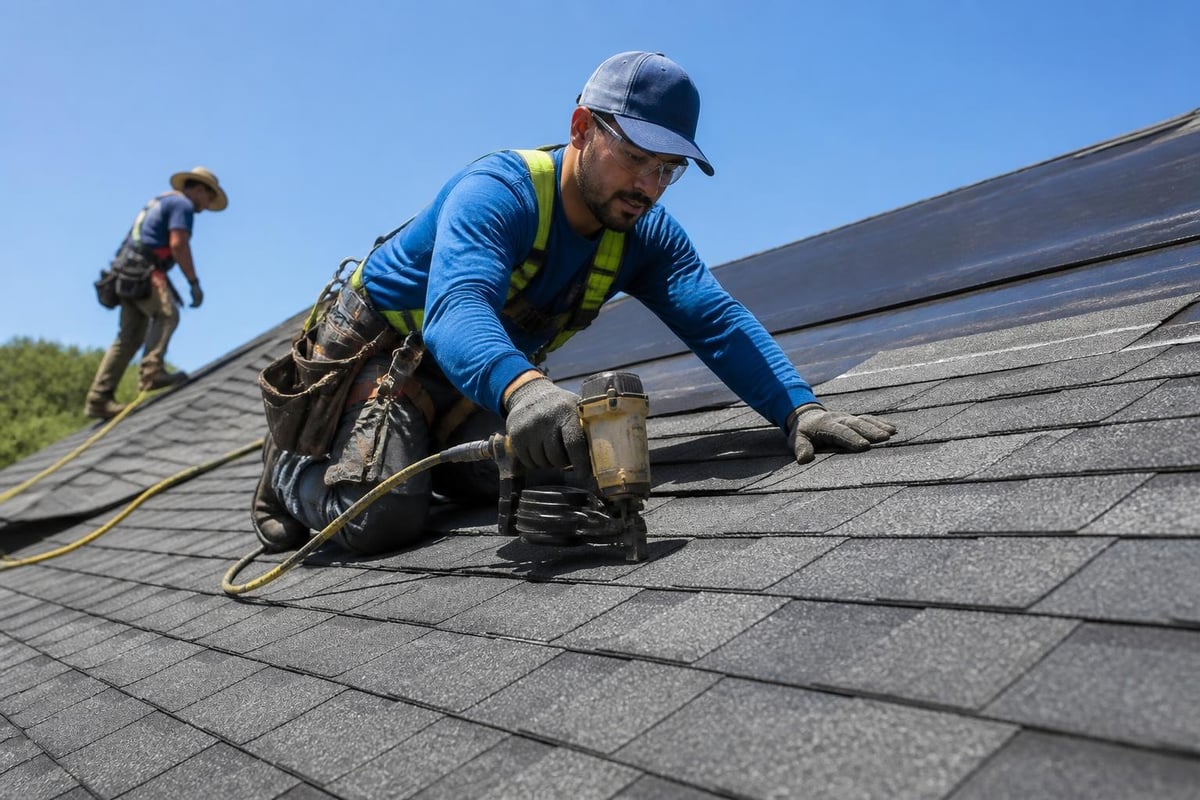
Professional installation delivers value beyond labor savings. Experienced contractors work safely at heights, reducing injury risk that could far exceed project costs. They carry liability insurance protecting you from accident-related lawsuits if workers or bystanders suffer harm on your property.
Professional advantages include:
- Warranty protection that requires licensed installation
- Proper material handling preventing damage and waste
- Code compliance ensuring inspection approval
- Efficient workflow completing in days versus weeks
- Access to wholesale material pricing offsetting labor costs
- Expertise identifying and addressing hidden damage
Most manufacturers void material warranties when unlicensed installers perform work. This protection loss eliminates a key value component, potentially costing thousands if premature failures occur. The roofing construction expertise professionals bring ensures installations meet both manufacturer specifications and local building codes.
Material Waste Reduction and Recycling Opportunities
Disposal costs and environmental impacts both improve through conscious waste management. These practices contribute to making roofing affordable while supporting sustainability.
Accurate Material Ordering
Precise measurements minimize overordering and associated waste. Professional contractors calculate coverage accounting for roof complexity, but homeowners should verify square footage independently. Excess materials increase both purchase and disposal expenses.
Order shingles, underlayment, and accessories together to qualify for bulk discounts and ensure color lot consistency. Most suppliers accept unopened bundles for return, though restocking fees may apply. Clarify return policies before purchasing.
Recycling Asphalt Shingles
The Asphalt Roofing Manufacturers Association’s recycling resources identify facilities accepting old shingles for processing into paving materials. This disposal alternative often costs less than landfilling while supporting circular economy practices.
According to EPA research on construction and demolition materials, asphalt shingle waste represents a significant landfill stream. Recycling diverts this material while recovering valuable asphalt binder for road construction. Some municipalities offer reduced tipping fees for separated, recyclable roofing materials.
Confirm your contractor's disposal plans during estimate discussions. Responsible waste handling reflects overall professionalism and environmental stewardship that correlates with quality workmanship.
Energy Efficiency Investments That Pay Back
Strategic roofing choices reduce ongoing operational costs, improving affordability through the roof's service life. These investments work hardest in extreme climate zones with significant heating or cooling loads.
Cool Roofing Technology Benefits
Reflective roofing materials reduce heat absorption, lowering cooling demands during summer months. Light-colored shingles, specialized coatings, and metal roofing with reflective finishes all contribute to this effect. Research on radiative cooling and cool coatings demonstrates measurable energy reductions in appropriate applications.
Illinois's climate creates moderate cooling loads compared to southern states, but air conditioning costs still accumulate significantly. Reducing attic temperatures by 10-20°F through reflective roofing extends HVAC equipment life while cutting utility bills.
Insulation and Ventilation Upgrades
Roof replacement creates ideal timing for attic insulation improvements. Adding insulation during reroofing costs less than separate projects requiring workspace preparation twice. Proper insulation reduces heat transfer in both directions, cutting heating costs during Midwest winters and cooling expenses in summer.
Balanced ventilation prevents moisture accumulation that degrades both roofing materials and structural components. Ridge vents paired with soffit intake create continuous airflow, managing temperature extremes and humidity. These systems add modest upfront costs but deliver substantial performance benefits throughout the roof's lifespan.
Insurance, Permits, and Code Compliance
Regulatory requirements and insurance considerations impact both immediate costs and long-term financial protection. Understanding these elements helps avoid expensive mistakes.
Building Permit Requirements
Most jurisdictions require permits for roof replacements and substantial repairs. Joliet-area permits typically cost $150-500 depending on project scope, representing a small percentage of total investment. Operating without permits creates multiple risks:
- Failed final inspections requiring corrective work
- Insurance claim denials for unpermitted work
- Disclosure requirements reducing property value during sales
- Liability exposure if work doesn't meet code standards
Reputable contractors handle permitting as standard practice. If a contractor suggests skipping permits to save money, consider it a red flag warranting their elimination from consideration. The minimal savings never justify the substantial risks.
Insurance Premium Considerations
New roofing often reduces homeowner's insurance premiums, particularly when replacing aging roofs that increased risk profiles. Some insurers offer specific discounts for impact-resistant shingles rated for severe weather performance. These credits partially offset premium material costs while improving storm protection.
Contact your insurance agent before finalizing material selections. Understanding available discounts helps optimize the value equation when comparing product options. A 5% annual premium reduction on a $2,000 policy saves $100 yearly, accumulating to $2,500 over a 25-year roof lifespan.
Warranty Protection and Long-Term Value
Warranty coverage significantly impacts the true cost of roofing ownership. Understanding different warranty types and their limitations protects your investment.
Material Versus Workmanship Warranties
Manufacturers provide material warranties covering defects in shingles, membranes, or panels themselves. These range from 20 years to lifetime depending on product grade, but actual coverage often prorates over time. A "30-year shingle" might provide full replacement only during the first 10 years, with declining coverage thereafter.
Workmanship warranties from your contractor cover installation defects-improper nailing, inadequate flashing, ventilation errors. Quality contractors offer 5-10 year workmanship guarantees backed by their business longevity and reputation. Verify warranty terms in writing before signing contracts, as verbal promises prove unenforceable.
Extended manufacturer warranties sometimes require certified installer programs and upgraded materials. Evaluate whether these premium packages deliver sufficient value for your situation. The incremental cost may exceed the realistic benefit, particularly if you don't plan extended property ownership.
Transferability and Property Value
Transferable warranties add measurable value during property sales. Buyers appreciate roofs with remaining coverage, potentially justifying higher offers or smoother transactions. Non-transferable warranties lose this advantage, making transferability a worthwhile consideration during material selection.
Document all warranty information in your home maintenance files. Include contractor contact information, product specifications, installation dates, and warranty certificates. Future owners need this documentation to exercise warranty rights, and its availability demonstrates conscientious property stewardship during sales processes.
Regional Considerations for Joliet-Area Projects
Local climate, building practices, and market conditions create unique factors affecting roofing affordability in the Joliet region.
Weather-Related Requirements
Illinois weather demands roofing systems handling dramatic temperature swings, ice dam formation, and periodic severe storms. These conditions influence appropriate material selection and installation techniques. Adequate ice and water shield protection along eaves prevents winter damage, while proper ventilation manages summer heat buildup.
Wind resistance ratings matter significantly given periodic severe thunderstorms and occasional tornadoes. Ensure specified shingles meet appropriate wind speed ratings for the region. Upgrading from basic to enhanced wind resistance adds minimal cost while providing substantial protection during common weather events.
Local Contractor Availability
Joliet's position in the greater Chicago metropolitan area provides abundant contractor options, creating competitive pricing environments. However, this abundance also attracts less-qualified operators. Verify licensing, insurance, and business longevity before engaging contractors.
Family-owned operations often provide better value than large franchise operations carrying higher overhead. Local businesses depend on reputation within their community, incentivizing quality work and responsive service. They understand regional building practices and maintain relationships with local suppliers that can benefit customers through material pricing and availability.
Making roofing affordable requires balancing immediate costs with long-term value while avoiding shortcuts that create future problems. Strategic material selection, smart timing, preventive maintenance, and working with qualified professionals all contribute to managing expenses effectively. When you're ready to discuss your roofing needs with experienced professionals who understand both quality and budget considerations, Great Roofing brings three generations of family expertise to residential and commercial projects throughout the Joliet area. Our team specializes in finding solutions that protect your property while respecting your investment, delivering the reliability you need at prices that work for your situation.