

Property owners frequently underestimate the critical relationship between their roof and gutter systems until damage occurs. Professional roofing and guttering services encompass far more than simple installations or emergency repairs. These specialized services protect your investment, prevent costly water damage, and ensure your property maintains its structural integrity for decades. Understanding the full scope of available services, knowing when to schedule maintenance, and selecting qualified contractors can save thousands of dollars while extending your exterior systems' lifespan. This comprehensive guide explores the essential aspects of roofing and guttering services, from initial assessments through long-term maintenance strategies.
Understanding the Connection Between Roofing and Gutter Systems
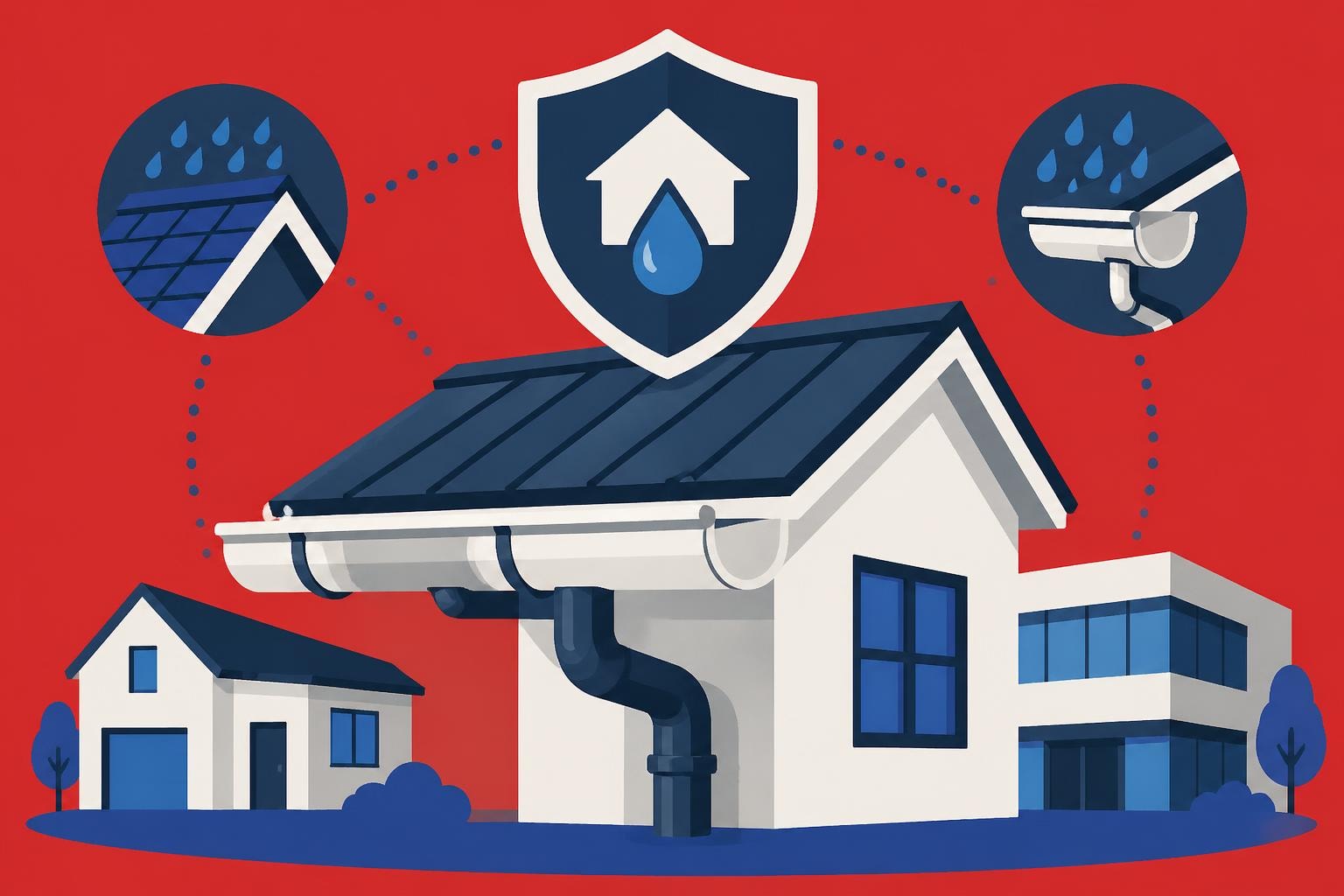
Your roof and gutters form an integrated water management system that protects your entire property. While many homeowners view these as separate components, they work together to channel precipitation away from foundations, walls, and landscaping.
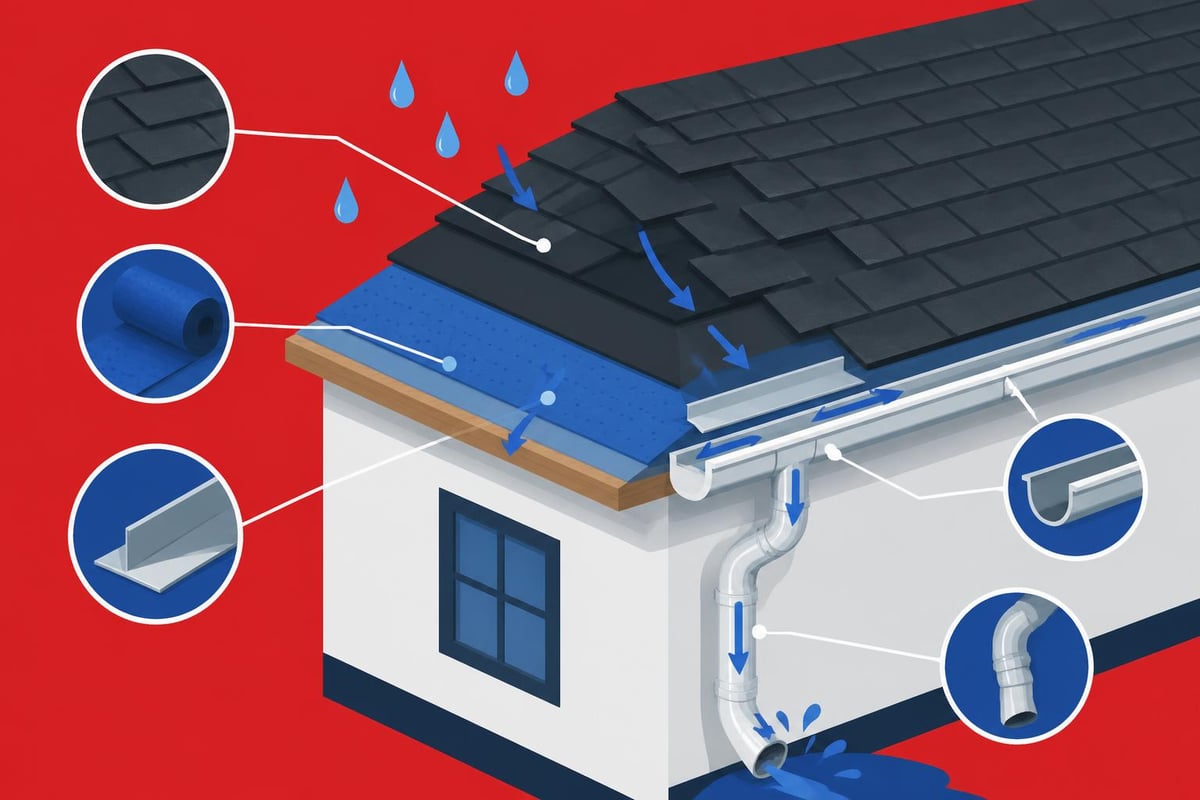
The roofing system creates the first barrier against weather elements, directing water toward edges and valleys. Gutters then capture this runoff and transport it safely through downspouts to designated drainage areas. When either component fails, the entire system becomes compromised.
Key functions of integrated roofing and gutter systems include:
- Preventing water intrusion into living spaces and attics
- Protecting foundation walls from erosion and settling
- Eliminating basement flooding risks
- Preserving exterior siding and trim materials
- Reducing ice dam formation during winter months
Professional contractors understand these interdependencies and evaluate both systems during inspections. Understanding how roofing services are structured helps property owners make informed decisions about maintenance and upgrades.
Comprehensive Roofing Services for Residential Properties
Residential roofing encompasses various services tailored to single-family homes, townhouses, and multi-family dwellings. The scope extends well beyond simple shingle replacement.
Roof Inspections and Assessments
Regular inspections identify potential problems before they escalate into expensive repairs. Professional contractors examine shingles, flashing, ventilation systems, and underlying structures to detect wear patterns, storm damage, or installation defects.
Most experts recommend annual inspections, particularly after severe weather events. Property owners should document findings and maintain inspection records for insurance purposes and future reference.
| Inspection Type | Frequency | Primary Focus Areas |
|---|---|---|
| Annual Maintenance | Once yearly | General wear, debris removal, minor repairs |
| Post-Storm | After severe weather | Wind damage, hail impacts, displaced materials |
| Pre-Purchase | Before buying property | Overall condition, remaining lifespan, defects |
| Insurance Claim | As needed | Documented damage, repair estimates, code compliance |
Roof Replacement and Installation
Complete roof replacement becomes necessary when repairs no longer provide cost-effective solutions. Modern residential installations typically utilize architectural shingles, offering enhanced durability and aesthetic appeal compared to basic three-tab options.
The replacement process involves removing existing materials, inspecting and repairing deck surfaces, installing new underlayment and ice barriers, and applying fresh shingles according to manufacturer specifications. Choosing the best metal roofing material provides alternative options for homeowners seeking longer-lasting solutions.
Professional contractors coordinate with local building departments to secure necessary permits and schedule inspections. They also manage material disposal, protecting landscaping and property during the construction phase.
Targeted Roof Repairs
Not every roofing issue requires complete replacement. Skilled contractors can address localized damage through targeted repairs that restore system integrity.
Common repair scenarios include replacing damaged shingles, resealing flashing around chimneys and vents, addressing ice dam damage, and fixing minor leaks. Understanding what roof storm damage looks like helps property owners identify when professional assessment becomes necessary.
Timely repairs prevent minor issues from spreading throughout the roofing system. Water infiltration causes progressive damage to insulation, structural framing, and interior finishes when left unaddressed.
Professional Guttering Services and Maintenance
Guttering services protect your property's foundation and exterior surfaces by managing roof runoff effectively. These systems require regular attention to maintain proper function.
Gutter Installation and Replacement
New gutter installation involves careful planning to ensure adequate capacity, proper slope, and strategic downspout placement. Contractors evaluate roof square footage, local rainfall patterns, and drainage requirements when designing systems.
Material options for modern gutter systems:
- Seamless aluminum offering custom-fit installations
- Copper gutters providing premium aesthetics and longevity
- Galvanized steel for commercial applications
- Vinyl systems for budget-conscious projects
Seamless gutters manufactured on-site eliminate joints where leaks commonly develop. Professional installers ensure proper pitch, typically one-quarter inch per ten feet, directing water toward downspouts without creating standing pools.
Gutter Guards and Protection Systems
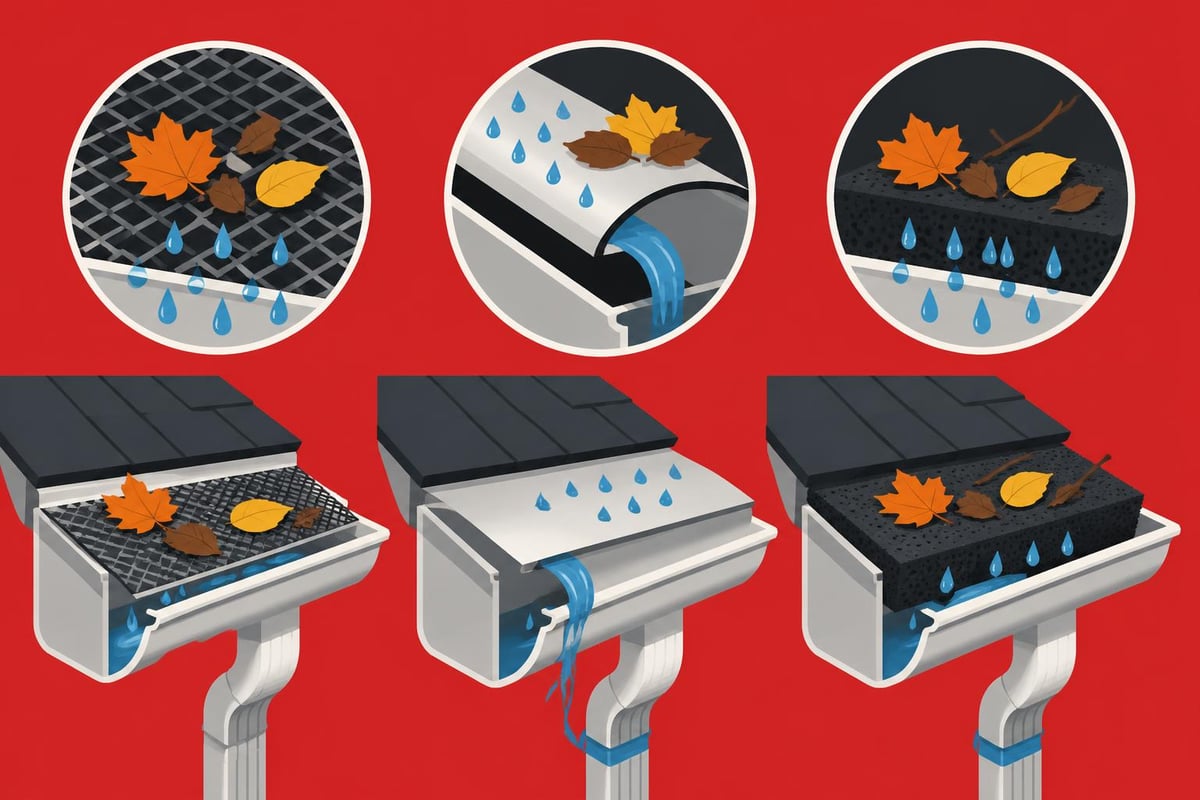
Gutter guards reduce maintenance requirements by preventing debris accumulation. Various designs employ different strategies to exclude leaves, twigs, and seeds while allowing water flow.
Mesh screens, reverse-curve systems, and foam inserts each offer specific advantages depending on surrounding vegetation and roof design. Quality installations pay for themselves through reduced cleaning frequency and extended gutter lifespan.
Regular Gutter Cleaning and Maintenance
Even protected gutters require periodic cleaning to maintain optimal performance. Debris accumulation creates blockages that cause overflow, ice dams, and potential structural damage.
Professional cleaning services remove accumulated materials, flush downspouts, inspect fasteners and seams, and identify developing issues. Most properties benefit from semi-annual cleaning, typically in late spring and late autumn.
Neglected gutters become heavy with saturated debris, stressing mounting hardware and causing sagging. Winter ice formation in blocked gutters can damage fascia boards and roof edges.
Commercial Roofing and Guttering Applications
Commercial properties present unique challenges requiring specialized roofing and guttering services. These structures typically feature low-slope or flat roof designs with different material requirements than residential applications.
Modified bitumen systems, single-ply membranes, and built-up roofing dominate commercial installations. These materials withstand foot traffic, accommodate rooftop equipment, and provide reliable waterproofing across expansive surfaces.
Commercial gutter systems handle significantly higher water volumes and often integrate with internal drainage systems. Proper design prevents ponding water that accelerates roof deterioration and creates leak risks.
| Commercial Roof Type | Typical Lifespan | Primary Applications | Maintenance Requirements |
|---|---|---|---|
| Modified Bitumen | 15-20 years | Retail, warehouses, offices | Semi-annual inspections, seam checks |
| TPO Membrane | 20-30 years | Industrial, commercial | Annual inspections, cleaning |
| EPDM Rubber | 25-30 years | Low-slope applications | Regular debris removal, seam monitoring |
| Built-Up Roofing | 15-25 years | Traditional flat roofs | Frequent inspections, prompt repairs |
Understanding contractor qualifications and licensing standards becomes particularly important for commercial projects, where code compliance and warranty requirements carry greater complexity.
Selecting Qualified Roofing and Guttering Contractors
Choosing the right contractor significantly impacts project outcomes, costs, and long-term satisfaction. Several factors distinguish professional operators from unreliable services.
Licensing, Insurance, and Certifications
Legitimate contractors maintain proper licensing for your jurisdiction, carry comprehensive liability insurance, and provide workers' compensation coverage for employees. Verify these credentials before signing contracts or accepting proposals.
Manufacturer certifications indicate contractors have received specialized training for specific product lines. These designations often unlock extended warranty coverage unavailable through uncertified installers.
Research shows that selecting licensed roofing service providers ensures compliance with building codes and industry standards while providing recourse if disputes arise.
Evaluating Experience and Reputation
Established contractors demonstrate their capabilities through completed projects, customer references, and online reviews. Request examples of similar work and contact previous clients about their experiences.
Local contractors familiar with regional weather patterns, building codes, and common architectural styles offer distinct advantages. They understand local storm damage insurance claim processes and maintain relationships with building inspectors.
Understanding Proposals and Contracts
Detailed written proposals prevent misunderstandings by clearly specifying materials, labor, timelines, and payment schedules. Compare multiple estimates to identify outliers and understand market pricing.
Quality proposals include material specifications with brand names and product lines, removal and disposal procedures, warranty information, and project timeline estimates. Avoid contractors who pressure immediate decisions or request large upfront deposits.
Seasonal Considerations for Roofing and Guttering Services
Weather patterns influence both service timing and system performance. Strategic scheduling maximizes efficiency while minimizing disruption.
Spring Preparation and Storm Season Readiness
Spring inspections identify winter damage before severe weather arrives. Contractors repair weakened areas, secure loose materials, and ensure drainage systems function properly.
Property owners in regions experiencing severe weather should schedule inspections well before peak storm season. Early preparation prevents appointment delays when contractors face increased demand after major events.
Summer Installation Advantages
Summer offers ideal conditions for major roofing projects. Warm temperatures improve shingle adhesion, extended daylight hours accelerate project completion, and predictable weather reduces rain delays.
Contractors often maintain fuller schedules during peak season, so early booking secures preferred timing. However, summer heat requires additional worker precautions and may necessitate specific installation techniques for certain materials. Implementing heat-proof roof strategies helps properties withstand intense summer temperatures.
Fall Maintenance and Winter Preparation
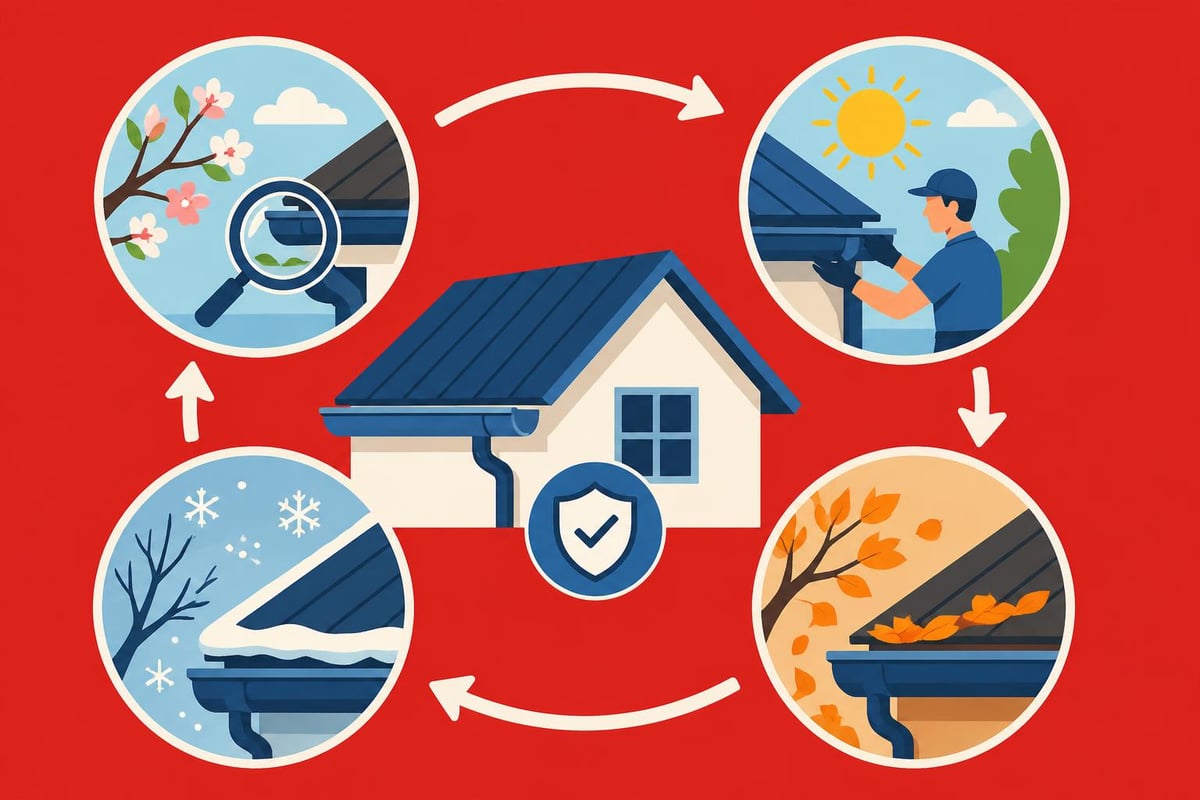
Autumn represents the critical preparation window for winter weather. Gutter cleaning becomes essential as deciduous trees shed leaves that quickly clog drainage systems.
Contractors inspect and repair potential ice dam formation areas, ensure proper attic ventilation, and verify flashing integrity around chimneys and vents. These preventive measures reduce winter emergency calls and protect property during harsh conditions.
Cost Factors and Investment Planning
Roofing and guttering services represent significant investments requiring careful financial planning. Multiple variables influence total project costs.
Primary cost drivers include:
- Square footage of roof area
- Material selection and quality grades
- Complexity of roof design with multiple slopes and penetrations
- Accessibility challenges requiring special equipment
- Removal and disposal of existing materials
- Local labor rates and permit fees
Basic asphalt shingle replacements for average-sized homes typically range from eight to fifteen thousand dollars. Premium materials, complex designs, or additional structural repairs increase costs substantially.
Gutter replacement costs vary based on linear footage, material selection, and protection system additions. Budgeting for quality materials and professional installation prevents premature failures requiring expensive do-overs.
Maintenance Programs and Long-Term Protection
Proactive maintenance extends system lifespan while reducing overall ownership costs. Many contractors offer annual service agreements covering inspections, cleaning, and minor repairs.
These programs provide scheduled attention preventing emergency situations. Regular maintenance identifies developing issues when repairs remain simple and affordable rather than waiting for catastrophic failures.
Documentation from professional maintenance programs supports warranty claims and provides valuable information for future property sales. Prospective buyers appreciate verified maintenance records demonstrating proper care.
DIY Versus Professional Service Decisions
Property owners frequently debate handling routine maintenance themselves versus hiring professionals. While simple tasks like clearing debris from gutters may seem manageable, safety concerns and quality issues often favor professional service.
Roofing work involves fall risks, requires proper equipment, and demands expertise identifying subtle problems. Insurance policies may exclude coverage for injuries sustained during DIY roofing projects.
Professional contractors complete work efficiently, identify problems homeowners miss, and provide warranty coverage for services performed. The modest cost difference often proves worthwhile considering safety and quality advantages.
Regional Considerations for Joliet Properties
Local climate conditions significantly impact roofing and guttering services requirements. Joliet property owners face specific challenges requiring tailored approaches.
The region experiences temperature extremes, heavy snowfall, ice accumulation, and severe thunderstorms throughout the year. These conditions stress roofing systems and demand robust gutter capacity.
Ice dams form frequently on inadequately ventilated roofs, causing water backup under shingles and interior damage. Proper attic ventilation, adequate insulation, and strategic ice barrier installation prevent these costly problems.
Local building codes reflect regional challenges, mandating specific underlayment requirements, wind resistance ratings, and installation standards. Working with contractors familiar with Joliet-area regulations ensures compliant installations that perform reliably under local conditions.
Investing in quality roofing and guttering services protects your property's structural integrity while preventing expensive water damage and premature system failures. Regular maintenance, timely repairs, and strategic upgrades deliver long-term value that far exceeds initial costs. Whether you need inspection services, emergency repairs, or complete system replacement, Great Roofing brings decades of family-owned expertise to every Joliet-area project. Contact our team today to schedule your comprehensive property assessment and discover how professional service protects your investment for years to come.