

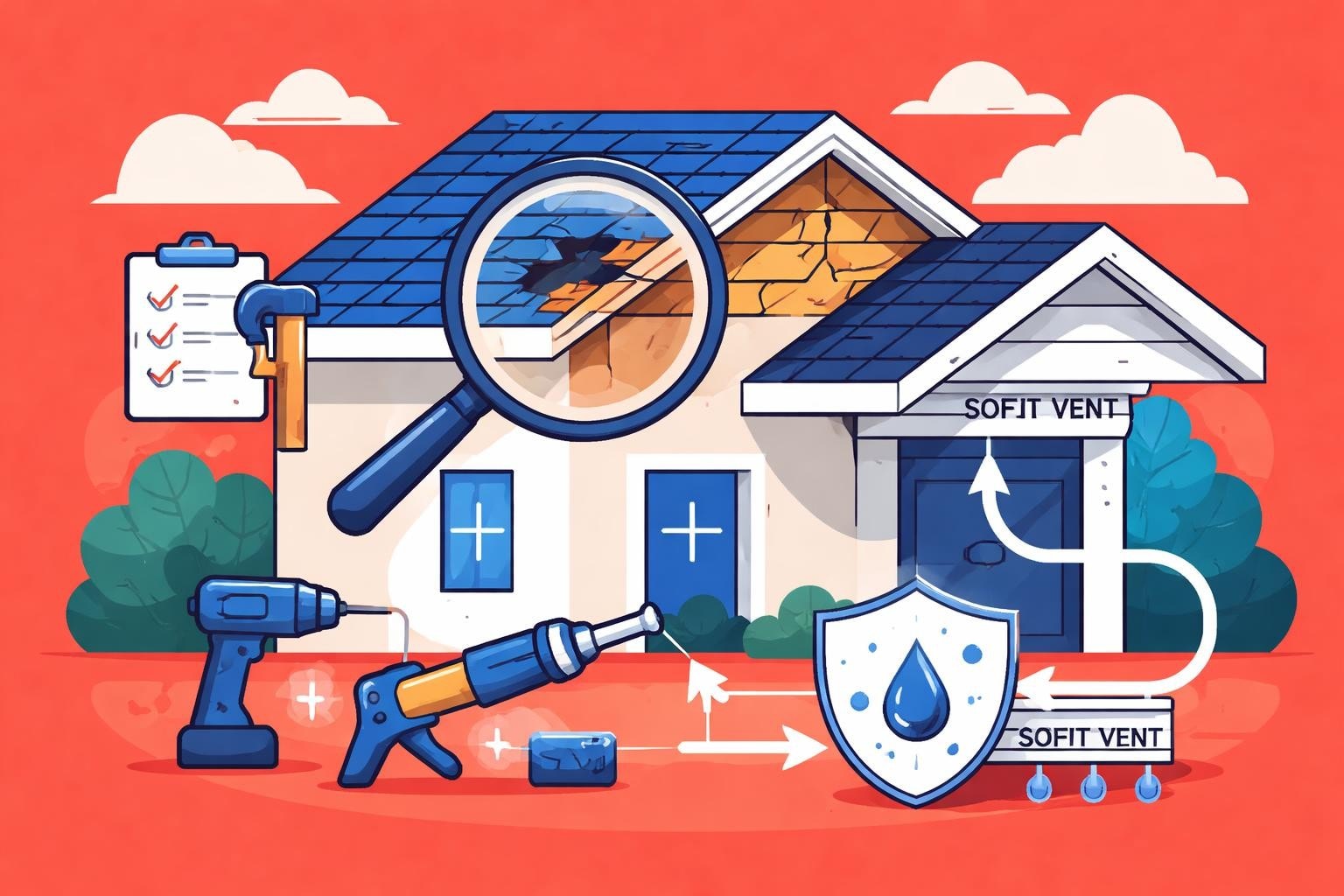
When homeowners think about exterior maintenance, the roof naturally comes to mind first. However, the soffit-the exposed surface beneath the roof's overhang-plays an equally critical role in protecting your home from moisture, pests, and structural damage. Understanding the relationship between your roof and soffit systems helps you maintain a complete protective barrier that preserves your property's value and integrity for decades to come.
Understanding the Critical Connection Between Roofs and Soffits
Your roofing system and soffits work together as an integrated defense mechanism against the elements. The soffit serves multiple essential functions that directly impact your roof's longevity and performance.
Soffits provide crucial ventilation for your attic space, allowing hot air to escape while preventing moisture buildup that can lead to mold growth and wood rot. They also protect the exposed rafter tails from weather damage and create a finished appearance for your home's exterior. When either component fails, the entire system becomes vulnerable.
Signs Your Property Needs Roofing and Soffit Repair
Detecting problems early prevents minor issues from escalating into expensive structural repairs. Regular inspections help identify warning signs before they compromise your home's integrity.
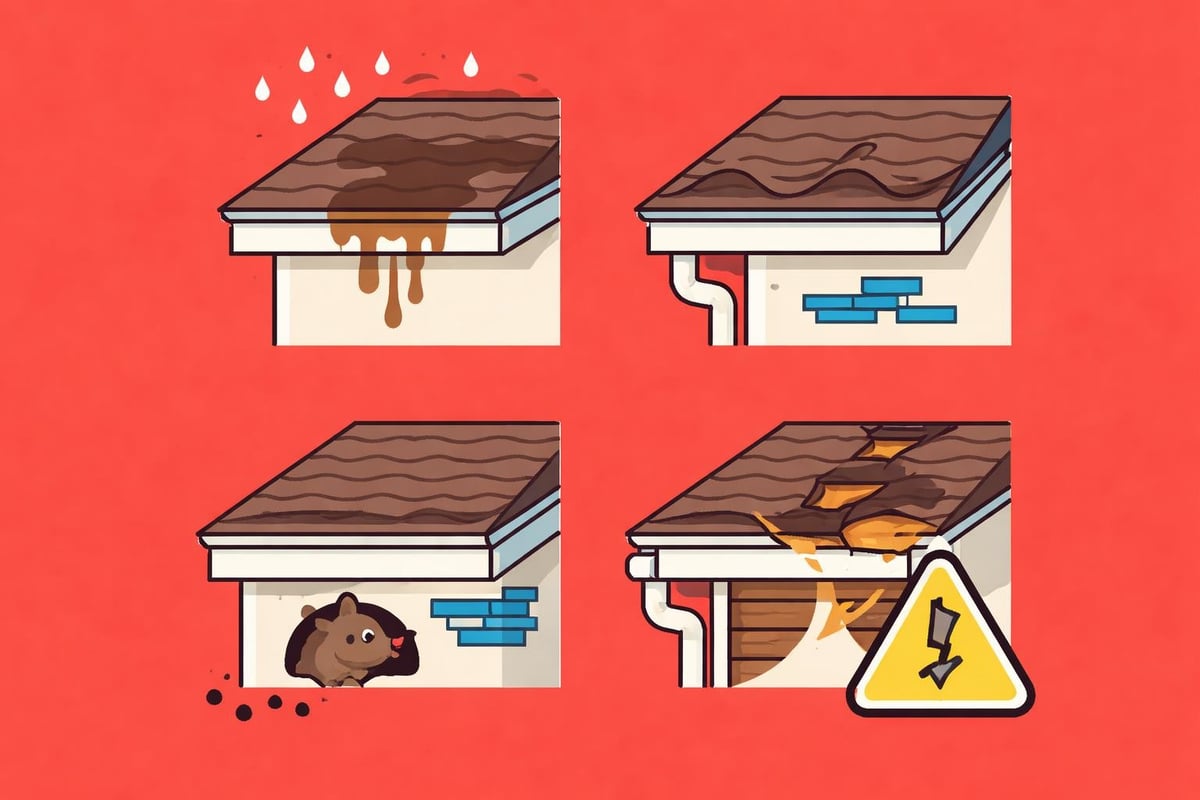
Visual indicators of soffit damage include:
- Peeling paint or visible water stains on soffit panels
- Sagging or warping sections along the eaves
- Holes or gaps where pests could enter
- Rotted wood that feels soft to the touch
- Discoloration indicating moisture infiltration
Roof damage often manifests through:
- Missing, cracked, or curling shingles
- Granule loss creating bare spots on asphalt shingles
- Damaged or missing flashing around chimneys and vents
- Water stains on interior ceilings near exterior walls
- Daylight visible through roof boards in the attic
Common Causes of Roofing and Soffit Damage
Understanding what causes damage helps property owners take preventive measures and make informed repair decisions. Different factors affect roofs and soffits in Joliet and surrounding Illinois communities.
Weather represents the primary threat to both systems. Heavy snow loads, ice dams, severe thunderstorms, and high winds gradually wear down even the most durable materials. The freeze-thaw cycles common in Illinois create particular challenges, as water penetrates small cracks, freezes, expands, and causes further deterioration.
Poor ventilation accelerates damage from the inside. Without adequate airflow, heat and moisture accumulate in the attic space, causing soffit materials to deteriorate prematurely. This same moisture compromises roof decking and insulation, reducing energy efficiency while creating ideal conditions for mold and mildew.
Material-Specific Vulnerabilities
Different roofing and soffit materials face unique challenges that influence repair timing and techniques.
| Material Type | Common Issues | Expected Lifespan | Repair Complexity |
|---|---|---|---|
| Asphalt Shingles | Wind damage, granule loss | 20-30 years | Moderate |
| Modified Bitumen | Seam separation, blistering | 15-20 years | Advanced |
| Vinyl Soffits | Cracking, fading, warping | 20-25 years | Low to Moderate |
| Aluminum Soffits | Denting, corrosion | 25-35 years | Moderate |
| Wood Soffits | Rot, insect damage | 15-30 years | Moderate to Advanced |
Professional contractors who specialize in storm damage repairs understand how severe weather events create cascading damage that affects multiple exterior components simultaneously. A single severe storm can compromise both roofing materials and soffit integrity, requiring coordinated repairs.
Professional Assessment and Inspection Processes
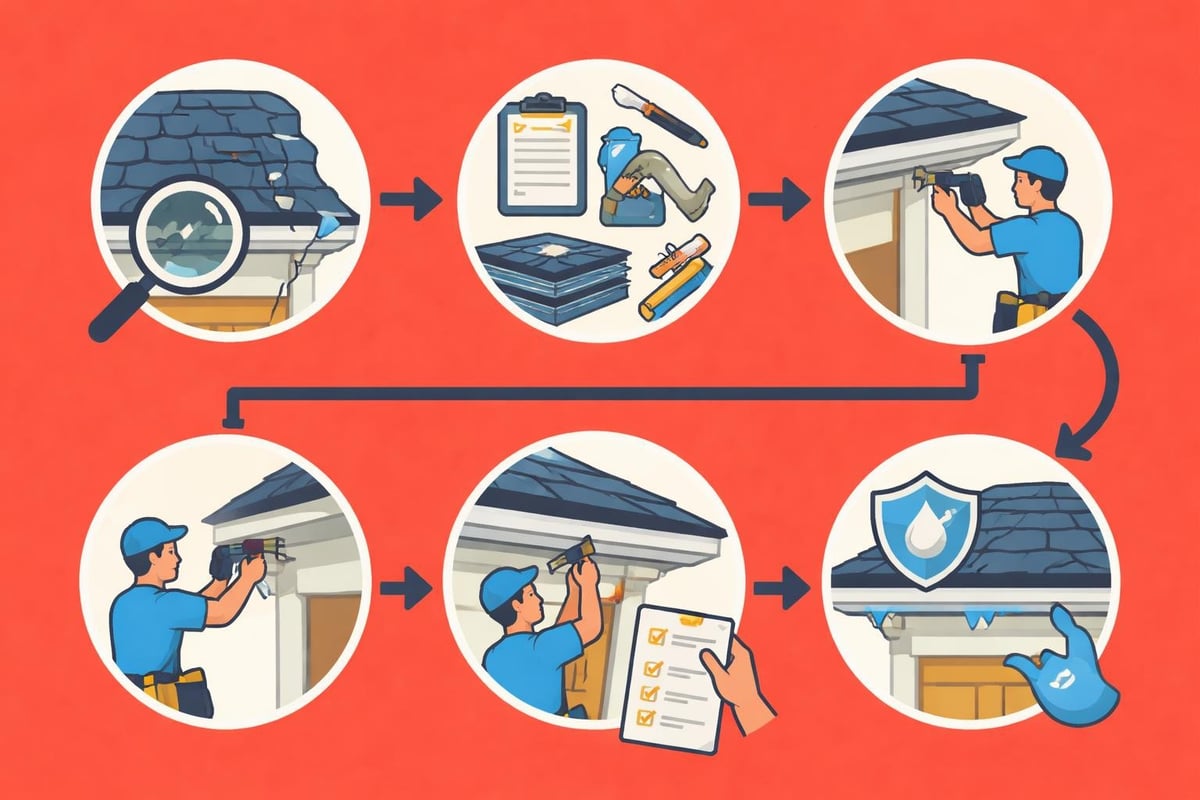
Thorough inspections form the foundation of effective roofing and soffit repair strategies. Professional contractors follow systematic evaluation protocols that identify both obvious damage and hidden problems.
Comprehensive roof inspections examine:
- Shingle or membrane condition across all roof planes
- Flashing integrity around penetrations and transitions
- Gutter and downspout attachment and function
- Ventilation adequacy and proper airflow
- Structural decking for signs of moisture or deterioration
- Interior attic spaces for leaks, stains, or mold
Soffit inspections require careful examination from ground level and potentially from ladders or lifts to assess damage severity. Inspectors look for structural soundness, proper ventilation opening function, and signs of pest intrusion or moisture damage.
The National Park Service’s preservation guidelines emphasize the importance of maintaining historic roofing materials and related components like soffits, highlighting principles that apply to properties of all ages and styles.
Repair Versus Replacement Decision Making
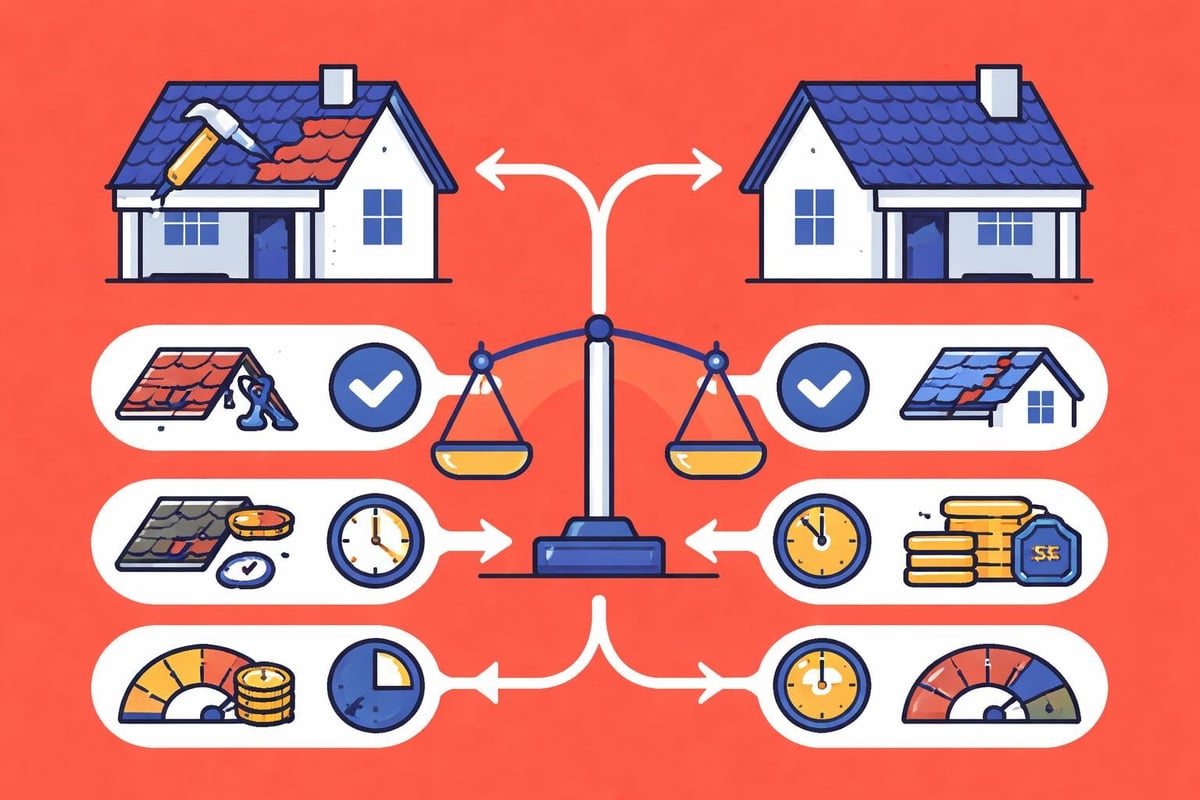
Determining whether to repair or replace damaged roofing and soffit components requires balancing immediate costs against long-term value and performance.
When Repairs Make Financial Sense
Localized damage affecting small sections often warrants targeted repairs rather than complete replacement. If your roof is relatively new and damage remains confined to specific areas, strategic repairs extend the system's life without major investment.
Repair scenarios that typically prove cost-effective:
- Damage confined to less than 30% of the total area
- Roofing materials within the first half of expected lifespan
- Soffit sections showing isolated rot or damage
- Storm damage affecting specific zones
- Minor flashing or trim issues around penetrations
Repairs also make sense when matching existing materials remains feasible and the underlying structure shows no signs of widespread deterioration. Quality repairs completed by experienced contractors seamlessly integrate with existing systems.
When Replacement Becomes Necessary
Complete replacement represents the better long-term investment when damage extends throughout the system or materials approach the end of their useful life.
Systems showing extensive deterioration, multiple previous repair attempts, or widespread structural concerns require comprehensive replacement to ensure reliable protection. When soffit damage correlates with roofing problems, addressing both simultaneously prevents future issues and reduces overall project costs through economies of scale.
Properties with roofs exceeding 20 years old typically benefit more from replacement than ongoing repair investments. New systems offer improved energy efficiency, enhanced weather resistance, and warranties that provide peace of mind for decades.
Material Selection for Soffit Repairs
Choosing appropriate soffit materials significantly impacts repair longevity and performance. Modern options offer various benefits suited to different architectural styles and budget requirements.
Vinyl soffits remain popular for their affordability, low maintenance requirements, and resistance to rot and insect damage. They're available in vented and solid configurations, with vented panels providing essential attic ventilation. However, vinyl can become brittle in extreme cold and may crack under impact.
Aluminum soffits offer superior durability and dimensional stability compared to vinyl. They resist dents better than older aluminum formulations and won't rot or deteriorate from moisture exposure. Aluminum accepts paint well, allowing customization to match existing trim colors.
Wood soffits appeal to homeowners seeking traditional aesthetics or maintaining historic character. Cedar and redwood naturally resist decay, though they require regular painting or staining to maintain appearance and weather resistance. Proper installation with adequate ventilation prevents premature deterioration.
Fiber cement products combine durability with versatility, resisting rot, insects, and fire while accepting paint finishes that last years longer than wood. Though heavier and more challenging to install, fiber cement delivers exceptional longevity.
Roofing Repair Techniques and Best Practices
Professional roofing and soffit repair requires specialized knowledge, proper materials, and adherence to manufacturer specifications to ensure lasting results.
Shingle Replacement Procedures
Replacing damaged asphalt shingles involves carefully removing compromised materials without disturbing surrounding intact shingles. Contractors lift the edges of overlapping shingles, remove nails securing the damaged piece, and slide out the old shingle.
New shingles must match existing materials in color, style, and thickness. Proper nailing patterns ensure secure attachment without overdrive that damages shingle integrity. Sealant application creates watertight bonds between layers.
For homes exploring roofing replacement options, understanding repair limitations helps determine when partial fixes no longer provide adequate value compared to complete system upgrades.
Modified Bitumen Repair Methods
Commercial properties often feature modified bitumen roofing systems requiring specialized repair techniques. Small punctures and tears receive patching with compatible materials, while larger damaged sections may need complete membrane replacement in affected zones.
Proper surface preparation ensures patch adhesion and long-term performance. Contractors clean damaged areas thoroughly, apply appropriate primers, and use heat or cold-applied methods depending on membrane type and weather conditions.
Ventilation Considerations During Soffit Repairs
Adequate attic ventilation directly affects roofing system performance and longevity. Soffit vents work in conjunction with ridge or roof vents to create continuous airflow that removes heat and moisture.
Proper ventilation provides multiple benefits:
- Reduces cooling costs by preventing excessive attic heat buildup
- Prevents ice dam formation during winter months
- Extends shingle life by maintaining cooler roof deck temperatures
- Eliminates moisture that causes wood rot and mold growth
- Preserves insulation effectiveness and energy efficiency
When conducting roofing and soffit repair, contractors must ensure ventilation openings remain unobstructed and adequately sized. Building codes typically require one square foot of ventilation for every 150 square feet of attic space, with balanced intake and exhaust openings.
Homeowners interested in optimizing their systems should explore resources on attic ventilation strategies that complement roofing and soffit repairs for maximum performance.
Preventing Future Damage Through Maintenance
Proactive maintenance significantly extends the lifespan of both roofing and soffit systems while minimizing repair costs over time. Regular attention prevents minor issues from developing into major problems.
Seasonal Maintenance Checklist
Spring and fall represent ideal times for comprehensive exterior inspections. Schedule professional evaluations annually to catch developing issues early.
Essential maintenance tasks include:
- Cleaning gutters and downspouts to ensure proper drainage
- Trimming overhanging branches that could damage roofs during storms
- Inspecting soffit vents for blockages from nests or debris
- Checking flashing around chimneys, vents, and skylights
- Removing moss or algae growth from shingle surfaces
- Verifying soffit panels remain securely fastened
- Documenting any changes in appearance or performance
Property owners should also monitor interior spaces for water stains, unusual odors, or temperature inconsistencies that might indicate hidden damage requiring professional assessment.
Working With Professional Contractors
Selecting qualified contractors ensures roofing and soffit repair projects meet quality standards and provide lasting value. Experience, licensing, insurance, and local reputation all factor into contractor selection.
Request detailed written estimates that specify materials, labor costs, project timeline, and warranty coverage. Compare proposals from multiple contractors, but avoid automatically choosing the lowest bid without considering qualifications and material quality.
| Contractor Qualification | Why It Matters | Verification Method |
|---|---|---|
| Licensed and Insured | Protects you from liability | Request certificates |
| Local References | Confirms quality work | Contact past clients |
| Manufacturer Certifications | Ensures proper installation | Check credentials |
| Written Warranties | Guarantees workmanship | Review contract terms |
| Established Business | Indicates stability | Check business records |
Local contractors familiar with Joliet-area building codes understand regional weather patterns and construction requirements that affect repair approaches and material selection.
Cost Factors and Budget Planning
Understanding what influences roofing and soffit repair costs helps property owners budget appropriately and make informed decisions about project scope and timing.
Material selection significantly impacts overall costs, with basic vinyl soffits and standard asphalt shingles representing economical choices, while premium materials like fiber cement soffits or architectural shingles command higher prices but offer enhanced durability and aesthetics.
Primary cost variables include:
- Extent of damage requiring repair
- Material type and quality grade
- Accessibility and roof pitch complexity
- Labor rates in your geographic area
- Permits and inspection fees
- Disposal costs for removed materials
- Additional structural repairs discovered during work
Small localized repairs might cost several hundred dollars, while extensive damage requiring significant soffit replacement and multiple roof sections could reach several thousand dollars. Complete system replacements naturally involve substantially higher investments but eliminate ongoing repair expenses.
Obtaining multiple detailed estimates provides realistic cost expectations while revealing potential red flags like unusually low bids that might indicate substandard materials or rushed workmanship.
Insurance Claims and Documentation
Storm damage often necessitates roofing and soffit repair covered under homeowner's insurance policies. Proper documentation and timely claims filing ensure fair compensation for legitimate damage.
Photograph damage thoroughly from multiple angles before any repairs begin. Document pre-existing conditions separately to distinguish storm damage from normal wear. Maintain records of all maintenance activities and previous repairs that demonstrate responsible property stewardship.
Contact your insurance company promptly after discovering damage. Most policies require notification within specific timeframes, and delays can complicate claims or result in denials. Professional contractors experienced with insurance work can provide detailed damage assessments that support claims with technical documentation insurers require.
Understanding your policy's coverage limits, deductibles, and exclusions prevents surprises during the claims process. Many policies cover sudden storm damage but exclude gradual deterioration from lack of maintenance, making regular upkeep essential for both system longevity and insurance eligibility.
Regional Considerations for Illinois Properties
Illinois weather patterns create unique challenges for roofing and soffit systems that influence repair timing, material selection, and maintenance priorities.
Severe thunderstorms during spring and summer bring high winds, hail, and heavy rain that damage roofing materials and tear soffit panels. Winter conditions create ice dams when inadequate attic insulation and ventilation allow heat to escape, melting snow that refreezes at roof edges and backs up under shingles.
Temperature fluctuations throughout the year cause expansion and contraction that stresses materials and fasteners. Quality installation techniques account for this movement, using appropriate fastening methods and expansion joints that accommodate dimensional changes without compromising weather protection.
Local contractors understand these regional factors and select materials proven to perform well in Illinois climates. They also recognize municipal code requirements specific to area jurisdictions that affect permitting and inspection processes.
Safety Considerations for Roofing Projects
Professional roofing and soffit repair involves significant safety risks that make DIY approaches inadvisable for most property owners. Fall hazards, electrical dangers from overhead lines, and equipment requirements all necessitate professional expertise.
Qualified contractors maintain comprehensive safety programs including proper equipment, training, and insurance coverage that protects both workers and property owners. They use appropriate fall protection systems, secure ladders and scaffolding, and follow OSHA regulations designed to prevent injuries.
Attempting repairs without proper training and equipment endangers personal safety while potentially voiding insurance coverage and creating liability exposure. Even seemingly simple repairs can result in serious injuries when conducted without appropriate precautions and experience.
Protecting your property's exterior requires attention to both roofing and soffit systems working together as an integrated weather barrier. Regular inspections, prompt repairs, and quality materials ensure these critical components continue safeguarding your investment for decades. When your property needs expert roofing and soffit repair, Great Roofing brings family-owned dedication and professional expertise to every project throughout Joliet and surrounding communities. Our experienced team specializes in comprehensive exterior solutions that address both immediate repairs and long-term performance, ensuring your home receives the quality craftsmanship it deserves.