

When severe weather strikes the Joliet area, homeowners face immediate concerns about their property's condition and integrity. The aftermath of storms brings both legitimate need for professional help and unfortunately, opportunistic contractors looking to take advantage of vulnerable homeowners. Understanding how to identify qualified storm damage roofers, recognize actual damage, and protect yourself from scams becomes essential knowledge for every property owner. This comprehensive guide walks you through everything you need to know about working with roofing professionals after storm events, from initial inspections through final repairs.
Understanding Storm Damage to Your Roof
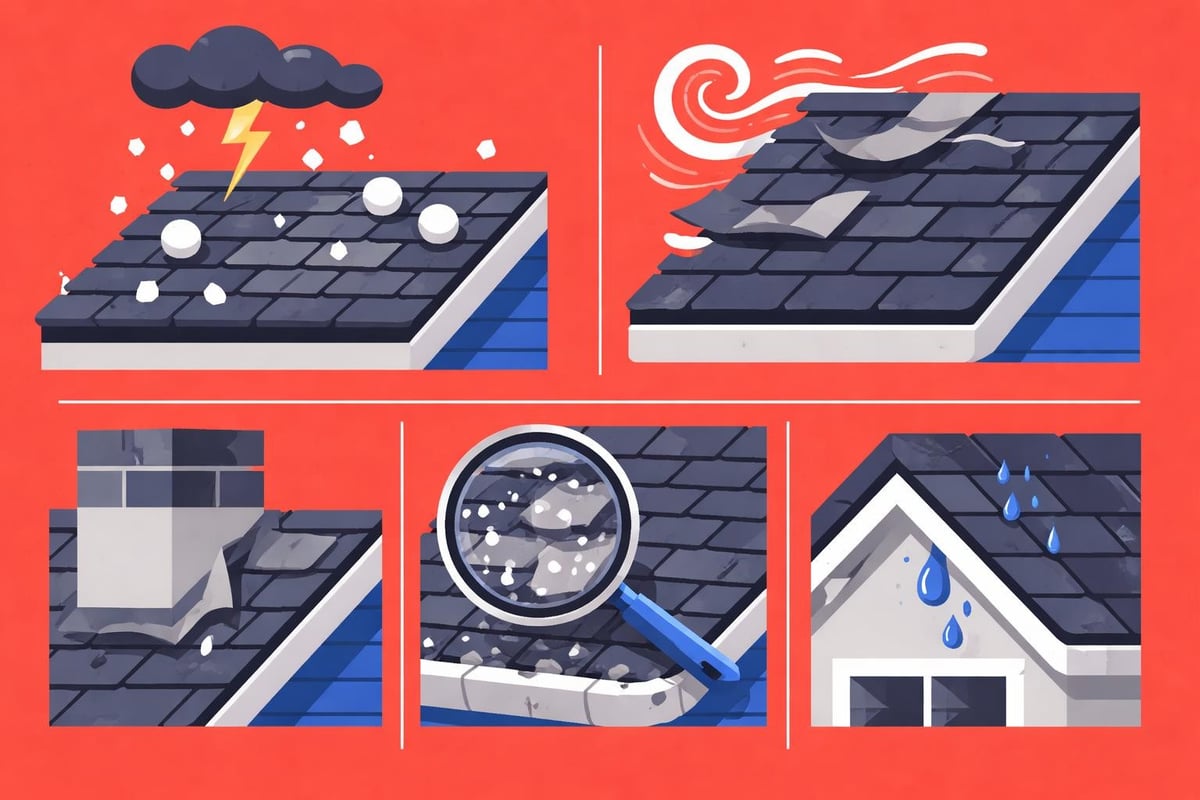
Storm damage manifests in various ways depending on the weather event your property endures. High winds can lift shingles, tear off flashing, and damage roof penetrations like vents and chimneys. Hail creates distinctive impact marks, bruising, or punctures on shingles that compromise their protective capabilities.
Common Types of Storm Damage
Professional storm damage roofers assess multiple indicators during inspections:
- Hail strikes creating circular indentation patterns on shingles
- Wind-lifted shingles exposing underlayment or decking
- Granule loss appearing as dark spots where protective coating has worn away
- Cracked or broken shingles from impact or stress
- Damaged flashing around chimneys, valleys, and roof penetrations
- Dented gutters and downspouts indicating hail severity
- Punctures or tears in modified bitumen commercial systems
Water damage often appears inside the home days or weeks after the storm event. Ceiling stains, wall discoloration, or attic moisture indicate that your roof's protective barrier has been compromised and requires immediate attention from qualified professionals.
The severity of baseball-sized hail damage that occasionally strikes the Chicago area requires particularly thorough assessment. Even smaller hail can cause cumulative damage that shortens your roof's lifespan significantly.
How to Find Legitimate Storm Damage Roofers
The period immediately following major storms brings an influx of contractors to affected areas. While many are legitimate professionals, storm chasers and scam artists also appear, making it crucial to verify credentials before signing any contracts.
Red Flags to Watch For
According to the Better Business Bureau’s warnings about storm damage scams, homeowners should be cautious of certain practices:
- Door-to-door solicitation immediately after storms
- Pressure to sign contracts on the spot
- Requests for full payment upfront
- Offers to pay insurance deductibles
- Out-of-state license plates or temporary phone numbers
- No physical business address or verifiable references
| Warning Sign | Why It Matters | What to Do Instead |
|---|---|---|
| Immediate payment demands | Legitimate contractors bill after work completion | Verify payment schedules match industry standards |
| Deductible waivers | Insurance fraud that can void your policy | Pay your deductible as required |
| Unmarked vehicles | Storm chasers without local ties | Choose established local contractors |
| High-pressure tactics | Designed to prevent due diligence | Take time to verify credentials |
Verifying Contractor Credentials
Before hiring storm damage roofers, confirm they maintain proper licensing, insurance, and bonding. Request certificates of insurance showing both liability coverage and workers' compensation. Check online reviews, Better Business Bureau ratings, and ask for local references you can contact directly.
Working with local roofing companies offers distinct advantages including established reputations, ongoing warranty support, and familiarity with regional weather patterns and building codes.
The Storm Damage Inspection Process
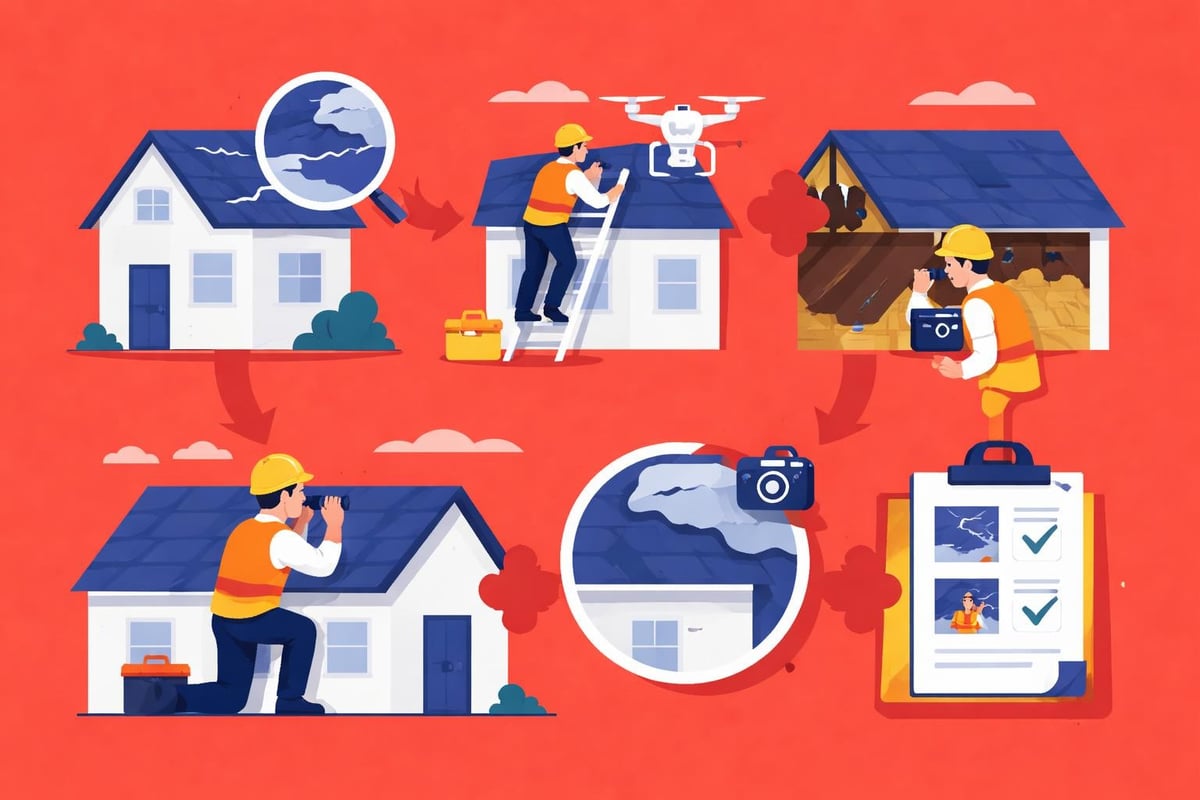
Professional storm damage roofers follow systematic inspection protocols to document all damage accurately. This thorough approach ensures insurance claims include every necessary repair and nothing gets overlooked.
What Inspectors Examine
A comprehensive roof inspection after storm events covers multiple areas:
- Roof surface examination for hail strikes, granule loss, and shingle damage
- Flashing assessment around chimneys, valleys, skylights, and penetrations
- Gutter and downspout inspection for dents, separation, or blockages
- Soffit and fascia evaluation for wind damage or water infiltration
- Attic inspection checking for leaks, moisture, or structural issues
- Exterior walls and siding assessment for impact damage
Understanding what to expect during roof inspections helps homeowners prepare questions and participate actively in the assessment process. Reputable contractors welcome homeowner involvement and explain findings clearly.
The inspection typically takes 45 minutes to 90 minutes depending on roof size and complexity. Inspectors document damage with photographs, measurements, and detailed notes that support insurance claims.
Working With Insurance After Storm Damage
Understanding the insurance claims process helps homeowners navigate what can seem like an overwhelming bureaucratic challenge. Storm damage roofers experienced in insurance work provide invaluable assistance throughout this process.
Filing Your Claim Effectively
Contact your insurance company immediately after discovering storm damage. Document the damage yourself with photographs before any temporary repairs. Keep detailed records of all communications with your insurer including dates, times, and representative names.
Your insurance adjuster will schedule an inspection, ideally coordinating with your chosen roofing contractor. Having both parties present ensures all damage gets documented and included in the estimate. The adjuster represents the insurance company's interests, while your contractor advocates for complete and proper repairs.
Many homeowners wonder about the legitimacy of working with contractors who specialize in insurance claims. Understanding hail damage leads and contractor marketing helps distinguish between professional storm damage roofers and opportunistic operators.
Common Insurance Challenges
- Depreciation deductions reducing initial payment amounts
- Coverage disputes over what damage qualifies as storm-related
- Scope disagreements between adjuster estimates and contractor assessments
- Time limitations for filing claims after storm events
Storm damage roofers familiar with insurance processes help homeowners understand their policies, supplement initial estimates when damage was missed, and ensure proper compensation for necessary repairs.
Repair vs. Replacement Decisions
Not all storm damage requires complete roof replacement. Experienced storm damage roofers assess damage severity and help homeowners make informed decisions balancing immediate needs with long-term value.
Factors Influencing the Decision
| Factor | Repair Indication | Replacement Indication |
|---|---|---|
| Damage extent | Less than 30% of roof surface | More than 40% affected |
| Roof age | Under 10 years old | Over 15-20 years old |
| Previous damage | First significant event | Multiple repair history |
| Cost comparison | Repairs under 30% of replacement cost | Repairs exceeding 50% of replacement |
Professional guidance on when roof replacement becomes necessary prevents both premature replacement and delayed action that allows damage to worsen.
The recommendations from experienced roofers emphasize thorough assessment before making replacement decisions. Sometimes targeted repairs restore full protection, while other situations make replacement the most cost-effective long-term solution.
Age plays a significant role in this decision. A relatively new roof with limited damage benefits from repairs, while an older roof approaching the end of its lifespan often makes replacement the smarter investment, especially when insurance covers most costs.
Emergency Repairs and Temporary Protection
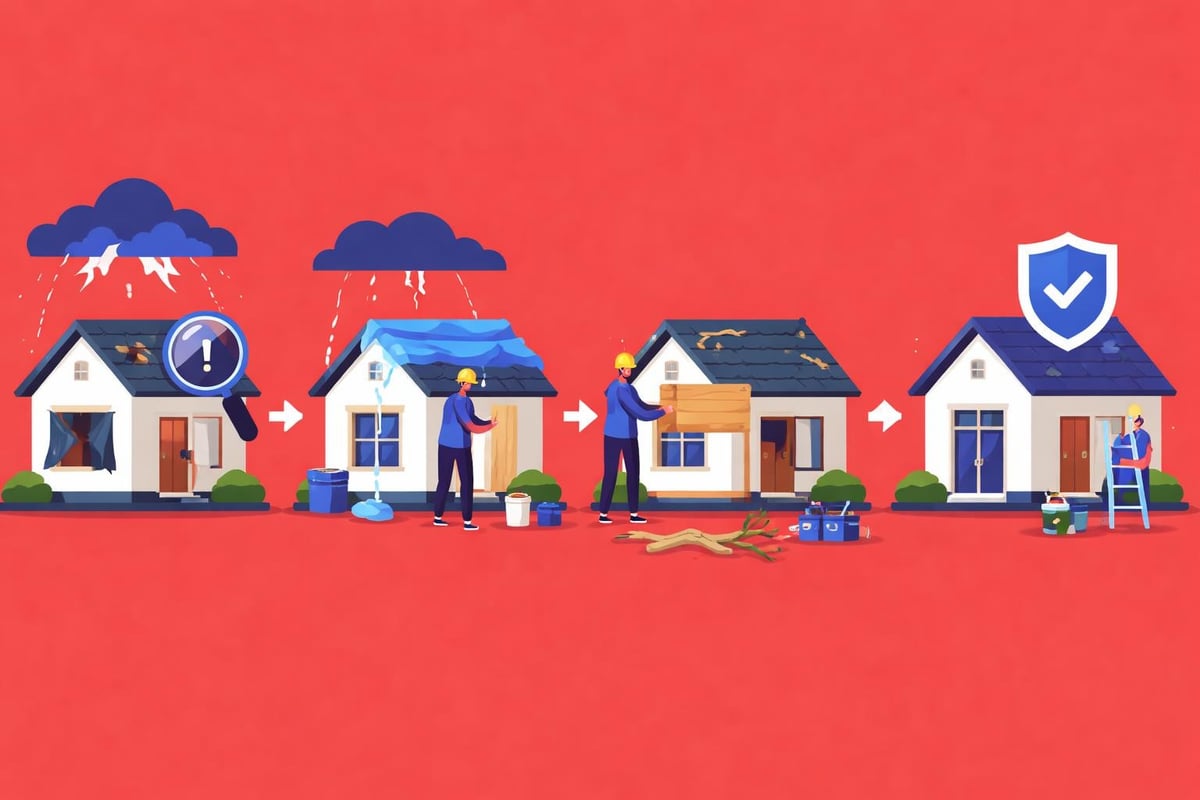
Severe storms sometimes create immediate threats requiring temporary protection before comprehensive repairs begin. Storm damage roofers offer emergency services to prevent secondary damage from water infiltration.
Immediate Actions After Storm Damage
Time is critical when your roof's integrity has been compromised:
- Contact your insurance company to report damage
- Document everything with photographs and videos
- Cover damaged areas with tarps if safe to do so
- Place buckets under active leaks
- Move valuables away from affected areas
- Contact professional roofers for emergency assessment
Professional roof tarping during storm season prevents water damage from spreading while you arrange permanent repairs. Quality contractors secure tarps properly to withstand additional weather events without causing further damage.
Emergency repairs typically involve temporary waterproofing, securing loose materials, and protecting vulnerable areas. These measures buy time for proper repairs while preventing exponential damage increases from continued water exposure.
Choosing Materials for Storm-Damaged Roof Repairs
When replacing storm-damaged roofing, homeowners can choose materials offering improved durability against future weather events. Storm damage roofers guide these decisions based on local climate, budget, and aesthetic preferences.
Material Performance Comparison
Different roofing materials offer varying resistance to storm damage:
- Asphalt shingles: Most common, moderate hail resistance, good wind performance when properly installed
- Impact-resistant shingles: Enhanced hail protection, often qualifying for insurance discounts
- Metal roofing: Superior wind and hail resistance, longer lifespan, higher initial cost
- Modified bitumen: Excellent for commercial applications, strong wind resistance
- Architectural shingles: Better wind resistance than three-tab, enhanced aesthetic appeal
Exploring the best metal roofing materials reveals options that substantially improve storm resistance compared to traditional asphalt shingles. The higher upfront investment often pays dividends through reduced damage in future weather events.
Insurance may cover upgrades to impact-resistant materials in some policies. Discussing these options with both your contractor and insurance adjuster can result in improved protection without significantly increased out-of-pocket costs.
Understanding Storm Damage Roofing Timelines
Storm damage repairs follow predictable timelines influenced by damage extent, weather conditions, material availability, and contractor scheduling. Setting realistic expectations prevents frustration during the repair process.
Typical Project Phases
- Initial inspection and documentation (1-2 days)
- Insurance claim filing and adjuster meeting (1-2 weeks)
- Estimate approval and contract signing (3-7 days)
- Material ordering and delivery (1-3 weeks)
- Repair or replacement work (1-5 days)
- Final inspection and insurance completion (1-2 weeks)
Total timeline from damage to completion typically spans 4-8 weeks for insurance-involved projects. Emergency repairs happen much faster, often within 24-48 hours of contact.
Weather significantly impacts scheduling. Storm damage roofers cannot safely work during rain, high winds, or extreme temperatures. Some flexibility with scheduling accommodates necessary weather delays.
Preventing Future Storm Damage
While no roof is completely storm-proof, proactive maintenance and strategic improvements significantly reduce vulnerability to weather damage. Storm damage roofers recommend several preventive measures.
Maintenance That Reduces Risk
Regular maintenance identifies and corrects minor issues before they become major vulnerabilities:
- Quarterly inspections catching loose shingles, damaged flashing, or deteriorating seals
- Prompt repairs addressing small problems before they expand
- Gutter cleaning ensuring proper water drainage away from the roof
- Tree trimming removing branches that could fall during storms
- Attic ventilation preventing moisture damage that weakens roof structure
Following a comprehensive summer roof maintenance checklist prepares your roof for severe weather season. Understanding common spring roof problems helps identify issues that winter weather created before summer storms arrive.
Strategic Improvements
Upgrading specific roof components enhances overall storm resistance:
| Improvement | Benefit | Typical Cost Impact |
|---|---|---|
| Impact-resistant shingles | Enhanced hail protection | 10-20% premium |
| Reinforced underlayment | Better water barrier | 15-25% premium |
| Hurricane straps | Improved wind resistance | Minimal on new installation |
| Metal edge flashing | Enhanced perimeter protection | 5-10% premium |
Professional storm damage roofers assess your roof's specific vulnerabilities and recommend targeted improvements offering the best protection for your investment.
The Role of Proper Installation
Even the highest-quality materials fail prematurely when improperly installed. The expertise of storm damage roofers directly influences how well your roof withstands future weather events.
Installation Quality Factors
Proper installation requires attention to numerous details:
- Correct nail placement and quantity per shingle
- Proper shingle overlap and alignment
- Adequate starter strip installation
- Flashing integration with surrounding materials
- Appropriate underlayment application
- Proper ventilation integration
Understanding what professional roofers look for during storm damage assessments reveals the complexity of proper installation and why cutting corners creates vulnerabilities.
Quality contractors follow manufacturer specifications exactly, maintaining warranty coverage and ensuring optimal performance. They understand that shortcuts taken during installation become failure points during severe weather.
Storm Damage Documentation Best Practices
Thorough documentation protects your interests throughout the insurance process and provides records for future reference. Storm damage roofers assist with professional documentation, but homeowners should maintain their own records as well.
What to Document
- Photographs of all visible damage from multiple angles
- Videos showing damage extent and location
- Written descriptions noting when damage was discovered
- Estimates from multiple contractors
- All insurance correspondence and claim numbers
- Receipts for emergency repairs or temporary protection
- Before-storm photographs if available
This documentation supports insurance claims, provides comparison points for future inspections, and creates accountability throughout the repair process. Digital storage with cloud backup ensures these records remain accessible even if devices are damaged.
Cost Considerations for Storm Damage Repairs
Understanding the financial aspects of storm damage repairs helps homeowners budget appropriately and recognize unrealistic estimates. Storm damage roofers provide detailed quotes explaining all costs involved.
What Influences Repair Costs
Multiple factors affect final repair expenses:
- Damage extent: Minor repairs versus complete replacement
- Roof size and complexity: Square footage, pitch, and architectural features
- Material choices: Standard versus premium products
- Accessibility: Height, surrounding landscaping, and equipment requirements
- Timeline urgency: Emergency repairs versus scheduled work
Getting accurate estimates for roof replacement costs establishes reasonable expectations. Beware of estimates significantly below market rates, which often indicate substandard materials or installation quality.
Insurance coverage varies widely based on policy terms, deductibles, and damage assessment. Most policies cover sudden storm damage but exclude gradual deterioration or maintenance issues. Storm damage roofers experienced with insurance work help maximize legitimate claims while maintaining ethical practices.
Working With Commercial Storm Damage
Commercial properties face unique challenges after storm events. Storm damage roofers serving commercial clients understand different roofing systems, larger project scales, and business continuity concerns.
Commercial Roofing Considerations
- Modified bitumen systems requiring specialized repair techniques
- Flat or low-slope roofs with different vulnerability patterns than residential steep-slope roofs
- Business interruption minimization during repairs
- Tenant communication and coordination requirements
- Building code compliance for commercial structures
Understanding common commercial roofing problems helps property managers recognize storm damage versus pre-existing conditions. Commercial projects often involve more extensive documentation requirements and coordination with multiple stakeholders.
Emergency repairs take priority for commercial properties where roof damage threatens inventory, equipment, or business operations. Storm damage roofers serving commercial clients maintain resources for rapid response and large-scale projects.
Protecting your property from storm damage requires vigilance, proper maintenance, and partnership with qualified professionals who prioritize your long-term interests. When severe weather strikes Joliet and surrounding areas, having a trusted contractor makes all the difference in recovering quickly and completely. As a family-owned business with deep roots in the community, Great Roofing brings the expertise, integrity, and responsiveness you need when storm damage threatens your home or business. Contact our team today for a thorough inspection and honest assessment of your roofing needs.