

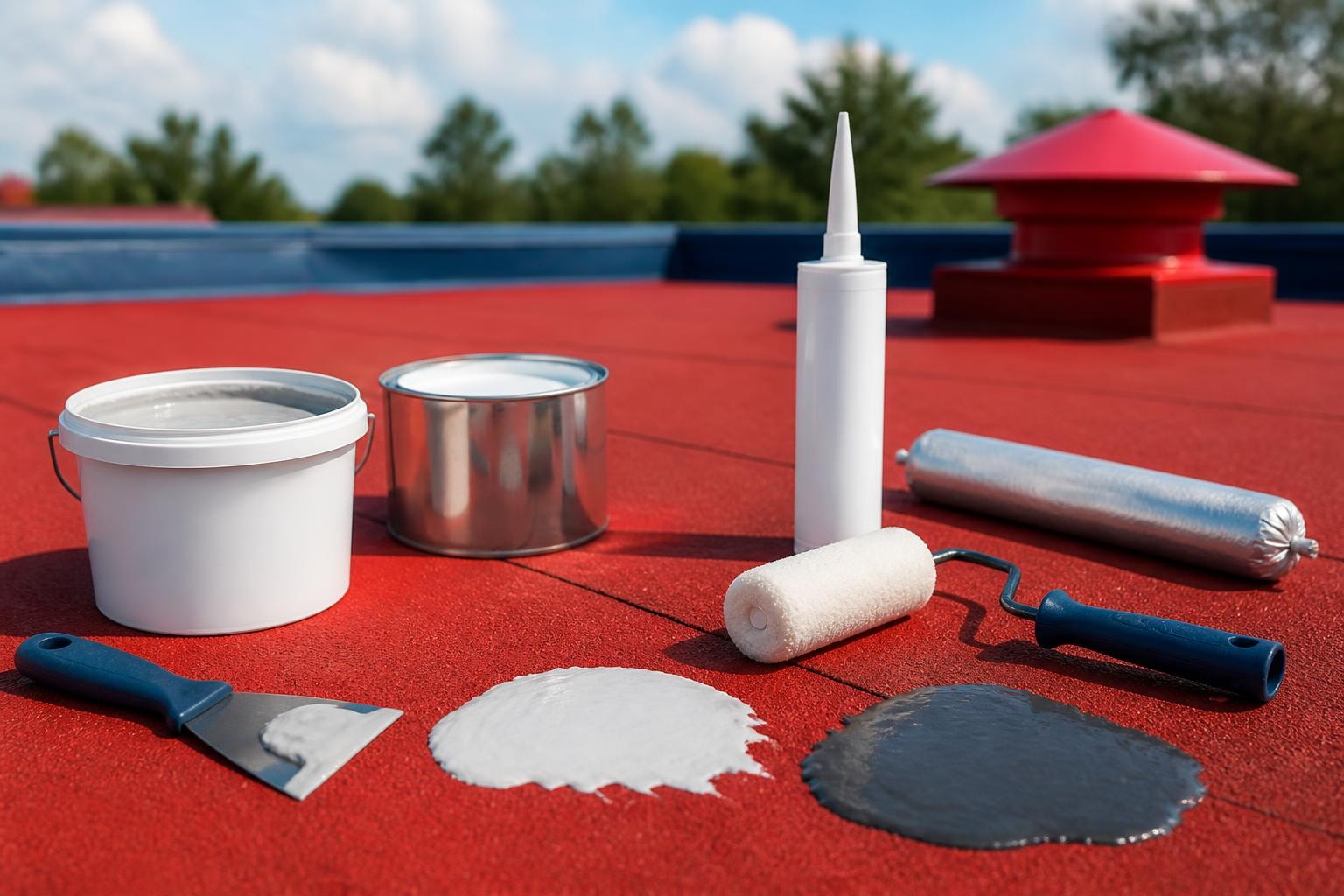
Roofing compounds represent a critical category of materials that enable contractors and property owners to maintain, repair, and enhance roof systems across both residential and commercial applications. These specialized products include sealants, cements, coatings, adhesives, and patching materials designed to address specific roofing challenges. Understanding the composition, applications, and selection criteria for these compounds empowers building owners to make informed decisions about roof maintenance and ensures contractors can deliver lasting solutions. The global roofing chemicals market continues to expand as innovative formulations address evolving performance requirements and environmental regulations.
Understanding Roofing Compound Categories
Roofing compounds encompass several distinct product types, each engineered for specific applications and substrates. The primary categories include plastic cements, lap sealants, flashing cements, roof coatings, and asphalt-based compounds that serve different functions within roof assemblies.
Plastic roofing cements form the foundation of many repair applications. These thick, paste-like materials adhere to various roofing substrates and provide waterproof barriers around penetrations, flashings, and damaged areas. Formulated with asphalt, solvents, and reinforcing fibers, plastic cements remain flexible after curing to accommodate thermal movement and structural shifts.
Sealant Compounds for Weatherproofing
Lap sealants represent another essential compound category, specifically designed to seal overlapping seams in rolled roofing, modified bitumen systems, and metal roofing applications. These compounds typically feature:
- Lower viscosity than plastic cements for easier application
- Enhanced adhesion to smooth surfaces
- UV resistance to prevent degradation
- Flexibility across temperature extremes
Property owners dealing with storm damage repair frequently benefit from these specialized sealants that restore weather-tight conditions quickly.
Coating Systems and Protective Compounds
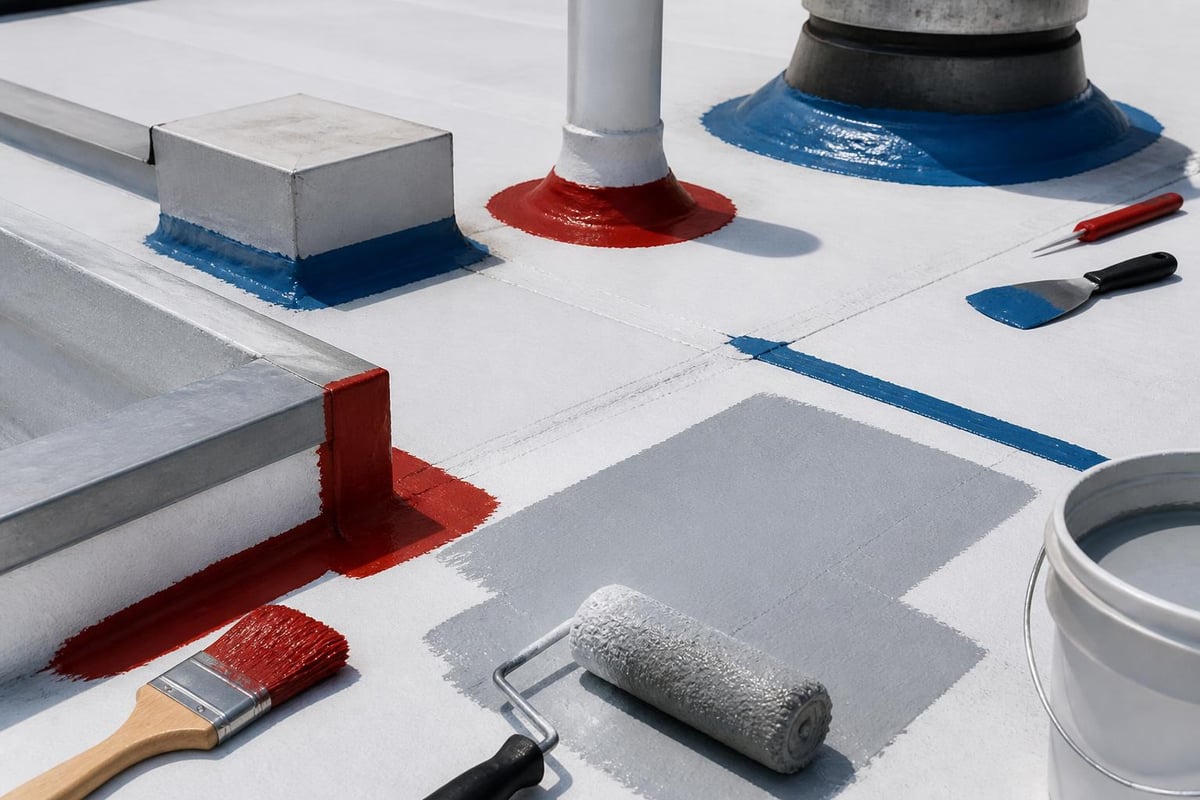
Roof coatings function as protective barriers that extend roof service life by reflecting sunlight, preventing water infiltration, and resisting environmental degradation. These liquid-applied compounds cure to form seamless membranes across existing roof surfaces.
| Coating Type | Primary Base | Best Applications | Key Benefits |
|---|---|---|---|
| Acrylic | Water-based polymer | Metal, single-ply membranes | High reflectivity, easy cleanup |
| Silicone | Silicone polymer | All roof types | Superior water resistance, ponding tolerance |
| Polyurethane | Urethane polymer | High-traffic areas | Exceptional durability, impact resistance |
| Asphalt-based | Modified bitumen | Built-up roofs, BUR systems | Cost-effective, traditional reliability |
The roofing chemicals market analysis indicates growing preference for reflective coating formulations that reduce cooling costs and meet energy code requirements.
Material Composition and Performance Characteristics
Modern roofing compounds incorporate sophisticated chemistry to balance workability, adhesion, durability, and environmental compliance. Understanding these formulations helps contractors select appropriate products for specific conditions.
Asphalt-based compounds remain prevalent due to their excellent waterproofing properties and compatibility with traditional roofing materials. Manufacturers blend oxidized or cutback asphalt with mineral fillers, stabilizers, and solvents to achieve desired consistency and performance attributes. These formulations provide proven reliability for built-up roofing and modified bitumen applications.
Polymer-modified compounds represent technological advancement in roofing materials. By incorporating synthetic polymers like SBS (styrene-butadiene-styrene) or APP (atactic polypropylene), manufacturers enhance flexibility, temperature resistance, and longevity. These modifications prove particularly valuable in climates experiencing extreme temperature fluctuations.
Solvent-Based versus Water-Based Formulations
The choice between solvent-based and water-based roofing compounds involves balancing performance requirements with environmental and safety considerations:
Solvent-based compounds offer advantages including rapid curing, superior cold-weather workability, and enhanced adhesion to challenging substrates. However, they release volatile organic compounds (VOCs) and require careful handling due to flammability concerns.
Water-based alternatives reduce environmental impact and improve installer safety while maintaining adequate performance for many applications. These formulations continue improving as manufacturers develop advanced acrylic and latex polymers that rival solvent-based products.
Contractors serving commercial roofing clients must often navigate local VOC regulations that dictate compound selection and application methods.
Application Methods and Best Practices
Successful roofing compound application requires appropriate techniques, surface preparation, and environmental awareness. Different compound types demand specific application approaches to achieve optimal performance.
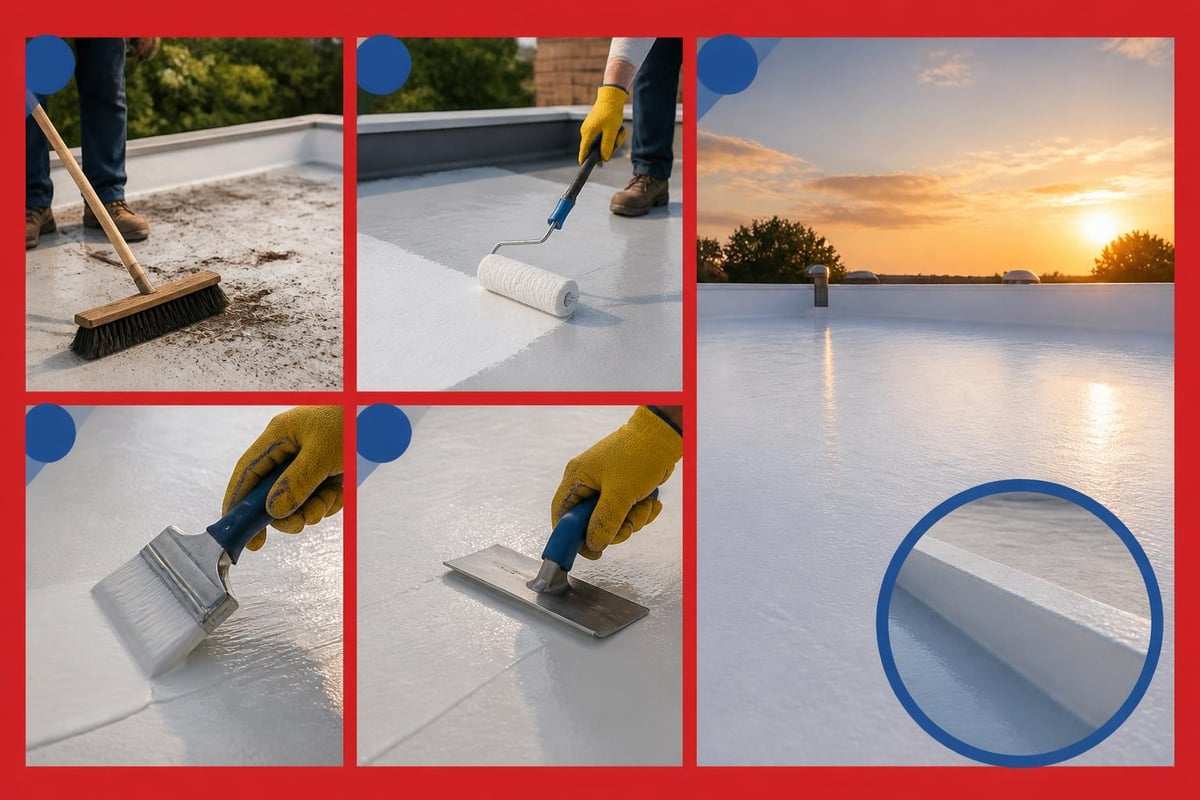
Surface preparation forms the critical first step for all roofing compound applications. Contractors must remove loose debris, dust, and degraded materials to ensure proper adhesion. Damp or wet surfaces compromise bonding and should be thoroughly dried before compound application, except when using products specifically formulated for damp substrate application.
Temperature Considerations During Application
Ambient temperature significantly affects compound workability, curing rates, and ultimate performance. Most roofing compounds specify application temperature ranges that contractors must observe:
- Cold weather applications (below 50°F) require low-temperature formulations or heated storage
- Hot weather applications (above 85°F) demand rapid work to prevent premature skinning
- Ideal conditions (60°F to 80°F) provide optimal workability and curing
Property owners in the Joliet area often need guidance on seasonal timing for roofing projects. Heat-proofing strategies become particularly important during late summer months when roof surface temperatures can exceed 160°F.
Tools and Equipment Requirements
Professional compound application requires appropriate tools that ensure consistent coverage and proper thickness:
- Trowels and putty knives for plastic cements and thick compounds
- Notched squeegees for controlled coating application
- Brush or roller equipment for liquid-applied sealants
- Caulking guns for cartridge-dispensed products
- Spray equipment for large-area coating projects
Each application method produces different film thickness and coverage rates, directly impacting material costs and performance outcomes.
Selecting Appropriate Compounds for Specific Repairs
Matching compound characteristics to repair requirements ensures effective, long-lasting solutions. Different roof damage scenarios call for specific product formulations and application strategies.
Flashing repairs typically demand plastic roofing cement or flashing-grade compounds that accommodate metal expansion and contraction. These products must maintain flexibility while providing tenacious adhesion to dissimilar materials like metal, masonry, and roofing membranes. When addressing storm damage on roofs, contractors often encounter compromised flashings requiring immediate attention.
Seam reinforcement in rolled roofing or modified bitumen systems requires lap sealants formulated for specific membrane types. TPO roofing demands TPO-compatible sealants, while EPDM requires EPDM-specific formulations to ensure chemical compatibility and prevent material degradation.
Emergency Repair Considerations
Temporary weather-tight repairs often rely on fast-setting compounds that cure rapidly despite challenging conditions. These emergency formulations include:
- Quick-setting mastics for immediate leak stoppage
- Rain-resistant sealants that cure despite moisture exposure
- Cold-applied compounds for winter emergency repairs
- UV-activated materials that cure through sun exposure
While emergency compounds provide critical short-term protection, permanent repairs using appropriate products should follow as soon as conditions permit.
Compound Compatibility with Roofing Systems
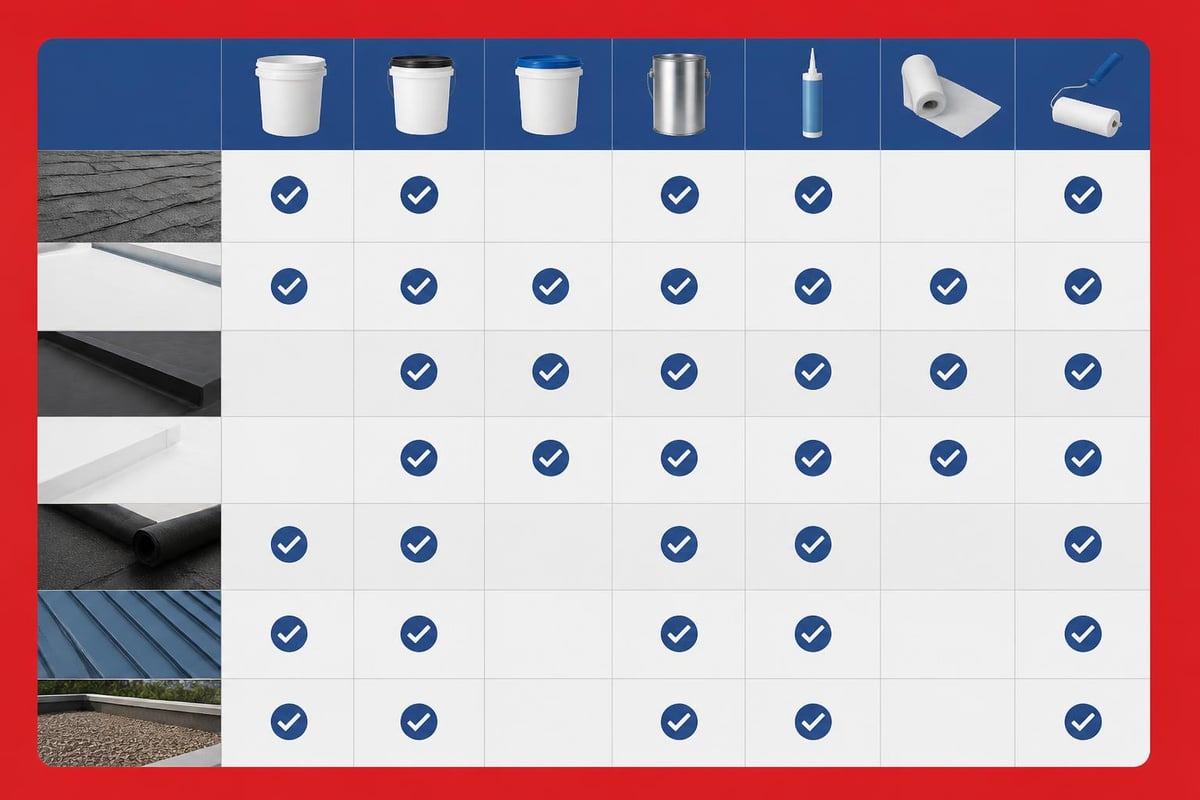
Different roofing systems require compatible compounds that won't damage substrate materials or compromise membrane integrity. Understanding these compatibility relationships prevents costly failures and ensures warranty compliance.
Asphalt shingle roofing generally accepts asphalt-based plastic cements and compatible sealants without compatibility concerns. However, contractors must avoid petroleum-based products that can dissolve asphalt components. Homeowners researching shingle roof repair options should understand that proper compound selection protects shingle integrity.
Single-ply membrane systems present more complex compatibility requirements. Each membrane type (TPO, PVC, EPDM, KEE) requires specifically formulated compounds:
| Membrane Type | Compatible Compounds | Incompatible Materials |
|---|---|---|
| EPDM | EPDM primers and adhesives, butyl-based sealants | Petroleum solvents, incompatible plasticizers |
| TPO | TPO welding primers, TPO-compatible sealants | Asphalt-based products, bituminous materials |
| PVC | PVC solvent cements, PVC-specific adhesives | Products containing incompatible plasticizers |
| Modified Bitumen | Asphalt cements, cold-applied adhesives | Materials incompatible with bitumen |
The evolution of flexible roofing membranes has necessitated corresponding advances in compatible compound formulations.
Environmental Impact and Regulatory Compliance
Roofing compound manufacturers increasingly address environmental concerns through reformulation efforts that reduce VOC emissions, eliminate hazardous ingredients, and improve sustainability profiles. These changes reflect both regulatory requirements and market demand for greener building products.
VOC regulations vary by jurisdiction but generally limit volatile organic compound content in roofing mastics, adhesives, and coatings. The most stringent regulations exist in California (SCAQMD) and northeastern states following the OTC model rule. Contractors must verify that selected compounds comply with local air quality regulations.
Sustainability Considerations in Compound Selection
Beyond regulatory compliance, environmentally conscious building owners increasingly evaluate broader sustainability factors:
- Recycled content in compound formulations
- Low-odor water-based alternatives to solvent products
- Reflective coatings that reduce urban heat island effects
- Products qualifying for LEED points or other green building certifications
The roofing compound manufacturing process continues evolving to incorporate sustainable practices throughout production and distribution.
Performance Testing and Quality Assurance
Professional-grade roofing compounds undergo rigorous testing to verify performance claims and ensure consistent quality. Understanding these test methods helps contractors evaluate product suitability for demanding applications.
ASTM standards govern many roofing compound performance characteristics, including adhesion strength, flexibility at low temperatures, heat resistance, and weathering durability. Reputable manufacturers provide technical data sheets documenting test results and compliance with relevant standards.
Key performance tests include:
- Adhesion testing measures bonding strength to various substrates
- Low-temperature flexibility verifies performance in cold climates
- Heat resistance confirms stability during hot weather exposure
- Water resistance validates waterproofing effectiveness
- Accelerated weathering predicts long-term durability
Contractors serving commercial clients should prioritize compounds meeting recognized industry standards and backed by manufacturer warranties. Research into roofing material classification methods demonstrates increasing sophistication in material performance evaluation.
Storage, Handling, and Shelf Life Management
Proper storage and handling practices maintain compound quality and ensure optimal performance during application. Contractors must establish procedures that protect materials from degradation while maximizing usable shelf life.
Temperature control represents the most critical storage consideration for roofing compounds. Most products specify storage temperature ranges between 40°F and 90°F. Exposure to freezing temperatures can permanently damage water-based formulations, while excessive heat accelerates curing in containers and reduces shelf life.
Container Management and Inventory Rotation
Effective inventory management prevents waste from expired materials and ensures fresh compounds for every project:
- Label containers with receipt dates for first-in-first-out rotation
- Store partially used containers with lids tightly sealed to prevent skinning
- Keep material safety data sheets readily accessible for all stored compounds
- Inspect containers periodically for signs of separation or degradation
- Maintain separate storage areas for incompatible product types
Most roofing compounds carry shelf life ratings between six months and two years under proper storage conditions. Contractors should verify product freshness before starting projects, particularly for critical applications.
Cost Analysis and Value Assessment
Roofing compound pricing varies significantly based on formulation complexity, performance characteristics, and packaging configurations. Understanding total project costs requires considering coverage rates, application requirements, and long-term performance expectations rather than focusing solely on per-unit pricing.
Premium compounds with advanced polymer modifications, superior weathering resistance, or specialized performance attributes typically command higher prices than basic formulations. However, these products often deliver better value through extended service life, reduced labor requirements, or enhanced warranty coverage.
Budget-conscious property owners should work with experienced contractors to balance initial costs against long-term performance. Local roofing professionals can provide guidance on appropriate compound selection that meets both performance requirements and budget constraints.
Coverage Rate Calculations
Accurate material estimation prevents project delays and controls costs. Coverage rates depend on several factors:
- Application thickness specified by manufacturer or required by conditions
- Substrate porosity affecting material absorption
- Application method influencing waste and consistency
- Surface texture creating variations in required quantity
Professional contractors calculate material requirements using manufacturer-published coverage rates while adding appropriate waste factors based on project complexity and site conditions.
Advances in Roofing Compound Technology
Ongoing research and development continue producing innovative roofing compounds with enhanced performance characteristics, improved environmental profiles, and expanded application possibilities. These advances benefit both contractors and building owners through superior solutions to persistent roofing challenges.
Hybrid formulations combine benefits from multiple polymer systems to achieve performance attributes unavailable from single-component products. For example, silicone-acrylic blends offer improved adhesion and workability compared to pure silicone while maintaining excellent weathering resistance.
Nanotechnology integration represents another frontier in compound development. Manufacturers incorporate nano-scale additives that enhance UV resistance, improve adhesion at the molecular level, and create self-cleaning surface characteristics. While these advanced products currently command premium pricing, costs continue declining as production scales increase.
Smart compound formulations that change properties in response to environmental conditions show promise for future applications. Temperature-responsive products that adjust viscosity, moisture-triggered curing systems, and self-healing formulations may transform roofing maintenance practices within the next decade.
The insulation, roofing, and weatherization industry continues investing heavily in research that will deliver next-generation compound technologies to the market.
Safety Protocols for Compound Application
Roofing compound application involves exposure to chemicals, fumes, and physical hazards that require appropriate safety measures. Contractors must implement comprehensive safety programs that protect workers while ensuring compliant, professional installations.
Personal protective equipment (PPE) requirements vary based on compound formulation and application method. Minimum protection typically includes:
- Chemical-resistant gloves to prevent skin contact
- Safety glasses or goggles protecting against splashes
- Respirators when applying products in confined spaces or with high VOC content
- Protective clothing appropriate for chemical exposure
Adequate ventilation becomes critical when applying solvent-based compounds in enclosed areas. Contractors should use mechanical ventilation equipment and monitor air quality to prevent hazardous exposure levels.
Material Handling Precautions
Safe compound handling extends beyond application to include transportation, storage, and disposal activities. Workers should receive training on:
- Proper lifting techniques for heavy compound containers
- Spill response procedures and cleanup methods
- Fire prevention measures for flammable products
- Waste disposal regulations for unused materials and contaminated tools
- First aid protocols for accidental exposure
Material safety data sheets (MSDS) provide essential information about hazards, handling precautions, and emergency response procedures. Contractors must maintain current MSDS documentation for all roofing compounds used on projects and ensure worker access to this critical safety information.
Selecting and applying appropriate roofing compounds requires understanding product characteristics, compatibility requirements, and application best practices that ensure lasting performance. Whether addressing emergency repairs, conducting routine maintenance, or completing major restoration projects, the right compound makes the difference between temporary fixes and durable solutions. Great Roofing brings family-owned expertise and professional knowledge to every roofing project in Joliet and surrounding communities, helping property owners navigate compound selection and application for optimal results. Contact our experienced team today for guidance on your specific roofing needs and discover how proper materials and expert application deliver the protection your property deserves.