


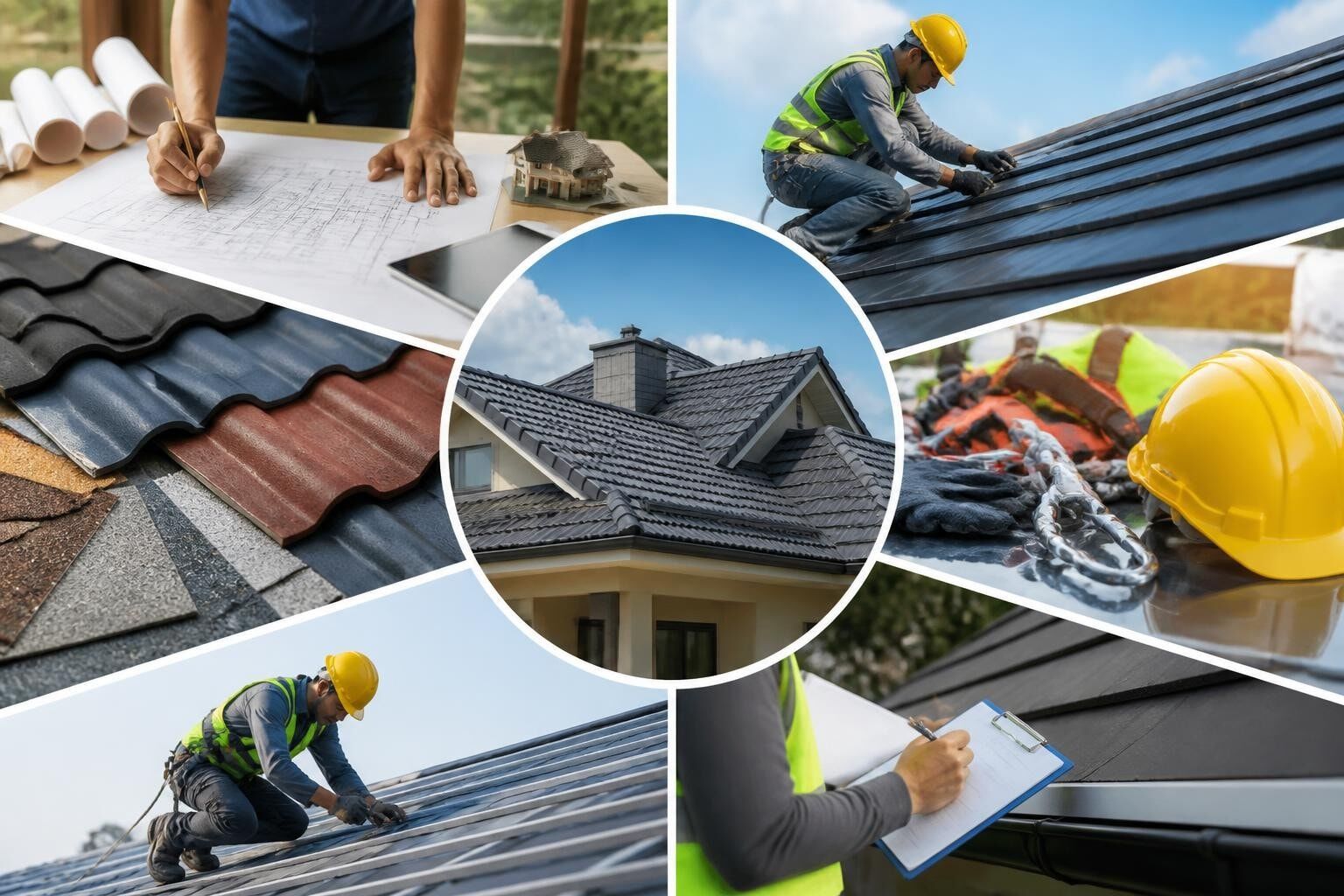
Roofing construction represents one of the most critical aspects of any building project, whether residential or commercial. A well-constructed roof protects everything beneath it while contributing significantly to energy efficiency, structural integrity, and property value. Understanding the fundamentals of proper roofing construction helps property owners make informed decisions when planning new builds or replacement projects. From initial design considerations to final inspections, each phase requires careful attention to detail, compliance with building codes, and adherence to proven installation methods that ensure long-term performance.
Understanding Roofing Construction Fundamentals
The foundation of successful roofing construction begins with comprehensive planning and design. Before any physical work starts, professionals assess the building's structural capacity, local climate conditions, and intended use. These factors directly influence material selection, slope requirements, and underlayment specifications.
Structural Assessment and Load Calculations
Every roofing construction project starts with evaluating whether the existing structure can support the proposed roof system. Dead loads (the weight of roofing materials themselves) and live loads (snow, wind, maintenance personnel) must fall within safe engineering limits. For residential shingle applications, this typically involves verifying that roof trusses or rafters meet spacing and size requirements based on span tables and local building codes.
Commercial buildings often require more complex structural analysis, particularly when transitioning from lightweight systems to heavier alternatives. Modified bitumen systems, while durable and well-suited for low-slope commercial applications, add considerable weight compared to single-ply membranes. Professional engineers should verify load capacity before proceeding with material orders.

Material Selection for Different Applications
Choosing appropriate materials represents a crucial decision in roofing construction that affects performance, longevity, and cost-effectiveness. Different building types, climate zones, and budget constraints require tailored solutions.
Residential Roofing Materials
Asphalt shingles remain the dominant choice for residential roofing construction across North America due to their cost-effectiveness, ease of installation, and aesthetic versatility. Modern architectural shingles offer improved wind resistance ratings and longer warranties compared to traditional three-tab varieties. When selecting shingles, property owners should consider impact resistance ratings, particularly in areas prone to hail damage, as documented in research on impact-resistance testing.
Metal roofing has gained significant market share in residential applications, offering exceptional longevity and energy efficiency. Standing seam systems provide superior weather protection and can last 50 years or more with minimal maintenance. Metal roofing installation requires specialized techniques to ensure proper expansion and contraction accommodation.
| Roofing Material | Typical Lifespan | Best Applications | Key Advantages |
|---|---|---|---|
| Asphalt Shingles | 20-30 years | Residential, steep-slope | Cost-effective, variety of colors |
| Metal Panels | 40-70 years | Residential, commercial | Longevity, energy efficiency |
| Modified Bitumen | 20-30 years | Commercial low-slope | Excellent waterproofing |
| TPO/EPDM | 20-35 years | Commercial flat roofs | Lightweight, heat-reflective |
Commercial Roofing Systems
Commercial roofing construction typically involves low-slope or flat configurations that require different waterproofing approaches than residential steep-slope applications. Modified bitumen systems excel in these environments, offering multi-layer protection through torch-applied, cold-adhesive, or self-adhering installation methods. These systems combine the waterproofing properties of asphalt with the strength and flexibility of modern polymer modifiers.
Single-ply membranes like TPO (thermoplastic polyolefin) and EPDM (ethylene propylene diene terpolymer) provide lightweight alternatives with proven performance records. Cool roof technologies have become increasingly important for commercial applications, as reflective surfaces significantly reduce cooling costs in warm climates.
Safety Protocols in Roofing Construction
Safety must remain the top priority throughout every phase of roofing construction. Fall protection represents the most critical concern, as roofing work consistently ranks among the most hazardous construction activities. OSHA compliance requirements for residential fall protection mandate specific safeguards based on roof pitch, height, and working conditions.
Fall Protection Systems
Proper roofing construction requires implementing appropriate fall protection measures from day one. For residential projects, this typically includes:
- Personal fall arrest systems (PFAS) with properly anchored lifelines
- Guardrail systems along roof perimeters and openings
- Warning line systems combined with safety monitors on low-slope roofs
- Catch platforms or safety net systems for specific applications
Commercial flat-roof projects often utilize perimeter guardrails and warning line systems, allowing workers to operate safely without individual harnesses in designated areas. However, any work near unprotected edges requires personal fall arrest equipment. Contractors should reference OSHA guidance on reducing falls during roof installation for detailed recommendations.
Weather Considerations and Timing
Successful roofing construction depends heavily on weather conditions. Most roofing materials have specific temperature ranges and moisture requirements for proper installation. Asphalt shingles become brittle in cold weather and may not seal properly below 40°F, while extreme heat can make them overly pliable and susceptible to damage during installation.
Wind conditions present another critical factor. High winds can lift partially installed materials, create dangerous working conditions, and compromise adhesive curing. Professional contractors monitor weather forecasts closely and adjust schedules accordingly, even if it means temporary delays to ensure quality results.
Installation Techniques and Best Practices
The quality of roofing construction execution directly determines long-term performance. Proper installation techniques prevent premature failures and ensure materials perform as designed throughout their expected service life.
Underlayment and Ice Barrier Application
Modern roofing construction begins with high-quality underlayment installation over the roof deck. Synthetic underlayment products have largely replaced traditional felt paper in both residential and commercial applications due to superior tear resistance, UV stability, and moisture handling. Proper underlayment installation includes:
- Starting at the lowest roof edge and working upward
- Overlapping each course by the manufacturer-specified amount (typically 6 inches)
- Securing with appropriate fasteners at recommended spacing
- Installing ice and water shield in vulnerable areas (eaves, valleys, penetrations)
Ice and water barrier installation deserves special attention in cold climates. This self-adhering membrane provides critical protection where ice dams commonly form, preventing water intrusion when snow melts and refreezes at roof edges. Many building codes now mandate ice barrier application extending at least 24 inches inside the exterior wall line.
Proper Ventilation Integration
Effective roofing construction must address attic ventilation to prevent moisture accumulation and excessive heat buildup. Balanced ventilation systems with equal intake (soffit vents) and exhaust (ridge vents or other upper exhaust methods) promote air circulation that extends shingle life, reduces energy costs, and prevents ice dam formation.
The general rule calls for one square foot of net free ventilation area per 150 square feet of attic space, though this can be reduced to 1:300 when certain conditions are met. Proper ventilation design considers thermal and moisture control principles to prevent condensation within roof assemblies.
Flashing and Waterproofing Details
Flashing installation represents perhaps the most skill-intensive aspect of roofing construction. These transitional components direct water away from vulnerable areas where different building planes meet. Properly installed flashing prevents the majority of roof leaks, making it essential to follow manufacturer specifications precisely.
Critical Flashing Locations
Every roofing construction project includes numerous flashing applications:
- Chimney flashing: Requires step flashing along sides, cricket construction on high sides, and counter-flashing embedded in masonry
- Valley flashing: Open valleys use metal flashing, while closed valleys rely on modified installation techniques
- Pipe penetrations: Boot-style flashings seal around plumbing vents and other roof penetrations
- Wall intersections: Step flashing and kickout diverters prevent water intrusion at sidewalls
- Drip edge: Protects fascia boards and directs water into gutters
Understanding when repairs are necessary versus full replacement helps property owners budget appropriately. Professional assessments can identify whether targeted leak repairs will suffice or if more comprehensive work is needed.
Sealant Application Standards
Modern roofing construction relies on high-performance sealants at numerous connection points. However, sealants should never serve as primary waterproofing-they function as secondary protection at properly designed and installed flashing systems. Quality sealants offer UV resistance, flexibility across temperature ranges, and long-term adhesion to roofing substrates.
Applying sealants correctly means using appropriate products for specific materials (metal-to-metal connections require different formulations than metal-to-shingle joints), preparing clean surfaces, and avoiding over-application that can trap moisture.
Quality Control and Inspection Procedures
Professional roofing construction incorporates systematic quality control throughout the installation process rather than relying solely on final inspections. This proactive approach identifies and corrects issues before they become hidden within completed assemblies.
Progressive Inspection Checkpoints
Experienced contractors implement inspection protocols at multiple stages:
- Deck inspection: Verify structural integrity, proper fastening, and absence of moisture damage before covering
- Underlayment review: Confirm proper overlap, fastener patterns, and ice barrier placement
- Mid-installation assessment: Check shingle alignment, fastener placement, and flashing integration
- Final walkthrough: Comprehensive review of all details, cleanup verification, and homeowner orientation
Many jurisdictions require third-party building inspections at specific milestones. Coordinating these inspections efficiently prevents delays while ensuring compliance with local codes and industry standards.
Specialized Roofing Construction Considerations
Beyond standard applications, roofing construction sometimes involves specialized systems that address specific performance goals or environmental conditions. Understanding these options helps property owners make informed decisions aligned with their priorities.
Energy-Efficient Roofing Options
Energy performance has become increasingly important in roofing construction decisions. Cool roof systems reduce heat absorption through reflective surfaces and emissive properties, significantly lowering cooling costs in warm climates. These systems work particularly well on commercial flat-roof applications where large surface areas contribute substantially to building heat gain.
For comprehensive building improvements, coordinating roofing work with other upgrades maximizes energy savings. Many homeowners work with renovation specialists like Kreeative Renovations & Design Co. to integrate roofing improvements into broader property enhancement projects that optimize both performance and aesthetics.
Storm-Resistant Construction Methods
Properties in severe weather zones benefit from enhanced roofing construction techniques that exceed minimum code requirements. Impact-resistant shingles carry UL 2218 ratings (Class 1-4) indicating their ability to withstand hail damage. Class 4 represents the highest impact resistance, often qualifying property owners for insurance discounts.
Wind resistance improvements include enhanced fastening patterns, properly sealed shingles, and starter strip installation. Modern architectural shingles commonly achieve wind ratings of 110-130 mph when installed according to manufacturer specifications. Understanding hail damage patterns helps identify when storm-related repairs become necessary.
Maintenance Planning and Long-Term Performance
Quality roofing construction extends beyond installation day to include comprehensive maintenance planning. Even the best-installed roofs require periodic attention to achieve their full service life potential. Establishing maintenance schedules from day one prevents minor issues from developing into costly problems.
Routine Inspection Schedules
Property owners should implement regular inspection routines:
- Biannual visual inspections: Spring and fall reviews identify weather damage, debris accumulation, and early wear indicators
- Post-storm assessments: Examine roofs after significant weather events for impact damage or wind-related issues
- Professional inspections: Schedule detailed evaluations every 3-5 years or when selling property
These inspections should cover all roof components, including gutters and drainage systems that directly impact roof performance. Clogged gutters cause water backup that can damage roof edges, fascia, and soffit areas.
Preventive Maintenance Activities
Proactive maintenance extends roof service life significantly:
- Clean debris from roof surfaces and gutters seasonally
- Trim overhanging tree branches that deposit leaves and facilitate pest access
- Address minor repairs promptly before water intrusion causes structural damage
- Maintain adequate attic ventilation and insulation to prevent ice dams
- Document all maintenance activities for warranty compliance and future reference
Understanding typical repair costs helps budget for necessary maintenance while avoiding expensive emergency interventions.
Building Code Compliance and Permitting
Professional roofing construction always operates within the framework of local building codes and permitting requirements. These regulations exist to ensure minimum safety and performance standards, protecting both property owners and future occupants.
Permit Requirements and Processes
Most jurisdictions require permits for roofing construction projects, particularly when replacing entire roof systems. The permitting process typically includes:
- Submitting detailed plans showing materials, installation methods, and structural details
- Paying applicable permit fees based on project scope
- Scheduling required inspections at specified project milestones
- Obtaining final approval and permit closure documentation
Working with established contractors familiar with local requirements streamlines this process. Many building departments provide helpful resources online, though complex projects may benefit from early consultation with building officials.
Code Updates and Grandfather Clauses
Building codes evolve continuously to incorporate new materials, improved safety standards, and enhanced energy efficiency requirements. While existing roofs generally aren't required to meet current codes (they're "grandfathered"), replacement projects must comply with current regulations. This sometimes necessitates structural upgrades or enhanced installation methods beyond what the original construction required.
Property owners should discuss code compliance implications during project planning to avoid unexpected costs. Professional contractors stay current with code changes and can explain how new requirements affect specific projects.
Sustainable Roofing Construction Practices
Environmental considerations increasingly influence roofing construction decisions. Sustainable practices reduce environmental impact while often delivering long-term cost savings through improved durability and energy performance.
Material Recycling and Waste Reduction
Modern roofing construction emphasizes waste minimization through:
- Accurate material ordering to reduce excess
- Recycling asphalt shingles into paving materials
- Salvaging reusable materials like metal flashing and lumber
- Proper disposal of materials that can't be recycled
Many communities offer shingle recycling programs that divert millions of tons of material from landfills annually. Contractors should verify local recycling availability and incorporate these practices into project plans.
Green Roof Systems
Commercial and some residential applications increasingly incorporate vegetated green roof systems that provide environmental benefits including stormwater management, urban heat island reduction, and enhanced insulation. These specialized assemblies require careful waterproofing design, root barrier installation, and ongoing maintenance planning.
While green roofs represent advanced roofing construction applications, they demonstrate the industry's evolution toward comprehensive environmental performance. Property owners interested in sustainability should discuss options with contractors experienced in these systems.
Quality roofing construction requires expertise across multiple disciplines including structural assessment, material selection, safety compliance, and installation precision. From residential shingle applications to commercial modified bitumen systems, successful projects depend on careful planning and professional execution. When you're ready to discuss your roofing construction needs with experienced professionals who prioritize quality and customer satisfaction, Great Roofing brings three generations of family expertise to every project in the Joliet area and beyond.