


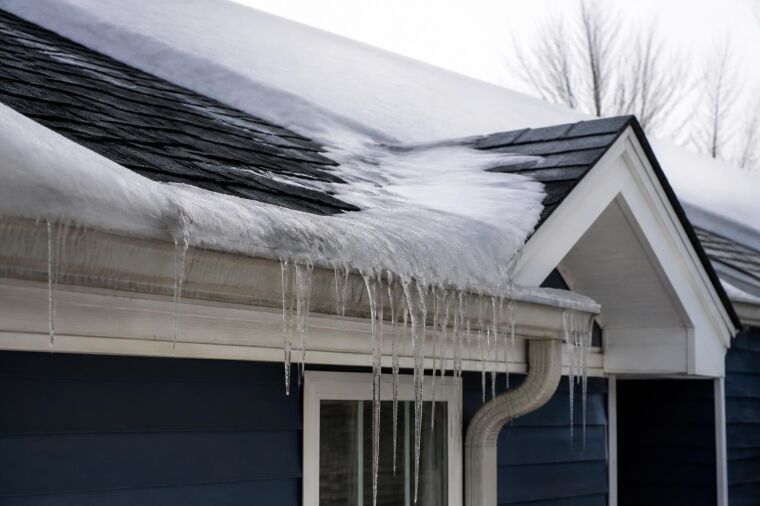
Winter conditions create unique challenges for property owners and roofing contractors alike. When temperatures drop and snow begins to accumulate, roofs face intense stress from freeze-thaw cycles, ice formation, and structural loads that simply don't exist during warmer months. Understanding the complexities of roofing in winter helps homeowners and commercial property managers make informed decisions about repairs, replacements, and preventive maintenance. Whether you're considering a new installation or addressing emergency damage, knowing what's possible and practical during cold weather can save both time and money while protecting your property investment.
Understanding Winter Roofing Challenges
Cold weather fundamentally changes how roofing materials behave and how installation work must be performed. Shingles become brittle when temperatures fall below 40°F, making them prone to cracking during handling and installation. Adhesive strips that normally activate through sun exposure may fail to seal properly in freezing conditions, potentially compromising wind resistance for months until warmer weather arrives.
Snow and ice accumulation presents the most visible winter roofing challenge. A cubic foot of fresh snow weighs approximately 7 pounds, while the same volume of packed snow can exceed 20 pounds. Ice weighs even more at roughly 57 pounds per cubic foot. These loads add up quickly on residential and commercial structures, particularly in regions like Illinois where winter storms can deposit substantial snowfall in short periods.

Material Performance in Cold Temperatures
Different roofing materials respond to winter conditions in distinct ways:
- Asphalt shingles lose flexibility below freezing, requiring careful handling and often limiting installation windows
- Modified bitumen systems used on commercial flat roofs require torch application or hot asphalt, both challenging in cold weather
- Metal roofing contracts in cold temperatures, affecting fastener tightness and panel alignment
- TPO and EPDM membranes become stiff and difficult to manipulate during installation
The NRCA roofing guidelines provide detailed specifications for minimum temperature thresholds for various roofing systems. Most manufacturers void warranties for installations performed below specified temperatures, typically ranging from 25°F to 45°F depending on the product.
Moisture control becomes exponentially more critical during winter months. When warm, humid air from heated interior spaces meets cold roof surfaces, condensation forms in attic spaces and within roofing assemblies. This moisture can freeze, expand, and cause structural damage while promoting mold growth once temperatures rise. Proper ventilation and insulation strategies are essential for preventing these issues.
When Emergency Repairs Cannot Wait
Despite installation challenges, some roofing situations demand immediate attention regardless of season. Storm damage that compromises the building envelope requires emergency intervention to prevent water infiltration, interior damage, and escalating repair costs.
Emergency winter repairs focus on temporary weatherproofing rather than permanent solutions. Contractors use specialized techniques to stabilize damaged areas until comprehensive repairs become feasible:
- Tarping damaged sections with heavy-duty, reinforced materials secured against wind
- Ice and water shield application in localized areas to seal penetrations
- Emergency flashing repairs around chimneys, vents, and other vulnerable points
- Temporary sealant application using cold-weather rated products
Property owners should understand that emergency repairs serve as bridges to permanent solutions. These interventions prevent immediate damage but typically require follow-up work once weather permits proper installation procedures.
Assessing Urgency vs. Delay
Not every winter roofing issue constitutes an emergency. Property managers must evaluate whether immediate action is truly necessary or if waiting for favorable conditions makes more sense. Missing shingles on a south-facing slope may not cause immediate leaking, while damaged flashing around a skylight might demand instant attention.
Working with experienced contractors helps distinguish between urgent repairs and situations where delay is acceptable. Local roofing contractors familiar with regional winter conditions can provide accurate assessments based on damage severity, exposure, and forecast conditions.
Insurance considerations also factor into repair timing decisions. Many policies require prompt action to mitigate damage, meaning that delaying necessary repairs might jeopardize coverage. Document all damage thoroughly with photographs and obtain professional assessments promptly.
Ice Dam Formation and Prevention
Ice dams represent one of the most destructive yet preventable winter roofing problems. These formations occur when heat escaping through the roof melts snow on upper sections, causing water to flow downward where it refreezes at colder eave sections, creating a dam that backs water under shingles.
The National Weather Service provides detailed guidance on ice dam mechanics and prevention strategies. The fundamental cause is always heat loss from the building interior, making ice dams a symptom of inadequate insulation and ventilation rather than a roofing defect.
| Ice Dam Prevention Strategy | Effectiveness | Implementation Difficulty | Cost Range |
|---|---|---|---|
| Adequate attic insulation (R-49+) | Very High | Moderate | $$-$$$ |
| Proper attic ventilation | Very High | Moderate | $$-$$$ |
| Heat cable installation | Moderate | Low | $ |
| Roof raking after snowfall | Moderate | Low | $ |
| Air sealing ceiling penetrations | High | Moderate | $$ |
Comprehensive ice dam prevention requires addressing the root cause: preventing warm air from reaching roof surfaces. This involves multiple integrated strategies rather than single solutions.
The Role of Insulation and Ventilation
Proper attic insulation serves as the primary defense against ice dams by maintaining cold roof surface temperatures consistent with outdoor conditions. The Department of Energy’s insulation guidance recommends R-values of R-49 to R-60 for attic floors in cold climates, significantly higher than levels found in many existing homes.
Ventilation works in partnership with insulation to maintain temperature equilibrium. Cold air intake vents at soffits and exhaust vents at ridge or gable locations create airflow that removes any heat that bypasses insulation, keeping roof surfaces cold. The standard recommendation calls for one square foot of net free ventilation area per 150 square feet of attic floor space.
Air sealing completes the defense strategy by preventing warm, humid air from entering attic spaces through ceiling penetrations. Common leakage points include recessed lighting fixtures, attic access hatches, plumbing penetrations, and gaps around chimneys. Sealing these pathways before adding insulation maximizes effectiveness and prevents moisture accumulation.
Installing New Roofs During Winter Months
While roofing in winter presents challenges, complete roof replacements and new installations can succeed under the right conditions with proper planning and techniques. Contractors specializing in cold-weather work understand temperature limitations, material handling requirements, and installation modifications necessary for quality results.
Timing becomes crucial for winter installations. Contractors monitor weather forecasts carefully, targeting periods with:
- Temperatures above manufacturer minimums (typically 40°F-45°F for shingles)
- Dry conditions with minimal wind
- Multi-day stretches allowing completion before precipitation
- Adequate daylight hours for safe work completion
Temperature requirements vary by material type. Asphalt shingle roofing manufacturers generally require ambient temperatures of at least 40°F during installation, though some specialized products permit installation down to 25°F with modified techniques.
Modified Installation Techniques
Professional contractors employ several adaptations for successful winter installations:
Material Storage and Handling
- Store shingles in heated spaces until immediately before installation
- Transport materials in heated vehicles when possible
- Limit quantities on the roof to prevent prolonged cold exposure
- Handle brittle materials gently to prevent cracking
Adhesive Activation
- Hand-seal shingle tabs using roofing cement in cold conditions
- Apply additional adhesive dots to enhance wind resistance
- Verify seal activation during first warm period following installation
Substrate Preparation
- Ensure decking is dry and free from frost or ice
- Allow time for substrate warming during sunny periods
- Use synthetic underlayment designed for cold-weather application
Modified bitumen systems used on commercial flat roofs present unique winter challenges. Torch application becomes hazardous in windy conditions, while cold-applied adhesives may not cure properly below freezing temperatures. Experienced commercial contractors carefully evaluate conditions and may recommend delaying non-emergency installations until spring.
Snow Load and Structural Considerations
Building codes establish minimum design snow loads based on geographic location, but actual accumulation can exceed these thresholds during severe winter weather events. Understanding your roof's capacity and monitoring accumulation helps prevent catastrophic structural failures.
The ASCE 7 snow load provisions provide the technical foundation for building code requirements, incorporating ground snow load data, roof geometry, and exposure factors. Flat or low-slope commercial roofs face higher snow accumulation than steeply pitched residential roofs where snow slides off naturally.
Warning signs of excessive snow load include:
- Sagging ceiling areas or rooflines
- Doors and windows becoming difficult to open
- Cracking sounds from roof structure
- Visible deflection in rafters or trusses (from attic inspection)
- Masonry cracks near the roofline
Commercial property managers should establish snow removal protocols for flat or low-slope roofs, particularly following major winter storms. Professional snow removal prevents dangerous accumulation while avoiding damage from improper techniques.
Safe Snow Removal Practices
Homeowners can safely remove snow from pitched residential roofs using roof rakes-long-handled tools that allow working from the ground. Remove snow in thin layers rather than attempting to scrape to bare shingles, which risks damage to both shingles and the operator.
For flat commercial roofs or situations requiring roof access, hire experienced professionals equipped with proper safety equipment. Never attempt to remove snow from steep roofs or during icy conditions. Professional removal services understand safe clearing depths, proper techniques to avoid membrane or shingle damage, and how to clear drains and scuppers to permit melt drainage.
Gutter Systems and Winter Performance
Gutter performance becomes critical during winter months when ice formation can create blockages, overflow, and structural damage. Clean, properly functioning gutters channel snowmelt away from foundations and prevent ice dam formation at eaves.
Fall gutter cleaning represents the most important preventive maintenance task before winter arrives. Leaves, debris, and granules from asphalt shingles accumulate throughout the year, creating blockages that trap water. When this trapped water freezes, it expands, potentially damaging gutters and creating conditions favorable for ice dam formation.
Professional gutter repair services should address several winter-related concerns:
- Proper slope ensuring water flows toward downspouts rather than pooling
- Secure fasteners capable of supporting ice weight without pulling away from fascia
- Adequate capacity for expected melt volumes during warming periods
- Downspout extensions directing water away from foundations
Heat cables installed in gutters and downspouts provide a solution for properties prone to severe ice buildup. These electrical resistance cables maintain channels for water flow through ice-blocked sections, though they address symptoms rather than underlying causes like inadequate attic insulation.
Planning Spring Replacements During Winter
Winter provides an ideal planning period for roof replacements scheduled for spring installation. Contractors typically experience lighter demand during cold months, offering advantages for forward-thinking property owners.
Benefits of winter planning include:
- Extended consultation time with less scheduling pressure on contractors
- Better pricing through off-season promotional rates
- Preferred scheduling for spring installation dates
- Thorough planning for complex projects requiring special materials or coordination
Property owners considering choosing a new roof system can use winter months to research options, compare estimates, and make informed decisions without weather-related urgency. This deliberate approach typically results in better outcomes than rushed decisions made during summer storm damage scenarios.
Documentation and Assessment
Winter conditions actually facilitate certain types of roof inspection and planning. Interior attic inspections reveal moisture problems, inadequate insulation, and ventilation deficiencies more clearly when temperature differentials are greatest. Frost patterns on roof decking indicate specific areas where heat loss occurs, guiding targeted insulation improvements.
Infrared thermography performed during winter provides valuable data about heat loss patterns, air leakage, and insulation gaps. These assessments inform both immediate air-sealing priorities and long-term replacement planning, ensuring new roof systems integrate properly with improved building envelope performance.
Homeowners should document existing conditions through photographs and notes, particularly identifying problematic areas like chronic ice dams, persistent leaks, or deteriorated flashings. This documentation helps contractors develop comprehensive solutions addressing both roofing and underlying building science issues.
Working With Professional Contractors in Winter
Selecting qualified contractors becomes even more critical for winter roofing work. Experience with cold-weather installation techniques, understanding of material limitations, and commitment to quality despite challenging conditions separates professional operations from opportunistic contractors.
Key qualifications for winter roofing contractors include:
| Qualification | Why It Matters | Verification Method |
|---|---|---|
| Manufacturer certifications | Ensures knowledge of cold-weather installation requirements | Request certification documents |
| Insurance coverage | Protects against winter-specific risks (ice, slip hazards) | Verify current certificates |
| Local experience | Familiarity with regional winter patterns and building practices | Check local references |
| Written warranties | Demonstrates confidence in winter installation quality | Review warranty terms carefully |
| Safety protocols | Critical for hazardous winter working conditions | Discuss safety procedures |
Reputable contractors will honestly assess whether proposed work should proceed in current conditions or wait for more favorable weather. They prioritize long-term performance over immediate revenue, sometimes recommending delays even when temporary repairs could permit billing.
Emergency service availability represents another crucial contractor selection criterion for winter months. Severe weather doesn't observe business hours, and storm damage requiring immediate attention may occur during evenings, weekends, or holidays. Contractors offering true 24/7 emergency response provide peace of mind throughout the winter season.
Successful roofing in winter requires understanding material limitations, recognizing when emergency repairs are necessary, and implementing comprehensive ice dam prevention strategies. Whether addressing immediate damage or planning spring replacements, working with experienced professionals ensures your roof protects your property through the harshest weather conditions. Great Roofing brings years of expertise serving Joliet-area residential and commercial properties through every season, combining technical knowledge with practical solutions for winter roofing challenges. Contact our team to discuss your winter roofing concerns and discover how proper planning and expert service keep your property secure year-round.