

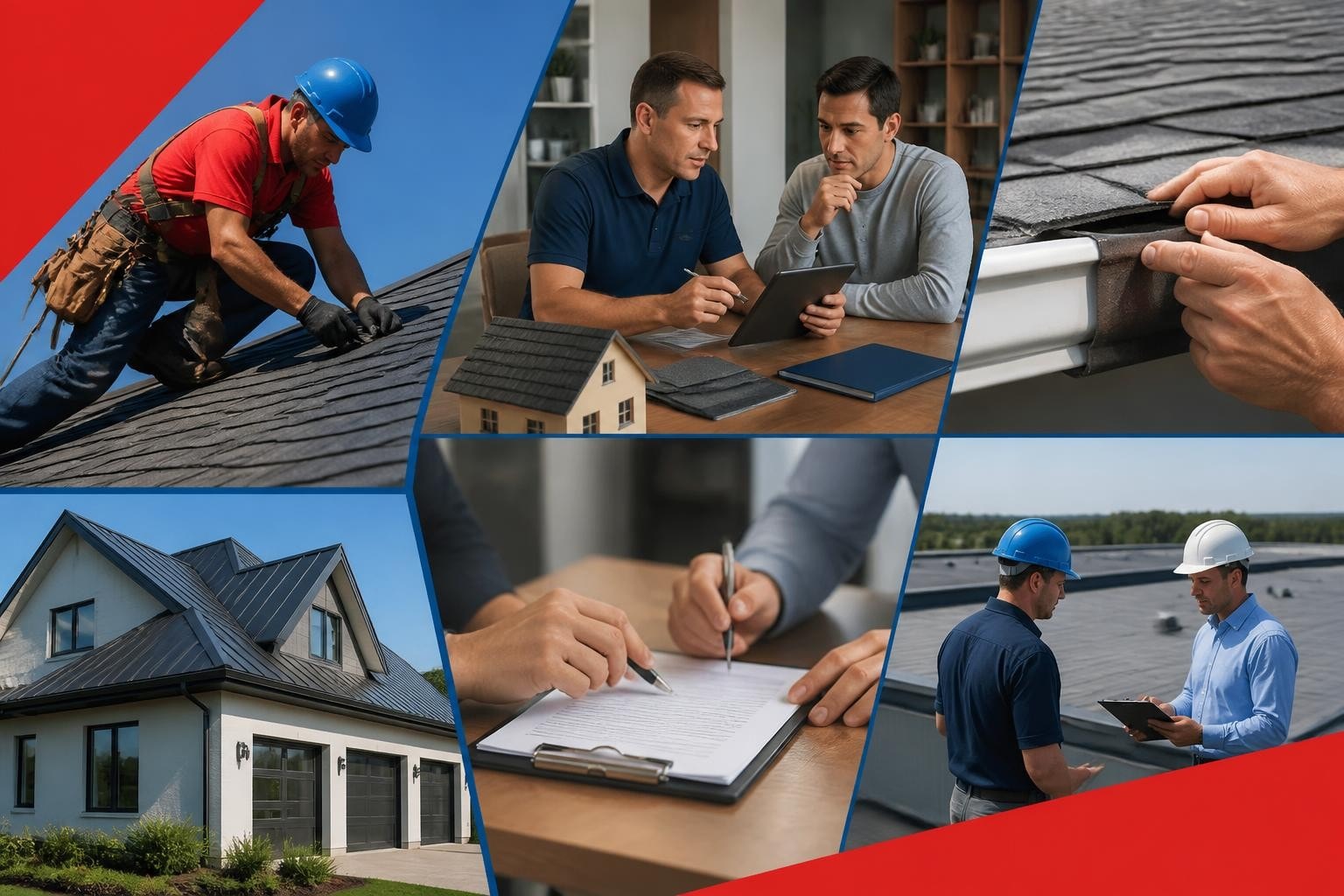
Selecting a qualified roofing installation contractor represents one of the most important decisions property owners make when protecting their investment. Whether you're planning a complete roof replacement, managing storm damage repairs, or upgrading to more durable materials, the contractor you choose directly impacts the longevity, performance, and value of your roofing system. With numerous contractors operating throughout Illinois and the greater Joliet area, understanding what separates exceptional professionals from mediocre operators becomes essential for homeowners and commercial property managers alike.
Understanding the Role of a Professional Roofing Installation Contractor
A roofing installation contractor does far more than simply nail shingles to a roof deck. These specialized professionals bring comprehensive expertise in material selection, structural assessment, building code compliance, and installation techniques that ensure your roofing system performs optimally for decades. Professional contractors understand how different roofing materials react to local climate conditions, including the freeze-thaw cycles common in Illinois winters and the thermal expansion that occurs during summer heat waves.
The scope of services provided by experienced contractors extends beyond basic installation. They conduct thorough inspections to identify underlying structural issues, manage proper ventilation systems to prevent moisture accumulation, coordinate with building inspectors to ensure code compliance, and provide warranties that protect your investment. The National Roofing Contractors Association emphasizes selecting qualified contractors who demonstrate proven expertise through credentials, insurance coverage, and verifiable references.
Credentials and Certifications That Matter
Professional roofing installation contractors maintain multiple certifications that validate their technical expertise and commitment to industry standards. Manufacturer certifications from companies like GAF, CertainTeed, and Owens Corning require contractors to complete rigorous training programs and maintain specific quality standards. These certifications often unlock extended warranty options that aren't available through uncertified installers.
Essential contractor credentials include:
- State and local business licenses specific to roofing work
- Manufacturer certifications for specific roofing systems
- Safety training certifications (OSHA compliance)
- Professional association memberships (NRCA, local roofing associations)
- Better Business Bureau accreditation with positive ratings
Licensed contractors carry comprehensive insurance coverage that protects property owners from liability. General liability insurance covers property damage during installation, while workers' compensation protects you from claims if workers are injured on your property. Always verify these coverages directly with the insurance provider rather than accepting a contractor's word alone.

Evaluating Experience with Specific Roofing Systems
Different roofing materials require specialized installation knowledge and techniques. A roofing installation contractor who excels at residential asphalt shingle installation may lack experience with commercial modified bitumen systems or standing seam metal roofing. Understanding a contractor's specific expertise helps match them to your project requirements.
For residential properties, asphalt shingle installation demands knowledge of proper underlayment application, ventilation requirements, and shingle manufacturer installation guidelines. Contractors must understand how to properly install starter strips, valley protection, and ridge ventilation to ensure optimal performance. When choosing the best roof for homes in Joliet, consider contractors with proven experience in your selected material.
| Roofing System Type | Key Installation Requirements | Typical Warranty Period |
|---|---|---|
| Asphalt Shingles | Proper deck preparation, underlayment, ventilation | 25-50 years |
| Modified Bitumen | Torch application or cold adhesive expertise | 15-20 years |
| Standing Seam Metal | Panel fabrication, concealed fastening | 40-50 years |
| Built-Up Roofing | Multiple ply installation, hot tar application | 20-30 years |
Commercial roofing projects introduce additional complexity. Modified bitumen systems require specialized equipment and training in torch-down or cold-adhesive application methods. Contractors working on commercial properties must understand load calculations, drainage requirements, and the integration of roofing systems with HVAC equipment and other roof penetrations.
The Installation Process Timeline
Professional roofing installation contractors follow systematic processes that ensure quality at every stage. Understanding these phases helps property owners set realistic expectations and recognize whether their contractor maintains professional standards throughout the project.
- Pre-Installation Inspection and Planning – Thorough deck assessment, material ordering, permit acquisition, and weather monitoring typically require one to two weeks
- Site Preparation and Protection – Ground-level protection, debris containment systems, and material staging occur one day before installation begins
- Tear-Off and Deck Repairs – Complete removal of existing materials and necessary structural repairs usually take one to two days for residential projects
- Underlayment and Flashing Installation – Critical waterproofing layers and metal flashing around penetrations require meticulous attention to detail
- Primary Roofing Material Installation – Shingle, membrane, or panel installation proceeds systematically from eaves to ridge
- Final Inspection and Cleanup – Quality verification, debris removal, and magnetic sweeps ensure complete project completion
The roof installation process varies in duration based on project size, weather conditions, and material complexity. Residential asphalt shingle replacements typically complete within two to four days, while commercial modified bitumen installations may require one to two weeks depending on square footage.
Material Selection and Availability
Experienced roofing installation contractors guide clients through material selection based on budget, aesthetic preferences, climate requirements, and longevity expectations. The contractor's relationships with suppliers and manufacturers influence material availability, pricing, and warranty options available to property owners.
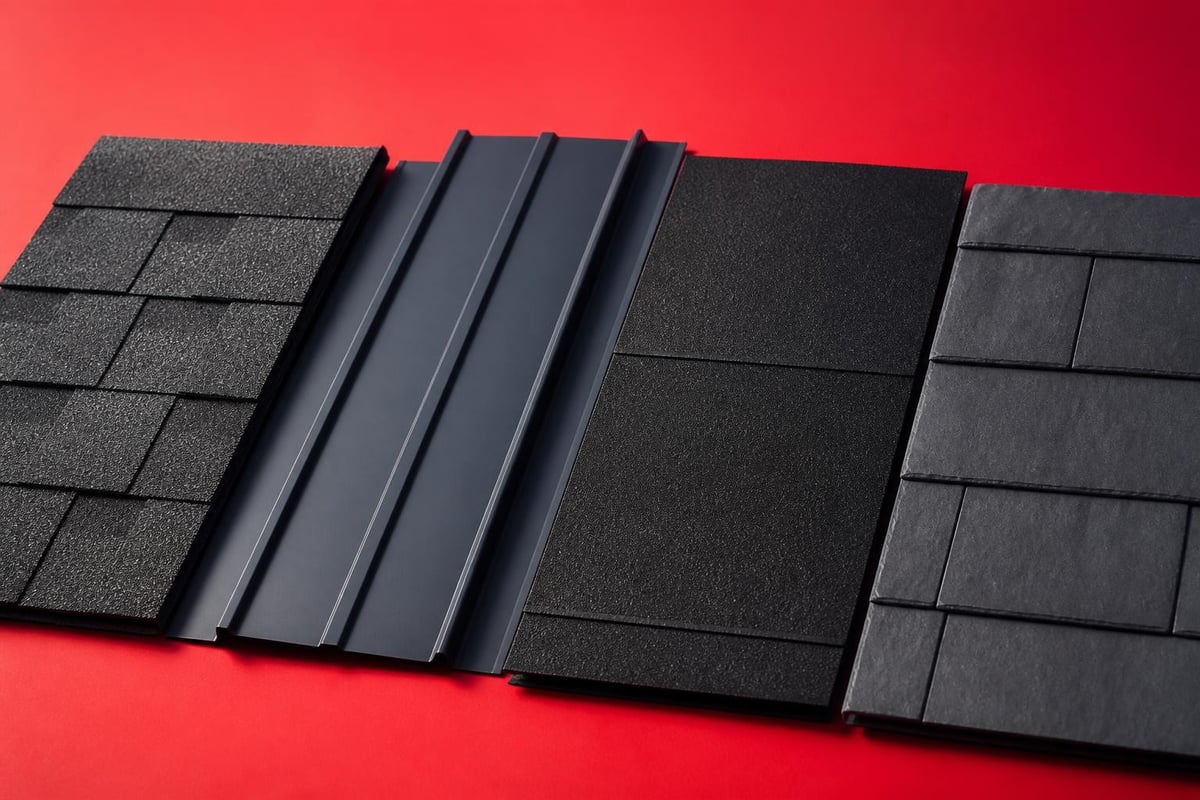
Understanding different types of roofing materials helps property owners make informed decisions. Asphalt shingles remain the most popular choice for residential applications due to their cost-effectiveness, variety of colors and styles, and proven performance in diverse climates. Three-tab shingles offer basic protection at lower price points, while architectural shingles provide enhanced durability and dimensional appearance.
Residential Roofing Material Considerations
For homeowners in Joliet and surrounding communities, climate considerations significantly impact material selection. The region experiences temperature extremes ranging from below-zero winter conditions to summer heat exceeding ninety degrees. Roofing materials must withstand freeze-thaw cycles, ice damming potential, high winds, and occasional hail events.
Popular residential roofing options include:
- Architectural asphalt shingles with algae-resistant granules
- Impact-resistant shingles for hail-prone areas
- Metal roofing panels for superior longevity
- Modified bitumen for low-slope applications
- Synthetic slate or shake alternatives
Quality contractors stock premium asphalt roof shingles from reputable manufacturers and can explain the performance differences between product lines. They understand how shingle weight, granule adhesion, and wind resistance ratings affect long-term performance in local weather conditions.
Commercial Roofing System Options
Commercial properties require roofing systems designed for low-slope or flat roof applications, larger square footage, and integration with mechanical equipment. A qualified roofing installation contractor specializing in commercial work understands the unique demands of these installations.
Modified bitumen systems dominate commercial roofing in the Midwest due to their proven performance, reasonable cost, and reliable waterproofing capabilities. These multi-layer systems use polymer-modified asphalt sheets applied with torch-down methods or cold adhesives. Proper installation requires specialized training and equipment that residential-focused contractors may not possess.
Built-up roofing (BUR) systems represent traditional commercial roofing technology still widely used today. GAF BUR installation guidelines detail the precise layering of felt, asphalt, and surfacing materials required for optimal performance. Contractors must understand proper mopping temperatures, ply arrangement, and flood coat application to ensure watertight results.
Insurance Claims and Storm Damage Expertise
Severe weather events frequently damage roofing systems throughout Illinois, creating urgent needs for qualified repair and replacement services. A roofing installation contractor with insurance claims expertise becomes invaluable when navigating the complex process of documenting damage, working with adjusters, and securing appropriate compensation for necessary repairs.
Professional contractors understand how insurance companies evaluate storm damage claims and can provide detailed documentation that supports your claim. They identify all damage categories, including wind-blown shingles, hail impacts, granule loss, and structural issues that untrained eyes might overlook. This comprehensive assessment ensures claims reflect the full scope of necessary repairs.
Documenting Wind and Hail Damage
Wind damage manifests in multiple ways beyond obvious missing shingles. Experienced contractors recognize creased shingles, lifted tabs, damaged flashing, and compromised seal strips that indicate wind events. They photograph damage from multiple angles, measure affected areas, and provide detailed reports that insurance adjusters require for claim processing.
Hail damage to asphalt shingles creates distinctive impact marks that trained professionals identify through careful inspection. Contractors check shingles, metal components, gutters, and surrounding property elements for consistent damage patterns. They understand how shingle age, manufacturer specifications, and impact force affect damage severity and replacement recommendations.
Working with contractors experienced in storm damage insurance claims streamlines the entire process. These professionals communicate directly with insurance adjusters, provide supplemental documentation when initial estimates prove insufficient, and ensure all necessary repairs receive proper coverage. Their expertise often means the difference between partial repairs and complete roof replacement when damage warrants full system replacement.
Quality Control and Warranty Protection
Superior roofing installation contractors implement rigorous quality control processes throughout every project phase. These systems ensure consistent results, catch potential issues before they become problems, and provide property owners with confidence in their investment. Quality control extends from initial material inspection through final walkthrough and cleanup.
Multi-stage quality verification includes:
- Material inspection upon delivery to verify correct products and quantities
- Deck assessment and repair verification before new materials are installed
- Underlayment and flashing inspection before primary material installation
- Progressive installation checks to maintain alignment and proper fastening
- Final comprehensive inspection before project completion
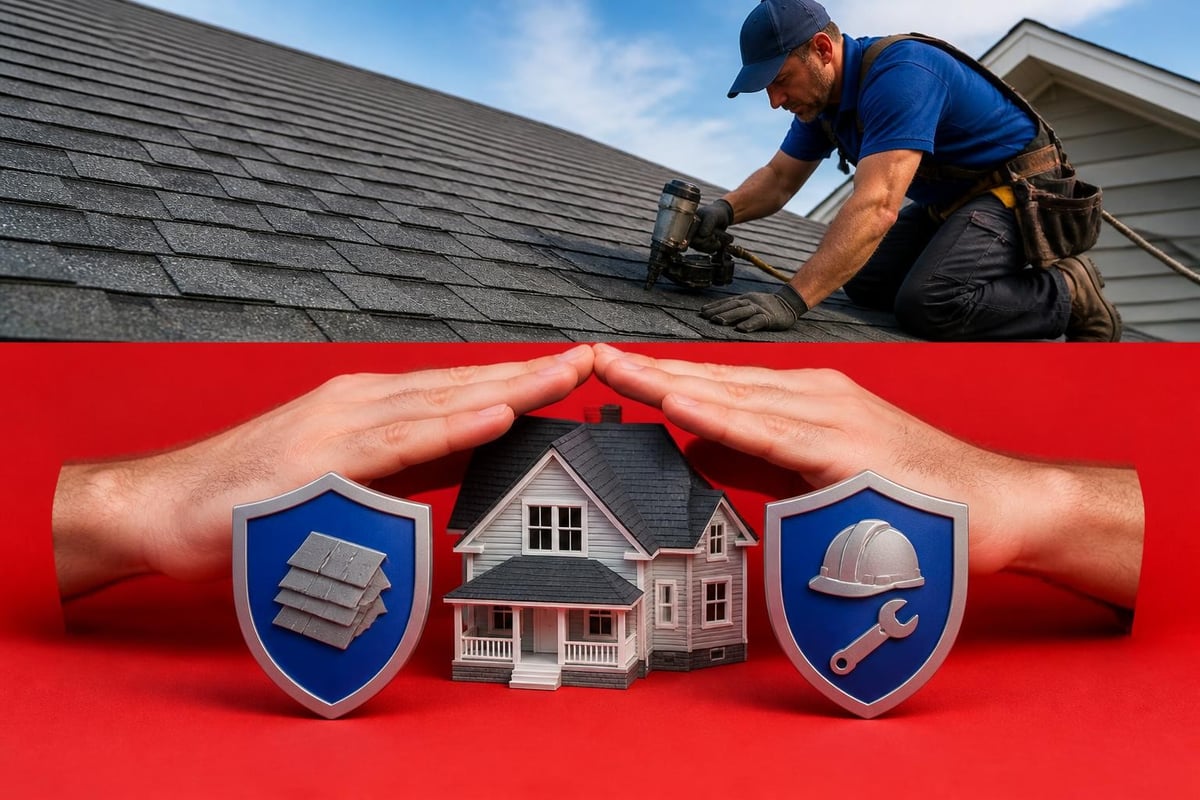
Warranty protection represents a critical consideration when selecting a roofing installation contractor. Quality installations typically include both manufacturer material warranties and contractor workmanship warranties. Understanding the terms, coverage limitations, and claim procedures for each warranty type protects your long-term interests.
Manufacturer warranties cover material defects and premature failures but require proper installation according to published specifications. Best roofing installation practices emphasize following these guidelines precisely to maintain warranty validity. Certified contractors who install according to manufacturer specifications often provide enhanced warranty options unavailable through non-certified installers.
Contractor Workmanship Guarantees
Workmanship warranties protect against installation errors, improper techniques, and contractor mistakes that lead to premature failures or leaks. Reputable contractors stand behind their work with guarantees ranging from two to ten years, depending on project scope and materials used. These warranties should clearly specify what's covered, claim procedures, and any maintenance requirements that must be fulfilled to maintain coverage.
Transferable warranties add value when selling properties. Some manufacturer warranties and contractor guarantees transfer to new owners, providing continued protection and increasing property marketability. Verify transfer procedures and any associated fees before assuming warranties will automatically transfer with property sales.
Cost Transparency and Detailed Estimates
Professional roofing installation contractors provide detailed, itemized estimates that clearly break down material costs, labor expenses, disposal fees, and any additional charges. This transparency allows property owners to compare proposals accurately and understand exactly what services they're purchasing. Vague estimates with single lump-sum figures often hide important details or create opportunities for unexpected charges.
Comprehensive estimates should include specific material brands and models, square footage calculations, waste factor allowances, and labor hour estimates. They detail permit fees, dumpster rental costs, and any specialized equipment requirements. Quality contractors explain their pricing structure and welcome questions about estimate components.
| Estimate Component | Details to Verify | Typical Price Range |
|---|---|---|
| Materials | Specific brand, model, and grade | $80-$150 per square |
| Labor | Installation crew size and timeline | $60-$100 per square |
| Tear-off/Disposal | Layers removed, dumpster fees | $40-$75 per square |
| Underlayment | Type and coverage area | $15-$30 per square |
| Flashing/Ventilation | Metal work and vent installation | $500-$1,500 total |
Understanding roof replacement costs in Joliet helps set realistic budget expectations. Regional labor rates, material availability, and local permit fees influence total project costs. Contractors familiar with local market conditions provide more accurate estimates than national companies without regional expertise.
Payment Terms and Financing Options
Reputable contractors establish clear payment terms that protect both parties. Standard payment schedules typically include a deposit upon contract signing, progress payments at specific milestones, and final payment upon project completion and inspection approval. Avoid contractors demanding full payment upfront or offering unusually low bids that seem too good to be true.
Many established contractors offer financing options through third-party lenders, making larger projects more accessible to property owners. These programs provide fixed-rate loans with terms ranging from twelve months to ten years, depending on project size. Compare interest rates, origination fees, and prepayment penalties when evaluating financing offers.
Local Expertise and Community Reputation
Choosing a roofing installation contractor with strong local presence provides advantages beyond technical expertise. Local contractors understand regional building codes, maintain relationships with local inspectors, and have reputations to protect within the community. They're invested in customer satisfaction because their business depends on referrals and positive reviews from neighbors.
Researching contractor reputations through multiple channels provides comprehensive perspective on their reliability and quality. Online review platforms, Better Business Bureau ratings, manufacturer certifications, and personal referrals all contribute valuable information. Take time to read customer reviews and contact past clients directly when possible to ask about their experiences.
Family-owned contractors often demonstrate stronger commitment to quality and customer service than large corporate operations. These businesses build generational reputations and take pride in serving their communities for decades. They're more likely to return for warranty service, stand behind their work, and maintain consistent quality across all projects regardless of size.
Verifying Contractor References
Professional contractors willingly provide references from recent projects similar to yours in scope and material type. Contact these references to ask specific questions about communication quality, timeline adherence, cleanup thoroughness, and overall satisfaction. Visit completed projects when possible to evaluate workmanship quality firsthand.
Request references representing various project types if the contractor works across residential and commercial sectors. A contractor excelling at residential roofing may have different performance levels on commercial roofing projects. Verify their expertise matches your specific project requirements.
Safety Standards and Worker Protection
Professional roofing installation contractors prioritize worker safety through comprehensive training programs, proper equipment, and strict adherence to OSHA regulations. Safety programs protect workers from falls, equipment accidents, and weather-related hazards while also protecting property owners from liability exposure if accidents occur.
Contractors should maintain current OSHA certifications and conduct regular safety training for all crew members. They use appropriate fall protection systems including harnesses, guardrails, and safety nets based on roof pitch and height. Proper equipment maintenance schedules ensure ladders, scaffolding, and power tools operate safely throughout projects.
Essential safety protocols include:
- Daily job site safety briefings before work begins
- Proper fall protection for all workers on roofs
- Secure material storage preventing ground-level hazards
- Weather monitoring systems to suspend work during dangerous conditions
- First aid equipment and emergency response procedures
Site protection extends beyond worker safety to safeguard property and landscaping. Professional contractors use tarps to protect plants, plywood to cover air conditioning units, and magnetic sweeps to collect nails from driveways and lawns. They establish clear work zones that keep family members and pets safely away from active construction areas.
Project Communication and Timeline Management
Effective communication distinguishes exceptional roofing installation contractors from mediocre operators. Professional contractors establish clear communication channels, provide regular progress updates, and respond promptly to questions or concerns. They assign dedicated project managers or points of contact who remain accessible throughout the installation process.
Pre-project meetings establish expectations for daily work hours, crew arrival times, noise levels, and site access requirements. Contractors explain their process for handling unexpected discoveries like concealed damage requiring additional repairs. They discuss weather contingency plans and how delays will be communicated and managed.
Daily communication during active installation keeps property owners informed without requiring constant supervision. Quick end-of-day updates via text or email summarize completed work, upcoming tasks, and any issues requiring decisions. This transparency builds trust and ensures no surprises emerge at project completion.
Managing Weather Delays and Unforeseen Issues
Weather significantly impacts roofing installation timelines, particularly in Illinois where conditions change rapidly. Professional contractors monitor forecasts continuously and adjust schedules proactively to avoid exposing homes to precipitation during vulnerable tear-off phases. They communicate weather delays promptly and provide revised timeline estimates.
Unexpected structural damage discovered during tear-off requires immediate communication and decision-making. Proper roof sheathing installation may necessitate deck repairs or replacement that weren't visible during initial inspections. Contractors should document damage with photos, explain necessary repairs, provide cost estimates, and obtain approval before proceeding with corrective work.
Specialized Services and Comprehensive Solutions
Full-service roofing installation contractors offer comprehensive exterior solutions beyond basic roof replacement. These expanded capabilities include gutter systems, siding installation, ventilation upgrades, and skylight installation. Working with contractors who handle multiple exterior systems simplifies project coordination and ensures compatible materials and installation methods.
Gutter installation integrates directly with roofing systems to manage water runoff effectively. Professional contractors understand proper sizing, pitch requirements, and downspout placement that prevents foundation damage and basement flooding. They coordinate gutter installation timing to protect newly installed roofing materials from water damage during construction.
Siding projects often accompany roofing replacements, particularly when insurance claims cover both systems. Contractors experienced in coordinating roofing and siding projects manage material compatibility, installation sequencing, and integrated trim details that create cohesive appearances. This comprehensive approach often reduces overall project costs compared to hiring separate contractors.
Storm Damage Restoration Services
Severe weather events create urgent needs for comprehensive damage assessment and restoration services. Contractors specializing in storm damage repair provide emergency tarping services, rapid damage documentation, and expedited insurance claim processing. Their experience navigating post-storm demand surges ensures faster project completion when contractor availability becomes limited.
Emergency response capabilities separate prepared contractors from those overwhelmed by sudden demand increases. Established contractors maintain emergency contact systems, stock critical repair materials, and deploy crews quickly to prevent secondary damage from exposed roof decks. This responsiveness minimizes interior damage and accelerates the path to complete restoration.
Selecting the right roofing installation contractor requires careful evaluation of credentials, experience, communication practices, and local reputation to ensure your investment delivers decades of reliable protection. Whether you need residential shingle replacement, commercial modified bitumen installation, or comprehensive storm damage restoration, working with qualified professionals makes all the difference in project outcomes. Great Roofing brings family-owned dedication and technical expertise to every residential and commercial project throughout Joliet and surrounding communities, delivering quality installations backed by manufacturer certifications and comprehensive workmanship warranties.