


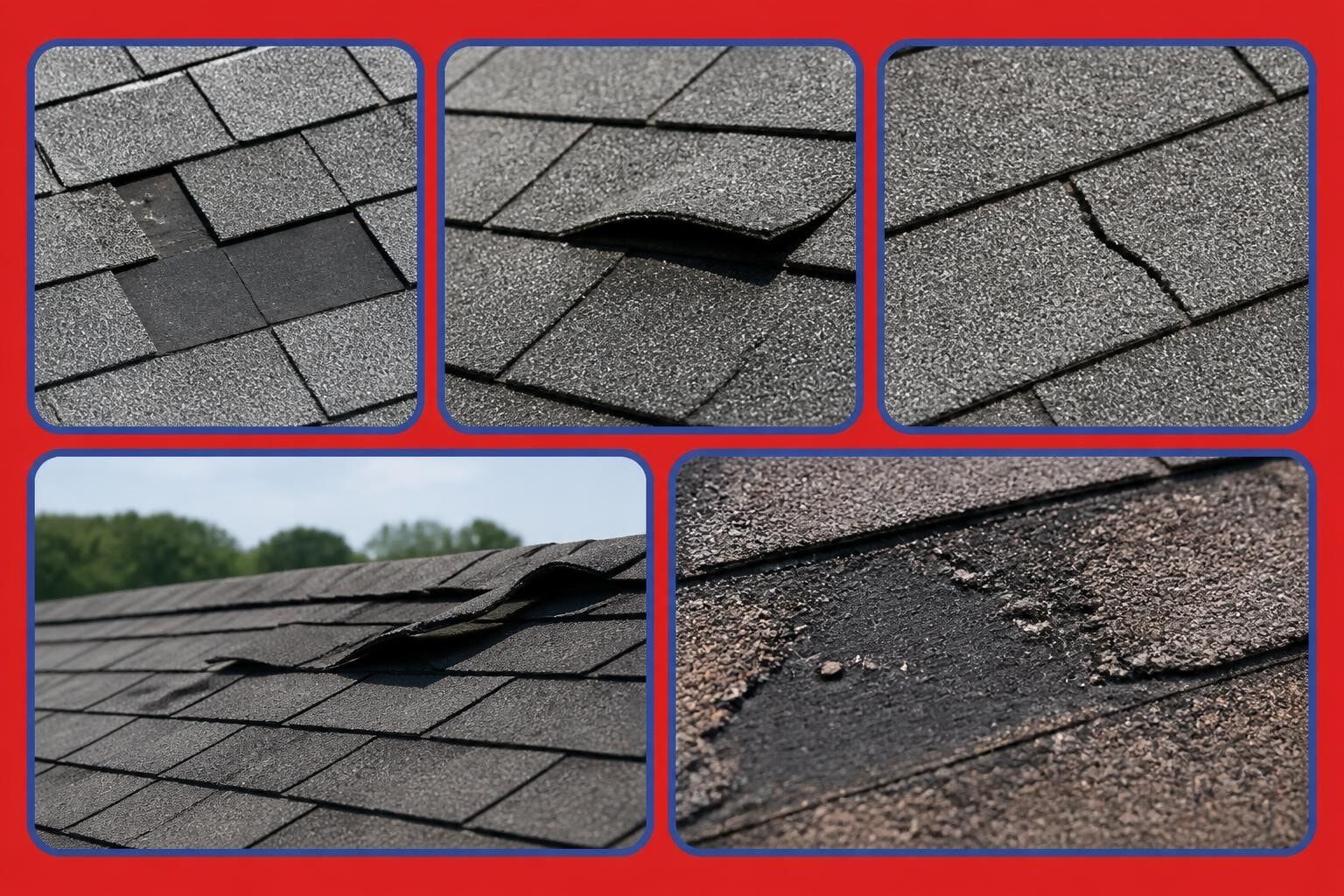
Asphalt shingles protect millions of American homes, but even the most durable roofing systems eventually need attention. Whether from severe storms, age-related wear, or installation defects, damaged shingles compromise your home's first line of defense against the elements. Understanding when and how to address shingle problems can save thousands of dollars and prevent extensive interior damage. For homeowners in the Joliet area and across the Midwest, where seasonal temperature swings and severe weather are common, knowing the fundamentals of shingle repair is essential to maintaining property value and structural integrity.
Understanding When Shingle Repair Is Necessary
Catching shingle damage early dramatically reduces repair costs and prevents secondary issues like water intrusion, mold growth, and deck deterioration. Most homeowners should inspect their roofs twice annually, ideally in spring and fall, though post-storm inspections are equally critical.
Common Signs of Shingle Damage
Visual indicators tell you when professional intervention is needed. Missing shingles create obvious gaps in your roof's protective layer, while curled or cupped shingles suggest moisture problems or natural aging. Cracked shingles often result from thermal cycling, hail impact, or physical trauma from falling branches.
Granule loss reveals itself through bare spots on shingles or excessive granules in gutters and downspouts. These ceramic-coated granules protect the asphalt layer from UV degradation and add fire resistance. When they wash away, the underlying mat becomes vulnerable to accelerated weathering.
Additional warning signs include:
- Daylight visible through roof boards from the attic
- Water stains on interior ceilings or walls
- Sagging areas suggesting deck damage
- Moss or algae growth indicating moisture retention
- Lifted or unsealed shingle edges vulnerable to wind
The NRCA technical guidelines provide detailed documentation of common defects and their causes, helping homeowners and contractors identify problems before they escalate.

Types of Shingle Damage and Repair Methods
Different damage patterns require distinct repair approaches. Understanding the cause helps determine whether spot repairs suffice or whether broader intervention is necessary.
Wind Damage Repairs
Wind can lift unsealed shingles, tear off entire sections, or create creases that compromise waterproofing. According to the Asphalt Roofing Manufacturers Association, properly installed asphalt shingles resist winds up to 110 mph when sealed correctly. Repairing wind damage typically involves replacing missing shingles and re-securing lifted tabs with roofing cement and nails.
Individual shingle replacement works when damage is localized. Contractors carefully lift surrounding shingles, remove damaged pieces, slide new shingles into position, and secure them according to manufacturer specifications. The challenge lies in matching existing shingles, particularly when the roof is more than five years old and weathering has altered color.
Hail Impact Restoration
Hail creates distinctive circular bruises or cracks that may not leak immediately but reduce the shingle's service life. The Insurance Institute for Business & Home Safety conducts ongoing research into impact resistance ratings, helping homeowners understand vulnerability based on shingle class.
| Hail Size | Potential Damage | Typical Response |
|---|---|---|
| < 1 inch | Minimal cosmetic bruising | Monitor condition |
| 1-1.75 inches | Granule loss, mat exposure | Spot repairs or claim evaluation |
| > 2 inches | Fractured shingles, deck damage | Full assessment, likely replacement |
Professional inspection after significant hail events is crucial because damage may not be immediately visible from ground level.
Thermal Cracking and Age-Related Issues
Temperature fluctuations cause asphalt to expand and contract, eventually leading to cracks that typically run parallel to the roof edge. These thermal cracks indicate aging and suggest the entire roof may be approaching the end of its service life. While individual cracked shingles can be replaced, widespread cracking across multiple roof planes usually signals the need for comprehensive residential roofing replacement rather than continued patching.
DIY Versus Professional Shingle Repair
Safety concerns and technical complexity make professional repair the preferred option for most homeowners. The OSHA fact sheet on reducing falls during roof work emphasizes that falls from roofs represent a leading cause of construction fatalities and serious injuries, even on single-story residences.
When Homeowners Can Handle Repairs
Accessible, low-slope areas with minor damage might be suitable for confident DIYers with proper safety equipment. Replacing a few missing shingles on a single-story garage with a gentle pitch presents manageable risk for someone comfortable working at heights.
Basic repair supplies needed:
- Matching replacement shingles
- Roofing nails (typically 1¼-inch galvanized)
- Roofing cement or sealant
- Pry bar or shingle removal tool
- Utility knife
- Caulking gun
- Fall protection equipment (harness, rope, anchor)
The process involves carefully lifting the shingles above the damaged area, removing nails from the damaged piece, sliding it out, positioning the replacement, and securing it with nails before sealing edges. Consumer Reports roofing guidance offers practical advice for material selection and basic maintenance procedures.
Why Professional Repair Makes Sense
Complex repairs, steep pitches, two-story homes, or extensive damage require professional expertise. Licensed contractors carry liability insurance, workers' compensation coverage, and specialized equipment that homeowners typically lack. They also understand building codes, manufacturer specifications, and proper flashing integration.
Professional roofing repair costs vary based on extent of damage, roof accessibility, and material matching requirements, but the investment ensures warranty-compliant work that protects your home's structural integrity. Working with established contractors like Great Roofing provides access to bulk material pricing, manufacturer certifications, and comprehensive workmanship guarantees.
Cost Factors in Shingle Repair Projects
Understanding pricing components helps homeowners budget appropriately and evaluate contractor estimates. Multiple variables influence final project costs, making detailed estimates essential.
Material and Labor Breakdown
Shingle costs themselves represent a relatively small portion of repair expenses. Standard three-tab shingles cost between $90-$120 per square (100 square feet) in 2026, while architectural shingles range from $120-$250 per square depending on quality and manufacturer. Premium products with enhanced impact resistance or reflective properties command higher prices.
Labor typically accounts for 60-70% of total repair costs. Factors affecting labor expense include:
- Roof pitch and accessibility – Steeper slopes require additional safety equipment and slower work pace
- Height of structure – Multi-story buildings increase setup time and risk
- Extent of damage – Scattered repairs cost more per shingle than concentrated areas
- Material matching difficulty – Discontinued products may require special ordering
- Underlying deck condition – Rotted sheathing adds significant expense
| Repair Scope | Typical Cost Range | Timeline |
|---|---|---|
| Individual shingle replacement (5-10) | $200-$500 | 2-4 hours |
| Section repair (50-100 sq ft) | $500-$1,200 | Half day |
| Full slope replacement | $2,500-$6,000 | 1-2 days |
| Complete roof replacement | $8,000-$18,000+ | 2-5 days |
These estimates reflect typical Midwest pricing for standard asphalt shingle work and may vary based on local market conditions and specific project requirements.
Hidden Costs to Consider
Comprehensive repair budgets account for potential complications discovered during work. Deck damage beneath failed shingles adds $50-$100 per sheet of OSB or plywood replacement. Deteriorated flashing around chimneys, vents, or valley areas requires additional materials and skilled labor.
Permit fees vary by municipality, though many jurisdictions exempt minor repairs from permitting requirements. Dumpster rental or disposal fees apply when significant material removal is involved, typically adding $300-$600 to project costs.
Timing Shingle Repair for Optimal Results
Weather conditions and seasonal factors significantly impact repair quality and longevity. Strategic timing ensures proper adhesive bonding and minimizes weather-related complications.
Ideal Weather Conditions
Asphalt shingle installation and repair requires temperatures above 40°F for optimal sealant activation. The thermally activated adhesive strips on most shingles need warmth to bond properly, creating the weather-tight seal that resists wind uplift. Work performed in cold temperatures may appear complete but fail to seal adequately, leaving shingles vulnerable during the next storm.
Optimal repair windows include:
- Late spring (May-June) after winter damage assessment
- Early fall (September-October) before winter weather
- Mild summer days avoiding extreme heat above 85°F
- Dry periods with at least 24-48 hours of predicted clear weather
Extreme heat above 90°F makes shingles soft and easily damaged during installation. Contractors walking on hot shingles may leave permanent footprints or scuff marks. Morning work during hot spells minimizes this risk.
Emergency Repair Considerations
Severe damage sometimes necessitates emergency intervention regardless of weather. Temporary repairs using tarps or plastic sheeting prevent immediate water intrusion until permanent repairs can proceed safely. These stopgap measures require careful securing to prevent wind damage while avoiding additional roof penetrations.
Professional contractors maintain emergency response capabilities for urgent situations. A qualified roof repair expert can assess damage quickly and implement temporary protection before scheduling comprehensive permanent repairs during favorable weather.
Preventive Maintenance to Minimize Repair Needs
Proactive care extends shingle life and reduces emergency repair frequency. Regular maintenance costs significantly less than reactive repairs and helps homeowners budget for eventual replacement.
Annual Inspection Protocol
Systematic visual inspections identify minor issues before they become major problems. Homeowners should examine their roofs from ground level using binoculars, looking for obvious damage signs. However, professional inspections every three to five years provide comprehensive assessment that untrained eyes might miss.
Professional inspectors examine:
- Shingle condition across all roof planes
- Flashing integrity around penetrations
- Ventilation adequacy and soffit condition
- Gutter and downspout function
- Evidence of wildlife activity or vegetation growth
- Attic moisture indicators and ventilation
Ask Extension roofing resources provide research-backed guidance on identifying common problems and implementing basic preventive measures.
Debris Removal and Cleaning
Accumulated leaves, branches, and organic matter trap moisture against shingles, accelerating deterioration and promoting algae or moss growth. Regular gutter cleaning prevents water backup that can infiltrate under shingles along eaves.
Moss removal requires gentle techniques to avoid damaging granules. Zinc or copper strips installed near roof peaks release ions during rainfall that inhibit organic growth. Professional cleaning services use appropriate chemicals and low-pressure washing techniques that preserve shingle integrity.
Tree trimming reduces debris accumulation and prevents branch damage during storms. Maintaining at least six feet of clearance between tree limbs and roof surfaces minimizes both physical damage risk and organic matter accumulation.
Energy Efficiency Considerations in Shingle Selection
When replacement becomes necessary, energy-efficient shingle choices reduce cooling costs and may qualify for tax incentives. These considerations matter even for partial repairs if matching existing materials proves difficult.
Cool Roofing Technology
Reflective shingles with specialized granule coatings reflect more solar radiation than traditional products, reducing heat absorption. The Department of Energy’s cool shingle research demonstrates that these products can lower roof surface temperatures by 20-30°F compared to conventional shingles.
Energy Star-rated cool shingles are particularly beneficial in attic spaces with inadequate insulation or ventilation. Lower roof temperatures reduce cooling load, extend shingle life, and improve attic comfort. While cool shingles cost 10-15% more than standard products, energy savings typically recover the premium within five to seven years in warmer climates.
Long-Term Value Analysis
Higher-quality shingles with enhanced warranties may cost more initially but provide superior durability and reduced maintenance. Impact-resistant shingles rated Class 4 often qualify for insurance discounts that offset their higher material costs. Some insurers reduce premiums by 10-30% for homes with impact-resistant roofing in hail-prone areas.
When evaluating the cost of asphalt shingles for repair or replacement, considering total lifecycle costs rather than just initial material expense provides better value assessment. Premium architectural shingles typically last 30-40 years versus 20-25 years for basic three-tab products.
Insurance Claims and Documentation
Many shingle repairs qualify for insurance coverage, particularly when storm damage is documented properly. Understanding the claims process helps homeowners maximize benefits while avoiding common pitfalls.
Documenting Damage Effectively
Photographic evidence strengthens insurance claims significantly. Homeowners should photograph damage from multiple angles, including close-ups showing specific shingle problems and wider shots establishing extent. Interior water damage photos connecting roof failure to property damage support comprehensive claims.
Date-stamped documentation proves damage timing, which matters for claims filed under specific events like named storms. Weather service reports confirming hail size or wind speed in your area provide supporting evidence for weather-related damage claims.
Working with Insurance Adjusters
Professional roofing contractors experienced in insurance work can assist with adjuster meetings and estimate preparation. Reputable contractors provide detailed scope of work documents that itemize all necessary repairs, helping ensure adjusters account for all damage.
Some contractors offer to "work with your insurance" or "pay your deductible," but these practices may violate insurance fraud statutes. Legitimate contractors provide accurate estimates and allow homeowners to handle insurance negotiations directly or through public adjusters.
Warranty Considerations and Contractor Selection
Understanding warranty coverage and selecting qualified contractors ensures repair longevity and recourse if problems develop.
Manufacturer Versus Workmanship Warranties
Material warranties from shingle manufacturers typically cover defects in the product itself, offering prorated coverage for 25-50 years depending on the product line. These warranties require proper installation according to manufacturer specifications and often become void if repairs use incompatible materials or methods.
Workmanship warranties from contractors cover installation quality for periods ranging from one to ten years. Premium contractors offer longer workmanship guarantees backed by their reputation and financial stability. HUD repair standards provide baseline quality expectations for federally assisted housing that can guide general repair quality benchmarks.
Contractor Vetting Process
Selecting qualified contractors requires checking multiple credentials:
- Licensing verification – Confirm required state and local licenses are current
- Insurance confirmation – Request certificates of liability and workers' compensation coverage
- References and reviews – Contact recent customers and check online reputation
- Manufacturer certifications – Preferred installers often provide enhanced warranties
- Written estimates – Compare detailed proposals from at least three contractors
- Contract clarity – Ensure agreements specify materials, timeline, payment schedule, and warranties
Working with established local contractors provides accountability and local market knowledge. Family-owned operations often deliver personalized service and stand behind their work through strong community reputation.
Material Matching Challenges in Partial Repairs
One of the most difficult aspects of shingle repair involves finding products that blend with existing roofing. Color variation from weathering and manufacturing changes complicates seamless repairs.
Color Fade and Weathering
UV exposure lightens shingle colors over time, while organic growth can darken them. Even when exact product matches are available, new shingles appear noticeably different against weathered surroundings. This contrast is particularly visible on prominent roof planes facing streets.
Strategic shingle placement minimizes visual impact. Installing new shingles on less visible rear slopes or blending them across larger sections rather than small patches improves appearance. Some contractors suggest replacing entire visible planes rather than small sections when aesthetics matter significantly.
Discontinued Product Solutions
Manufacturers regularly update product lines, discontinuing colors and styles. When exact matches are unavailable, contractors may source similar products from the same manufacturer's current lineup or locate remaining stock through specialty suppliers.
Architectural shingles with dimensional profiles offer more forgiving color variation than flat three-tab products. Their shadow lines and varied tones naturally camouflage slight color differences better than uniform flat shingles.
Regional Considerations for Joliet-Area Homes
Local climate patterns and building practices influence shingle performance and repair strategies in the Joliet region and surrounding Illinois communities.
Midwest Weather Impact
The Chicago metropolitan area, including Joliet, experiences temperature extremes ranging from below-zero winters to 90°F-plus summer heat. This thermal cycling stresses asphalt shingles through continuous expansion and contraction, accelerating aging compared to more temperate climates.
Ice dam formation along eaves during winter creates unique challenges. Proper attic insulation and ventilation prevent the heat loss that causes ice dams, but existing homes often lack adequate protection. Repair projects should address underlying causes rather than just replacing damaged shingles.
Local Building Code Requirements
Illinois building codes follow International Residential Code (IRC) standards with local amendments. While minor repairs may not require permits, substantial work involving structural components or significant portions of the roof typically needs approval.
Working with contractors familiar with local requirements ensures compliance. Building inspectors evaluate work quality, protecting homeowners from substandard repairs that could compromise safety or void insurance coverage.
Understanding shingle repair fundamentals empowers homeowners to make informed decisions about maintenance, budgeting, and contractor selection while recognizing when professional intervention provides the best value and protection. Whether addressing storm damage, planning preventive maintenance, or evaluating repair versus replacement options, the principles outlined here provide a solid foundation for protecting your roofing investment. For expert shingle repair services backed by decades of family-owned reliability and comprehensive warranties, Great Roofing serves Joliet and surrounding communities with professional assessments, quality workmanship, and transparent pricing that puts your home's protection first.