

When your home needs a new roof or repairs, choosing the right shingle roofing company can mean the difference between a roof that lasts decades and one that requires constant maintenance. Asphalt shingles remain the most popular roofing material in the United States, covering approximately 75% of residential properties, but the quality of installation matters just as much as the materials themselves. Understanding what separates exceptional contractors from mediocre ones helps homeowners make informed decisions that protect their most valuable investment.
What Sets Professional Shingle Roofing Companies Apart
Not all roofing contractors operate with the same standards, expertise, or commitment to quality. A professional shingle roofing company distinguishes itself through several key characteristics that directly impact the longevity and performance of your roof.
Industry Certifications and Training
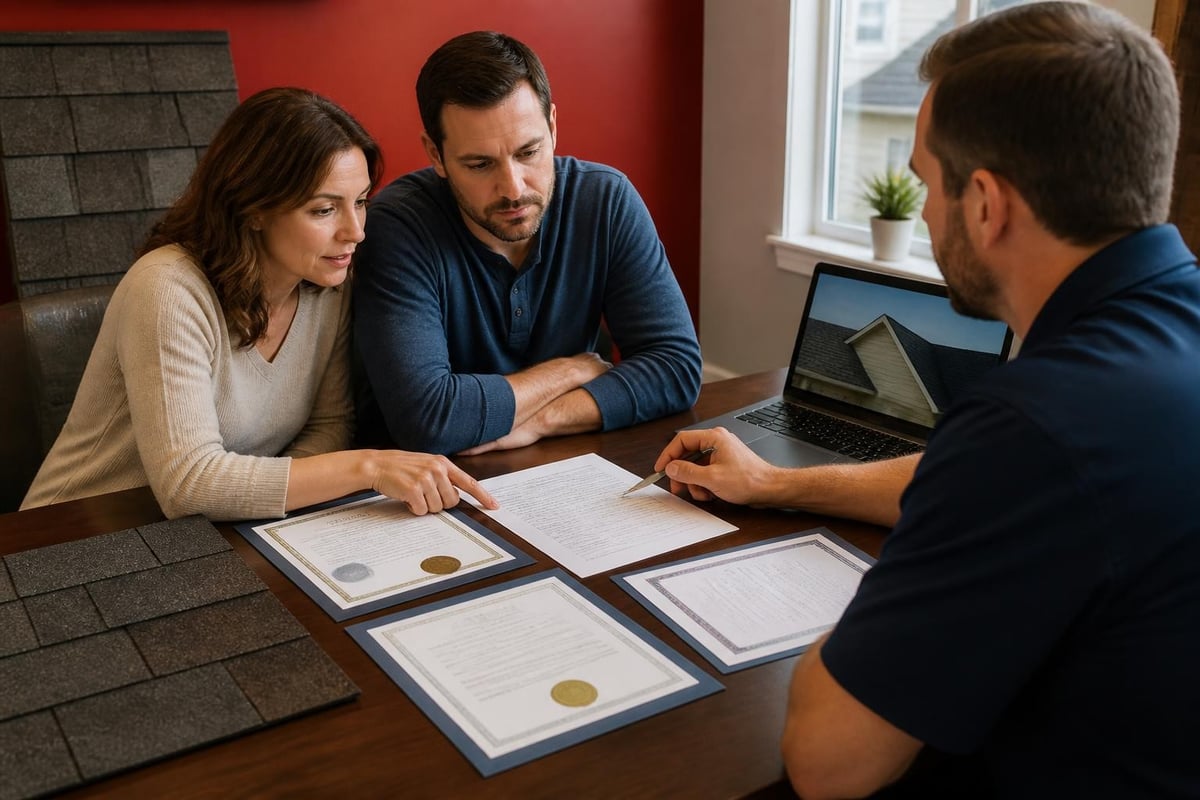
The best shingle roofing contractors maintain active memberships with organizations like the National Roofing Contractors Association, which provides ongoing education and industry standards. These certifications demonstrate a commitment to staying current with evolving techniques, materials, and building codes.
Key certifications to look for include:
- Manufacturer certifications from major shingle producers
- OSHA safety training compliance
- State and local licensing requirements
- Workers' compensation and liability insurance
- Better Business Bureau accreditation
Many regional associations, such as the Chicago Roofing Contractors Association’s Steep & Shingle Committee, provide specialized training for contractors working with steep-slope applications. This education ensures installers understand the nuances of different roof pitches and architectural styles.
Experience with Various Shingle Types
A qualified shingle roofing company should demonstrate expertise across multiple product categories. While asphalt shingles dominate the market, professional contractors understand the installation requirements for specialized materials as well.
| Shingle Type | Typical Lifespan | Best Applications | Installation Complexity |
|---|---|---|---|
| 3-Tab Asphalt | 15-20 years | Budget-conscious projects | Low |
| Architectural | 25-30 years | Most residential homes | Moderate |
| Premium Designer | 30-50 years | High-end properties | High |
| Cedar Shakes | 30-40 years | Traditional aesthetics | High |
| Slate | 75-100+ years | Historic restoration | Very High |
Quality contractors stay informed about resources like the Cedar Shake & Shingle Bureau for natural wood products and understand when specific materials suit particular architectural styles or climate conditions.
The Installation Process: What to Expect
Professional installation separates adequate roofs from exceptional ones. When you hire a reputable shingle roofing company, the process should follow industry best practices at every stage.
Initial Inspection and Assessment
Before any work begins, thorough inspection determines the scope of the project. Experienced contractors examine not just the visible shingles but also:
- Decking condition and structural integrity
- Ventilation system adequacy
- Flashing around chimneys, vents, and valleys
- Gutter and drainage functionality
- Previous repair work and existing damage
This comprehensive evaluation prevents surprises during installation and ensures accurate project estimates. Companies specializing in roof damage insurance claims can also help document pre-existing conditions for insurance purposes.
Proper Material Selection
Choosing appropriate shingles involves more than picking a color. A knowledgeable shingle roofing company guides homeowners through considerations including:
Climate-specific features such as algae-resistant granules for humid regions, impact-resistant ratings for hail-prone areas, and cool-roof technology for hot climates all affect long-term performance. The NRCA’s 2025 Roofing Manual provides comprehensive guidance on material selection based on environmental factors.
Warranty considerations vary significantly between manufacturers. Some offer 50-year material warranties but only 10-year workmanship coverage, while others provide enhanced protection when installed by certified contractors.
Installation Standards and Techniques
The actual installation process reveals a contractor's true expertise. Professional teams follow systematic approaches that ensure proper protection.
Deck preparation includes removing all old materials, inspecting and repairing sheathing, and installing proper underlayment. Many contractors now use synthetic underlayments that offer superior tear resistance and weather protection compared to traditional felt paper.
Valley treatment represents one of the most critical aspects of shingle installation. Water concentrates in these areas, making proper flashing and shingle placement essential. Quality contractors use either open-valley metal flashing or closed-valley weaving techniques, depending on the roof design and manufacturer specifications.
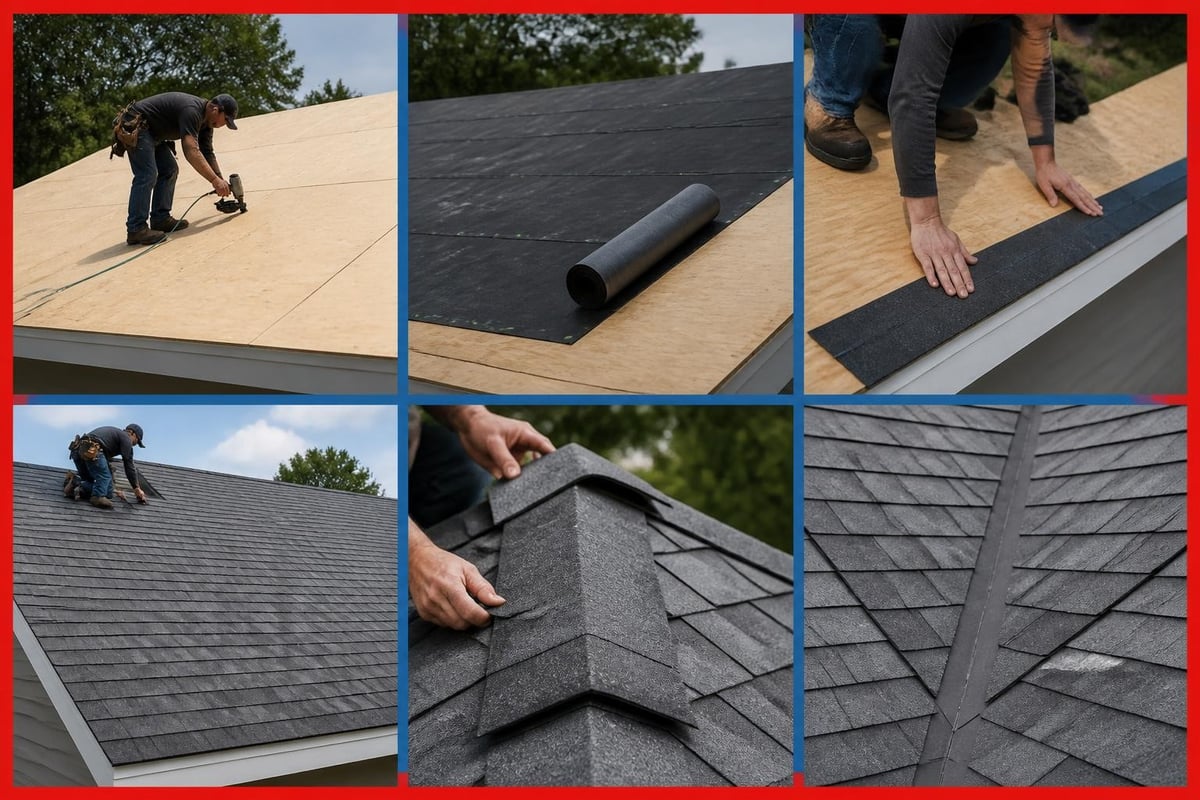
Proper nailing patterns prevent premature failure. Each shingle requires four to six nails placed in manufacturer-specified locations. Hand-nailing allows for precise placement, while pneumatic nailers increase speed when operators maintain proper pressure settings and angle.
Maintenance and Long-Term Performance
Even the best installation requires ongoing attention to maximize lifespan. A responsible shingle roofing company educates clients about residential roof maintenance practices that prevent minor issues from becoming major problems.
Regular Inspection Schedules
Annual inspections should include:
- Visual assessment from ground level
- Close examination of flashings and penetrations
- Gutter cleaning and drainage verification
- Attic inspection for moisture or ventilation issues
- Documentation of any changes or concerns
Professional contractors often offer maintenance programs that include scheduled inspections, minor repairs, and priority emergency service. These programs extend roof life significantly while maintaining warranty compliance.
Common Issues and Solutions
Understanding typical shingle problems helps homeowners recognize when professional intervention becomes necessary. Missing or damaged shingles after storms require prompt attention to prevent water infiltration. Companies experienced with roof repair after hail storms can assess impact damage that may not be immediately visible.
Granule loss appears as bare spots on shingles or excessive accumulation in gutters. While some granule shedding is normal, particularly with new shingles, accelerated loss indicates premature aging or defective materials.
Algae and moss growth create dark streaks that diminish curb appeal and can retain moisture. Professional cleaning or installation of zinc or copper strips provides effective prevention without voiding manufacturer warranties.
Cost Considerations and Value
Price represents a significant factor in contractor selection, but the lowest bid rarely delivers the best value. Understanding what influences shingle roofing company pricing helps homeowners make informed comparisons.
Factors Affecting Project Costs
Material quality creates the most obvious price variation. Basic 3-tab shingles cost $90-120 per square (100 square feet), while premium architectural shingles range from $150-250 per square. Designer options can exceed $400 per square.
Roof complexity significantly impacts labor costs. Simple gable roofs with few penetrations cost less per square foot than complex designs featuring multiple dormers, valleys, and skylights. Steep pitches require additional safety equipment and slower installation, increasing labor expenses.
| Cost Component | Percentage of Total | Impact on Quality |
|---|---|---|
| Materials | 40-50% | Direct |
| Labor | 30-40% | Critical |
| Disposal | 5-10% | Minimal |
| Permits/Insurance | 5-10% | Legal compliance |
| Overhead/Profit | 10-15% | Business sustainability |
Geographic location affects pricing through local labor rates, material availability, and permit requirements. Contractors serving Joliet and surrounding communities factor in regional cost variations when preparing estimates.
Return on Investment
Quality roofing provides excellent returns through multiple channels. Energy-efficient shingles reduce cooling costs by reflecting solar heat rather than absorbing it. Proper ventilation prevents premature deterioration and lowers attic temperatures.
Insurance savings often result from impact-resistant shingles, which many insurers reward with premium discounts. These Class 4 rated products withstand hail damage better than standard shingles, reducing claim frequency.
Resale value increases substantially with recently replaced roofs. Real estate studies consistently show that roof replacement recovers 60-70% of costs at sale, making it one of the highest-returning home improvements.
Selecting the Right Contractor for Your Project
Choosing among multiple shingle roofing companies requires systematic evaluation. Successful projects begin with thorough contractor vetting.
Questions to Ask During Consultations
How long have you been installing shingle roofs? Experience matters, particularly with complex architectural styles or challenging weather conditions. Companies operating for 10+ years demonstrate staying power and customer satisfaction.
What manufacturer certifications do you maintain? Certified installers receive enhanced warranty coverage and ongoing training. These partnerships indicate commitment to quality and manufacturer relationships.
Can you provide local references from recent projects? Speaking with neighbors who have used the contractor provides invaluable insight into work quality, communication, and problem resolution. Driving by completed projects reveals craftsmanship firsthand.
What does your warranty cover, and for how long? Understand both manufacturer material warranties and contractor workmanship guarantees. Quality companies stand behind their installations with substantial coverage periods.
Red Flags to Avoid
Certain warning signs indicate contractors who may not deliver satisfactory results:
- Requesting full payment upfront
- Lacking proper insurance or licensing
- Offering prices dramatically below competitors
- Pressure tactics or limited-time offers
- No physical business address
- Unwilling to provide written contracts
- Using subcontractors without disclosure
Door-to-door solicitors following storms often represent the highest risk. While some legitimate contractors canvass affected neighborhoods, many storm-chasers perform substandard work and disappear before problems emerge.

Specialized Services and Capabilities
Comprehensive shingle roofing companies offer services beyond basic installation that add value to homeowner relationships.
Storm Damage Assessment
Severe weather frequently damages shingle roofs through hail impact, wind uplift, or debris strikes. Experienced contractors understand documentation requirements for insurance claims and work directly with adjusters to ensure proper coverage. Asphalt shingle roofing systems designed for local climate conditions reduce future storm vulnerability.
Ventilation Optimization
Proper attic ventilation extends shingle life significantly by reducing heat buildup and moisture accumulation. Professional contractors calculate ventilation requirements based on attic square footage and install balanced intake and exhaust systems. Ridge vents, soffit vents, and gable vents work together to create continuous airflow.
Emergency Repair Services
Unexpected damage requires immediate attention to prevent interior water damage. Reliable shingle roofing companies maintain emergency response capabilities, providing temporary protection until permanent repairs can be completed. This service proves particularly valuable during severe weather events affecting multiple properties simultaneously.
Technology and Innovation in Shingle Roofing
The roofing industry continues evolving with new materials, techniques, and technologies that improve performance and efficiency.
Advanced Shingle Materials
Modern shingles incorporate sophisticated features unavailable just a decade ago. Polymer-modified asphalt provides enhanced flexibility in cold weather and improved resistance to UV degradation. Cool-roof granules reflect infrared radiation, reducing heat absorption by up to 30%.
Impact-resistant shingles use modified asphalt and reinforced mats to withstand hail damage. These products meet UL 2218 Class 4 standards, the highest impact rating available. Some manufacturers now offer 15-year algae warranties on products featuring copper-infused granules.
Installation Equipment Improvements
Professional contractors invest in equipment that improves both quality and efficiency. Pneumatic nailers with depth adjustment ensure consistent nail placement without overdriving. Drone technology enables detailed roof inspections without risking installer safety on steep or damaged sections.
Digital measurement systems using aerial imagery produce accurate material estimates, reducing waste and project costs. These tools create precise roof diagrams showing every plane, valley, and penetration.
Sustainable Practices
Environmental consciousness influences modern roofing practices. Recycling programs divert old shingles from landfills, converting them into asphalt paving material. Some shingle roofing companies participate in manufacturer take-back programs or partner with local recycling facilities.
Energy-efficient products reduce environmental impact during the roof's service life. Solar-reflective shingles lower cooling loads, decreasing electricity consumption and carbon emissions. These benefits appeal to environmentally conscious homeowners while providing tangible utility savings.
Regional Considerations for Illinois Homeowners
Climate and building codes create unique requirements for properties in the Joliet area and surrounding communities. Local expertise matters when selecting a shingle roofing company familiar with regional challenges.
Weather Pattern Impact
Illinois experiences diverse weather throughout the year. Summer storms bring heavy rain and occasional hail, while winter brings freeze-thaw cycles that stress roofing materials. Quality contractors understand how these conditions affect product selection and installation techniques.
Wind ratings become particularly important in open areas where sustained winds and gusts test shingle adhesion. Properly installed architectural shingles resist winds exceeding 110 mph when high-wind installation methods are employed.
Local Code Compliance
Building codes vary between municipalities, affecting permit requirements, inspection procedures, and material specifications. Experienced local contractors navigate these requirements efficiently, securing necessary approvals and scheduling inspections without delays.
Great Roofing maintains familiarity with code requirements throughout their service area, ensuring compliant installations that pass inspection the first time. This expertise saves homeowners time and prevents costly corrections.
Selecting a qualified shingle roofing company represents one of the most important decisions homeowners make regarding their property investment. By prioritizing experience, certifications, proper installation techniques, and comprehensive warranties, you ensure your roof provides decades of reliable protection. Great Roofing brings family-owned dedication and professional expertise to every residential roofing project throughout the Joliet area, combining quality materials with skilled craftsmanship. Contact Great Roofing today to schedule your free consultation and discover how proper shingle installation protects your home for years to come.