

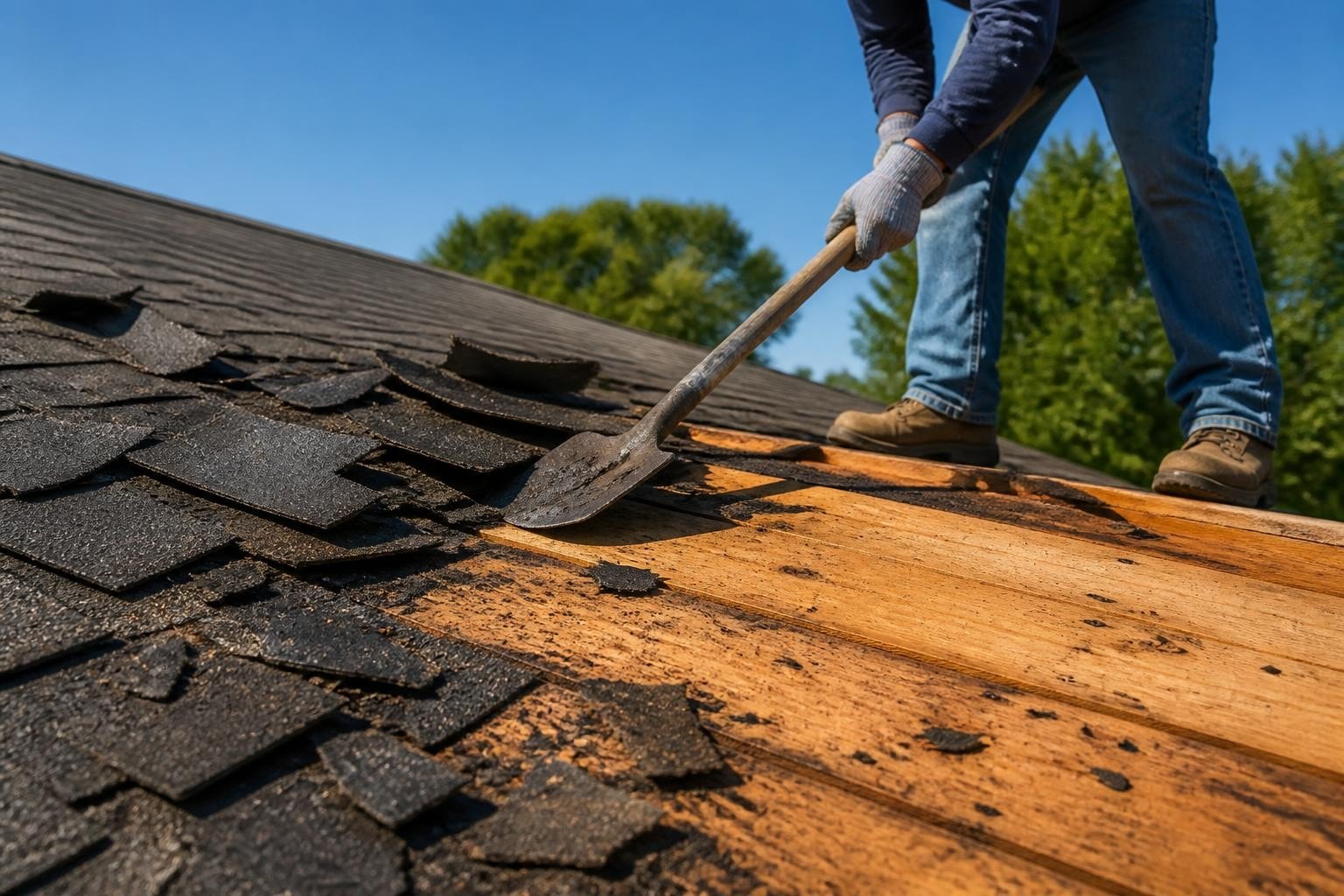
When your roof reaches the end of its serviceable life, you face an important decision: remove the old shingles completely or install new ones over the existing layer. A shingle tear off involves stripping away all existing roofing materials down to the deck, creating a clean foundation for your new roof. This comprehensive removal process offers significant advantages over overlay methods, including better deck inspection, improved ventilation, and compliance with building codes. Understanding what happens during this critical phase helps homeowners make informed decisions about their roofing investment and prepares them for the process ahead.
Understanding the Shingle Tear Off Process
The complete removal of existing roofing materials represents a fundamental step in most professional roof replacement projects. This methodical process exposes the underlying structure, allowing contractors to assess the condition of your roof deck and address hidden problems before installing new materials.
What Makes a Complete Tear Off Necessary
Several factors determine whether your roof requires complete material removal. Building codes in most jurisdictions limit the number of shingle layers allowed on residential structures, typically restricting installations to two or three layers maximum. When your existing roof already has multiple layers, adding another becomes prohibited by code.
Structural concerns also necessitate complete removal:
- Visible deck damage or sagging
- Water stains on interior ceilings indicating leaks
- Age exceeding 20-25 years for asphalt shingles
- Significant curling, cupping, or missing shingles
- Granule loss exposing the asphalt layer
A shingle roofing company can assess whether your existing roof condition warrants complete removal. Hidden moisture damage, rotted decking, or compromised ventilation systems often remain undetectable until the old materials come off. The National Roofing Authority explains the detailed roofing tear-off process and when it becomes mandatory for safety and code compliance.
Benefits Beyond Simple Replacement
Choosing a full shingle tear off over an overlay delivers measurable long-term advantages. First, it extends the lifespan of your new roof by ensuring proper installation on a sound substrate. Second, it allows for comprehensive deck repairs that prevent future failures. Third, it provides an opportunity to upgrade ventilation systems, which directly impacts energy efficiency and roof lifespan.
The removal process also reveals previously hidden issues with flashing, valleys, and penetrations. Addressing these problems during replacement prevents premature failures and water intrusion that could compromise your home's interior.
Preparation and Safety Considerations
Professional contractors implement extensive preparation measures before beginning the physical removal work. These steps protect your property, ensure worker safety, and streamline the entire project timeline.
Property Protection Measures
A quality roofing contractor takes specific actions to safeguard your home and landscaping during the tear off phase. Tarps cover plants, shrubs, and delicate landscaping elements near the work zone. Magnetic sweepers collect stray nails from driveways and lawns. Plywood boards protect air conditioning units and other exterior equipment from falling debris.
Inside your home, vibrations from the tear off process can dislodge items from walls and shelves. Homeowners should remove fragile decorations, mirrors, and wall hangings from rooms directly beneath the work area. Moving vehicles out of the driveway and garage provides clear access for dumpsters and equipment.
| Preparation Task | Timeline | Responsibility |
|---|---|---|
| Clear yard obstacles | 1-2 days before | Homeowner |
| Install protective tarps | Morning of project | Contractor |
| Position dumpster | Day before | Contractor |
| Interior preparation | Evening before | Homeowner |
| Weather monitoring | Ongoing | Both parties |
Equipment and Tool Requirements
The right tools make the shingle tear off process efficient and minimize deck damage. Roofing shovels feature specially designed blades that slide beneath shingles, prying up nails and materials simultaneously. Specialized shingle tear-off tools reduce physical strain while increasing productivity compared to traditional methods.
Professional crews also utilize roof jacks and scaffolding systems that provide stable working platforms on steep pitches. Nail pullers, flat bars, and reciprocating saws handle stubborn fasteners and damaged materials. Debris chutes direct removed materials into strategically positioned dumpsters, maintaining site organization throughout the project.
The Step-by-Step Removal Process
Understanding each phase of the tear off helps homeowners anticipate progress and recognize quality workmanship. The systematic approach ensures thorough removal while preserving the structural integrity of your roof deck.
Initial Material Removal
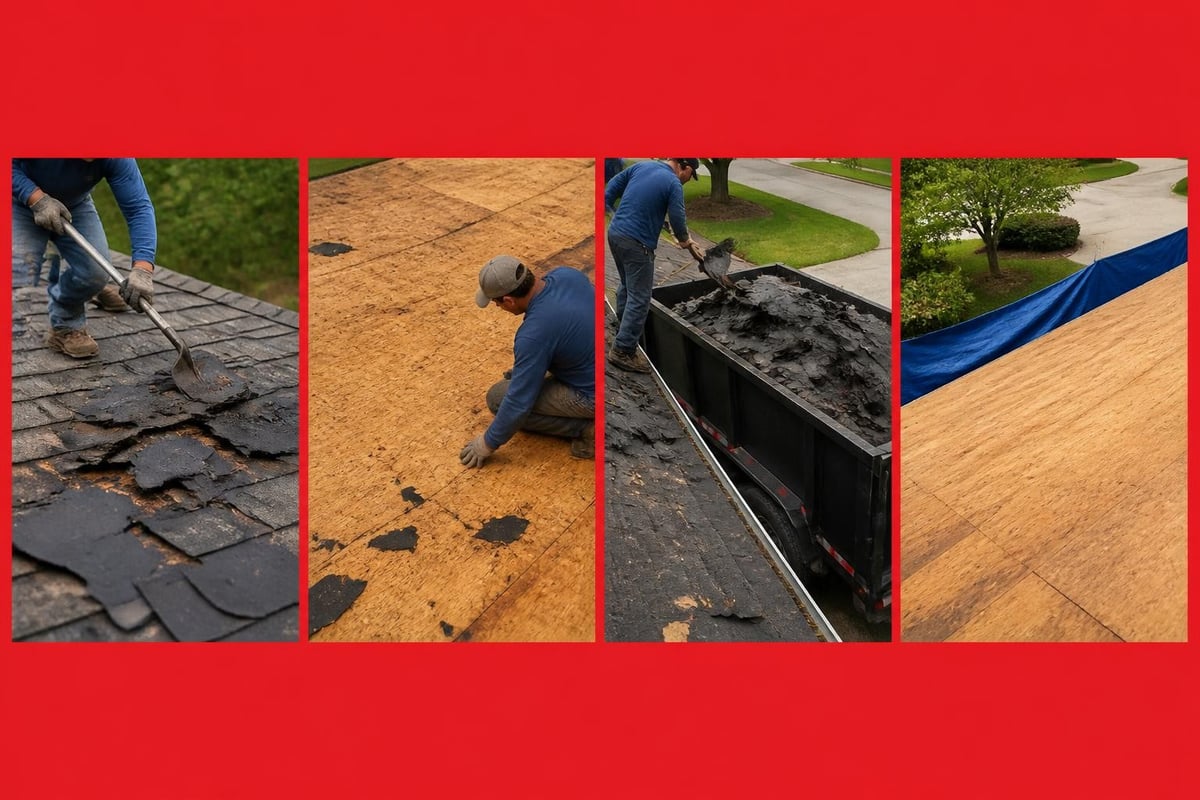
Work typically begins at the roof peak and progresses downward toward the eaves. This top-down approach prevents workers from standing on already-removed sections and allows debris to fall naturally toward collection points. Contractors section the roof into manageable areas, completely stripping one zone before moving to the next.
The removal sequence follows this pattern:
- Remove ridge caps and hip shingles
- Strip field shingles working from peak to eave
- Extract valley materials and flashing
- Pull all remaining nails from the deck
- Clean the deck surface of debris and staples
The process generates significant debris. A typical 2,000-square-foot roof produces approximately three tons of material requiring disposal. Efficient debris management keeps the work site safe and maintains project momentum.
Deck Inspection and Repairs
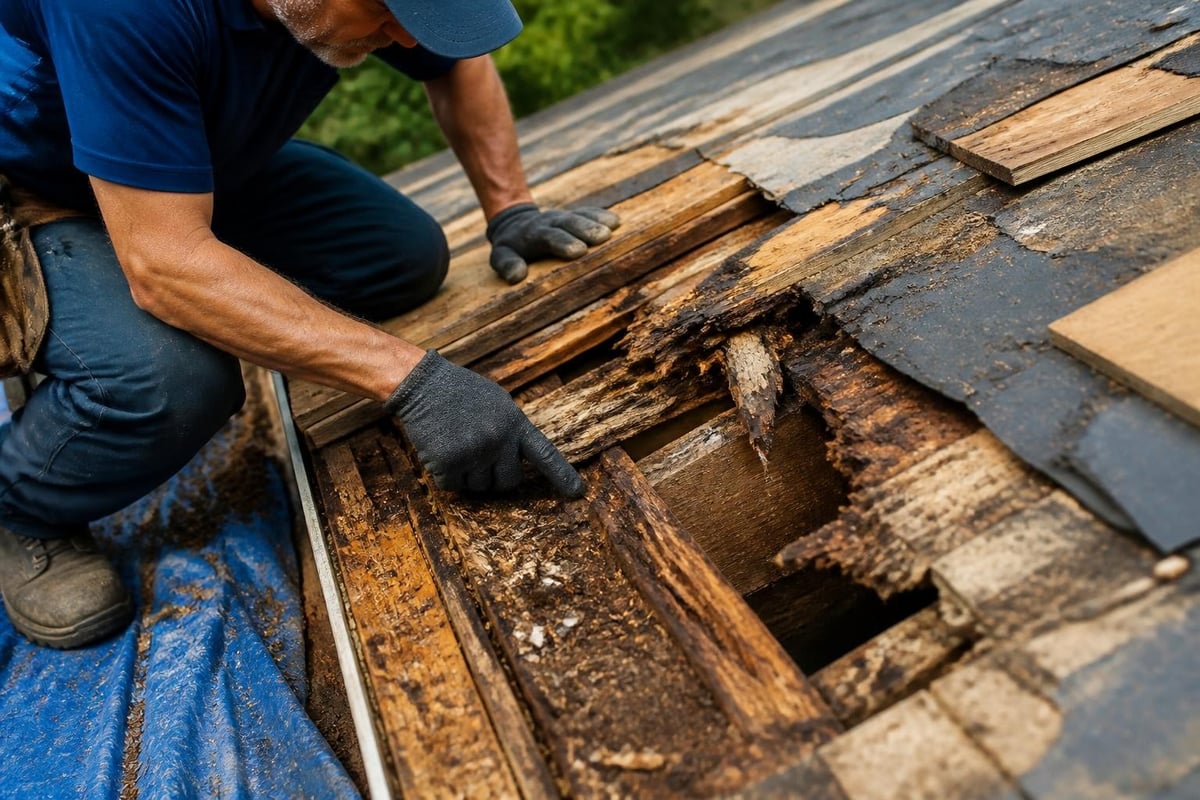
Once all old materials are removed, the roof deck receives a comprehensive inspection. Contractors walk the entire surface, examining each sheet of plywood or board for damage indicators. Soft spots signal water damage requiring replacement. Warped sections need attention before new materials go down.
This inspection phase represents one of the primary advantages of complete tear off versus overlay methods, as explained in this comparison of roofing overlay versus tear-off. Hidden problems that would compromise a new roof's performance become visible and addressable.
Damaged decking sections get cut out and replaced with matching materials. Contractors ensure new panels align with rafters for proper support. They also verify proper spacing between boards for expansion and contraction. This attention to deck condition directly impacts how well your new roof performs over its expected lifespan.
Cost Factors and Budget Planning
The financial investment in a complete shingle tear off varies based on multiple factors. Understanding these variables helps homeowners budget appropriately and evaluate contractor proposals accurately.
Primary Cost Drivers
Roof size represents the most significant cost factor, with contractors typically charging per square (100 square feet). A standard residential roof ranges from 1,500 to 3,000 square feet, translating to 15-30 squares. Beyond square footage, several elements influence the final price.
Key variables affecting tear off costs:
- Roof pitch: Steeper slopes require more safety equipment and labor time
- Number of existing layers: Multiple layers increase removal time and disposal costs
- Accessibility: Complex roof designs with multiple valleys and dormers add labor hours
- Disposal fees: Local landfill rates vary significantly by region
- Deck repairs: Extensive damage increases material and labor costs
The condition of your existing roof impacts costs substantially. If storm damage has compromised large deck sections, replacement materials and labor add to the baseline tear off expense. Homeowners in Joliet and surrounding areas should obtain detailed estimates that itemize tear off labor separately from new installation costs.
Insurance Coverage Considerations
Many homeowners don't realize their insurance policies may cover tear off costs when storm damage necessitates roof replacement. Wind, hail, and severe weather events often qualify for coverage, making it essential to document damage properly and file claims promptly.
Working with contractors experienced in roof damage insurance claims streamlines the process and maximizes your settlement. Insurance adjusters typically include tear off costs in their estimates when damage warrants complete replacement. However, coverage specifics vary by policy, and depreciation factors may reduce the payout for older roofs.
| Cost Component | Typical Range | Notes |
|---|---|---|
| Tear off labor | $1-$3 per sq ft | Varies by layers and pitch |
| Disposal fees | $500-$1,500 | Depends on roof size and local rates |
| Deck repairs | $2-$4 per sq ft | Only damaged sections |
| Additional flashing | $10-$25 per linear ft | Valleys, chimneys, vents |
Timeline Expectations and Weather Factors
Project duration represents a common homeowner concern. While installation of new shingles might take 1-2 days, the complete process including tear off extends the timeline and introduces weather-related variables.
Realistic Project Schedules
A standard residential shingle tear off takes 1-2 days for an experienced crew, depending on roof complexity and size. Simple gable roofs with single layers progress faster than complex hip roofs with multiple dormers and valleys. The step-by-step process outlined by Enterprise RFG demonstrates why proper tear off cannot be rushed.
Contractors typically remove old materials and install new underlayment in the same day whenever possible. This approach minimizes your home's exposure to weather. However, unexpected deck damage may extend the timeline as repairs must be completed before proceeding with installation.
Typical multi-day schedule breakdown:
- Day 1: Complete tear off, deck inspection, and initial repairs
- Day 2: Finish deck repairs, install underlayment and new shingles
- Day 3: Complete shingle installation, install flashing and trim
- Day 4: Final inspection and thorough cleanup
Weather-Related Delays
Rain represents the primary concern during roofing projects. While contractors can work in light drizzle during tear off, they cannot install new materials on wet decking. Professional crews monitor weather forecasts carefully and schedule projects during favorable conditions.
When unexpected weather threatens an exposed roof, contractors deploy tarps to protect the interior. Quality companies maintain emergency coverage protocols and prioritize securing your home before leaving the job site. This diligence prevents water damage that could cost thousands in repairs.
Temperature also affects project scheduling. Shingle installation requires specific temperature ranges for proper adhesive activation. Most manufacturers specify minimum temperatures between 40-50°F, making late fall and winter installations challenging in northern climates.
Working with Professional Contractors
The quality of your shingle tear off directly impacts your new roof's performance and longevity. Selecting qualified contractors and understanding their processes ensures optimal results.
Evaluating Contractor Qualifications
Professional roofing contractors carry proper licensing, insurance, and workers' compensation coverage. These protections safeguard homeowners from liability if accidents occur during the tear off process. Request certificates of insurance and verify coverage directly with insurance providers before signing contracts.
Experience matters significantly in roofing work. Contractors who specialize in residential roof projects understand the nuances of different shingle types, deck materials, and regional building codes. They also maintain relationships with quality suppliers and disposal facilities that streamline the tear off process.
References from recent clients provide valuable insights into contractor reliability and workmanship. Ask specifically about their tear off process, site cleanup, and how they handled unexpected problems. A contractor's response to complications reveals their problem-solving abilities and commitment to customer satisfaction.

Communication and Project Management
Clear communication prevents misunderstandings and ensures project success. Quality contractors provide detailed written estimates that separate tear off costs from installation expenses. They explain their process, anticipated timeline, and how they'll protect your property during work.
Daily communication keeps homeowners informed of progress and any issues discovered during the tear off phase. Contractors should document deck damage with photos and discuss repair options before proceeding with additional work. This transparency builds trust and prevents billing surprises.
For projects involving civil engineering considerations or complex structural modifications, collaboration with firms like ZALIG Consulting Ltd ensures proper engineering oversight. Their geotechnical and construction materials testing services provide additional assurance that repairs meet structural requirements.
Special Considerations and Challenges
Certain situations introduce unique complications to the shingle tear off process. Recognizing these scenarios helps homeowners prepare appropriately and budget for potential additional costs.
Historic or Specialized Roofing Materials
Older homes sometimes feature materials requiring special handling during removal. Wood shakes, slate, or tile roofs demand different techniques than standard asphalt shingles. Some materials may contain asbestos, particularly in homes built before the 1980s. The asbestos roof removal process requires certified professionals and strict safety protocols.
Testing suspected materials before tear off prevents health hazards and legal complications. When asbestos is confirmed, specialized abatement contractors must handle removal according to EPA regulations. These projects cost significantly more than standard tear offs but protect occupants and workers from dangerous fiber exposure.
Multiple Layer Removal
Homes with two or three existing shingle layers present increased labor requirements and disposal costs. Each layer adds weight, making removal more physically demanding and time-consuming. The bottom layer often adheres more stubbornly to the deck, requiring careful removal techniques to avoid wood damage.
Multiple layers also hide deck condition more effectively. Contractors may not discover extensive damage until removing all materials, potentially requiring scope adjustments mid-project. Homeowners should budget contingencies for unexpected deck repairs when multiple layers exist.
The best methods for removing roof shingles emphasize systematic approaches that minimize deck damage while maintaining worker safety. These techniques prove especially important when dealing with stubborn multi-layer installations.
Environmental and Disposal Considerations
Responsible shingle tear off includes proper debris handling and disposal. Environmental regulations govern roofing waste, and contractors must comply with local requirements.
Recycling and Waste Management
Asphalt shingles represent one of the most recycled construction materials. Many recycling facilities process old shingles into asphalt pavement aggregate, diverting tons of waste from landfills annually. Contractors committed to sustainability seek recycling options when available in their service area.
However, recycling availability varies by location. Rural areas may lack facilities, necessitating landfill disposal. Contaminated materials or multiple-layer tear offs containing different shingle types may not qualify for recycling programs. Discuss disposal methods with your contractor and inquire about their environmental practices.
Sustainable tear off practices include:
- Separating recyclable materials from general debris
- Using dumpsters appropriately sized to minimize transportation trips
- Donating reusable materials like undamaged plywood
- Complying with local waste management regulations
- Proper handling of hazardous materials
Site Cleanup Standards
Thorough cleanup distinguishes professional contractors from substandard operators. Magnetic sweepers should pass over driveways, lawns, and surrounding areas multiple times to collect nails and metal debris. Hand inspection of landscaping areas catches remaining materials that magnets miss.
Contractors should remove all debris from gutters, valleys, and roof surfaces before installation begins. Leftover materials under new shingles create bumps and potential failure points. The attention to cleanliness during tear off reflects overall workmanship quality.
For commercial projects or large-scale residential work requiring site management coordination, companies like JRG Civils offer civil engineering expertise that ensures proper waste handling and site logistics. Their experience with complex projects helps maintain organized, safe work environments throughout the tear off process.
Maintenance and Prevention After Replacement
Once your new roof is installed following a complete shingle tear off, proper maintenance protects your investment and maximizes its lifespan. Understanding preventive measures helps avoid premature failure and costly repairs.
Post-Installation Inspections
Schedule professional inspections annually and after severe weather events. These examinations identify minor issues before they escalate into major problems. Inspectors check flashing integrity, shingle adhesion, and ventilation function-all critical components addressed during the initial tear off and replacement.
Residential roof maintenance programs offered by quality contractors provide scheduled inspections and minor repairs. These proactive services extend roof life and often include priority emergency response when storm damage occurs.
Long-Term Performance Factors
The quality of your tear off directly influences long-term roof performance. Proper deck preparation, adequate ventilation, and correct underlayment installation-all addressed during the tear off phase-determine how well your roof withstands decades of weather exposure.
Document your roof replacement with photos and detailed records. Save all warranty information from both the contractor and shingle manufacturer. This documentation proves invaluable for future insurance claims or when selling your home, demonstrating proper installation and maintenance.
A complete shingle tear off provides the foundation for a long-lasting, high-performance roof that protects your home for decades. Understanding the process, costs, and quality indicators helps you make informed decisions and work effectively with your roofing contractor. Whether you're dealing with storm damage, aging materials, or planning a proactive replacement, Great Roofing brings family-owned dedication and professional expertise to every tear off and replacement project in the Joliet area. Our experienced crews handle everything from initial inspection through final cleanup, ensuring your home receives the protection it deserves. Contact us today for a comprehensive roof evaluation and detailed project proposal.