

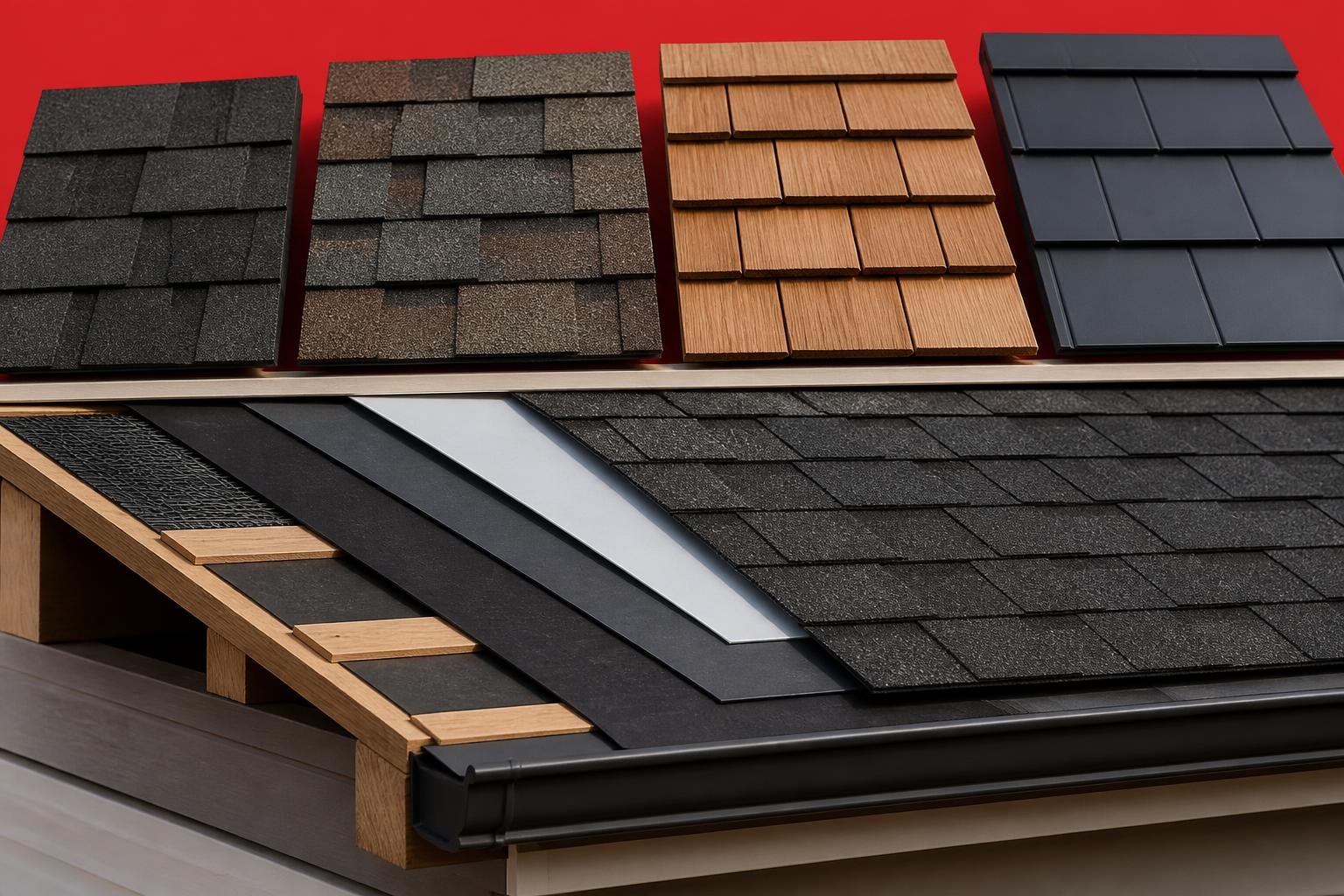
The shingles of the roof represent one of the most critical components of any residential or commercial building, serving as the primary defense against weather, moisture, and environmental damage. These individual overlapping elements create a weathertight barrier that protects everything beneath them, from structural components to valuable possessions and the people inside. Understanding the various types, materials, installation methods, and maintenance requirements for roof shingles empowers property owners to make informed decisions that balance aesthetics, durability, and budget considerations. Whether you're planning a complete roof replacement or simply want to understand what's protecting your home, comprehensive knowledge about shingles of the roof proves invaluable.
Understanding Roof Shingle Fundamentals
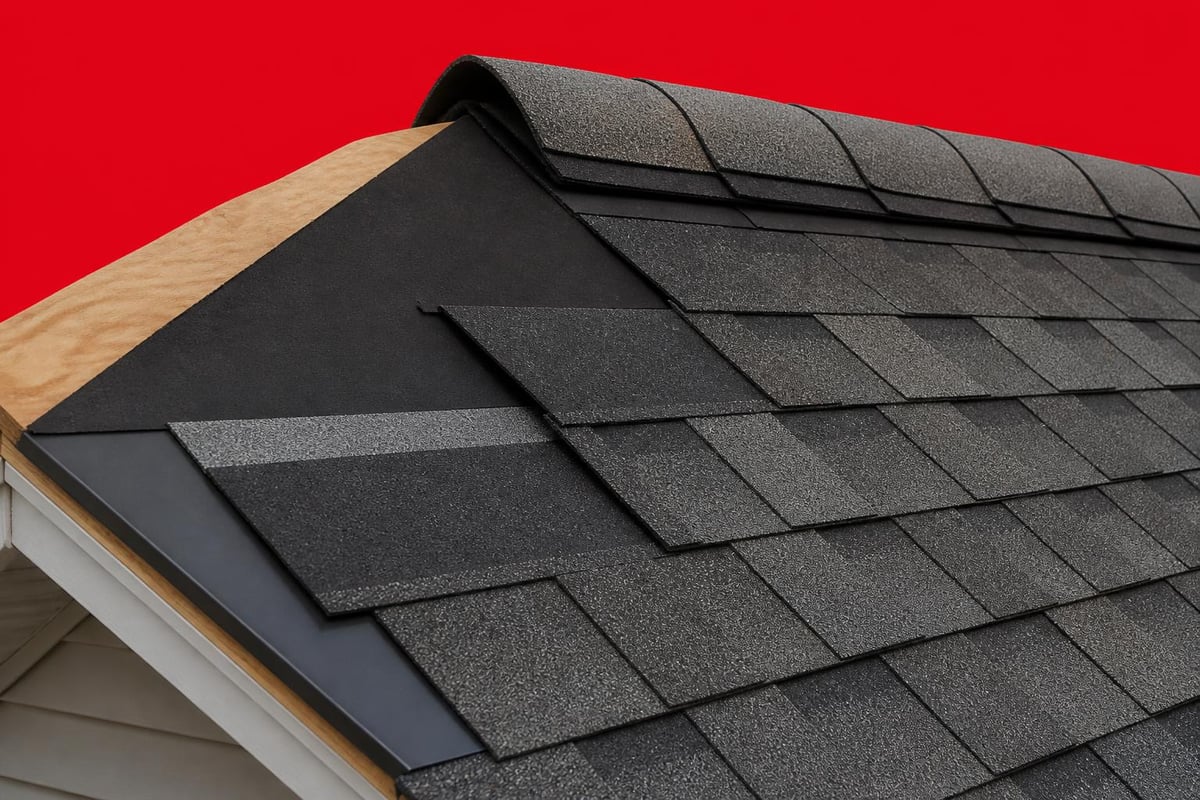
Roof shingles function as individual overlapping components that create a layered protective system across your roof's surface. Each shingle interlocks with adjacent pieces to form a continuous barrier that channels water away from vulnerable areas. The fundamental design principle behind shingles of the roof involves creating multiple layers where water flows downward without penetrating to the underlying structure.
The overlapping installation pattern ensures that even during heavy rain, wind-driven precipitation, or snow melt, moisture travels across the surface rather than seeping underneath. This time-tested approach has evolved over centuries, incorporating modern materials and engineering while maintaining the core concept of layered protection.
Key Functions of Roof Shingles:
- Create weathertight barrier against rain, snow, and ice
- Protect underlying roof deck and interior spaces
- Provide UV resistance to prevent deterioration
- Contribute to overall aesthetic appeal and property value
- Support proper water drainage and ventilation
The effectiveness of shingles of the roof depends heavily on proper installation, quality materials, and regular maintenance. Even premium shingles will fail prematurely if installed incorrectly or neglected over time.
Asphalt Shingles: The Industry Standard
Asphalt shingles dominate the residential roofing market across North America, accounting for approximately 80% of all installations. These versatile products combine affordability, durability, and ease of installation, making them the preferred choice for most homeowners. The types of roof shingles available today offer unprecedented variety in color, texture, and performance characteristics.
Three-Tab Asphalt Shingles
Three-tab shingles represent the most economical option among asphalt products. These flat, uniform shingles feature cutouts that create the appearance of three separate tabs. Their lightweight construction and straightforward installation make them popular for budget-conscious projects, though they typically offer shorter lifespans than premium alternatives.
The shingles of the roof in this category generally last 15-20 years under normal conditions. Their relatively thin profile means less wind resistance and lower impact ratings compared to architectural options.
Architectural Shingles
Architectural or dimensional shingles provide enhanced aesthetics and performance through their multi-layered construction. These premium products create depth and shadow lines that mimic the appearance of traditional wood shakes or slate tiles. For homeowners seeking the best asphalt roof shingles, architectural options deliver superior value.
| Feature | Three-Tab Shingles | Architectural Shingles |
|---|---|---|
| Lifespan | 15-20 years | 25-30 years |
| Wind Rating | 60-70 mph | 110-130 mph |
| Weight | 200-250 lbs/square | 300-400 lbs/square |
| Warranty | 20-25 years | 30-50 years |
| Cost | $90-150/square | $150-250/square |
The additional weight and thickness of architectural shingles provide better impact resistance and longer-term durability, justifying their higher initial investment through extended service life and enhanced protection.
Alternative Shingle Materials
While asphalt dominates the market, several alternative materials offer unique benefits for specific applications and aesthetic preferences. Exploring different types of shingles helps homeowners identify options that align with their priorities and architectural styles.
Wood Shingles and Shakes
Wood products deliver unmatched natural beauty and character to residential roofing projects. Cedar remains the most popular choice due to its natural resistance to decay and insects. The distinction between shingles and shakes lies in their manufacturing: shingles are sawn smooth on both sides, while shakes are split to create rustic texture.
Advantages of Wood Shingles:
- Natural insulation properties
- Environmentally sustainable when sourced responsibly
- Distinctive appearance that ages gracefully
- Lightweight compared to tile or slate
However, wood shingles and shakes require significant maintenance and may face restrictions in fire-prone areas unless treated with fire-retardant chemicals. The shingles of the roof made from wood typically last 20-25 years with proper care but can deteriorate rapidly without regular maintenance.
Metal Shingle Systems
Metal shingles combine the protective benefits of metal roofing with the traditional appearance of asphalt or wood shingles. These products often mimic the look of slate, shake, or tile while offering superior durability and longevity. For property owners considering metal roof installers, metal shingle systems provide an attractive middle ground between conventional shingles and standing seam metal roofs.
Metal shingles excel in harsh weather conditions, offering exceptional wind resistance, fire protection, and impact ratings. Their reflective properties can reduce cooling costs during summer months, making them increasingly popular in energy-conscious applications.
Installation Considerations and Best Practices
Proper installation determines the performance and longevity of shingles of the roof regardless of material choice. Even the highest-quality products will fail prematurely if installation doesn't follow manufacturer specifications and industry best practices.
Underlayment Requirements
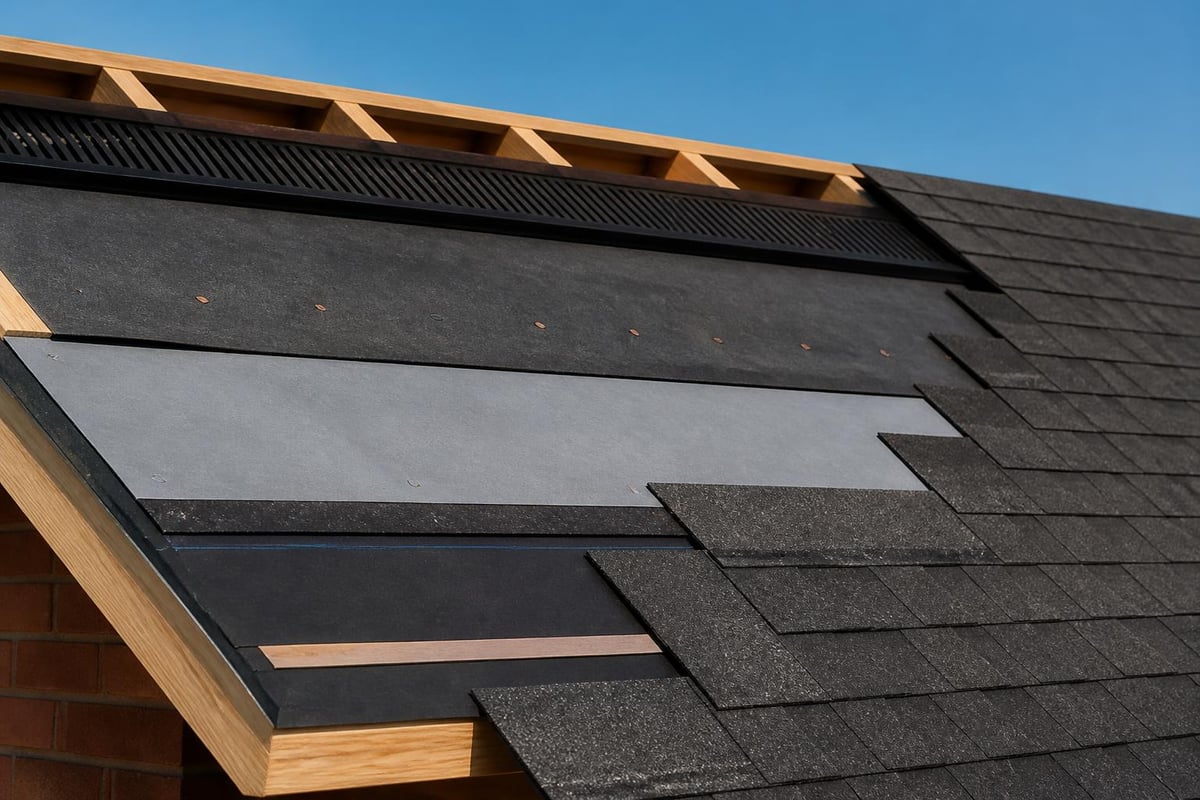
Modern roofing systems require appropriate underlayment beneath the shingles to provide secondary water protection. Synthetic underlayment has largely replaced traditional felt paper due to its superior strength, UV resistance, and slip resistance during installation. The underlayment acts as a backup barrier, protecting the roof deck if shingles are damaged or displaced.
Ice and water shield becomes essential in northern climates, particularly along eaves, valleys, and around penetrations. This self-adhering membrane prevents water intrusion from ice dams and wind-driven rain.
Ventilation and Attic Temperature
Adequate ventilation proves critical for extending the life of shingles of the roof by maintaining appropriate attic temperatures. Excessive heat buildup accelerates shingle deterioration, while inadequate ventilation can lead to moisture accumulation and condensation damage.
Essential Ventilation Components:
- Ridge vents along the peak
- Soffit vents at the eaves
- Proper air circulation pathways
- Balanced intake and exhaust capacity
The combination of proper ventilation and quality underlayment creates an optimal environment that maximizes shingle lifespan and protects structural components.
Maintenance and Inspection Protocols
Regular maintenance extends the functional life of shingles of the roof and helps identify potential problems before they escalate into costly repairs. Professional roofing and guttering services can perform comprehensive inspections that detect subtle signs of damage or deterioration.
Annual Inspection Checklist
Property owners should schedule professional roof inspections at least annually, preferably in spring or fall when weather conditions are moderate. During inspections, professionals examine shingles for signs of aging, damage, or failure.
Key Inspection Points:
- Missing, cracked, or curling shingles
- Granule loss exposing asphalt layer
- Damaged or deteriorated flashing
- Clogged or damaged gutters and downspouts
- Signs of water intrusion or staining
- Moss, algae, or vegetation growth
Homeowners should also conduct visual inspections from ground level after severe weather events. Looking for hail damage on shingle roof surfaces becomes particularly important following storms with large hail reports.
Cleaning and Debris Removal
Keeping shingles of the roof clean and free from debris prevents premature deterioration and identifies potential problems early. Accumulated leaves, branches, and organic matter trap moisture against shingle surfaces, accelerating decay and creating conditions favorable for algae and moss growth.
| Maintenance Task | Frequency | Priority Level |
|---|---|---|
| Professional Inspection | Annual | High |
| Gutter Cleaning | Twice Yearly | High |
| Debris Removal | Quarterly | Medium |
| Algae Treatment | As Needed | Medium |
| Flashing Check | Annual | High |
| Valley Inspection | Semi-Annual | High |
Professional cleaning services can safely remove moss and algae without damaging shingles. Attempting to pressure wash shingles of the roof yourself often causes more harm than good, stripping protective granules and voiding warranties.
Weather-Related Damage and Repairs
Environmental factors significantly impact shingle performance and longevity. Understanding how weather affects shingles of the roof helps property owners take proactive measures and respond appropriately when damage occurs.
Storm Damage Assessment
High winds, hail, and severe weather events can compromise roof integrity even when damage isn't immediately visible. Wind speeds above the shingle's rating can lift edges, break seals, and tear away sections entirely. Following significant weather events, scheduling a roof inspection for hail damage becomes essential.
Hail impact creates distinctive damage patterns that trained professionals can identify. Bruising on asphalt shingles may not penetrate immediately but weakens the structure, leading to premature failure. Insurance claims often depend on documenting this damage promptly after storms.
Winter Weather Challenges
Ice dams represent one of the most destructive winter phenomena affecting shingles of the roof in northern climates. These formations occur when heat from the attic melts snow on the upper roof, which then refreezes at the colder eaves. The resulting ice barrier forces water underneath shingles, potentially causing significant interior damage.
Proper insulation and ventilation prevent most ice dam formation, while ice and water shield provides backup protection. Homeowners should never attempt to remove ice dams themselves, as this frequently damages shingles and creates safety hazards.
Selecting the Right Shingles for Your Property
Choosing appropriate shingles of the roof involves balancing multiple factors including climate, architecture, budget, and personal preferences. The comprehensive guide to types of roof shingles helps homeowners understand available options and their relative advantages.
Climate Considerations
Regional climate significantly influences optimal shingle selection. Properties in areas with extreme temperature fluctuations require shingles designed to withstand thermal expansion and contraction cycles. Coastal locations demand products resistant to salt spray and high humidity.
Climate-Based Recommendations:
- Hot, sunny climates: Reflective, light-colored shingles with high heat resistance
- Cold, snowy regions: Impact-resistant shingles with excellent freeze-thaw ratings
- High wind areas: Architectural shingles with enhanced wind ratings
- Humid environments: Algae-resistant shingles with copper or zinc granules
Understanding your local climate patterns ensures the shingles of the roof will perform optimally throughout their expected lifespan.
Architectural Compatibility
Shingle selection should complement the architectural style of your home while meeting functional requirements. Traditional homes often benefit from classic three-tab or dimensional shingles in neutral colors, while contemporary designs might incorporate metal shingles or bold color choices.
The weight of different shingle types also requires consideration. Heavier products like slate-style architectural shingles may require structural reinforcement on older homes not designed to support the additional load.
Cost Factors and Return on Investment
The financial investment in shingles of the roof extends beyond initial material and installation costs to include long-term maintenance, energy efficiency, and property value considerations. Understanding total cost of ownership helps property owners make economically sound decisions.
Initial Investment Analysis
Material costs vary significantly based on shingle type, quality, and manufacturer. Installation expenses depend on roof complexity, accessibility, pitch, and regional labor rates. Premium shingles of the roof typically cost more upfront but deliver better warranties and longer service life.
| Cost Component | Budget Range | Mid-Range | Premium |
|---|---|---|---|
| Materials | $90-150/square | $150-250/square | $250-450/square |
| Labor | $150-250/square | $200-350/square | $300-500/square |
| Total (2,000 sq ft) | $4,800-8,000 | $7,000-12,000 | $11,000-19,000 |
These figures represent typical ranges but vary based on geographic location and specific project requirements. Complex roof designs with multiple valleys, dormers, and penetrations increase both material waste and labor time.
Long-Term Value Considerations
While premium shingles of the roof require larger initial investments, they often prove more economical over extended timeframes. A roof requiring replacement every 15 years costs significantly more across a 30-year period than one lasting 30-40 years.
Energy efficiency represents another important consideration. Reflective shingles reduce cooling costs in warm climates, while proper ventilation and insulation systems protect both shingles and interior spaces. These factors contribute to overall property value and appeal to prospective buyers.
Professional Installation Versus DIY Attempts
The complexity of properly installing shingles of the roof makes professional installation strongly recommended for most property owners. While DIY installation might seem cost-effective, the risks of improper installation far outweigh potential savings.
Why Professional Installation Matters
Licensed roofing contractors bring specialized knowledge, proper equipment, and insurance coverage that protect property owners throughout the project. They understand local building codes, manufacturer specifications, and industry best practices that ensure optimal performance.
Professional installers also provide warranties covering both materials and workmanship. These guarantees offer peace of mind and financial protection if problems develop after installation. Most manufacturer warranties require professional installation to remain valid.
Common DIY Installation Mistakes
Inexperienced installers frequently make errors that compromise roof performance and longevity. Improper nailing patterns, inadequate underlayment, incorrect flashing installation, and poor ventilation all lead to premature failure of shingles of the roof.
Frequent DIY Errors:
- Incorrect nail placement and penetration depth
- Inadequate starter strip installation
- Improper valley techniques
- Insufficient ventilation planning
- Poor flashing integration around penetrations
- Failure to properly seal exposed nails
These mistakes often aren't apparent until water damage appears or shingles fail prematurely, requiring costly repairs or complete replacement.
Warranty Coverage and Protection Plans
Understanding warranty terms for shingles of the roof helps property owners maximize their investment protection and know what to expect regarding coverage limitations. Manufacturer warranties vary significantly in scope, duration, and transferability.
Manufacturer Material Warranties
Material warranties cover defects in the shingles themselves, typically ranging from 20 years to limited lifetime coverage. However, "lifetime" warranties contain specific definitions and exclusions that may not match homeowner expectations. These warranties generally cover only material replacement, not labor costs for reinstallation.
Most warranties also include prorated coverage that reduces the manufacturer's responsibility over time. After an initial non-prorated period, property owners bear increasing percentages of replacement costs as shingles age.
Workmanship Warranties
Installation contractors typically provide separate workmanship warranties covering labor and installation quality. These warranties range from one year to ten years or more, depending on the contractor and project specifics. Quality contractors stand behind their work with comprehensive coverage that addresses installation-related problems.
When selecting shingles of the roof and installation services, verifying both material and workmanship warranty terms protects your investment. Reputable contractors willingly provide clear warranty documentation and explain coverage details.
Emerging Technologies and Innovations
The roofing industry continues evolving with new technologies that enhance the performance, sustainability, and functionality of shingles of the roof. These innovations address changing climate patterns, energy concerns, and homeowner preferences.
Solar-Integrated Shingles
Solar shingles represent a significant advancement in roof functionality, combining weather protection with electricity generation. These products integrate photovoltaic cells directly into shingle designs, creating seamless solar arrays that maintain traditional roof aesthetics while producing renewable energy.
While currently more expensive than conventional shingles with separate solar panels, integrated systems offer aesthetic advantages and simplified installation. As technology advances and costs decrease, solar-integrated shingles of the roof may become increasingly mainstream.
Advanced Impact Resistance
Manufacturers continue developing shingles with enhanced impact resistance to withstand severe hail and debris strikes. Class 4 impact-rated shingles pass stringent testing protocols and often qualify for insurance discounts in hail-prone regions.
These advanced products incorporate modified asphalt formulations and reinforced backing materials that absorb and distribute impact forces without cracking or puncturing. The improved durability justifies premium pricing through extended lifespan and reduced maintenance requirements.
Selecting and maintaining the right shingles of the roof requires careful consideration of materials, installation quality, and ongoing care to protect your most valuable investment. Whether you're planning a complete roof replacement or addressing storm damage, working with experienced professionals ensures optimal results and long-term performance. Great Roofing, a family-owned roofing contractor serving Joliet and surrounding communities, brings decades of expertise to every residential and commercial roofing project. Our commitment to quality craftsmanship, premium materials, and customer satisfaction means your roof receives the professional attention it deserves. Contact Great Roofing today to schedule a comprehensive roof inspection or discuss your roofing needs with our knowledgeable team.