


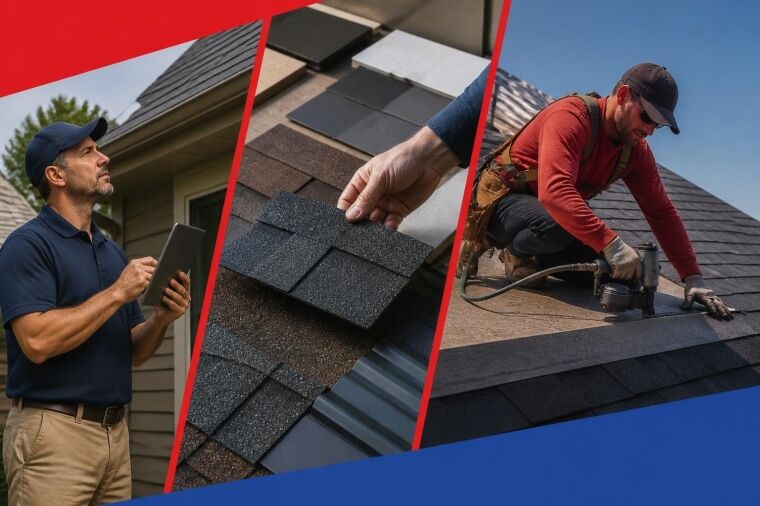
When property owners in the Midwest search for reliable roofing solutions, they often come across various installation methods and contractor names that have shaped regional roofing practices. Understanding what distinguishes professional roofing approaches-from material selection to installation techniques-helps property owners make informed decisions about protecting their most valuable assets. Whether you're considering a residential shingle replacement or evaluating commercial roofing options, knowing the industry standards and proven practices ensures your investment delivers long-term performance and protection.
Understanding Professional Roofing Installation Standards
Snyder roofing represents a commitment to quality craftsmanship and adherence to industry-recognized best practices. Professional contractors who follow established guidelines ensure every project meets or exceeds manufacturer specifications and local building codes.
The foundation of any successful roofing project begins with proper planning and preparation. Before materials ever reach your property, experienced contractors evaluate structural integrity, ventilation requirements, and existing conditions that might affect installation quality.
Key components of professional roofing installation include:
- Comprehensive roof deck inspection and repair
- Proper ventilation design and implementation
- Ice and water barrier application in vulnerable areas
- Correct fastener selection and placement
- Adequate shingle alignment and overlap
Material Selection and Performance Standards
Choosing the right roofing materials requires understanding performance ratings, warranty coverage, and climate-specific requirements. The asphalt shingle product and test standards established by industry associations provide objective criteria for evaluating material quality and expected performance.
Modern asphalt shingles undergo rigorous testing for wind resistance, impact performance, and fire ratings. These standardized tests help contractors and property owners compare products and select materials appropriate for regional weather challenges.
| Performance Factor | Testing Standard | Importance |
|---|---|---|
| Wind Resistance | ASTM D3161/D7158 | Critical for storm-prone areas |
| Impact Rating | UL 2218 | Protects against hail damage |
| Fire Rating | ASTM E108 | Required by code in many jurisdictions |
| Weathering | ASTM D3462 | Ensures long-term durability |

Residential Roofing Applications and Best Practices
Snyder roofing techniques for residential properties prioritize longevity, weather resistance, and aesthetic appeal. Homeowners benefit when contractors follow manufacturer installation instructions and NRCA roofing guidelines that define industry best practices.
The residential roofing process begins with thorough tear-off and inspection. Removing old materials allows contractors to identify and address deck damage, ensuring a solid foundation for the new roof system. This critical step prevents future problems that could compromise the entire installation.
Shingle Installation Techniques
Proper shingle installation requires attention to detail at every stage. Starting with a clean, dry deck, contractors install underlayment according to code requirements and climate considerations. In northern climates where ice damming presents risks, enhanced ice and water barrier coverage protects vulnerable eaves and valleys.
Fastener placement significantly impacts shingle performance and longevity. Nails must penetrate adequately into roof decking while avoiding overdriving that damages shingles or underdriving that allows wind uplift. Professional installers understand these nuances and adjust techniques based on deck material and shingle specifications.
For homeowners researching asphalt shingle roofing options, understanding installation quality matters as much as material selection. Even premium shingles fail prematurely when installed incorrectly.
Critical installation details include:
- Proper starter strip installation along eaves and rakes
- Consistent shingle exposure and alignment
- Correct fastener count and placement
- Adequate ventilation from soffit to ridge
- Proper flashing integration at penetrations and transitions
Ventilation and Energy Efficiency
Modern building science recognizes ventilation as essential for roof system performance and building energy efficiency. Balanced intake and exhaust ventilation removes heat and moisture that otherwise accelerate shingle aging and contribute to ice dam formation.
The EPA’s guidance on cool roofs explains how reflective roofing materials reduce cooling costs and urban heat island effects. While cool roof technology initially focused on commercial applications, residential products now offer similar benefits for homeowners concerned about energy efficiency.
Commercial Roofing Considerations
Snyder roofing approaches for commercial properties differ significantly from residential applications. Commercial buildings typically feature low-slope or flat roof designs requiring specialized membrane systems, drainage planning, and maintenance protocols.
Modified bitumen systems, single-ply membranes, and built-up roofing each offer distinct advantages for commercial applications. Selecting the appropriate system depends on building use, budget constraints, maintenance capabilities, and expected service life.
Modified Bitumen Systems
Modified bitumen roofing combines traditional built-up roof technology with modern polymer modifications that enhance flexibility and durability. These multi-layer systems provide excellent waterproofing and withstand the thermal expansion and contraction common on commercial roofs.
Professional installation of modified bitumen requires specialized equipment and training. Torch-applied, cold-adhesive, and self-adhering installation methods each suit specific project requirements and safety considerations. Contractors experienced with these systems understand proper overlap, seam treatment, and penetration flashing critical for long-term performance.
| System Type | Installation Method | Best Applications | Expected Lifespan |
|---|---|---|---|
| Modified Bitumen | Torch/Cold/Self-Adhered | Low-slope commercial | 15-20 years |
| EPDM | Fully Adhered/Mechanically Attached | Flat roofs, warehouses | 20-25 years |
| TPO | Heat-Welded Seams | Energy-efficient applications | 15-20 years |
| Built-Up | Hot Asphalt/Cold Adhesive | Heavy traffic areas | 20-30 years |
For property managers seeking commercial roofing repair solutions, understanding system types helps communicate effectively with contractors and make informed maintenance decisions.
Quality Control and Inspection Protocols
Implementing snyder roofing standards requires comprehensive quality control throughout every project phase. Professional contractors conduct multiple inspections from initial assessment through final walkthrough, ensuring each component meets specifications.
Pre-installation inspections identify structural issues, inadequate ventilation, or code compliance concerns that require attention before roofing work begins. During installation, experienced supervisors verify proper techniques, material handling, and weather-appropriate scheduling.
Quality checkpoints include:
- Deck condition assessment and repair verification
- Underlayment coverage and fastening inspection
- Flashing integration at all penetrations and transitions
- Shingle alignment, exposure, and fastener placement
- Final cleanup and property protection review
Documentation and Warranty Compliance
Thorough documentation protects property owners and ensures warranty coverage. Contractors should provide detailed records including material specifications, installation dates, inspection reports, and manufacturer certifications.
Most roofing manufacturers require specific installation practices for warranty activation. Deviations from approved methods can void coverage, leaving property owners financially exposed when problems develop. The NRCA’s Roofing Manual provides comprehensive technical guidance contractors reference to maintain warranty compliance.
Understanding roof repair insurance coverage and documentation requirements helps property owners navigate claims processes when damage occurs. Detailed installation records and regular maintenance documentation support insurance claims and demonstrate proper system care.
Storm Damage Assessment and Resilience
Snyder roofing practices increasingly incorporate storm resilience features as severe weather events become more frequent and intense. Understanding how roofs resist wind, hail, and impact damage helps property owners make informed decisions about material selection and system design.
The Insurance Institute for Business & Home Safety provides research-based guidance on improving roof resilience through proper installation, material selection, and maintenance practices. Their FORTIFIED program offers certification for homes and commercial buildings meeting enhanced construction standards.
Wind Resistance and Proper Fastening
Wind damage typically results from inadequate fastening rather than material failure. Shingles rated for high wind resistance still fail when installers use incorrect fastener counts or placement. Professional contractors understand that coastal and prairie regions require enhanced fastening schedules beyond minimum code requirements.
Sealed shingles with self-sealing adhesive strips provide additional wind resistance when properly installed. However, cold-weather installation requires special attention as sealant activation depends on adequate heat exposure. Contractors familiar with regional climate patterns adjust installation timing and techniques accordingly.
- Verify shingle wind rating matches local requirements
- Follow enhanced fastening schedules in high-wind zones
- Ensure proper sealant activation through timing or manual sealing
- Install starter strips with adequate adhesive coverage
- Secure ridge caps with appropriate fastener patterns
Hail Impact Resistance
Impact-resistant shingles provide measurable protection against hail damage, potentially reducing insurance premiums while extending roof lifespan. Class 4 impact-rated shingles withstand impacts from steel balls dropped from specific heights without cracking or splitting.
Property owners in hail-prone regions should consider impact-resistant products when planning roof replacement projects. While these products cost more upfront, reduced repair frequency and insurance benefits often justify the investment.
Maintenance Programs and Lifecycle Management
Implementing snyder roofing standards extends beyond installation to encompass ongoing maintenance and lifecycle planning. Regular inspections and proactive repairs prevent minor issues from escalating into costly failures requiring complete replacement.
Commercial property managers benefit from formalized maintenance programs that schedule biannual inspections, clean drainage systems, and address minor repairs promptly. Residential property owners should conduct annual visual inspections and professional evaluations every three to five years.
Preventive Maintenance Essentials
Regular maintenance activities preserve roof system integrity and maximize return on investment. Simple tasks like debris removal, gutter cleaning, and minor seal repairs prevent water intrusion and extend system life significantly.
Recommended maintenance activities:
- Seasonal debris and organic growth removal
- Drainage system cleaning and verification
- Flashing inspection and seal renewal
- Ventilation system verification
- Minor repair completion before problems spread
The RCABC Asphalt Shingle Systems Standard outlines maintenance requirements that support warranty coverage and system longevity. Following these guidelines protects property owner investments and prevents premature system failure.
Professional Inspection Services
Certified inspectors provide objective assessments that identify developing problems before they cause interior damage. Professional storm damage repair evaluations following severe weather help property owners document conditions for insurance claims while preventing additional damage.
Inspection reports should detail current conditions, remaining service life estimates, and recommended repairs or improvements. This documentation supports budgeting decisions and helps property owners plan replacements before emergency situations develop.
Regional Considerations and Climate-Specific Practices
Snyder roofing applications must account for regional climate challenges and local building code requirements. What works effectively in mild climates may fail prematurely in areas experiencing temperature extremes, heavy precipitation, or intense sun exposure.
Contractors serving the Midwest understand ice damming prevention, proper ventilation for humid summers, and fastening requirements for severe thunderstorms. These regional considerations influence material selection, installation techniques, and maintenance recommendations.
Cold Climate Installation Challenges
Northern regions present unique challenges including freeze-thaw cycles, ice damming, and cold-weather installation limitations. Proper ice and water barrier coverage extends beyond code minimums in areas prone to ice dam formation, protecting vulnerable eaves and valleys.
Ventilation becomes critical in cold climates where warm interior air meeting cold roof surfaces creates condensation. Inadequate ventilation promotes ice dam formation, accelerates shingle aging, and encourages mold growth in attic spaces.
Property owners in areas like Mokena, Chicago Heights, and Bolingbrook should work with contractors familiar with regional weather patterns and building practices specific to northern Illinois.
Investment Protection and Value Considerations
Understanding snyder roofing practices helps property owners protect their investments while maintaining property value. Quality installation, appropriate material selection, and regular maintenance preserve structural integrity and enhance market appeal.
Prospective home buyers increasingly scrutinize roof condition during purchase negotiations. Well-maintained roofs with documented installation and service records command higher prices and facilitate smoother transactions. Conversely, deferred maintenance and questionable installation quality reduce property values and complicate sales.
Budget Planning and Cost Factors
Roofing investments require careful budget planning that considers both immediate costs and long-term value. While premium materials and enhanced installation practices increase upfront expenses, they often deliver superior lifecycle value through reduced maintenance needs and extended service life.
For property owners researching affordable roofing options, understanding the relationship between quality and cost helps balance budget constraints with performance expectations. The lowest bid rarely delivers the best value when installation shortcuts and inferior materials compromise system longevity.
Transparent contractors provide detailed proposals that itemize materials, labor, warranty coverage, and completion timelines. This clarity allows property owners to compare proposals accurately and make informed decisions based on total value rather than price alone.
Professional roofing installation following established industry standards protects property investments and ensures long-term performance regardless of climate challenges or building type. Understanding quality materials, proper installation techniques, and ongoing maintenance requirements empowers property owners to make informed decisions about one of their most critical building systems. If you're ready to experience the benefits of expert craftsmanship and family-owned service excellence, Great Roofing brings decades of experience to every residential and commercial project in the Joliet area, delivering the quality workmanship and customer care your property deserves.