

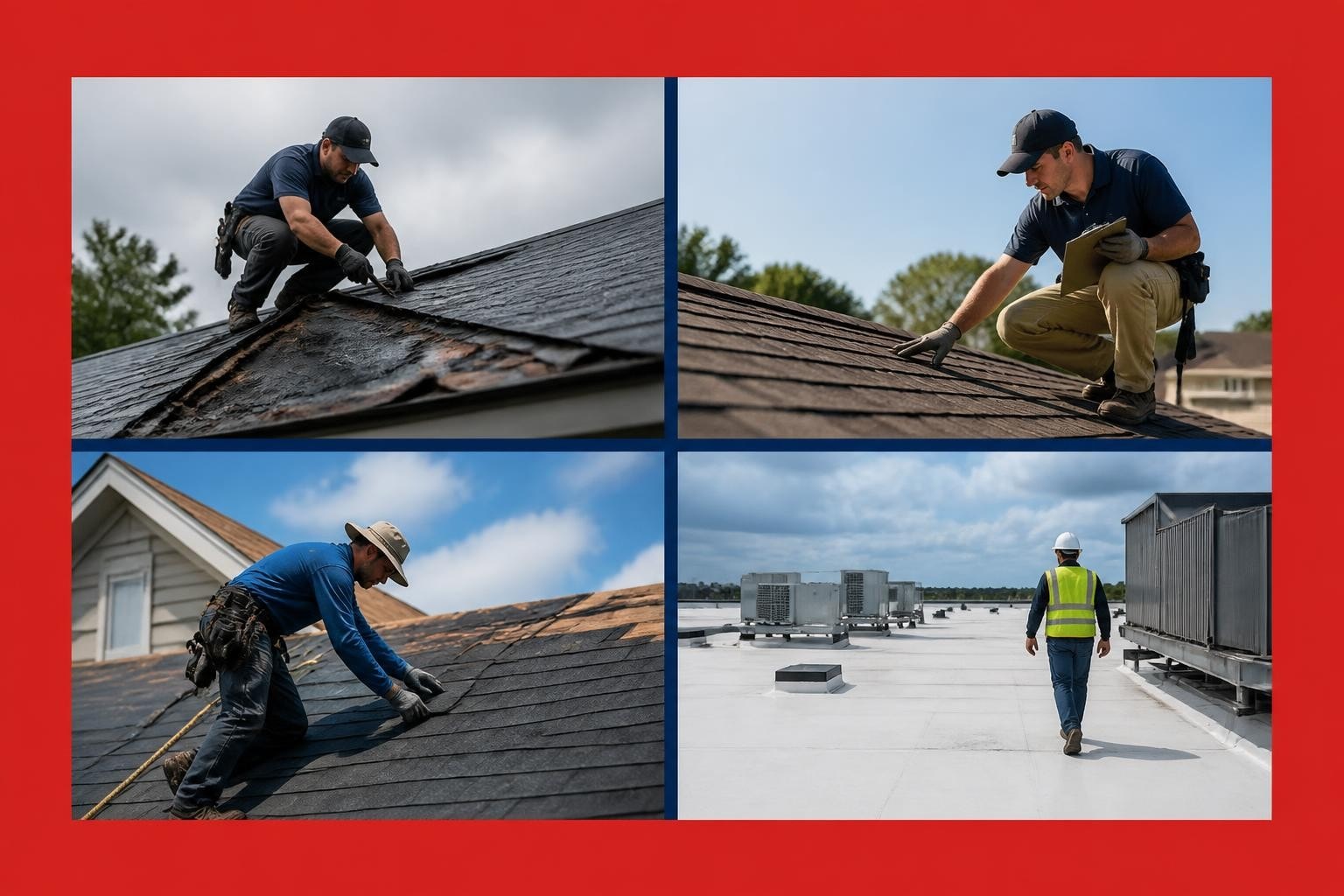
Choosing the right roofing services for your property represents one of the most critical decisions you'll make as a homeowner or business operator. Your roof serves as the primary defense against weather elements, structural damage, and energy loss. Understanding the top roofing services available today helps you protect your investment while ensuring long-term performance and value. From emergency repairs to complete system replacements, professional roofing contractors offer specialized solutions designed to address every aspect of roof health and functionality.
Essential Roofing Repair Services
When damage occurs, immediate professional intervention prevents minor issues from escalating into costly disasters. Emergency leak repairs rank among the most frequently requested top roofing services, particularly after severe weather events. Professional contractors respond quickly to stop water intrusion, assess damage extent, and implement temporary or permanent solutions.
Storm damage repair encompasses multiple specialized services. Hail impact creates unique challenges for both residential shingles and commercial roofing systems. Wind damage often compromises flashing, tears shingles, or lifts entire sections of roofing material. Professional assessment following severe weather events identifies hidden damage that untrained eyes might miss.
Common Repair Scenarios
Property owners typically require professional repairs for these specific situations:
- Missing or damaged shingles from wind events
- Flashing failures around chimneys, vents, and skylights
- Punctures or tears in commercial membrane systems
- Ice dam damage affecting eaves and gutters
- Tree impact repairs requiring structural assessment
- Fastener back-out in older installations
Experienced contractors like those at Great Roofing evaluate each repair scenario comprehensively. They determine whether targeted repairs suffice or if more extensive intervention becomes necessary. This honest assessment protects property owners from unnecessary expenses while ensuring adequate protection.
Roof Replacement and Installation Services
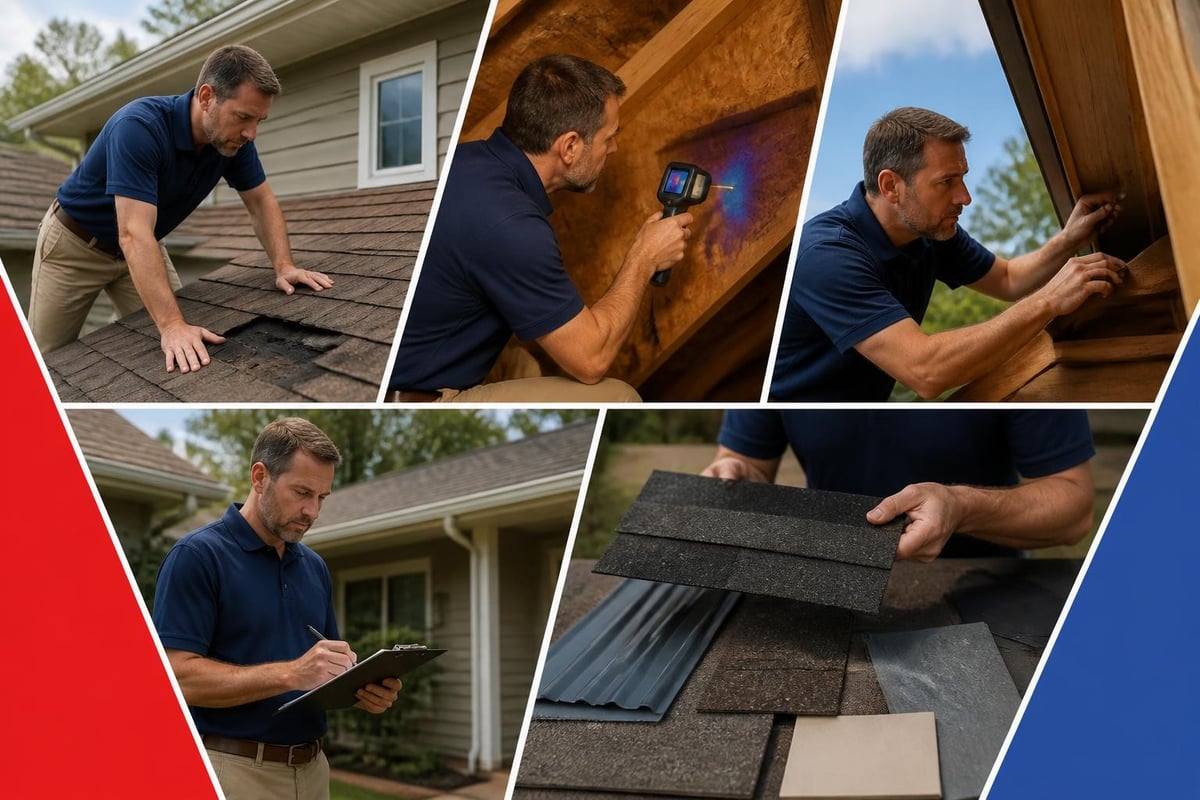
Complete roof replacement represents a significant investment that delivers decades of protection when executed properly. Modern top roofing services include comprehensive replacement solutions utilizing advanced materials and installation techniques. The replacement process begins with thorough assessment of the existing structure, decking condition, and ventilation systems.
Residential shingle replacement requires meticulous attention to manufacturer specifications and building codes and standards. Professional installers ensure proper underlayment installation, starter strip placement, and shingle alignment. These details directly impact warranty validity and long-term performance.
Commercial roofing replacement introduces additional complexity. Modified bitumen systems, TPO membranes, and EPDM installations each require specialized expertise. Commercial roofing contractors understand the unique demands of low-slope applications, including proper drainage design and penetration flashing.
| Roof Type | Average Lifespan | Key Installation Factors | Maintenance Requirements |
|---|---|---|---|
| Asphalt Shingle | 20-30 years | Proper ventilation, ice/water shield | Annual inspections, debris removal |
| Modified Bitumen | 15-20 years | Torch application technique, seam integrity | Bi-annual checks, ponding water management |
| TPO Membrane | 20-30 years | Heat-welded seams, proper fastening | Regular cleaning, seam inspection |
| Metal Roofing | 40-70 years | Panel alignment, expansion allowance | Minimal, fastener checks |
Material Selection Considerations
Choosing appropriate roofing materials requires evaluating multiple factors beyond initial cost. Climate conditions in the Midwest demand materials that withstand temperature extremes, freeze-thaw cycles, and severe weather. Energy efficiency considerations increasingly influence material selection as property owners seek to reduce utility costs.
Professional contractors provide guidance on material selection based on:
- Building structure and slope: Certain materials require specific pitch ranges for proper performance
- Local climate patterns: Snow load, wind ratings, and impact resistance vary by region
- Aesthetic preferences: Architectural style and neighborhood standards influence choices
- Budget constraints: Balancing upfront costs with long-term value
- Warranty coverage: Understanding manufacturer requirements and installer certifications
Preventive Maintenance Programs
Among the most valuable yet underutilized top roofing services, preventive maintenance extends roof lifespan dramatically. Professional residential roof maintenance programs identify minor issues before they develop into major problems. Regular inspections catch deterioration early when repairs cost significantly less.
Comprehensive maintenance programs include systematic evaluation of all roof components. Trained technicians examine shingles or membrane surfaces for wear patterns, check flashing integrity, assess sealant condition, and verify proper drainage. They clear debris from valleys and gutters, preventing water backup and ice dam formation.
Maintenance Service Components
Professional maintenance visits address specific areas prone to failure:
- Penetration inspection: Vents, chimneys, and pipes where leaks commonly originate
- Valley examination: High-water-flow areas requiring intact water barriers
- Edge metal assessment: Drip edges and rakes that protect vulnerable roof perimeters
- Fastener evaluation: Exposed fasteners that may loosen over time
- Sealant condition: Caulked joints requiring periodic renewal
Documentation forms a critical maintenance program element. Detailed records track roof condition over time, establishing baseline measurements for degradation rates. This information proves invaluable for insurance claims and helps property owners budget for eventual replacement.
Insurance Claim Assistance Services
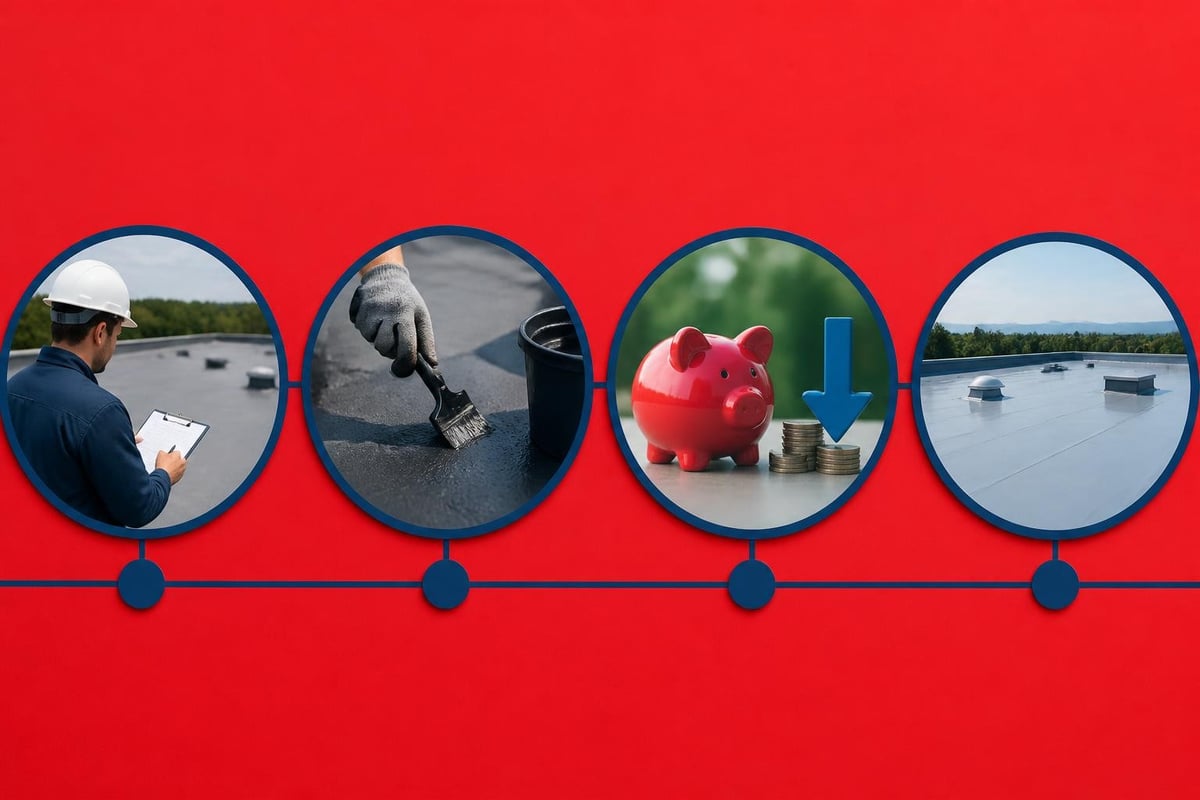
Navigating insurance claims for roof damage presents challenges for many property owners. Professional roofing contractors offering claim assistance services streamline this complex process. They document damage thoroughly, communicate effectively with adjusters, and advocate for appropriate settlements.
The roof damage insurance claim process begins with comprehensive damage assessment. Experienced contractors understand what insurance companies require for claim approval. They photograph damage from multiple angles, create detailed written reports, and provide accurate cost estimates based on current material prices.
Many property owners underestimate damage severity or miss hidden issues. Professional assessment ensures all damage receives documentation, preventing future disputes when previously unnoticed problems appear. This thoroughness protects property owners from paying out-of-pocket for covered damage.
Specialized Commercial Roofing Solutions
Commercial properties require specialized top roofing services that address unique challenges. Large expansive roofs demand different approaches than residential applications. Modified bitumen systems, commonly used on commercial buildings, require torch application expertise and understanding of multi-ply construction techniques.
Flat and low-slope commercial roofs face specific challenges residential roofs avoid. Ponding water accumulation, HVAC unit placement, and extensive penetrations for utilities create potential leak points. Professional commercial contractors design solutions addressing these issues systematically.
Commercial Service Offerings
Commercial roofing services extend beyond basic installation and repair:
- Roof coating applications: Reflective coatings extend membrane life and improve energy efficiency
- Emergency tarping services: Quick response prevents interior damage during business hours
- Infrared moisture scanning: Non-invasive technology locates trapped moisture in insulation
- Asset management programs: Multi-property portfolio maintenance scheduling and budgeting
- Warranty management: Ensuring compliance with manufacturer requirements for coverage
Following best practices for commercial roofing installations ensures projects meet industry standards. Quality commercial contractors invest in ongoing training and maintain manufacturer certifications for the systems they install.
Ventilation and Energy Efficiency Services
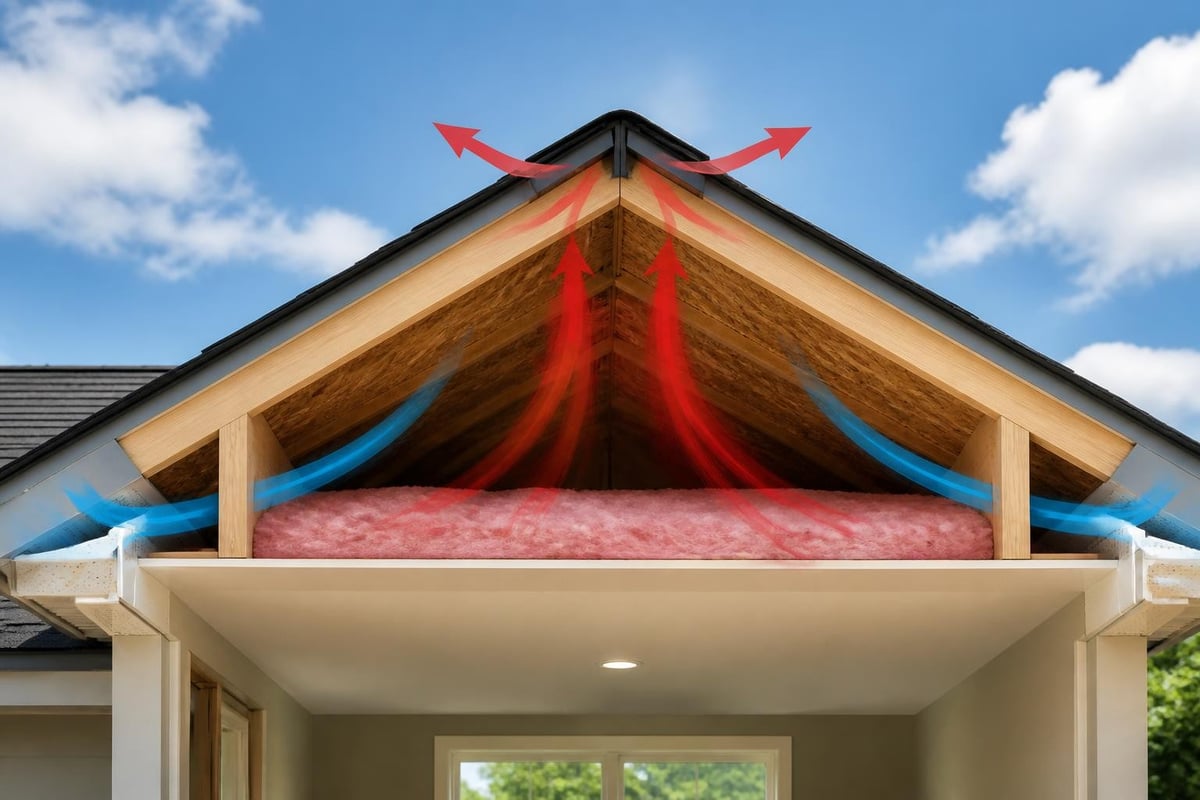
Proper attic ventilation ranks among the most important yet frequently overlooked top roofing services. Inadequate ventilation causes premature shingle failure, ice dam formation, and elevated cooling costs. Professional contractors evaluate existing ventilation systems and design improvements that balance intake and exhaust airflow.
Modern energy-efficient roofing solutions combine multiple strategies. Reflective shingles reduce heat absorption in summer months. Proper insulation levels prevent heat loss during winter. Strategic ventilation allows natural airflow to regulate attic temperatures year-round.
| Ventilation Type | Application | Benefits | Installation Considerations |
|---|---|---|---|
| Ridge Vents | Continuous exhaust along peak | Even airflow, weather-resistant | Requires adequate soffit intake |
| Soffit Vents | Intake under eaves | Natural convection support | Must remain unblocked by insulation |
| Power Attic Fans | Mechanical exhaust | Forced air movement | Electricity costs, thermostat control |
| Solar Attic Fans | Solar-powered exhaust | Zero operating cost | Initial investment higher |
Contractors assess ventilation needs using standardized calculations based on attic square footage. The 1:300 rule (one square foot of ventilation per 300 square feet of attic space) provides baseline guidance, though specific situations may require adjustments.
Gutter and Drainage System Services
Complete roof protection requires functional water management systems. Gutter installation and maintenance services complement roofing work by directing water away from foundations and preventing landscape erosion. Professional contractors evaluate drainage patterns and design systems that handle regional rainfall intensity.
Seamless gutter systems offer advantages over sectional installations by eliminating leak-prone joints. Proper hanger spacing prevents sagging that creates standing water. Downspout placement requires careful consideration of foundation drainage and property grading.
Gutter guard systems reduce maintenance requirements while preventing clogs from leaves and debris. Various guard styles suit different situations, from screen systems to solid covers with surface tension technology. Professional installation ensures guards don't void roofing warranties or create ice dam conditions.
Certification and Inspection Services
Roof certification services provide documented assessment of roof condition and remaining lifespan. Real estate transactions often require certifications confirming roof adequacy. Professional roof certification involves thorough inspection using standardized criteria and detailed reporting.
Certified inspectors evaluate multiple roof characteristics:
- Overall condition assessment: Age, material type, visible wear patterns
- Structural integrity: Decking soundness, rafter condition, load capacity
- Water intrusion evidence: Stains, active leaks, moisture retention
- Remaining service life: Estimated years before replacement becomes necessary
- Immediate repair needs: Issues requiring attention before closing
Independent third-party inspections provide unbiased assessment valuable for both buyers and sellers. These inspections often reveal issues that general home inspectors miss due to their specialized roofing focus.
Storm Damage Response and Emergency Services
Severe weather events create urgent demand for top roofing services. Professional contractors maintain emergency response capabilities for situations requiring immediate intervention. After hail storms or tornado activity, experienced teams assess damage quickly and implement protective measures.
Emergency tarping prevents additional interior damage while permanent repairs await scheduling. Professional tarping secures properly to withstand additional weather without causing further roof damage. This temporary protection proves critical for maintaining insurance coverage and preventing mold growth.
Storm damage assessment requires understanding how different weather events affect various roofing materials. Hail impact on asphalt shingles creates distinctive bruising patterns. Wind damage shows different characteristics than ice buildup failures. Experienced contractors recognize these patterns and document them appropriately for insurance purposes.
Siding Integration Services
Comprehensive exterior protection extends beyond roofing to include siding systems. Many top roofing services providers offer siding installation that integrates with roofing work for complete envelope protection. Coordinating these services ensures proper flashing transitions between roof and wall systems.
Vinyl, fiber cement, and composite siding materials each require specific installation expertise. Proper techniques prevent water intrusion while allowing necessary vapor transmission. Professional installers understand how siding interacts with building wrap, flashing, and trim components.
Combined roofing and siding projects offer scheduling efficiency and aesthetic coordination. Single-contractor responsibility simplifies warranty coverage and eliminates finger-pointing when issues arise. Property owners benefit from unified project management and potentially reduced overall costs.
Quality Assurance and Warranty Support
Professional roofing contractors distinguish themselves through comprehensive quality assurance programs. Post-installation inspections verify workmanship meets manufacturer specifications and local code requirements. Understanding roofing safety standards ensures projects protect both workers and property owners throughout the process.
Manufacturer warranties typically cover material defects, while contractor workmanship warranties address installation quality. Understanding warranty terms prevents unpleasant surprises when issues develop. Professional contractors explain coverage clearly and document warranty registration properly.
Extended warranty programs offer additional protection beyond standard coverage. These programs may include periodic inspections, priority service scheduling, and transferability to new property owners. Evaluating warranty options involves balancing additional costs against risk tolerance and property plans.
Contractor Selection and Verification
Identifying qualified contractors requires research beyond internet reviews. Industry associations establish standards that separate professional operators from less-qualified competitors. Verification of licensing, insurance, and bonding protects property owners from liability and ensures contractor accountability.
Professional credentials indicate commitment to industry standards. Manufacturer certifications demonstrate training on specific product lines. Association memberships often require adherence to ethical business practices and continuing education. These qualifications matter significantly when selecting among top roofing services providers.
Request multiple detailed estimates that break down material costs, labor expenses, and project timelines. Extremely low bids often signal cut corners, inferior materials, or incomplete scope understanding. Professional contractors provide transparent pricing that reflects true project costs.
Advanced Roofing Technologies
Modern top roofing services increasingly incorporate technological innovations. Drone inspections allow safe, comprehensive roof assessment without physical access to dangerous areas. Thermal imaging identifies insulation gaps and moisture intrusion invisible to standard inspection methods. Digital project management systems improve communication and scheduling accuracy.
Satellite measurement technology eliminates traditional manual roof measurement. Accurate material calculations reduce waste and ensure adequate supply quantities. These technologies improve estimate accuracy while reducing time requirements for quote preparation.
Project management software provides real-time updates on material delivery, crew scheduling, and completion timelines. Property owners access project status remotely, viewing photos and documentation throughout the installation process. This transparency builds confidence and prevents miscommunication.
Regional Considerations for Illinois Properties
Illinois climate creates specific demands for roofing systems. Temperature extremes from summer heat to winter cold stress roofing materials through repeated expansion and contraction cycles. Ice dam prevention requires proper insulation, ventilation, and ice-and-water shield installation in vulnerable areas.
Local building codes address regional weather patterns through specific requirements. Understanding these regulations ensures compliant installations that pass inspection. Professional contractors maintain current knowledge of code changes and municipality-specific requirements throughout the service areas they cover.
Wind ratings matter significantly in areas prone to severe thunderstorms and occasional tornado activity. Proper fastener selection and placement resists uplift forces that compromise lesser installations. Meeting or exceeding code requirements for wind resistance protects properties during severe weather events.
Selecting the right roofing services protects your property investment while ensuring long-term performance and peace of mind. Whether you need emergency repairs, complete replacement, or ongoing maintenance, working with experienced professionals makes all the difference. Great Roofing brings decades of family-owned expertise to every residential and commercial project throughout the Joliet area, combining quality materials with superior workmanship and transparent communication. Contact our team today to schedule your free consultation and discover how professional roofing services protect your property for years to come.