

Homeowners facing roof damage often wonder whether their insurance policy will help cover the substantial cost of replacement. Understanding will insurance cover roof replacement depends on multiple factors, including the cause of damage, your policy type, the age of your roof, and your maintenance history. While insurance policies typically cover sudden and accidental damage from storms, wind, hail, or fire, they generally exclude wear and tear, neglect, or roofs that have simply reached the end of their useful life. Navigating these distinctions can mean the difference between a fully covered replacement and paying out of pocket for a new roof.
Understanding Homeowner's Insurance and Roof Coverage
Most standard homeowners insurance policies include dwelling coverage that protects the structure of your home, including your roof. However, whether will insurance cover roof replacement in your specific situation depends on the perils covered in your policy and the circumstances of the damage.
Covered Perils vs. Exclusions
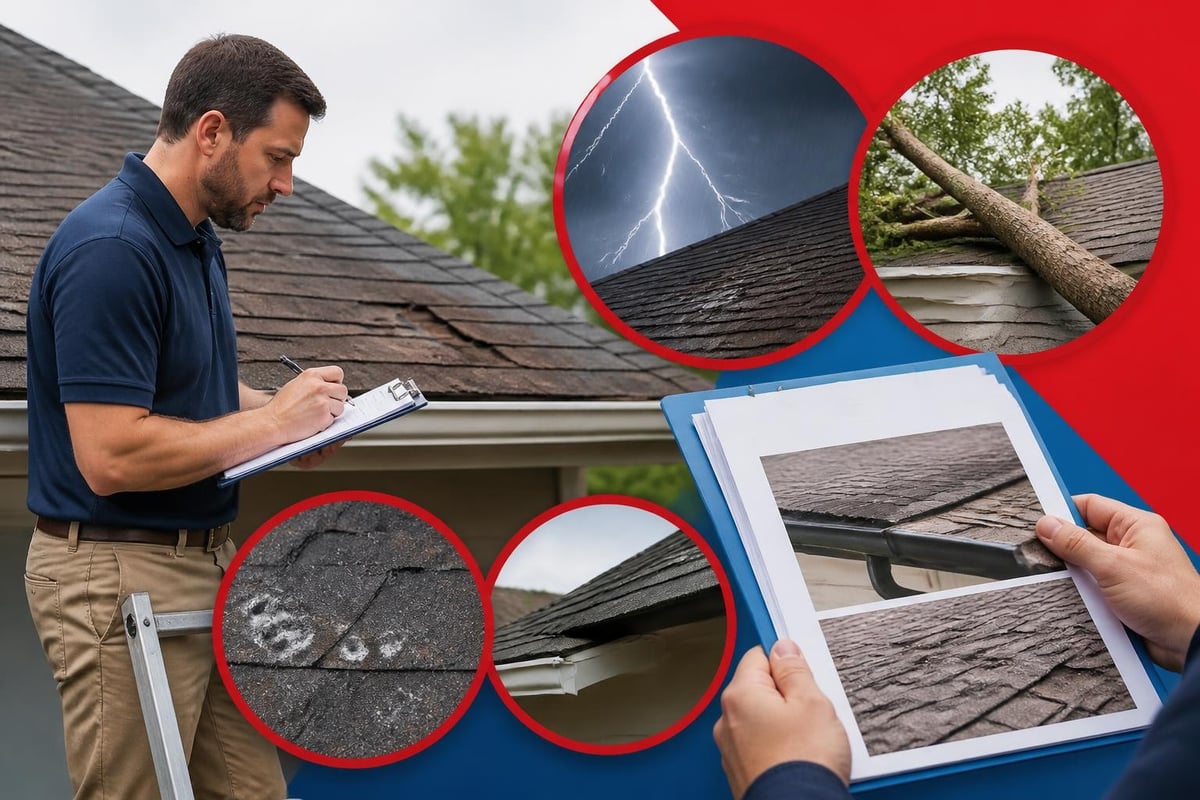
Insurance companies distinguish between sudden, accidental damage and gradual deterioration. Covered perils typically include:
- Wind and hail damage
- Falling trees or branches
- Fire and lightning strikes
- Vandalism or malicious acts
- Weight of ice, snow, or sleet
According to the Insurance Information Institute’s overview of covered disasters, these events are considered sudden and accidental, making them eligible for coverage under most policies.
Common exclusions that prevent coverage include:
- Normal wear and tear
- Poor maintenance or neglect
- Cosmetic damage that doesn't affect function
- Flood damage (requires separate flood insurance)
- Earthquake damage (requires separate earthquake insurance)
| Coverage Type | Typical Scenarios | Insurance Response |
|---|---|---|
| Covered | Hail punctures shingles; wind tears off sections | Full or partial coverage after deductible |
| Not Covered | 25-year-old roof shows age-related deterioration | Claim denied; homeowner responsibility |
| Disputed | Old roof fails during storm; pre-existing issues | Requires adjuster evaluation and documentation |
The Age Factor and Depreciation
One critical factor in determining will insurance cover roof replacement is the age of your existing roof. Insurance companies use depreciation schedules to calculate how much they'll pay based on your roof's remaining useful life.
Actual Cash Value vs. Replacement Cost Value
Your policy's valuation method significantly impacts your payout. The difference between Actual Cash Value and Replacement Cost Value determines whether you receive:
Replacement Cost Value (RCV) pays to replace your roof with similar materials at current prices, regardless of age. This provides the most comprehensive coverage but typically comes with higher premiums.
Actual Cash Value (ACV) pays the depreciated value of your roof based on its age and condition. If your roof is 15 years old with a 20-year life expectancy, you might only receive 25% of replacement cost.
Understanding how roof depreciation affects your insurance payout helps set realistic expectations when filing a claim. Many policies switch from RCV to ACV coverage once a roof reaches a certain age, typically 10-15 years.
Age-Based Coverage Limitations
Insurance companies often impose restrictions based on roof age:
- 0-10 years: Full replacement cost coverage typically available
- 10-15 years: May require inspection; some insurers switch to ACV
- 15-20 years: Often limited to ACV only; some insurers require replacement before renewal
- 20+ years: Many insurers won't cover or renew policies without roof replacement
When Insurance Will Cover Roof Replacement
Understanding the scenarios when will insurance cover roof replacement becomes straightforward helps you recognize legitimate claims and avoid filing for non-covered situations.
Storm Damage and Covered Events
Storm damage to your roof often qualifies for insurance coverage if you can demonstrate the damage resulted from a covered peril. After severe weather events, insurers typically see increased claim volume for:
Wind damage includes missing shingles, lifted edges, or sections torn away by high winds. Most policies cover wind damage regardless of wind speed, though some coastal policies have separate wind deductibles.
Hail damage creates dents, cracks, or punctures in roofing materials. Hail claims require documentation of the hail event and professional assessment showing functional damage, not just cosmetic denting.
Falling object damage from trees, branches, or debris during storms typically qualifies for coverage. The insurance company may cover both roof repair and tree removal if the tree damaged your home.
Sudden Accidental Damage
Fire, lightning strikes, or vandalism causing roof damage almost always trigger coverage. These events are clearly sudden and accidental, leaving little room for dispute about coverage eligibility.
Working with experienced contractors like those at Great Roofing during roof insurance claims helps document damage properly and communicate effectively with adjusters.

When Insurance Won't Cover Roof Replacement
Recognizing situations where will insurance cover roof replacement has a negative answer saves time and helps homeowners plan for out-of-pocket expenses.
Wear and Tear Exclusions
According to Bankrate’s analysis of roof replacement coverage, the most common reason for claim denial is wear and tear. Insurance policies specifically exclude:
- Gradual deterioration from age and weather exposure
- Curling, cupping, or missing granules from normal aging
- Leaks resulting from poor maintenance
- Deterioration from moss, algae, or vegetation growth
Poor Maintenance and Neglect
Insurance companies expect homeowners to maintain their roofs in reasonable condition. Documentation of neglect leads to claim denials:
- Failure to replace obviously damaged or missing shingles
- Allowing debris, leaves, or vegetation to accumulate
- Ignoring minor leaks until major damage occurs
- Not performing routine inspections and maintenance
Maintaining records of professional inspections and performing recommended roof repairs strengthens your position if you need to file a claim later.
Cosmetic Damage
Insurance covers functional damage that affects your roof's ability to protect your home. Cosmetic issues like:
- Minor discoloration or staining
- Small dents that don't compromise shingle integrity
- Aesthetic concerns without water intrusion
These typically don't qualify for coverage unless accompanied by functional damage.
Filing a Successful Roof Replacement Claim
When legitimate damage occurs, understanding how to navigate the claims process improves your chances of approval and fair compensation.
Documentation and Evidence
Strong documentation is essential when demonstrating will insurance cover roof replacement in your specific case:
Immediate steps after damage:
- Take comprehensive photos and videos from multiple angles
- Document the date and nature of the damaging event (storm reports, news coverage)
- Note any interior damage like water stains or leaks
- Prevent further damage with temporary repairs (save receipts)
Professional assessment:
- Hire a licensed roofing contractor for a detailed inspection
- Obtain a written estimate itemizing damage and repair costs
- Request documentation that distinguishes storm damage from pre-existing issues
Working with Insurance Adjusters
The insurance adjuster's evaluation determines your claim outcome. Understanding their process helps you prepare:
| Adjuster Focus Area | What They Evaluate | How to Prepare |
|---|---|---|
| Damage Cause | Whether damage resulted from covered peril | Provide weather reports, photos showing sudden damage |
| Extent of Damage | How much of roof needs replacement vs. repair | Have contractor present during inspection |
| Pre-existing Conditions | Signs of prior damage or poor maintenance | Show maintenance records, previous inspection reports |
| Cost Justification | Whether estimate aligns with market rates | Obtain multiple estimates from licensed contractors |
The Claims Process Timeline
Filing a roof claim typically follows these stages:
- Report the claim to your insurance company within required timeframe (usually 48-72 hours)
- Initial assessment by insurance adjuster (scheduled within 7-10 days)
- Contractor estimate provided to insurance company
- Claim decision issued (typically 30 days from inspection)
- Payment processing if approved (initial ACV payment, then recoverable depreciation after completion)
Working with a roofer experienced in insurance claims streamlines this process and helps advocate for fair compensation.

Maximizing Your Coverage and Payout
Even with a covered claim, strategic decisions affect how much compensation you receive.
Choosing the Right Policy Coverage
Before damage occurs, policy selection determines your future claim experience:
Opt for replacement cost coverage rather than actual cash value if your roof is relatively new. The higher premium pays for itself if you need a claim.
Review coverage limits annually. Inflation and rising material costs mean yesterday's coverage limit may not fully replace your roof today. Understanding asphalt shingle roof installation costs helps you set appropriate coverage levels.
Consider your deductible carefully. Higher deductibles lower premiums but increase out-of-pocket costs when filing claims. A percentage deductible (1-2% of dwelling coverage) can result in significant expenses on roof claims.
Timing and Strategy Considerations
The question of will insurance cover roof replacement sometimes depends on timing:
- File promptly after damage occurs. Delays raise questions about when damage happened and whether additional deterioration occurred.
- Don't file questionable claims for minor damage. Multiple claims can lead to non-renewal or rate increases.
- Document ongoing maintenance through professional inspections every 3-5 years, creating a paper trail that proves responsible ownership.
Negotiating Claim Settlements
If the initial settlement seems inadequate:
- Request a detailed explanation of how the adjuster calculated depreciation and damage extent
- Provide additional evidence like contractor assessments or material cost documentation
- Consider a public adjuster for complex disputes (they typically charge 5-15% of the settlement)
- Review your policy's dispute resolution process and appeal procedures
Special Considerations for Different Roof Types
Different roofing materials have unique coverage considerations affecting whether will insurance cover roof replacement and how much you'll receive.
Asphalt Shingle Roofs
The most common residential roofing material, asphalt shingles typically have:
- Expected lifespan of 15-25 years depending on quality
- Coverage that may switch from RCV to ACV at 10-15 years
- Easier claim documentation due to visible damage patterns
Metal Roofing
Metal roofing materials present different considerations:
- Longer lifespan (40-70 years) means less depreciation
- Higher initial cost but potentially better long-term coverage
- Dent resistance varies; hail damage may be harder to document
- Some insurers offer premium discounts for metal roofs
Commercial Roofing Systems
Commercial roofing repair and replacement claims involve additional complexity:
- Modified bitumen and TPO systems have different depreciation schedules
- Commercial policies often have higher deductibles
- Documentation requirements are more stringent
- Business interruption coverage may apply if roof damage affects operations
Regional and Climate Considerations in 2026
Where you live significantly impacts roof coverage availability and cost in 2026.
High-Risk Weather Zones
Homes in areas prone to severe weather face unique challenges:
Hail-prone regions (Midwest, Great Plains) may have:
- Separate hail deductibles
- Requirements for impact-resistant shingles
- Limited availability of replacement cost policies on older roofs
Hurricane zones (coastal areas) often require:
- Named storm deductibles (2-5% of dwelling coverage)
- Wind mitigation inspections
- Upgraded materials meeting building codes
Northern climates with ice dam risks need:
- Documentation that damage resulted from covered peril, not ice dam formation
- Evidence of proper attic ventilation and insulation
State-Specific Regulations
Some states have enacted consumer protections affecting roof claims. For example, certain state insurance regulators have issued alerts about insurance coverage following winter storms, advising homeowners to review policies and document damage promptly.
Alternatives When Insurance Won't Cover Replacement
When the answer to will insurance cover roof replacement is no, homeowners still have options.
Financing and Payment Options
Many contractors offer financing programs:
- Home equity loans or lines of credit with tax-deductible interest
- Contractor financing with promotional periods (often 0% for 12-24 months)
- FHA Title I Property Improvement Loans
- Personal loans from banks or credit unions
Exploring affordable roofing options helps balance quality and budget constraints.
Partial Replacement vs. Full Replacement
If budget is limited and damage is localized:
- Repair damaged sections while monitoring the rest of the roof
- Replace severely damaged slopes while leaving intact sections
- Plan for phased replacement over multiple years
A reputable contractor provides honest guidance about whether partial solutions make financial sense or simply delay the inevitable.
Preventive Maintenance to Extend Roof Life
When replacement isn't immediately feasible:
- Keep gutters clean and draining properly
- Remove moss, algae, and debris regularly
- Trim overhanging tree branches
- Replace damaged or missing shingles promptly
- Ensure proper attic ventilation
These measures extend roof life and maintain insurability for future claims.
Working with Professional Contractors
The contractor you choose affects both claim success and replacement quality.
Selecting a Qualified Roofing Contractor
Consumer Reports’ roofing buying guide emphasizes the importance of contractor selection. Look for:
- Valid state and local licensing
- Comprehensive liability and workers' compensation insurance
- Manufacturer certifications for your roofing material
- Established local presence and reputation
- Written warranties on workmanship and materials
Contractor's Role in Insurance Claims
Experienced contractors provide valuable claim support:
Documentation assistance includes detailed damage assessments, photo documentation, and written estimates that clearly distinguish storm damage from pre-existing conditions.
Adjuster communication helps ensure the adjuster sees all damage and understands repair scope. Contractors familiar with insurance processes know what evidence adjusters need.
Advocacy for proper repairs prevents situations where insurance companies approve inadequate repairs that don't fully address damage.
Family-owned businesses like Great Roofing combine local expertise with insurance claim experience, helping Joliet-area homeowners navigate both the claim process and quality replacement.
Red Flags to Avoid
Steer clear of contractors who:
- Offer to waive your deductible (insurance fraud)
- Pressure you to sign contracts before insurance assessment
- Promise to "get your claim approved" regardless of damage
- Lack proper licensing or insurance
- Request full payment upfront
Understanding whether will insurance cover roof replacement requires careful evaluation of your policy, the cause of damage, roof age, and maintenance history. While insurance typically covers sudden damage from storms, wind, hail, and other covered perils, it won't pay for wear and tear or neglect. Proper documentation, working with experienced contractors, and maintaining your roof throughout its life improve your chances of successful claims when legitimate damage occurs. If you're facing roof damage in the Joliet area and need expert guidance on insurance claims or quality replacement services, Great Roofing brings decades of family-owned experience helping homeowners navigate both the insurance process and professional roof installation.