

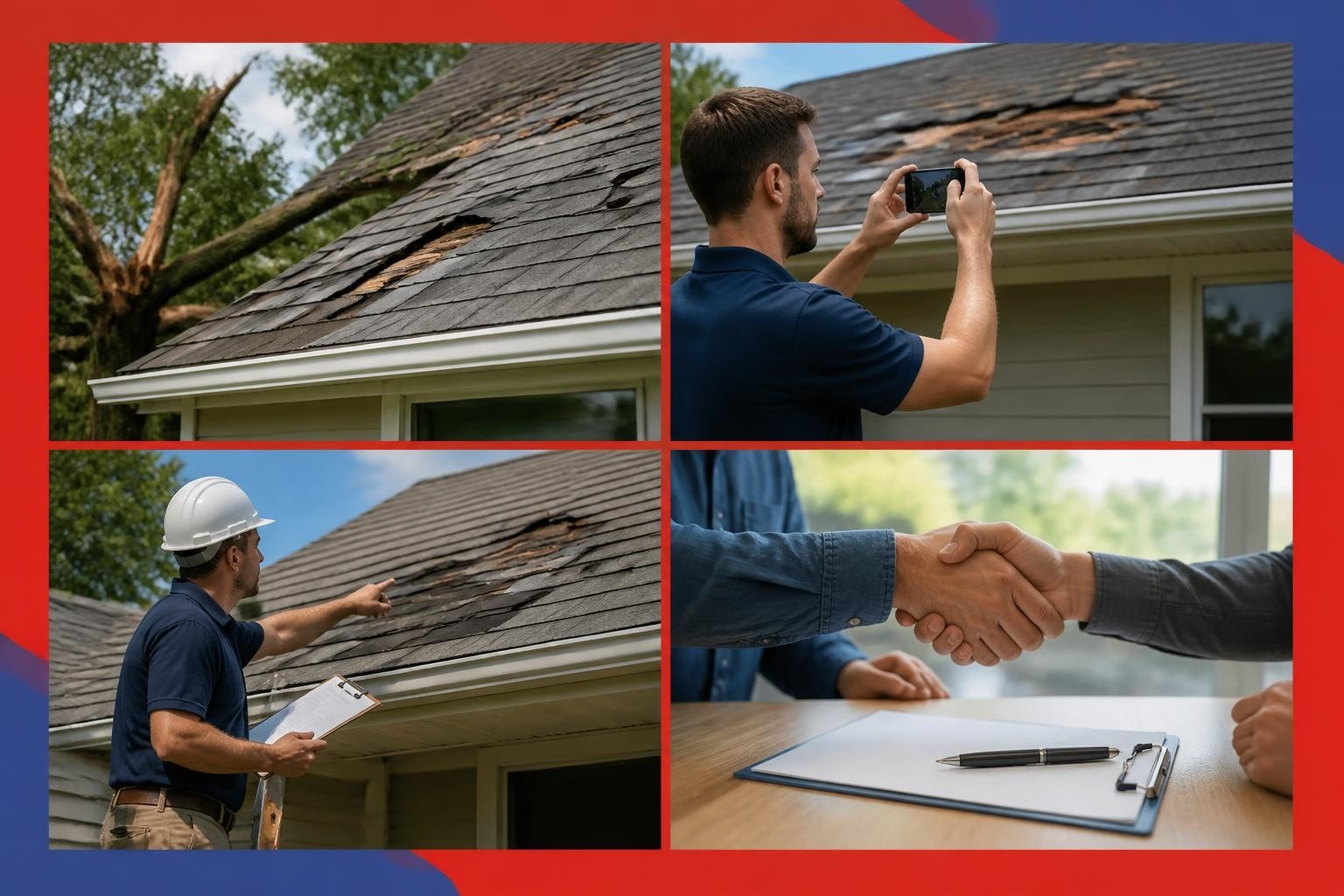
Understanding wind damage roof insurance can mean the difference between a fully covered repair and thousands of dollars in out-of-pocket expenses. Severe windstorms affect thousands of homes across Illinois each year, causing significant damage to roofing systems. Whether you're dealing with missing shingles, lifted edges, or structural damage, knowing what your homeowners insurance covers and how to navigate the claims process is essential. This comprehensive guide explores the critical aspects of wind damage coverage, helping you protect your investment and ensure your family stays safe under a sturdy roof.
What Wind Damage Roof Insurance Covers
Wind damage roof insurance typically falls under the dwelling coverage portion of your standard homeowners insurance policy. Most policies protect against sudden and accidental wind damage, but understanding the specific scope of coverage is crucial for homeowners.
Standard Coverage Components
Windstorm damage is generally covered when wind speeds exceed certain thresholds. Standard homeowners insurance policies typically cover damage from tornadoes, hurricanes, and severe thunderstorms without requiring separate wind insurance.
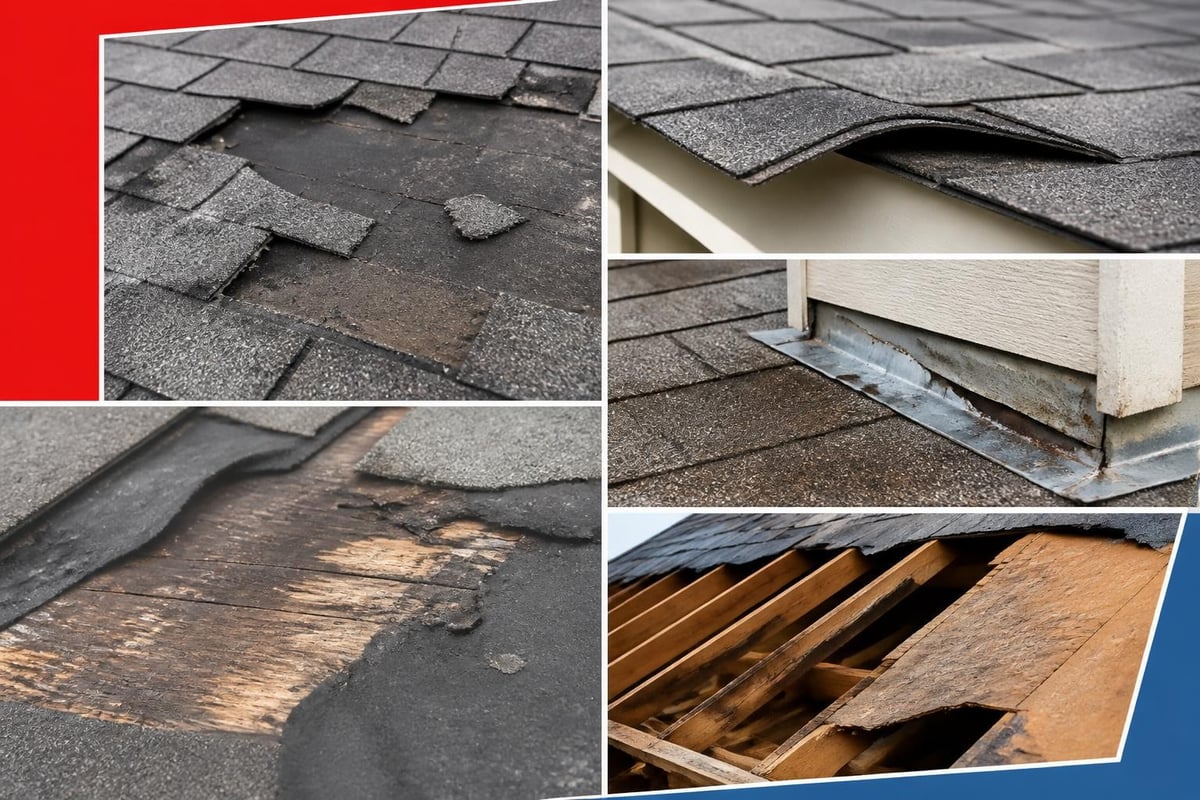
Your policy usually covers:
- Shingle blow-offs and displacement
- Damage to flashing and underlayment
- Structural damage to roof decking
- Water damage resulting from wind-created openings
- Debris removal costs
Coverage Limitations and Exclusions
Understanding what wind damage roof insurance doesn't cover is equally important. Most policies exclude damage from:
- Wear and tear: Gradual deterioration isn't covered
- Poor maintenance: Neglected repairs void coverage
- Pre-existing damage: Issues present before the wind event
- Cosmetic damage: Surface-level imperfections without functional impact
| Coverage Type | Typical Inclusion | Common Exclusion |
|---|---|---|
| Sudden wind events | Tornadoes, severe storms | Gradual wind erosion |
| Missing shingles | Complete blow-offs | Loose or curling shingles from age |
| Water infiltration | Damage from wind-created openings | Leaks from maintenance neglect |
| Emergency repairs | Temporary tarping and protection | Permanent repairs before approval |
The age and condition of your roof significantly impact coverage. Insurance providers may limit coverage based on your roof's age, with older roofs receiving actual cash value rather than replacement cost coverage.
How Wind Damage Occurs and Why It Matters
Wind damage happens through multiple mechanisms, each affecting your insurance claim differently. Understanding these patterns helps you identify damage and communicate effectively with adjusters.
Primary Wind Damage Mechanisms
Uplift forces create the most common damage pattern. Wind flowing over your roof creates negative pressure that lifts shingles from beneath. This process starts at roof edges, corners, and ridges where wind speeds are highest.
Impact damage occurs when wind-borne debris strikes your roof. Tree branches, lawn furniture, or neighboring building materials can puncture shingles, crack tiles, or dent metal roofing. Impact damage typically receives straightforward coverage under wind damage roof insurance policies.
Pressure differentials can cause structural damage when windows break during storms. Sudden interior pressurization combined with exterior suction can lift entire roof sections. This represents severe damage requiring immediate professional assessment from storm damage specialists.
Vulnerable Roof Components
Different roofing materials and components exhibit varying wind resistance levels:
- Shingle edges and tabs: First to fail in high winds
- Ridge caps: Experience highest wind speeds
- Flashing systems: Critical seal points around chimneys and vents
- Gable ends: Particularly vulnerable to wind pressure
- Soffit and fascia: Often sustain hidden damage
Professional contractors understand these vulnerability patterns. When seeking repairs, working with experienced providers like those offering asphalt shingle roofing services ensures proper damage assessment and documentation for insurance purposes.
Filing a Wind Damage Insurance Claim
The claims process requires careful documentation and timely action. Following proper procedures maximizes your chances of receiving full coverage for legitimate wind damage.
Immediate Steps After Wind Damage
Safety comes first. Never attempt roof inspections during or immediately after severe weather. Once conditions stabilize, document visible damage from ground level using photographs and video.
Contact your insurance company within 24-48 hours of discovering damage. Most policies require prompt notification, and delays can complicate claims. Request a claim number and adjuster assignment during this initial call.
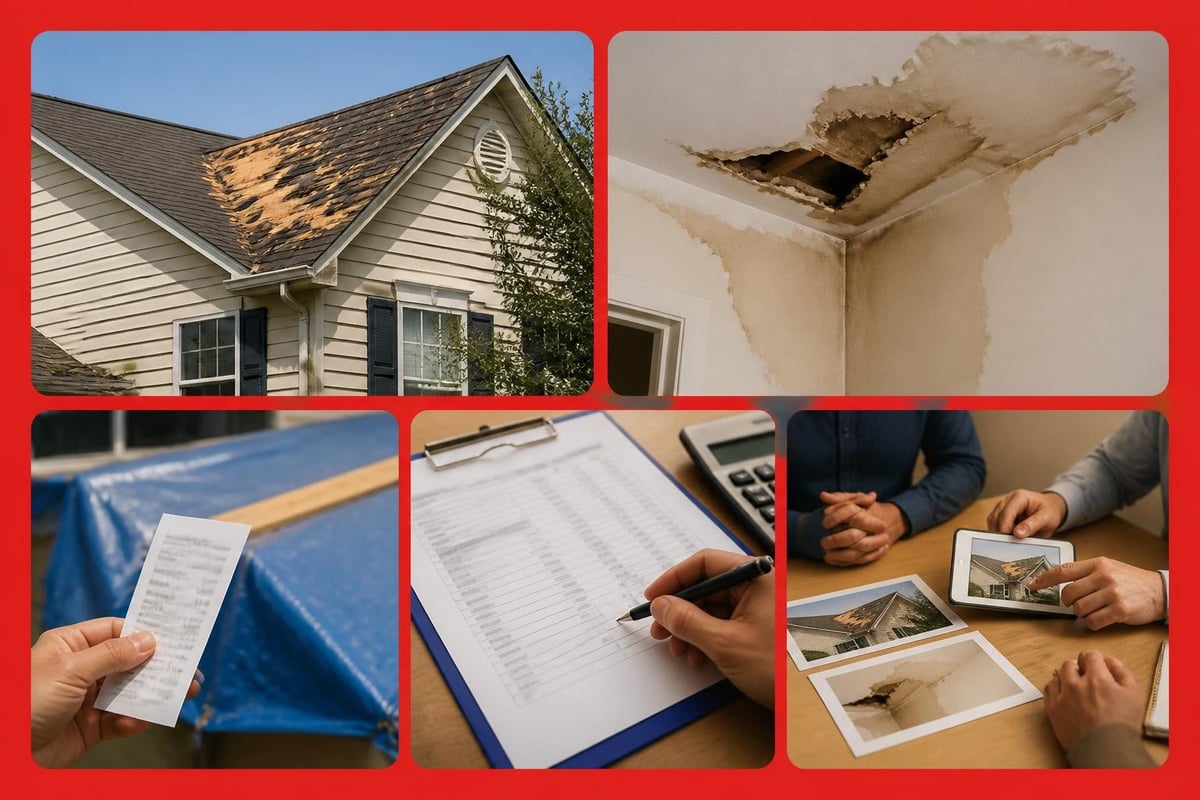
- Take comprehensive photos from multiple angles
- Document interior water damage or leaks
- Note the date and time of the storm event
- Preserve damaged materials when safe to do so
- Keep receipts for emergency repairs
Professional Inspection and Documentation
Schedule a professional roof inspection before the adjuster arrives. Experienced contractors identify damage that untrained eyes might miss, ensuring your claim reflects the complete scope of repairs needed.
Quality contractors provide:
Detailed damage reports with measurements and specifications
Photographic evidence using drone technology when appropriate
Written repair estimates itemizing all necessary work
Material specifications for proper replacement
Code compliance notes for required upgrades
This documentation supports your claim and prevents underpayment. Understanding the claims process helps you advocate effectively for proper coverage.
Working With Insurance Adjusters
Insurance adjusters assess damage to determine coverage amounts. Your preparation directly impacts claim outcomes. Schedule your contractor to attend the adjuster's inspection when possible.
| Adjuster Visit Stage | Your Action | Purpose |
|---|---|---|
| Initial contact | Provide claim number and documentation | Establish claim foundation |
| Inspection scheduling | Request contractor presence | Ensure complete assessment |
| Roof assessment | Point out all damage areas | Prevent overlooked issues |
| Estimate review | Compare with contractor's estimate | Identify discrepancies |
| Negotiation | Present additional evidence if needed | Secure adequate settlement |
Disagreements sometimes arise between contractor estimates and adjuster assessments. Don't accept inadequate settlements immediately. Request detailed explanations for coverage denials or reduced amounts, and consider obtaining multiple professional opinions.
Factors Affecting Wind Damage Roof Insurance Coverage
Multiple variables influence whether your claim receives approval and the amount your policy pays. Understanding these factors helps you manage expectations and prepare stronger claims.
Policy-Specific Variables
Deductibles represent your out-of-pocket responsibility before insurance coverage begins. Wind damage deductibles may differ from standard policy deductibles, particularly in high-wind regions. Some policies impose percentage-based deductibles (typically 1-5% of dwelling coverage) rather than flat amounts.
Coverage limits cap total payout amounts. Dwelling coverage should equal your home's replacement cost, but roof-specific sublimits sometimes apply. Review your policy's roof coverage provisions, especially for older roofs where actual cash value depreciation reduces payouts significantly.
Endorsements and riders can enhance basic coverage. Consider:
- Guaranteed replacement cost for roofs
- Extended wind coverage in coastal areas
- Ordinance and law coverage for code upgrades
- Emergency repair provisions
Roof Age and Condition
Roof age dramatically affects wind damage roof insurance settlements. Insurance companies evaluate pre-loss condition when determining coverage amounts.
Replacement cost coverage pays for new materials without depreciation, but many policies transition to actual cash value for roofs exceeding 10-15 years. This transition can reduce payouts by 30-50% depending on roof age and expected lifespan.
Proper maintenance documentation proves your roof's pre-storm condition. Keep records of:
- Regular inspection reports
- Maintenance and repair invoices
- Previous insurance claims
- Roof certification documents
- Installation warranties and documentation
Investing in roof certification provides independent verification of your roof's condition, strengthening insurance negotiations when wind damage occurs.
Geographic and Environmental Considerations
Location influences both coverage availability and cost. Illinois homeowners face different wind risks than coastal residents, affecting policy terms and premiums.
Wind zones determine base risk levels. Areas with frequent severe thunderstorms, tornadoes, or hurricanes may require separate windstorm policies or higher deductibles. Understanding your area's classification helps you secure appropriate coverage.
Environmental factors affecting claims include:
- Proximity to large trees or structures
- Historical storm frequency in your area
- Local building code requirements
- Regional roofing material standards

Maximizing Your Wind Damage Insurance Settlement
Strategic preparation and informed advocacy ensure you receive fair compensation for legitimate wind damage. These approaches help homeowners navigate the claims process successfully.
Pre-Storm Preparation
Policy review should occur before storm season arrives. Understanding your coverage prevents surprises during stressful claim situations. Schedule annual policy reviews with your insurance agent, specifically discussing:
- Current dwelling coverage amounts
- Roof-specific coverage terms
- Deductible structures and changes
- Available endorsements or upgrades
- Claims filing procedures
Home inventory documentation provides baseline condition evidence. Photograph your roof from multiple angles during good weather, creating dated records of pre-storm condition. Store these images securely off-site or in cloud storage.
Establish relationships with qualified roofing contractors before emergencies occur. Pre-vetted professionals respond faster and provide better service during high-demand post-storm periods.
Effective Communication Strategies
Clear, documented communication with your insurance company protects your interests throughout the claims process. Maintain detailed records of all interactions.
Written correspondence creates permanent records. Follow phone conversations with email summaries confirming discussed details. Request written responses to important questions about coverage or claim decisions.
Key communication practices include:
- Recording claim numbers and adjuster contact information
- Documenting conversation dates, times, and participants
- Requesting explanations for denials or reduced settlements
- Escalating unresolved disputes to supervisors
- Maintaining professional, factual communication
When disagreements arise, proper claim filing procedures become critical. Professional contractors familiar with insurance processes provide valuable advocacy support.
Temporary Repairs and Mitigation
Insurance policies require policyholders to prevent additional damage following wind events. Duty to mitigate means taking reasonable steps to protect your property from further harm.
Acceptable temporary repairs include:
- Emergency tarping to prevent water infiltration
- Debris removal to prevent additional damage
- Board-up services for broken windows or openings
- Interior water extraction to minimize secondary damage
- Temporary sealing of compromised areas
| Repair Type | Coverage Status | Documentation Required |
|---|---|---|
| Emergency tarping | Covered | Photos, receipts, contractor invoice |
| Temporary patches | Covered | Before/after images, cost records |
| Permanent repairs (pre-approval) | May be denied | Never proceed without adjuster approval |
| Upgrades beyond damage scope | Not covered | Separate quotes for damaged vs. improved work |
Never authorize permanent repairs before receiving insurance approval unless facing imminent safety hazards. Unauthorized work may result in coverage denials or reduced settlements.
Common Wind Damage Roof Insurance Challenges
Understanding typical obstacles helps you anticipate and overcome claim difficulties. These challenges appear frequently in wind damage situations.
Dispute Resolution
Coverage disputes occur when insurance companies deny claims or offer insufficient settlements. Common disagreement areas include damage causation (wind vs. age), repair scope, and material specifications.
Resolution approaches include:
- Supplemental documentation: Provide additional evidence supporting your claim
- Independent inspections: Obtain third-party professional assessments
- Policy language review: Identify specific provisions supporting coverage
- Formal appeals: Submit written appeals with comprehensive supporting evidence
- Appraisal processes: Invoke policy appraisal clauses for valuation disputes
- Department of Insurance complaints: File regulatory complaints for unfair practices
Professional contractors experienced in storm damage insurance claims navigate these challenges effectively, advocating for appropriate settlements.
Proving Wind vs. Other Damage
Adjusters scrutinize damage causation carefully. Wind damage differs from hail damage, age-related deterioration, and installation defects. Proving wind causation requires specific evidence.
Wind damage indicators include:
- Directional damage patterns consistent with storm winds
- Sudden onset coinciding with documented weather events
- Missing shingles or displaced materials
- Creased or torn shingles from uplift forces
- Damaged fascia or soffit showing wind entry points
Contrast these with age-related issues like granule loss, brittleness, or uniform deterioration across the entire roof. Weather data from the National Weather Service provides objective evidence supporting wind event severity and timing.
Hidden Damage Discovery
Surface-level assessments sometimes miss critical damage to underlying roof components. Underlayment tears, decking damage, and compromised flashing may not appear until contractors begin repairs.
This presents challenges when insurance adjusters base settlements on exterior-only inspections. Address this through:
- Requesting allowances for unforeseen damage in initial settlements
- Supplemental claims for discovered issues during repairs
- Detailed contractor inspections before finalizing settlements
- Professional documentation of hidden damage when discovered
Working with experienced roofing repair specialists ensures proper identification and documentation of all damage, including hidden issues affecting long-term roof integrity.
Choosing the Right Contractor for Insurance Repairs
Contractor selection significantly impacts claim outcomes and repair quality. The right professional partnership ensures proper repairs and fair insurance settlements.
Essential Contractor Qualifications
Licensing and insurance represent minimum requirements. Verify contractors maintain current licenses, general liability insurance, and workers compensation coverage. Request certificates of insurance and verify their authenticity with issuing companies.
Experience with insurance work matters tremendously. Contractors familiar with insurance claim processes communicate effectively with adjusters and document damage appropriately.
Evaluate contractors based on:
- Years serving your local area
- Manufacturer certifications and training
- References from recent insurance repair projects
- Better Business Bureau ratings and reviews
- Warranty provisions for workmanship and materials
Local contractors understand regional building codes, weather patterns, and insurance company practices. Family-owned businesses often provide superior customer service and accountability compared to national storm-chasing companies.
Red Flags to Avoid
Storm chasers flood areas after severe weather, offering quick repairs and insurance claim assistance. While some provide legitimate services, many engage in questionable practices that jeopardize homeowners.
Warning signs include:
- Requiring full payment upfront
- Offering to waive insurance deductibles
- Using high-pressure sales tactics
- Lacking local physical addresses
- Refusing to provide written contracts
- Claiming they can guarantee insurance approval
Reputable contractors never offer to waive deductibles, as this constitutes insurance fraud. They provide detailed written estimates, maintain local offices, and work transparently throughout the repair process.
Value of Local Expertise
Local contractors invested in community relationships prioritize quality and customer satisfaction. They remain available for warranty service and maintain reputations through long-term local presence.
Joliet-area roofing specialists understand Illinois building codes, local insurance company practices, and regional weather challenges. This expertise translates to better claim documentation, appropriate repair specifications, and long-lasting results.
Consider contractors offering comprehensive services beyond basic repairs. Providers handling roof replacement through final inspections streamline the entire process, ensuring consistency and accountability from start to finish.
Understanding Replacement Cost vs. Actual Cash Value
Payment methodology significantly affects your out-of-pocket expenses following wind damage. Understanding these valuation approaches helps you make informed policy decisions and claim negotiations.
Replacement Cost Coverage Explained
Replacement cost coverage pays to replace damaged materials with new equivalents without depreciation deductions. This provides maximum financial protection but typically costs more in premium payments.
Under replacement cost policies, you receive payment in two stages:
- Initial payment: Actual cash value (depreciated amount) at claim approval
- Recoverable depreciation: Additional payment after completing repairs
This structure ensures homeowners actually complete repairs rather than pocketing insurance proceeds while leaving damage unrepaired. Submit final invoices and completion certificates to receive full replacement cost payments.
Replacement cost advantages include:
- Full repair funding without significant out-of-pocket expenses
- New materials matching current building standards
- Better long-term protection and property value
- Simplified repair planning and budgeting
Actual Cash Value Limitations
Actual cash value (ACV) policies pay replacement cost minus depreciation for age and wear. This significantly reduces settlement amounts, particularly for older roofs.
Depreciation calculations vary by insurance company but typically follow these parameters:
| Roof Age | Typical Depreciation | Settlement Percentage |
|---|---|---|
| 0-5 years | 10-20% | 80-90% of replacement cost |
| 6-10 years | 30-50% | 50-70% of replacement cost |
| 11-15 years | 60-75% | 25-40% of replacement cost |
| 16+ years | 80-100% | 0-20% of replacement cost |
These dramatic reductions create substantial out-of-pocket expenses. A $15,000 roof replacement might receive only $3,000-$6,000 in ACV coverage for a 15-year-old roof, leaving homeowners responsible for the difference.
Making the Right Coverage Choice
Evaluate your financial situation, roof age, and risk tolerance when selecting coverage types. Replacement cost coverage makes sense when:
- Your roof exceeds 10 years old
- You prefer predictable out-of-pocket costs
- Your budget cannot absorb large unexpected expenses
- You plan long-term homeownership
Actual cash value might suffice if:
- Your roof is relatively new (under 5 years)
- You maintain significant emergency savings
- You're considering selling soon
- Premium savings justify increased risk
Review coverage annually as your roof ages. Switching from ACV to replacement cost coverage before your roof reaches 10-15 years protects against excessive depreciation during future claims.
Preventive Maintenance and Insurance Implications
Regular maintenance reduces wind damage likelihood and strengthens insurance claim positions. Documented care demonstrates responsible homeownership, potentially influencing coverage decisions.
Maintenance Best Practices
Annual inspections identify minor issues before they escalate into major problems. Professional inspections after severe weather seasons (spring and fall) catch damage early while documenting roof condition for insurance purposes.
Inspection priorities include:
- Checking for loose, damaged, or missing shingles
- Examining flashing around chimneys, vents, and skylights
- Clearing debris from valleys and gutters
- Assessing seal integrity around roof penetrations
- Evaluating attic ventilation and moisture levels
Professional roof inspections provide expert assessments and documentation supporting insurance claims when wind damage occurs.
Documentation for Insurance Purposes
Maintain comprehensive maintenance records proving your roof's pre-loss condition. This evidence becomes invaluable during claim disputes about damage causation or coverage eligibility.
Essential documentation includes:
- Professional inspection reports with dates
- Repair invoices and work orders
- Photographs showing roof condition over time
- Gutter cleaning and maintenance records
- Warranty documentation and registration
Organize these materials in accessible formats, storing copies both physically and digitally. When wind damage occurs, immediate access to maintenance documentation strengthens claim credibility and accelerates approval processes.
Impact on Future Coverage
Claims history affects both coverage availability and premium costs. Insurance companies consider claim frequency when setting rates and determining renewal eligibility. Multiple claims within short periods can result in coverage cancellation or non-renewal.
Strategic claim filing balances current needs against future implications. Consider deductibles and potential premium increases when deciding whether to file claims for minor damage. Small repairs costing less than or slightly exceeding deductibles may warrant out-of-pocket payment to preserve claims-free discounts and avoid rate increases.
However, never avoid filing legitimate claims for significant wind damage. Undisclosed damage can void future coverage, and delayed claims may exceed policy time limits. Consult experienced contractors about damage severity and repair costs before deciding whether to involve insurance.
Understanding wind damage roof insurance empowers homeowners to protect their properties and financial interests effectively. From recognizing coverage details and documenting damage properly to choosing qualified contractors and navigating claim processes, informed preparation makes all the difference when storms strike. Whether you're dealing with current wind damage or planning ahead for future protection, Great Roofing provides the expertise and support Joliet-area homeowners need. Our family-owned team specializes in insurance repairs, comprehensive damage assessments, and quality workmanship that stands the test of time. Contact us today for professional inspection services and experienced guidance through every step of your wind damage insurance claim.