



A roofing blog serves as one of the most powerful marketing tools for contractors looking to establish authority, educate homeowners, and generate qualified leads. In an industry where trust and expertise matter tremendously, publishing consistent, valuable content positions your business as the go-to resource when property owners face roofing decisions. For contractors in Joliet and surrounding communities, a well-maintained blog bridges the gap between technical roofing knowledge and homeowner concerns, creating opportunities to showcase your expertise while addressing real questions potential customers are already searching for online.
Why Roofing Contractors Need a Blog Strategy
The roofing industry faces unique marketing challenges. Most homeowners only think about their roof when problems arise, making traditional advertising less effective than educational content that captures attention during crucial decision-making moments.
A strategic roofing blog accomplishes multiple business objectives simultaneously:
- Builds organic search visibility for local roofing services
- Demonstrates expertise in specific systems like asphalt shingles and modified bitumen
- Educates potential customers before they pick up the phone
- Creates shareable content that extends your reach
- Establishes trust through transparent, helpful information
Property owners researching roofing options typically spend significant time reading reviews, comparing materials, and understanding processes before contacting contractors. Your blog content should meet them at every stage of this research journey, from initial awareness through final decision-making.
Understanding Your Audience's Information Needs
Homeowners and commercial property managers search for different types of roofing information depending on their situation. Someone experiencing an active leak needs immediate problem-solving content, while a homeowner planning future renovations seeks comparative information about materials and longevity.
Consider these distinct audience segments when planning your roofing blog topics:
- Emergency searchers looking for storm damage identification and repair options
- Future planners comparing roofing materials and installation timelines
- Maintenance-focused owners seeking preventive care tips
- Commercial property managers researching long-term roofing solutions
Each segment requires tailored content that addresses their specific concerns, timeline, and decision-making criteria. Understanding these differences helps create blog posts that genuinely serve reader needs rather than simply promoting services.
Essential Topics Every Roofing Blog Should Cover
Successful roofing blogs balance educational content with practical advice, creating a resource library that serves both immediate needs and long-term planning. Your content calendar should address seasonal concerns, material comparisons, maintenance guidance, and local considerations.

Material Comparison and Selection Guides
Homeowners consistently search for comprehensive comparisons of roofing materials before making investment decisions. These high-value blog posts should compare durability, costs, climate suitability, and aesthetic considerations across different options.
Your material guides should include:
- Side-by-side cost comparisons with realistic installation estimates
- Expected lifespan data for different materials in Midwest climates
- Maintenance requirements and long-term ownership costs
- Visual appeal and architectural compatibility
- Performance in extreme weather conditions
For contractors specializing in residential shingle work, detailed posts about architectural asphalt shingles help homeowners understand quality differences and make informed choices. Similarly, content about commercial roofing systems educates property managers about modified bitumen benefits and installation processes.
| Roofing Material | Average Lifespan | Midwest Climate Suitability | Maintenance Level |
|---|---|---|---|
| Asphalt Shingles | 20-30 years | Excellent | Low |
| Metal Roofing | 40-70 years | Excellent | Very Low |
| Modified Bitumen | 15-20 years | Good | Moderate |
| Tile Roofing | 50+ years | Moderate | Low |
Seasonal Maintenance and Preparation Content
Property owners need timely information about protecting their roofs throughout the year. Seasonal blog posts establish your commitment to customer education while positioning your services for upcoming weather challenges.
Spring topics should focus on:
- Post-winter roof inspections and damage assessment
- Gutter cleaning and drainage system checks
- Preparing for spring storm season
- Identifying winter damage before it worsens
Summer content addresses:
- Heat protection strategies and ventilation importance
- Storm damage identification after severe weather
- Planning fall replacement projects
- Energy efficiency improvements
Fall and winter posts can cover ice dam prevention strategies, insulation improvements, and preparing roofs for snow loads. These seasonal pieces demonstrate ongoing expertise while reminding property owners about your services year-round.
Creating Content That Converts Readers to Customers
Writing helpful blog posts represents only half the equation. Your roofing blog must also guide interested readers toward contacting your business when they're ready for professional services.
Strategic Call-to-Action Placement
Every blog post should include natural opportunities for readers to take the next step without feeling pressured by aggressive sales language. Effective calls-to-action emerge organically from the content itself.
When discussing storm damage assessment, mention that professional inspections identify issues homeowners might miss. After explaining material options, suggest scheduling a consultation to review specific property considerations. These gentle transitions feel helpful rather than promotional.
Position calls-to-action in these strategic locations:
- Mid-article, after discussing complex topics requiring professional expertise
- Within relevant sections addressing specific services you offer
- At natural conclusion points where readers might be ready to act
- In sidebar content or resource boxes complementing main articles
The key is matching action suggestions to content context. Storm damage posts naturally lead to inspection requests, while material comparison guides suggest consultation scheduling.
Local SEO Integration Throughout Blog Content
For roofing contractors serving specific geographic areas, local references throughout blog content improve search visibility while demonstrating community knowledge. Mentioning Joliet weather patterns, local building codes, or regional architectural styles makes content more relevant to your target audience.
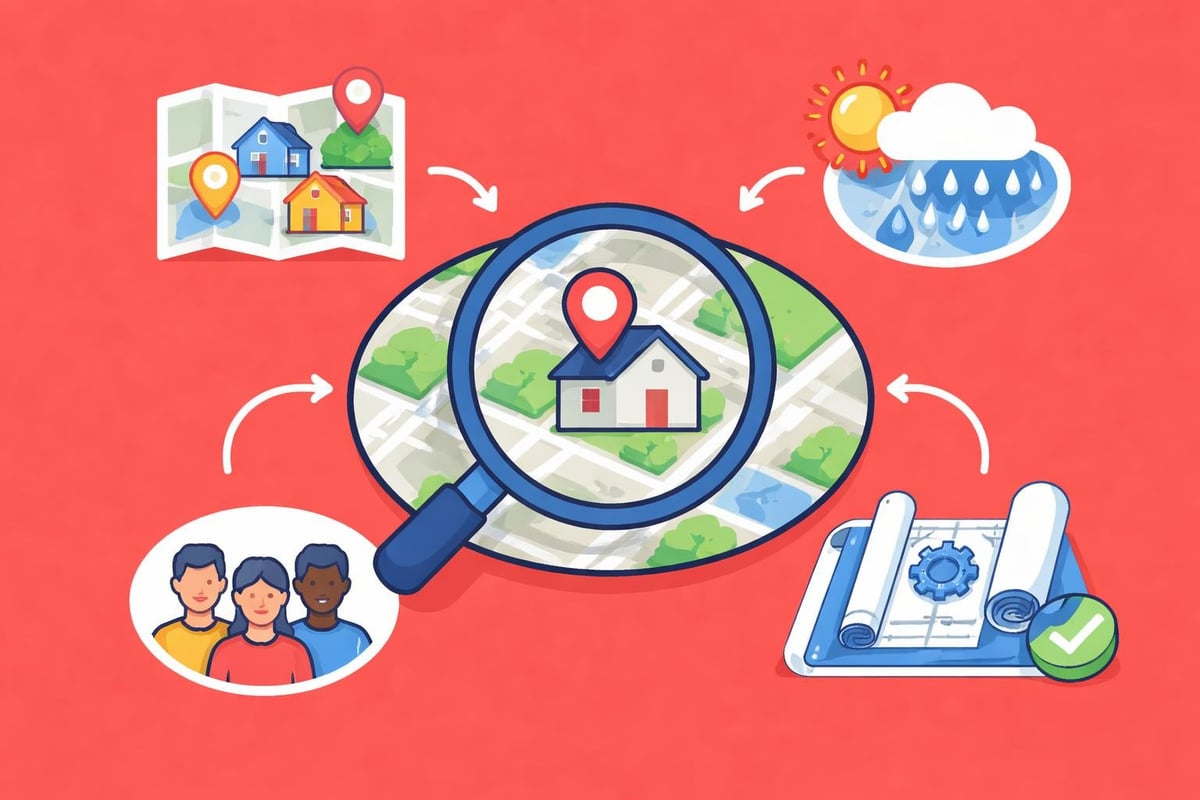
Incorporate location-specific elements naturally:
- Reference local weather events and their impact on roofing systems
- Discuss regional building code requirements affecting installations
- Mention neighborhood architectural styles and compatible roofing choices
- Share case studies from local projects (with permission)
- Address climate-specific concerns unique to the Midwest
These local touches signal to search engines that your content serves specific communities while providing genuinely useful regional information to readers.
Building Technical Authority Through Educational Content
The roofing industry's technical complexity creates opportunities to demonstrate expertise through detailed educational posts. Homeowners appreciate contractors who explain processes clearly rather than hiding behind industry jargon.
Explaining Complex Processes Simply
Transform technical roofing concepts into accessible explanations that build confidence in your expertise. Posts explaining different types of roofing materials should balance technical accuracy with readable language that homeowners understand.
Break down complex topics using:
- Clear definitions of industry terms when first introduced
- Analogies connecting roofing concepts to familiar experiences
- Step-by-step process explanations with logical progression
- Visual descriptions supplementing technical details
- Practical implications for homeowners making decisions
For example, rather than simply listing modified bitumen specifications, explain how this system protects commercial buildings through multiple waterproof layers, then describe what this means for longevity and maintenance requirements.
Addressing Common Concerns and Misconceptions
Many homeowners hold misconceptions about roofing that influence their decision-making. Your roofing blog should directly address these misunderstandings while providing accurate information.
Common topics worth exploring include:
- Roof replacement timing – when repair stops being cost-effective
- Insurance claim processes after storm damage
- Material quality differences beyond basic price comparisons
- Installation quality impact on system performance
- Warranty coverage details and what they actually protect
Understanding common roofing mistakes homeowners make helps shape content that prevents poor decisions. Posts addressing these concerns position your business as a trusted advisor rather than just a service provider.
Content Formats That Engage Different Learning Styles
Diversifying content formats keeps your roofing blog engaging while serving readers who prefer different information consumption methods. Not everyone learns best from traditional article formats.
Visual Content and Infographics
Roofing naturally lends itself to visual explanation. Damage identification, installation processes, and material comparisons all benefit from visual representation alongside written descriptions.
Effective visual content types include:
- Before/after project galleries showing transformation quality
- Diagram-style explanations of roofing system components
- Damage identification guides with annotated photographs
- Material comparison charts with clear visual distinctions
- Installation process timelines showing project stages
These visual elements make technical information more accessible while increasing content shareability on social media platforms.
Video Integration and Multimedia
Video content addresses complex topics that benefit from demonstration rather than description. Embedding relevant videos enhances your blog's educational value. Resources like material comparison videos from trusted sources complement your written content while keeping visitors engaged on your site longer.
Consider creating original video content showing:
- Common damage types property owners should recognize
- Proper attic ventilation configurations
- Quality installation techniques that ensure longevity
- Material handling and preparation processes
- Customer testimonial interviews discussing their experience

Optimizing Your Roofing Blog for Search Visibility
Publishing quality content matters little if potential customers never find it. Search engine optimization ensures your roofing blog reaches people actively seeking the information you provide.
Keyword Research and Topic Selection
Effective roofing blog topics begin with understanding what questions people actually ask search engines. Rather than guessing topics, research reveals real search demand.
Focus keyword research on:
- Problem-solving queries homeowners search during emergencies
- Comparison terms people use when evaluating options
- Local variations including city names and neighborhoods
- Seasonal topics aligning with weather-related concerns
- Specific material names and system types you install
Tools like Google's autocomplete suggestions reveal common question patterns, while competitor analysis shows topics already ranking well. The goal is finding topics with sufficient search volume that aren't dominated by major national websites.
Internal Linking Strategy
Connecting related blog posts through strategic internal links helps readers discover additional relevant content while signaling topic relationships to search engines. Each new post should link to 3-5 existing articles where connections make sense.
When writing about metal roofing benefits, naturally link to related posts about material comparisons, installation processes, or maintenance requirements. These connections create a web of related content that encourages deeper engagement.
| Internal Link Type | Purpose | Implementation Example |
|---|---|---|
| Foundational Links | Connect to pillar content | Link storm damage posts to main damage identification guide |
| Related Topics | Show content relationships | Connect material posts to installation process articles |
| Service Links | Guide toward conversion | Link educational content to relevant service pages |
| Seasonal Links | Create timely connections | Link current season posts to previous year's related content |
Building this internal structure over time creates comprehensive topic coverage that search engines recognize as authoritative.
Measuring Blog Performance and Adjusting Strategy
Launching your roofing blog represents just the beginning. Ongoing performance monitoring reveals what resonates with readers and drives business results.
Key Metrics Worth Tracking
Different metrics reveal different aspects of blog performance. Focus on measurements that connect to actual business objectives rather than vanity metrics.
Monitor these essential indicators:
- Organic search traffic growth showing visibility improvements
- Time on page indicating content engagement levels
- Conversion actions like contact form submissions and phone calls
- Bounce rate revealing content relevance to searcher intent
- Returning visitor percentage showing audience building
Additionally, track which topics generate the most engagement and conversions. If posts about hail damage to asphalt shingles consistently drive consultation requests, create more storm-related content addressing different damage types and assessment processes.
Content Refresh and Update Strategy
Roofing information evolves as materials improve, codes change, and new challenges emerge. Regularly updating existing posts maintains their relevance and search rankings.
Prioritize updates for:
- Posts ranking on page two of search results (small improvements could boost visibility)
- Popular articles with outdated statistics or pricing information
- Seasonal content before relevant weather arrives
- Underperforming posts on important topics worth salvaging
- High-traffic pages that could benefit from expanded information
Refreshed content often outperforms new posts because it builds on existing search authority while delivering more current information.
Building Consistency Without Overwhelming Resources
Many roofing contractors abandon blogging after initial enthusiasm fades. Success requires sustainable systems that don't overwhelm limited marketing resources.
Creating Content Batches and Templates
Rather than writing individual posts on demand, batch-creating content during dedicated sessions maintains consistency while improving efficiency. Develop templates for common post types that streamline the writing process.
Standard roofing blog templates might include:
- Material comparison posts following consistent format with specs, costs, pros, cons
- Seasonal preparation guides addressing specific weather considerations
- Damage identification articles using before/after visual structure
- Maintenance checklists providing actionable step lists
- Project showcases highlighting specific installations with consistent details
These templates ensure comprehensive coverage while reducing time spent structuring each post.
Leveraging Team Knowledge and Experience
Your field crews and project managers possess extensive roofing knowledge that translates directly into valuable blog content. Rather than treating blogging as purely a marketing function, involve technical team members in content creation.
Extract expertise through:
- Brief interviews about common customer questions they encounter
- Photo documentation from interesting or educational project situations
- Problem-solving stories showcasing technical expertise
- Seasonal observations about recurring issues they address
- Material performance insights from long-term installation experience
This collaborative approach produces authentic, technically sound content while distributing the workload beyond a single writer.
Extending Blog Content Across Other Marketing Channels
Your roofing blog shouldn't exist in isolation. Repurposing and promoting content across multiple channels maximizes the return on content creation investment.
Transform blog posts into:
- Social media post series breaking down key points
- Email newsletter features highlighting recent articles
- Video scripts expanding on popular written topics
- Downloadable guides combining related blog posts
- Customer handouts supporting sales conversations
A comprehensive post about understanding roofing material lifespans becomes an email series, social media graphics, a customer comparison sheet, and video content. This multiplication effect extends reach without requiring entirely new content creation.
Social Media Distribution Strategy
Each blog post represents multiple social media opportunities. Share new content immediately upon publication, then reshare with different angles weeks or months later.
Vary social promotion by highlighting different article aspects:
- Lead with surprising statistics or facts
- Feature customer questions the post answers
- Share specific tips or action items from longer posts
- Use relevant images or diagrams from the article
- Pose questions that the blog post explores
This varied approach keeps promotion fresh while driving traffic back to your website where visitors can explore additional content and contact your business.
A strategically developed roofing blog establishes your expertise, educates potential customers, and generates qualified leads through valuable content that addresses real property owner concerns. By consistently publishing helpful information about materials, maintenance, damage identification, and installation processes, contractors build trust before prospects even request quotes. If you're ready to protect your Joliet property with expert roofing services backed by the knowledge and experience reflected in educational content, Great Roofing combines family-owned dedication with professional expertise in residential and commercial roofing systems.