

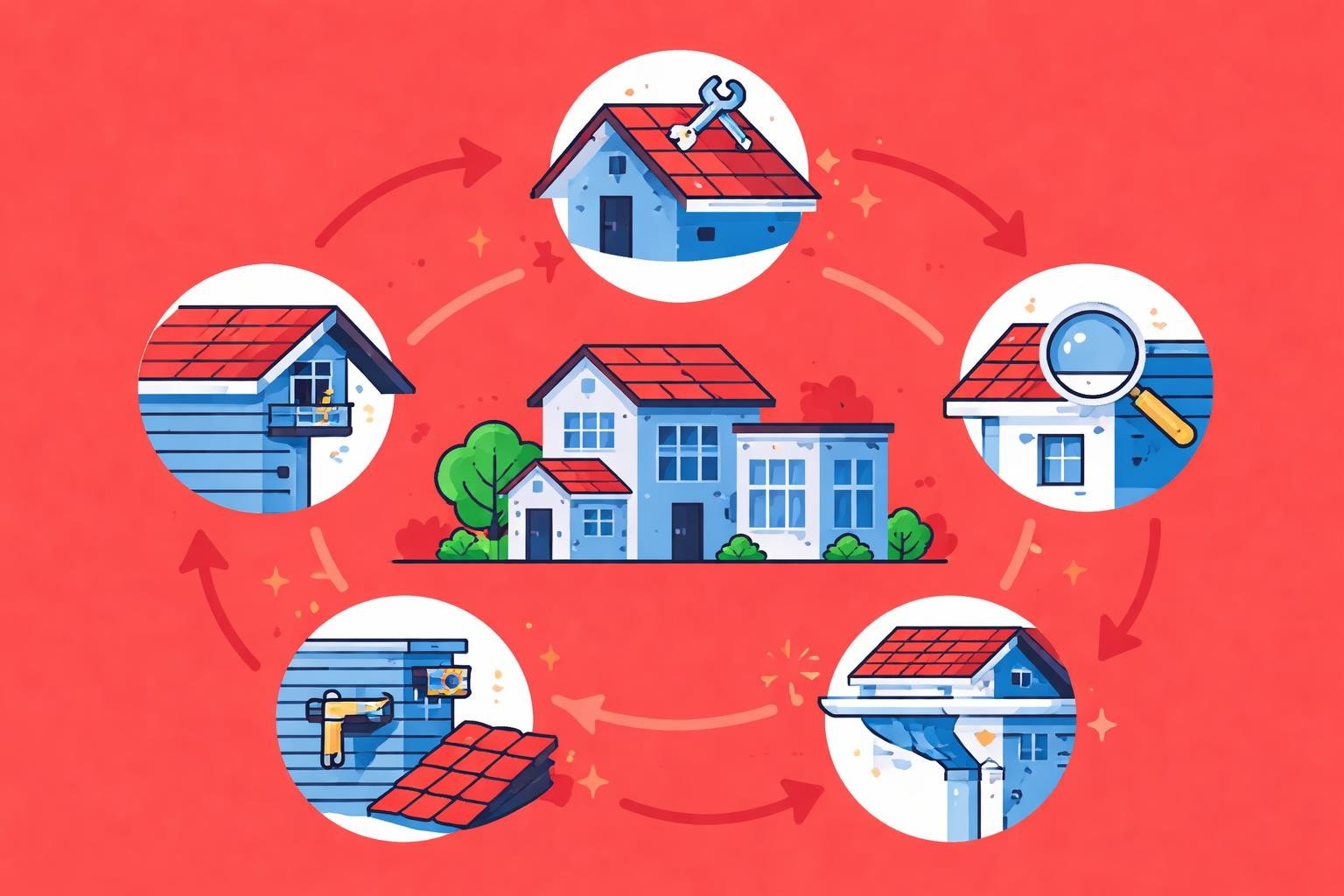
When property owners think about protecting their investment, they often focus solely on the roof itself. However, a truly comprehensive approach to building protection encompasses roofing and more-a holistic strategy that addresses all exterior components working together to safeguard your structure. This integrated perspective recognizes that your building envelope consists of interconnected systems, each playing a critical role in weatherproofing, energy efficiency, and structural integrity. Understanding how these elements complement each other helps property managers and homeowners make informed decisions that extend beyond simple repairs to long-term protection strategies.
Understanding the Roofing and More Philosophy
The concept of roofing and more extends beyond traditional roofing services to encompass a complete exterior protection system. This approach recognizes that your roof doesn't function in isolation-it works in concert with siding, gutters, ventilation, insulation, and drainage systems to create a weathertight barrier.
Modern building science has demonstrated that failures in one system often cascade into problems throughout the structure. For instance, inadequate attic ventilation can accelerate shingle deterioration, while poorly maintained gutters can lead to fascia rot that compromises roof edge integrity. By addressing these interconnected systems simultaneously, property owners achieve better outcomes and longer-lasting protection.
The Integrated Approach to Exterior Services
Professional contractors who embrace the roofing and more methodology assess properties comprehensively rather than viewing each component separately. This perspective allows them to identify underlying issues that might be missed during isolated inspections.
Key benefits of integrated exterior services include:
- Early detection of problems before they escalate into costly repairs
- Coordinated scheduling that minimizes disruption to occupants
- Consistent quality standards across all exterior work
- Better warranty coverage when one contractor handles multiple systems
- Improved energy efficiency through properly coordinated components
A comprehensive understanding of roofing fundamentals provides the foundation for this integrated approach, ensuring that all work meets current industry standards.
Core Services Within Roofing and More
Roof Replacement and Installation
Roof replacement represents the most significant investment in your building's exterior protection. Modern roofing systems offer unprecedented durability and performance when properly installed with quality materials.
For residential properties, asphalt shingle roofing remains the most popular choice due to its balance of affordability, performance, and aesthetic versatility. Today's architectural shingles feature advanced granule technology that resists algae growth and reflects solar heat, contributing to improved energy efficiency.
Commercial properties often require different solutions. Modified bitumen systems provide excellent waterproofing for low-slope applications, while thermoplastic membranes offer superior reflectivity and heat-welded seams that create watertight barriers.
| Roofing System Type | Best Applications | Average Lifespan | Key Advantages |
|---|---|---|---|
| Asphalt Shingles | Residential steep-slope | 20-30 years | Cost-effective, versatile styles |
| Modified Bitumen | Commercial low-slope | 15-20 years | Excellent waterproofing, durable |
| Metal Roofing | Both residential/commercial | 40-70 years | Long lifespan, energy efficient |
| TPO/EPDM | Commercial flat/low-slope | 20-30 years | Reflective, chemical resistant |
Roof Repair and Maintenance
Not every roofing issue requires complete replacement. Strategic repairs extend roof lifespan and protect your investment between major replacements. Professional roof repair addresses specific problems while maintaining system integrity.
Common repair scenarios include replacing damaged shingles after storms, sealing around penetrations like chimneys and vents, addressing flashing failures at roof valleys, and repairing localized leaks before they spread. The key to successful repairs lies in accurate diagnosis-identifying the actual source of problems rather than just treating visible symptoms.
Regular maintenance programs prevent many repairs altogether. Bi-annual inspections catch small issues before they escalate, debris removal prevents drainage problems and premature deterioration, and minor sealant touch-ups maintain weathertight protection at vulnerable points.
Siding Solutions
Siding serves as your building's first line of defense against wind-driven rain, temperature extremes, and physical impacts. Quality siding installation complements roofing work by ensuring complete envelope protection.
Modern siding materials offer diverse options for different architectural styles and performance requirements. Vinyl siding provides low maintenance and excellent moisture resistance, fiber cement combines durability with fire resistance and paintability, engineered wood delivers authentic aesthetics with improved dimensional stability, and metal siding offers unmatched longevity for commercial applications.
Proper siding installation requires attention to moisture management details. House wrap creates a secondary weather barrier, appropriate flashing prevents water intrusion around windows and doors, and adequate ventilation behind siding prevents moisture accumulation that leads to rot and mold.
Complementary Exterior Systems
Gutter and Drainage Management
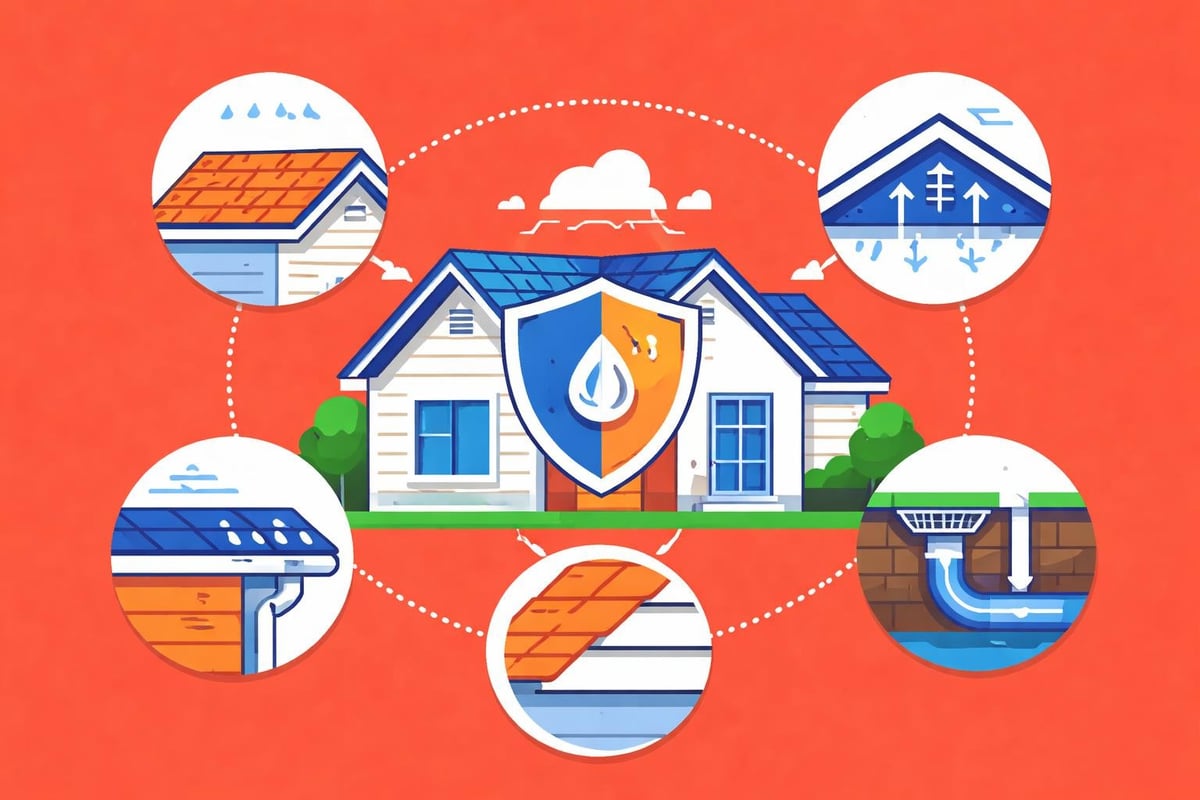
Effective water management represents a critical component of roofing and more services. Gutters channel thousands of gallons of water away from your foundation annually, preventing erosion, basement flooding, and structural damage.
Professional gutter systems include:
- Properly sized gutters matched to roof area and local rainfall intensity
- Strategically placed downspouts that discharge water away from foundations
- Gutter guards that minimize maintenance while maintaining flow capacity
- Extensions and splash blocks that direct water to appropriate drainage areas
- Regular cleaning schedules that prevent clogs and overflow
Inadequate drainage undermines even the best roofing systems. Water pooling near foundations can wick into basement walls, saturated soil creates hydrostatic pressure against foundation walls, and overflow from clogged gutters damages fascia, soffit, and siding.
Ventilation and Insulation Optimization
Your attic environment directly impacts roof performance and longevity. Proper ventilation prevents moisture accumulation that rots decking and shortens shingle life, while adequate insulation reduces energy costs and prevents ice dam formation in winter climates.
The relationship between these systems exemplifies the roofing and more approach. Ventilation without proper insulation allows conditioned air to escape, while insulation without ventilation traps moisture that damages structural components. Balanced systems deliver optimal performance.
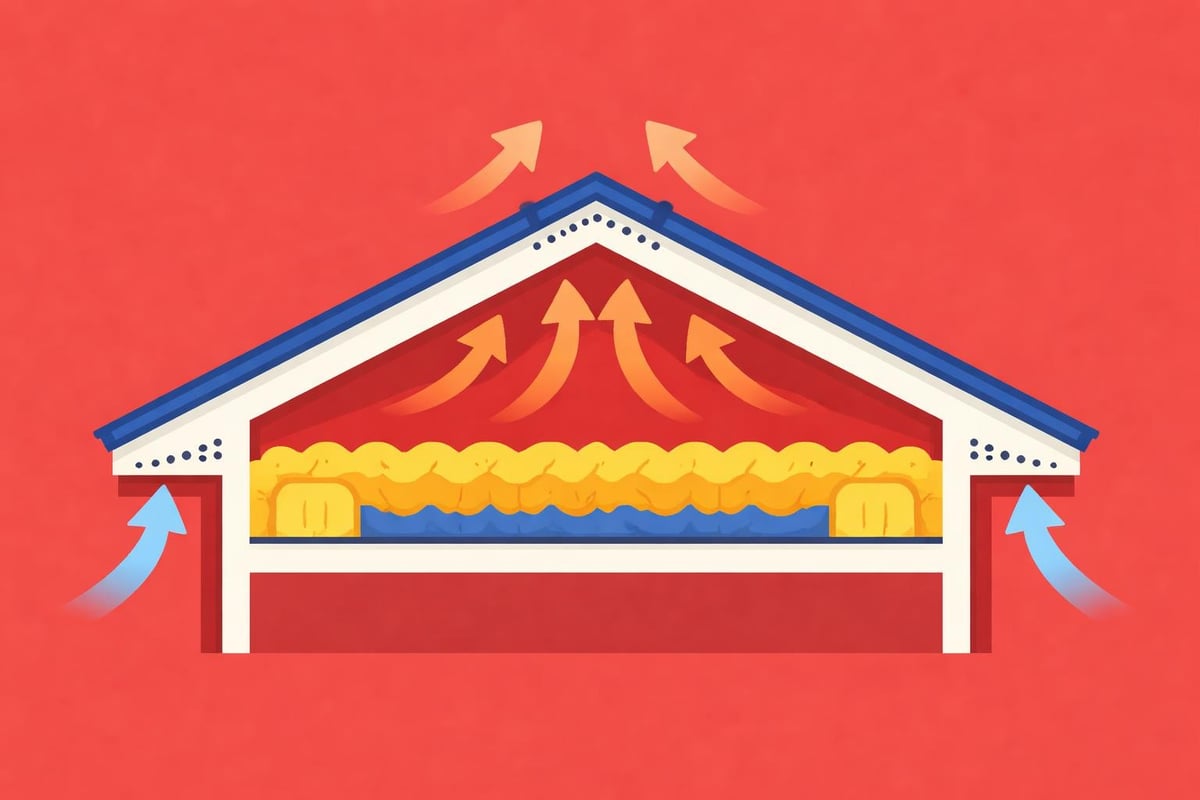
Modern building codes require specific ventilation ratios based on attic square footage. Ridge vents combined with soffit vents create natural convection that continuously refreshes attic air. Power ventilators provide supplemental air movement in challenging configurations.
Storm Damage Assessment and Insurance Claims
Severe weather events create widespread damage that requires professional assessment. Understanding what storm damage looks like weeks after the event helps property owners identify problems before they worsen.
Identifying Storm Damage
Wind damage manifests as missing or creased shingles, lifted edges that break the seal, and damaged flashing around chimneys and vents. Hail damage to asphalt shingles appears as circular bruises where granules are knocked loose, though these impacts may not be immediately visible to untrained eyes.
The roofing and more perspective extends damage assessment beyond just the roof surface. Wind-driven debris damages siding, hail dents gutters and downspouts, and severe storms can compromise soffit and fascia that support roof edges.
Navigating the Claims Process
Successfully filing a storm damage insurance claim requires thorough documentation and professional presentation. Insurance adjusters evaluate damage based on industry standards and policy language that may differ from contractor assessments.
Critical documentation elements include:
- Detailed photographs of all damage from multiple angles
- Measurements and sketches showing affected areas
- Material specifications for accurate replacement estimates
- Evidence of interior damage from water intrusion
- Professional inspection reports with technical findings
Working with experienced contractors who understand insurance procedures streamlines the claims process. They provide accurate estimates that reflect true replacement costs and communicate effectively with adjusters using industry terminology that supports claim approval.
Material Selection for Long-Term Performance
Choosing appropriate materials represents one of the most important decisions in roofing and more projects. Quality materials cost more upfront but deliver superior performance and longevity that reduces lifetime costs.
Residential Material Considerations
Homeowners balance aesthetics, performance, and budget when selecting roofing materials. Architectural shingles offer dimensional appearance that enhances curb appeal while providing reliable weather protection. Those exploring alternatives should research the best metal roofing material options for their specific climate and architectural style.
Color selection impacts more than appearance. Lighter colors reflect solar radiation, reducing cooling costs in warm climates, while darker colors absorb heat that can help melt snow in northern regions. Energy Star-rated products qualify for tax credits and utility rebates in many jurisdictions.
Commercial Roofing Solutions
Commercial properties demand materials that withstand heavy use, resist chemical exposure, and provide verifiable warranties. Modified bitumen systems excel in Midwest climates where temperature cycling stresses roof membranes. Multiple plies create redundancy that prevents leaks even if the top layer is compromised.
Commercial roofing projects often involve larger budgets and longer planning horizons than residential work. Building owners must consider maintenance accessibility, warranty terms that protect their investment, and system compatibility with existing or planned equipment installations.
| Selection Factor | Residential Priority | Commercial Priority |
|---|---|---|
| Aesthetics | High importance | Moderate importance |
| Initial cost | High sensitivity | Moderate sensitivity |
| Lifespan | 20-30 years typical | 30+ years preferred |
| Maintenance | Low maintenance preferred | Planned maintenance acceptable |
| Warranty | Material warranty focus | System warranty critical |
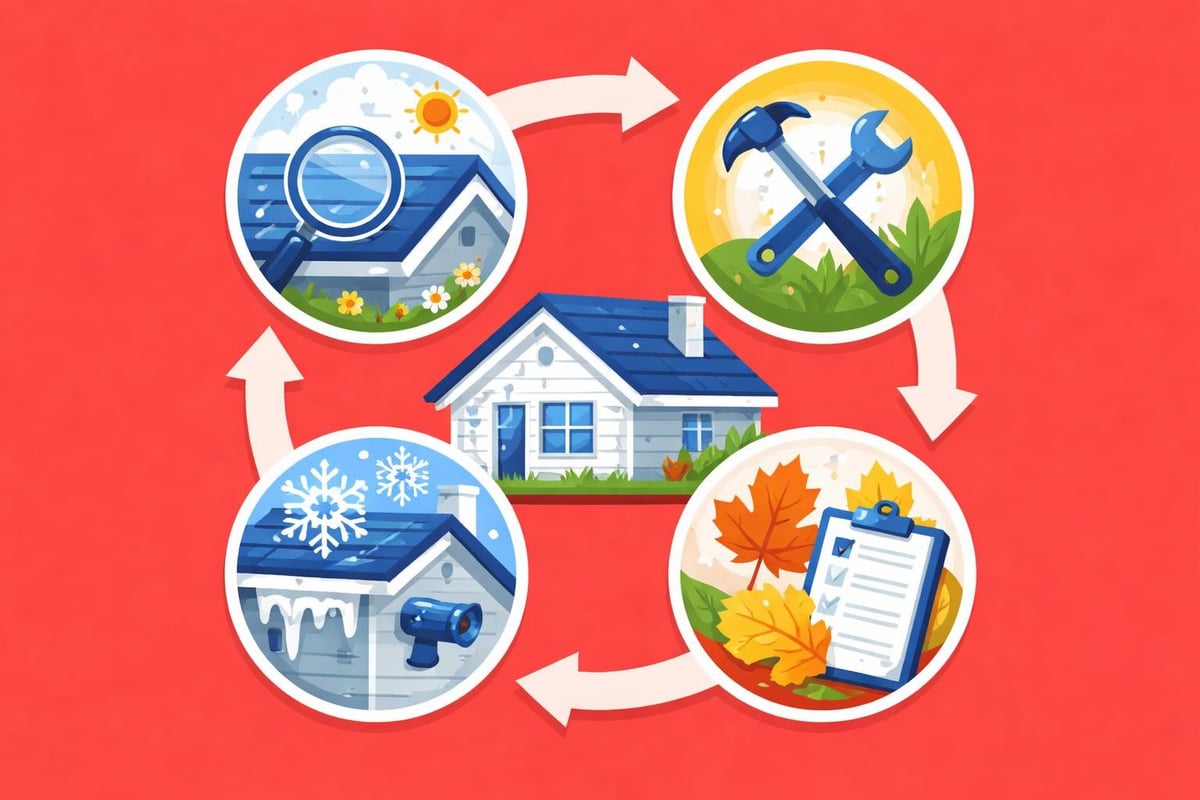
Seasonal Considerations and Preventive Care
Understanding how seasons impact roofing and more components helps property owners time maintenance and identify emerging problems before they escalate.
Spring and Summer Priorities
Warmer months provide ideal conditions for comprehensive inspections and major projects. Spring assessments identify winter damage, check for ice dam-related issues, inspect flashing and sealants that may have degraded, and verify ventilation system performance before summer heat arrives.
Summer represents peak construction season when contractors can complete projects efficiently. However, property owners in Joliet should also consider heat-proof roof strategies for late summer to protect their investment during temperature extremes.
Fall and Winter Preparation
Pre-winter preparation prevents damage during the harshest months. Clean gutters before leaves fall to ensure proper drainage during winter precipitation, trim overhanging branches that could break under snow and ice load, and inspect attic insulation and ventilation to prevent ice dams.
Winter damage often goes unnoticed until spring. Ice dams indicate inadequate attic insulation or ventilation, heavy snow loads can stress structural components, and freeze-thaw cycles damage compromised sealants and flashings.
Professional Certification and Quality Standards
Staying current with roofing industry guidelines ensures contractors deliver work that meets evolving standards for safety, performance, and energy efficiency. Professional certifications demonstrate commitment to excellence and ongoing education.
Industry Standards and Best Practices
Reputable contractors follow manufacturer specifications precisely, maintain proper insurance coverage including workers compensation and general liability, employ trained installers certified by major manufacturers, and participate in continuing education to stay current with new materials and techniques.
The roofing and more approach requires broader expertise than traditional roofing alone. Contractors must understand building science principles, coordinate multiple trades effectively, and manage projects that address diverse exterior components simultaneously.
Value of Professional Inspections
Roof certification provides documented assessment of roof condition and remaining lifespan. These professional inspections offer value during real estate transactions, support refinancing applications, verify insurance coverage adequacy, and establish baseline condition for maintenance planning.
Comprehensive inspections examine all exterior components, not just the roof surface. Professional assessors evaluate structural integrity, identify code violations or substandard previous work, and recommend prioritized repairs based on urgency and budget considerations.
Regional Considerations for Joliet Property Owners
Local climate patterns significantly impact material selection and maintenance requirements. Joliet's continental climate subjects roofing and more components to extreme temperature swings, heavy snow loads, severe thunderstorms with large hail, and periodic tornado activity.
These conditions demand robust materials and installation techniques. Asphalt shingles rated for high wind resistance, properly secured flashing that withstands uplift forces, impact-resistant materials in hail-prone areas, and adequate structural support for snow accumulation all represent critical considerations.
Local service areas require contractors who understand regional challenges:
- Properties in Bolingbrook face similar weather patterns with varying soil conditions
- Frankfort locations may experience more severe winter conditions
- Brookfield properties encounter urban heat island effects
- Romeoville buildings must withstand consistent wind exposure
Understanding these micro-climate variations helps contractors recommend appropriate solutions for specific locations.
Making Informed Investment Decisions
Roofing and more projects represent significant financial commitments that require careful planning. Property owners should obtain multiple detailed estimates, verify contractor licensing and insurance, check references from recent similar projects, and review warranty terms for both materials and workmanship.
Financing options make major projects accessible. Many contractors offer payment plans, home equity loans provide favorable interest rates for major improvements, and manufacturer rebates or utility incentives offset costs for energy-efficient upgrades.
Industry leaders regularly share insights about market conditions and emerging trends. Following current state of the industry discussions helps property owners make informed decisions aligned with best practices.
The value of comprehensive exterior work extends beyond immediate problem resolution. Coordinated roofing and more projects enhance property value, reduce long-term maintenance costs, improve energy efficiency, and provide peace of mind through verified protection. By viewing exterior components as integrated systems rather than isolated elements, property owners maximize return on investment while ensuring lasting protection for their most valuable asset.
Understanding the comprehensive scope of roofing and more services empowers property owners to make decisions that protect their investments for decades. Whether you need roof replacement, repairs, siding, or complete exterior renovation, Great Roofing brings family-owned dedication and professional expertise to every project throughout the Joliet area. Our team specializes in both residential and commercial applications, delivering integrated solutions that address all your exterior protection needs with the quality and attention to detail that only a locally-owned contractor can provide.